


What a poster size menu really tells you
A printer's size list is a map of its equipment. A short menu of common sizes means quick-print machines tuned for volume on a few formats. A chart that runs to 36x48 and beyond means wide-format presses, different stocks, and finishing gear on site. Neither is wrong, but they serve different customers, and the frustration behind a poster sizes search is usually a real project bumping against the shorter list. The poster dimensions guide maps every standard format to its job.
Where the shorter menu pinches
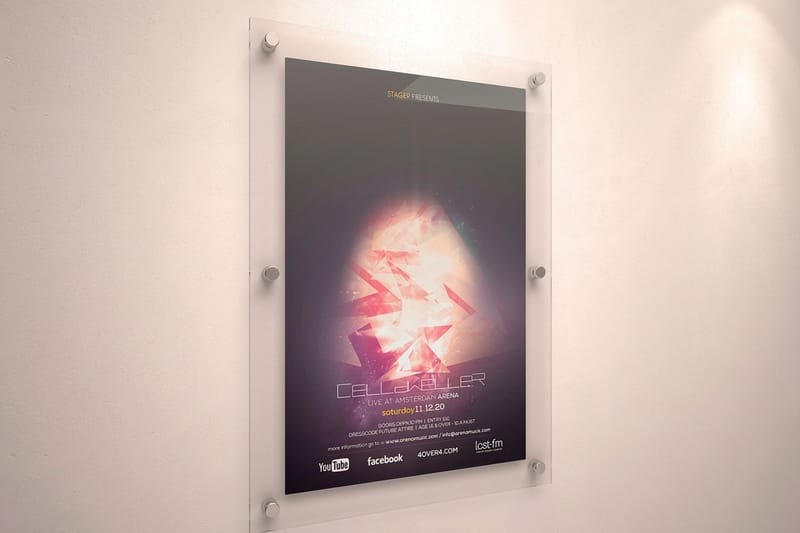
It pinches three ways. The design compromises: an 18x24 layout squeezed into a smaller format loses hierarchy, type shrinks below its viewing distance, and the poster stops working from across the room. The campaign splits: when the storefront piece needs a size the menu lacks, a second vendor enters, with a second proof cycle and a second color standard. And the material ceiling: paper-only menus cannot make the poster survive a window in July or a sidewalk easel in rain. Size, in posters, is never just size.
The full chart, from handbill to architecture
The size chart above is the whole answer in one screen; this is what sits behind each row. 4OVER4.COM prints posters across the entire standard chart, 11x17, 12x18, 16x20, 18x24, 24x36, and up through true large format, with custom dimensions when the spec is exact. In between sit the sizes short menus skip and retail keeps asking for: 20x30 for enlargements and real estate boards, 22x28 for window cards, 27x40 for the cinema one sheet, 36x48 and wider for backdrops and booth walls. Orientation, bleed, and resolution guidance for each size lives in how to make posters, and trade-show specifics in the trade show sizing guide. The point is simple: the artwork decides, the press follows.
Materials the size chart stands on
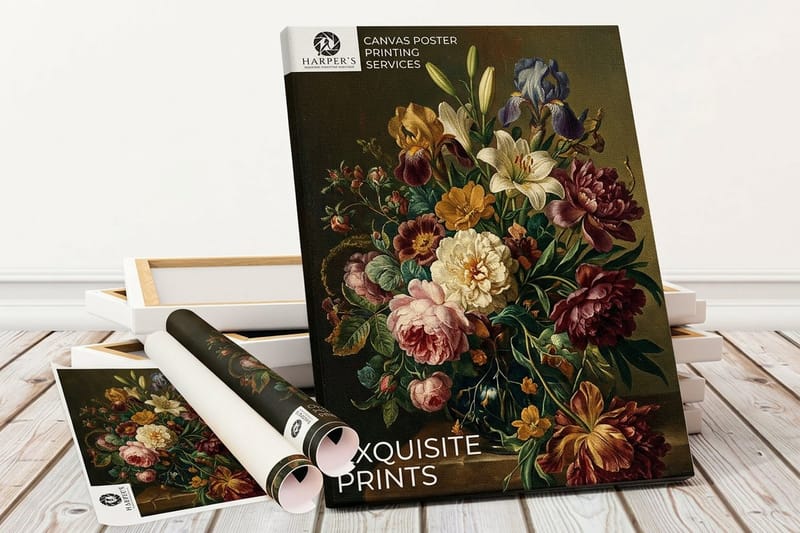
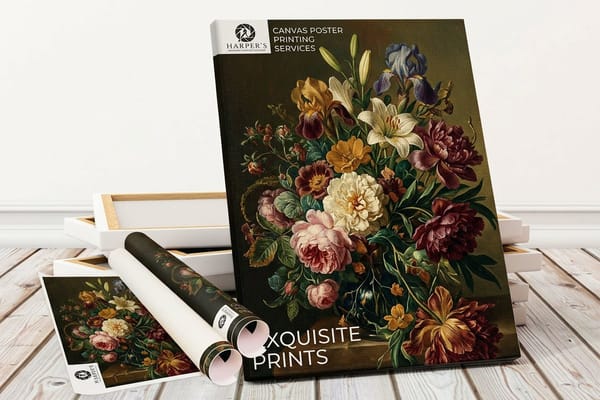
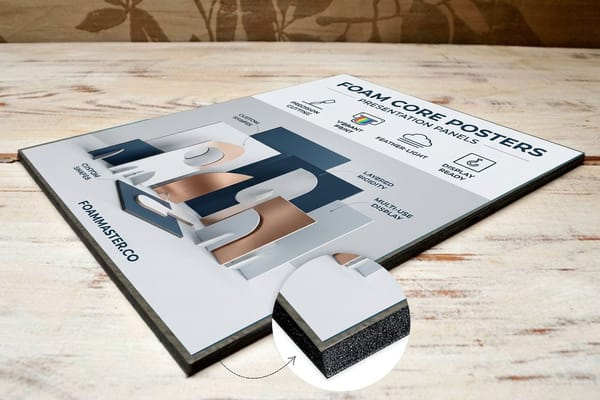
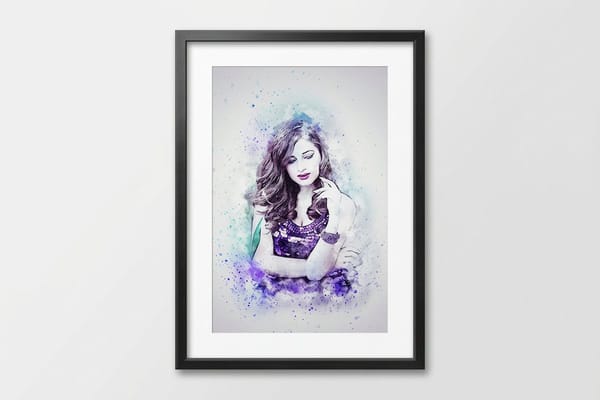
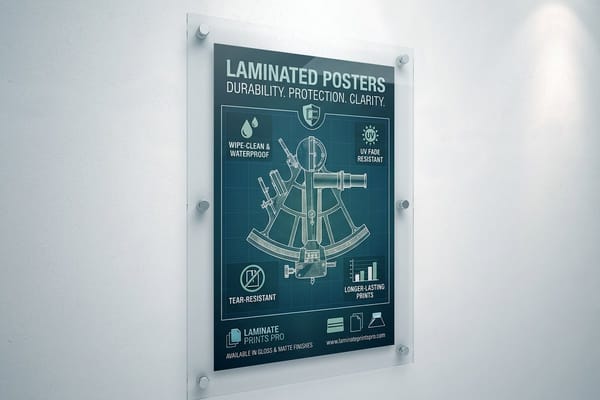
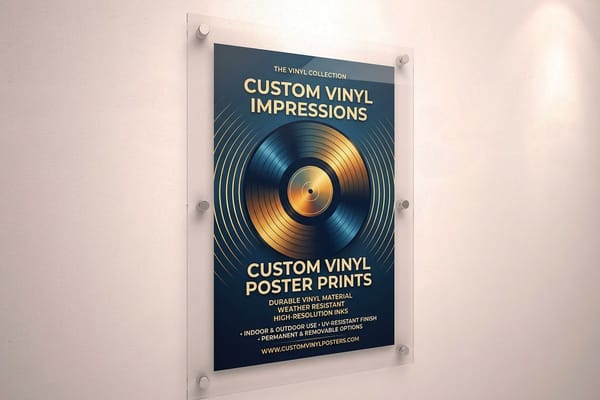
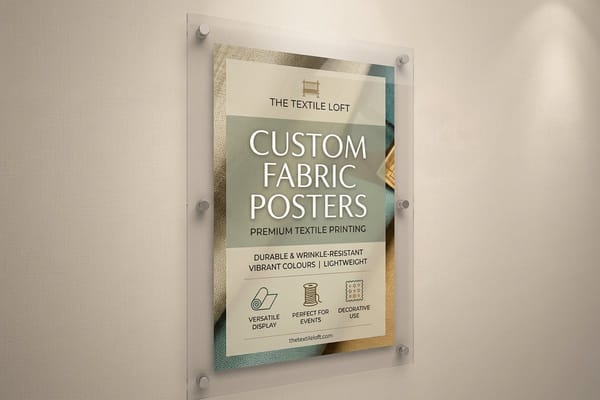
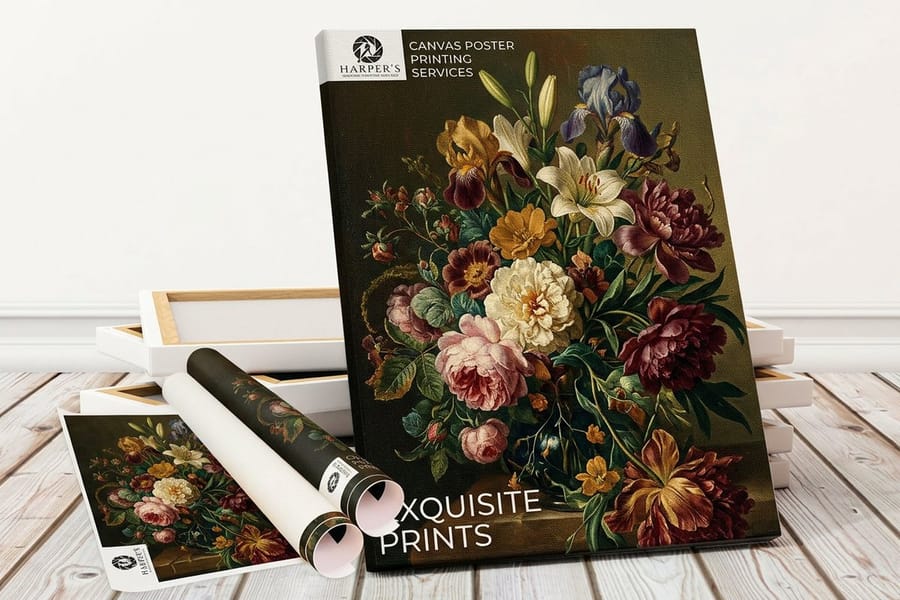
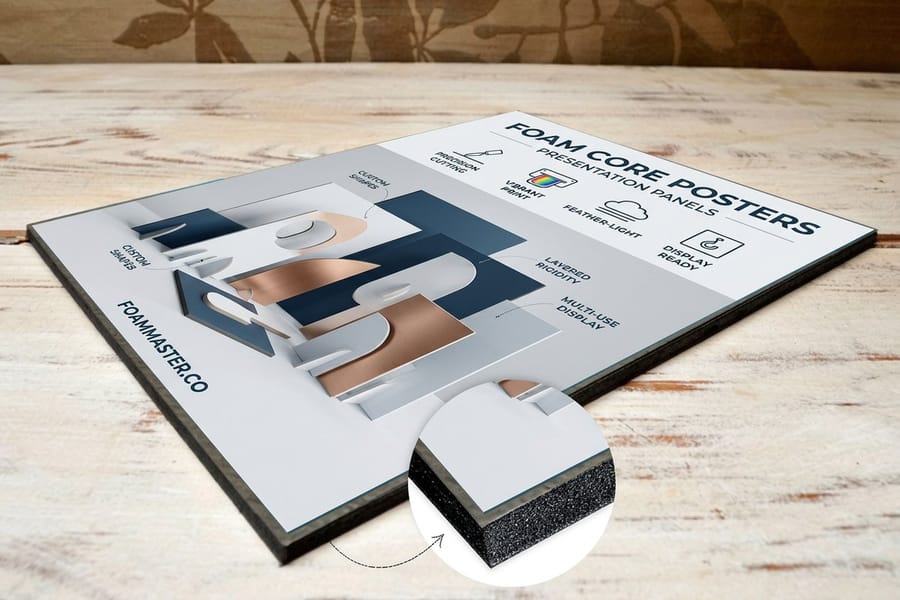
Every size comes in the material its lifespan demands. Gloss and matte papers for interiors, laminated for wipe-clean menus and classrooms, vinyl for weather, fabric for creaseless shipping, foam core and mounted for rigid display, framed for walls that need to look finished on arrival, and 3D lenticular when the poster itself should move. One artwork file, a dozen physical outcomes. The rule of thumb from the pressroom: the bigger the size and the longer it hangs, the further you move from plain paper, so an 11x17 counter card can stay paper while a 36x48 in a storefront window wants vinyl or lamination in front of it.
What a poster costs, material by material
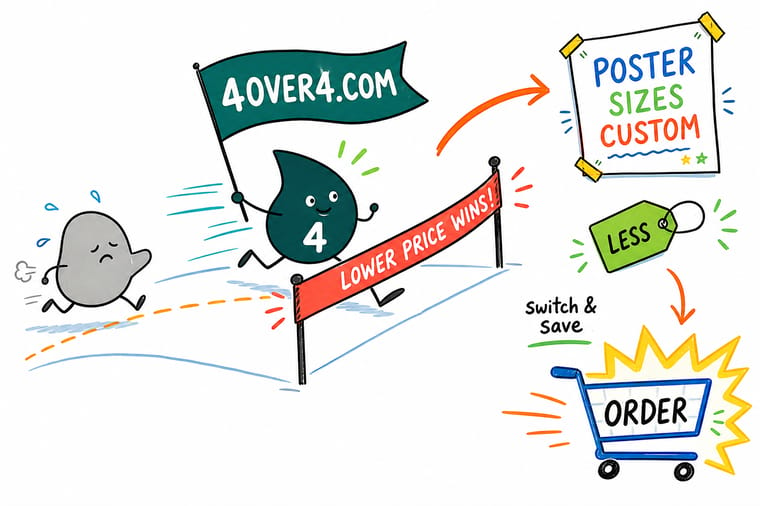
On a small standard poster, prices across the industry sit close together, and honesty says so. If all you need is a stack of 11x17 handbills, the invoice will look much the same wherever you print. The gap opens with size and volume: 4OVER4.COM large format starts at $25 and bulk tiers drop the unit cost as campaigns scale, where short-menu printers either stop or outsource. Loyalty coins accrue on every order, and the 110% Price Match Guarantee closes whatever daylight remains: a lower written quote elsewhere still ends 10 percent cheaper here.
Which campaigns need the full size chart
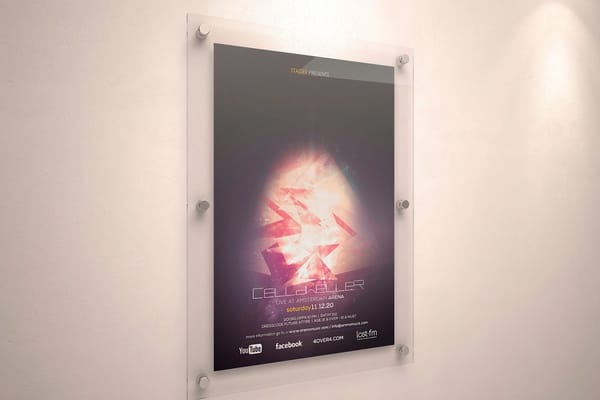
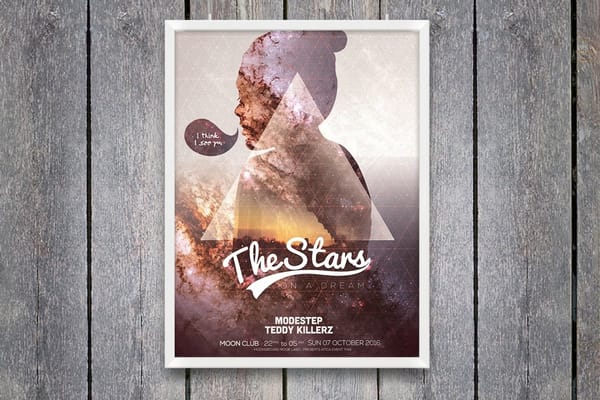
Event and music promoters printing three sizes of one artwork. Retailers whose windows demand real large format. Agencies that need one color standard from handbill to wall. Educators and researchers with conference posters on deadline. If the whole project is one small standard-size poster from a template, VistaPrint's designer will serve it fine; the moment size, material, or volume enters the brief, the full chart wins. Browse every head-to-head on the printing alternatives hub.
Canvas to lenticular on one press
The chart: every standard size, true large format, and custom dimensions from one press room. The materials: paper to canvas to lenticular, matched to the poster's real lifespan. The system: free proof, calibrated color across sizes, free samples, a 110% price match, and 1,000+ products so the posters ship beside the flyers and yard signs that carry the same campaign. Start in the posters collection and print the size the design actually wants.