
50 Trade Show Facts and Statistics Shaping 2026


Tobias is our voice for cutting, binding and large format, built from the knowledge of our production team, with over 20 years in printing.
Why Trade Show Numbers Still Decide Marketing Budgets
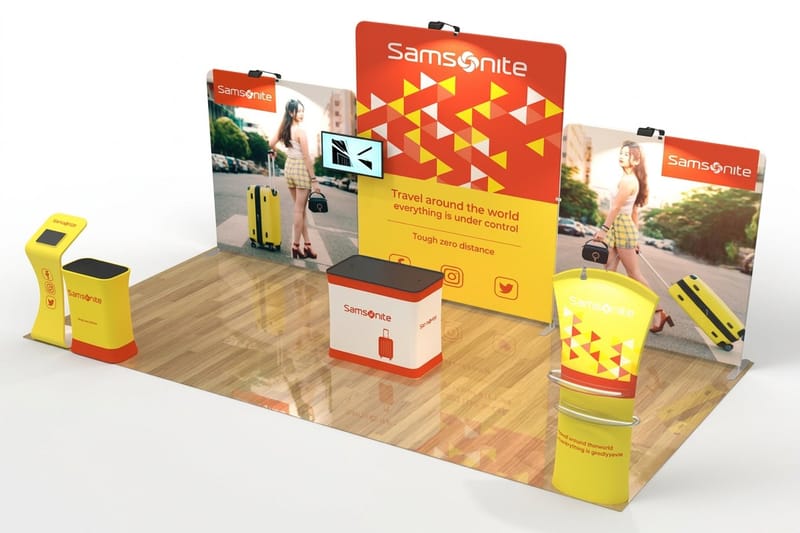
Every year somebody declares the trade show dead, and every year the exhibit halls fill up again, and the printed booth is part of why: a trade show booth kit from $2,599.00 travels to every show of the season. A show floor is the only marketing channel where a buyer can touch the product, meet the person who would service the account, and compare three competitors in the same afternoon. Nothing online compresses evaluation like that.
For a trade show booth cost estimate, split the budget in three. Floor space comes from the organizer, priced by the square foot in the exhibitor kit. The booth itself is a one-time buy you reuse: a booth kit from $2,599.00 for a 10 by 10 inline space and a 2 sided blockout banner from $108.75. Giveaways scale with the crowd, so 100 3 in 1 wireless chargers at $15.00 each add $1,500.
Three booth ideas come straight out of the facts below: reprint only the graphics on a frame you already own, design one backdrop wall for the camera, and hand out one tiered gift instead of a table of pens.
The facts below are grouped so you can lift the ones you need for a budget conversation. Where a number depends on your own program, we say so plainly rather than handing you a borrowed average that will not survive scrutiny. If you want to model your own figures, our trade show ROI calculator and benchmarks page walks through the arithmetic line by line.
- 1. Face to face remains the only channel where a prospect can handle the product, question the team, and compare rivals inside a single afternoon.
- 2. A show floor compresses the calendar. Meetings that would take six weeks of scheduling happen across three days in one building.
- 3. Exhibit space is sold by the square foot, so booth cost scales with footprint while your staffing and print costs do not scale nearly as fast.
- 4. The 10 by 10 inline booth is still the entry footprint at most business to business shows in North America, which is why so much exhibit hardware is built to that module.
- 5. Most established organizers publish an audited attendance report. That document, not the sales deck, is the number you should plan against.
- 6. Print is usually the smallest line on a booth budget and the most visible one. Graphics are what the aisle actually sees.
Shop the floor
Trade show printing collection
Booth kits, banners, displays, and handouts built for a hall aisle, not a desk.
What Brands Are Really Buying When They Book Floor Space
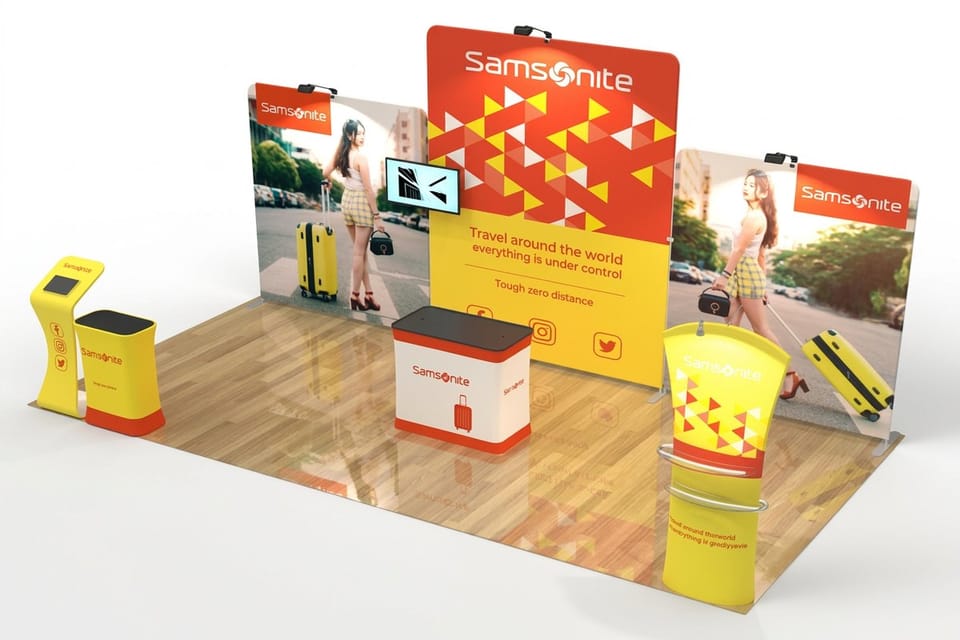
Ask five exhibitors why they are at a show and you get five answers, most of which are some version of leads, the scans that end up on a spreadsheet the week after. Watch what those same teams actually do on the floor and a wider picture appears. They are gathering competitive intelligence, protecting existing accounts, launching product in front of press, and quietly interviewing people who stop by the booth.
That matters for planning because each of those goals needs different printed material. A lead capture booth needs a headline readable from the aisle. A launch booth needs specification sheets a buyer can carry into a meeting. Our trade show booth ideas and materials checklist maps the goal to the print list so nothing gets remembered on the truck.
- 7. Lead capture is the stated goal for most exhibitors, but competitive intelligence is almost always the unstated second goal, and it is free once you have paid for the badge.
- 8. Product launches cluster around flagship shows because press, analysts, and buyers are already in the building on the same week.
- 9. Existing customers walk the floor too, which quietly makes a show a retention event dressed up as an acquisition event.
- 10. Recruiting happens at booths. Engineers and salespeople who admire your product from the aisle are a hiring pipeline nobody puts on the show budget.
- 11. Distributors and resellers use shows to shortlist suppliers, so a booth that looks under-resourced costs you channel conversations you never hear about.
- 12. Sponsorships buy the aisle, the lanyard, and the tote bag. They put your name in front of people. The booth still has to do the closing.
Print picks
Three trade show formats worth a look
Live prices, ready to configure for your footprint and freight date.
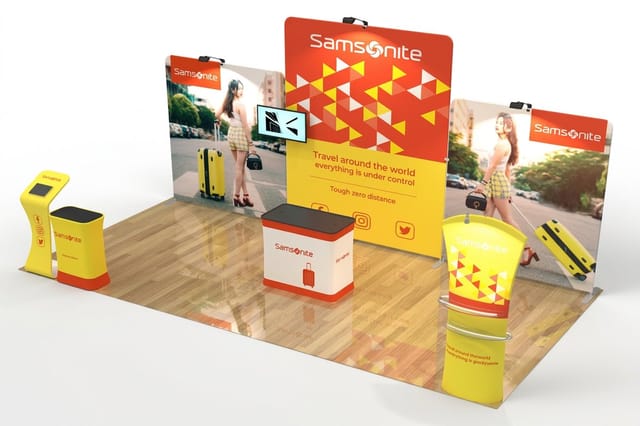 Trade Show Booth Kits $2599.00 each Frame, graphics, and case in one kit that travels show to show.
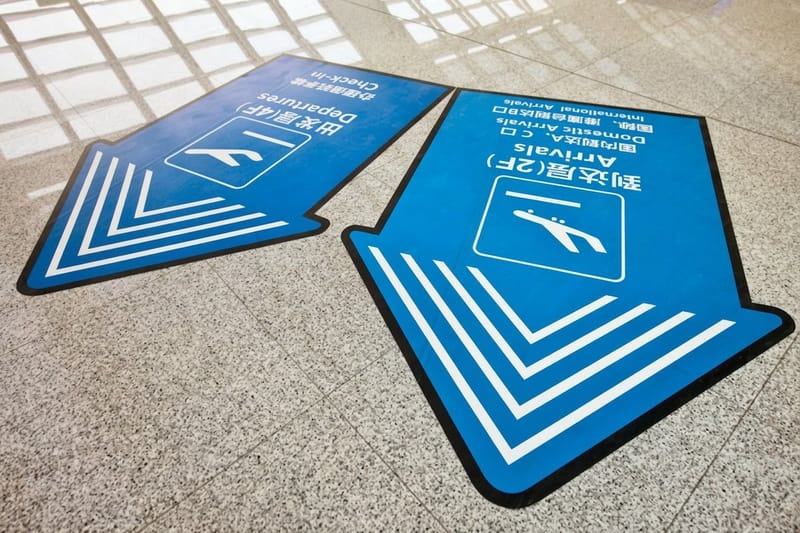
  2 Sided Blockout Banners $108.75 each An opaque core keeps both printed sides sharp under hall lighting.
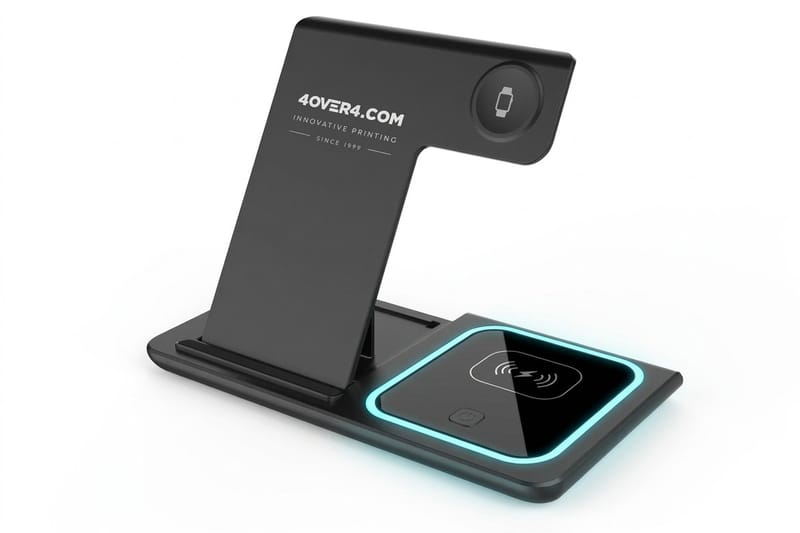
 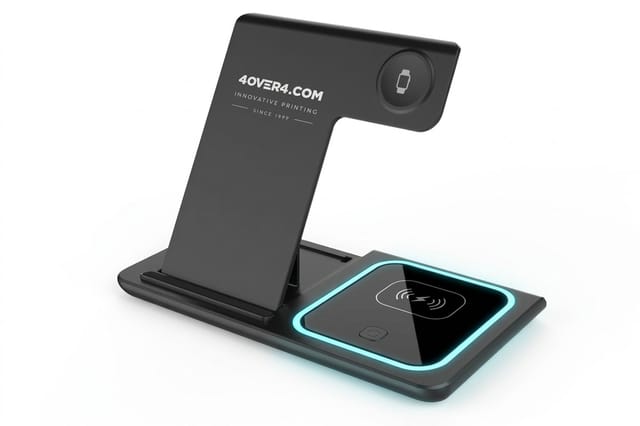 3 in 1 Foldable Wireless Charger $15.00 each The giveaway that lands on a desk instead of a hotel bin.
 Trade Show Trends Shaping 2026
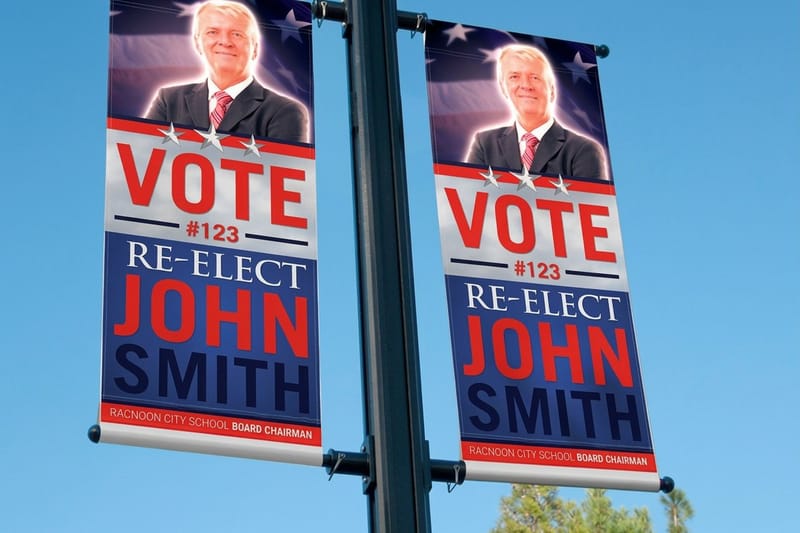
The visible change on show floors right now is reuse. A booth kit from $2,599.00 carries the frame across a whole season, and exhibit teams that once commissioned a custom build for a single flagship event now buy modular hardware and reprint only the graphics. It changes what you order and when, because the frame becomes a fixed asset and the printed skin becomes the annual expense.
The second change is that booths are being designed for the camera as much as for the aisle. Staff film walkthroughs, attendees post clips, and a banner that reads well at ten feet also has to survive a vertical crop. If you are rethinking your handouts alongside the hardware, our piece on trade show flyers and displays for events covers the pairing, and 3D lenticular postcards are still one of the few handouts people stop to look at twice. For the hardware itself, Display Banners That Make People Stop and Read compares the formats.
- 13. Hybrid programming is now standard at large shows, which means your booth graphics get a second life as backgrounds in streamed sessions and recorded interviews.
- 14. Booths are increasingly designed for camera framing, with the logo placed where a phone held vertically will still catch it.
- 15. Modular reusable hardware is displacing one-show custom builds, turning the exhibit into a capital asset and the graphics into the recurring line.
- 16. Double-sided printing is spreading to hanging and freestanding banners because aisles have two directions of traffic and a blank back is wasted rent.
- 17. QR-first collateral is the new default. The printed piece earns the pause, the scan does the handoff into your CRM.
- 18. Sustainability language is appearing in exhibitor manuals, covering recyclable substrates, freight consolidation, and what you are allowed to leave behind.
- 19. Teams are adding smaller regional shows alongside the flagship, which rewards a booth kit that packs into a case rather than a crate.
Two-sided visibility
2 sided blockout banners
An opaque blockout core stops one side bleeding through the other under bright hall lighting.

How Attendees Actually Work a Show Floor
An attendee walking an aisle is running a fast filter. They read the top of your booth, decide whether the category matches what they came for, and either slow down or keep moving. Almost none of that decision is made from your body copy. It is made from a headline, a logo, and an image, all read on the move from several feet away.
This is why the single most common booth mistake is typographic, not strategic. Teams shrink the headline to fit more words, and the booth stops reading from the aisle. If you want a reminder of how much identity work a mark can do at a glance, these facts about logos are a useful corrective before you approve artwork.
- 20. Attendees decide whether to enter a booth from roughly ten feet away, in the time it takes to walk past it.
- 21. Headline type on a banner needs to be sized for that ten foot read, which usually means far fewer words than the draft you were sent.
- 22. Most attendees arrive with a shortlist built before the show from the exhibitor directory, so your listing copy is doing work weeks before the doors open.
- 23. A badge scan is not a lead. It is a scan. Qualification happens in the conversation, and your capture form should record which one it was.
- 24. Aisle traffic peaks mid-morning and again right after the lunch break, which is when your strongest staff should be on the floor.
- 25. Attendees carry what they are handed, and bag space runs out. Weight and bulk decide whether your handout survives to the hotel room.
- 26. The final hours of the last day are quiet, and quiet is when the longest and best conversations happen. Do not pack early.
Quantity and price
Trade show booth kit pricing and specs
Real configurator numbers, so you can budget the frame and the graphics separately.
| Quantity | Price Per Unit | Total |
|---|---|---|
| 1 | $2,599.00 | $2,599.00 |
| 2 | $2,599.00 | $5,198.00 |
| 3 | $2,499.00 | $7,497.00 |
| 4 | $2,499.00 | $9,996.00 |
| 5 | $2,499.00 | $12,495.00 |
Swag and Promotional Merchandise That Survives the Flight Home
Giveaway that gets kept
3 in 1 foldable wireless charger
Solves the dead-phone problem every attendee has by mid-afternoon, then lives on their desk with your logo on it.
Promotional merchandise gets mocked until you audit which items actually made it back to somebody's desk. The pattern is consistent and unglamorous. Useful beats clever, small beats large, and anything that solves a problem the attendee is having right now, such as a dead phone at 3pm on day two, outperforms the branded stress ball by a wide margin. Pick items that pass that test, such as a ready-made charger an attendee needs on day two.
Treat giveaways in tiers. Something inexpensive for anyone who stops, something better for a qualified conversation, something genuinely good for a booked meeting. For a full list of what works by budget band, see our roundup of trade show giveaway ideas.
- 27. Useful beats clever. An item that solves a problem the attendee has that day gets used, and a used item keeps advertising long after the show closes.
- 28. Tech accessories have the highest keep rate of any giveaway category, because they earn a permanent spot on a desk or in a bag.
- 29. Branding placement matters more than logo size. A small mark in the right spot gets seen daily. A huge mark gets the item hidden.
- 30. A tiered giveaway strategy protects your budget. Everyone gets something, qualified leads get the good thing.
- 31. Consumables disappear on day one. If you bring candy or drinks, bring them as traffic bait, not as your memory device.
- 32. Weight and airline rules decide the fate of your swag. Anything a flyer cannot pack into a carry-on gets left in the hotel.
- 33. The metric that matters is cost per retained impression, not cost per unit. A $15.00 item kept for two years beats a $2.00 item binned on the way out.
Measuring Whether the Booth Paid for Itself
Show measurement fails for a boring reason. Teams count scans, compare them to last year, and never connect either number to revenue. The fix is to decide the metric before you ship the crate, then instrument for it, exactly as you would for any other campaign.
Cost per qualified lead is the metric that travels between shows, between years, and between channels. It also lets you compare a booth honestly against something like a mailing campaign, and the direct mail statistics we collected make that comparison much less hand-wavy than it usually is.
- 34. Cost per qualified lead is the only metric that compares cleanly across shows, years, and other channels. Everything else is vanity or context.
- 35. Total show cost is not the booth invoice. It is space, hardware, graphics, freight, drayage, electric, internet, staff travel, and hotel.
- 36. Attribute revenue with a show-specific source code created before you leave, because nobody will retrofit it accurately in January.
- 37. Set the follow-up service level in advance. Leads worked within 48 hours convert at a different rate than leads worked in three weeks.
- 38. Count conversations, not scans. Ask staff to log a one-word qualification on every capture and your pipeline forecast stops being fiction.
- 39. Reusable assets amortize. A booth kit spread over six shows carries a very different cost per show than the purchase price suggests.
- 40. Compare year over year at the same show before you compare across shows. Venue, season, and co-located events move the numbers more than your booth does.
Compare formats
Popular trade show print, side by side
Material, size, quantity, turnaround, and price lined up so the budget call takes minutes.
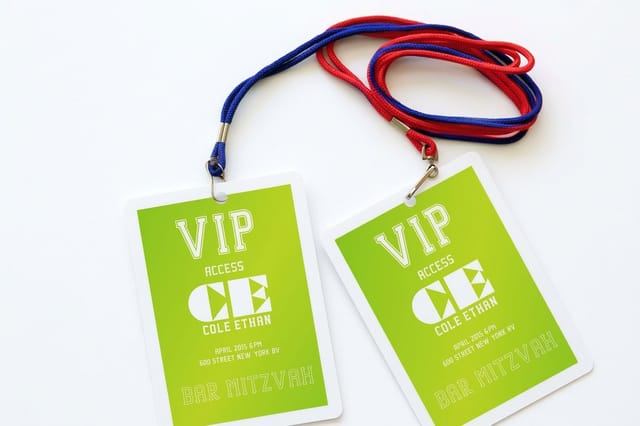 Event Badges |  Counter Cards | 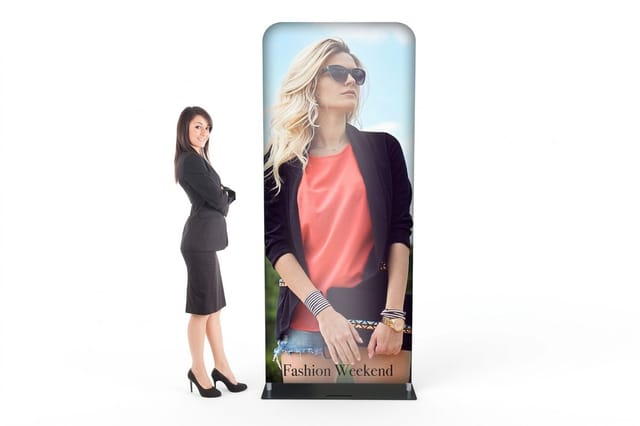 Fabric Tube Displays | 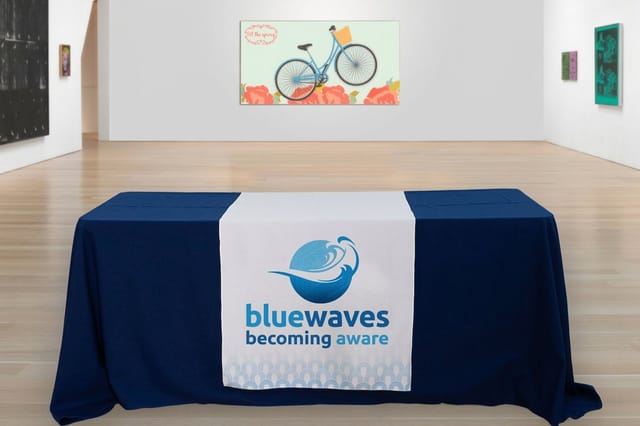 Table Runners | |
|---|---|---|---|---|
| Min price | $49.88 | $21.97 | $163.67 | $97.76 |
| Paper / stock | 30pt Gloss Laminated | 56pt. SBS Board | 8.8oz. Tension Fabric | 9oz Premium Polyester |
| Finish | - | Standard Finish | - | - |
| Size | 2" x 3" | 8.5" x 11" | 36" x 90" | 24" x 72" |
| Default qty | 25 | 1 | 1 | 1 |
| Turnaround | 5 business days | 2 business days | 4 business days | 4 business days |
| Rating | ||||
| View & customize | View & customize | View & customize | View & customize |
What These Forty Numbers Mean for 2026 Planning
Most show disasters are logistics, not strategy. The graphics were approved late, the freight deadline was missed, the spare was never ordered. None of that shows up in a post-mortem deck as a marketing failure, but it is what turns a paid booth into a folding table with a laptop on it.
Build your print calendar backward from the freight cutoff in the exhibitor manual rather than from the show date, and order a spare of anything a forklift could crush. If you want your graphics to look like nobody else on the floor, borrow from outside the exhibit world entirely, starting with these artists and designers.
- 41. Book space early. Placement near an entrance, a food court, or an anchor exhibitor is assigned long before the show is full.
- 42. Lock your print deadline to the freight cutoff in the exhibitor manual, not to the opening date. Those are usually two very different weeks.
- 43. Order one spare of every printed piece. Banners get creased, stands get dropped, and there is no reprint desk in an exhibit hall.
- 44. Carry a backup retractable banner in hand luggage. It has saved more booths than any contingency plan ever written down.
- 45. Staff to the footprint. Two people on a 10 by 10 is right, four is a wall that attendees will not walk through.
- 46. Archive your print files by show and size. Reordering from a proven file next year removes the single slowest step in the whole process.
Start fast
Banner templates and print-ready blanks
Free layouts plus exact-size blanks so your artwork lands inside the safe area the first time.
Where These Trade Show Numbers Come From
Trade show statistics circulate for years after they stop being true, usually stripped of the year, the region, and the industry they were measured in. Before you put a number in a budget request, find out who measured it and when, and plan against the audited attendance report the organizer publishes (fact 5). If a figure has no attributable source, treat it as folklore and replace it with your own data.
- 47. Organizer attendance reports verified by an independent auditor are the most reliable source for the size and makeup of any specific show.
- 48. Your own CRM is the second source and the more useful one, because it is the only place your real cost per qualified lead exists.
- 49. Industry research bodies publish exhibition benchmarks. Check the publication year and the region before you quote one, because both move the number.
- 50. Benchmarks age quickly. Recalculate yours every show cycle rather than carrying last year's figure into this year's plan.
Once you have your own baseline, the planning gets much simpler. Run your numbers through the trade show ROI benchmarks page, then spend the print budget where the aisle can actually see it.
Wally reads the trade show numbers so you do not have to
What each statistic actually changes about your booth print order
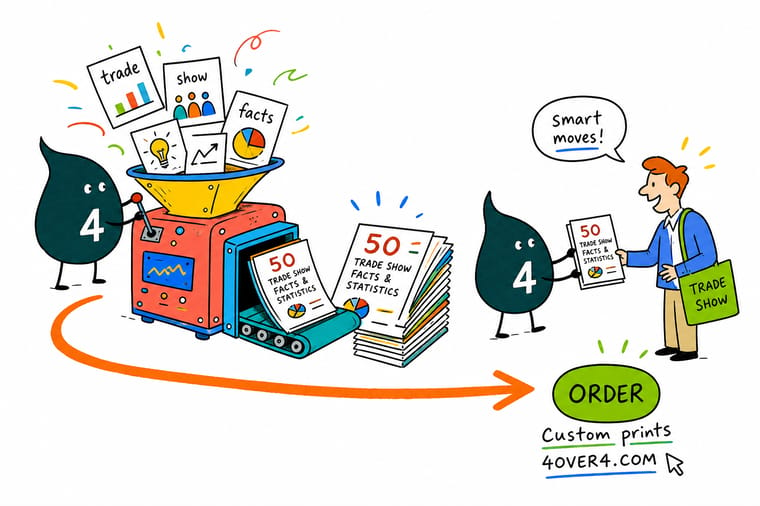
Fifty facts are useful only if they change a decision. Wally boils them down to four: plan against audited attendance rather than headline attendance, size your booth headline for a ten foot read, buy a reusable frame and reprint only the graphics, and measure cost per qualified lead instead of badge scans. Get those four right and the rest of the show budget mostly takes care of itself, because you are spending on the parts of the booth the aisle can actually see.
Build your trade show print list →What the Trade Show Data Means for Your Next Booth
By the numbers
4OVER4.COM at a glance
Company-wide figures since 1999, across the whole catalog. For your booth, kits start at $2,599.00 and blockout banners at $108.75.
- 10B+ Cards and print products, printed since 1999
- 150,000+ Businesses served, across every industry
- 60+ Paper types, across our print catalog
- 99.8% On-time delivery, tracked orders
Explore more
More trade show planning and print across 4OVER4.COM
Table runners print for $97.76 and fabric tube displays for $163.67, both in 4 business days.
 Collection Trade Show Printing Booth kits, banners, displays, and handouts in one place. Product Trade Show Booth Kits Frame, graphics, and travel case built to reuse all season. Product 2 Sided Blockout Banners Opaque core keeps both printed faces crisp in the aisle.
  Product 3 in 1 Foldable Wireless Charger The booth giveaway that ends up on a desk, not in a bin.
 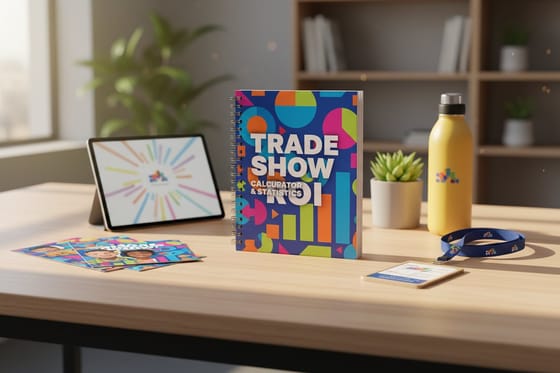 Statistics Trade Show ROI Benchmarks Model your own cost per qualified lead, line by line.
  Article Booth Ideas and Materials Checklist Match the booth goal to the exact print list. Article Flyers and Displays for Events What to hand out and what to hang above it.
  Article Trade Show Giveaway Ideas Swag that survives the flight home, by budget band.
  Article Direct Mail Statistics Compare booth spend honestly against a mailing program.
  Article Facts About Logos How much identity work a mark does at a glance.
  Article 3D Lenticular Postcards A handout people stop and look at twice.
  Article Artists and Designers to Know Booth graphics inspiration from outside the exhibit world.
 Ready to print a booth the aisle cannot walk past?
Pick the footprint, upload the artwork, and lock the turnaround to your freight cutoff. Booth kits, blockout banners, and giveaways ship from one order.
Trade Show Statistics Questions Exhibitors Ask
What is the value of trade shows for exhibitors?
The value is compression. A show floor is the one place a buyer can handle your product, question the person who would service the account, and compare you against three competitors in a single afternoon. That collapses an evaluation cycle that would otherwise take weeks of scheduled calls, and on a 10 by 10 inline booth a booth kit and one blockout banner carry most of that first impression. It also doubles as a retention event, because your existing customers walk the same aisles, and as a recruiting channel, because the people who admire your product from the aisle are often the people you want to hire. To turn that into a number you can defend, calculate cost per qualified lead using our trade show ROI benchmarks.
Why do brands keep attending trade shows in 2026?
Because the alternatives do not replace what a show does. Brands attend to capture leads, to watch competitors set up their own pitch twenty feet away, to launch product while press and analysts are already in the building, and to keep distributors from shortlisting somebody else. Hybrid programming has widened the reach rather than replaced the room, so booth graphics now serve double duty as backgrounds for streamed sessions and recorded interviews. The exhibitors who get the most out of it are the ones who name a single primary goal before booking and then build the booth and the print list around that goal instead of hedging across four.
What counts as a trade show fact worth planning around?
A fact you can attribute and date. Organizer attendance reports verified by an independent auditor tell you the real size and makeup of a specific show. Your own CRM tells you your real cost per qualified lead, which is the only figure that compares across shows and years. Industry research bodies publish exhibition benchmarks, and those are useful as long as you check the publication year, the region, and the sector before quoting them. Any statistic circulating without a source or a date should be treated as folklore, replaced with your own measurement, and kept well away from a budget request that a finance team is going to read closely.
What does the audited attendance report actually tell me?
Start with the audited attendance report and read the attendee breakdown rather than the headline number, because ten thousand attendees in the wrong job titles is worse than eight hundred in the right ones. Check who else is exhibiting, since a floor with no competitors usually means buyers are not there either. Look at the co-located events, which often move traffic more than anything you do. Then compare the total cost, including freight, drayage, electric, and travel, against the pipeline you built at a comparable show last year. Add one regional show alongside your flagship before you add a second flagship.
What does a booth kit cost across a season?
Prices are set by size, material, quantity, and turnaround, and every one of those is visible in the configurator before you commit. Trade Show Booth Kits start at $2,599.00 and cover the frame, the printed graphics, and a travel case, which spreads across a whole season of shows. 2 Sided Blockout Banners start at $108.75 and use an opaque core so both printed faces stay solid under hall lighting instead of ghosting through. Promotional tech such as the 3 in 1 Foldable Wireless Charger starts at $15.00 per unit, with unit price dropping as quantity rises. Order early and standard turnaround costs you nothing extra. Browse the banners printing collection for every banner format.
