
American Made Printing and Why It Beats Offshore Print Buying


Emma is our prepress and print production voice, built from the knowledge of our production team, with over 20 years in printing.
What American Made Printing Actually Means
American made printing means the press that images your job, the bindery that trims it and the dock it ships from all sit inside the United States. That sounds obvious until you trace an order that was quoted by a company with a New York phone number, imaged overseas and freighted back through a port. The difference shows up on your delivery date long before it shows up on your conscience.
If you are comparing two US commercial printers on quality and turnaround, compare three numbers in writing rather than the names: the on-time rate, the same-day cutoff and the color standard. For 4OVER4.COM those are 99.8% of orders on time, orders placed by 12pm ET shipping the same day from our Queens facility on most products, and G7 color profiling on the presses. Ask any other printer for the same three answers before you sign a run.
Plenty of print brokers describe themselves as American because the billing address is American. That is a sales address, not a production address. Two questions separate the two. Where does the sheet actually get printed, and who signs off on color before the box is taped shut?
4OVER4.COM has answered both the same way since 1999. Jobs run on domestic equipment and ship from domestic facilities, which is how the company has moved more than 10 billion cards and print products for over 150,000 businesses. That matters on a Tuesday when a client swaps the logo color and you need a corrected proof by Thursday. A production floor a few states away can absorb that change. A container already on the water cannot.
Where the press sits
The press location sets your calendar. A domestic sheetfed or digital press can be scheduled, paused and rescheduled inside a business day, which is why a US printer can quote next day turnaround honestly instead of quoting it and hoping customs cooperates.
Where the paper comes from
Stock matters as much as the press. Domestic mills and domestic warehouses mean the 16pt you approved in March is the same 16pt you get in September, with the same caliper, the same brightness and the same ink holdout.
Who checks the proof
On a US floor a press operator pulls a sheet, compares it against the approved file under standard lighting and either releases the run or stops it. When something looks wrong, the person who can fix it is on shift, not asleep on the other side of the planet.
Where the box ships from
The last mile decides whether you make the trade show. Shipping from a domestic warehouse means ground freight, real tracking numbers and a delivery window measured in days rather than a customs status page refreshed for weeks.
Start domestic
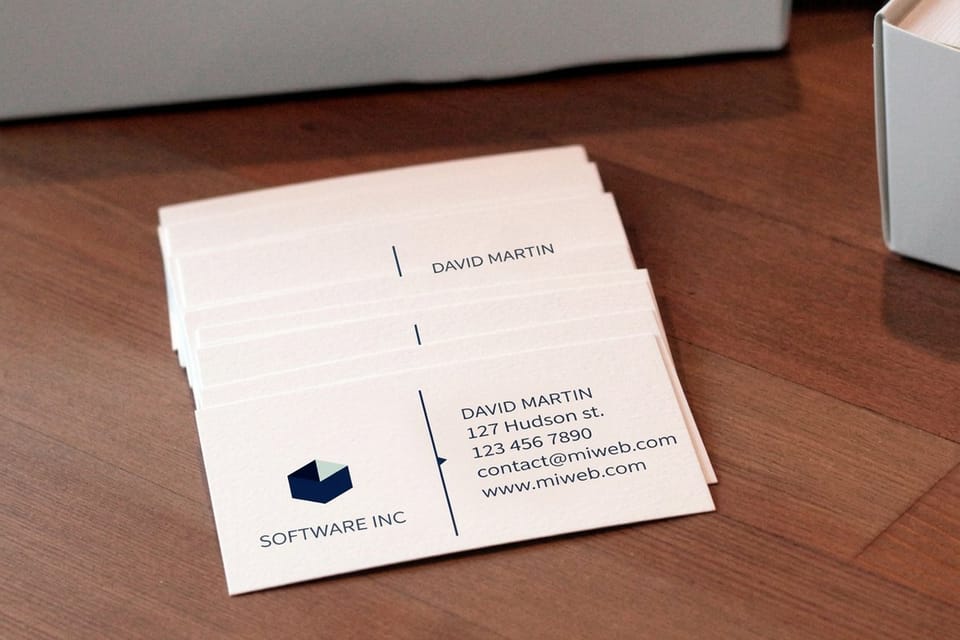
Standard Business Cards, printed in the USA
Business cards produced on US equipment and shipped from a domestic warehouse.
Why US Based Printing Matters to the Person Signing the Invoice
Buying American is usually pitched as a values decision. For anyone who has actually managed a print budget, it is closer to a risk decision. Offshore print buying looks cheap on the quote line and expensive everywhere else, because the savings live in the unit price while the costs live in the schedule, the reprints and the hours you spend chasing an update.
The practical wins are concrete. You get a real turnaround commitment, a reachable human, a reprint path when something goes sideways and ink and paper choices you can verify. If sustainability is part of the brief, domestic runs also make options like soy based inks easy to specify instead of a claim you have to take on faith, and a fussy technique like spot color printing becomes a conversation rather than an email thread across twelve time zones.
- Schedule you can plan around. Domestic production and ground shipping turn a delivery date into a commitment instead of an estimate.
- Accountability with a name on it. One support team owns the file, the proof and the reprint, so nothing gets lost in a handoff between brokers.
- Material transparency. You can ask what the stock is, where it came from and what ink went on it, and get a straight answer.
- Cheap failure recovery. A domestic reprint costs days. An overseas reprint costs a season, and usually the campaign it was tied to.
- Small runs stay viable. Standard Business Cards at $17.57 make a domestic sample run trivial, which is how you avoid betting a full campaign on an unproven file.
There is a marketing angle too, and it is not sentimental. Printed in the USA on a package insert, a booth banner or a hang tag reads as a quality signal to a large slice of American buyers. If you are already paying to print something, having the production story match the brand story costs you nothing extra. It is the same reason people notice a well cut edge or a rounded corner business card before they read a single word of copy.
Print picks
Three US printed formats worth a look
Live starting prices, all produced and shipped domestically.
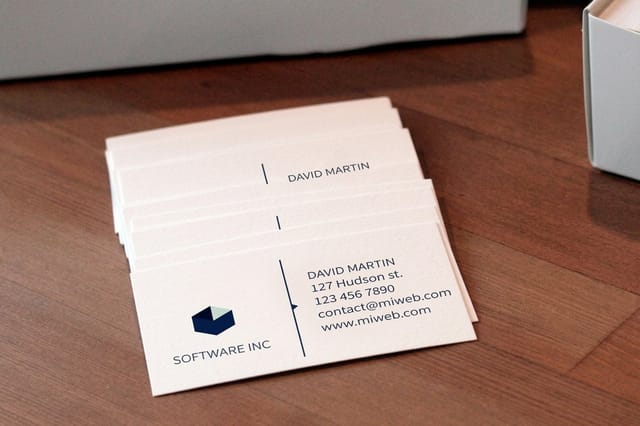 Standard Business Cards 100 for $17.57 Business cards printed domestically and out the door fast.
 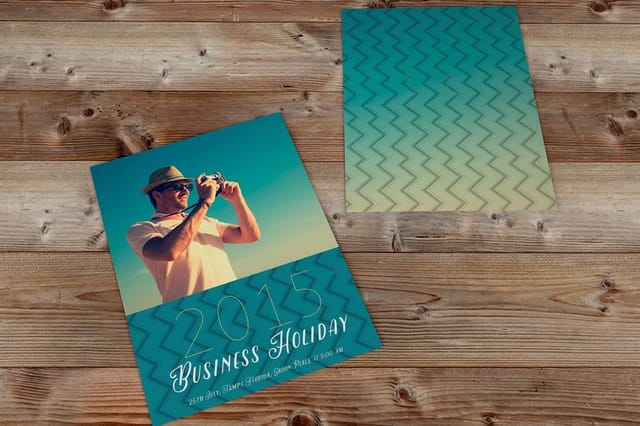 Standard Postcards 50 for $16.48 Finished print pieces on stock you can hold before you commit to a big run.
  2 Sided Blockout Banners $108.75 each Two full color faces with an opaque core, built for booths and storefronts.
 Speed Is the Advantage Offshore Print Buying Cannot Copy
When the date moves
Large format on a domestic schedule
Double sided blockout vinyl produced and shipped in the United States, so a booth deadline stays a deadline.
Ask any marketer what killed their last print project and it will not be color. It will be time. The event date moved up, legal changed a line, the venue asked for a bigger banner. Domestic printing survives those changes because the whole chain, from file upload to loading dock, fits inside a normal work week.
Offshore runs are optimized for volume that never changes. That works for a million identical units ordered six months out. It fails for the 250 banners you need for a regional show in ten days, and it fails badly for the reprint you discover you need after the first box arrives.
- File to press in hours. Preflight, proof and scheduling happen the same day for most standard products.
- Change orders are possible. A domestic job can be pulled off the schedule and re-imaged before it runs, not after it lands.
- Freight is predictable. Ground shipping across the country is measured in days and tracked the entire way.
- Rush is real. Expedited turnaround options exist because the equipment and the staff are in the same country as you.
Speed compounds. When a printer can turn a job in days, you stop over ordering to protect against lead time, you stop warehousing obsolete inventory and you stop printing dated material six months early. A large format piece like the 2 Sided Blockout Banners at $108.75 becomes something you order for a specific weekend instead of something you order once and reuse until it looks tired.
Quality Control Works Better in Your Own Time Zone
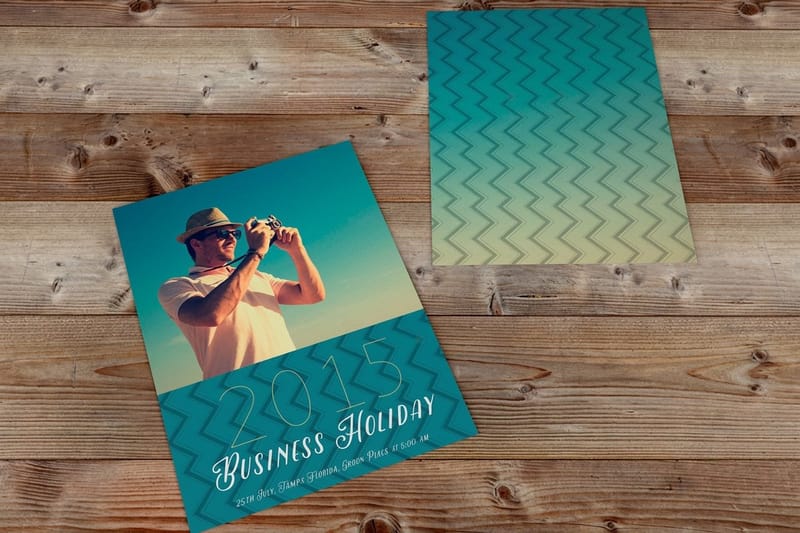
Print quality is a chain of small decisions: ink density, registration, trim accuracy, coating cure, folding score depth. At 4OVER4.COM the presses are profiled to G7 with multi-day color accuracy tests, and every artwork is checked against a 30-point checklist before it runs. Every one of those can drift, and catching drift requires somebody who can stop the press and start a conversation with you before the whole run is boxed.
That conversation is what disappears when production moves offshore. You approve a digital proof, wait, and then discover the coating went matte instead of soft touch. With domestic production the same problem is a phone call and a rerun, often before the original ship date you were promised.
- Color you can match. Standardized lighting and calibrated presses mean brand color stays brand color from one run to the next.
- Substrate consistency. The same stock ordered twice behaves the same twice, which keeps folding, scoring and mailing predictable.
- Finish integrity. Spot gloss, soft touch, foil and blockout cores are inspected on the floor rather than described in an email.
- Damage is rare and fixable. Shorter transit means fewer crushed corners, and a replacement carton is days away instead of months.
- Documented reprints. When a run is off spec, a domestic printer can pull the job record, identify what changed and correct it.
Specs you can check
Standard Postcards
Stock, finish and size documented up front, the way domestic quality control should work.
What American Made Printers Cost and How the Price Is Set
US printing is not automatically more expensive, and the assumption that it is comes from comparing the wrong numbers. An offshore unit price excludes freight, duties, brokerage, the minimum order that forces you to buy three times what you need and the storage bill for whatever you do not use.
Domestic pricing is built from four inputs. The press time your job occupies, the substrate you picked, the finishing steps you added and the quantity you ordered. Quantity is the biggest lever because setup cost spreads across the run, which is why the price per piece drops steeply between a small run and a mid size one, then flattens out.
- Entry pricing is genuinely low. Standard Business Cards begin at $17.57 and Standard Postcards at $16.48, so testing a design domestically is not a budget decision.
- Large format carries its own math. 2 Sided Blockout Banners start at $108.75 because the blockout core and double sided printing are material and press intensive.
- Finishing is where budgets move. Foil, spot coatings, die cuts and specialty stocks add real cost, so add them where a customer will actually touch the piece.
- Quantity beats every other discount. Doubling a run rarely doubles the price, and consolidating several small orders into one is the cleanest saving available.
- No hidden import line. No duties, no customs brokerage and no currency swing between the quote and the invoice.
Quantity and price
Standard Business Cards pricing and specs
Real configurator numbers. The larger the run, the lower the cost per piece.
| Quantity | Price Per Unit | Total |
|---|---|---|
| 100 | 17.6¢ | $17.57 |
| 200 | 11.5¢ | $23.07 |
| 300 | 9.15¢ | $27.46 |
| 400 | 7.96¢ | $31.86 |
| 500 | 7.25¢ | $36.26 |
| 600 | 6.77¢ | $40.64 |
Every Domestic Print Order Pays a Local Wage
Commercial printing is one of the few marketing line items where the money visibly lands somewhere. A domestic order pays a prepress operator, a press operator, a bindery crew, a shipping team and the freight driver who brings the boxes to your door. None of that is abstract, and all of it stays in the country your customers live in. At 4OVER4.COM it is one plant in Queens, New York, where the job is printed, trimmed and packed.
It also supports the supply chain behind the press. Paper converters, ink manufacturers, equipment technicians and parts distributors all depend on domestic print volume. When that volume moves offshore, the capacity does not sit idle waiting for it to return. It disappears, and the next time a national supply shock hits, the fast local option is simply gone.
- Skilled trades stay staffed. Press and bindery work is a career, and careers require steady domestic volume to exist.
- Regional capacity survives. Keeping presses running is what makes short lead times possible for everyone, not just for you.
- Standards stay enforceable. Domestic labor and environmental rules apply to the shop actually printing your job.
- The story is honest. Printed in the USA on your packaging is a claim you can defend, which matters more every year.
Sizes, Stocks and Finishes You Can Actually Get Domestically
The other myth about US printing is a thinner catalog. The 4OVER4.COM catalog runs past 1,000 products and 60 paper stocks, with business cards from 14pt up to 80pt. Standard sizes, custom trims, coated and uncoated stocks, heavy card weights, soft touch and gloss laminates, foil, spot coatings, kraft, and large format vinyl are all routine domestic work, and the options are easier to compare because you can request a sample before you commit.
The advantage is that specification becomes an actual dialogue. If you are unsure whether a 16pt card with soft touch reads better than a lighter uncoated sheet, a domestic printer can tell you what similar jobs looked like, and you can hold both before the full run. That is how technique driven products such as holographic stickers and custom 3D posters get specified correctly the first time.
- Stock weight. Light text weights for inserts through heavy card stocks for premium cards and hang tags.
- Coating. Gloss, matte, soft touch and uncoated, each changing how ink sits and how the piece feels in hand.
- Specialty finishing. Foil, raised effects, spot UV, die cutting, rounded corners and scoring for clean folds.
- Large format. Vinyl banners with blockout cores, hems and grommets built for outdoor and booth use.
- Ink options. Standard process inks or lower impact choices when the brief calls for them.
Compare finishes
Popular card formats, side by side
Stock, finish, size, quantity, turnaround and price in one view before you specify.
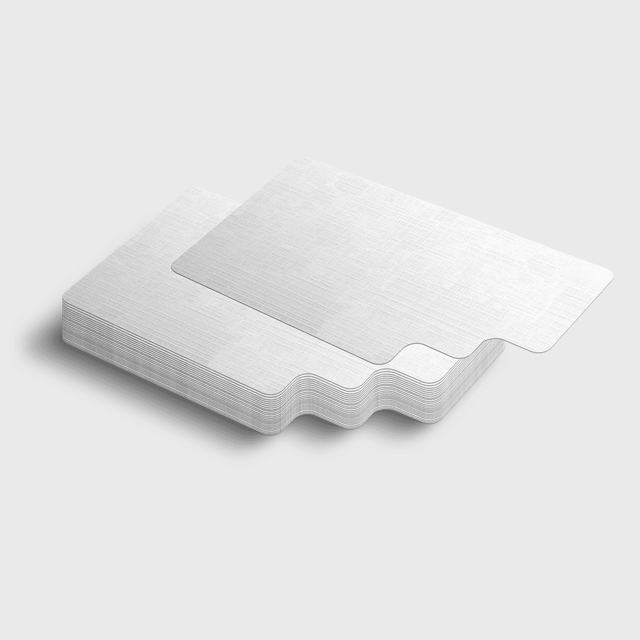
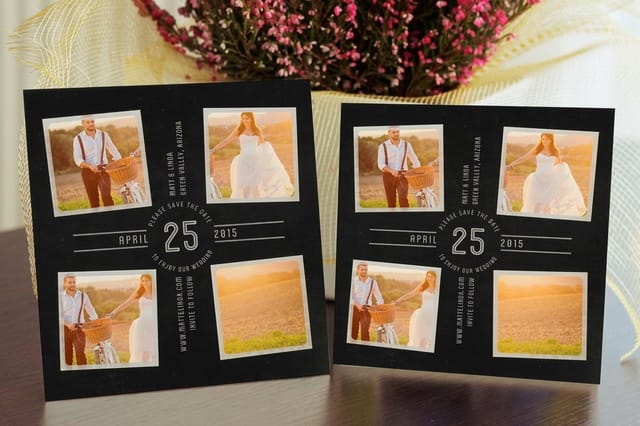 Save the Date Cards | 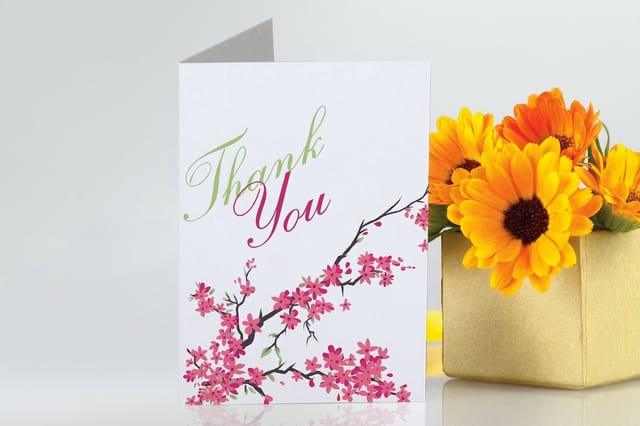 Greeting Cards | 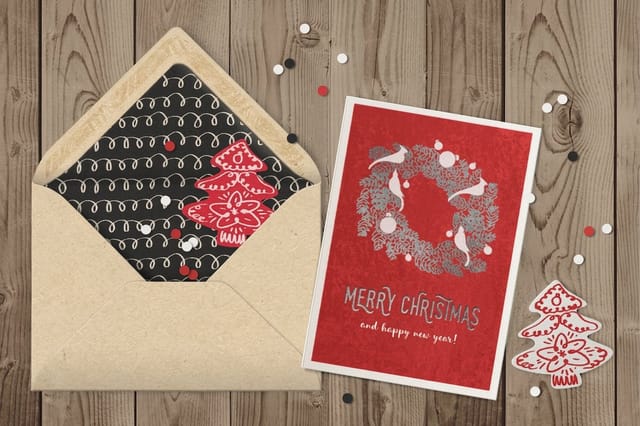 Velvet Greeting Cards | 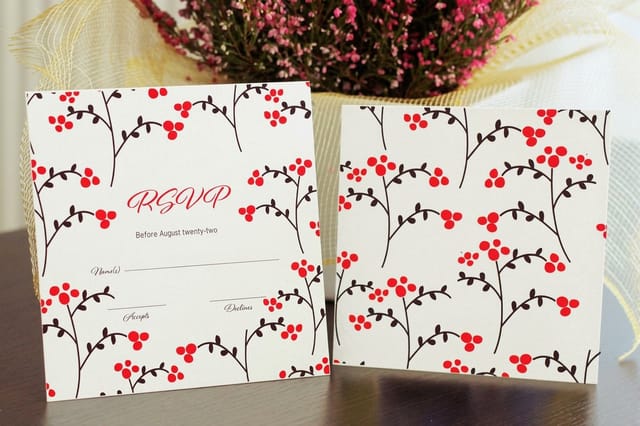 Response Cards | |
|---|---|---|---|---|
| Min price | $19.77 | $56.02 | $617.67 | $19.77 |
| Paper / stock | 14pt Gloss Cover | 14pt Gloss Cover | 16 Point Soft Velvet Laminated | 14pt Gloss Cover |
| Finish | Standard Finish | Standard Finish | - | Standard Finish |
| Size | 4.25" x 5.5" | 8.5" x 5.5" fold to 4.25" x 5.5" | 10" x 7" scored to 5" x 7" | 4.25" x 5.5" |
| Default qty | 25 | 50 | 500 | 25 |
| Turnaround | 5 business days | 5 business days | 7 business days | 3 business days |
| Rating | ||||
| View & customize | View & customize | View & customize | View & customize |
How to Verify a Printer Really Prints in the USA
Marketing language is slippery. American company, US based, headquartered in the USA and proudly American can all be true of a business that outsources every sheet. A few direct questions cut through it quickly, and any real domestic printer will answer them without hesitation.
Ask where the production facility is, whether the job is printed in house or brokered, what the standard and rush turnaround are from file approval, and whether you can order a small sample run first. A printer who prints domestically answers all four immediately. A reseller starts explaining their partner network. Third party evaluations such as this 30 point pro review are useful for the same reason, because they test claims against behavior.
- Ask for the facility, not the office. A production address is a different thing from a corporate one.
- Ask about the turnaround clock. Domestic shops quote from file approval in business days, not vague weeks.
- Order small first. A $17.57 card run tells you more about a printer than any page of claims.
- Check the reprint policy. Printers who control their own presses can promise a fix. Brokers can only promise to ask.
- Look at the shipping origin. The return address on the carton is the least ambiguous evidence you will get.
Getting Your First American Made Print Run Right
Once you have picked a domestic printer, the remaining risk is your file. Most delays are not press problems. They are missing bleed, low resolution logos pulled from a website, RGB art that shifts when converted, or text sitting a hair from the trim line where a normal cutting tolerance will clip it.
Start from a print ready layout, keep everything important inside the safe area and build the file at the exact finished size with bleed. Then order a small quantity, look at it in the light where it will actually be used, and scale up once. That sequence turns printing into a routine task instead of a recurring gamble, and it is also how promotional pieces like bumper stickers and paper corporate gifts end up looking deliberate rather than improvised.
The pre flight checklist worth keeping
- Bleed and safety. Extend art past the trim and keep type well inside the safe margin.
- Resolution. Raster art at 300 dpi at final size, logos as vector whenever the original exists.
- Color mode. Convert to CMYK before export so nothing shifts on you at the press.
- Fonts and flattening. Outline or embed type, then export a single flattened PDF.
- Proof the words. Read the phone number, the URL and the date out loud. Print does not have an edit button.
Start fast
Templates and print ready blanks
Free layouts plus exact size blanks so bleed, safety and trim are right before the file ever reaches the press.





Wally explains what American made printing buys you
Where the press sits decides your delivery date
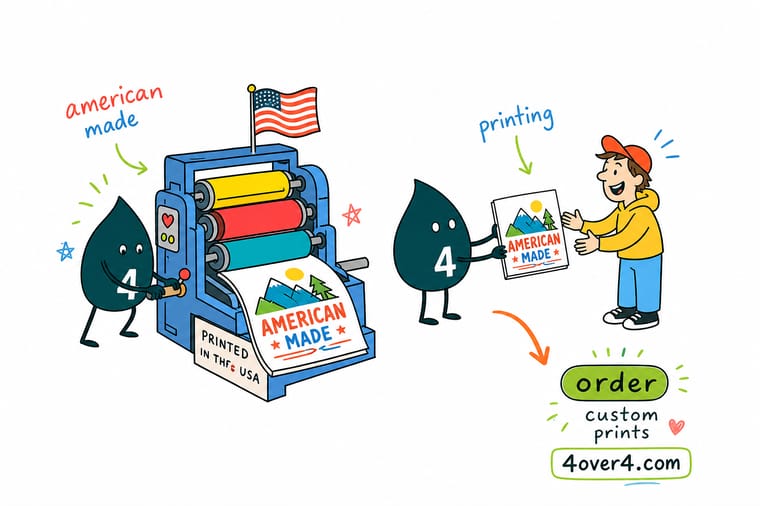
Domestic printing is less about patriotism and more about control. When the press, the bindery and the shipping dock are all in the United States, a color change on Tuesday can still ship on Thursday, a reprint costs days instead of a season, and the person who can stop the run is on shift while you are awake. Start small, check the sample, then scale the run.
Order US printed cards →What to Remember Before You Place a Domestic Print Order
By the numbers
One Queens plant, since 1999
Orders placed by 12pm ET ship the same day on most products, 82% of orders ship early, and 99.8% arrive on time.
- 10B+ Cards and print products, printed since 1999.
- 150,000+ Businesses served, across every industry.
- 60+ Paper stocks, coated, uncoated and specialty.
- 99.8% On-time delivery, tracked orders.
Keep reading
Guides that pair with a US print order
Color, ink and finishing decisions that get easier when the press is domestic.
Guide What Is Spot Color Printing When an exact brand color beats a four color build. Guide Soy Based Inks A lower impact ink option you can specify by name. Guide The 30 Point Pro Review How a print partner gets judged on more than price. Guide Rounded Corner Business Cards A small finishing choice people notice immediately. Explore more
More on printing close to home
Related pages across 4OVER4.COM, one card for every kind of print decision.
 Guide Spot Color Printing Match a brand color exactly instead of approximating it.
  Benefit Soy Based Inks A cleaner ink choice for domestic print runs.
 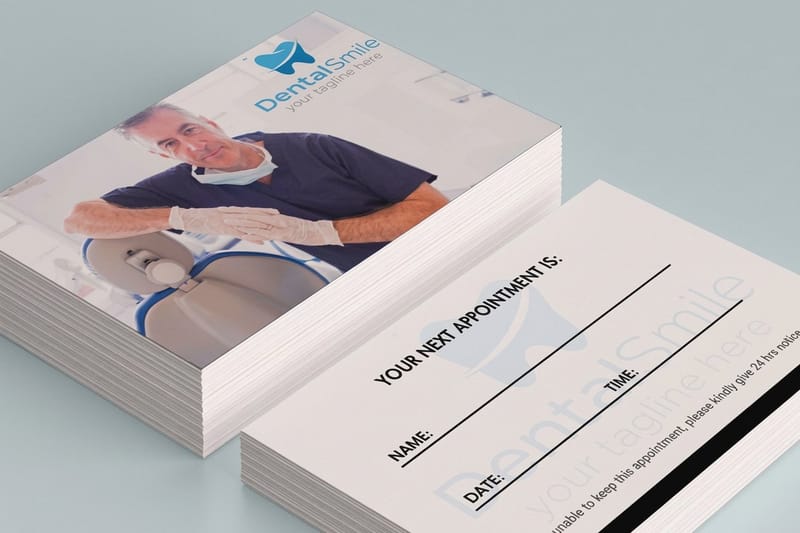 Company 30 Point Pro Review The checklist a serious print partner should pass. Product Standard Business Cards Domestic card printing from $17.57 per order. Product Standard Postcards Postcards from $16.48, printed in the USA.
  Product 2 Sided Blockout Banners Double sided vinyl with an opaque core from $108.75.
  Article Why Bumper Stickers Work Ten reasons a cheap sticker still earns attention.
 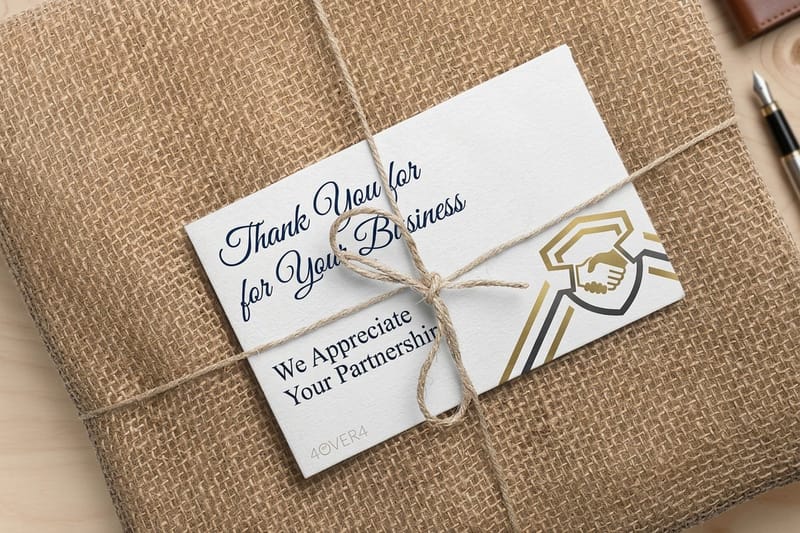 Article Paper Corporate Gifts Five printed gift ideas clients actually keep. Article How Holographic Stickers Are Made The production steps behind the rainbow effect.
  Article How Custom 3D Posters Are Made Depth effects that need a printer who can talk them through.
 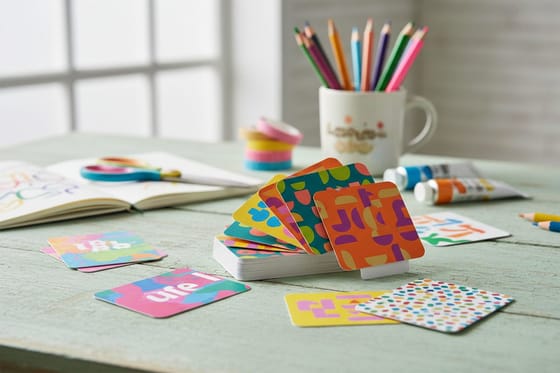 Article Rounded Corner Business Cards The finishing detail that reads as premium instantly.
 Ready to move your next run onto a US press?
Start with a small domestic order, check the stock and the color in the room where the piece will live, then scale the run with a delivery date you can actually plan around.
American Made Printing FAQ
What are American made printers?
American made printers are print companies that image, finish and ship your job from facilities inside the United States, rather than brokering the work to an overseas plant and reselling it under a domestic brand name. The distinction is production, not incorporation. A company can be registered in the US and still print everything abroad, so the useful test is where the press sits and what address appears on the carton that arrives at your door. Domestic production is also what makes specifying details like spot color printing a direct conversation instead of a guess.
How do I choose the right American made printer?
Ask four questions and judge the answers. Where is the production facility, is the job printed in house or brokered out, what is the standard and rush turnaround measured from file approval, and what happens if a run comes back off spec. A printer who owns their presses answers all four without hedging. Then order the smallest possible run, inspect it in the light where the piece will actually be used, and only scale up once the sample looks right.
What does American made printing cost and how are prices set?
Price comes from four inputs: press time, substrate, finishing and quantity. Quantity moves the number most because setup cost spreads across the run, so the cost per piece drops sharply from a small run to a mid size one. Entry points are lower than most buyers expect, with Standard Business Cards starting at $17.57 and Standard Postcards at $16.48, while large format work such as 2 Sided Blockout Banners starts at $108.75 because of the blockout core and double sided printing. Domestic quotes also carry no duties, brokerage fees or currency swing.
What sizes, stocks and finishes are available from a US printer?
The full catalog is available domestically. Standard and custom trim sizes, light text weights through heavy card stocks, coated and uncoated papers, gloss, matte and soft touch laminates, foil, spot coatings, die cutting, rounded corners, scoring for folds, and large format vinyl with hems and grommets. The real advantage is that you can request a sample and hold the option before you commit the full run, which is how specialty work gets specified correctly the first time instead of after a costly reprint.
How long does US based printing take to print and ship?
Most standard products move from approved file to press within a business day, with production measured in business days rather than weeks. Ground shipping inside the United States then adds a predictable transit window with real tracking the entire way, and rush options exist because the equipment and the staff are in the same country as you. The practical takeaway is that a domestic job can still be changed, re-imaged or reprinted inside the same week, which is exactly the window in which most print projects change.
