Best Paper for Printing in 2026: 7 Types Compared

How to Pick the Best Paper for Printing - A Practical Breakdown
The best paper for printing explained in simple terms: it depends on what you're printing and who's going to see it. A glossy brochure handed out at a trade show needs a completely different stock than a letterhead sitting on an executive's desk. 4OVER4 offers 60+ paper types across its product line, giving you the range to match any project to its ideal stock. With 10 billion+ cards printed and 25+ years in the business, 4OVER4 has seen what works and what doesn't across every industry.
"People underestimate how much paper choice affects first impressions. A thick, textured card says something completely different than a flimsy glossy one. Paper is your brand's handshake."
Rachel D., Senior Graphic Designer
This guide walks you through seven distinct paper types, their strengths, and where each one shines. You'll understand weight, finish, coating, and texture well enough to make confident decisions on your next print run. Whether you're designing Custom Booklets for a product launch or printing invitations for a gala, the paper you choose carries your message before anyone reads a single word.
And this isn't just about aesthetics. The right paper affects ink absorption, color accuracy, durability, and even how long someone holds onto your printed piece. Let's break it all down.
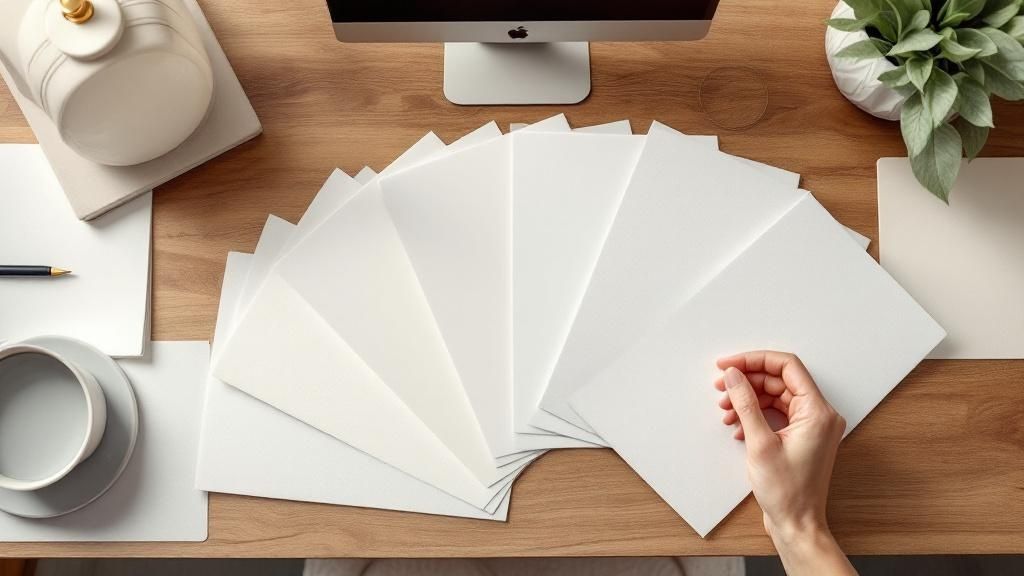
Here's a quick comparison of the seven paper types we'll cover, along with their weight ranges and best uses:
Coated Glossy Paper - When Visuals Need to Pop
Coated glossy paper is the go-to for any print project where images need to look sharp, saturated, and vivid. The surface gets its reflective sheen from a mineral coating - typically clay-based - that fills the paper's natural pores. This creates an ultra-smooth plane that bounces light and produces that signature high-gloss look. If you're printing product photography or full-color marketing materials, glossy stock is hard to beat.
Why Glossy Paper Works for Image-Heavy Projects
The coating does two things well. First, it keeps ink sitting on the surface rather than soaking in, which preserves color intensity. Second, it creates a smooth enough surface for fine details to print crisply. Small text stays readable. Gradients stay smooth. Skin tones look natural instead of muddy.
This is why professional photographers, catalog designers, and anyone producing 3D Postcards or high-end promotional materials gravitates toward glossy stock. The reflective surface makes colors appear richer and more active than they would on an uncoated sheet.
Best Uses for Glossy Paper
Glossy paper excels when visual impact matters most. Think about where you've seen it:
- High-end brochures showcasing product photography with crisp detail
- Magazine covers designed to grab attention on shelves and in waiting rooms
- Art reproductions where color fidelity to the original piece is non-negotiable
- Product catalogs presenting merchandise in its most appealing light
If you're creating materials where someone's first reaction should be "wow, that looks sharp," glossy paper delivers. Check out the Showcase to see how other businesses have used high-gloss stocks for real campaigns.
Handling Tips for Glossy Stock
One trade-off with glossy paper: fingerprints show up easily. Handle finished prints with clean, dry hands or cotton gloves. The low ink absorption that makes colors pop also means longer drying times. Give your prints enough time to cure before stacking them, or you'll end up with ink transfer between sheets. Store glossy prints flat to prevent curling.
Matte Paper - Understated and Easy to Read
Matte paper takes the opposite approach from glossy. Instead of reflecting light, it absorbs it. The result is a soft, non-reflective surface that's easy on the eyes and comfortable to read for extended periods. If your project is text-heavy - annual reports, instruction manuals, menus, or literary publications - matte is almost always the better call.
What Makes Matte Paper Different
The coating on matte paper is formulated to scatter light rather than reflect it. This eliminates glare, which means people can read your content under any lighting condition without squinting or tilting the page. Colors appear more subdued compared to glossy, but that's not a weakness. It's a design choice. Matte gives printed pieces a sophisticated, refined quality that feels intentional.
Matte stock also accepts writing well. You can highlight text, write notes in margins, and use stamps without worrying about ink beading up or smearing. That's why it's a popular choice for Learn more about printing notepads and workbook-style materials where the reader interacts with the page.
When to Choose Matte Over Glossy
Pick matte when readability and a refined aesthetic matter more than maximum color vibrancy. Restaurant menus, for example, look more upscale on matte stock. Wedding invitations feel more elegant. Annual reports feel more serious and trustworthy. The texture says "we care about quality" without shouting it.
Matte paper also photographs better. If you're creating materials that will appear in social media posts or website images, matte won't throw off harsh reflections under studio lights.
Plain Copy Paper (20lb Bond) - The Everyday Workhorse
Let's be honest. Most printing happens on standard 20lb bond copy paper. It's what sits in every office printer tray, and it handles everyday documents perfectly well. Internal memos, draft printouts, basic forms, and reference sheets don't need premium stock. They need reliability and affordability.
Understanding Bond Weight
The "20lb" refers to the weight of 500 sheets (a ream) in its uncut parent size. At this weight, the paper is thin enough to feed smoothly through inkjet and laser printers but sturdy enough to not feel flimsy in your hands. It's the baseline. Everything heavier feels more big. Everything lighter feels like tissue.
For internal documents, 20lb bond does the job. But the moment something leaves your office and represents your brand - a proposal, a quote, a client-facing document - you want to step up. Even moving to 24lb or 28lb bond makes a noticeable difference in how professional the piece feels.
When 20lb Bond Falls Short
Don't use standard copy paper for anything customer-facing if you can avoid it. Double-sided printing often shows through (called "show-through"), colors look washed out compared to coated stocks, and the paper itself feels cheap. It's fine for internal use. It's not fine for the proposal you're sending to a potential $50,000 client.
Cardstock - Built for Durability and Presence
Cardstock is where paper starts to feel like a material rather than just a surface. Ranging from about 65lb to 130lb cover weight (roughly 14pt to 32pt thickness), cardstock has the rigidity and heft to stand on its own - literally. Business cards, postcards, packaging inserts, and point-of-purchase displays all rely on cardstock's structural integrity.
Thickness Matters More Than You Think
Here's a useful reference: 14pt cardstock is about the thickness of a standard playing card. It's the most common weight for business cards and postcards. Step up to 16pt and you're in credit-card territory - noticeably sturdier. At 32pt, you're holding something that feels genuinely premium. Three times the thickness of standard stock. People don't throw away a 32pt business card. They keep it.
4OVER4 prints on stocks ranging from standard 14pt all the way to ultra-thick 32pt and beyond, including specialty options like Triplex and painted-edge cards. If you want to see what thick stock looks like in action, browse through Classy Business Card Design Inspiration for real examples.
"We switched from 14pt to 32pt Ultra Thick cards for our real estate team. The difference in how clients react when you hand them a card is night and day. People actually comment on it."
Marcus L., Real Estate Broker
Cardstock Finishes Change Everything
The same cardstock weight can feel completely different depending on the finish. A glossy UV coating makes it slick and reflective. A soft-touch matte lamination makes it feel velvety - almost like suede. An uncoated surface has a natural, organic texture that works well with letterpress or foil stamping.
Think about what you want someone to feel when they pick up your piece. Slick and modern? Go glossy. Warm and approachable? Uncoated or soft-touch. High-end and luxurious? Velvet lamination or suede stock. The finish is just as important as the weight when it comes to the best paper for printing explained in practical terms.
Photo Paper - Purpose-Built for Image Reproduction
Photo paper is engineered specifically for reproducing photographs with maximum color accuracy and detail. Unlike general-purpose glossy paper, photo paper uses specialized coatings (often resin-coated or microporous) that are optimized for the specific ink types in photo printers. The result is wider color gamut, better tonal gradation, and archival-quality prints that resist fading.
Glossy vs. Luster vs. Metallic Photo Paper
Photo paper comes in several surface options. Glossy delivers maximum color punch and contrast. Luster (sometimes called "satin" or "pearl") offers a middle ground - bright color without the harsh reflections. Metallic photo paper has a pearlescent sheen that makes images look almost three-dimensional. Each serves different display contexts.
For framed prints in well-lit rooms, luster or metallic works best because they minimize glare. For portfolio books and client proofs, glossy shows the most accurate color. For gallery displays, fine art photo papers (we'll cover those next) offer the most sophisticated presentation.
If you're exploring creative print formats for photography, take a look at 3D Postcards - they use lenticular technology to create depth and motion effects that standard photo paper can't achieve.
Presentation Paper - The Professional Upgrade
Presentation paper sits between standard copy paper and cardstock. It's heavier than bond (typically 28lb to 32lb), brighter (higher whiteness rating), and smoother. It feeds through standard desktop printers without issues but produces results that look and feel noticeably more polished than regular copy paper.
When Presentation Paper Makes Sense
Use presentation paper for any document that needs to look professional without the cost or rigidity of cardstock. Client proposals, executive summaries, company newsletters, and event programs all benefit from the upgrade. The heavier weight reduces show-through on double-sided prints, and the smoother surface produces sharper text and graphics.
It's also the smart choice for color-heavy documents printed on office printers. The brighter base and smoother surface improve color reproduction compared to standard bond, giving your charts, graphs, and images more visual clarity. For businesses that regularly produce client-facing documents, switching to presentation paper is one of the easiest upgrades you can make.
Fine Art Paper - For Prints That Deserve Gallery Treatment
Fine art paper is in a category of its own. Made from cotton, alpha-cellulose, or bamboo fibers, these papers are acid-free, lignin-free, and designed to last decades without yellowing or degrading. They're the standard for museum-quality prints, limited-edition reproductions, and any artwork intended for long-term display or collection.
Texture and Weight in Fine Art Papers
Fine art papers come in a wide range of textures - from glass-smooth hot-press surfaces to heavily textured cold-press and watercolor-style finishes. The texture you choose affects how the image interacts with light and how the viewer perceives depth and detail. Smooth papers show more detail. Textured papers add a tactile, handmade quality that can make prints feel more like original artwork.
Weights typically range from 200gsm to 400gsm or higher. Heavier fine art papers don't need mounting or backing - they have enough body to hang flat on their own. Lighter weights work well for portfolio pieces and book interiors where flexibility matters.
For large-format fine art printing and display options, Learn more about foam core printing options - foam core provides a rigid, lightweight backing that's perfect for gallery-style presentation without the cost of traditional framing.
Matching Paper to Printer and Ink
Fine art papers are designed to work with specific ink types. Pigment-based inks (common in professional photo printers) bond well with cotton-based papers and produce archival-quality results. Dye-based inks offer more bright colors but fade faster and don't pair as well with certain fine art stocks. Always check the paper manufacturer's recommendations for ink compatibility before committing to a large print run.
How Paper Weight, Finish, and Coating Work Together
Understanding the best paper for printing explained means grasping how three variables interact: weight (thickness), finish (surface texture), and coating (protective or aesthetic layer). Change any one of these and the entire feel of your printed piece shifts.
Paper Weight Decoded
Paper weight is measured differently depending on the system. In the U.S., you'll see "lb" (pound) designations - but the same number means different things for different paper categories. A 100lb text weight is much thinner than a 100lb cover weight. The metric system uses GSM (grams per square meter), which is more straightforward: higher GSM always means heavier paper, regardless of category.
For practical reference: standard copy paper is about 75-80 GSM. A typical business card is 300-400 GSM. Wedding invitations usually fall in the 250-350 GSM range.
Finish Options and Their Impact
The finish affects both appearance and functionality:
- Glossy - Maximum color vibrancy, reflective surface, fingerprint-prone
- Matte - Non-reflective, easy to read, accepts writing and stamps
- Satin/Silk - Soft sheen without harsh glare, good all-around choice
- Uncoated - Natural, textured feel, best for letterpress and foil
- Soft-touch - Velvety lamination that feels premium and resists fingerprints
Each finish changes how ink sits on the surface, how light interacts with the print, and how the piece feels in someone's hands. When picking the best paper for printing, match the finish to the experience you want to create. For creative projects like holiday cards, browse Diy Greeting Card Design Ideas to see how different finishes affect the final look.
Coating Types and Durability
Coatings add protection and visual effects on top of the base paper and finish. UV coating adds a hard, glossy shell that resists scratching and moisture. Aqueous coating provides a more subtle protection without changing the feel dramatically. Spot UV applies glossy coating to specific areas - like a logo or image - while leaving the rest matte, creating a striking contrast you can actually feel with your fingertips.
Lamination (glossy or matte) encases the entire printed surface in a thin plastic film, making it water-resistant and extremely durable. This is common for items that get handled frequently - menus, ID cards, pocket guides, and Black Postcards with dramatic visual effects.
Choosing Paper by Project Type
Knowing the paper types is one thing. Knowing which to pick for your specific project is another. Here's a practical breakdown by use case.
Business Cards and Networking Materials
Go heavy. 14pt minimum, 16pt or 32pt if budget allows. The thickness of your business card directly communicates the quality of your business. Add a finish that matches your brand personality - glossy for tech companies, soft-touch for luxury brands, uncoated for creative studios. Your card is the only physical artifact someone takes away from meeting you. Make it count.
Marketing Collateral - Brochures, Flyers, Postcards
For brochures and flyers, 100lb gloss text or 100lb matte text provides the right balance of quality and foldability. Postcards need heavier stock - at least 14pt - to survive the mail without bending. Use glossy finishes for image-heavy designs and matte for text-driven content. If you're promoting your brand through stickers as well, check out Logo Sticker Design Ideas for creative approaches.
Books, Booklets, and Catalogs
Interior pages work best on 80lb-100lb text weight, either gloss or matte depending on content. Photo-heavy catalogs lean glossy. Text-heavy books lean matte or uncoated. Covers should be on cardstock - 12pt to 16pt with lamination for durability. The cover sets the expectation. The interior pages need to deliver on it.
Large Format and Display Prints
Posters, banners, and display prints have their own paper ecosystem. Canvas, vinyl, and specialty display stocks are engineered for size and viewing distance. For rigid displays, foam core and mounted prints provide structure without excessive weight. Fine art papers work beautifully at large scale when properly handled and displayed.
For more printing insights, tips, and guides across every product category, explore our full library of Printing Articles.
"Tissue Paper /5"
| Quantity | Price Per Unit |
|---|---|
| 100 | $1.26 |
| 400 | $1.03 |
| 700 | $0.93 |
| 2,000 | $0.80 |
Printed SIde
Ink Color 1
Ink Color 2
Folding
Proof Options
Even specialty items like tissue paper for packaging and gift wrapping benefit from thoughtful paper selection. Here's a look at pricing for custom tissue paper options:
Industry research consistently shows that paper quality affects consumer perception and response rates. Here's what the data says about paper choice in marketing:
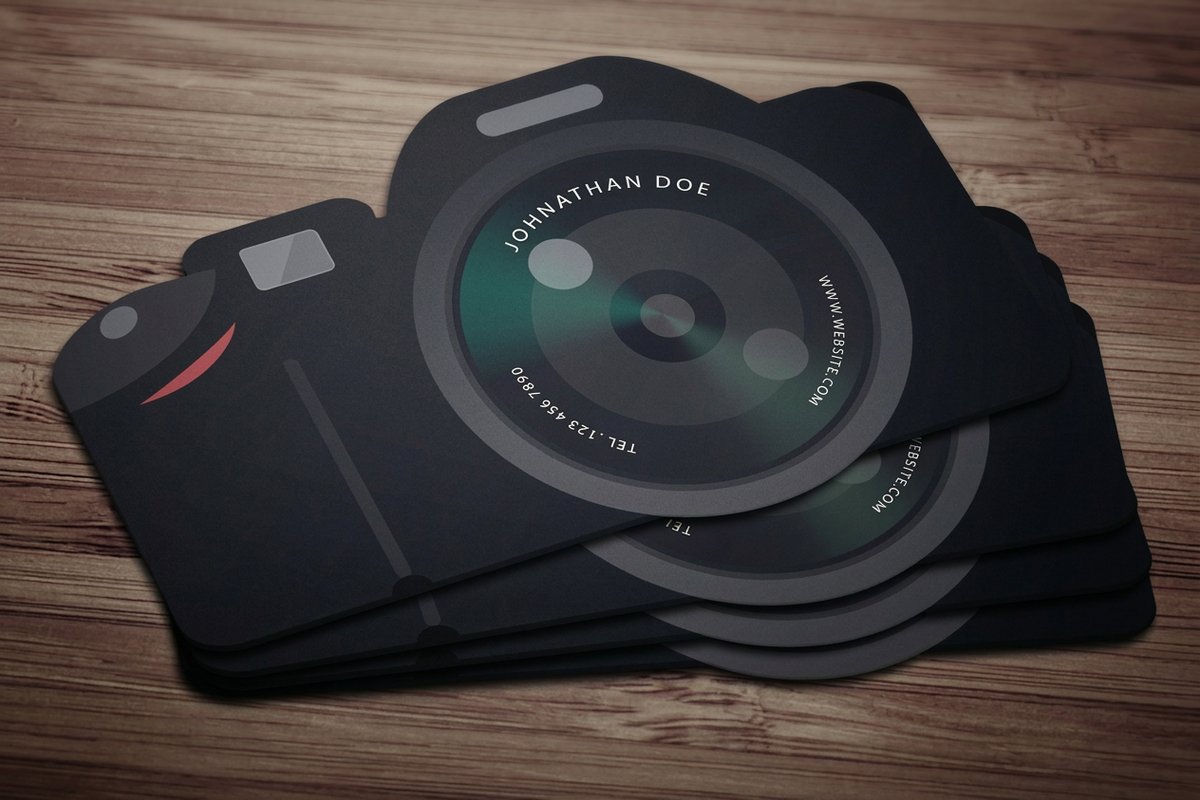
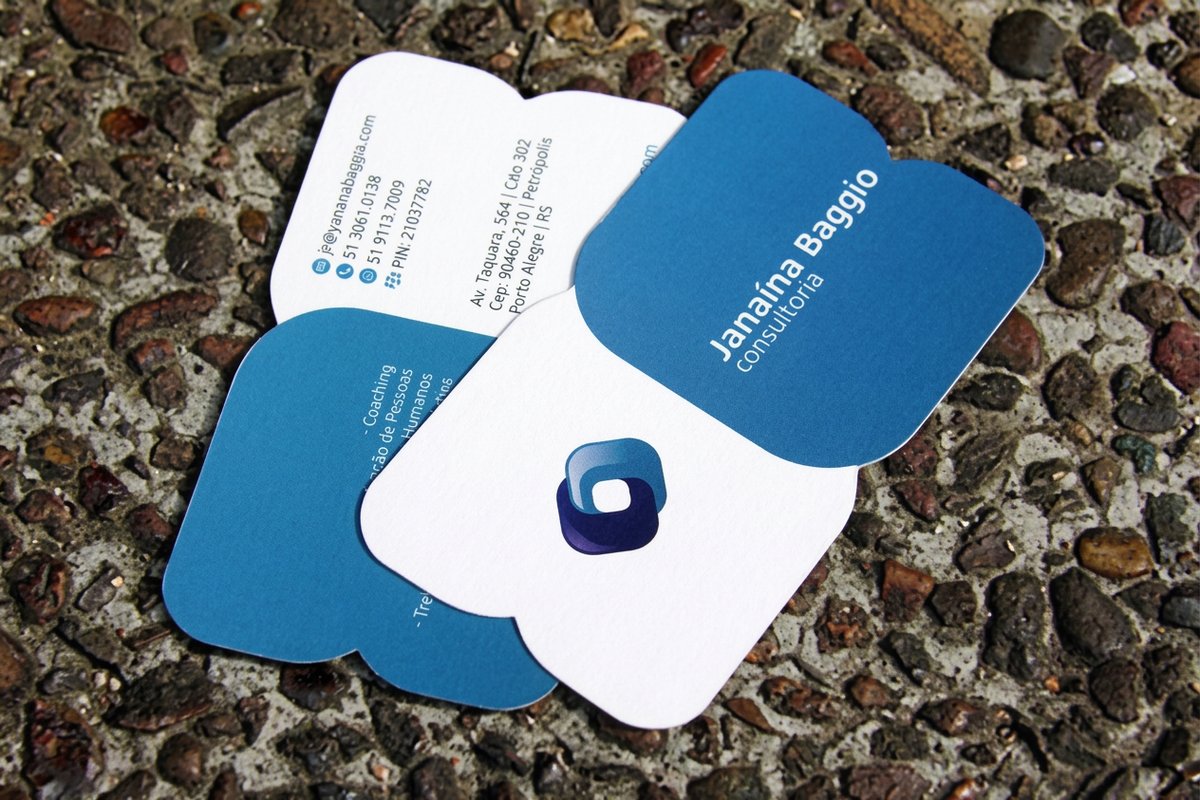
Don't just take our word for it. Here's what real customers say about their experience choosing the right paper stock for their projects:
"Ordered best paper for explained from 4OVER4 and the quality blew me away. Sharp colors, premium feel, arrived 2 days early."
"Been using 4OVER4 for best paper for explained for a year. Consistent quality every time. The online designer made it easy."
"Switched to 4OVER4 and saved 40% on best paper for explained. Better quality than my old printer. 60+ paper options."
"4OVER4's best paper for explained helped us look more professional. Clients notice the difference."
What to Remember When Choosing Print Paper
- Match paper to purpose. Glossy for photos and visuals. Matte for text-heavy reading. Cardstock for anything that needs to feel big. The best paper for printing explained simply: it's the one that fits your project's goal.
- Weight communicates quality. Heavier stock (16pt-32pt) signals professionalism. Standard 20lb bond is fine for internal docs but not for client-facing materials.
- Finish changes the experience. Soft-touch feels velvety. Glossy UV pops with color. Uncoated accepts writing and stamps. Pick the finish that matches how people will interact with your piece.
- 4OVER4 offers 60+ paper types across its full product line, so you're not limited to generic options. From cotton fine art stocks to ultra-thick Triplex cards, the range covers every use case.
- Coating adds durability. UV coating, lamination, and aqueous coating protect prints from handling, moisture, and fading. Essential for menus, pocket cards, and anything that gets touched frequently.
- Don't overlook folded formats. Custom Brochures need paper that folds cleanly without cracking. Text-weight stocks (80lb-100lb) fold better than cover-weight cardstock.
| Paper Type | Implementation Complexity 🔄 | Resource Requirements ⚡ | Expected Outcomes 📊 | Ideal Use Cases 💡 | Key Advantages ⭐ |
|---|---|---|---|---|---|
| Coated Glossy Paper | Medium - requires careful handling and drying | Moderate - higher cost, special coating | Vibrant colors, sharp images, professional look | Photography, high-impact marketing materials | Excellent color reproduction and sharpness |
| Matte Paper | Low - easier to handle and write on | Low to moderate - less expensive than glossy | Good color reproduction, minimal glare | Professional documents with text and images | No glare, easy to write on, versatile |
| Plain Copy Paper (20lb Bond) | Very low - standard office paper, easy to use | Low - economical, widely available | Adequate text quality, poor image reproduction | High-volume text printing, everyday office use | Very economical, suitable for double-sided printing |
| Cardstock | Medium - requires checking printer specs, may need manual feed | Moderate to high - thicker, heavier | Durable, premium feel, long-lasting | Business cards, invitations, craft projects | High durability and premium appearance |
| Photo Paper | High - requires specific printer settings and careful handling | High - expensive, specialized coatings | Exceptional photo quality, archival longevity | Professional photography and archival prints | Superior image quality and fade resistance |
| Presentation Paper | Low to medium - similar to copy paper but needs care for appearance | Moderate - pricier than copy paper | Professional text clarity, good opacity | Business proposals, presentations, resumes | Bright whiteness, enhanced opacity |
| Fine Art Paper | High - expert handling and settings required | Very high - costly materials and processing | Museum-quality prints, archival longevity | Fine art reproductions, limited editions | Exceptional longevity and unique textures |
- Coated Glossy Paper: Understanding its reflective qualities and best applications.
- Matte Paper: Exploring its subdued elegance and uses for text-heavy documents.
- Plain Copy Paper (20lb Bond): A deep dive into the everyday workhorse of the office.
- Cardstock: Discovering its durability and applications for creating a premium feel.
- Photo Paper: Unlocking the secrets to achieving vibrant, high-resolution images.
- Presentation Paper: Making informed choices for impactful presentations and reports.
- Fine Art Paper: Finding the right texture and weight to showcase artistic prints.
- High-end brochures showcasing product photography
- Magazine covers designed to grab attention on newsstands
- Art reproductions seeking to replicate the original artwork's vibrancy
- Product catalogs presenting merchandise in its best light
- Business presentations and corporate reports needing a professional look
- Art prints and portfolios showcasing photography or illustrations
- Wedding albums and photo books preserving cherished memories
- High-quality brochures and marketing materials
- Documents requiring annotations or highlighting
- Internal memos and communications
- Draft prints and revisions
- Office documents and reports
- School assignments and handouts
- Invoices and billing statements
- Everyday correspondence
- Greeting cards and invitations that convey a sense of occasion
- Presentation covers that project professionalism
- Postcards that withstand mailing and handling
- Durable menus for restaurants and cafes
- Creative craft projects requiring a sturdy base
- Family photos intended for albums or display
- Professional photography portfolios
- Art reproductions seeking gallery-quality output
- Wedding photography requiring vibrant, long-lasting prints
- Exhibition displays demanding accurate color representation
- Business presentations requiring clear, easy-to-read slides
- Reports to executives demanding a polished, professional look
- Marketing materials designed to showcase your brand effectively
- Resumes needing to stand out from the competition
- Important correspondence reflecting your company's image
- Gallery exhibitions showcasing original artwork
- Fine art reproductions of masterpieces
- Limited edition prints for discerning collectors
- Museum reproductions preserving historical artifacts
- Artist portfolios demonstrating professional work
- Collectible prints offering lasting value
- Consider the Purpose: Everyday documents thrive on standard copy paper, while marketing materials benefit from the enhanced visual appeal of coated or matte paper. Presentations demand a heavier stock like presentation paper, whereas artistic endeavors call for the specialized textures of fine art paper.
- Weight and Thickness Matter: Paper weight directly impacts durability and feel. Choose lighter weights for high-volume printing and heavier weights for impactful brochures, business cards, or invitations.
- Finish Enhances Visual Impact: The finish of your paper significantly affects the final look. Glossy finishes create vibrant colors, while matte finishes offer a sophisticated, understated elegance.
- Brightness Creates Vibrancy: Brighter paper makes colors pop, while less bright paper offers a more muted, classic look.
Common Questions About Choosing the Right Printing Paper
What are the best practices for choosing the right paper for printing?
Start by defining your project's purpose. Image-heavy pieces need coated glossy or photo paper. Text-heavy documents work better on matte or uncoated stock. Always request a paper sample before committing to a large run. With the best paper for printing explained by use case, the decision becomes straightforward - match the stock to how your audience will interact with the finished piece.
How do I choose the right paper weight and finish for my project?
Consider what the piece needs to do. Business cards should be at least 14pt for durability. Brochures and flyers work well at 100lb text weight. For items displayed on walls or shelves, canvas prints offer a gallery-quality alternative to paper. Match glossy finishes to visual projects and matte finishes to reading-focused materials.
What makes paper selection effective for marketing materials?
The right paper stock increases perceived value and response rates. A thick, textured postcard stands out in a mailbox full of flimsy junk mail. With the best paper for printing explained by marketing context, heavy cardstock with premium finishes consistently outperforms standard paper. Even small items like Custom Buckslips benefit from upgraded stock when used as package inserts.
How much should I budget for premium printing paper?
Paper upgrades typically add 10-30% to your total print cost, depending on the stock. Moving from 14pt to 32pt cardstock roughly doubles the paper cost per piece. Specialty finishes like soft-touch lamination or spot UV add $0.02-$0.10 per unit at standard quantities. The investment pays off through higher response rates and stronger brand perception - people keep premium printed pieces longer.