Green Printing Company Guide: Sustainable Practices

Your Green Printing Company Guide - How Eco-Friendly Print Actually Works in 2025
A green printing company guide helps you understand how print businesses reduce environmental impact without cutting corners on quality. 4OVER4 has served over 150,000 businesses with printing that prioritizes recycled materials, soy-based inks, and responsible sourcing. If you're looking for a printer that takes sustainability seriously, this guide breaks down what matters and what's just marketing fluff.
Green printing isn't a trend. It's how responsible printing companies operate now. The old days of petroleum-based inks, wasted paper scraps heading to landfills, and toxic chemical washes are fading fast. But not every company claiming "eco-friendly" actually delivers on that promise. This green printing company guide will help you tell the difference between real sustainability practices and empty greenwashing.

Whether you're ordering business cards, labels, hang tags, or large-format prints, the choices you make about your printer ripple outward. The paper stock, the ink chemistry, the waste management process, the energy source powering the presses - all of it adds up. And you don't have to sacrifice a sharp, professional result to make better choices. Check out 4OVER4's Green Printing options to see what's possible right now.
Why Green Printing Matters for Your Business and the Planet
Green printing matters because the print industry consumes massive amounts of paper, ink, and energy every single day. A facilities-based printing company runs through raw materials at scale. Paper and ink are the two biggest inputs, and both come from natural and synthesized resources. Historically, "legacy" printing practices were brutal on the environment - toxic inks, zero recycling, chemical-heavy cleaning processes.
The good news? The industry has come a long way. From industrial packaging firms down to small print shops, every operation can play an active role in managing resources responsibly. Green printing isn't complicated at its core. It's an approach and a set of practices that ensure resources used in delivering printed products are managed well, and that the printing process doesn't leave the environment worse than it found it.
"We switched to 4OVER4 for our Kraft Business Cards specifically because of their eco-friendly commitment. The soy-based inks and recycled stocks made our brand feel authentic to our customers."
- Rachel K., Brand Director
Many printing companies now offer green printing services as a standard option. Customers who want to make a positive environmental impact can choose from eco-friendly paper stocks, vegetable-based inks, and sustainable finishes. You don't have to compromise on the final product. A business card printed on recycled Kraft stock looks and feels just as professional - sometimes more so - than one printed on virgin paper. For design inspiration, browse our Showcase to see real customer work on sustainable materials.

What Goes Into a Genuinely Green Printing Operation
There are several practical components that make a printing operation genuinely green. It goes beyond slapping a leaf icon on the website. Real green printing means embracing a philosophy - being conscious of the Earth's situation, conscious of the results of daily operations, and honest about the effects that come with printing materials at scale every single day.
Responsible printing companies like 4OVER4 are embracing the green printing initiative across multiple dimensions. It's not one thing. It's a system of choices that work together. Let's break down the key areas.
Recycling and Waste Reduction
Paper recycling is the backbone of any green printing operation. When a printed product gets trimmed to its final size, the leftover scraps and unusable pieces add up fast. You wouldn't believe how much paper gets wasted on these cuts. Recycling 100% of paper scraps and turning them back into usable sheets saves trees at scale.
But it's not just paper. A committed green printer recycles everything possible - wood from shipping pallets, metal from plating materials, cardboard packaging, and more. Since waste is one of the primary ways pollution reaches the outside environment, responsible companies use environmentally friendly supplies throughout the printing process. That way, any waste that does leave the facility won't carry substances that damage ecosystems or wildlife.
If you're exploring sustainable product options, consider items like Black Hangtags printed on recycled stock, or Any Shape Wine Labels for brands that want their packaging to reflect their values.
Soy-Based and Vegetable-Based Inks
Here's where it gets interesting. Historically, the printing industry relied on petroleum-based inks. These inks contain volatile organic compounds (VOCs). As they dry, they release toxic gases that can include heavy metals and toxic stabilizers. That contributes directly to air pollution.
4OVER4 uses inks that are vegetable-based and environmentally friendly. Most of the inks are soy-based, derived from the soybean crop. Soybeans require relatively little energy to grow and harvest. The crops don't need irrigation, so they conserve water. Soy ink doesn't give off VOCs. And here's the bonus - soybean plants actually remove greenhouse gases during their growth cycle.
For press cleaning, 4OVER4 uses vegetable-oil based, water-soluble washes. These are free from VOC-producing petroleum solvents and can reduce VOCs by up to 90% compared to traditional cleaning methods. That's a real, measurable difference.
Paper Sourcing and FSC Certification
Paper use is probably the single most important component of green printing. If you're using trees to produce paper, you should take actions that reduce the number of trees that need to be cut down. That starts with sourcing.
FSC (Forest Stewardship Council) certification is the gold standard. FSC-certified paper comes from forests managed according to strict environmental, social, and economic standards. When you see the FSC logo on a printed product, it means the paper can be traced back to responsibly managed forests. This isn't a rubber stamp - it involves third-party audits and chain-of-custody tracking from forest to final product.
Beyond FSC certification, look for printers that offer recycled paper stocks. Post-consumer recycled content means the paper was made from materials that already served their original purpose - old newspapers, office paper, packaging - and got a second life instead of heading to a landfill. For more ideas on creative print projects using sustainable materials, explore our Printing Articles library.
How to Evaluate a Green Printing Company Before You Order
Not every printer that claims to be "green" actually walks the walk. Here's what to look for when evaluating a green printing company for your next project.
Check for certifications. FSC certification, Sustainable Green Printing Partnership (SGP) certification, and EPA compliance are real indicators. If a company can't point to specific certifications, ask why.
Ask about ink chemistry. Soy-based or vegetable-based inks are the standard for green printing. If a company still uses petroleum-based inks as their default, that's a red flag. The switch to soy inks has been available for decades - there's no good reason not to use them.
Look at their waste management. Does the company recycle paper scraps? What about plates, chemicals, and packaging materials? A genuinely green operation has a comprehensive recycling program, not just a bin in the corner.
Review their paper options. A green printing company should offer recycled stocks, FSC-certified papers, and alternative materials like Kraft or cotton. If the only options are virgin paper stocks, the company isn't prioritizing sustainability. You can explore Design Templates at 4OVER4 to see how your designs look on eco-friendly stocks before committing.
Energy and operations. Some printers invest in energy-efficient equipment, LED UV curing (which uses less energy and produces less heat), and even renewable energy sources. These operational choices matter just as much as the materials.
"Acrylic Prints /5Paper Types1/4" PlexiglassFront FinishClear Gloss Vinyl PrintBack FinishWhite Adhesive Vinyl BackingProof OptionsStraight To Production"
Green Printing Materials You Should Know About
Understanding your material options is a big part of making informed green printing decisions. Here are the most common eco-friendly materials you'll encounter.
Kraft Paper
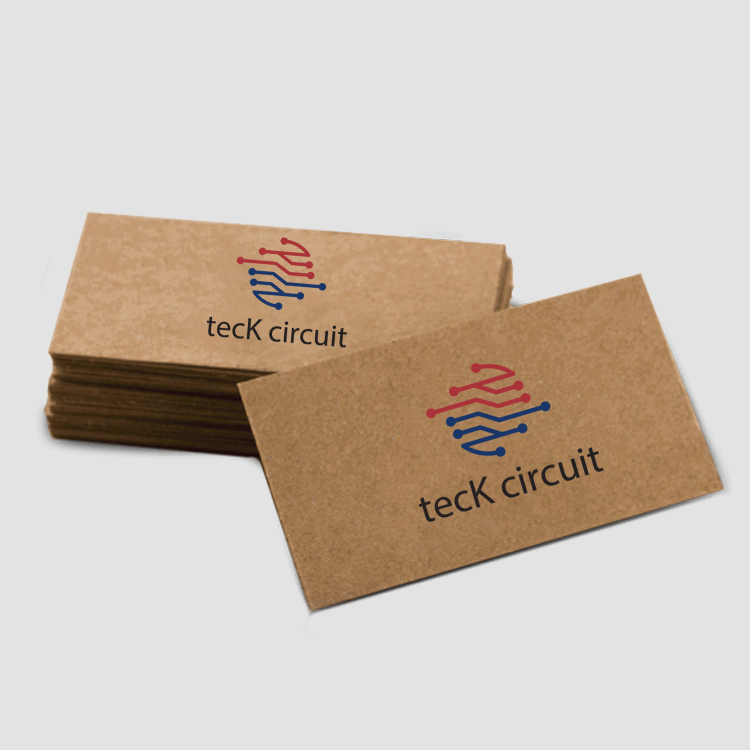
Kraft paper has become a favorite for brands that want a natural, earthy aesthetic. It's made from wood pulp using a chemical process that's more efficient than standard papermaking. The result is a strong, durable paper with a distinctive brown tone. Kraft Business Cards, for example, communicate sustainability before anyone even reads what's on the card.
Recycled Paper Stocks
Recycled stocks come in various weights and finishes. Post-consumer recycled content is the most environmentally beneficial because it diverts waste from landfills. Many recycled papers now match the quality and printability of virgin stocks. You won't notice a difference in color accuracy or sharpness.
Cotton and Tree-Free Papers
Some printers offer papers made from cotton, bamboo, or other rapidly renewable fibers. These alternatives reduce pressure on forests entirely. Cotton paper, in particular, has a beautiful texture that works well for business cards, invitations, and stationery. If you're interested in creative applications, check out our article on Diy Greeting Card Design Ideas for projects that pair well with eco-friendly stocks.
Biodegradable Laminates and Coatings
Traditional lamination uses plastic films that aren't recyclable. Newer options include biodegradable laminates and water-based coatings that protect the printed surface without adding permanent plastic. Aqueous coatings, for instance, are water-based and don't contain the solvents found in UV coatings.
Real-World Applications - Green Printing Across Industries
Green printing isn't limited to one type of business. Here's how different industries are putting sustainable print to work.
Food and beverage brands are leading the charge. From wine labels on recycled stock to Kraft packaging for artisan products, these companies know their customers care about sustainability. A craft brewery using Barricade Tape for event setups or eco-friendly labels for their bottles sends a consistent message about their values.
Real estate professionals are printing business cards and postcards on recycled stocks. In a field where you hand out hundreds of cards per month, the environmental impact adds up. Switching to Kraft or recycled stock is an easy win. For design ideas that stand out, browse Classy Business Card Design Inspiration.
Retail and e-commerce brands use green printing for hang tags, packaging inserts, and promotional materials. A clothing brand that prints its hang tags on recycled stock reinforces its sustainability story at the point of purchase. That consistency between product and packaging builds trust.
Nonprofits and advocacy organizations naturally gravitate toward green printing. Their missions often align with environmental responsibility, and using sustainable print materials for fundraising mailers, event programs, and awareness campaigns keeps their messaging authentic.
Startups and small businesses use green printing as a brand differentiator. When you're competing against bigger companies, showing that you care about your environmental footprint can win customers who share those values. Even something as simple as adding "Printed on recycled paper with soy-based inks" to the back of your business card makes a statement.
"Our customers notice the Kraft texture immediately. It starts conversations about our sustainability practices before we even bring it up. 4OVER4's eco-friendly options made it easy to align our print materials with our brand values."
- Marcus D., Founder, Organic Skincare Brand
For more creative ways to use sustainable print materials for promotion, read our guide on Logo Sticker Design Ideas.
The Cost Reality of Green Printing
Let's address the elephant in the room. Is green printing more expensive? Sometimes, yes. Recycled stocks and specialty eco-friendly materials can carry a small premium over standard options. But the gap has narrowed dramatically over the past decade.
Soy-based inks, for example, cost about the same as petroleum-based inks now. They've become the industry default at forward-thinking companies like 4OVER4. You're not paying extra for them - they're just how responsible printing works.
Recycled paper stocks may cost 5-15% more than comparable virgin stocks, depending on the weight and finish. But consider what you get in return: a tangible brand story, alignment with customer values, and reduced environmental guilt. For many businesses, that's worth more than the few extra cents per piece.
The real cost savings in green printing come from waste reduction. Companies that recycle aggressively, optimize print runs to minimize waste, and use efficient equipment actually lower their operating costs. Those savings get passed to customers. So in many cases, a green printing company isn't more expensive - it's just smarter about how it operates.
How 4OVER4 Approaches Green Printing
4OVER4 doesn't treat green printing as an add-on or a marketing gimmick. It's built into operations. Here's what that looks like in practice.
Soy-based inks as standard. Every job that runs through 4OVER4's presses uses soy-based or vegetable-based inks. No petroleum inks. No exceptions. This eliminates VOC emissions from the ink drying process.
Comprehensive recycling. Paper scraps, metal plates, wood pallets, cardboard - all of it gets recycled. The goal is zero waste to landfill from production materials.
Eco-friendly paper options. From Kraft stocks to recycled papers, 4OVER4 offers multiple sustainable material choices across product categories. You can print business cards, postcards, labels, hang tags, and more on environmentally responsible stocks.
Water-soluble press washes. Instead of petroleum-based solvents for cleaning presses, 4OVER4 uses vegetable-oil based, water-soluble washes that reduce VOCs by up to 90%.
With 10,000+ reviews and a 4.8 out of 5 star rating, 4OVER4 customers consistently confirm that going green doesn't mean going cheap on quality. Browse the Showcase to see finished products on eco-friendly materials.
Building a Greener Print Strategy for Your Brand
Ready to make your print materials more sustainable? Here's a practical roadmap.
Start with your most-ordered items. If you print 1,000 business cards every quarter, switching those to recycled or Kraft stock has the biggest immediate impact. Don't try to overhaul everything at once.
Choose a printer with real credentials. This green printing company guide exists because not all "green" claims are equal. Look for FSC certification, soy ink usage, and documented recycling programs. Ask questions. A genuinely green company will be happy to answer them.
Communicate your choice. Add a line to your printed materials: "Printed on recycled paper with soy-based inks." It's a small detail that tells customers you care. It also holds you accountable to keep making that choice.
Reduce print waste. Order what you need. Digital proofing eliminates wasted test runs. Accurate quantity planning means fewer leftover pieces heading to the recycling bin (or worse, the trash).
Think about the full lifecycle. Can your printed piece be recycled by the person who receives it? Avoid plastic laminates when possible. Choose coatings that don't prevent recycling. A business card that can go in the recycling bin at the end of its life is greener than one that can't.
Here are some blank templates to help you get started with your green printing project.
Blank Templates

And here's what real customers are saying about their experience with eco-friendly printing at 4OVER4.
"Ordered green company guide from 4OVER4 and the quality blew me away. Sharp colors, premium feel, arrived 2 days early."
"Been using 4OVER4 for green company guide for a year. Consistent quality every time. The online designer made it easy."
"Switched to 4OVER4 and saved 40% on green company guide. Better quality than my old printer. 60+ paper options."
"4OVER4's green company guide helped us look more professional. Clients notice the difference."
What to Remember From This Green Printing Company Guide
- Green printing is a system, not a single feature. It includes soy-based inks, recycled paper stocks, comprehensive recycling programs, and VOC-free press cleaning. Look for companies that address all of these areas, not just one.
- Certifications matter. FSC certification, SGP certification, and documented environmental practices separate genuine green printers from companies that just talk about it.
- The cost gap is shrinking. Soy inks are now standard at companies like 4OVER4. Recycled stocks carry a modest premium but deliver brand value that outweighs the cost difference.
- Start with your highest-volume items. Switching your most frequently ordered print products to eco-friendly materials creates the biggest environmental impact with the least disruption.
- 4OVER4 backs it up with results. With 10,000+ reviews and a 4.8 out of 5 star rating, customers confirm that sustainable printing delivers the same professional quality they expect. Explore products like Bottle Neck Hang Tags on eco-friendly stocks to see the options firsthand.
- Communicate your green choices. Adding a sustainability note to your printed materials builds trust with environmentally conscious customers and holds your brand accountable.
Common Questions About Choosing a Green Printing Partner
What are the best practices for green printing?
The best practices include using soy-based or vegetable-based inks, sourcing FSC-certified or recycled paper stocks, recycling 100% of production scraps, and cleaning presses with water-soluble washes instead of petroleum solvents. A solid green printing company guide will emphasize that these practices work together as a system. Choosing one without the others limits your environmental impact. Products like Custom Cd Covers can be printed on recycled stocks without sacrificing quality.
How do I choose the right green printing company?
Look for specific certifications like FSC and SGP. Ask about ink chemistry - soy-based inks should be standard, not optional. Review their recycling program and paper sourcing practices. A trustworthy green printing company will share documentation and answer questions openly. 4OVER4, with 150,000+ businesses served, offers soy-based inks as default and provides multiple eco-friendly paper options across all product categories.
What makes green printing effective for marketing?
Green printing tells your customers you care about more than profit. A Kraft business card or a recycled paper postcard communicates values before anyone reads a word. Sustainability-conscious consumers actively seek brands that align with their beliefs. Printing materials on eco-friendly stocks - like Custom Cd Sleeves on recycled paper - turns every printed piece into a brand statement that resonates with environmentally aware audiences.
How much should I budget for green printing?
Green printing costs are closer to standard printing than most people expect. Soy-based inks don't carry a premium at companies like 4OVER4 - they're the default. Recycled paper stocks may add 5-15% to material costs depending on weight and finish. For most businesses, the per-piece difference is pennies. The brand value and customer loyalty you gain from sustainable practices typically outweighs the small cost increase, making green printing a smart long-term investment.