
Picking a Binding That Matches Your Page Count and Your Run Size


The page-count thresholds that rule methods in or out, what each binding costs at 4OVER4.COM, and how many copies to order before the saving stops being real.
Page count picks the binding: under about 64 pages in multiples of four, saddle stitch; from roughly 40 pages up, perfect binding with a printable spine; any count at all when the book must lie flat, spiral coil. Perfect Bound Books start at $375.05 and Spiral Coil Books at $423.28 at 4OVER4.COM, and because binding setup is charged once per run, the per copy price drops steeply with quantity. Order the number of copies that will still be accurate when you reach the bottom of the box.

Quick answer
Match the method to the page count, then to the use
Saddle stitch works up to roughly 64 pages and only in multiples of four. Perfect binding starts near 40 pages, where the spine is finally thick enough to glue, and it is the only option you can print a spine on. Spiral coil accepts any page count and is the only one that lies genuinely flat. Between 40 and 64 pages all three are possible, so the decision moves to how the book gets handled: shelf, workbench, or mailbox. Binding setup is billed once per run, which is why a small quantity costs more per copy and why the honest question is how many copies will still be correct a year from now.
Page Count Decides Before Cost Does

Count the finished pages first, then look at prices. Two of the three methods have hard limits, and a quote for a binding your book cannot physically take is a quote you will end up throwing away.
Saddle stitch folds sheets, nests them inside one another and staples through the fold. Every sheet is four pages, so the total is always a multiple of four. There is no such thing as a 22 page saddle stitched book. Past roughly 64 pages the nested signatures start to bulge at the fold and the inner pages push out further than the outer ones, an effect the bindery calls creep. It is correctable in the layout by shifting inner pages inward, but it is a sign you have outgrown the method.
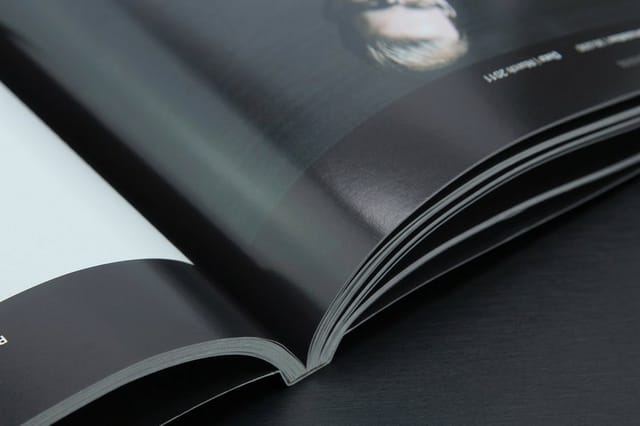
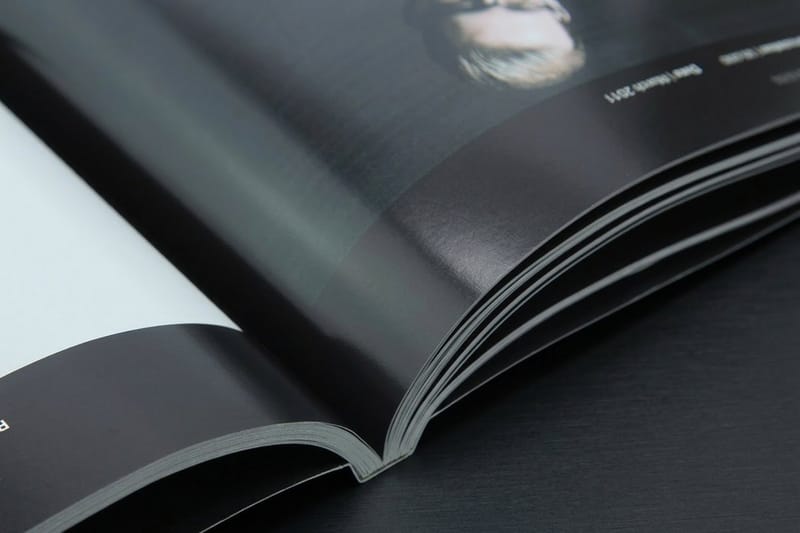
Perfect binding mills the folds off the spine edge, roughens what is left, and glues the raw page edges to a wrapped cover. It needs enough paper to build a spine the glue can grip, which in practice means about 40 pages of normal text stock. Above that it scales a long way, until the spine gets thick enough that the book stops opening comfortably.
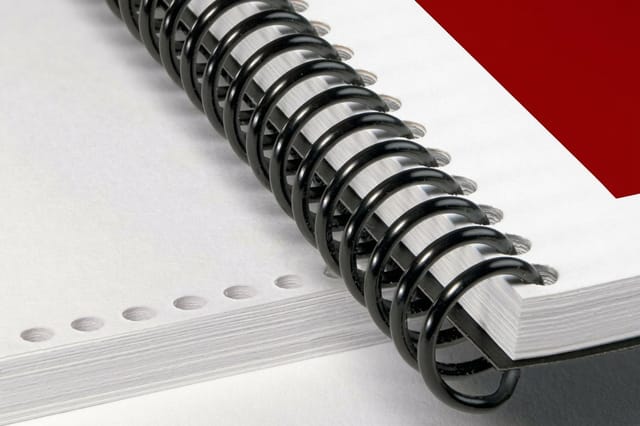
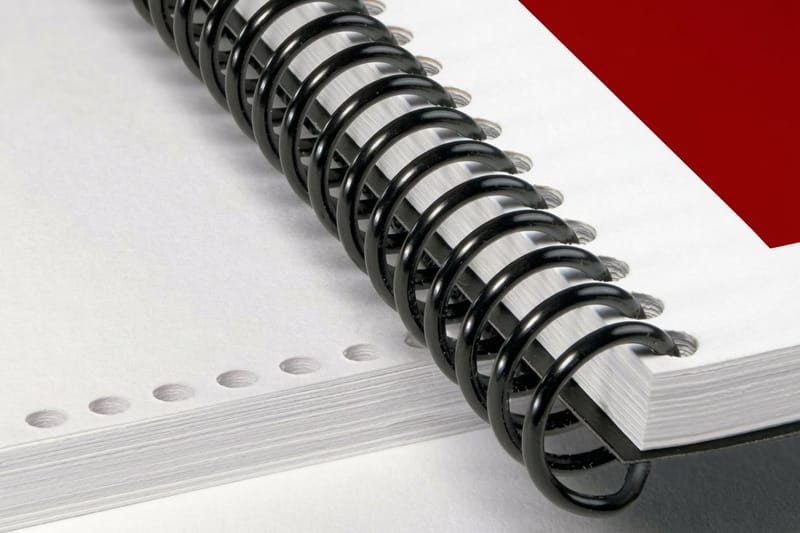
Spiral coil punches holes and threads a plastic coil through them. Nothing is folded and nothing is glued, so there is no multiple of four rule and no minimum thickness. Two sheets bind as happily as two hundred.
| Binding | Page count it takes | Spine | How it opens |
|---|---|---|---|
| Saddle stitch | 8 to about 64, multiples of four only | A folded crease, nothing to print on | Opens near flat, creeps as it thickens |
| Perfect bound | About 40 and up, into the hundreds | Flat and printable, readable on a shelf | Needs holding open, does not lie flat |
| Spiral coil | Any count from 2 up, no multiple rule | None, the coil is the spine | Lies flat and folds back on itself |
Read the last two columns together. Between 40 and 64 pages all three are possible, and that is the band where the decision stops being mechanical and starts being about how the book gets used. The binding options collection shows what each one costs configured for your real page count.
What Book Binding Actually Costs Online
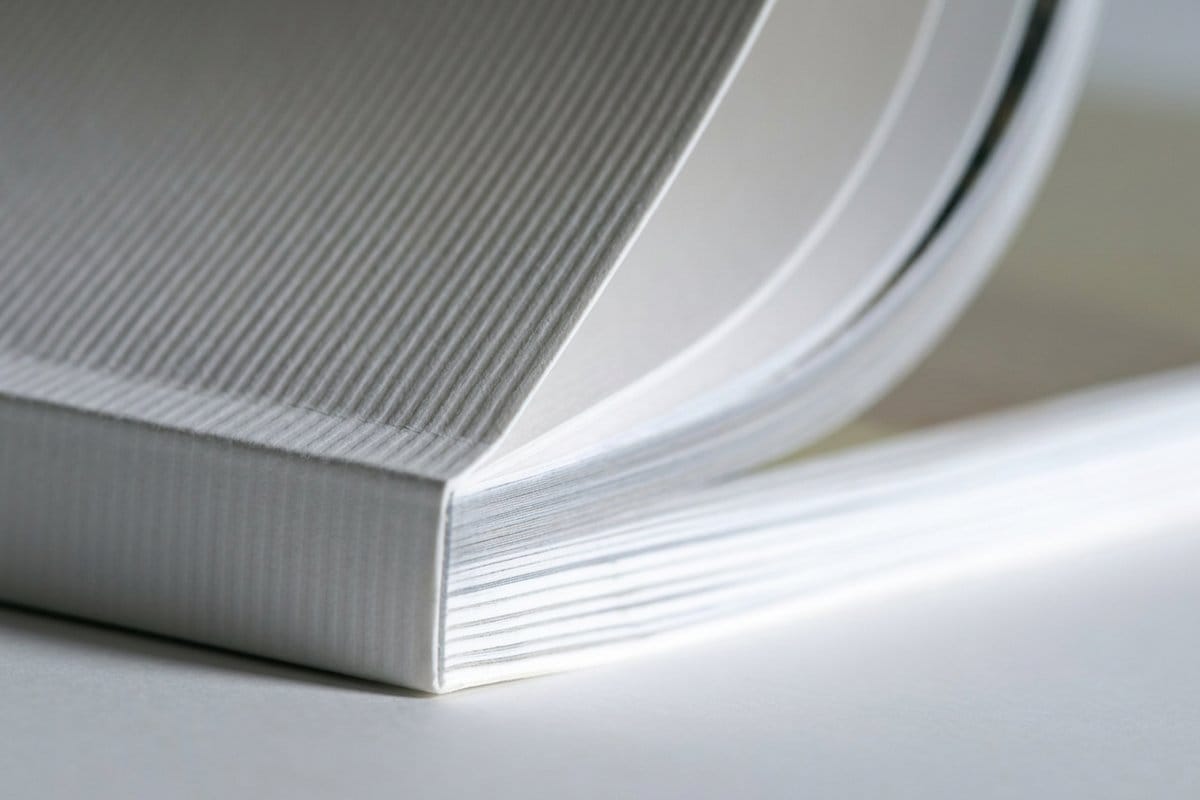
Binding is charged as setup plus per copy work, and the setup is the part that surprises people. Whether the run is 25 copies or 250, the bindery still sets up the machine, runs makeready, and checks the first books. That fixed cost gets divided across however many copies you ordered, which is the whole reason short runs look expensive per book.
At 4OVER4.COM, Perfect Bound Books start at $375.05 and Spiral Coil Books start at $423.28. The interesting part is how small that gap is. People assume a glued spine is the premium option and coil is the budget one, and it is the other way round here, because punching every sheet and threading a coil is more handling than milling a spine and running a glue line.
What really moves the total is page count and paper. Doubling the interior pages roughly doubles the paper and the press time, and it thickens the spine, which can push a perfect bound book into a different cover setup. Stepping the interior from a light text stock to a heavy coated sheet does the same thing from the other direction. If you are quoting two versions of a book, compare them at the same page count and the same stock, or the binding line will take the blame for a paper decision.
Quantity is where the per copy figure moves fastest. Configure the same book at three quantities on the product page before you commit. The step from a very small run to a moderate one usually cuts the per copy cost more than any specification change you could make.
Book binding cost by page count, from 20 pages to 500
The page count narrows the methods first, and the methods left set the price band. Here is how the common counts play out.
- Around 20 pages. Saddle stitch, rounded up to 20 or 24. It is the least bindery work of the three, fold, nest, staple and trim, so it is the cheapest book at any quantity. Coil is possible but costs more for a book this thin.
- Around 100 pages. Saddle stitch is out. Perfect binding gives a printed spine and starts at $375.05 a run, spiral coil lies flat and starts at $423.28. The paper now costs more than the binding, so the interior stock decides the total.
- Around 200 pages. Perfect bound or coil, with the spine thick enough that a heavy coated interior can push the cover into a different setup. Quote both at the same paper before you compare.
- Around 500 pages. A coil handles it but the book is awkward to open and the coil is a large diameter, so a perfect bound spine is the usual answer. At this count the paper is most of the bill and the binding line is a small share.
At every band the per copy price falls fastest between a very small run and a moderate one. Configure the same book at three quantities on the perfect bound book or spiral coil book page and read the real number.
Run Size, and When a Bigger Order Stops Paying Off

The per copy price keeps falling as the quantity rises. The useful question is not how low it can go, it is how many copies will still be accurate when you reach the bottom of the box.
Books go stale in specific ways. Prices change. A product gets discontinued. Someone joins or leaves and the team page is wrong. A course gets restructured between semesters. When any of that is likely inside a year, the cheapest real cost per useful copy comes from a smaller run reordered more often, even though the sticker price per book is higher.
Content that does not move is the opposite case. A portfolio, a photo book, a novel, a company history: order deep, because nothing in it will expire and the per copy saving is permanent. The same logic applies to the sell sheets and inserts that travel with a book, which is why Short Run Presentation Folders at $108.75 exist as a separate product. You hold the folder stock steady and reprint only the inserts that changed.
One more habit worth building. Get the file right before the run size goes up, because a binding error multiplies by the quantity. Check that facing pages are laid out as facing pages, that the margin on the bound edge is wider than the outside margin, and that nothing important sits within about half an inch of the spine. Perfect bound and coil books both lose visible area at the bound edge. Start from a correctly sized layout in the blank template library, and if several people have to sign off, run the file through one of the online proofing tools rather than emailing PDFs around.
Choosing by How the Book Will Be Used

Once page count leaves you with more than one option, the use decides. Four questions get you there quickly.
- Will it sit spine out? If the book lives on a shelf, in a store, or in a stack on a client desk, it needs a printed spine, and only perfect binding gives you one.
- Will someone work from it with their hands busy? Cookbooks, service manuals, lab protocols, training workbooks. A coil book stays open on its own at the page you need. A perfect bound book closes itself the moment you let go.
- Does it get mailed in volume? Saddle stitched and perfect bound books ship flat and stack tightly. Coil books do not nest, the coil can catch on a neighbour in transit, and the same box holds fewer of them.
- How long does one copy have to survive? Coil is the most durable in daily handling because nothing is glued and no staple can pull through. A well made perfect bound book handles normal reading for years but dislikes being forced flat.
Event and keepsake books are the case where the answer flips against the obvious. A wedding guest book gets written in, so it has to lie flat while somebody signs it, which points at coil even though a glued spine looks more formal on the table. There are more format ideas in our guest book ideas piece.
If the choice is still close, order the sample quantity of each and hand them to the people who will actually use the book. It costs less than reprinting a full run, and the winner is usually obvious within a minute. Every option is configured and priced in the binding options collection, and the rest of the range is explained in our product explainer guides.
Wally explains book binding
Count the pages, then decide how the book gets used
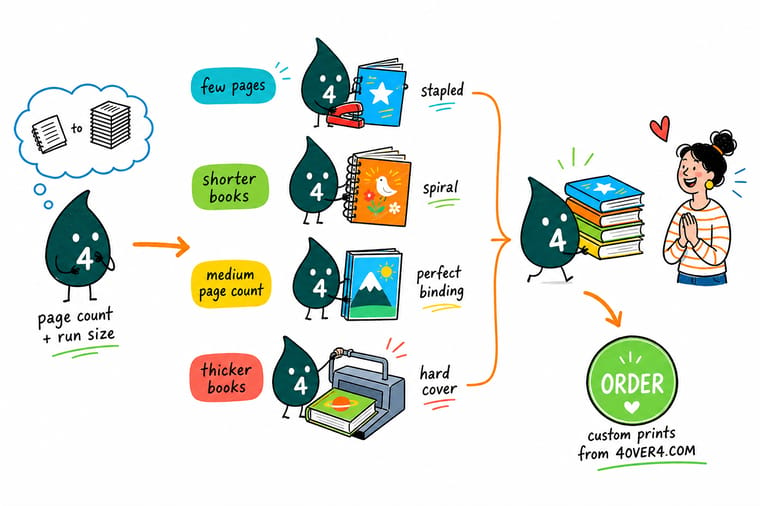
Wally counts the pages before he quotes anything. Under 64 and divisible by four, he folds and staples. Past 40 he can mill the spine, glue it, and print a title you can read on a shelf. When somebody has to cook, wire or teach with the book open in front of them, he punches holes and threads a coil so it stays flat on its own. Then he asks the only question that changes the price: how many copies will still be true a year from now.
Configure a perfect bound book →Specs and pricing
Binding options, sizes, and starting prices
Compare the bound formats side by side, with live configuration choices and starting prices straight from the 4OVER4.COM configurator.
Print it
Order a book that opens the way you need it to
Explore more
Where to go next

By the numbers
The run sizes and catalog behind a bound book
Common Questions
Your book binding questions, answered
How much does it cost to bind 500 pages in spiral binding?
More than a thinner book, because every one of the 250 sheets is punched and the coil is a large diameter, and at that count the paper is most of the bill. Spiral coil books at 4OVER4.COM start at $423.28 for a run, with page count, interior stock and quantity moving the total. For a book that thick a perfect bound spine usually opens more comfortably, so price both on the product pages before you decide.
How much does it cost to print and bind 200 pages?
Perfect bound books start at $375.05 and spiral coil books at $423.28 for a run, and 200 pages sits comfortably inside both. From there the interior paper, one or two sided printing and the quantity set the real total, and the per copy price falls steeply as the run grows because the binding setup is charged once. Configure the book at three quantities to see where the saving flattens out.
How much to bind 100 pages?
At 100 pages saddle stitch is no longer an option, so the choice is perfect binding from $375.05 a run or spiral coil from $423.28 at 4OVER4.COM. The gap between the two is small because coil is more handling than glue. What moves the price at this count is the paper weight and the quantity, so compare both bindings at the same interior stock.
How many pages do you need for perfect binding?
Around 40 pages of normal text stock is the practical floor. Perfect binding works by milling the folded edge off the spine and gluing the exposed page edges to the cover, so the spine has to be thick enough to hold that glue bead. Below roughly an eighth of an inch there is not enough surface, the book feels floppy, and pages start pulling loose. If your manuscript lands at 28 or 32 pages and you want a glued spine, the usual fixes are heavier interior paper, a more generous type size, or accepting saddle stitch instead.
Why does saddle stitching have to be a multiple of four?
Because every sheet in a saddle stitched book is folded once and produces four pages, two on the front and two on the back. There is no way to add a single page without adding a whole sheet. If your content comes to 22 pages you will print 24 and decide what fills the last two, which is why experienced book buyers plan a colophon, a notes page or an ad into the layout instead of discovering the gap at the proof stage.
Which binding is cheapest?
For a thin book at any quantity, saddle stitch, because it is the least work in the bindery: fold, nest, staple, trim. Between the two thicker options the gap is narrower than people expect. Perfect Bound Books start at $375.05 and Spiral Coil Books at $423.28 at 4OVER4.COM, so the binding rarely decides the budget on its own. Page count and paper weight move the total far more than the choice between glue and coil.
Does a spiral coil book lie flat?
Completely, and it is the only one of the three that does. The coil runs through punched holes rather than joining the pages to each other, so a page rotates a full turn and the book can be folded back on itself to occupy half a desk. That is why service manuals, training workbooks and cookbooks keep using it. The trade offs are that there is no spine to print on and coil bound books do not stack neatly on a shelf.
Is it cheaper to print one big run or several small ones?
One big run is cheaper per copy, always, because setup is charged once. Whether it is cheaper in practice depends on how long the content stays true. A price list, a course workbook or a product catalog with dated specs tends to expire before a large run is used up, and paper that gets recycled cost full price. Books whose content does not change, like a portfolio or a novel, are the ones worth ordering deep.
What paper should the inside pages be?
For most books, an uncoated or gloss text weight in the 70 lb to 100 lb range. Lighter stock keeps the spine thin and the shipping cheap but shows more of the page behind it, which matters if you have heavy photographs. Our guide to 80 lb gloss book paper covers where that particular weight sits and when to step up or down from it.
Get Started
Ready to get your book bound?
Pick your page count, choose a glued spine or a coil that lies flat, and see the per copy price move as you change the quantity.
Legal Disclaimer
Gold Standard guarantees apply to all standard orders placed through 4over4.com. Price match requires verifiable proof of a competitor's published price for an equivalent product with matching specifications and turnaround time. Satisfaction guarantee covers manufacturing defects and print quality issues. Contact support with order number and documentation. On-time delivery rate based on tracked orders 1999 to 2026. Individual results may vary based on shipping carrier performance.
