
How Double Sided Postcard Printing Works, Front to Address Side


Nadia is our customer education voice, built from the knowledge of our production team, with over 20 years in printing.
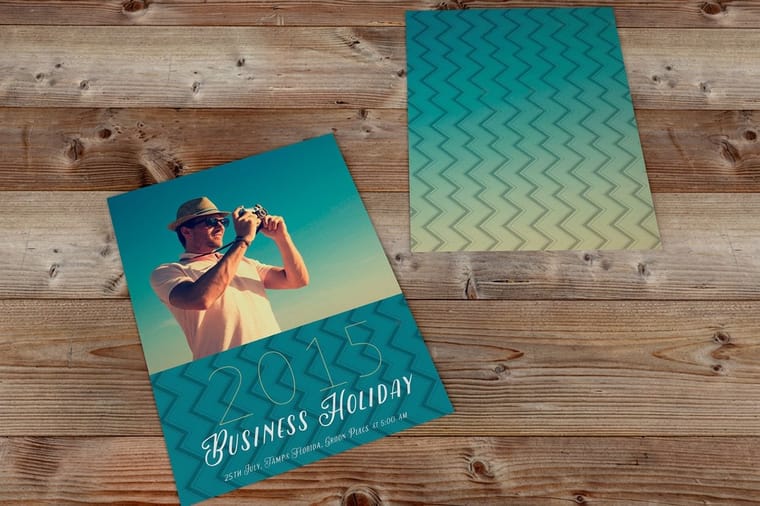
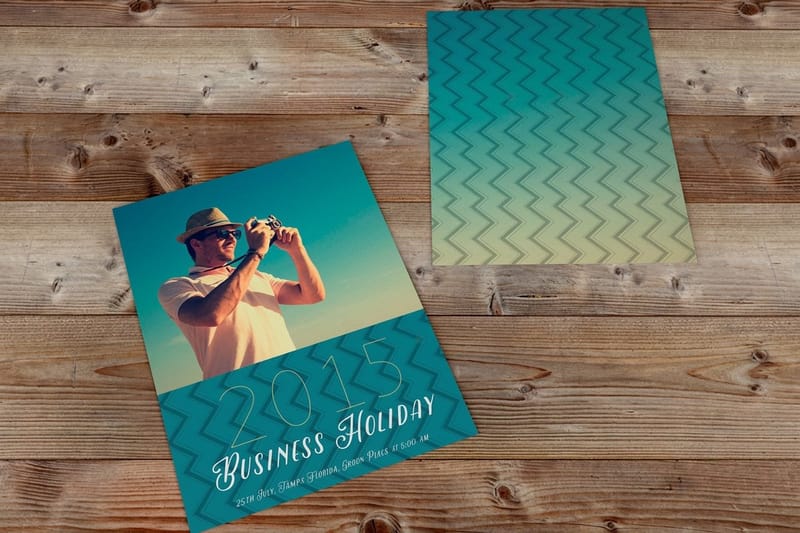
A postcard front and back print together from one two page PDF, page 1 the front and page 2 the back, in the same pass, so the second face is nearly free. What it costs you is design freedom on the back, and one coating choice can stop the card being addressed at all.
Double sided postcard printing puts full color on both faces of the card in one press pass, written as 4/4 on a quote. The second side adds ink, not a trip through the shop, so quantity, size, stock and coating move the price far more than it does. The real constraint is the back: if the card gets mailed, USPS takes the right half of that side for the address block and needs the bottom strip clear for the barcode, and a gloss UV or laminated back will not accept pen or inkjet addressing at all.
Quick answer
Both sides in one pass, and only one of them is fully yours
4/4 means four process inks on the front and four on the back, printed in a single pass on the same sheet. That is why the second side costs so little compared with going up a size or a stock weight. The design constraints land on the address side instead: the delivery address takes the right half, the barcode strip along the bottom stays free of ink, and the address needs dark type on a light background. Choose the coating with mailing in mind, because gloss UV and lamination both refuse addressing ink.
Postcard Front and Back, What Goes on Each Side
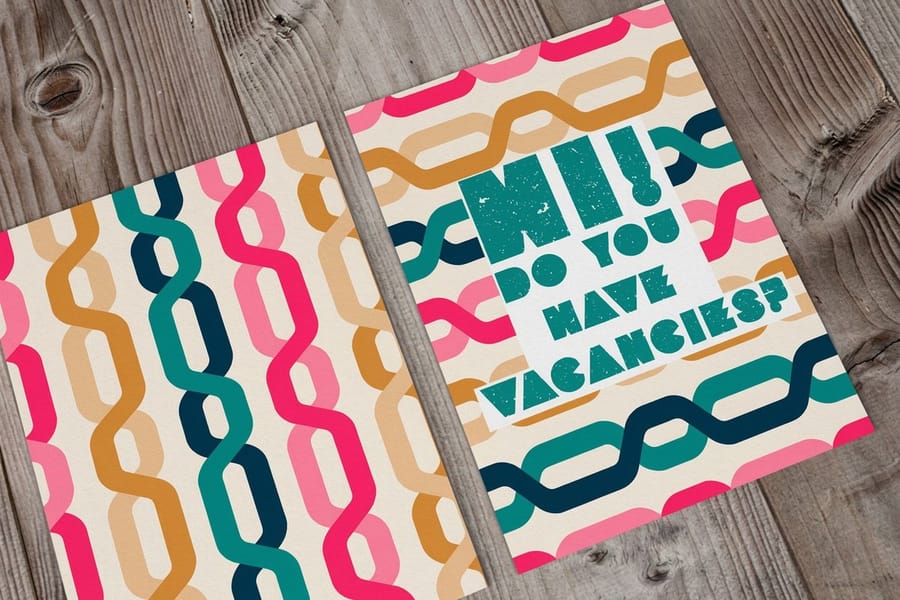
The front sells and the back explains. Give the front the headline, one strong image and the offer, printed full bleed. Give the back the details that make someone act: a short message, the call to action and a QR code, all in the left half if the card is mailed.
- Front. Full color to the edge, headline large enough to read at arm's length, logo and offer.
- Back, left half. Message, hours, a map or a QR code, printed full color in a 4/4 order or black only in 4/1.
- Back, right half. Delivery address, return address top left, postage top right, and the bottom strip left clear for the barcode.
Our standard postcards come in 14 sizes from 2.5 by 2.5 to 6 by 11 inches on 22 stocks. A 4 by 6 inch card keeps the postcard rate, and a 5 by 7 or 6 by 9 inch card buys a wider message column on the back.
How to Print Postcards Front and Back From a PDF
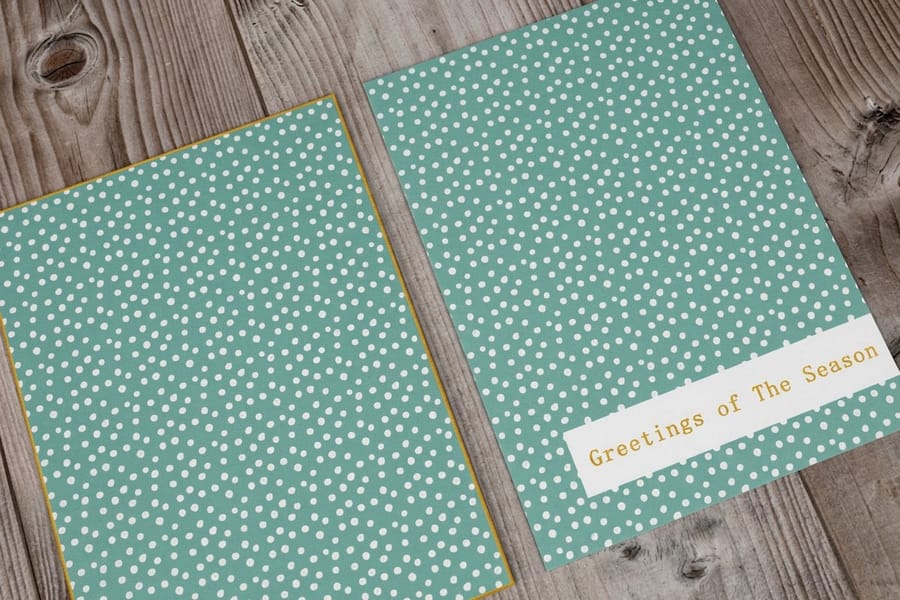
- Make a two page PDF. Page 1 is the front and page 2 the back, both upright. For a 4 by 6 inch card each page is 4.25 by 6.25 inches, the trim plus 0.125 inch of bleed on every edge.
- Check the file. Images at 300 ppi at final size, CMYK color, fonts outlined or embedded, and the address side left clear if you will mail it.
- Configure the card. Pick the size and stock, choose 4/4 for full color both sides or 4/1 for a black back, and set the coating on the front only if the card will be addressed.
- Upload and proof. Choose the free online proof and page through both sides before you approve. Standard postcards print in 3 business days from 50 cards.
What 4/4 Means and What the Second Side Really Costs
Print quotes describe sides as a pair of numbers. The first is the front, the second is the back, and the number itself is how many inks that side gets. Four means the four process inks that build full color, so 4/4 is full color on both faces, 4/0 leaves the back blank, and 4/1 prints color on the front with black only on the back.
The second side is cheaper than people assume because it does not add a trip through the shop. One sheet is imaged, cut, and packed whether the back carries a photograph or nothing at all. What actually moves a postcard quote is the quantity, the trim size, the caliper of the stock and the coating. Standard postcards start at $16.48 and oversized postcards start at $51.62, and that gap is the paper and the press sheet, not the ink on the reverse.
So the question is not whether to print the back. It is what to put there. A blank back on a card handed across a counter wastes the side the recipient is looking at while they decide whether to keep it. A back crammed with the same headline as the front wastes it differently. The useful split is simple: the front earns the two seconds of attention, the back answers the question those two seconds raised, and if the card is being mailed the back also has a landlord.
The Address Side Belongs to USPS the Moment You Mail It
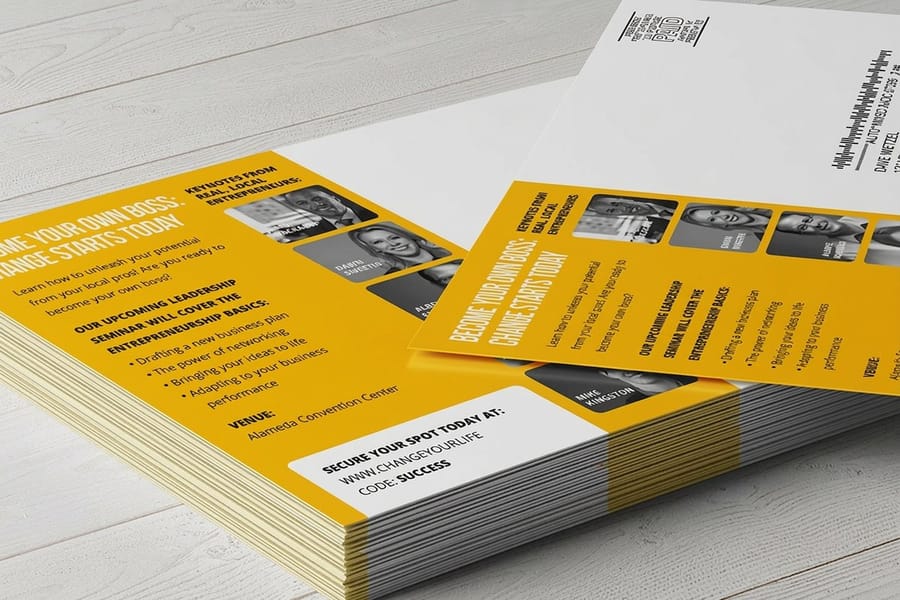
A postcard that goes in the mail gives up territory. The delivery address sits on the right half of the address side, the return address goes top left, postage or an indicia sits top right, and the strip along the bottom of that side has to stay clear so the sorting equipment can read and apply the barcode. Ink in that strip is one of the most common reasons a mailing gets kicked back for redesign.
Two more rules matter and both are about contrast. The address must be dark ink on a light background, which rules out running a full bleed photograph across the address side, and the address block should sit parallel to the long edge. Keep your message, your offer and any QR code in the left half, and draw the divider into the layout so nobody creeps across it later.
| Card size | How USPS treats it | What the back gives up | Where it fits |
|---|---|---|---|
| 4 x 6 | Postcard rate, the cheapest way to mail a card. | Right half plus the bottom barcode strip, so roughly half the side. | High volume mailings where postage per piece decides the budget. |
| 5 x 7 | Letter rate, since it passes 4.25 by 6 inches. | Same zones, but the extra width leaves a usable message column. | Invitations and announcements that need room to read well. |
| 6 x 9 | Letter rate, up to the 6.125 by 11.5 inch ceiling. | Same zones, and they take up a smaller share of the side. | Offers with real content, and anything that must stand out in a stack. |
| 6.5 x 9 and larger | Flat, and eligible for EDDM saturation mailing. | Address panel plus the EDDM endorsement area. | Neighborhood saturation where you mail a route, not a list. |
Postcard rate applies only between 3.5 by 5 inches and 4.25 by 6 inches, at a thickness of 0.007 to 0.016 inches. Cross any of those limits and the piece prices as a letter, which is often worth doing on purpose. If you are heading toward route based mailing, read the EDDM size requirements before you pick a trim, and the guide to EDDM size requirements and file setup for the panel rules, and if you want us to handle the list, the postage and the drop, order direct mail postcards, which start at $89.68 including the mailing service. The full address side layout is broken down in our guide to addressing a postcard correctly.
Coating Is the Decision That Quietly Ruins Two Sided Cards
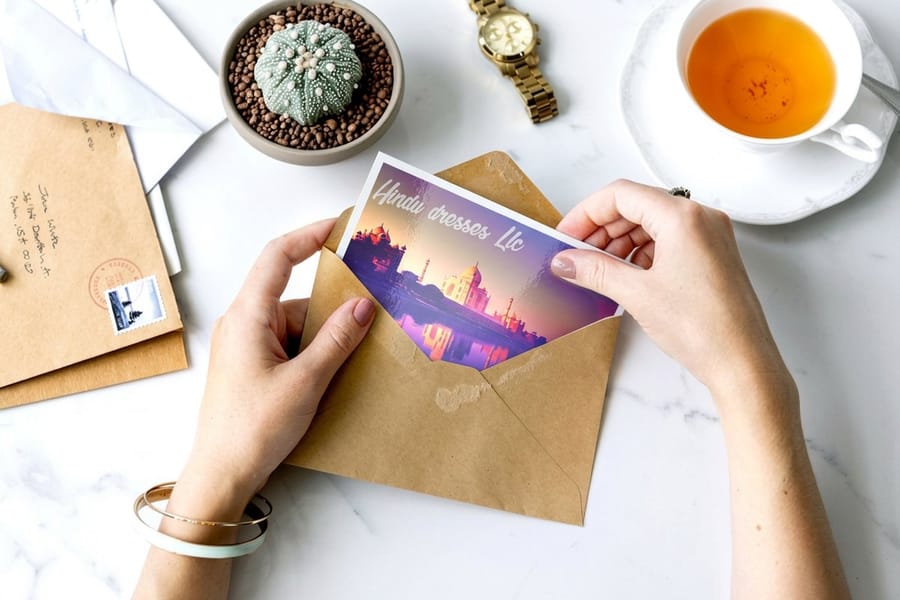
Here is the mistake that costs whole print runs. A designer picks high gloss UV on both sides because the photography looks better under it, the cards arrive gorgeous, and then the mail house calls to say the addresses will not dry on them. UV cures into a sealed film. Ballpoint skates across it, marker smears, and inkjet addressing beads up instead of sinking in. Gloss and soft touch lamination behave the same way.
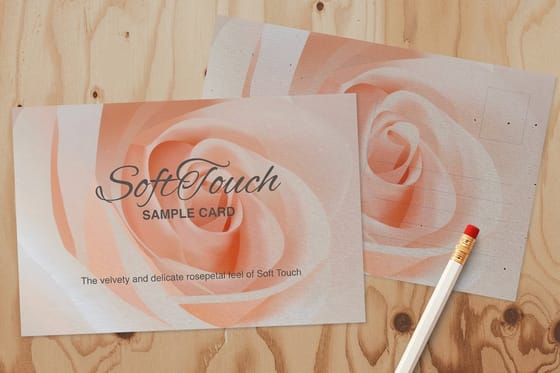
The fix is to order the coating on the front only, which every printer will do without argument if you ask before the job runs. The address side then stays uncoated, aqueous coated or matte, all of which take pen and inkjet. Reserve a full sealed finish like soft touch postcards for cards you hand over rather than mail, where the feel in the hand is the whole point.
Stock caliper does the other half of the work. Ink on one side can ghost through to the other on thin uncoated sheets, and it shows up worst where a dark solid backs onto pale type. A 16pt card is visibly more opaque than a 14pt one, and a coated sheet keeps ink on the surface instead of letting it soak in. When one side carries a black flood and the other carries white space, order the heavier stock and look at a sample first. Our guide to folded versus flat postcards covers what changes again once the card has four printed panels rather than two.
Setting Up a Two Sided File That Trims Where You Expect
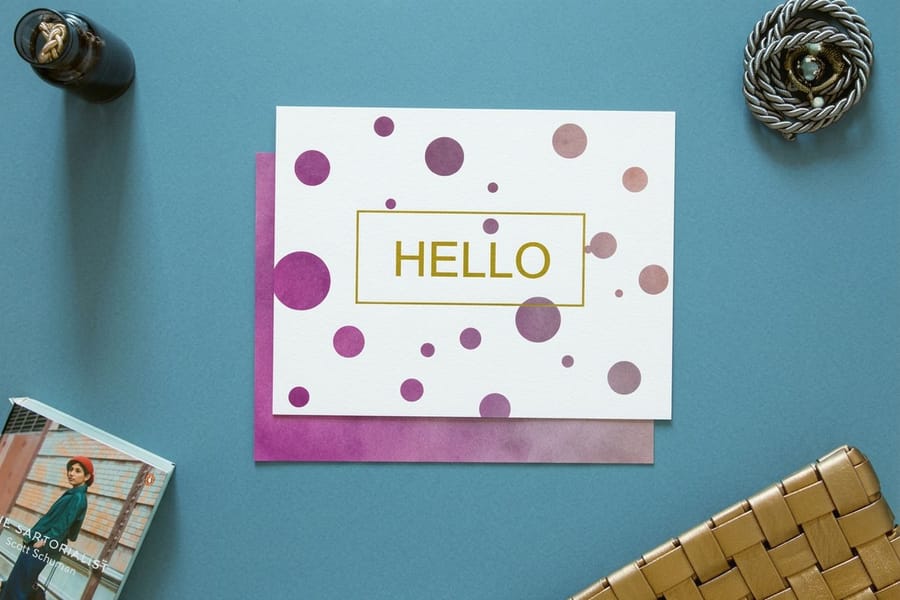
Send one PDF, page 1 the front, page 2 the back, both at the same trim size and the same orientation. Add 0.125 inch of bleed on every edge of both pages, and keep anything you need to read at least 0.125 inch inside the trim line. Fonts get outlined or embedded, images land at 300 ppi at final size, and the file goes out in CMYK rather than RGB.
The part that catches experienced designers is registration between the two sides. Sheets are printed and then cut in a stack, and that cut lands within roughly a sixteenth of an inch of the mark. On a single side you never notice. Put a thin border a few millimeters in from the edge on the back and you will notice immediately, because the border reads as uneven even though the trim was in tolerance. Bleed the art off the edge rather than framing it, or make the frame wide enough that a sixteenth of an inch does not register as an error.
One more orientation trap: a back page rotated 180 degrees. Design software makes it easy to lay out a back that flips like a calendar page, and unless a head to foot flip is what you want, both pages should be upright. Start from a correctly sized layout in the blank template library, check the geometry against bleed and trim explained, and if you want the zones on each face named before you draw anything, the anatomy of a postcard maps them out. Ready to build the job, the whole postcard printing range lists the sizes, stocks and finishes side by side.
Wally explains the two sided card
Print both faces, then give half of one back to the mail carrier
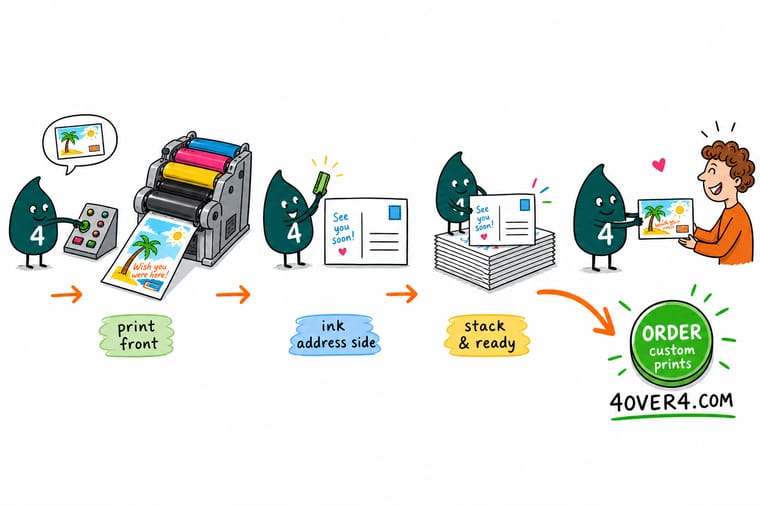
Wally runs the sheet once and both sides come off printed, which is why the back is almost free. Then he turns the card over and draws the line down the middle: message on the left, address on the right, and nothing at all in the strip along the bottom where the barcode gets sprayed. Last check before it goes on press, he asks whether the card is being mailed. If it is, the gloss goes on the front only, because no pen and no address printer will write on cured UV.
Order double sided postcards →
Specs and pricing
Sizes, stocks and starting prices for two sided cards
Standard postcards come in 14 sizes on 22 stocks from 50, oversized postcards in 5.5 by 8.5, 6 by 8, 6 by 9 or 6 by 11 inches from 50, and direct mail postcards in nine sizes from 500 with the mailing handled. Configure the trim size, the caliper and the coating for each side, with starting prices straight from the 4OVER4.COM configurator.


Print it
Order a postcard that works on both faces
Standard and oversized postcards print in 3 business days and direct mail postcards in 4. Pick 16pt when one side carries a dark flood, so it does not show through the other.

Explore more
Where to go next
The zones on each face of a postcard, how to address one, folded against flat cards, bleed and trim, and the postcard range.
By the numbers
Two sided cards printed for 150,000+ businesses
Common Questions
Your double sided postcard questions, answered
What does double sided postcard printing mean?
It means both faces of the card carry printing, written as 4/4 in a print quote: four process inks on the front, four on the back. A card printed 4/0 has a blank back, and 4/1 puts full color on the front and black ink only on the back, which used to be common for mailed cards before full color on both sides became standard. When you order postcards and leave both sides designed, you are ordering 4/4.
What is the cheapest way to print postcards?
Print a standard 4 by 6 inch postcard on 14pt gloss cover and order the largest run you will use. 50 cards start at $16.48 and 300 cost $38.45, about 13 cents each, in 3 business days. Keeping the card at 4 by 6 also keeps it at the cheaper USPS postcard rate if you mail it.
Is it cheaper to print postcards on one side?
Slightly, and less than most people expect. The sheet still runs through the press or the digital engine, still gets cut, and still gets packed. The savings sit in ink and in the plate or setup for the second side, so on a short run you might save a few dollars and on a large run the gap narrows further. Size, stock weight, quantity and coating each move the price more than the second side does. Given that a blank back throws away the half of the card people look at while they are holding it, one-sided printing is rarely the right saving.
Can I write on the back of a UV coated postcard?
Not reliably. UV gloss cures into a sealed plastic-like film, and ballpoint ink, marker and inkjet all bead or smear on it. The same is true of gloss and soft touch lamination. If the card has to be hand addressed, signed, or run through an addressing printer, order the coating on the front only and leave the address side uncoated or aqueous coated. Matte finishes accept pen; high gloss does not.
What size postcard still mails at the postcard rate?
USPS charges the postcard rate only for a rectangular card at least 3.5 by 5 inches and no larger than 4.25 by 6 inches, with a thickness between 0.007 and 0.016 inches. A 4 by 6 card is the classic fit. Anything bigger, including 5 by 7 and 6 by 9, mails at letter rates up to 6.125 by 11.5 inches, and pieces larger than that are handled as flats. Oversized cards cost more to mail but get noticed in a stack, which is the trade you are making.
Which page of my file is the front?
Supply one PDF with page 1 as the front and page 2 as the back, both at the same trim size and the same orientation. The most common file error we see is a back page rotated 180 degrees because it was designed to flip like a calendar. Unless you specifically want a head to foot flip, keep both pages upright, add 0.125 inch of bleed all around, and keep live text 0.125 inch inside the trim.
Will heavy ink on the front show through the back?
On thin uncoated stock it can, especially where a dark solid on the front sits behind pale type on the back. Two things fix it: more caliper and coating. A 16pt card is noticeably more opaque than 14pt, and a coated sheet holds the ink on the surface instead of letting it sink in. If the design puts a black flood on one side and white space on the other, order the heavier stock and ask for a sample before running the full quantity.
Get Started
50 soft touch postcards cost $29.44, or 59 cents each
Pick the trim size, choose 14pt or 16pt, and coat the front only if the card is going in the mail. We print, cut and pack it so the back is still usable when it arrives.
Legal Disclaimer
Gold Standard guarantees apply to all standard orders placed through 4over4.com. Price match requires verifiable proof of a competitor's published price for an equivalent product with matching specifications and turnaround time. Satisfaction guarantee covers manufacturing defects and print quality issues. Contact support with order number and documentation.
