
How to Create a Marketing Offer That Wins New Sales and Loyal Customers


The offer is what makes marketing work, not the design around it. The best ones cost you little and feel worth a lot, and that gap is the whole craft.
A winning marketing offer is high-value to the customer, low-cost to you, and believable. Build it around the customer\'s win, check it is viable to deliver, give it a clear reason why plus an honest deadline, print it on the right piece (flyer, postcard, or door hanger), track every response, then reward loyal customers so the offer keeps paying back.
Start here
What it is worth against what it costs
A marketing offer is the specific reason to act now, and it is the engine of every piece it sits on. Build it high-value to the customer and low-cost to you, give it a believable reason why and an honest deadline, then print it on the flyer, postcard, or door hanger that reaches your audience. Track every response, reward the customers who return, and reprint the winners. The diagram below shows the formula and the loyalty loop.
Why the offer is the engine of every marketing piece
People do not respond to marketing because it is well designed. They respond because it offers them something worth acting on. The offer is the engine; the layout, the paper, and the product are the chassis that carries it. A brilliant flyer built on a weak offer still fails, while a plain one built on a compelling offer can outperform it. So the first job is always the offer, not the design.
An offer is the specific reason to act now: what the customer gets, on what terms, why it exists, and by when. Nail those and you have something that converts. This guide walks through building that offer, making it valuable yet viable, making it believable, printing it on the right piece, and then turning first-time buyers into loyal, repeat customers.
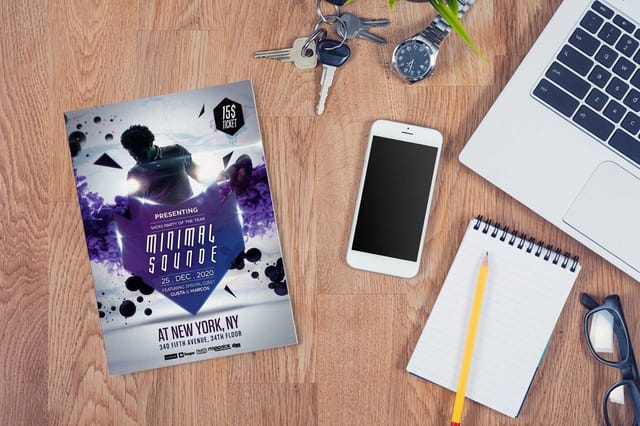
Because the piece that carries the offer matters too, we will match each type of offer to the right format: a flyer for events and counters, a postcard for targeted mail, a door hanger for a neighborhood push. Browse the full lineup in marketing materials as you plan.
Provide a high-value offer on your marketing materials
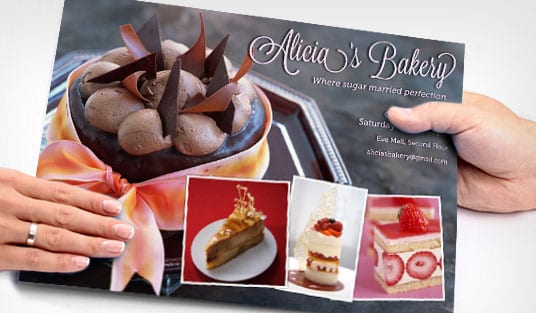
The first rule of a strong offer is that it must feel like a clear win for the customer, worth far more to them than what they give up to claim it. Perceived value is what drives response, and it does not always come from the biggest discount. A useful bonus, a free add-on, an upgrade, or a bundle can feel more generous than a percentage off, because it reads as getting something extra rather than simply paying a bit less.
Lead with that value and make it the loudest element on the piece. On a direct-mail postcard or a flyer, the offer should be the first thing the eye lands on, stated plainly, with the benefit to the customer front and center. Everything else, your logo, your details, the fine print, supports it rather than competing with it.
Value also lives in how the piece feels. An offer printed on a flimsy sheet undercuts its own message, while the same offer on a substantial stock with a clean finish reads as more credible. Our guide on choosing paper for marketing materials helps you match the stock to the promise so the piece feels as good as the deal.
But make sure your offer is low-cost enough to be viable
A generous offer only works if you can actually deliver it and still come out ahead. This is where a lot of well-meaning promotions quietly lose money. The trick is to find the gap between high perceived value and low real cost: things that feel valuable to the customer but cost you little on the margin to provide.
Free add-on services, small bonus items, upgrades, and bundles usually beat straight price cuts here, because a discount comes directly out of your margin while a bonus often costs you a fraction of its perceived worth. You can also justify a richer offer by looking past the first sale to the lifetime value of a new customer: a strong welcome deal can pay for itself many times over if that buyer returns.
Run the numbers before you print. Confirm the offer is profitable at the response rate you expect, or that the customers it wins are worth more than it costs to acquire them. Then match the print run to the plan: because larger quantities drop the per-piece cost sharply, you can see exactly how campaign size affects your cost per contact using the live pricing below.
Be believable: give the offer a clear reason why
An offer that sounds too good to be true gets ignored, because people have been burned before. The fix is a reason why. When you explain why the offer exists, a grand opening, a first-time welcome, seasonal overstock, an anniversary, a loyalty thank-you, it stops reading as a gimmick and starts reading as a genuine, time-bound opportunity.
The reason does double duty. It makes the offer credible, and it naturally creates urgency, because a reason tied to an event or a season implies an end. A grand-opening deal cannot last forever; overstock runs out. That built-in deadline gives people a reason to act now instead of setting the piece aside, so state an honest expiry date clearly.
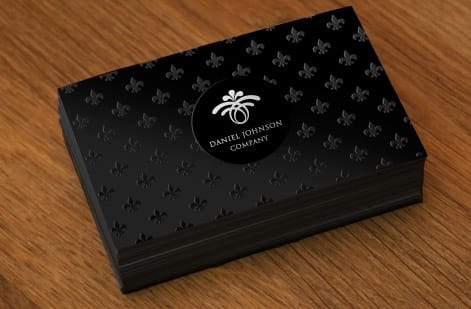
Keep the whole thing honest and specific. Vague, permanent discounts train customers to wait; clear, reasoned, deadline-bound offers train them to move. This credibility carries onto every touchpoint, from the flyer that announces the offer to the business card your team hands over when they follow up.
Put the offer on the right printed piece
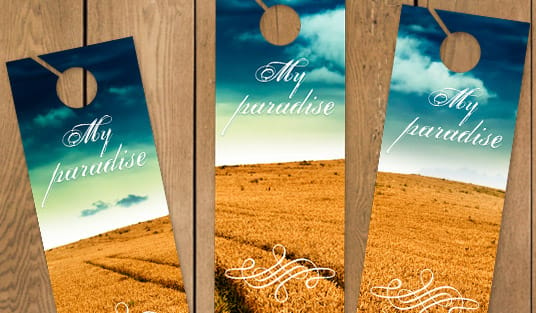
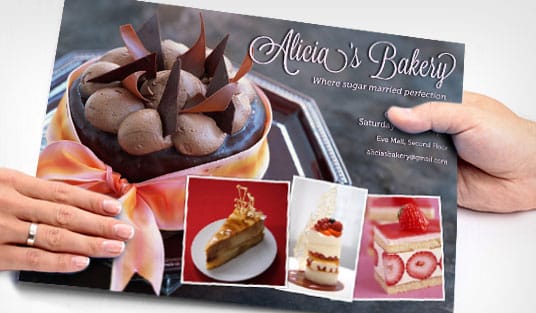
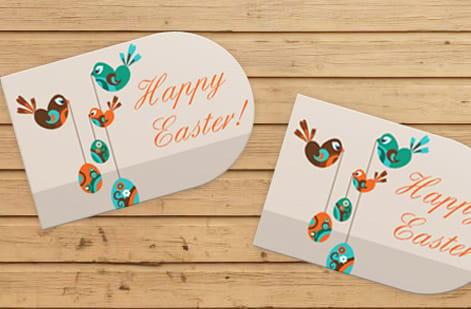
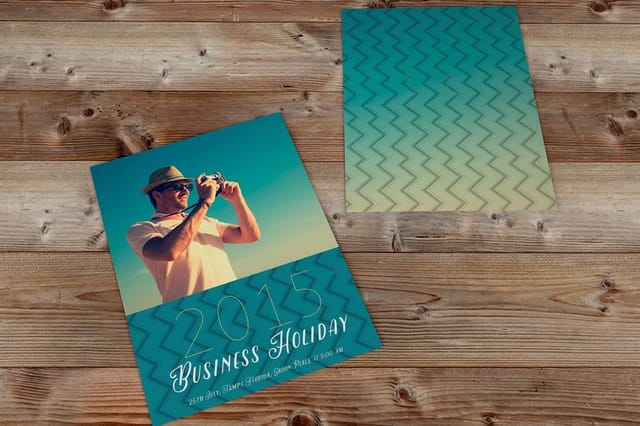
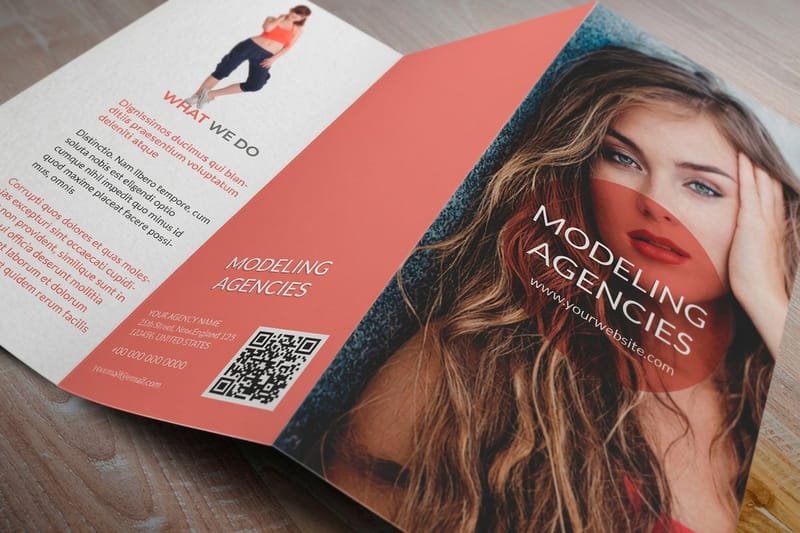
The same offer performs very differently depending on the piece that carries it, because each format reaches a different audience in a different moment. Match the two and response climbs. A flyer shines at events, counters, and handouts, where people are already nearby and receptive. A direct-mail postcard lands in the mailboxes of a targeted list, ideal for local outreach and reactivating past customers.
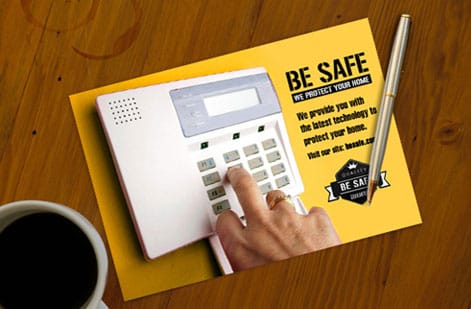
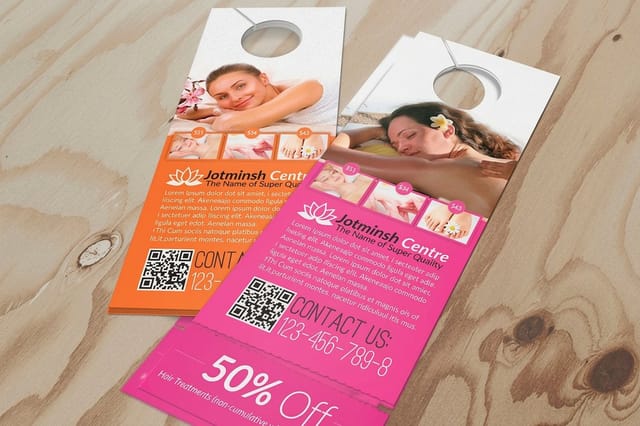
A door hanger puts the offer directly on the doors of a chosen neighborhood, which is what home services, restaurants and new-location launches need to own a specific area. Each of these formats meets a different reader, so choose the one that fits where your audience actually is when they will see the offer.
Whatever the format, the offer must dominate the piece: a bold headline, the value stated plainly, a clear call to action, and an easy way to redeem it, whether a coupon to bring in, a code to mention, or a QR to scan. Explore the full set of carriers in marketing materials and pick the one that reaches your people.
Reward loyal customers so they come back
Winning a new customer is only half the return. The offer that acquires someone opens the door once; what keeps them coming back is a reason to return, and that is where the real profit compounds. A repeat customer costs far less to sell to than a new one, so building loyalty into your offer strategy is often more valuable than chasing the next first-time buyer.
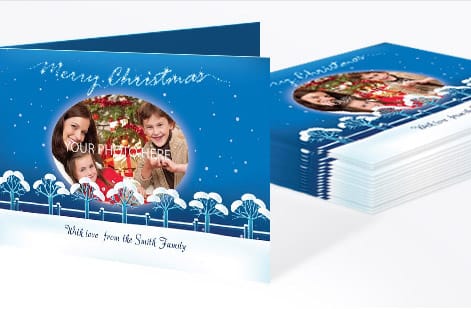
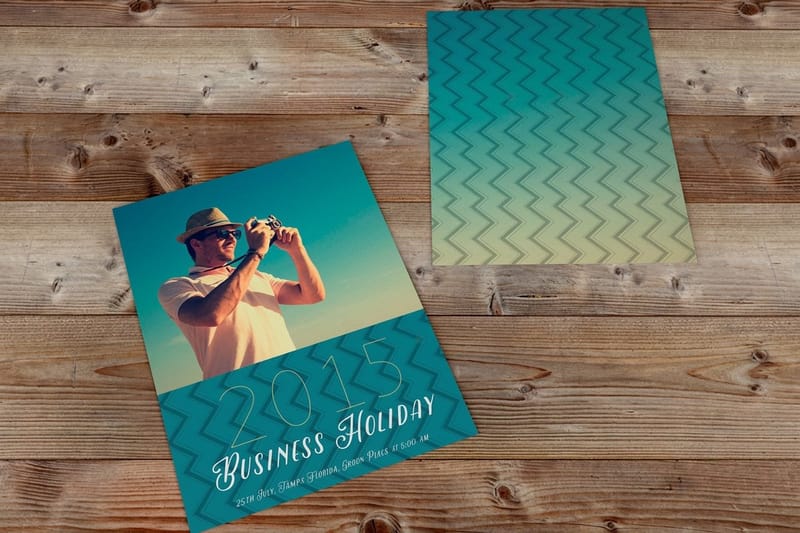
So pair every acquisition offer with a follow-up that rewards the second visit and beyond: a members reward, a punch-card style bonus, or points on every purchase. The message shifts from come try us to you are worth rewarding for staying, which is exactly the feeling that turns a buyer into a regular. Print that reward onto a card they keep, a postcard you mail, or an insert in the package.
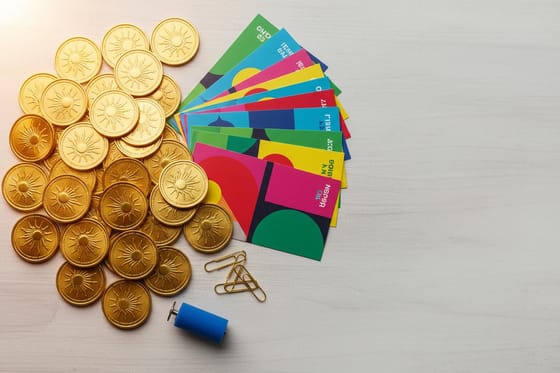
You can build the same loyalty into how you print, too. With 4OVER4 coins, you earn points on every print order you place, so restocking the flyers, postcards, and cards that carry your offers rewards you the same way your program rewards your customers. Reorder the winners, keep the loop turning, and both sides come out ahead.
Track, test, and refine your offers
The businesses that get steadily better at marketing are the ones that measure. An offer you cannot track is a guess; an offer you can track is a lesson. So build a response hook into every piece: a unique coupon code, a dedicated phone number, a campaign-specific landing page, or a QR that ties the scan back to that exact offer and format.
With tracking in place, you can print small, test two or three versions of an offer against each other, and see which one actually pulls before you commit to a big run. This turns marketing from a hopeful expense into a system that compounds: each round teaches you what your audience responds to, and each print run gets a little smarter than the last.
Then scale the winner. Once a coded offer proves itself, reprint it at the quantity where the per-piece cost drops, and roll it out across the formats that fit. Use the live specs and pricing below to plan the run, and lean on our online design tool to spin up variants quickly so testing costs you almost nothing but time.
Wally builds an offer that pays twice
High value, low cost, believable, then reward the return
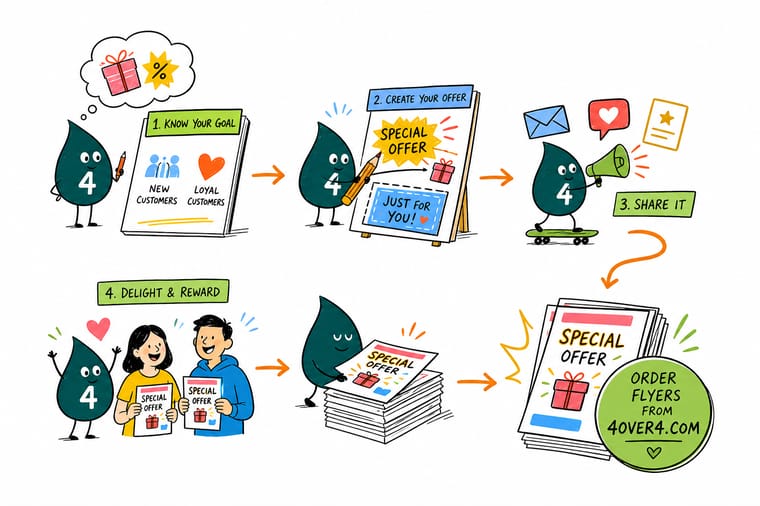
Wally stacks the three ingredients that make an offer land: it feels worth far more than it costs, it is cheap enough for you to deliver, and it comes with an honest reason why. He prints it big on the flyer, postcard, or door hanger that reaches your people, tracks every response, then hands returning customers a reward so the same offer keeps paying. Print it with 4OVER4 and earn coins on the reorder.
Print your marketing offer →Quick reference
The anatomy of a winning offer, at a glance
Every high-performing marketing offer shares the same parts. Get these right and the piece that carries them almost prints itself.
| Ingredient | Aim for | Why it matters |
|---|---|---|
| Perceived value | Feels worth far more | The offer should look like a clear win for the customer, well above what they give up to claim it. |
| Real cost | Low enough to stay viable | You have to be able to deliver it and still profit, so the true cost to you must stay small. |
| Believability | A clear reason why | A stated reason (new location, overstock, first-time welcome) makes a strong offer read as real, not a trick. |
| The carrier | Flyer, postcard, door hanger | Match the printed piece to the audience: handouts, direct mail, or neighborhood drops each reach different people. |
| A clear deadline | A real expiry date | Urgency turns interest into action; an honest end date gives people a reason to move now. |
| A tracking hook | Code, coupon, or QR | A unique code or QR shows exactly which offer and which piece drove each sale so you can measure results. |
| The loyalty loop | Reward the reorder | A reward for coming back turns a one-time buyer into a repeat customer worth far more over time. |
Step by step
Build a marketing offer that sells in 7 steps
- Start with the customer's win Decide what would genuinely delight the person you want to reach, then shape the offer around that. Perceived value comes from how much the customer gains, not how big the discount looks on paper.
- Check the math on your side Make sure you can deliver the offer and still make money, whether through margin, volume, or the value of a new long-term customer. A generous offer only works if it is viable to fulfill.
- Give it a believable reason Attach a clear why: a grand opening, a first-time welcome, seasonal overstock, or a loyalty thank-you. A reason makes a strong offer feel honest instead of too good to be true.
- Add urgency with a real deadline Put an honest expiry date on it so people have a reason to act now. Open-ended offers get filed away and forgotten.
- Print it on the right piece Choose the format that reaches your audience: a flyer for events and counters, a direct-mail postcard for targeted lists, a door hanger for a neighborhood push. Make the offer the loudest thing on it.
- Track every response Add a unique code, coupon, or QR so you can see which offer and which piece pulled. This is what turns marketing from a guess into a system you can improve.
- Reward the ones who come back Follow the first sale with a reason to return, a members reward or points on every order, so acquisition turns into repeat business. Loyalty is where the real profit compounds.
Specs and pricing
Flyer specs and live pricing
Flyers carry most offers, at 50 for $39.54, which is $0.79 each, so you can size the run to your campaign.

| Quantity | Price Per Unit | Total |
|---|---|---|
| 50 | 79.1¢ | $39.54 |
| 100 | 57.1¢ | $57.11 |
| 200 | 37.3¢ | $74.69 |
| 300 | 28.6¢ | $85.68 |
| 400 | 24.4¢ | $97.76 |
| 500 | 21.8¢ | $108.75 |
| 600 | 18.7¢ | $112.03 |
| 700 | 16.5¢ | $115.33 |
Print it
Print the piece that carries your offer
See it in use
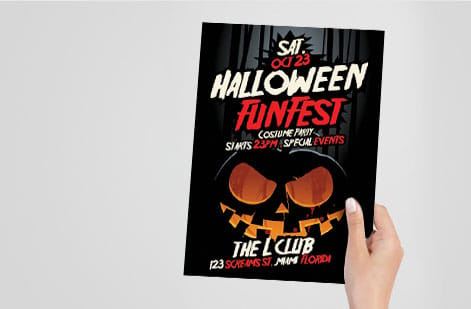
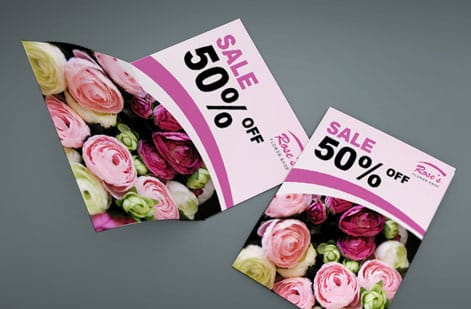
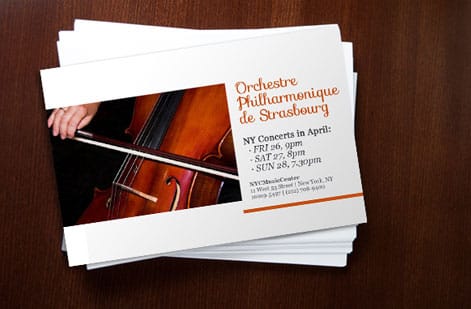
Offers we printed and put in hands
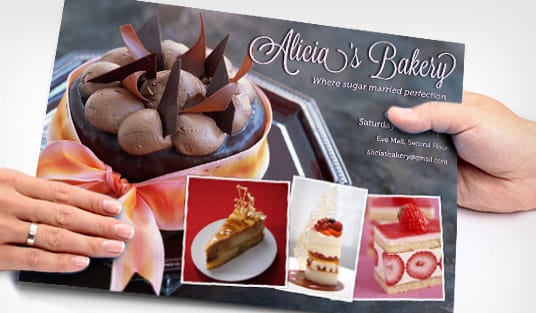

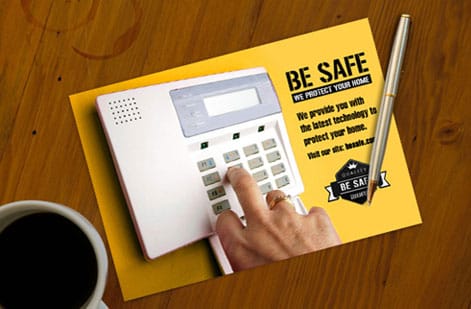
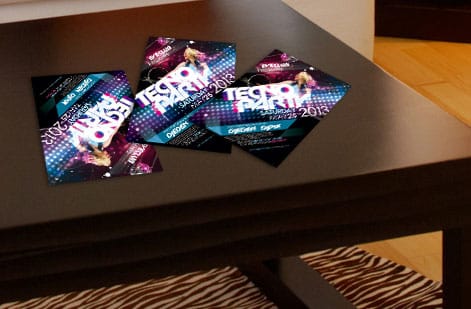
Explore more
Where to go next

By the numbers
The print behind an offer, across 1,000+ products
Common Questions
Common questions about marketing offers
What is a marketing offer?
A marketing offer is the specific deal or incentive you put in front of a potential customer to prompt action, the reason to buy now rather than later or elsewhere. It is more than a discount: it bundles the value the customer gets, the terms, a reason why it exists, and usually a deadline. A strong offer sits at the center of a marketing piece, with the design and the product simply carrying it. Get the offer right and even a plain flyer performs; get it wrong and no amount of polish saves it.
What makes a marketing offer effective?
Three things working together. First, high perceived value: it should feel worth far more to the customer than it costs them to claim. Second, low real cost to you: you must be able to deliver it and still profit, through margin, volume, or the lifetime value of a new customer. Third, believability: a clear reason why the offer exists, like a grand opening or a first-time welcome, so it reads as genuine rather than a gimmick. Add an honest deadline and a way to track responses and you have an offer that both converts and teaches you what works.
How do I make my offer low-cost but still valuable?
Look for things that feel valuable to the customer but cost you little to provide. A free add-on service, an upgrade, a bundle, or a bonus item often carries high perceived value at low marginal cost, more so than a straight price cut that comes directly out of margin. You can also frame the offer around the lifetime value of a new customer: a generous first-order deal can be worth it if that buyer returns. The goal is a gap between what the customer feels they are getting and what it actually costs you to give.
Where is my reader when they see the offer?
Match the format to how you reach the audience. Flyers are ideal for events, counters, and handouts where people are already nearby. Direct-mail postcards land in the mailboxes of a targeted list and work well for local and repeat outreach. Door hangers put the offer directly on the doors of a chosen neighborhood, which suits home services and new-location launches. Whatever you pick, the offer should be the loudest element on the piece, with a clear call to action and a way to redeem it.
What does it cost to print marketing pieces, and how are prices set?
The offer itself costs only the value you build into it. Printing the pieces that carry it scales with a few levers: quantity, where more pieces lower the unit price, plus size, paper stock, and finish. At 4OVER4.COM you set each option in the configurator and the price updates live, with flyers starting around $57.11. Because larger runs drop the per-piece cost sharply, offers meant for wide distribution get cheaper per contact the more you print, which is worth weighing when you plan the campaign size.
Get Started
Order 250 door hangers at $1.16 each
Build your offer at 4OVER4.COM and print it on the flyer, postcard, or door hanger that reaches your audience. Adjust every option and watch your price update live, then reprint the winners and earn coins on every reorder.
Legal Disclaimer
Gold Standard guarantees apply to all standard orders placed through 4over4.com. Price match requires verifiable proof of a competitor's published price for an equivalent product with matching specifications and turnaround time. Satisfaction guarantee covers manufacturing defects and print quality issues. Contact support with order number and documentation. On-time delivery rate based on tracked orders 1999 to 2026. Individual results may vary based on shipping carrier performance.
