
How to Develop a Branding Strategy That Wins Loyal Customers


A branding strategy is the plan behind the logo: what you stand for, who you serve, and the one idea you want to own. A brand built for everyone connects with nobody, so the audience comes first.
A branding strategy is a long-term plan for how your business is perceived. Build it in order: define your values and mission, name the audience you serve, claim one position, set a personality and voice, design a tight visual identity, then apply it consistently to your cards, folders, and brochures. The logo comes last, because it only expresses a strategy that already exists.
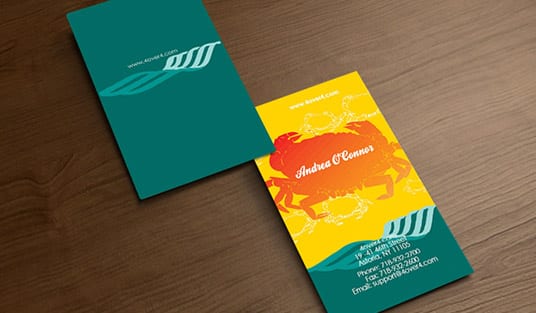
Start here
One audience, one idea to own
A branding strategy is the plan for how you want to be seen, decided before any design begins. It moves from values and mission, to the audience you serve, to the one position you claim, to a personality and voice, and only then to a visual identity and the printed pieces that carry it. Build it in that order and every card, folder, and brochure from 4OVER4.COM reinforces the same idea. The diagram below shows how the layers stack.
What a strategy settles that a logo cannot
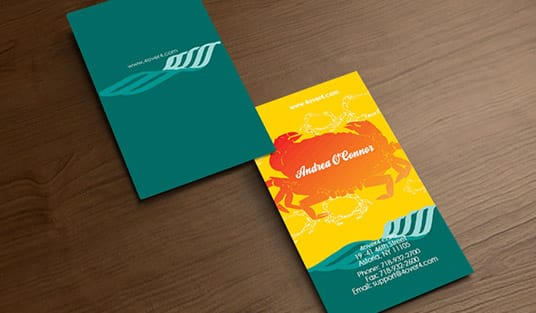
Two businesses can sell the same thing at the same price, and one gets remembered while the other blends into the background. The difference is almost never luck. It is strategy: a deliberate plan for what you stand for, who you serve, and how you want to be seen, applied consistently until it sticks.
A branding strategy is that plan. It is not a logo, a color, or a tagline. Those are outputs. The strategy is the thinking underneath: your values and mission, your audience, the position you claim, and the personality you carry, all decided on purpose before a single design is made. Get the strategy right and every later choice, from a business card to a storefront sign, becomes easy and consistent.
This guide walks the full build in the order you would actually do it: values and mission, audience, positioning, personality and voice, visual identity, and finally the printed touchpoints where a brand becomes something a customer can hold. If you want the plain-language primer first, pair this with our guide on what branding really means for a small business.
What is a branding strategy?

A branding strategy is a long-term plan for how your business is perceived, and the set of choices that steer that perception in your favor. Think of it as the operating system your marketing runs on. Every ad, package, card, and conversation either reinforces the strategy or contradicts it, and the businesses that win are the ones where everything reinforces.
It answers four questions in order. What do we stand for? Who exactly are we for? What single idea do we want to own? And how do we look, sound, and behave while we deliver it? Only after those are settled does design enter, because a logo and a palette are simply the visible expression of decisions already made. Skip the thinking and you get a pretty brand with nothing behind it.
The strategy stays constant while the canvas changes, which is what lets one identity stretch across a stack of business cards, a pocket folder handed out at a meeting, and a brochure mailed to a prospect. Explore the full range of branded pieces in our marketing materials, and pair this page with our logo design best practices when you reach the visual layer.
Brand values and mission: the foundation everything rests on
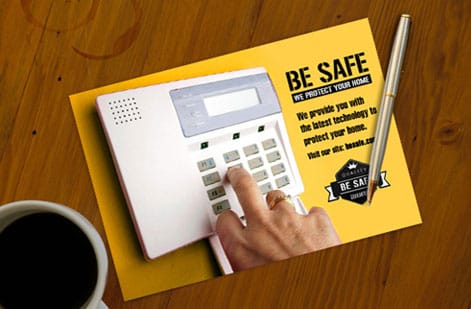
Every strong brand starts here, with a small set of beliefs and a clear reason to exist. Your values are the three to five things you genuinely stand for, the ones that shape how you treat customers, price your work, and make hard calls. Your mission is one plain sentence: what you do, for whom, and why it matters. Keep both short enough to remember, because a value you cannot recite is a value you will not apply.
This matters more than it looks. Values and mission are the filter every later decision passes through. When you know what you stand for, you instantly know which colors feel right, which words fit your voice, and which opportunities are off-brand. When you do not, every choice becomes a debate and your marketing drifts. That drift is exactly what makes a young business feel unreliable.
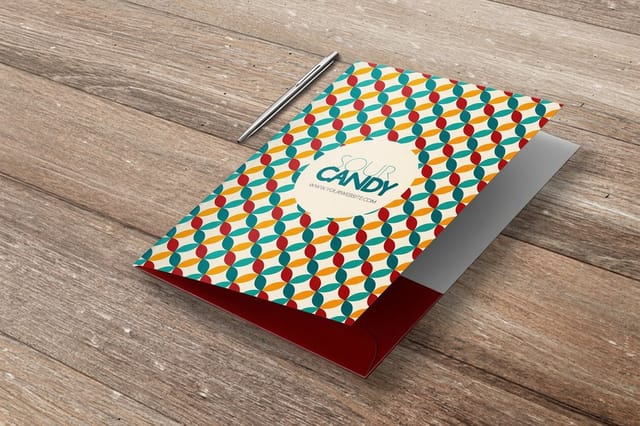
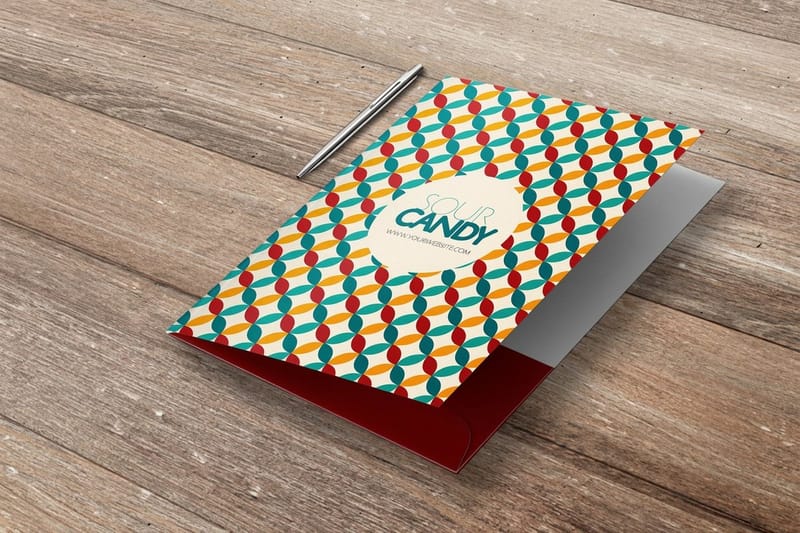
Write these down before you touch design, and put them somewhere your whole team sees them. Later, when your identity lands on a branded folder or a company brochure, the copy inside should sound like a direct expression of these values, not marketing filler. That is how a folder handed across a table quietly signals substance.
Target audience: build the whole strategy around who you serve

A brand built for everyone connects with no one. The businesses people remember pick a primary audience and shape the entire strategy around what that group actually wants, fears, and responds to. This is not about excluding customers; it is about being specific enough to feel like you were made for someone in particular, which is what earns attention in a crowded market.
Describe your main customer in real detail. What is their situation, what problem sends them looking, where do they spend attention, and what would make them trust you over a bigger competitor? The sharper this picture, the easier every downstream choice becomes, because you are no longer guessing at tone, price signals, or which pieces to print, you are answering a real person.
Your audience even shapes format. A premium clientele responds to a heavier stock and a soft-touch finish on a card; a fast local service audience responds to a bold flyer or a direct-mail postcard that gets straight to the offer. When you know exactly who you are talking to, the right product and the right paper practically choose themselves.
Brand positioning: claim the one idea you want to own
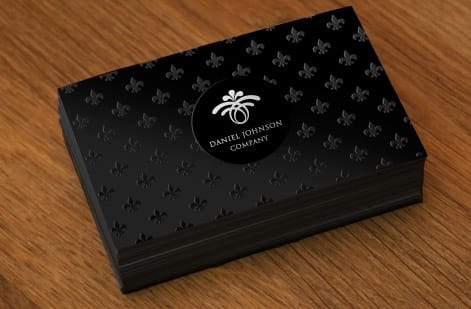
Positioning is the single space you want to occupy in your customer's mind. Not five things, one. Are you the fastest, the friendliest, the most premium, the most local, the most specialized? Pick the idea you can credibly own and defend, then repeat it so relentlessly that customers start to associate it with you automatically. Repetition, not cleverness, is what builds a position.
The test of good positioning is contrast. If your claim could sit on a competitor's page without changing a word, it is not a position, it is a platitude. Look at what everyone in your category says and deliberately stake out something they are not saying but you can back up. That gap is where memorable brands live.
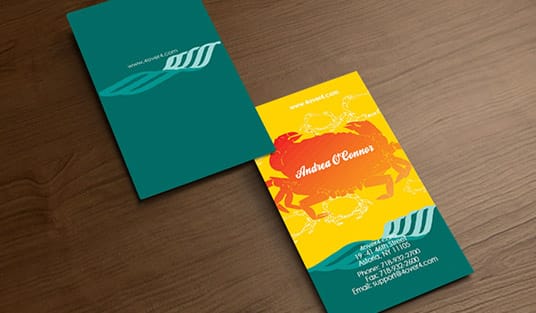
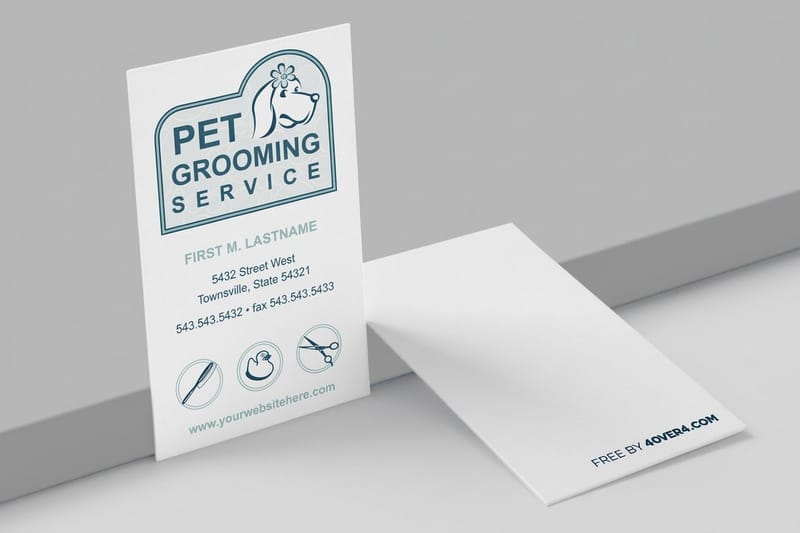
Once you have it, your position should be legible in every printed piece, not just stated in a tagline. A premium position shows up as a thicker stock and a restrained layout; a friendly, approachable position shows up in warmer colors and plainer language. Order a small run and a set of business cards to see whether your position reads instantly in someone's hand, then adjust before you scale up.
Personality, voice, and visual identity: how the brand looks and sounds
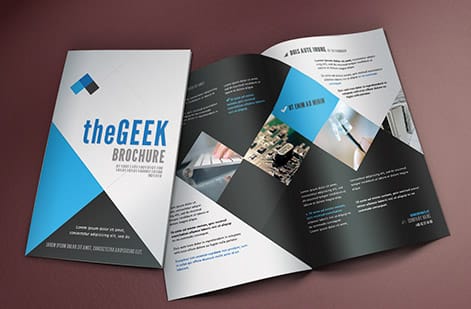
Personality is how your brand behaves, and voice is how it speaks. Decide where you sit on a few simple dials, formal to playful, reserved to bold, expert to friendly, then write a handful of example lines so anyone can match the tone. A consistent voice is what makes a postcard, a website, and a folder all sound like one recognizable company instead of three different ones.
Visual identity is the last layer, and the one people wrongly start with. Keep it tight: one logo, a palette of two or three colors, and one or two typefaces. Discipline here is a feature, not a limitation, because a small, consistent system is what makes every piece instantly recognizable as yours. For the mark itself, follow our logo design best practices so it stays crisp at every size and prints cleanly in CMYK.
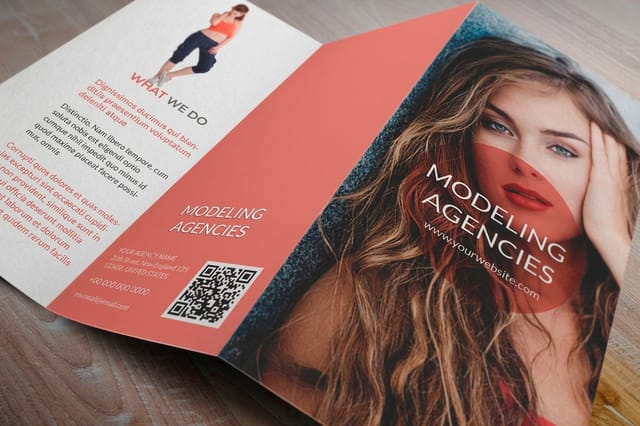
Then apply it everywhere the same way. The same logo lockup, the same colors, the same type on your cards, your folders, and your brochures. Use the live specs and pricing below to build a matched set, and lean on our online design tool to keep every piece aligned to the identity you just defined.
Roll it out: turn the strategy into printed proof
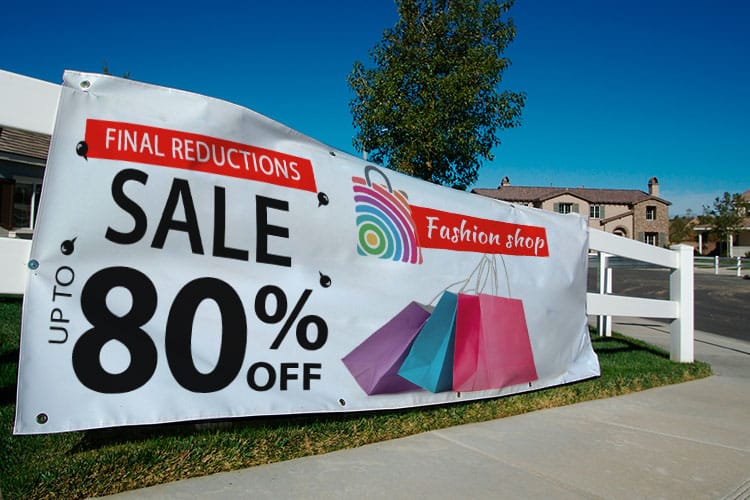
A strategy that lives in a document does nothing. It earns its keep the moment customers can see and touch it, consistently, everywhere they meet you. Build a one-page brand sheet, your values, audience, position, colors, and type, and treat it as the rule every new piece must pass before it prints.
Start with the touchpoints customers encounter first and most often: business cards for every introduction, a pocket folder for proposals and meetings, and a brochure or direct-mail postcard for outreach. Getting these three looking unmistakably related is what makes a new brand feel established well beyond its size. From there, extend the same identity to signage, packaging, and every future run.
Finally, audit yourself on a schedule. Every quarter, lay your recent pieces side by side and check that they still speak with one voice and one look. Brands drift quietly, and a short, regular review is the cheapest way to keep the strategy sharp. When it is time to add pieces, reorder the same specs so the set stays perfectly consistent, and browse the full marketing materials lineup for whatever the brand needs next.
Wally builds the brand from the base up
Strategy first, logo last, print it to prove it
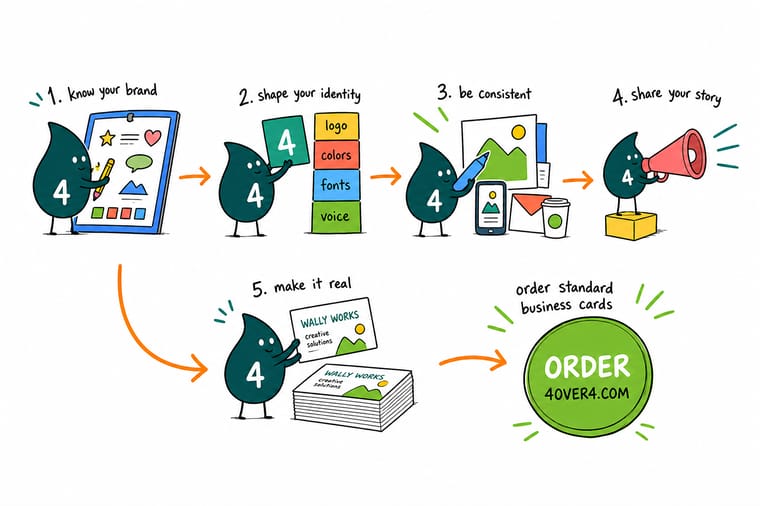
Wally treats a brand like a stack: values and mission on the bottom, then audience, then the one position you own, then personality and voice, and the visual identity on top. Only when the stack is solid does he hand it to the press, so your cards, folders, and brochures all speak with one voice. Define it once, print it consistently, and 4OVER4 turns the plan into proof.
Print your branded cards →Quick reference
The branding strategy build, at a glance
Every branding strategy comes down to the same handful of decisions. Settle these in order and you have a brand you can apply consistently to any piece.
| Layer | Aim for | Why it matters |
|---|---|---|
| Brand values | 3 to 5 core beliefs | A short, memorable set of beliefs keeps every decision and every design pointed the same way. |
| Mission | One sentence | A single clear statement of what you do and for whom anchors the whole strategy. |
| Target audience | 1 primary persona | Naming your main customer keeps the message specific instead of watered down for everyone. |
| Positioning | One owned idea | The single space you claim in the customer's mind is what makes you easy to remember. |
| Brand voice | Defined tone | A consistent way of speaking makes your copy sound like one recognizable brand. |
| Visual identity | Logo, 2 to 3 colors, type | A tight color and type system keeps every printed and digital piece looking related. |
| Touchpoints | Cards, folders, brochures | The printed pieces customers hold are where the whole strategy finally becomes tangible. |
Step by step
Develop your branding strategy in 7 steps
- Write your values and mission first Pin down the three to five beliefs that drive the business and one plain sentence for what you do and for whom. This is the foundation every later step leans on.
- Define the customer you actually serve Describe one primary audience in real detail: what they want, what they fear, where they look. A brand shaped around a specific person always reads sharper than one aimed at everyone.
- Claim a single position Decide the one idea you want to own in their mind, whether that is fastest, friendliest, most premium, or most local, then say it the same way everywhere.
- Set your personality and voice Choose how the brand behaves and speaks, from formal to playful, and write a few example lines so anyone on your team can match the tone.
- Build the visual identity Lock a logo, a palette of two to three colors, and one or two typefaces. Keep it small and disciplined so it holds up across every size and surface.
- Design the printed touchpoints Apply the identity to the pieces customers hold first: business cards, a pocket folder, a brochure. Consistency across these is what makes a young brand feel established.
- Roll it out and keep it consistent Create a one-page brand sheet, use it on every new piece, and audit yourself quarterly. A strategy only works when it is applied the same way over and over.
Specs and pricing
Business card specs and live pricing
The business card is the first place a brand becomes tangible, at 100 for $17.57, which is $0.18 each.

| Quantity | Price Per Unit | Total |
|---|---|---|
| 100 | 17.6¢ | $17.57 |
| 200 | 11.5¢ | $23.07 |
| 300 | 9.15¢ | $27.46 |
| 400 | 7.96¢ | $31.86 |
| 500 | 7.25¢ | $36.26 |
| 600 | 6.77¢ | $40.64 |
| 700 | 6.43¢ | $45.04 |
| 800 | 6.18¢ | $49.43 |
Print it
Turn your strategy into a branded set
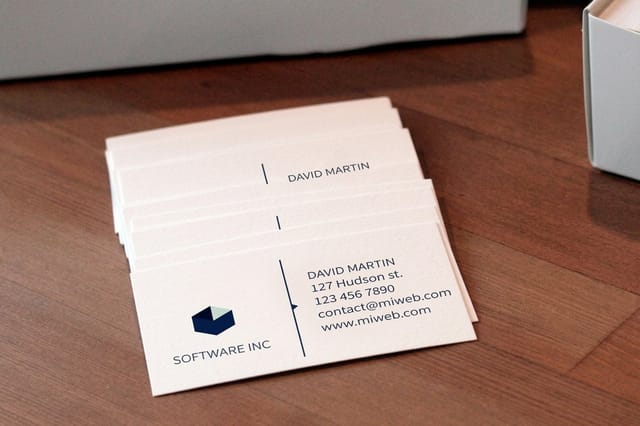
See it in use
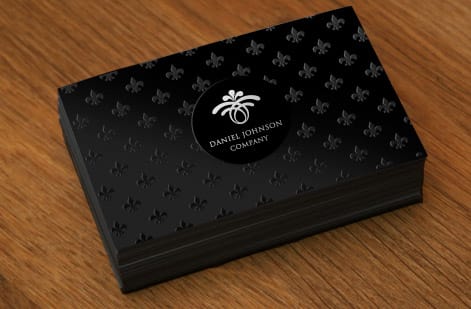
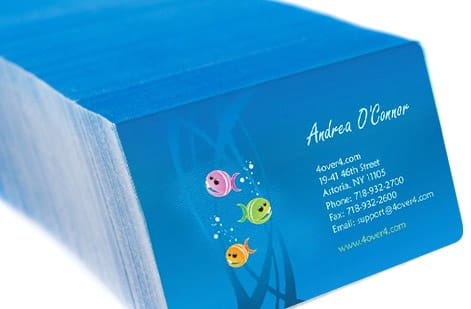
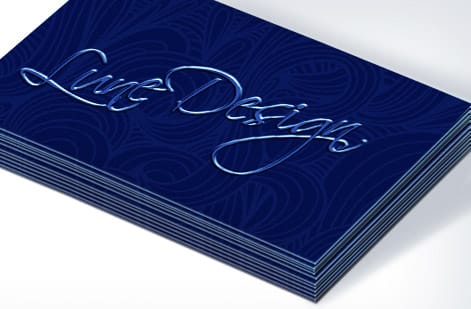
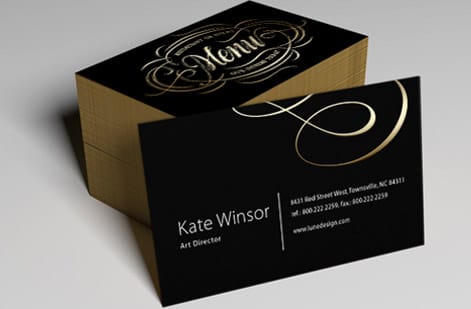
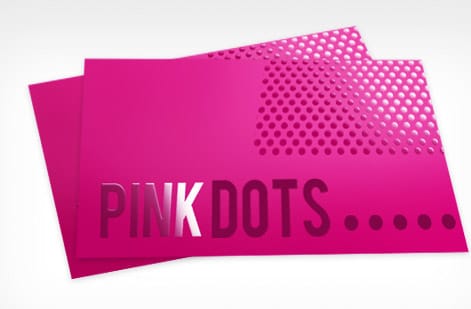
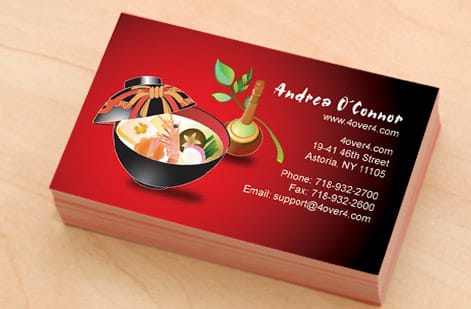
Strategies that reached a printed page
Explore more
Where to go next


By the numbers
The printer that carries a brand across 60 plus stocks
Common Questions
Common questions about branding strategy
What is a branding strategy?
A branding strategy is a long-term plan for how you want your business to be perceived and the deliberate choices that get you there. It starts with your values and mission, defines the audience you serve, stakes out a clear position in the market, sets a personality and voice, and only then translates all of that into a visual identity and the printed and digital pieces that carry it. In short, it is the thinking that comes before the logo, and the discipline that keeps everything consistent after it.
What are the four branding strategies?
The four are line extension, brand extension, new brand, and flanker or fighter brand. A line extension keeps the name you already own and adds a variation inside a category you already sell in, the way a printer who sells 16pt matte business cards adds a soft touch version and a spot UV version of the same card. A brand extension carries the same name into a category you have never sold in, the way a bakery known for wedding cakes launches a coffee blend under its own name. A new brand starts a separate name, logo and print set because the existing one would not survive the move, which is what a family restaurant does when it opens a fine dining room under a different name so the two never compete for the same table. A flanker, also called a fighter brand, is a cheaper or narrower second name launched to hold off a competitor without discounting the flagship. Line extension is the cheapest of the four to run because the name already carries the trust, and a new brand is the most expensive because nothing transfers: new identity, new cards, new signage, new everything.
What is the difference between a brand extension and a line extension?
The category is the difference. A line extension stays inside a category you already sell in and adds a variation under the same name, such as a 16pt matte business card joined by a soft touch and a spot UV version of itself. A brand extension takes that same name into a category you have never sold in, such as a bakery moving from cakes into coffee. Line extensions are the lower risk and cheaper of the two, since you usually update the spec sheet and the sample pack rather than the identity, but they can eat into the bestseller sitting right next to them if buyers cannot tell the versions apart. Brand extensions reach a new audience on recognition you have already paid for, but they only hold when the new category fits the promise the name makes. Stretch too far and the original takes the damage.
Why is a branding strategy important for a small business?
For a small business a strategy is the difference between being remembered and being forgotten. It makes your marketing consistent, so every flyer, card, and post reinforces the same idea instead of competing with itself. It builds trust faster, because a coherent brand reads as established and reliable. It also makes decisions easier and cheaper: when you know what you stand for and who you serve, you waste less on off-brand designs and scattered messaging. Over time that consistency compounds into recognition and loyalty.
What are the key components of a strong branding strategy?
There are six that matter most. Brand values and mission define why you exist. A target audience defines who you serve. Positioning defines the one space you own in the customer's mind. Brand personality and voice define how you behave and speak. Visual identity, meaning your logo, colors, and typography, defines how you look. And touchpoints, the actual cards, folders, brochures, and signage, are where the whole thing becomes something a customer can hold. Strong brands get all six pointing the same direction.
Who is this brand actually built for?
Choose it from the inside out. Start with what is genuinely true about your business, your values, your strengths, and the customers you already serve best, rather than copying a competitor. Then pick a single position you can credibly own and defend. Keep the visual identity simple enough to reproduce cleanly at any size, and test it in the real world by printing a small run of cards or a brochure and seeing how it reads in a customer's hands. The right strategy is the one you can apply consistently, not the flashiest one.
What does it cost to build a brand identity in print, and how are prices set?
The strategy itself costs only your time to think it through. Turning it into printed proof scales with a few simple levers: quantity, where more pieces lower the unit price, plus size, paper stock, and finish. A run of business cards starts around $17.57, and you set every option in the configurator with the price updating live as you go. That means you can build a full branded set of cards, a folder, and a brochure and see the exact total before you commit, then reorder the same specs any time the brand needs more.
Should the logo come first or last in a branding strategy?
Last. A logo is a symbol for a strategy that already exists, so designing it before you have defined your values, audience, and positioning means you are decorating an idea you have not settled yet. Work through the strategy first, then design a mark that expresses it. That order is why the same logo can feel powerful for one brand and empty for another: the meaning comes from the strategy behind it, not the shape itself.
Get Started
Order 250 pocket folders at $3.38 each for the pitch
Bring your identity to 4OVER4.COM and print a matched set of cards, folders, and brochures on the stock and finish your brand calls for. Pocket folders run 250 for $844.54, which is $3.38 each.
Legal Disclaimer
Gold Standard guarantees apply to all standard orders placed through 4over4.com. Price match requires verifiable proof of a competitor's published price for an equivalent product with matching specifications and turnaround time. Satisfaction guarantee covers manufacturing defects and print quality issues. Contact support with order number and documentation. On-time delivery rate based on tracked orders 1999 to 2026. Individual results may vary based on shipping carrier performance.
