
11 Proven Tactics to Increase Retail Sales


Most of a shopper decision is made inside the store. These 11 tactics show where to act, and the in-store print that turns each one into an actual sale.
Increase retail sales by shaping the four in-store decision zones: window, aisle, shelf, and counter. Window clings pull traffic in, aisle signs guide movement, shelf tags sell value, and counter cards add the last item. Each of the 11 tactics below maps to one print touchpoint you can put in place this week.
Start here
Where print lifts sales in your store
A retail sale moves through four zones: the window pulls people in, the aisle guides them, the shelf convinces them, and the counter closes. The diagram below maps the four touchpoints so you can see how the 11 tactics attach to a specific piece of print at each stage.
Why in-store print still moves the sales number
It is tempting to think retail sales are won online now, but the decisive moments still happen in the store. A shopper decides at the window whether to come in, in the aisle what to look at, at the shelf what to compare, and at the register what to add. Print is the tool that shapes every one of those moments, right where the decision is made.
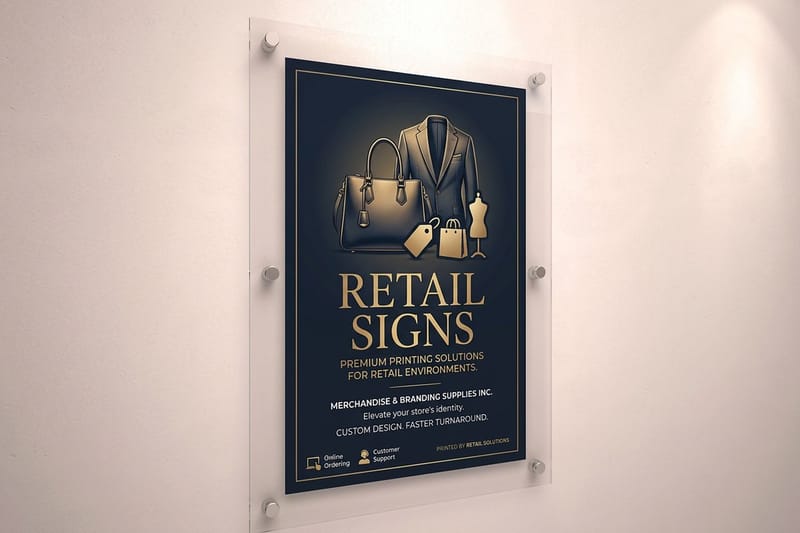
That is why signage remains one of the highest-return investments a retailer can make. A single well-placed retail banner can lift the sales of the product it features, and a strong storefront can raise the foot traffic that feeds the entire funnel. The tactics below are not abstract advice; each one attaches to a physical piece you can put in place this week.
Think of the 11 tactics as a system that moves a shopper from the sidewalk to the sale. Some pull people in, some guide them through, some sell at the shelf, and some close at the counter. Browse the full retail print collection and you will find a purpose-built piece for each stage.
11 tactics to lift retail sales
Eleven proven ways to increase retail sales, each paired with the in-store print that powers it. Choose the handful that fit your store and traffic, then give every tactic a single, clear piece to carry it.
- Let customers try before they buy. Sampling, demos, and testers lower the risk of a purchase. Mark the sampling zone with a counter card so nobody walks past it.
- Understand customer movement. Watch how shoppers actually flow through the space, then use aisle signs and floor graphics to guide them past more product on the way to what they came for.
- Create an engaging environment. Lighting, layout, and bold wall posters set a mood. A store that feels good to be in keeps people browsing, and browsing longer means buying more.
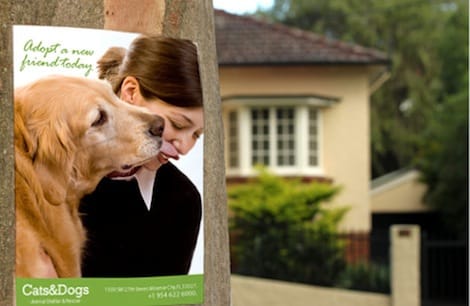
- Encourage recommendations. Word of mouth is your cheapest channel. Printed referral cards and a window cling that invites reviews turn one happy customer into the next three.
- Stock up on what sells. Lean into your proven winners. Feature them at eye level with clear hang tags and shelf signs so the products that already move, move faster.
- Offer your expertise. Shoppers pay for guidance. Small info signs and rack cards that explain how to choose build trust and nudge people toward the better, often higher-margin, option.
- Optimize the checkout zone. The register is prime real estate. Counter cards and small-item signage turn the wait into an add-on sale on impulse buys.
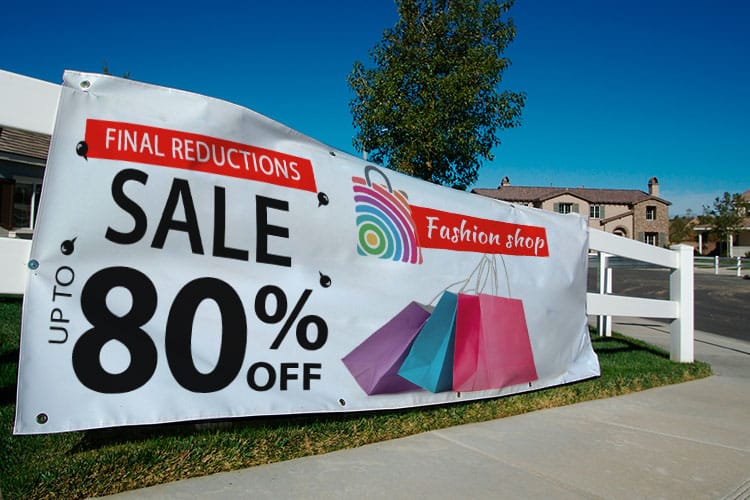
- Run limited-time promotions. Urgency drives action. A bold sale banner with a clear deadline gives hesitant shoppers a reason to buy today instead of maybe later.
- Reward loyalty. Repeat customers spend more over time. Printed loyalty cards and member-only signage make regulars feel recognized and bring them back sooner.
- Empower your staff. A confident, informed team sells more. Back them with clear in-store signage so the store answers common questions before anyone has to ask.
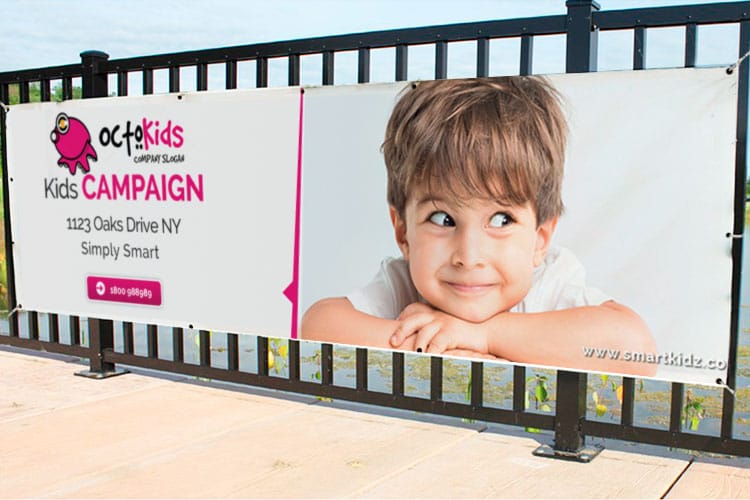
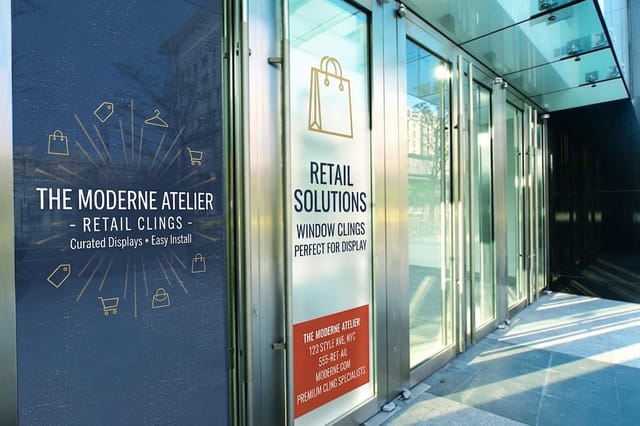
- Pull people in from the sidewalk. Half the battle is getting them through the door. Window clings, yard signs, and a strong storefront banner convert passersby into foot traffic.
Run together, these tactics compound. The window cling from tactic 11 pulls a shopper in, the aisle signs from tactic 2 guide them deeper, the shelf tags from tactic 5 sell the winners, and the counter card from tactic 7 captures the add-on. That is a full-store system built from print.
Match the right print to each tactic

The fastest way to act on these tactics is to think in touchpoints rather than tactics. Every sale moves through four zones, and each zone has a print piece built for it. Assign one clear job to each and the whole floor starts working together.
At the window, use window clings and a storefront banner to pull passersby inside. In the aisle, use signs and directional graphics to steer movement past more product. At the shelf, use hang tags and sale signs to convert browsing into buying. And at the counter, use counter cards to capture the impulse add-on while the customer is already spending.
The discipline that ties it together is restraint: one clear message per surface. A wall of competing offers reads as noise, while a single bold statement reads in a glance and converts. Say one thing per piece, say it boldly, and let the four zones do the rest.
Measuring the lift so you know what worked
Tactics only earn their place if they move the number, so measure them. The cleanest approach is a before-and-after baseline: track the sales of any product you feature with signage for the weeks before and after you place it, so the change is attributable rather than guessed at.
Layer in two more signals. Watch foot traffic against your storefront and window updates to see whether new print is pulling people in, and monitor average basket size around checkout signage and promotions to see whether the counter is doing its job. Isolate each change where you can, since a limited-time promo, a fresh window cling, and a shelf refresh each affect a different part of the journey.
The payoff of measuring is that it tells you where to reinvest. Once you know that a certain promo banner reliably clears slow stock, or that a new window cling lifts weekday traffic, you can refresh those pieces on a schedule and keep the store feeling current, which is its own quiet driver of trust and spend.
Print the signage that powers your sales push

Turning these tactics into results comes down to putting the right piece in the right spot. The good news is that you can order the whole set from one place and have it look coherent across the store, which matters as much for trust as any single message.
Start where the return is highest: a retail banner or window cling to pull traffic in, then counter cards to lift each transaction at the register. Add aisle signs and shelf tags as your budget allows, and you have covered every zone of the shopper journey.
Use the live specs and pricing panel below to pick the material and size for where each piece will live, indoor shelf signs versus a weatherproof storefront banner, and watch the price update as you go. When the set is ready, place each piece exactly where the decision happens and start measuring the lift.
Wally works the whole floor
One clear message per surface, from window to register
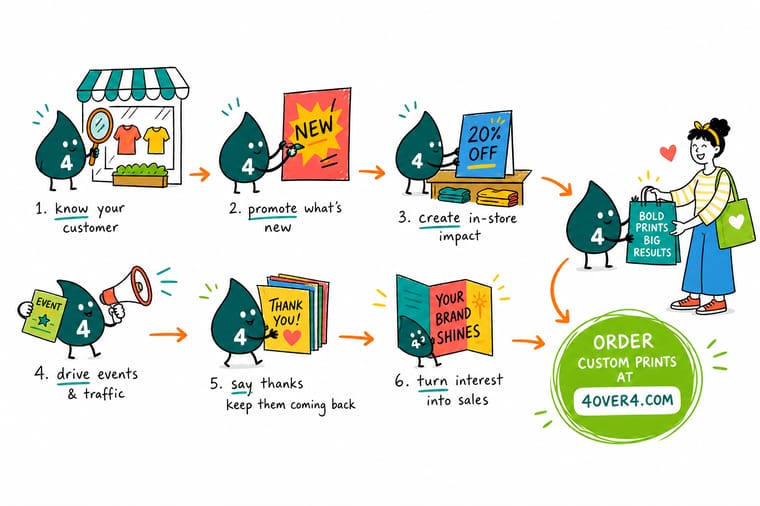
Wally treats a store like a journey. A window cling pulls the shopper in, aisle signs guide them past more product, shelf tags sell the winners, and a counter card grabs the last add-on. Each of the 11 tactics gets one bold, uncluttered piece. Order the set together and 4OVER4 prints a floor that moves customers, and the sales number, from the sidewalk to the sale.
Print your retail signage →Quick reference
Tactic to print, at a glance
A fast map from what you want to do to the in-store piece that carries it. Match each tactic to its print and put it where the decision happens.
| Tactic | Print piece | What it does |
|---|---|---|
| Try before you buy | Counter cards + shelf signs | Signage that invites sampling and demos turns curiosity into a purchase at the point of contact. |
| Understand movement | Aisle signs + floor graphics | Directional print steers shoppers along the path that exposes them to the most product. |
| Engaging environment | Posters + wall graphics | Bold visuals set a mood that keeps people browsing longer and buying more. |
| Encourage recommendations | Window clings + referral cards | Printed prompts turn happy customers into word-of-mouth and repeat traffic. |
| Promote what sells | Sale banners + hang tags | Featuring proven winners with clear price signage lifts your highest-margin movers. |
| Show your expertise | Info signs + rack cards | Helpful printed guidance builds trust and nudges shoppers toward the right, often pricier, choice. |
| Run limited promos | Retail banners + counter cards | Time-bound offers create urgency, and bold banners make the deadline impossible to miss. |
Step by step
Run a print-backed sales push in 7 steps
- Map your store from the sidewalk in Walk your space as a first-time shopper. Note the window, the entry, the main path, the shelves, and the register, and mark where a message could change a decision.
- Pick the tactics that fit your store Not all 11 apply everywhere. Choose the handful that match your traffic and margins, from sampling to loyalty to limited promos.
- Assign one print piece per touchpoint Give each spot a single job: a window cling to pull people in, aisle signs to guide, shelf tags to sell, counter cards to close.
- Say one clear thing per surface Resist crowding a sign with three offers. One bold message per piece reads faster and converts better than a cluttered wall.
- Print and place it all together Order the full set at once so the signage looks coherent, then place each piece exactly where the decision happens.
- Measure the lift Track sales of the promoted items before and after, and watch foot traffic against your window and storefront changes to see what actually moved the number.
- Refresh on a schedule Rotate promos and swap tired signage regularly. Fresh, current print keeps the store feeling active and keeps shoppers paying attention.
Specs and pricing
Retail banner specs and live pricing
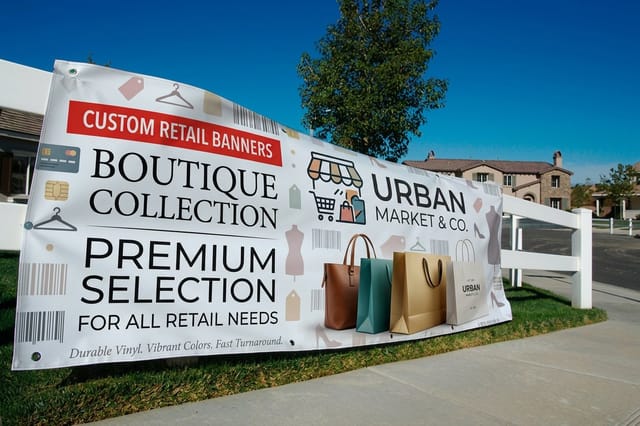
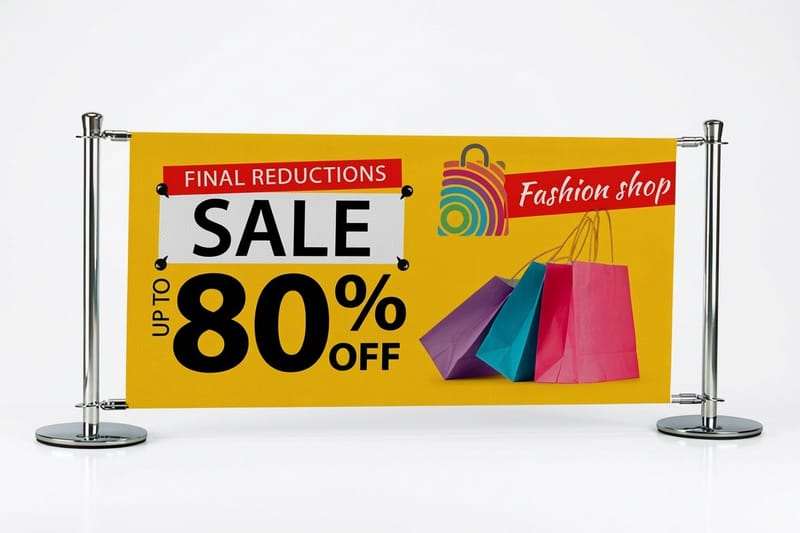
The storefront banner is where a sales push starts, and retail banners ship in 3 business days.
| Quantity | Price Per Unit | Total |
|---|---|---|
| 1 | $79.00 | $79.00 |
Print it
Print the in-store set that drives sales
See it in use
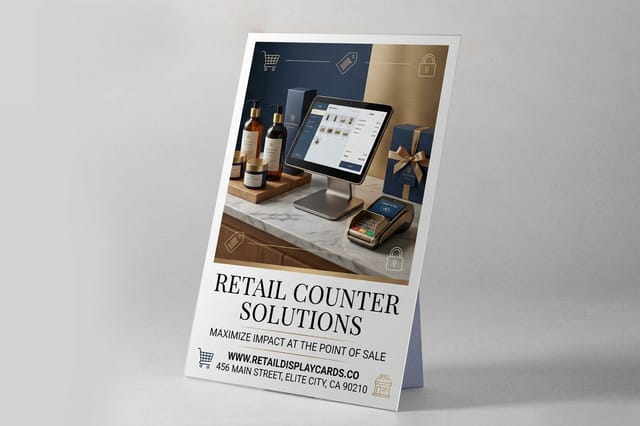
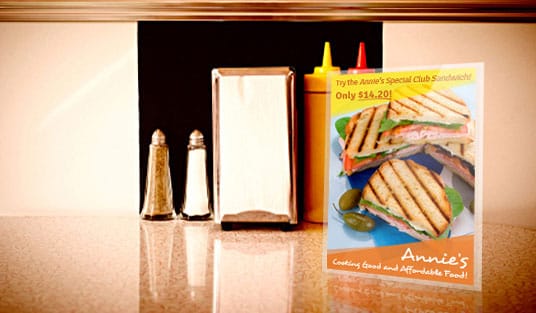
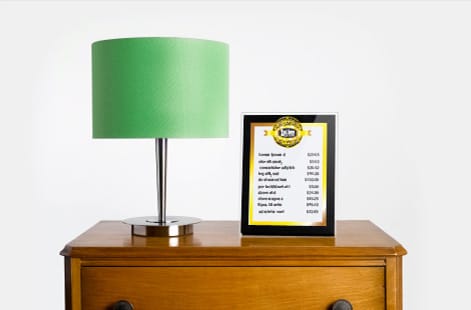
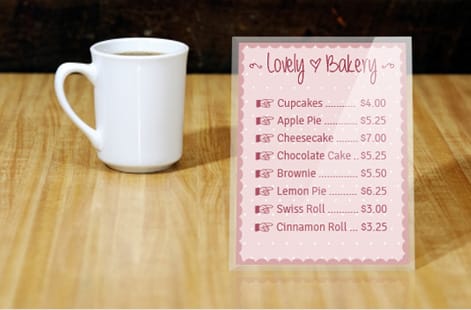
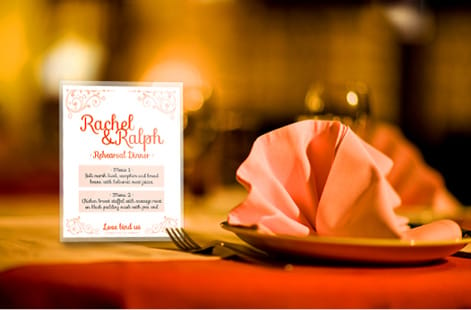
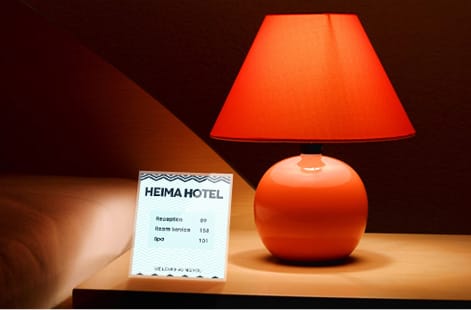
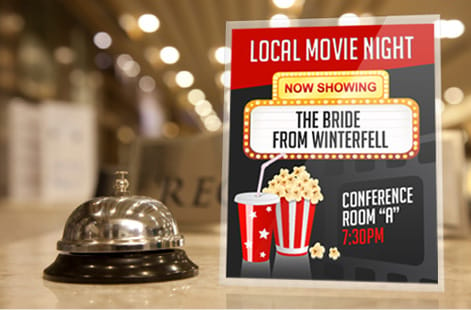
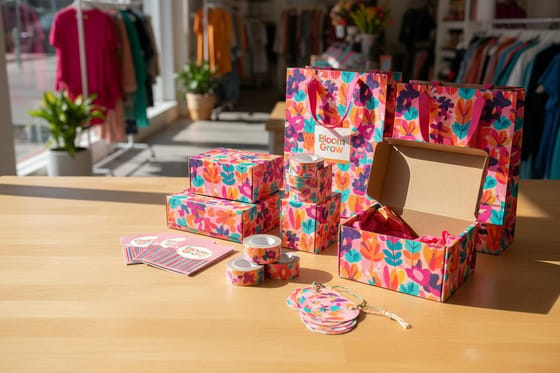
Counter cards and retail displays our customers ordered


Explore more
Where to go next

By the numbers
The print side of the 11 tactics above
Common Questions
Common questions about increasing retail sales
What are the best tactics to let customers try before they buy?
Sampling and demos are the most direct way to lower the risk of a purchase and turn curiosity into a sale. Set up a clearly marked sampling zone or demo station and let shoppers experience the product firsthand. The key is visibility: a counter card or shelf sign at the sampling spot makes sure nobody walks past it. When customers can taste, touch, or test a product, their hesitation drops and their likelihood of buying, often at a higher basket size, goes up.
How does understanding customer movement increase sales?
The path a shopper takes through your store decides how much product they see, and how much they see strongly influences how much they buy. By watching how customers actually move, you can place your highest-margin and most popular items along that natural path, and use aisle signs and floor graphics to guide people past more of the store on the way to what they came for. A store laid out and signposted around real movement patterns quietly raises the average basket on every visit.
How do I increase sales in retail with print signage?
Print works because it meets shoppers exactly where decisions happen. Window clings and storefront banners pull passersby through the door. Aisle signs and floor graphics guide movement. Shelf tags and hang tags sell the value of individual products. Counter cards at the register capture the last-minute add-on. Each of the 11 tactics in this guide maps to one of these touchpoints, so the practical move is to assign a single, clear print piece to each spot where a shopper decides, then keep the messaging bold and uncluttered.
What in-store print drives the most retail sales?
The highest-impact pieces are the ones at the highest-decision moments. A bold storefront banner or window cling drives foot traffic, which is the top of the whole funnel. At the shelf, clear hang tags and sale signs convert browsing into buying. And at the register, counter cards capture impulse add-ons when the customer has already decided to spend. If you invest in only a few pieces, start with the storefront to pull traffic and the counter to lift each transaction.
How do I measure whether my retail tactics are working?
Measure against a clear before-and-after baseline. Track the sales of any product you feature with signage for the weeks before and after you place it, so you can attribute the change. Watch foot traffic against storefront and window updates to see whether new signage is pulling people in. And monitor average basket size around checkout signage and promotions. The goal is to isolate each change, since a limited-time promo, a new window cling, and a shelf refresh each affect a different part of the shopper journey.
What does in-store retail signage cost and how are prices set?
Signage pricing scales with the piece, the size, the material, and the quantity. A stack of small counter cards costs far less than a large storefront banner, and a short run costs more per unit than a bigger one. You configure each product, choose the material and finish for where it will live, indoor shelf signs versus outdoor banners, and the price updates live as you adjust. Ordering a full set together keeps the look coherent and often lowers the per-piece cost.
Get Started
Order a retail counter card at $21.97
Choose the material and size for each spot in your store at 4OVER4.COM and watch the price update live. Order the full in-store set together so the whole floor works as one system.
Legal Disclaimer
Gold Standard guarantees apply to all standard orders placed through 4over4.com. Price match requires verifiable proof of a competitor's published price for an equivalent product with matching specifications and turnaround time. Satisfaction guarantee covers manufacturing defects and print quality issues. Contact support with order number and documentation. On-time delivery rate based on tracked orders 1999 to 2026. Individual results may vary based on shipping carrier performance.
