
How to Size and Design Custom Bookplates That Fit Any Book


A bookplate has to live inside a book, so size comes first. Start from your smallest volume, choose matte paper, leave room to write, and set up the file to print and cut clean.
A standard custom bookplate is about 3 by 4 inches, with 2.5 by 3.5 inches for small paperbacks and 4 by 5 inches for large volumes. Print on matte paper so you can write a name by hand, leave a clear name area inside a 0.125 inch safe margin, and set the file in CMYK at 300 DPI with bleed and a die-cut path.
Start here
Sized to the inside cover
Most bookplates are 3 by 4 inches for hardcovers and trade paperbacks, 2.5 by 3.5 inches for small and mass-market paperbacks, and 4 by 5 inches for large-format books and albums. Start from 3 by 4 inches if you are labeling a mixed shelf, size down to 2.5 by 3.5 for small paperbacks where the inside cover runs narrow, or step up to 4 by 5 for large books, coffee-table volumes, and photo albums. To size it yourself, measure the clear inside front cover of the smallest book you plan to label, subtract about half an inch on each side, and round down to whichever of those three sizes still fits. Print on matte, uncoated paper so names can be written by hand, keep a clear name area inside the safe margin, and set up the file in CMYK at 300 DPI with bleed and a die-cut path. The dimensions diagram below shows the classic ex-libris layout.
What a bookplate is, and why size comes first
Match the plate to the book format: 2.5 by 3.5 inches for a mass-market paperback, 3 by 4 inches for a trade paperback or a standard hardcover, and 4 by 5 inches for a coffee-table book, a folio, or a photo album. Board books and small gift editions are the one case to drop under the compact size or cut a custom shape, because the pasted-down endpaper leaves less clear area than a rectangular plate needs. Those three sizes cover almost every shelf, and the quick-reference table further down pairs each one with the format it belongs on.
A bookplate, or ex-libris label, is the decorative label pasted inside a book's front cover to mark who it belongs to. The phrase ex-libris is Latin for "from the books of," and readers, collectors, and libraries have used bookplates for centuries to claim ownership and add a personal signature to a collection.
Because a bookplate has to live inside a book, size is the first decision, not the last. A plate that overhangs the page or crowds the gutter never looks right, so the whole design starts from the dimensions of the books you are labeling. Get the size correct and everything else, the paper, the type, the border, falls into place around it.
Modern bookplates print as adhesive die-cut labels, which makes them easy to apply to any book and lets the shape follow the design rather than a plain rectangle. This guide sizes the plate first, then walks the paper, the format, and the print-ready setup that turn a simple label into a proper ex-libris.
Recommended bookplate sizes for any shelf
The dependable standard is 3 by 4 inches. It fits comfortably inside the front cover of most hardcovers and trade paperbacks, with enough room for an ex-libris line, a name, and a modest border. If you only remember one size, remember that one.
Adjust from there to your collection. If your shelves lean toward small or mass-market paperbacks, size down to 2.5 by 3.5 inches so the plate still fits without crowding the page. For coffee-table books, albums, and oversized volumes, step up to 4 by 5 inches for a bolder statement. The quick-reference table below lays all of these out against their best use.
The safest method is to measure the clear inside area of the smallest book you plan to label and pick a size that fits within it with margin to spare. Our broader guide on choosing the correct label size covers the same logic for any custom label, and the custom labels range gives you the exact size controls.
Bookplate sizes for common book formats
Sizing a bookplate is a measurement, not a guess. Open the front cover, measure the clear inside area of the pasted-down endpaper, subtract about half an inch on each side so the plate never crowds the gutter or overhangs the page, then round down to the nearest standard size rather than up. Rounding down leaves a margin of white around the plate, and that margin is what makes it read as a proper ex-libris instead of a sticker.
Run that method across the usual formats and it lands in the same three places every time. A mass-market paperback takes the compact 2.5 by 3.5 inch plate. A trade paperback and a standard hardcover both take the 3 by 4 inch standard, which is why it is the size to order when one run has to cover a mixed collection. A coffee-table book, a folio, or a photo album carries the 4 by 5 inch plate without looking oversized. A board book or a small gift edition is the exception: measure it before you order, and expect to go under the compact size or cut a shape that fits the space.
When several formats share the same shelves, size to the smallest book rather than the average, so a single plate works everywhere. Ordering two sizes only pays off when the gap is wide, small paperbacks alongside oversized albums, for example. The same measure-then-round-down logic is in our guide on choosing the correct label size, and you can set the exact dimensions on the die-cut labels page.
Use matte paper for a classic, writable finish
Paper choice defines how a bookplate feels and how it works. The classic pick is a matte, uncoated stock, and it is classic for a practical reason: matte accepts pen ink cleanly, so you can handwrite a name or a date without it smearing or beading on the surface. That writability is central to how bookplates are actually used.
Matte also reads as heritage. It has the understated, library feel that suits an ex-libris label, where a glossy coating would look more commercial and, worse, resist a pen entirely. If you intend to print every owner name rather than write it, a coated stock is possible, but for the timeless look and the freedom to inscribe by hand, matte is the right call.
You can print bookplates on custom die-cut labels in matte, and if you want to feel the stock before committing to a full run, order free paper samples first. The difference between a matte and a gloss finish in hand is immediately obvious once you write on both.
Get the format right, from ex-libris line to name area
A classic bookplate is built from three elements. First, an ex-libris line such as "From the library of" that names the tradition. Second, a clear name area for the owner. Third, an optional border, crest, or illustration that gives the plate its character. Keep the layout uncluttered so the owner's name stays the focus.
The single most important format rule is to leave room to write. If you plan to inscribe names by hand, keep the name area open and unprinted, and give it enough clear space that a pen has somewhere to go. Hold all text and key artwork inside a 0.125 inch safe margin from the die-cut edge so nothing sits too close to where the label is cut.
Type sets the mood: a traditional serif reads as heritage, a clean sans-serif reads as modern. And because a bookplate need not be a rectangle, a die-cut shape can follow an oval, a crest, or an illustrated border for a true library look. Our guide on die-cutting shows how the shape is cut.
Set up a print-ready bookplate file

A print-ready bookplate file follows the same rules as any label. Build it at the final trim size in CMYK color at 300 DPI so the print is sharp and colors reproduce true. Add 0.125 inch of bleed on every side for any background or border that runs to the edge, so a slight cutting shift never leaves a white sliver.
For a non-rectangular plate, define the die-cut path as a separate spot layer so the press knows exactly where to cut the shape. Keep every element you cannot afford to lose inside the safe margin, then export a flattened, press-ready PDF. Follow those steps and the label prints and cuts exactly as designed.
When your art is ready, set the size, shape, stock, and quantity on the die-cut labels product page and the price updates live as you go. Because bookplates are usually ordered in bulk to cover a whole collection, the per-unit price stays low, and you can browse related pieces in the custom collection.
Order the file at whichever size you measured: 2.5 by 3.5 in for paperbacks, 3 by 4 in for hardcovers and trade paperbacks, or 4 by 5 in for albums and coffee-table books, all cut from the same die-cut label stock in matte. Size is set per order, so a mixed library is usually covered by one standard 3 by 4 in run, and a second run only earns its place when small paperbacks and oversized volumes sit on the same shelves.
Wally sizes the plate to the book
Measure the smallest book, then design inward
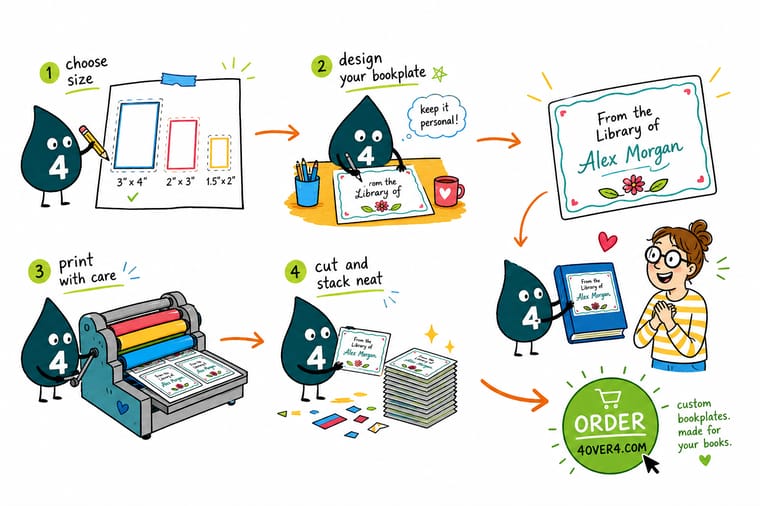
Wally starts where the plate lives: inside the cover. Measure your smallest book, pick 3 by 4 inches for most shelves, and print on matte so a pen writes clean. Leave the name area open, hold text inside the safe margin, and define a die-cut path if the shape is not a rectangle. Set it up right and 4OVER4 prints and cuts your ex-libris exactly as drawn.
Print your bookplates →Quick reference
Standard bookplate sizes, at a glance
Match the plate to your shelf, then set the exact dimensions and die-cut shape in the configurator.
| Bookplate size | Dimensions | Best for |
|---|---|---|
| Compact bookplate | 2.5 x 3.5 in | Mass-market paperbacks and small hardcovers where inside space is tight. |
| Standard bookplate | 3 x 4 in | The all-rounder that fits most hardcovers and trade paperbacks comfortably. |
| Large bookplate | 4 x 5 in | Coffee-table books, albums, and volumes where you want a bolder statement. |
| Custom die-cut | Any shape | Ovals, crests, and illustrated borders cut to the outline of your artwork. |
Step by step
Size and design your bookplate in 6 steps
- Measure your smallest bookOpen the front cover of the smallest book in your collection and measure the clear inside area. Your bookplate should fit inside that with margin to spare.
- Pick a standard sizeStart from 3 by 4 inches for a general library, drop to 2.5 by 3.5 for small paperbacks, or step up to 4 by 5 inches for large volumes.
- Choose matte paperSelect a matte, uncoated stock so a pen writes cleanly on it. Matte reads as classic and heritage, while gloss resists ink and looks more commercial.
- Design the formatSet an ex-libris line, a name area, and any border or crest. Keep a clear writing zone and hold all text inside a 0.125 in safe margin from the die-cut edge.
- Set up print-ready artBuild the file at your final size in CMYK at 300 DPI, add 0.125 in of bleed for any background that reaches the edge, and define the die-cut path for non-rectangular shapes.
- Order and applyChoose your size, shape, quantity, and adhesive, then peel and press each bookplate flat inside the front cover, smoothing from the center out to avoid bubbles.
Specs and pricing
Custom die-cut label specs and live pricing
Bookplates print as custom die-cut labels, at 25 for $93.37, which is $3.73 each.

| Quantity | Price Per Unit | Total |
|---|---|---|
| 25 | $3.73 | $93.37 |
| 50 | $1.91 | $95.56 |
| 100 | 100.0¢ | $99.95 |
| 200 | 56.3¢ | $112.59 |
| 300 | 41.4¢ | $124.13 |
| 400 | 33.9¢ | $135.65 |
| 500 | 29.2¢ | $146.10 |
| 600 | 26.4¢ | $158.17 |
Print it
Print your bookplates at 4OVER4

See it in use
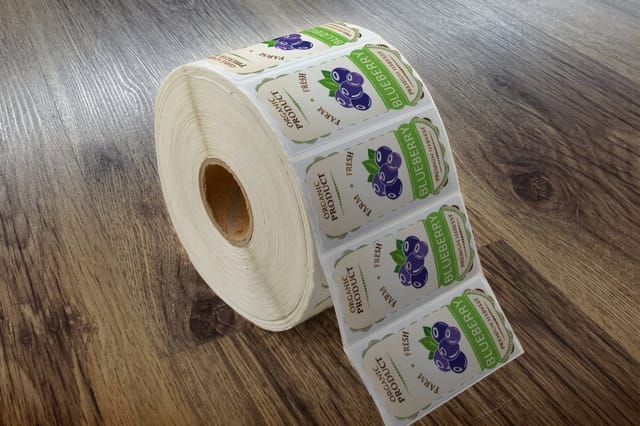
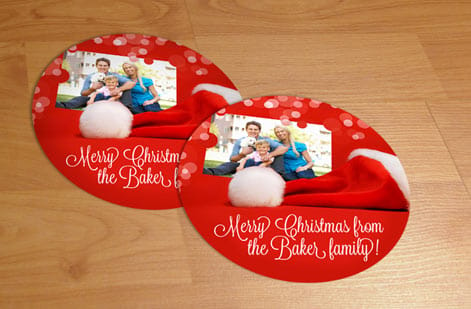
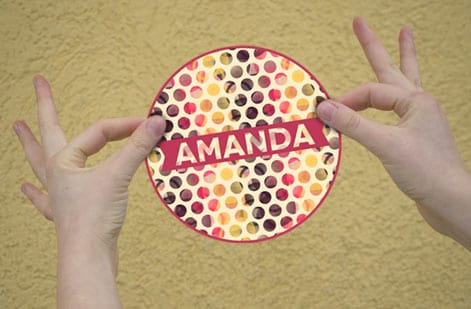
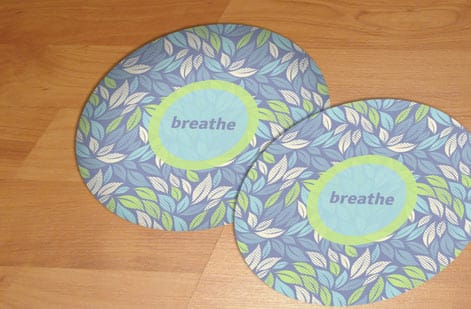
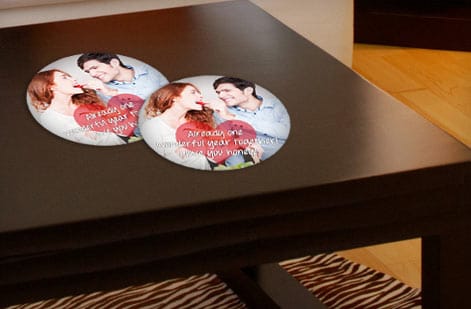
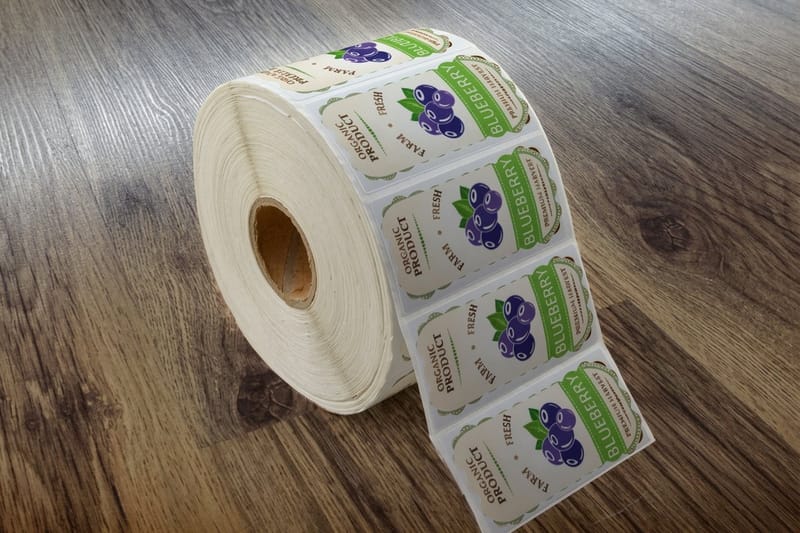
Die cut labels customers printed for books and covers




Explore more
Where to go next
By the numbers
The label stocks and shipping record behind a bookplate run
Common Questions
Common questions about custom bookplates
What size should a bookplate be for a paperback?
For a mass-market paperback, use a 2.5 by 3.5 inch bookplate so the plate sits inside the front cover without crowding the gutter. Trade paperbacks are wider and take the 3 by 4 inch standard comfortably, the same size that suits most hardcovers. To size any book yourself, measure the clear inside front cover, subtract about half an inch on each side, and round down to the nearest standard size rather than up. If one run has to cover a mixed collection, size to the smallest paperback on the shelf so a single plate fits every book in the order.
Where do you place a bookplate in a book?
A bookplate goes inside the front cover, centered on the pasted-down endpaper, with the top of the plate set roughly a third of the way down so it reads clearly the moment the book is opened. Peel the label, set one edge down first, then press flat and smooth from the center outward so any air escapes at the edges instead of bubbling in the middle. Keep the plate clear of the gutter and of the cover edge so it never catches or lifts when the book is closed or shelved, and leave the name area free if you plan to write the owner name by hand on matte stock.
What is a bookplate?
A bookplate, also called an ex-libris label, is a decorative printed label pasted inside the front cover of a book to show who it belongs to. The term ex-libris is Latin for "from the books of," and bookplates have been used for centuries by libraries, collectors, and readers to mark ownership and add a personal touch. A typical bookplate carries an ex-libris line, a space for the owner's name, and often a border, crest, or illustration. Today they are printed as adhesive labels, which makes them easy to apply to any book in a collection.
What size should a custom bookplate be?
The reliable standard is about 3 by 4 inches, which fits comfortably inside the front cover of most hardcovers and trade paperbacks. If your collection includes many small or mass-market paperbacks, size down to roughly 2.5 by 3.5 inches so the plate still fits without crowding the page. For large volumes like coffee-table books and albums, a 4 by 5 inch plate makes a bolder statement. The safest approach is to measure the clear inside area of the smallest book you plan to label and choose a size that fits within it with margin to spare.
What paper is best for bookplates?
Matte, uncoated paper is the classic and most practical choice for bookplates. Because matte stock accepts pen ink cleanly, you can handwrite a name or date without smearing, which is central to how bookplates are used. Matte also reads as heritage and understated, in keeping with the tradition of ex-libris labels, whereas a glossy coating resists ink and looks more commercial. If you plan to print every name rather than write it, gloss is possible, but for a timeless library look and the option to inscribe by hand, matte wins.
How do I design a custom bookplate?
Three elements make a classic bookplate: an ex-libris line such as "From the library of," a clear space for the owner's name, and an optional border, crest, or illustration that gives it character. Keep the name area open and unprinted if you intend to write it by hand, and hold all text and key art inside a 0.125 inch safe margin so nothing sits too close to the edge. Choose a type style that matches the mood, whether that is a traditional serif for a heritage feel or a clean sans-serif for a modern one, and keep the layout uncluttered so the owner's name stays the focus.
How do I set up a print-ready bookplate file?
Build the file at the final trim size in CMYK color at 300 DPI so the print is sharp and the color prints true. Add 0.125 inch of bleed on every side for any background or border that runs to the edge, and keep text inside a 0.125 inch safe margin. If your bookplate is not a plain rectangle, define a die-cut path as a separate spot layer so the press knows exactly where to cut the shape. Export a flattened, press-ready PDF. Following these steps means the label prints and cuts exactly as designed, with no surprises at the edges.
What does it cost to print custom bookplates and how are prices set?
Bookplate printing is priced like any custom label, set by size, quantity, paper and whether you choose a standard rectangle or a custom die-cut shape. Larger plates use more material, higher quantities lower the price per label, and die-cutting a non-rectangular shape adds a small amount for the cutting. Because bookplates are usually ordered in bulk to cover a whole collection, the per-unit price is typically low. You choose the size, shape, stock, and quantity in the configurator and the price updates live as you adjust, so you can see the total before you order.
Get Started
Order 250 shaped roll labels at $1.20 each
Print your ex-libris bookplates on matte die-cut labels at 4OVER4.COM, choose the size and shape that fit your books, and watch the price update live before you order.
Legal Disclaimer
Gold Standard guarantees apply to all standard orders placed through 4over4.com. Price match requires verifiable proof of a competitor's published price for an equivalent product with matching specifications and turnaround time. Satisfaction guarantee covers manufacturing defects and print quality issues. Contact support with order number and documentation. On-time delivery rate based on tracked orders 1999 to 2026. Individual results may vary based on shipping carrier performance.
