
How to Start a Small Business Blog in 6 Steps


A blog is one of the most durable marketing assets a small business can build. Six steps launch one, and printed QR cards and flyers carry it to local customers.
Start a small business blog in six steps: choose a platform, design it to match your brand, select topics from real customer questions, set a posting schedule, write and optimize for search, and promote every post. The last step bridges online to offline with QR business cards and flyers that point local customers to your blog.
Start here
The six steps to launch
Launch a small business blog by moving from platform to promotion in six steps. Platform, design, topics, writing, optimization, and promotion, in that order. The diagram below maps the path and shows how the final step bridges your blog to local customers with print.
What a small business blog is, and why it works
A small business blog is a section of your website where you regularly publish helpful articles for your customers and prospects. The strongest posts are not sales pitches; they answer real questions, share how-to guidance, and demonstrate that you know your field. Done well, a blog becomes a long-term asset that keeps working long after each post goes live.
That durability is what sets a blog apart from advertising. An ad stops the moment you stop paying, while a good post keeps drawing search visitors, answering questions, and building trust for years. Every article that answers something a customer wondered before buying is a new door into your business.
This guide walks the launch in six clear steps, and it ends where most small businesses fall short: promotion. A blog that nobody sees does nothing, so we will connect it to the physical world with QR business cards and flyers that point local customers straight to your content.
Why a blog is worth the effort
A blog earns its place by doing three things that are hard to buy any other way. It brings in search traffic, since every post that answers a real question becomes a new way for people to find you through Google. It builds trust, because helpful writing proves your expertise before a prospect ever gets in touch. And it compounds, as a post written today keeps attracting readers for years.
For a small business with a limited budget, that lasting return is exactly the point. You are not renting attention the way you do with ads; you are building an owned library that grows more valuable over time. A handful of strong posts can quietly become one of your best sources of new customers.
The catch is that reach is not automatic. Search takes time, and your local, in-person audience will not stumble onto your blog on their own. That is why promotion, both online and through printed pieces like flyers, is built into the plan from the start rather than bolted on at the end.
How to start your blog in 6 steps
Here is the full launch, in the order you should actually do it. Each step sets up the next, so resist the urge to jump straight to writing.
- Choose the right platform. Pick a blogging platform and hosting you can manage yourself, with a clean editor and reliable uptime.
- Design your blog. Style it with your logo, colors, and fonts so it reads as part of your business rather than a generic template.
- Select your topics. List the questions customers ask before buying and turn each into a post idea that earns search traffic and trust.
- Create a schedule. Set a rhythm you can sustain, weekly or monthly, since consistency beats volume every time.
- Write and optimize. Write clearly for a real reader, then add a strong title, headings, and keywords so search can find the post.
- Promote every post. Share it online and bridge to the physical world so local and in-person customers find it too.
The first five steps get your blog live and findable. The sixth is where most small businesses leave value on the table, and it is where print does something digital cannot.
Bridge your blog to the real world with print
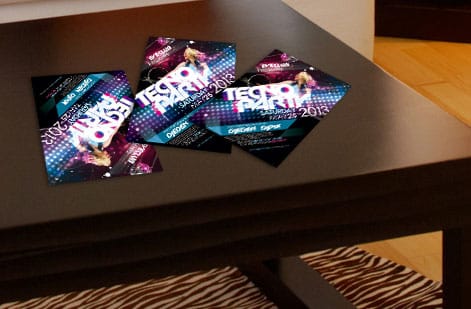
Your blog lives online, but your customers live in the real world, and the gap between the two is where printed pieces earn their keep. A QR code that links straight to your blog turns any physical touchpoint into a tappable path to your content, closing that gap instantly.
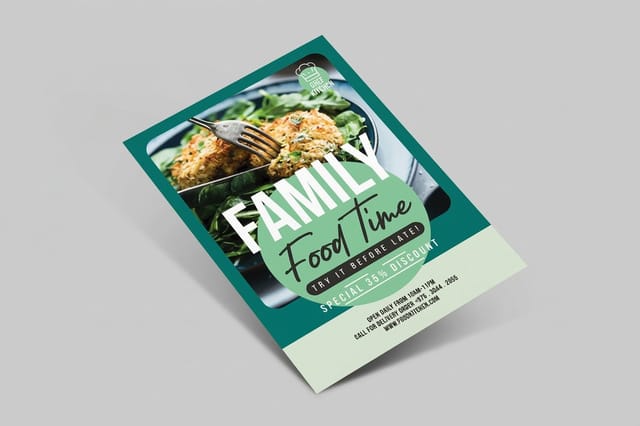
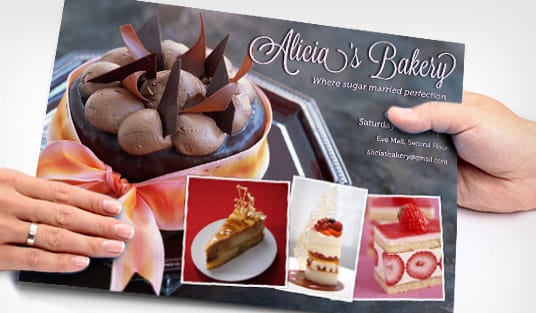
Add the QR code to your business cards so every introduction becomes an invitation to read, and to flyers you distribute locally so foot traffic and neighborhood drops convert into visits. You can feature a specific post on a counter card or tuck a flyer into every order. Each printed piece becomes a doorway to the library you are building online.
This is the move that separates a blog that quietly grows from one that stays invisible. The content does the persuading, but the print does the connecting, reaching the local and in-person customers that search alone will take months to find. Print and blog together cover both worlds.
Print the pieces that grow your readership
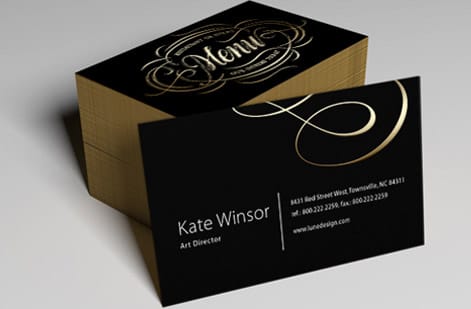
Turning your blog into a customer magnet is a two-part job: publish consistently, and give people a physical path to what you publish. The second part is where 4OVER4 comes in, printing the QR cards and flyers that connect every real-world interaction to your content.
Start with QR business cards, since you already hand them out, then add flyers for local distribution. Adding a QR code to the design costs nothing extra and turns print you already use into a direct line to your blog, so every card and handout works twice.
Use the live specs and pricing panel below to choose the stock, size, and quantity, and watch the price update as you go. When your set is ready, order the cards and flyers together so every piece points readers to the content you worked hard to create.
Wally connects the blog to the sidewalk
Publish online, then hand people a way in
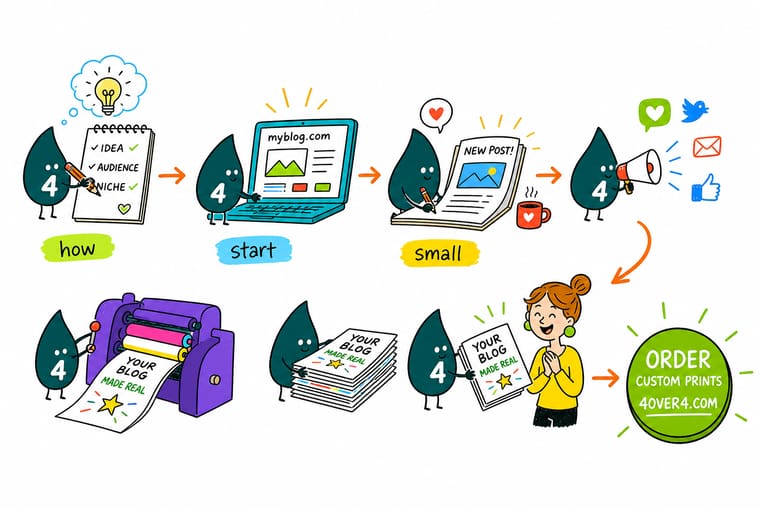
Wally builds the blog step by step, platform, design, topics, schedule, writing, promotion, and refuses to stop at publish. His last move is the one most businesses skip: a QR code on the business card and the flyer that taps straight to the latest post. Order the set together and 4OVER4 prints the bridge that turns every handshake and handout into a reader.
Print your QR business cards →Quick reference
The six steps, at a glance
One quick table of the launch, from the platform you build on to the printed pieces that bring local readers to your blog.
| Step | Focus | Why it matters |
|---|---|---|
| 1. Platform | Host + CMS | Pick a reliable blogging platform and hosting that you can manage without a developer on call. |
| 2. Design | Match your brand | Style the blog to look like the rest of your business so it reads as one professional brand. |
| 3. Topics | Answer real questions | Build a list of the questions customers ask before they buy, and turn each into a post. |
| 4. Write | Publish on a plan | Set a rhythm you can sustain, weekly or monthly, and write clearly for a real reader. |
| 5. Optimize | SEO + share online | Use clear titles and keywords so search finds each post, then share it on your channels. |
| 6. Promote offline | QR cards + flyers | Point local customers to the blog with printed QR business cards and flyers that bridge to the page. |
Step by step
Launch and promote your blog in 7 steps
- Choose the right blogging platform Pick a platform and hosting you can run yourself, with a clean editor, reliable uptime, and room to grow. Simplicity beats power for a small business getting started.
- Design your blog to match your brand Style the blog with your logo, colors, and fonts so it feels like part of your business, not a generic template stuck onto the side.
- Select the right blog topics List the questions customers actually ask before buying, plus the things you wish they knew, and turn each into a post idea. These earn search traffic and build trust.
- Create a posting schedule you can keep Decide on a realistic rhythm, weekly or monthly, and stick to it. Consistency matters far more than volume, and a plan keeps the blog from stalling.
- Write clearly and optimize for search Write each post for a real reader in everyday words, then add a clear title, headings, and the keywords people search so the post can be found.
- Promote every post Share each post on your social channels and email, and bridge to the physical world with printed pieces so local and in-person customers find it too.
- Bridge online to offline with print Add a QR code linking to your blog on your business cards and flyers, so every handshake, counter handout, and local drop turns into a potential reader.
Specs and pricing
QR business card specs and live pricing
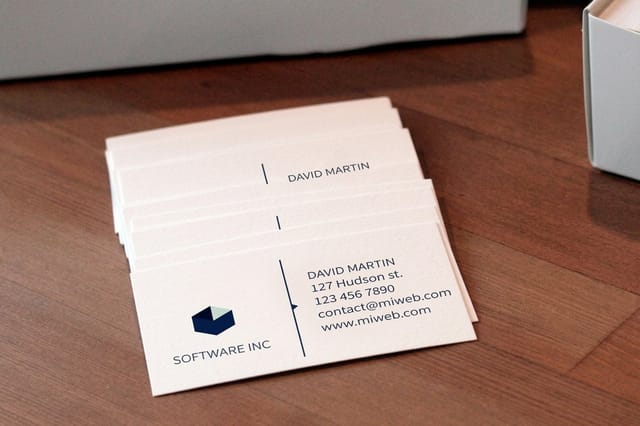
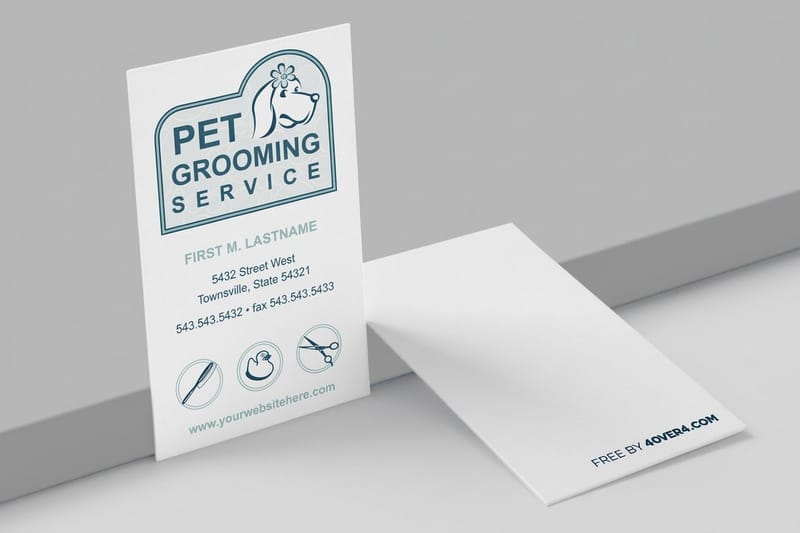
A card with a QR code is the simplest bridge from a handshake to your blog. Here are the live specs and price-per-order for business cards at 4OVER4.COM, straight from the configurator.
| Quantity | Price Per Unit | Total |
|---|---|---|
| 100 | 17.6¢ | $17.57 |
| 200 | 11.5¢ | $23.07 |
| 300 | 9.15¢ | $27.46 |
| 400 | 7.96¢ | $31.86 |
| 500 | 7.25¢ | $36.26 |
| 600 | 6.77¢ | $40.64 |
| 700 | 6.43¢ | $45.04 |
| 800 | 6.18¢ | $49.43 |
Print it
Ready to print the pieces that grow your readership?

See it in use
Real marketing print, made in-house


Explore more
Where to go next
By the numbers
The print side of a small business marketing plan
Common Questions
Common questions about starting a business blog
What is a small business blog?
A small business blog is a section of your website where you regularly publish helpful, relevant articles for your customers and prospects. Rather than sales pitches, the best posts answer real questions, share how-to guidance, and show your expertise in your field. Over time it becomes a long-term marketing asset: each post keeps drawing search visitors, answering questions, and building trust long after it is published, which is very different from an ad that stops working the moment you stop paying for it. For a small business, a blog is one of the most durable ways to be found and to earn credibility.
Why should you start a small business blog?
A blog does three things that are hard to buy any other way. First, it brings in search traffic: every post that answers a real question is a new door into your business through Google. Second, it builds trust, because helpful, well-written content shows prospects you know your field before they ever contact you. Third, it compounds, since a post written today can keep attracting readers and customers for years. For a small business with a limited budget, that lasting return makes a blog one of the highest-value marketing investments available, especially when it is promoted both online and offline.
How do I start a small business blog in 6 steps?
The six steps are: choose a blogging platform and hosting you can manage, design the blog to match your brand, select topics based on the real questions customers ask, create a posting schedule you can sustain, write clearly and optimize each post for search, and promote every post both online and offline. The order matters, because the platform and design come first, then the content plan, then the writing and optimization, and finally the promotion. The last step is the one most small businesses skip: bridging the blog to the physical world with printed QR business cards and flyers so local customers actually find it.
How do I promote a small business blog offline?
The most effective offline bridge is a QR code that links straight to your blog, printed on the materials you already hand out. Add it to your business cards so every introduction becomes an invitation to read, and to flyers you distribute locally so foot traffic and neighborhood drops turn into visits. You can also feature specific posts on counter signage or include a card in every order. The principle is simple: your blog lives online, but your customers live in the real world, so give them a physical, tappable path to the content you worked hard to create.
How often should a small business blog post?
Consistency matters far more than frequency. It is better to publish one strong, genuinely useful post a month, every month, than to post four times in a burst and then go quiet for a season. Choose a rhythm you can realistically sustain alongside running your business, whether that is weekly, biweekly, or monthly, and treat it as a commitment. Search engines and readers both reward reliability, and a steady stream of helpful posts slowly compounds into a library that keeps working for you. Start slow and sustainable rather than fast and unsustainable.
What does it cost to print QR business cards and flyers, and how are prices set?
Pricing scales with quantity, size, paper stock, and finish. A standard run of business cards with a QR code is affordable, and the per-card price drops as the quantity climbs, while heavier stocks or special finishes raise it. Flyers are configured separately with the same levers, and larger runs lower the per-piece cost. You set each option and the price updates live, so you can see exactly how stock and quantity change the total. Adding a QR code to your existing cards and flyers costs nothing extra in the design and turns print you already use into a direct line to your blog.
Get Started
Order 100 business cards from $17.57
Choose the stock, size, and quantity at 4OVER4.COM and watch the price update live. Add a QR code to your cards and flyers so every piece points local customers straight to your blog.
Legal Disclaimer
Gold Standard guarantees apply to all standard orders placed through 4over4.com. Price match requires verifiable proof of a competitor's published price for an equivalent product with matching specifications and turnaround time. Satisfaction guarantee covers manufacturing defects and print quality issues. Contact support with order number and documentation. On-time delivery rate based on tracked orders 1999 to 2026. Individual results may vary based on shipping carrier performance.
