
How to Start a Small Jewelry Business From Home and Brand It in Print


From picking a niche to pricing your pieces, this is the full path to launching a home jewelry line, with a print-branding playbook that makes your first order look shelf-ready. It covers the workspace, the math behind your price, the paperwork to check before your first market, and where to sell the first pieces you make.
Pick a niche, set up a workspace, price for materials plus time plus profit, then build one brand and carry it across every printed piece. Hang tags, product labels, business cards, care cards, and packaging on a single logo and color turn a home studio into a jewelry brand customers trust. Your startup cost is whatever a first batch of materials, packaging, and one print run adds up to, so cost that small batch before you buy anything in bulk. Check your state and city rules for a sales tax registration and a home business permit before you sell, and start where buyers already look, one marketplace shop plus a local market or pop-up, before you build a site of your own.
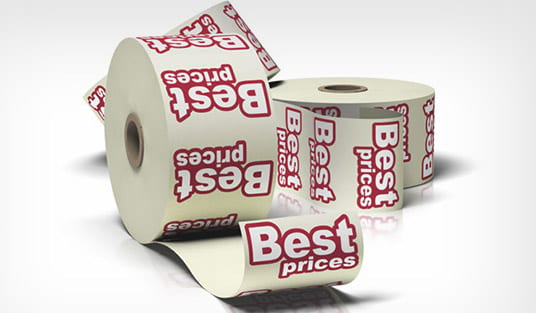
Start here
What a home jewelry launch actually involves
Pick a niche, price with real margin, and brand every piece in print. Find your lane, set up a workspace, price for materials plus time plus profit, then build one logo and color and carry it across hang tags, labels, business cards, care cards, and packaging. The diagram below shows the four-piece print set that makes a home studio look established.
Understand the market and find your niche
A home jewelry business succeeds when it stands for one clear thing. The market is crowded, so the makers who get found pick a lane: minimalist gold, birthstone pieces, resin and flower jewelry, chunky statement earrings, or personalized name pieces. A defined niche tells buyers what you make and makes you searchable to the exact people who want it.
Spend a little time studying what already sells in your lane and where the gaps are. Look at pricing, at how competitors photograph their work, and at what customers wish existed. That research shapes not just your products but your brand voice, which will later carry through every printed piece a customer touches. When you know your niche, order a few free samples to feel the tag and label stocks that fit its look.
Everything downstream, your name, your packaging, your hang tags, gets easier once the niche is set, because you are designing for one specific customer instead of guessing at everyone.
Set up your workspace and price your pieces
You do not need a storefront, but you do need a dedicated, well-lit corner. A repeatable setup for making, photographing, and packing keeps your product photos consistent and your fulfillment fast. Good, even light in particular does double duty: it makes your pieces look their best online and makes packing orders quick.
Pricing is where new makers most often stumble. Add up your material cost and your time per piece, then mark up so each sale covers both and leaves profit to fund the next batch. Underprice and you fund a hobby; price with a real margin and you fund a business. Build your packing cost, including the printed pieces that go in every order, into that number from the start so branding is never an afterthought you cannot afford.
Think of your business cards, care cards, and labels as part of the product cost, not overhead. At the small quantities a home studio needs, they add only cents per order while dramatically raising how finished each sale feels.
Build your jewelry brand and name
Your brand is the through-line that makes a handful of handmade pieces feel like a collection. Start with a memorable name, then build a simple visual identity: one logo, one primary color, and one type family. Resist the urge to use five fonts and a rainbow. Restraint is what looks expensive.
The test of a jewelry logo is whether it still reads when it is tiny, because it will live on a hang tag barely an inch wide. Keep it clean and high-contrast. Our guide on the principles of logo design walks through building a mark that holds up at small sizes, and if you do not have a designer, our free online design tool lets you lay out tags, labels, and cards from ready templates.
Once the identity is set, apply it everywhere without variation. The same logo, color, and type on every printed piece is what turns a home studio into a brand a customer trusts enough to pay retail prices for.
Brand it in print: hang tags and care cards
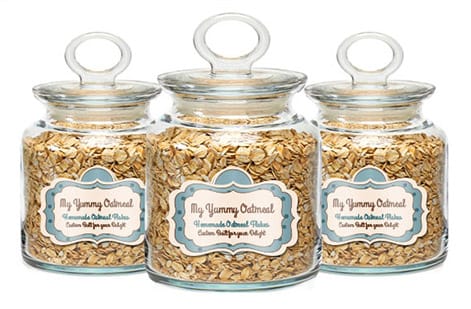
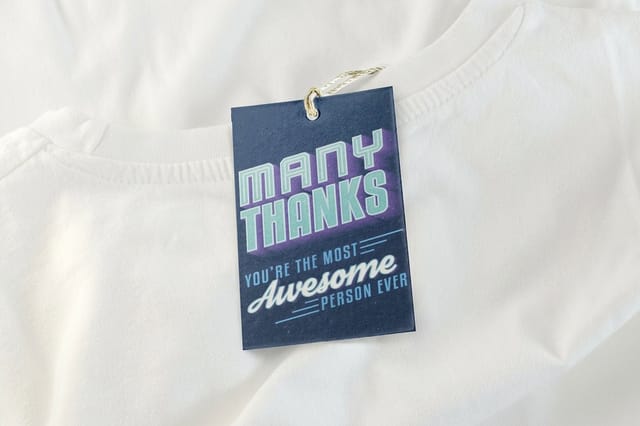
The brand becomes something a customer can hold here. The hang tag does the most work: tied to each piece with a string or loop, it carries your logo, the price, and often a one-line story or care note. It is the first branded thing a buyer reads, so it sets the tone for the whole piece. Print them on a sturdy cover stock in a shape that fits your look, from classic rectangles to die cut forms.
A small care card raises perceived value even more. A few lines on how to keep the piece looking new, avoid water, store flat, wipe with a soft cloth, tells the buyer you stand behind your craft. It costs cents and reads as premium. Order your custom hang tags and care cards together on matching stock so the set feels intentional.
Because these pieces are small and quantities are flexible, a full run costs little, and the per-unit price drops fast as you scale. That makes it easy to keep every piece tagged without denting your margin.
Labels, business cards, and the drop-in touch
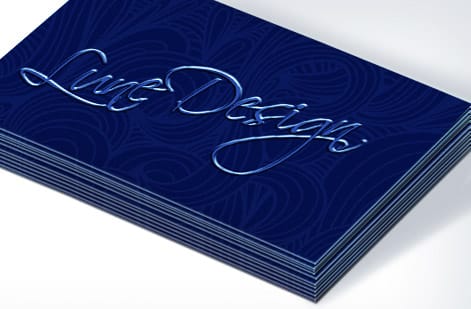
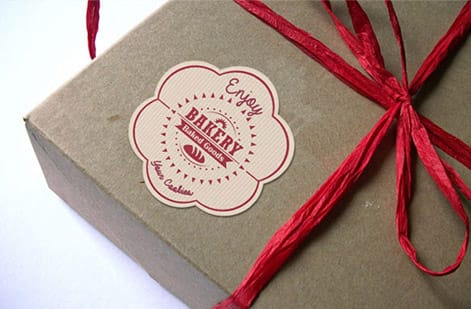
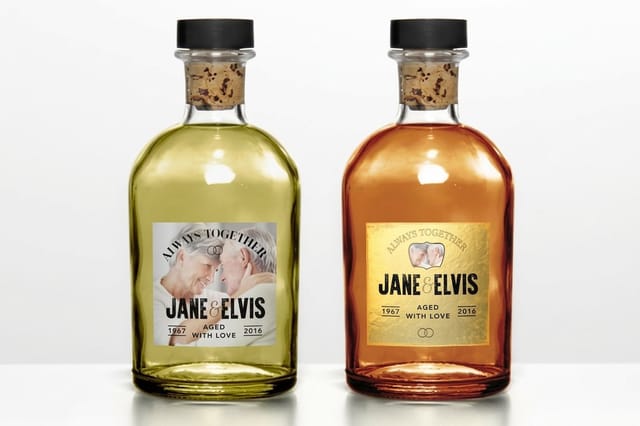
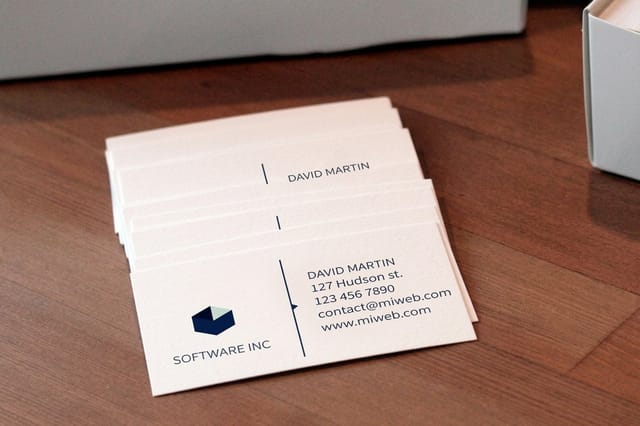
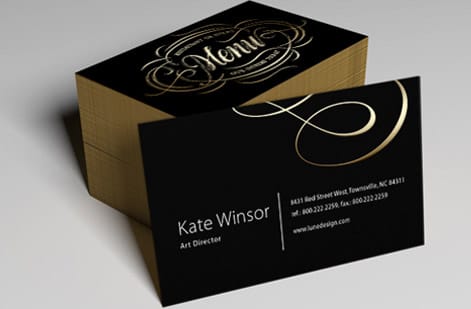
Two more pieces complete the everyday brand set. Product labels, usually round or die cut on adhesive stock, seal a pouch or box and stamp your mark on the packaging itself. They are the finishing detail that makes a plain kraft box look like your box. Business cards drop into every order with your shop link, socials, and a gentle nudge to reorder or leave a review.
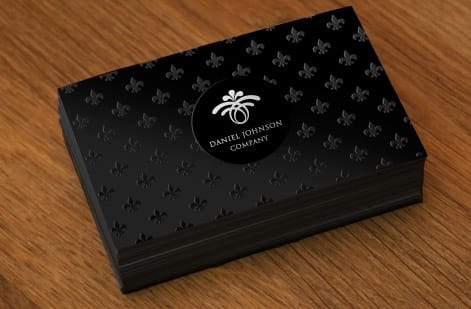
The magic is consistency: the same logo and color on the tag, the label, and the card so the customer sees one brand from the moment they open the package. Order your custom labels and cards on coordinated stocks and finishes. A soft touch or foil finish on the card in particular signals a high-end jewelry brand for very little extra.
These small pieces are also your cheapest marketing. A card in every order keeps your shop link in the customer's hands, and a beautifully labeled package is the thing they photograph and post, doing your promotion for free.
Packaging, the launch checklist, and going live
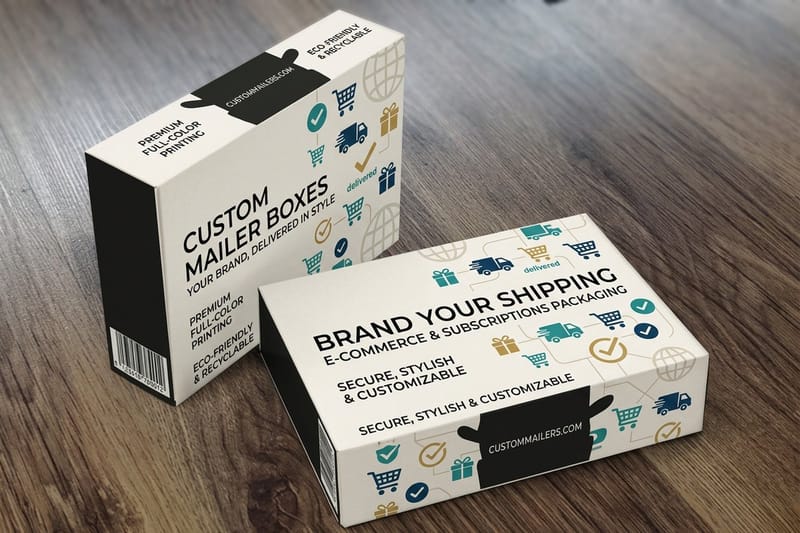
The last brand piece is the one customers photograph: the packaging. A branded box or mailer turns delivery into an unboxing moment. It protects delicate pieces and, wrapped in your logo, becomes shareable content. Even a simple kraft box reads as finished once a branded label seals it and a care card slips inside.
With the pieces designed, run a launch checklist: finished product photos, prices set with real margin, packaging and inserts ordered, and your first print run of tags, labels, and cards in hand. Line those up and opening day means handing your very first customers a fully branded experience, not a work in progress. Our companion pieces on packaging ideas and the small business marketing checklist help you fill any gaps.
Order the whole set together so it arrives on one timeline, use free samples to lock your stocks first, and your home jewelry business launches looking like a shelf-ready retail brand from day one.
Wally brands every piece the same way
One logo, one color, carried tag to box
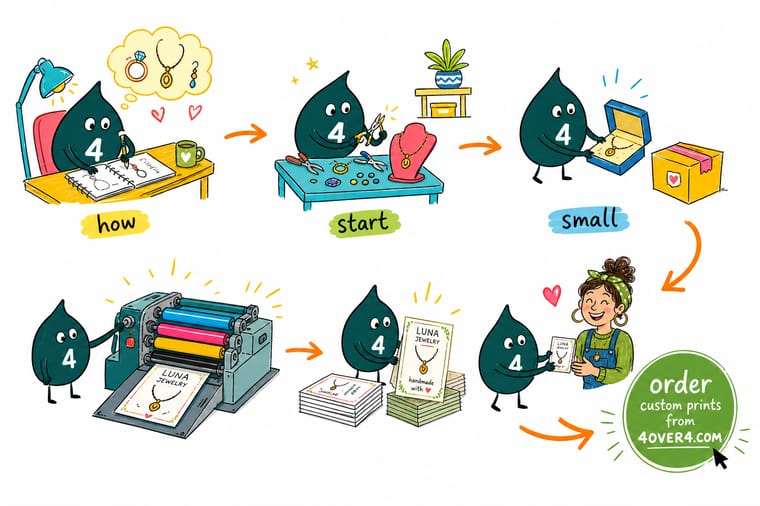
Wally treats the whole order as one brand: the hang tag, the label sealing the pouch, the business card in the box, and the box itself all wear the same logo and color. That consistency is what makes a home studio look like a shelf-ready label. Design it once in the free tool, order the set together, and 4OVER4 prints a jewelry brand a customer will pay retail for.
Order your jewelry brand set →Quick reference
The jewelry print brand set, at a glance
These are the printed pieces that make a handmade line feel like a retail brand. Carry one logo and color across all of them.
| Piece | Format | Why it works |
|---|---|---|
| Hang tag | Small, on a string or loop | Ties to the piece with the price, your logo, and a care note, the first thing a buyer reads. Leave room for the punched hole and keep the logo clear of the string, and pick an uncoated stock if you want to write prices by hand. |
| Product label | Round or die cut | Seals a pouch or box and puts your mark on the packaging at a glance. Die cut lets the outline follow your logo instead of a plain square, and it doubles as the tamper seal on a mailer. |
| Business card | 3.5 by 2 in | Drops in every order with your shop link, socials, and a reorder nudge. At 3.5 by 2 in it fits any wallet, so keep the shop link short enough to read across a market table. |
| Care card | Small insert | Tells buyers how to keep the piece looking new and builds trust in your craft. Name what to keep it away from, water, perfume, and a hot car, and how to clean it, so a tarnished piece never comes back as a refund. |
| Packaging | Branded box or mailer | The unboxing moment customers photograph and share, doing your marketing for free. Put the logo where it lands in frame as the lid comes off, not underneath the box. |
| Thank-you note | Postcard or insert | A handwritten line on a branded card turns a one-time buyer into a repeat one. Leave the back blank so you have room to write, and print a stack deep enough to last the season. |
Step by step
Launch your home jewelry brand in 7 steps
- Understand the market and find your niche Study what sells and where the gaps are, then pick a clear specialty so your brand stands for something specific rather than everything at once.
- Set up a home workspace Carve out a dedicated, well-lit spot for making, photographing, and packing so your process is repeatable and your product photos look consistent.
- Source materials and price your pieces Find reliable suppliers, track your material and time cost per piece, then mark up so each sale funds the next batch and pays you.
- Build your brand and name Choose a memorable name, a simple logo, one brand color, and one type family, and apply them everywhere so the look is instantly yours.
- Sell online and in person Open a shop on a marketplace or your own site, and show up at markets and pop-ups where people can hold the pieces and meet the maker.
- Brand it in print Order hang tags, product labels, business cards, care cards, and packaging that all carry your logo, so every order feels like a finished retail product.
- Work the launch checklist Line up product photos, pricing, packaging, and your first print run, then open the shop and hand your first customers a fully branded experience.
Specs and pricing
Custom hang tag specs and live pricing
Hang tags are the first branded piece a jewelry buyer reads. Pick your size, stock, and finish and watch the price update live, straight from the configurator.
| Quantity | Price Per Unit | Total |
|---|---|---|
| 50 | 50.5¢ | $25.27 |
| 100 | 28.6¢ | $28.56 |
| 200 | 15.9¢ | $31.86 |
| 300 | 12.4¢ | $37.35 |
| 400 | 10.2¢ | $40.64 |
| 500 | 8.79¢ | $43.94 |
| 600 | 8.24¢ | $49.43 |
| 700 | 7.53¢ | $52.73 |
Print it
Your jewelry brand set, from 4OVER4
See it in use
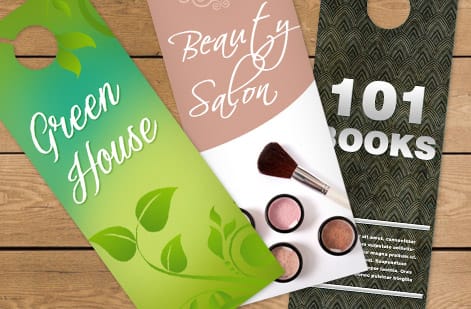
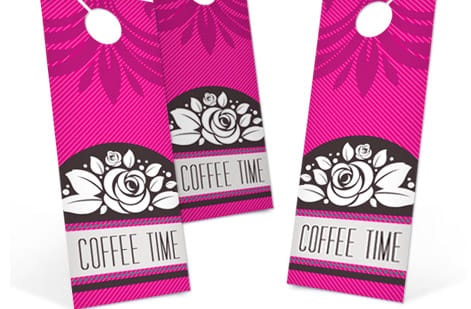
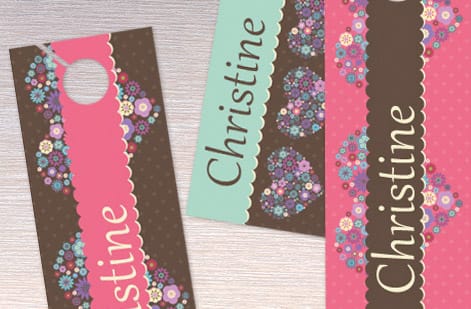
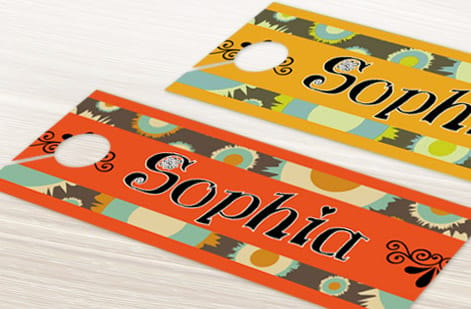
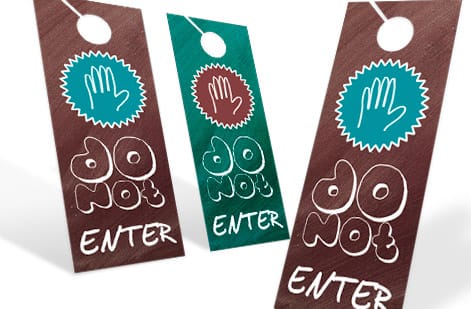
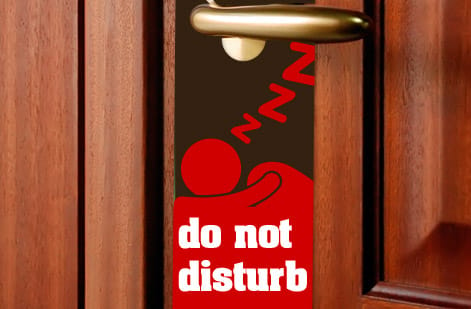
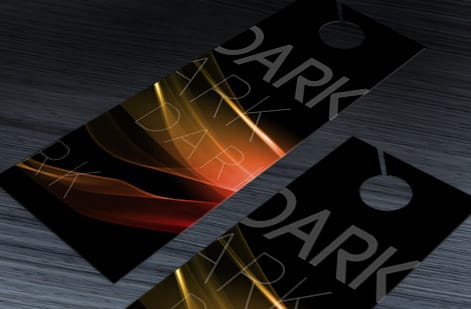
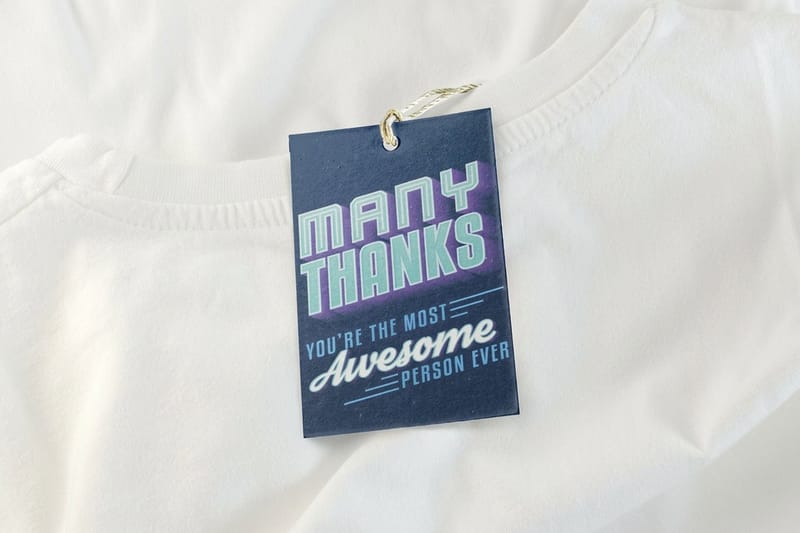
Hang tags and brand pieces we printed

Explore more
Where to go next
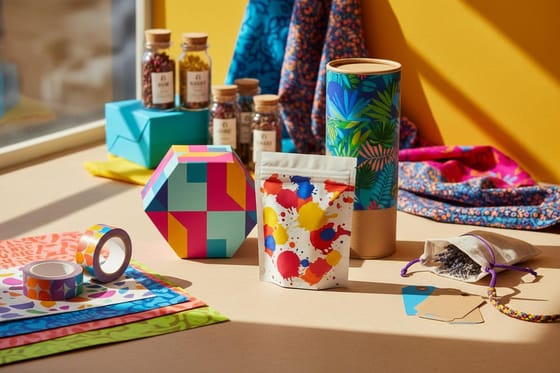
By the numbers
Four core pieces, and the catalog around them
Common Questions
Common questions about starting a jewelry business
How do I start a small jewelry business from home?
Start by understanding the jewelry market and picking a clear niche, then set up a dedicated home workspace for making, photographing, and packing your pieces. Source your materials, price each piece to cover materials, labor, and profit, and build a simple brand with a name, logo, one color, and one typeface. Sell through a marketplace, your own site, and in-person markets. In order, the ten steps are: 1) pick a niche you can say in one sentence, minimalist gold, birthstone pieces, or resin art; 2) set up a bench, a lit corner with a plain backdrop for photos, and a packing shelf; 3) line up suppliers for findings, chain, stones, and pouches you can reorder without waiting; 4) cost every piece as materials plus your bench time, then set retail and wholesale from that number; 5) pick a name that is still free on your marketplace and on social; 6) lock one logo, one color, and one type family, and keep the logo as a vector file so it stays sharp on a small tag and on a box; 7) shoot every listing on the same backdrop so the shop looks like one brand; 8) open the marketplace shop and book a market or pop-up for real feedback; 9) order the print set, hang tags, product labels, business cards, care cards, and packaging, in one run so the color matches across all of them; 10) pack a test order to yourself, time it, and fix whatever feels slow before the first real sale. The step that makes a home studio look established is branding it in print: hang tags, product labels, business cards, care cards, and packaging that all carry the same logo, so every order arrives looking like a finished retail product rather than a hobby.
Which printed pieces does a jewelry line need first?
Match the pieces to how your jewelry is sold and shipped. Almost every jewelry brand wants a hang tag tied to each piece with the price and logo, a product label to seal the pouch or box, and a business card to drop in every order. Add a small care card that tells buyers how to keep the piece looking new, and branded packaging for the unboxing moment. Pick an uncoated stock for the hang tag if you want to write a price or a size on it by hand, and a coated one if you want the color to hold up next to a polished piece. Ask for rounded corners so the tag does not catch on a chain, and a punched hole sized for the string or ribbon you already use. Keep all of them on one logo, one color, and one type family so the set reads as a single brand. Start from our free online design tool if you do not have a designer, and order free samples to feel the stocks first.
What does jewelry print branding cost and how are prices set?
Print branding for a small jewelry line is affordable because the pieces are small and order quantities are flexible. Hang tags, labels, and business cards price by size, stock, finish, and quantity, and the per-unit cost drops sharply as you order more, so a few hundred tags cost only a little more than a few dozen. You set each option in the configurator and the price updates live, which makes it easy to build a full branded set, tag plus label plus card plus packaging, within a starter budget and see the total before you commit.
What sizes, stocks, and finishes work best for jewelry branding?
Hang tags are usually small, printed on a sturdy cover stock with a hole or string, in shapes from classic rectangles to die cut forms. Product labels are often round or die cut on adhesive stock, matte or gloss, sized to seal a pouch or box. Business cards run the standard 3.5 by 2 inches on premium stocks, with finishes like matte, soft touch, or foil that make a jewelry brand feel high-end. The specs panel below shows the exact sizes, stocks, and finishes with live pricing so you can match them to your look.
How long does it take to print and ship a jewelry branding set?
A branded set of hang tags, labels, and cards prints quickly, with same-day and next-day options on many items, so you can go from finished design to packed orders in days rather than weeks. Production time depends on the pieces, stocks, finishes, and quantities you choose, and the configurator shows the live turnaround for each item. Ordering your hang tags, labels, and cards together keeps everything arriving on the same timeline so your first branded launch is ready all at once.
Get Started
Hang tags start at 50 for $25.27
Design your hang tags, labels, and cards from ready templates, then bring them to 4OVER4 and print a full brand set on the stocks and finishes your pieces deserve.
Legal Disclaimer
Gold Standard guarantees apply to all standard orders placed through 4over4.com. Price match requires verifiable proof of a competitor's published price for an equivalent product with matching specifications and turnaround time. Satisfaction guarantee covers manufacturing defects and print quality issues. Contact support with order number and documentation. On-time delivery rate based on tracked orders 1999 to 2026. Individual results may vary based on shipping carrier performance.
