
How to Use Business Card Samples to Pick the Perfect Card


A screen can show you a design, but only a real card in hand tells you how it feels. Samples are how you judge stock, weight, and finish before you commit a full run.
Use business card samples to judge the things a screen cannot show: weight, texture, and how a finish catches light. Test the stock first and the design second. Check four things on every sample, weight in the hand, surface texture, finish under light, and color on the stock, then order a proof to confirm your artwork before the full run.

Start here
What a sample tells you that a screen cannot
A sample answers the one question a screen cannot: how the card feels in hand. Order a sample pack, test the stock before the design, and check four things on every card, its weight, its texture, how the finish catches light, and how your colors sit on that surface. Use samples to settle the stock, then a proof to confirm the design. The checklist below shows exactly what to look for.
Why order samples before you print
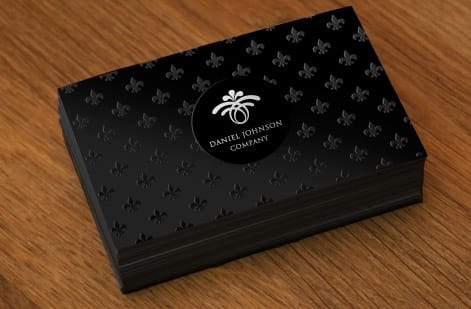
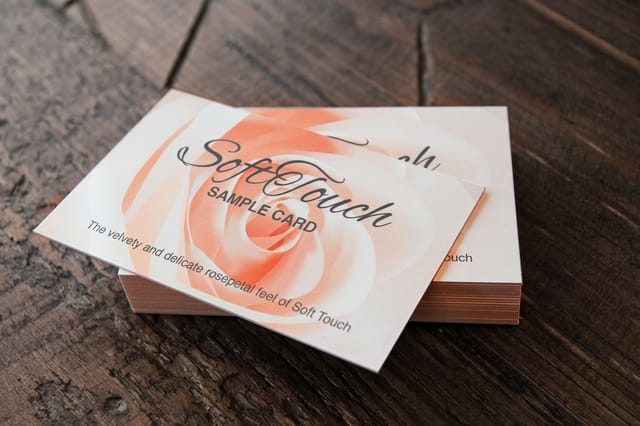
A business card is a physical object, and the things that make one feel cheap or expensive, its weight, its texture, the way a finish catches light, live entirely in the physical world. A monitor can show you a beautiful design, but it cannot tell you whether the card will feel flimsy or substantial when a client takes it, or whether a soft touch coat feels as premium as it looks in a mockup.
That gap is exactly what a sample closes. Holding the actual card answers the one question the screen leaves open, and it does so before you commit to a full run. Printing a thousand business cards on a stock that turns out to feel wrong is an expensive mistake, and a sample is the cheap insurance against it.
The smart order of operations is stock first, design second. Use samples to choose the card, then build the design for the card you picked. The rest of this guide walks exactly what to look for, from the business cards category to premium weights and finishes.
What to check on every sample
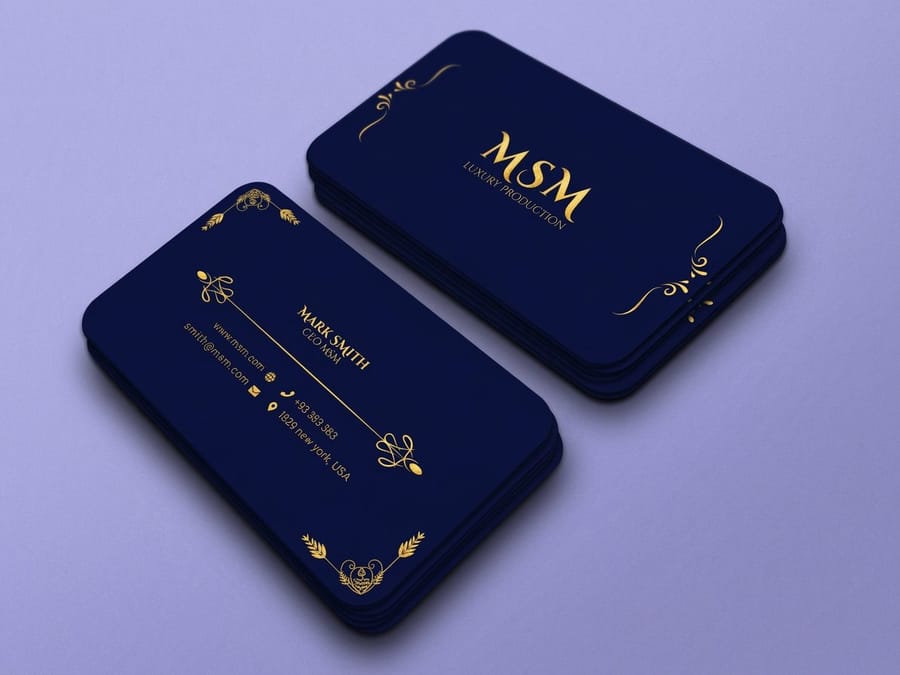
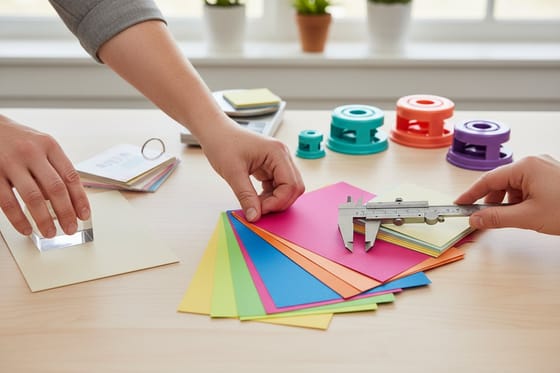
When your samples arrive, evaluate each one against the same four checks. First, weight: hold and flex the card to feel how substantial it is. A 14pt card and a 16pt card look identical in a photo but feel clearly different, and heft is the fastest way a card reads as premium. Our guide to cardstock weights breaks down exactly what each point weight feels like.
Second, texture: run a thumb across the surface to compare a slick gloss, a velvety soft touch coat, and natural uncoated or cotton stocks. Third, finish under light: tilt spot UV, foil, and matte samples toward a window to see how each behaves, since a subtle-looking effect on screen can be striking in hand. Fourth, color: hold your brand colors against the sample, because the same ink reads differently on coated and uncoated stocks.
Work through those four on each card and the right choice usually becomes obvious. The reference table further down lays the four checks out side by side so you can score your samples quickly.
Use samples to settle a finish decision
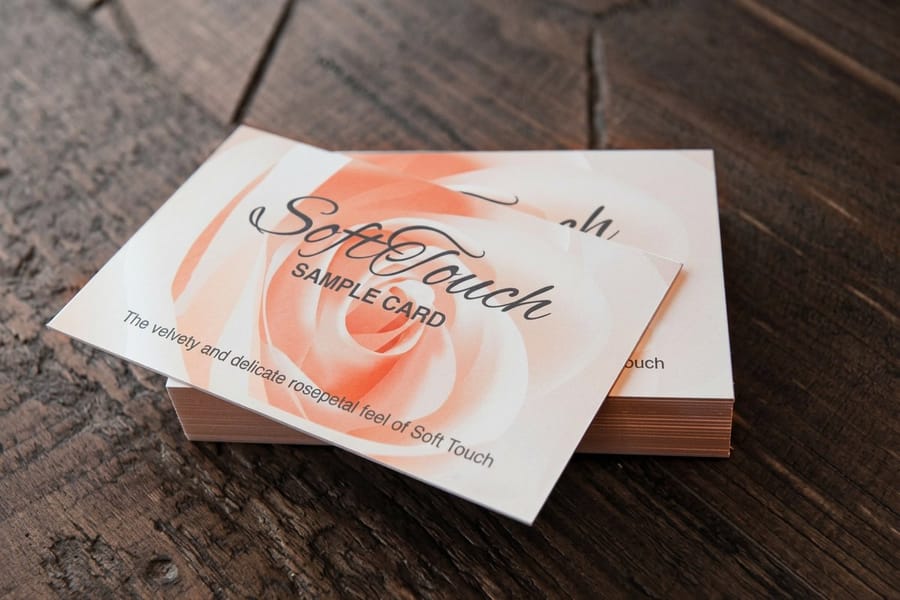
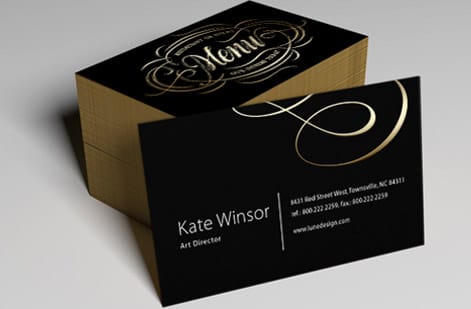
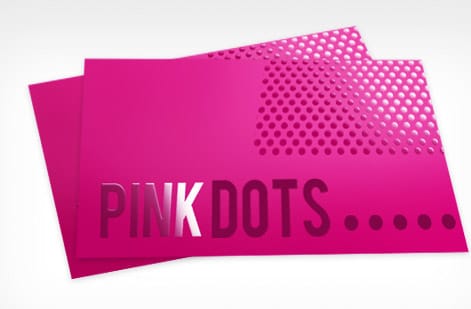
The hardest choices are between finishes, and samples make them easy. If you are torn between a calm, velvety soft touch card and a bright gloss one, hold both and the decision usually makes itself. If you are weighing whether a spot UV accent is worth it, tilt the sample under light next to a plain card and you will see instantly whether the shine earns its place.
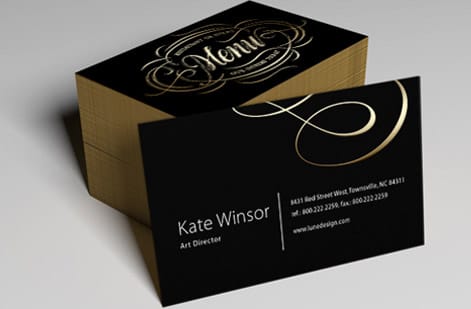
This is also where you feel the difference between a standard card and a premium one: the heavier stock, the cleaner edge, the way a foil or embossed accent sits on the surface. A sample turns an abstract upgrade into a concrete, in-hand comparison, which is the only fair way to decide whether it is worth the cost.
For a full tour of the finishes you might be comparing, from foil to embossing to die cutting, see our guide to the seven best print finishes, then request samples of the two or three you are seriously considering.
Sample the stock, then proof the design
It helps to keep two decisions separate. A sample confirms the card: the stock, the weight, the finish. A proof confirms the design: your exact artwork, colors, and layout on that stock. Using each for its job keeps the process clean and avoids surprises.
So once your samples have settled which card you want, upload your artwork and order a proof to check the design before the full run. This is your chance to catch a color that shifts on the chosen stock, a logo too close to the edge, or a typo that is far cheaper to fix now than after a thousand cards print. Our guide to print-ready files covers setting the file up correctly so the proof matches your intent.
With the card chosen and the design confirmed, ordering is quick. Use the live specs and pricing panel below to see every stock and finish available for classic business cards and what each option costs per unit.
Wally holds the card before he prints a thousand
Test the stock first, the design second
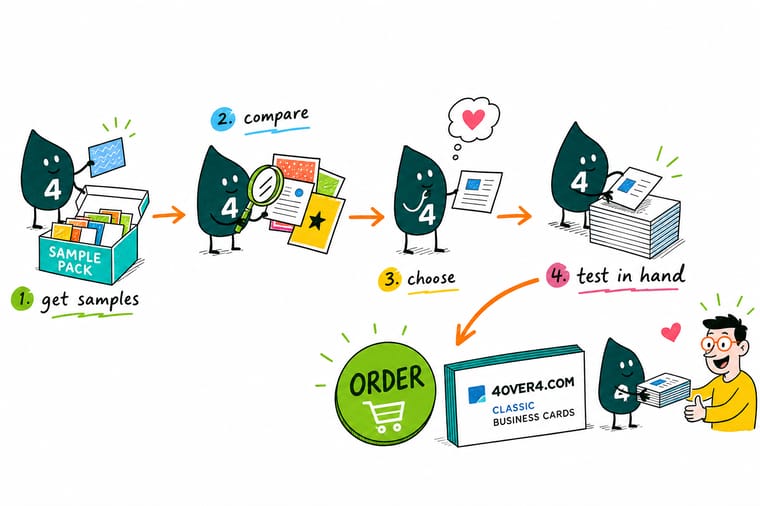
Wally never guesses a card from a screen. He orders samples, feels the weight, runs a thumb across the texture, tilts each finish toward the light, and checks his colors on the real stock. Once the card is chosen, he proofs the design and orders. Samples settle the card, a proof settles the file, and nothing surprises him when the box arrives.
Configure your cards →The checklist
What to check on every business card sample
Score each sample against the same five checks and the right card usually chooses itself.
| Check | How to test it | Why it matters |
|---|---|---|
| Weight and thickness | Hold and flex it | Feel how substantial the card is and how it flexes. This is the single thing a screen can never show you, and it sets the whole impression. |
| Surface texture | Run a thumb across it | Smooth, velvety soft touch, textured cotton, or a slick gloss all feel different. Texture is what a client registers before they read a word. |
| Finish under light | Tilt it toward a window | See how spot UV, foil, or a matte laminate catches or mutes light. The effect that looks subtle on screen can be striking in hand. |
| Color on the stock | Compare against your brand | The same ink looks different on gloss, matte, and uncoated stocks. Check that your brand colors read the way you expect on that surface. |
| Edge and cut | Inspect the trim | Look at how cleanly the card is cut, and whether a colored or painted edge is an option worth adding. |
Step by step
How to use a sample pack in 7 steps
- Request a sample pack before you commitOrder samples of the stocks and finishes you are considering. It costs little or nothing and saves you from printing a full run on a card that feels wrong in hand.
- Feel the weight firstPick up each sample and notice how substantial it is. A 14pt card and a 16pt card look identical in a photo but feel clearly different, and weight drives the premium impression.
- Test the textureRun a thumb across each surface. Decide whether you want the velvety calm of soft touch, the slickness of gloss, the natural feel of uncoated or cotton stock.
- Tilt each finish toward the lightAngle spot UV, foil, and matte samples under a lamp or window to see how each one behaves. This is where decorative finishes prove their worth.
- Check your colors on the stockHold your brand colors against the sample. Coating changes how ink reads, so confirm that a gloss card pops the way you want or a matte one stays calm.
- Narrow to a stock and finish, then proof the designOnce the card is chosen, upload your artwork and order a proof to confirm the design itself before the full run. Samples settle the stock, a proof settles the file.
- Order your cards on the chosen stockOpen the product, set the stock and finish you picked in the configurator, watch the price update live, and place the order online.
Specs and pricing
Business card stocks and live pricing
Once your samples settle the card, order it here. These are the live specs and price-per-unit for classic business cards at 4OVER4, straight from the configurator.
| Quantity | Price Per Unit | Total |
|---|---|---|
| 100 | 17.6¢ | $17.57 |
| 200 | 11.5¢ | $23.07 |
| 300 | 9.15¢ | $27.46 |
| 400 | 7.96¢ | $31.86 |
| 500 | 7.25¢ | $36.26 |
| 600 | 6.77¢ | $40.64 |
| 700 | 6.43¢ | $45.04 |
| 800 | 6.18¢ | $49.43 |
Order it
Print the card your samples pointed you to
See it in use
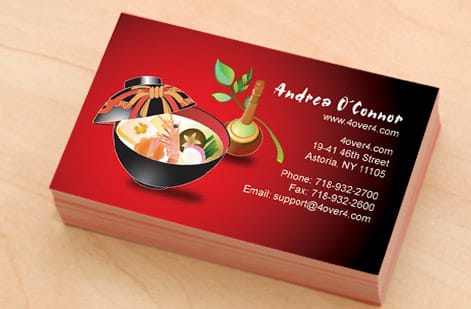
Cards printed across every stock and finish


Explore more
Where to go next

By the numbers
Order the sample from the shop that prints the card
Common Questions
Common questions about business card samples
How do business card samples help you choose?
A sample lets you judge the things that only exist in the physical world: the weight of the card in your hand, the texture of the surface, how a finish like spot UV or foil catches the light, and how your brand colors actually sit on that stock. A monitor can show you a design, but it cannot show you whether a card feels flimsy or substantial, or whether a soft touch coat feels as premium as it looks. Ordering a sample pack turns those unknowns into a quick, confident decision, so you never print a full run on a stock that feels wrong once it arrives.
What should I check on a business card sample?
Check four things on every sample. First, weight and thickness: hold and flex the card to feel how substantial it is, since this sets the whole impression and cannot be judged on screen. Second, surface texture: run a thumb across it to compare smooth gloss, velvety soft touch, and natural uncoated or cotton stocks. Third, the finish under light: tilt spot UV, foil, and matte samples toward a window to see how each behaves. Fourth, color on the stock: hold your brand colors against the sample, because the same ink reads differently on gloss, matte, and uncoated surfaces. Together these tell you exactly which card is right.
What is a business card sample pack?
A business card sample pack is a small collection of printed cards showing different stocks, weights, coatings, and finishes so you can compare them by hand before ordering. Rather than guessing from a screen, you get to feel a 14pt card next to a 16pt one, a gloss laminate next to a soft touch coat, and a spot UV or foil accent next to a plain card. It is the fastest, lowest-risk way to choose the exact card that fits your brand, since every important quality of a card, its heft, texture, and finish, is physical and only obvious in person.
Which stock should I pick for my business card?
Start with the stock, not the design. Use samples to pick the weight and finish that match the impression you want: heavier 16pt stock and soft touch or foil for a premium, high-end feel, or a practical 14pt gloss or matte for an everyday professional card. Once the card is chosen, design for it, keeping key elements inside the safe margin and setting up any decorative finish on its own layer. Confirm your brand colors on the sample, then order a proof of the final artwork before the full run. Choosing the card first and the design second is what makes the result feel intentional.
What do business cards cost and how are prices set?
Business card pricing scales with a few levers: quantity, since more cards lower the unit price, plus the stock, the size, and any finish you add. A standard 14pt card is the most economical, while premium weights and decorative finishes like foil, spot UV, and embossing add to the total because they involve heavier stock or extra press passes. You set the stock and finish in the configurator and the price updates live as you go, so you can compare a plain card against a premium one and see exactly what each upgrade costs before you order, with no quote or minimum required.
Get Started
Order 100 classic business cards from $17.57
Choose the stock and finish your samples pointed you to, set them in the configurator, and watch the price update live. Order premium business cards online with no minimums.
Legal Disclaimer
Gold Standard guarantees apply to all standard orders placed through 4over4.com. Price match requires verifiable proof of a competitor's published price for an equivalent product with matching specifications and turnaround time. Satisfaction guarantee covers manufacturing defects and print quality issues. Contact support with order number and documentation. On-time delivery rate based on tracked orders 1999 to 2026. Individual results may vary based on shipping carrier performance.
