
Photographic Paper Types and the Best Use for Each


The paper is the last brushstroke on a photo. Glossy, matte, and luster each read differently, weight changes how it sits in the hand, and one of them suits your print.
Photographic paper is coated stock made to reproduce images, and its finish changes the look. Glossy deepens color and contrast for vivid photos but shows glare; matte kills reflections for an elegant, gallery look behind glass; luster gives rich color with low glare and is the pro-lab default. Choose a heavier weight for display prints, and match the finish to the image and how it will be shown.

Start here
Gloss, matte, and luster against the same image
Photographic paper is coated stock made to reproduce images, and the finish you choose changes how the same photo looks. Glossy deepens color and contrast for vivid shots but shows glare; matte eliminates reflections for an elegant look behind glass; luster gives rich color with low glare and is the professional default. Pick a heavier weight for prints meant to be displayed, and match the finish to both the image and how it will be shown. The step guide below sums it up.
What photographic paper is and why the paper matters
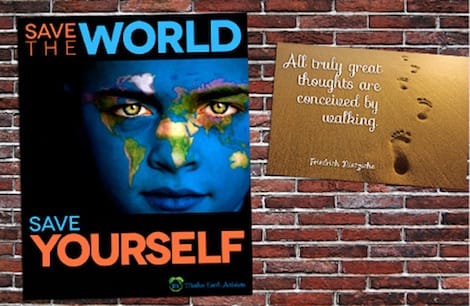
A photograph only becomes a print when it lands on paper, and the paper you choose does more to the final look than most people expect. Photographic paper is stock engineered specifically to reproduce images: a coated surface that lets ink hold fine detail, deep tones, and accurate color in a way ordinary paper cannot. The coating, the finish, and the weight together decide how the print reads on a wall.
Here is the part that surprises people: the same file looks meaningfully different on different papers. On glossy it looks punchy and saturated, on matte it looks calm and refined, on luster it looks rich but reflection-free. So choosing photographic paper is a creative decision, not just a technical one. The paper is the last brushstroke on the image.
This guide compares the three main finishes and the weights, then matches each to the best use, from vivid photos to fine-art and text-heavy pieces, and shows how to prepare a clean file. Whether you are printing posters, matte posters, or gallery photo prints, the choices below get the paper right.
Glossy, matte, and luster compared
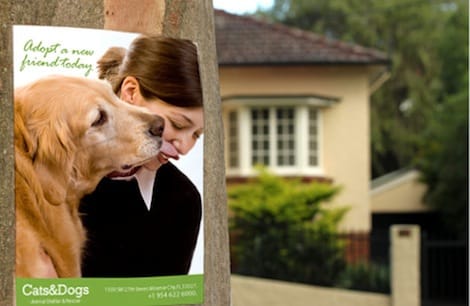
Glossy is the finish most people picture. Its shiny, reflective coating deepens color and contrast, making blacks richer and saturated tones leap off the page. That punch is unbeatable for vivid, high-impact photography. The catch is reflections and fingerprints: glossy glares under bright or angled light and shows every smudge, so it shines best unframed or where lighting is controlled.
Matte is the opposite temperament. Its non-reflective surface eliminates glare entirely and hides fingerprints, giving an understated, gallery-like elegance. Matte is the natural choice behind glass, for black-and-white work, and for anything text-heavy, since there is no shine to fight. The trade is a slight drop in contrast and color pop compared with glossy, which for many images reads as sophistication rather than a loss.
Luster, also called satin or pearl, is the professional compromise and the reason photo labs love it. It delivers color richness close to glossy with a fine surface texture that scatters light, so glare and fingerprints are dramatically reduced. If you are unsure which way to go, luster is the safe, flattering default for almost any image. Our paper stocks guide covers these finishes across print types.
Paper weight and thickness for photo prints

Finish gets the attention, but weight is what a print feels like in the hand, and feel signals quality. Paper weight, measured in pounds or gsm, tracks the thickness and substance of the stock. A light photo paper is fine for casual snapshots and volume prints, but it can curl and reads as inexpensive. A heavier stock lies flat, resists bending, and feels substantial, which is exactly what a print meant for display should do.
The rule of thumb is simple: the more a print matters, the heavier the stock. Portraits, wall art, exhibition pieces, and anything framed benefit from a premium heavyweight paper that holds its shape and projects value. Everyday prints and large-run posters can use a lighter, more economical weight without hurting the image.
Weight also interacts with size. A large poster on thin paper flops and is hard to mount cleanly, while the same size on heavier stock stays flat and hangs well. If you are unsure how a weight will feel, order free samples so you can handle the actual stock before a big order. Our paper stocks and materials guide maps weights to uses.
Best paper for each use: photos, posters, and fine art

Matching paper to purpose is where all of this comes together. For vivid color photography, portraits with rich tones, landscapes, and product shots meant to dazzle, glossy or luster on a heavier stock gives the color the punch it deserves. Luster is the safer pick if the print will hang in a bright room.
For black-and-white and fine-art prints, matte is often the connoisseur’s choice: its non-reflective surface and subtle texture suit tonal, moody, and gallery work, and it reads as refined behind glass. Fine-art papers with a heavier weight complete the effect. For posters and promotional prints, the display setting decides: glossy for a shop window that needs to grab attention, matte to avoid glare under overhead lighting.
For everyday and volume prints, a standard-weight luster balances quality and cost. And whenever a print will live behind glass, lean toward matte or luster to keep reflections off the image. Browse the full photography collection to see finishes and sizes together, and our poster ideas for inspiration on putting them to work.
Framing, mounting, and protecting photo prints
How a print is displayed should feed back into the paper choice. Behind glass, reflections from the glazing compound any shine in the paper, so matte or luster keeps the image clean and readable, while glossy behind glass can double the glare. Unframed prints, pinned or clipped on a soft-lit wall, let glossy show off without a reflective barrier in front of it.
Mounting adds rigidity and presence. A photo mounted to a rigid board hangs flat and frameless, which suits exhibitions and modern interiors, and our mounted posters do exactly that. Lamination adds a protective layer that resists scuffs, moisture, and fingerprints, useful for prints that will be handled or displayed in busy spaces, and it comes in gloss or matte to tune the final surface.
Think about the whole package before you print: the paper, the weight, the finish, and how it will be mounted or framed all work together. A heavy luster print, mounted and hung frameless, reads completely differently from a light glossy print pinned to a wall. Plan the display first, then choose the paper to serve it.
Printing on photo paper and prepping the file
Great paper cannot rescue a weak file, so the print-prep basics still apply. Work in CMYK color so your on-screen preview reflects how the ink will look on paper, and convert any RGB image before export, watching the vivid blues and greens that shift most. Place the photograph at 300 DPI at the exact size it will print, and check it at 100 percent zoom, since a large print reveals any softness the moment the image is enlarged.
Because finish and color read differently in hand than on a monitor, proofing matters more with photo prints than almost any other product. Order free samples or a proof before a large or important run so you can judge the finish, the color, and the weight on the actual stock. This single step prevents the most common disappointment, a print that looked perfect on screen and flat on paper.
Then flatten to a single press-ready PDF at the final size, and when you order with us it runs through a free file check so any issue is caught first. Set your size, paper, finish, and quantity in the configurator below, or compare options across the posters and photography ranges to land on the right stock.
Wally treats the paper as the last brushstroke
Same photo, three moods, one right finish
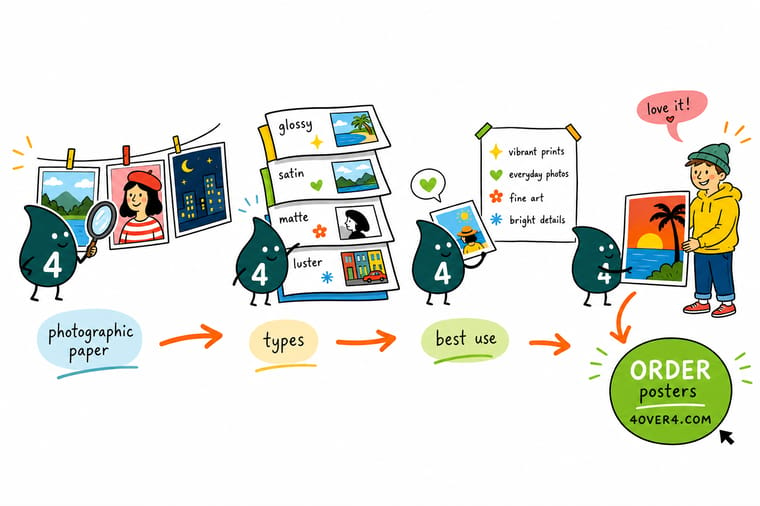
Wally holds one image up against glossy, matte, and luster and picks the finish the photo actually needs: glossy for punchy color, matte for a calm, glare-free look behind glass, luster for rich color without the shine. He chooses a heavier weight for anything worth framing and always proofs on the real stock. Gallery-grade prints, done at 4OVER4.
Print your photos →Quick reference
The photographic paper setup, at a glance
Match the finish to the image and the display, choose a weight that fits the purpose, and prepare a clean file. These settings cover almost any photo print.
| Setting | Best for | Why it matters |
|---|---|---|
| Glossy finish | Vivid, high-contrast display | Deepens color and blacks for punchy photos, best where glare and fingerprints can be controlled. |
| Matte finish | Glare-free, elegant prints | Kills reflections and hides fingerprints, ideal behind glass and for text-heavy or fine-art work. |
| Luster / satin | Rich color, low glare | The pro-lab middle ground: near-glossy color with a subtle texture that resists reflections. |
| Color mode | CMYK at export | Convert from RGB before export so on-screen color matches the ink on paper. |
| Resolution | 300 DPI at final size | Full detail at the printed dimensions keeps a photo sharp, checked at 100 percent zoom. |
| Weight | Heavier stock for display | A substantial photo stock lies flat, resists curl, and reads as premium. |
| File format | Flattened PDF at final size | A press-ready PDF built at the exact print size prints predictably every time. |
Step by step
Choose photo paper and print in 7 steps
- Judge the image Look at what the photo needs. Saturated, high-contrast shots pop on glossy; soft, tonal, or black-and-white images often shine on matte or luster.
- Decide how it will be displayed Behind glass, matte or luster avoids reflections. Unframed on a soft-lit wall, glossy can sing. The mounting shapes the finish choice.
- Pick the finish Choose glossy for maximum punch, matte for a calm, glare-free look, or luster for rich color with low glare, the safe all-rounder.
- Choose the weight Select a heavier photo stock for prints meant to be displayed, so the piece lies flat and feels substantial rather than flimsy.
- Prepare the file at final size Work in CMYK, place the image at 300 DPI at the printed dimensions, and check it at 100 percent zoom so nothing goes soft when enlarged.
- Order a proof or samples Because finish and color look different in hand than on screen, order free samples or a proof before a large or important print run.
- Export a press-ready PDF and print Flatten to a single PDF at the right size, run it through our free file check, and set your size, finish, and quantity in the configurator.
Specs and pricing
Poster and photo print specs and live pricing
Once you know the finish and weight, the rest is size and quantity. Here are the live specs and price-per-unit for posters at 4OVER4.COM, straight from the configurator.

| Quantity | Price Per Unit | Total |
|---|---|---|
| 50 | $2.18 | $108.75 |
| 100 | $1.64 | $163.67 |
| 200 | $1.01 | $202.11 |
| 300 | 80.2¢ | $240.55 |
| 400 | 69.7¢ | $278.99 |
| 500 | 63.5¢ | $317.44 |
| 600 | 55.8¢ | $335.02 |
| 700 | 50.4¢ | $352.59 |
Print it
Print your photos on the right paper with 4OVER4



See it in use
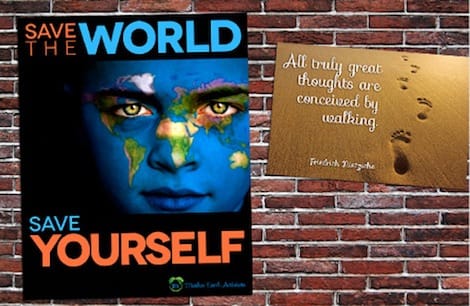
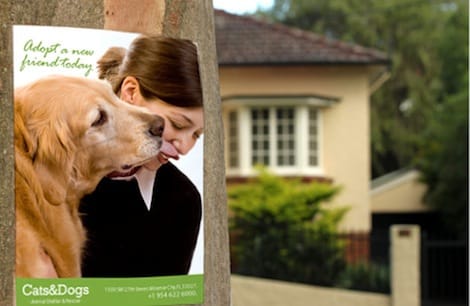
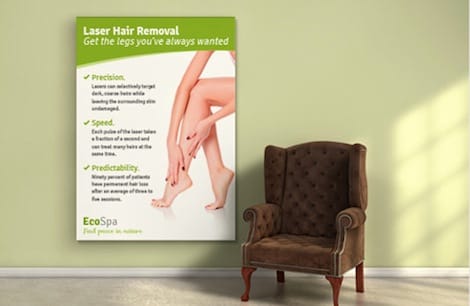
Photo prints and posters customers ordered





Explore more
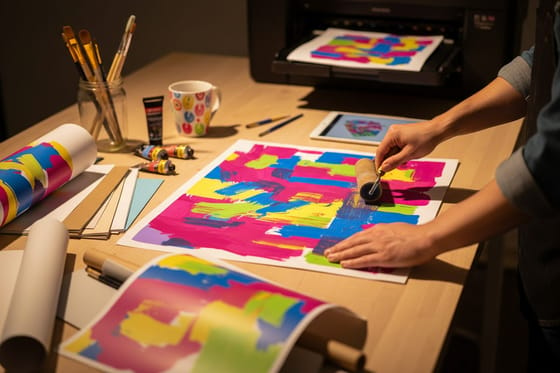
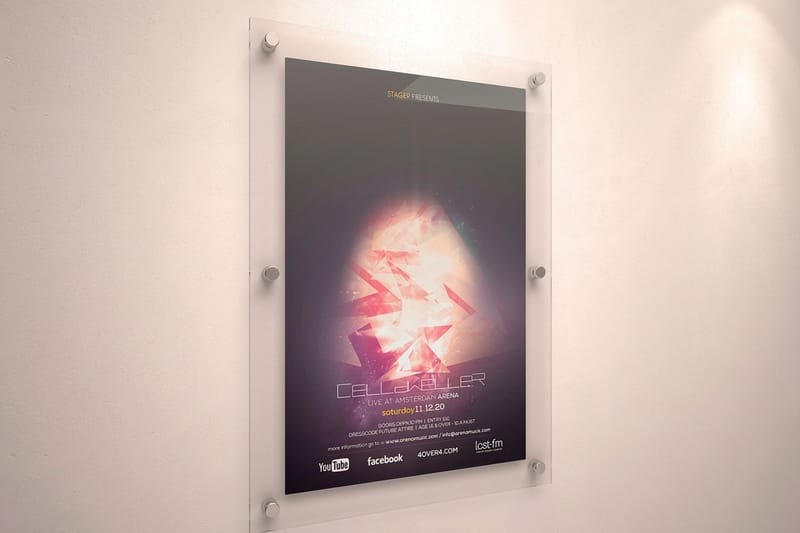
Where to go next




By the numbers
Photo paper stocks and the record behind an enlargement
Common Questions
Common questions about photographic paper
What is photographic paper?
Photographic paper is a printing stock designed to reproduce photographs with accurate color, deep detail, and a specific surface finish. Unlike everyday paper, photo stock is engineered so ink sits cleanly on a coated surface, which is what lets a print hold fine detail and rich tones. It comes in finishes, glossy, matte, and luster or satin, and in a range of weights, and the choice among them changes how the same image looks and feels. Photo paper is what turns a digital file into a print worth framing, whether that is a portrait, a poster, or a piece of wall art.
Is gloss, matte, or luster right for this photo?
Start with the image and how it will be displayed. Saturated, high-contrast, and vivid photos come alive on glossy paper, which deepens color and blacks, but glossy shows glare and fingerprints, so it is best where lighting is controlled or the print stays unframed. Soft, tonal, black-and-white, or text-heavy pieces read beautifully on matte, which kills reflections and looks elegant behind glass. Luster or satin is the versatile middle ground, giving rich color with low glare, which is why photo labs default to it. Then pick a weight substantial enough to lie flat and feel premium. Our paper stocks guides go deeper on the tradeoffs.
What does photo paper printing cost and how are prices set?
Price is driven by print size first, then paper weight, finish, and quantity. A small photo print is inexpensive, while large-format posters and heavier premium stocks cost more, and the per-print price drops as you order more. Finish choice has a modest effect, with specialty and heavier stocks adding to the base. You set the size, paper, and finish in the configurator and the total updates live, so you can see exactly what a larger size or a premium stock does to the price before you commit.
What sizes, weights, and finishes are available for photo prints?
Photo and poster prints run from small enprint and 8 x 10 sizes up through large-format posters measured in feet, with standard and custom dimensions available. Finishes include glossy for punch, matte for a glare-free look, and luster or satin for rich color with low reflection, and weights range from standard photo stock up to heavy premium papers that lie flat for display. Prints can also be mounted or laminated for durability, depending on how they will be shown.
How long do photo prints take to print and ship?
Turnaround depends on the size, paper, and finish you choose, and the configurator shows the available production and shipping options as you set your specs. Many photo and poster orders qualify for fast production when placed early, so you can plan an exhibition, event, or gift backward from the date you need the prints in hand.
Which is better for photos, glossy or matte paper?
Neither is universally better; they suit different images and settings. Glossy paper maximizes color saturation and contrast, making vivid photos pop, but it reflects light and shows fingerprints, so it works best unframed or in controlled lighting. Matte paper eliminates glare and hides fingerprints, giving an elegant, refined look that excels behind glass and for black-and-white, fine-art, and text-heavy prints, though it slightly softens contrast. If you want the strengths of both, luster or satin is the answer: near-glossy color richness with the glare resistance of matte, which is why professional photo labs use it as the default.
Get Started
50 posters cost $108.75, or $2.18 a print
Bring your images to 4OVER4.COM and print them on the finish and weight your work calls for. Matte posters ship in 2 business days, standard posters in 5.
Legal Disclaimer
Gold Standard guarantees apply to all standard orders placed through 4over4.com. Price match requires verifiable proof of a competitor's published price for an equivalent product with matching specifications and turnaround time. Satisfaction guarantee covers manufacturing defects and print quality issues. Contact support with order number and documentation. On-time delivery rate based on tracked orders 1999 to 2026. Individual results may vary based on shipping carrier performance.
