
The Complete Guide to Food and Drink Branding


People taste food with their eyes first, so your brand does the first selling. Building one runs from strategy to color and typography, then onto labels, menus, and packaging.
Start with who your food is for, what it stands for, and how it should feel, then build the essentials. Choose an appetizing color palette and fitting typography, write a short brand story, and above all keep one consistent look across every touchpoint. Your food brand becomes real on the labels, menus, and packaging customers hold, so print those to match.
Start here
Strategy, color, type, then the label
Decide who your food is for, what it stands for, and how it should feel, then let those answers shape every choice. Build the essentials: name, logo, an appetizing palette, fitting typography, and a short story. Keep one consistent look across labels, menus, and packaging, because that consistency is what makes a small food brand feel established. The diagram below maps the build from strategy to shelf.
The basics of food branding
Food is bought with the eyes first. On a shelf, in a fridge, or on a menu, people form an appetite and a judgment from appearance long before a single bite. That makes branding unusually powerful in food and drink: your look, your packaging, and your story do a huge share of the selling. A great product with weak branding gets passed over, while a good product with sharp branding gets picked up.
Strong food branding starts with three honest questions, not a logo. Who is your food for? A busy parent, a health-conscious runner, and a late-night snacker want very different signals. What does your brand stand for? Freshness, indulgence, tradition, sustainability, convenience. How should it make people feel? Comforted, energized, virtuous, spoiled. Answer these and nearly every design decision, from color to typography to packaging, becomes obvious.
This guide walks the full build in order: the ten essentials of a food brand, the color, shape, and typography that fit the food industry, and how to bring it all to life on the labels, menus, and packaging your customers actually touch. If you want the broader foundation first, our practical guide on what branding is sets the groundwork.
The 10 essentials of a successful food brand
Once you know who you serve and how you want to feel, you build the essentials. These ten pieces, applied consistently, are what turn a product into a food brand people recognize and trust.
- A memorable name that is easy to say, spell, and remember.
- A clear logo that works small on a jar and large on a sign.
- An appetizing color palette matched to your flavor and positioning.
- Readable typography that fits your story, artisan to playful.
- A distinct packaging look that stands out on a crowded shelf.
- Strong labels that carry your identity and required information cleanly.
- A short brand story that says where the food comes from and why it matters.
- Consistent photography that makes the food look as good as it tastes.
- A recognizable voice across your copy, from the label to social.
- Consistency everywhere, so the label, menu, box, and tag all feel like one brand.
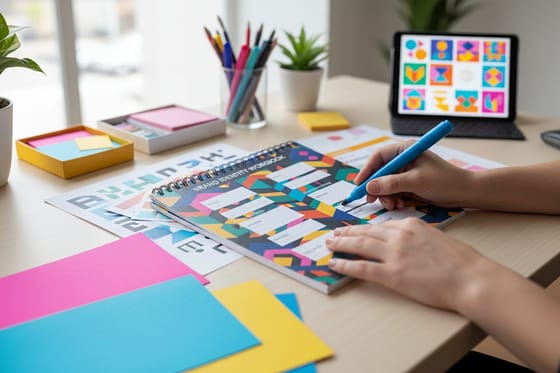
The tenth point is the one most small brands miss and the one that matters most: consistency. When your labels, your menus, and your packaging all share one look, a young brand starts to feel established. Our guide on building a strong brand identity goes deeper on holding that consistency.
Best branding styles for the food industry
In food and drink, color, shape, and typography are not decoration, they are flavor cues. The right combination makes a product look delicious and on-brand before a word is read; the wrong one makes it look off, no matter how good it tastes.
Color carries appetite and emotion. Warm reds, oranges, and yellows read appetizing and energetic, which is why they dominate fast food. Greens read fresh, natural, and healthy. Earthy browns read artisan and handcrafted, while black and gold read premium and indulgent. Choose the palette that matches the feeling you are selling, because a health brand and a dessert brand should look nothing alike.
Shape and typography set the tone. Rounded, organic shapes and hand-drawn or serif type feel warm, traditional, and artisan; clean geometric shapes and simple sans-serif type feel modern and precise. Whatever you choose, keep it readable at small sizes, because a lot of food branding lives on a small label. To make your color survive the jump from screen to print, our guide on the best color profile for printing explains why the same file can print two ways, and how to lock your brand color down.
Bringing your food brand to labels and packaging
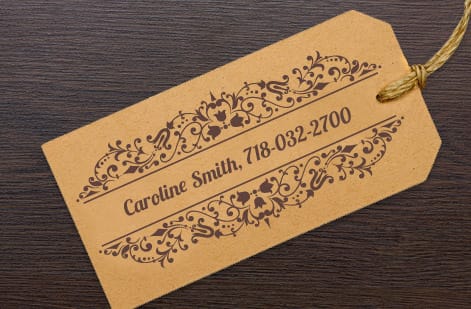
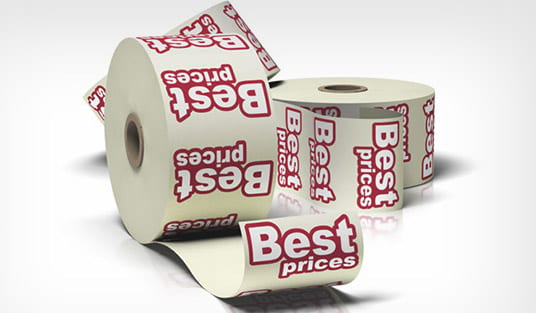
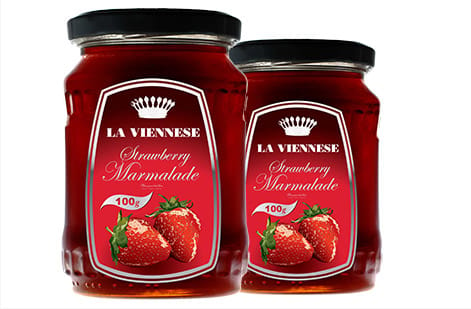
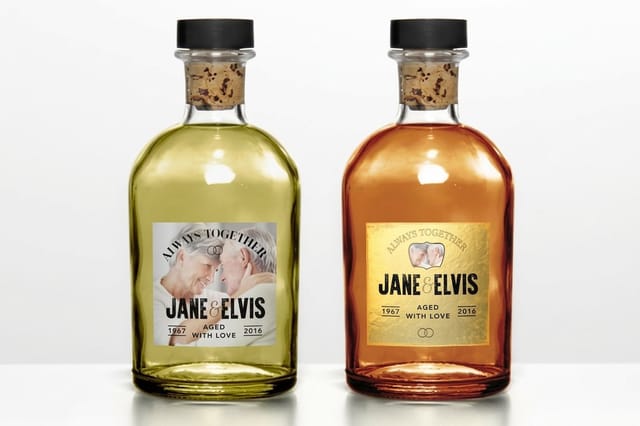
All the strategy in the world stays invisible until it lands on something a customer holds. For a food brand, the label usually does the most: it carries your identity, your story, and the information the law requires, all in a small space. A clean, well-designed label that instantly says what the product is and why it is special is your single most important branded asset.
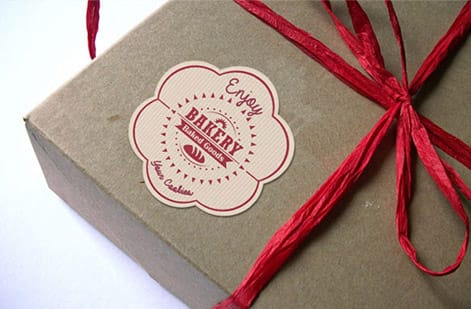
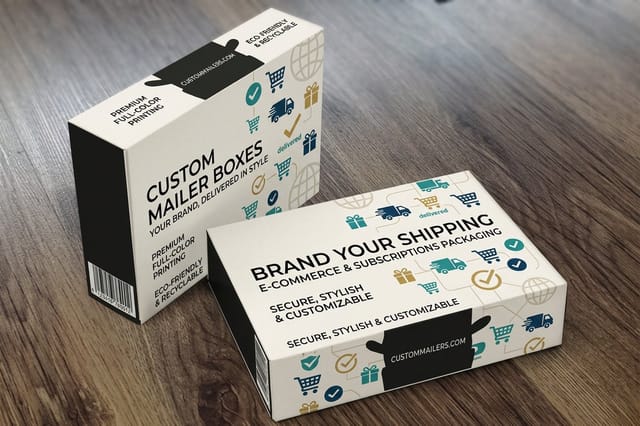
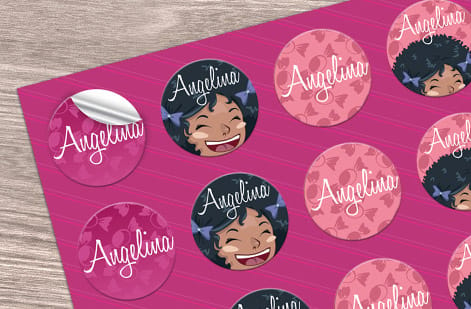
As the brand grows, packaging extends the story. Custom mailer boxes and tissue paper turn an online order into an unboxing moment, and hang tags and stickers add a finishing branded touch to jars, bottles, and gift sets. Each piece is a chance to reinforce the same look, so a customer who meets you on a shelf and again at their door feels one consistent brand.
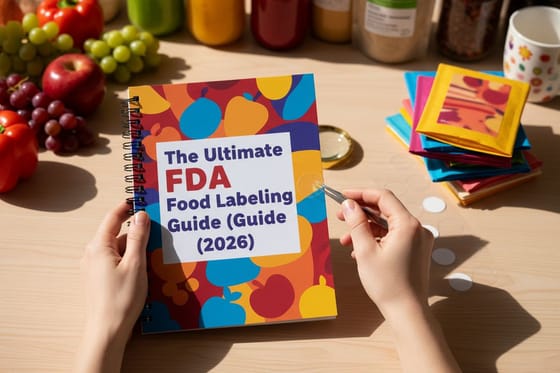
Labels also carry legal weight in food, so plan the required information alongside the design. Our FDA food labeling guide covers what must appear, and our product label design walkthrough shows how to make it look good while it does. Start from the custom label and browse the full packaging collection to keep every piece on-brand.
Menus and the dine-in brand experience
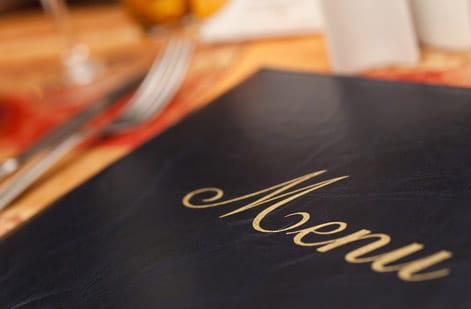
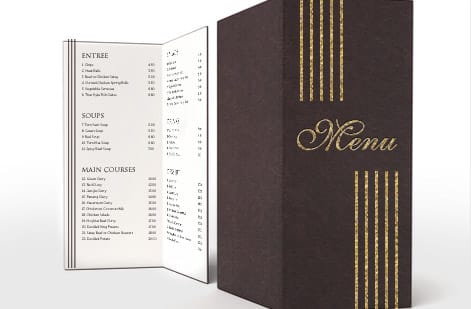
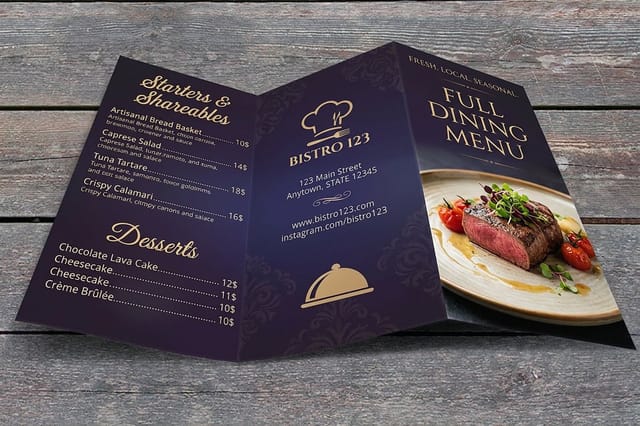
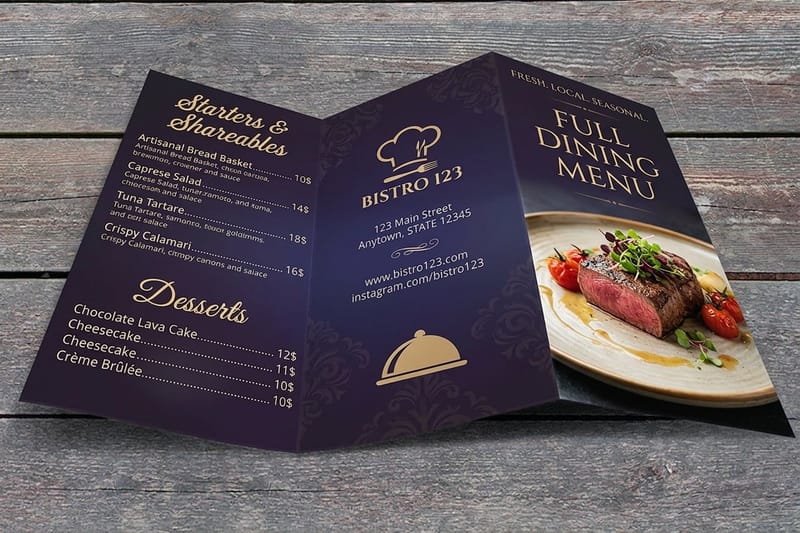
If you serve or sell prepared food, the menu is a branded touchpoint people hold and read closely, which makes it one of your highest-impact pieces. A menu that matches your labels, your signage, and your packaging tells a customer they are somewhere thoughtful and consistent, and that impression shapes what and how much they order.
Treat the menu as brand design, not just a price list. Carry your colors, your typography, and your voice through it, keep it easy to scan, and use the layout to guide attention toward the dishes you most want to sell. A premium stock or a special finish signals quality before the food arrives, and it holds up better through a busy service.
Match the format to your setting, from a restaurant menu for the table to a takeout or catering menu for the counter and the door. Browse the full menu lineup to keep your dine-in and takeout experiences sharing one brand look, and see how a small, consistent food brand starts to feel like a much bigger one.
What it costs to print your food branding

Bringing a food brand into the physical world costs nothing for the branding itself; you pay for the printed pieces that carry it. The levers are the familiar ones: quantity, material, size, and finish. Labels start affordable and the per-label price drops fast as quantities climb, while custom boxes and premium finishes sit higher.
The smart move is to start with the pieces that carry your brand the furthest for the least money, then expand. Labels give you the widest reach per dollar, menus anchor the dine-in experience, and custom boxes and tissue paper turn shipping into a brand moment once volume justifies it. You can add premium finishes later as the brand grows into a more indulgent or upscale look.
The honest way to plan a budget is to see live numbers. Every 4OVER4.COM product page shows price-per-quantity straight from the configurator, so you watch the per-unit cost drop as the run grows. Check the custom label specs and pricing below, then browse the full packaging collection to put your food brand on every piece a customer touches.
Wally plates up your food brand
One look, from the shelf to the door
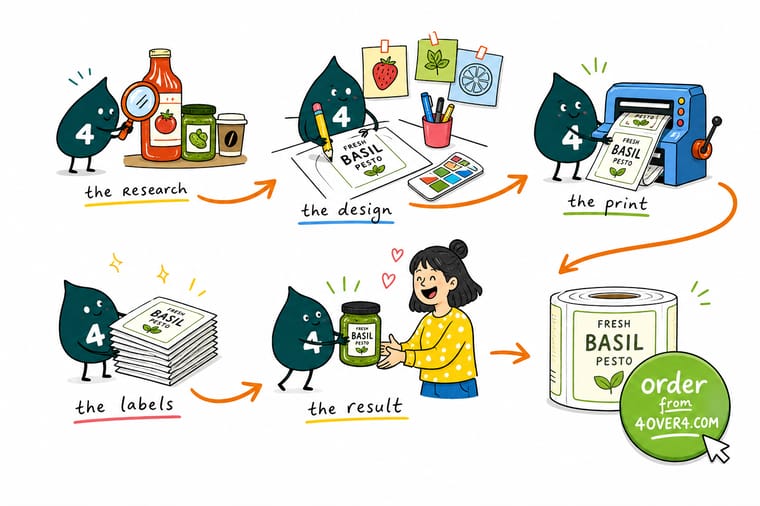
Wally starts with the questions, not the logo: who is this food for, and how should it feel. Then he picks an appetizing palette, sets readable type, and carries the same look across the label, the menu, and the box. A customer who meets the brand on a shelf and again at their door feels one confident story, and that is what makes a small food brand look established.
Order branded food labels →Specs and pricing
Custom label specs and live pricing
Labels carry more of a food brand than anything else. Here are the live specs and price-per-unit for custom labels at 4OVER4.COM, straight from the configurator.
| Quantity | Price Per Unit | Total |
|---|---|---|
| 1 | $25.00 | $25.00 |
Print your brand
Put your food brand on the pieces customers touch
See it in use
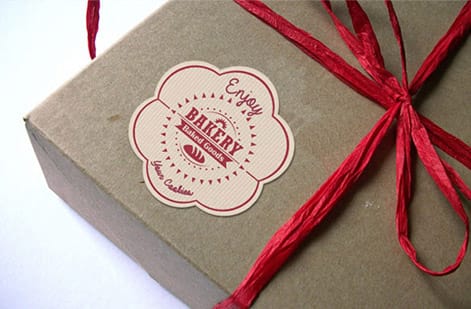
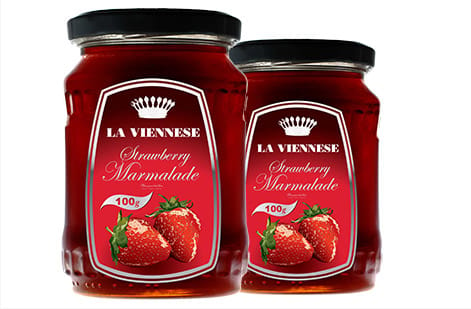
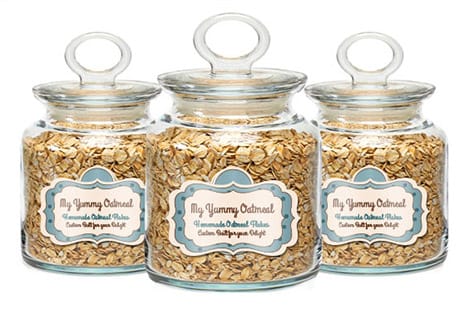
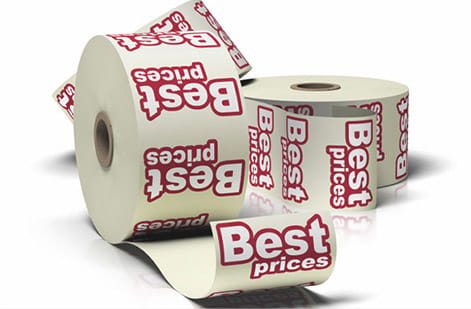
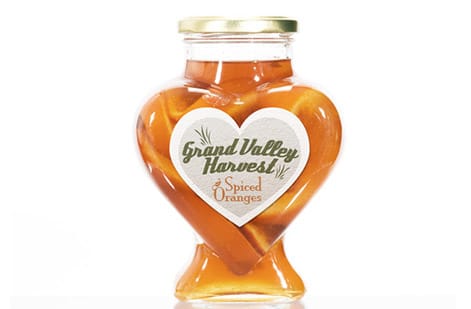
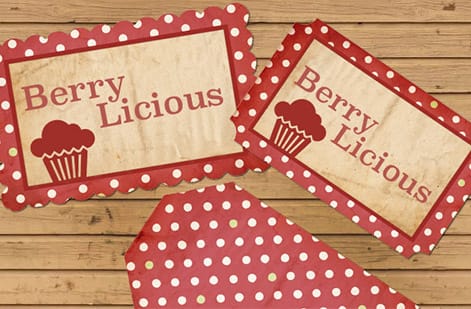
Custom label designs on show

Explore more
Where to go next

By the numbers
Labels, menus, and boxes from one order
Common Questions
Common questions about food and drink branding
What is food and drink branding?
Food and drink branding is the whole identity that surrounds a food or beverage product: its name, logo, colors, typography, packaging, and the story and promise it carries. It is what makes a jar, a bottle, or a menu feel like a specific brand rather than a generic product. Because food is bought largely on appearance and emotion, branding does an enormous amount of the selling, shaping how appetizing, trustworthy, premium, or fun a product feels before anyone tastes it.
What are the basics of food branding?
The basics start with three questions: who is your food for, what does your brand stand for, and how should it make people feel. Answer those and the visual choices follow. From there you build the essentials: a memorable name, a clear logo, an appetizing color palette, readable typography, a consistent packaging and label look, and a short brand story. The goal is a look and feel that is instantly recognizable and consistent everywhere your product appears, from the shelf to the menu to the delivery box.
What colors work best for food branding?
Color carries flavor and emotion in food branding. Warm colors like red, orange, and yellow are associated with appetite and energy, which is why so many fast-food brands use them. Green signals fresh, natural, healthy, and organic. Brown and earthy tones read artisan, rich, and handcrafted, while black and gold read premium and indulgent. The right choice depends on your positioning: a health brand and a decadent-dessert brand should look nothing alike. Pick colors that match the feeling and flavor you are selling.
How do I make my food brand stand out on a shelf?
You stand out by being clearly different, not just pretty. Establish a distinct point of difference, then express it consistently through a strong label, an appetizing color palette, and typography that fits your story. On a crowded shelf, clarity wins: a clean label that instantly communicates what the product is and why it is special beats a busy one. Premium finishes on your labels and packaging, and a consistent look across every product in your range, make a small brand look established and reach out from the shelf.
What printed materials does a food brand need?
Most food and drink brands need labels for jars and bottles, packaging such as boxes and mailers for shipping and retail, menus if they serve or sell prepared food, and hang tags or stickers for a finishing branded touch. Labels usually carry the most, your identity and the legally required information. As the brand grows, custom boxes, tissue paper, and branded stickers turn the unboxing and the shelf presence into brand moments. The right mix depends on whether you sell packaged goods, prepared food, or both.
What does it cost to print food branding materials, and how are prices set?
Cost scales with the product, the quantity, the material, the size, and the finish. Labels start affordable and the per-label price drops as the quantity climbs, while custom boxes and premium finishes sit higher. There is no flat fee for branding itself; you pay for the printed pieces that carry it. You set each option in the configurator and the total updates live, so you can see exactly how quantity or a premium stock changes the number before you order.
Get Started
50 restaurant menus cost $57.11, tissue paper 100 for $126.32
Bring your identity to labels, menus, and packaging, pick your material and finish, and watch your price update live as you build every branded piece.
Legal Disclaimer
Gold Standard guarantees apply to all standard orders placed through 4over4.com. Price match requires verifiable proof of a competitor's published price for an equivalent product with matching specifications and turnaround time. Satisfaction guarantee covers manufacturing defects and print quality issues. Contact support with order number and documentation. On-time delivery rate based on tracked orders 1999 to 2026. Individual results may vary based on shipping carrier performance.
