
What Is Traditional Marketing and Should You Invest in It?


Traditional marketing is the offline half of the funnel: print, direct mail, signage, and broadcast. What it is, which channels still perform, and the honest pros and cons all feed one question, whether it is worth your budget.
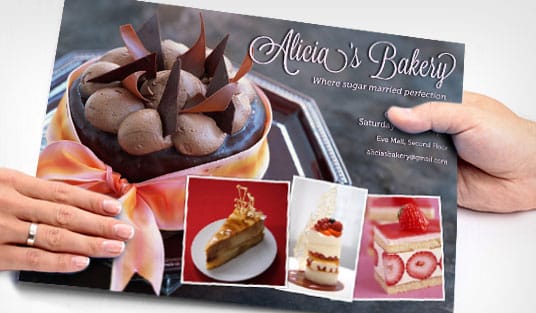
Traditional marketing is any offline way to promote a business. It covers print collateral like flyers, brochures, and postcards, direct mail sent to homes on a route, outdoor signage, and broadcast media. Its edge is tangibility and place, so a mailed or posted piece cannot be blocked or skipped and keeps earning attention long after a digital ad disappears.
Start here
The offline half of the funnel
Traditional marketing is offline promotion you can hold or stand in front of. Print, direct mail, signage, and broadcast reach people away from a screen, which is why a postcard, flyer, or sign keeps working when digital attention is crowded. The channels below show where it pays off, and the checklist further down turns it into a campaign you can measure at 4OVER4.COM.
Why traditional marketing still moves people
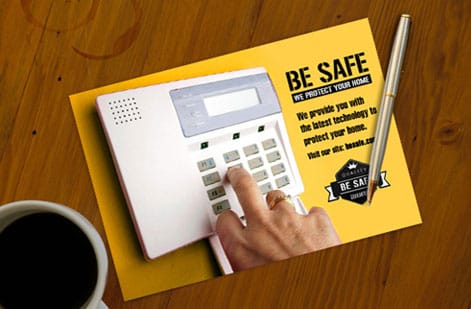
Every screen your customer looks at is fighting for the same second of attention, and most of it gets scrolled past. A printed piece plays a different game. A flyer left on a counter, a postcard on the fridge, or a sign on the corner cannot be blocked, muted, or skipped, and it keeps working long after a digital ad has vanished from the feed.
That is the quiet strength of traditional marketing: it is tangible and it lives in the real world where people actually spend their day. A mailed direct mail postcard reaches a specific street. A stack of business flyers travels wherever your team goes. A brochure sits in a bag and gets read on the ride home. None of that depends on an algorithm deciding to show you.
This guide defines traditional marketing plainly, walks the channels that still earn their keep, weighs the honest pros and cons, and shows which businesses should invest. If you want to skip ahead and start, our online design tool and our Every Door Direct Mail service take you from idea to a mailed piece quickly.
What is traditional marketing?

Traditional marketing is any offline way of promoting a business: the physical and broadcast channels that reach people away from a screen. It is the print, mail, signage, and broadcast side of marketing, distinct from the digital side of search, social, and email.
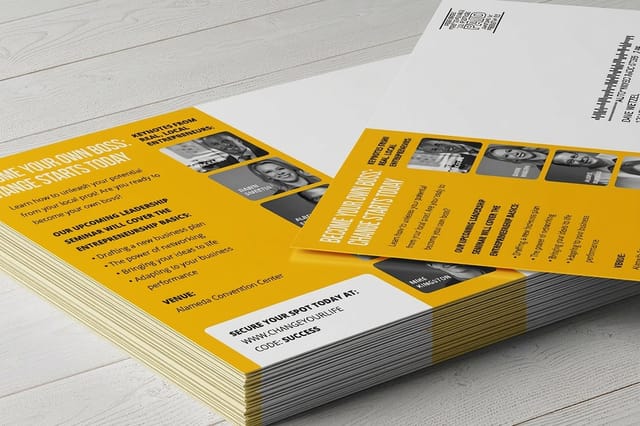
In practice it breaks into a few families. Print collateral covers flyers, brochures, postcards, and business cards. Direct mail sends those pieces to homes and offices, and our EDDM service can blanket a whole postal route without a purchased list. Outdoor and place-based marketing covers yard signs, A-frame signs, and banners. Broadcast covers radio, television, and print advertising in local media.
What unites them is that the message arrives with weight and location. It is held, posted, or displayed rather than served in a feed, and that physical presence is what makes it stick. For the design side of any of these pieces, our kitting and fulfillment and online designer handle the production so you can focus on the offer.
The traditional marketing channels that still perform
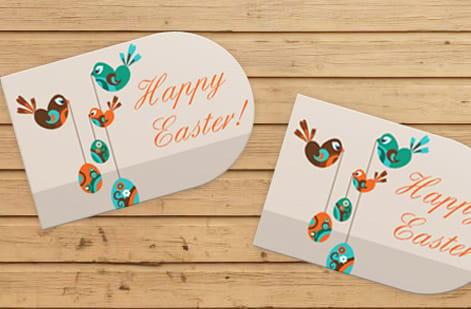
Not every offline channel deserves your budget, so here are the ones that reliably pay their way for small and local businesses. Direct mail is the most targetable: an EDDM postcard lands in every mailbox on a route you choose, which is unbeatable for saturating a neighborhood around a storefront.
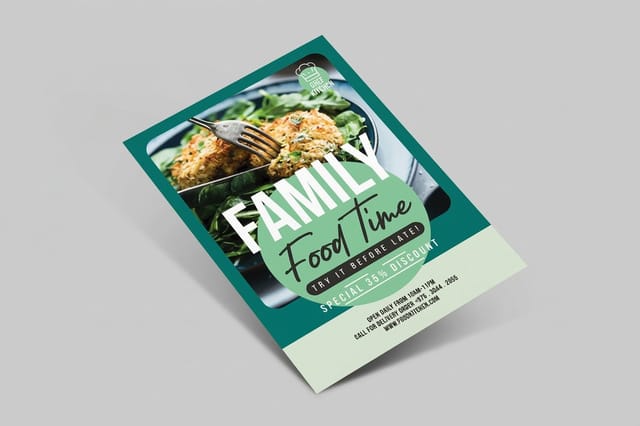
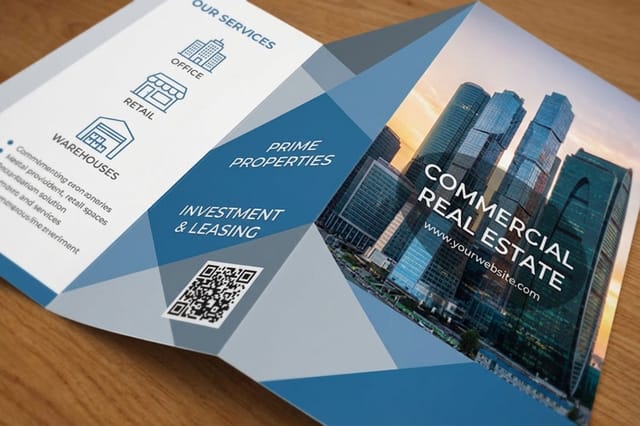
Flyers carry the volume, at the lowest cost per piece for events, door drops, and counter stacks. Brochures earn their place when you have more to explain, giving you three or more panels for services, menus, and price lists. Signage such as yard and A-frame signs is the always-on option, marketing to street and foot traffic around the clock with no repeat cost.
Two more punch above their weight. Business cards are the cheapest in-person impression and the one people keep, and booklets and catalogs feel premium enough to become a leave-behind that survives the trash. Pick one anchor channel, prove it, then layer the next. Our full direct mail and finishing services handle the heavy lifting once you know which piece to lead with.
The benefits of traditional marketing
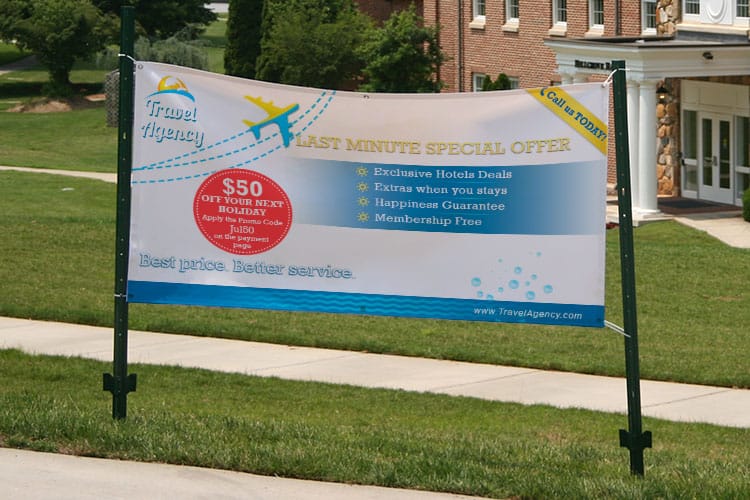
The first benefit is tangibility. A physical piece has presence a pixel cannot match, and presence builds trust. People treat a well-printed brochure or a solid sign as evidence that a business is real and established, which lowers the resistance to buying.
The second is uninterrupted attention. There is no ad blocker for a postcard and no skip button on a yard sign. A mailer sits on the counter and is seen several times over days, so a single piece keeps earning impressions long after you paid for it. Direct mail in particular reaches a defined geography that social platforms cannot promise, since you choose the exact routes.
The third is durability and repeat exposure. Signage works every hour with no ongoing spend, business cards travel in wallets for months, and a catalog can live on a desk for a season. When these pieces carry a QR code or short link, they also feed your digital funnel, turning a physical touch into a trackable visit you can retarget.
The drawbacks, and how to work around them
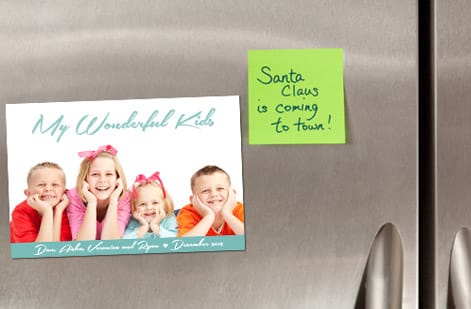
Traditional marketing is not free of trade-offs, and pretending otherwise wastes money. The biggest one is measurement. A click is tracked automatically, while a mailer is not, so response is harder to attribute. The workaround is simple discipline: put a unique QR code, promo code, or dedicated phone number on each printed piece so every response can be traced back to its source.
The second trade-off is cost per person at small scale. A single flyer costs more than a single digital impression, and printing has a minimum. That flips as you scale, because the unit price on flyers, postcards, and brochures drops sharply with quantity, so a larger, well-targeted run gets efficient fast.
The third is turnaround. Print takes days, not seconds, so it rewards planning over reaction. None of these are reasons to skip traditional marketing. They are reasons to run it deliberately, measure it with codes, and pair it with digital so the two cover each other blind spots.
Should your business invest in traditional marketing?
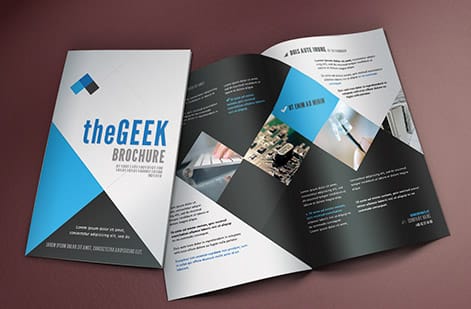
The honest answer depends on who you serve and where. Traditional marketing pays off hardest for local and trust-driven businesses: restaurants and cafes, real estate agents, dentists and clinics, salons, contractors, and any service that draws customers from a defined area. For these, a mailed route or a well-placed sign reaches the exact people who can walk in.
It also suits businesses that need to feel credible in person, where a premium brochure, catalog, or business card does work a banner ad cannot. Real estate is a textbook case, which is why we keep a full real estate marketing collection of signs, mailers, and brochures built for it.
Who should be cautious? A purely online business selling to a national or global audience will usually get more from digital first. Even then, print earns a role for packaging inserts, thank-you cards, and event handouts. For most brick-and-mortar and service businesses, the right question is not whether to invest in traditional marketing but which single printed anchor to start with, then how to measure and scale it.
How to start with print, and what it costs

Starting is cheaper than most owners expect. Pick one goal, one channel, and one offer, then run a modest test. Flyers are the lowest entry point, an EDDM postcard is the best neighborhood-saturation buy, and a brochure is worth it when you have a fuller story to tell.
Cost turns on a few levers: quantity, size, stock, and finish. More pieces lower the unit price, so a short test run proves the offer and a larger reprint of the winner gets efficient fast. You set each option in the configurator and the total updates live, so you can see exactly what a heavier stock or a bigger route does to the number before you order.
From there it is design and print. Build the piece in our online design tool or hand it to a designer, order free paper samples to feel the stock first, and use the live specs and pricing below to lock in your run. Keep one clear call to action, add a trackable code, and you have a traditional marketing campaign that pays for itself.
Wally puts your brand in a customer hand
Offline reach that no ad blocker can stop
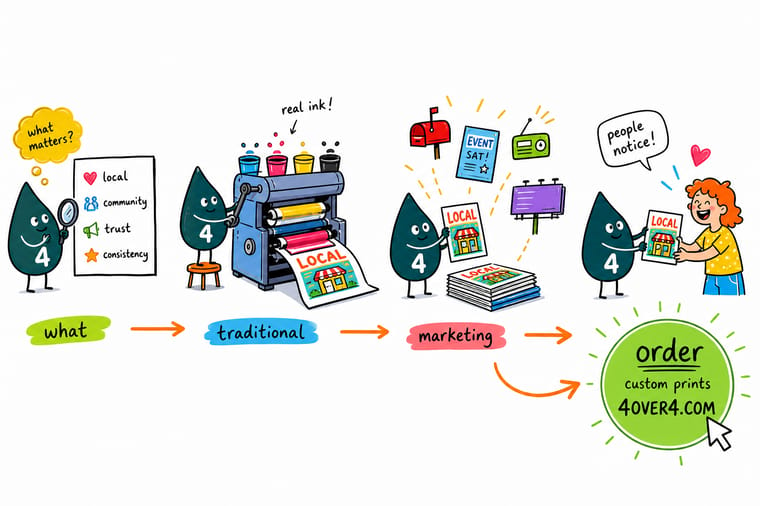
Wally treats traditional marketing as the half of the funnel that lives in the real world. A mailed postcard on the fridge, a flyer on the counter, a sign on the corner: each one keeps working with no scroll and no skip. Pick one printed anchor, add a trackable code, and 4OVER4 prints the run that reaches the exact neighborhood you serve.
Order direct mail postcards →Quick reference
Traditional marketing channels at a glance
Each printed channel does a different job. Match the piece to your goal and geography, then set the specs on its product page.
| Channel | Typical format | Best for |
|---|---|---|
| Direct mail (EDDM) | 6.5 x 9 in postcard | Mails to every home on a route without a purchased list, ideal for saturating a neighborhood around your business. |
| Flyers | 8.5 x 11 in, 100lb gloss | The cheapest per-piece handout for events, counters, and door drops when you need volume and reach fast. |
| Brochures | Tri-fold, 3 panels | Room to tell a fuller story, so it fits services, menus, and price lists that a single card cannot hold. |
| Yard and A-frame signs | 18 x 24 in and up | An always-on channel that markets to foot and street traffic around the clock at no repeat cost. |
| Business cards | 3.5 x 2 in | The lowest-cost impression you can make in person, and the one people are most likely to keep. |
| Booklets and catalogs | Saddle-stitched | A premium, high-detail piece for showrooms, mailers, and leave-behinds that need to feel substantial. |
Step by step
Launch a traditional marketing campaign in 6 steps
- Pick the goal before the channelDecide whether you want foot traffic, phone calls, or a new-customer offer redeemed. The goal tells you which printed piece to run first.
- Map your service areaTraditional marketing is strongest when it is local. Draw the radius or the specific routes you serve, then match a channel to it, such as EDDM postcards for a whole route.
- Choose one anchor pieceStart with a single anchor: a mailed postcard, a flyer, or a brochure. Nail one before you add a second channel.
- Design with one clear offerGive people a single reason to act and one way to respond. Use our online design tool or hand it to a designer, then keep the call to action large and unmistakable.
- Bridge print to digitalAdd a short URL or QR code so a physical piece drives a measurable online visit, and retarget those visitors afterward.
- Print a test run and measureOrder a modest quantity, track the response with a code or a dedicated phone number, then reprint the winner at a larger, cheaper run.
Specs and pricing
Direct mail postcard specs and live pricing
The most targetable traditional channel is direct mail. Here are the live specs and price-per-unit for direct mail postcards at 4OVER4.COM, straight from the configurator.
| Quantity | Price Per Unit | Total |
|---|---|---|
| 500 | 17.9¢ | $89.68 |
| 1,000 | 17.1¢ | $170.53 |
| 2,000 | 9.35¢ | $186.95 |
| 3,000 | 6.84¢ | $205.13 |
| 4,000 | 5.58¢ | $223.31 |
| 5,000 | 4.83¢ | $241.51 |
| 6,000 | 4.56¢ | $273.85 |
| 7,000 | 4.37¢ | $306.18 |
Print it
Start your traditional marketing at 4OVER4
See it in use
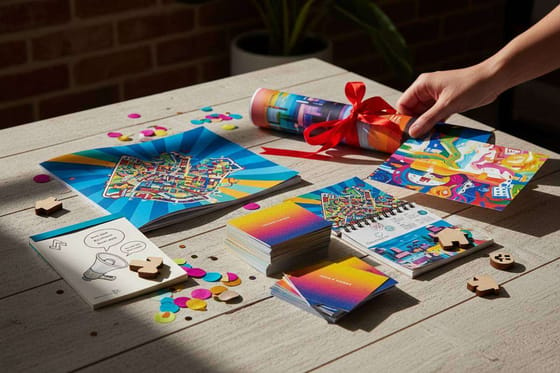
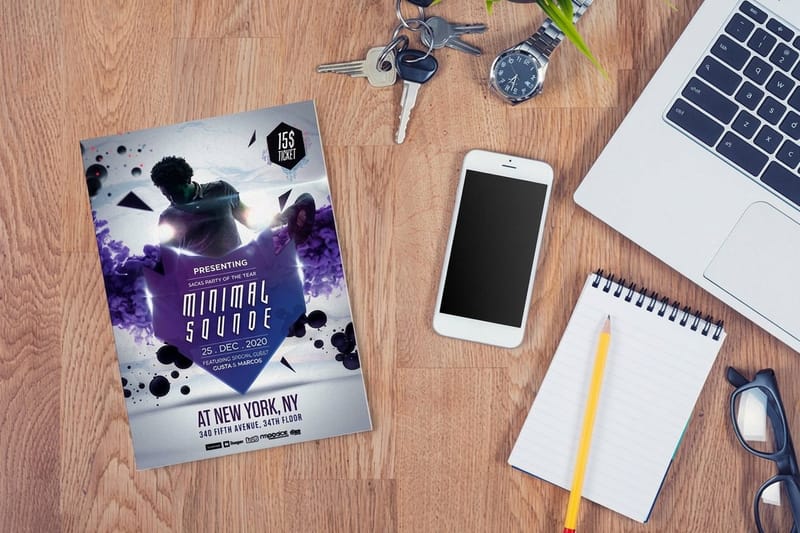
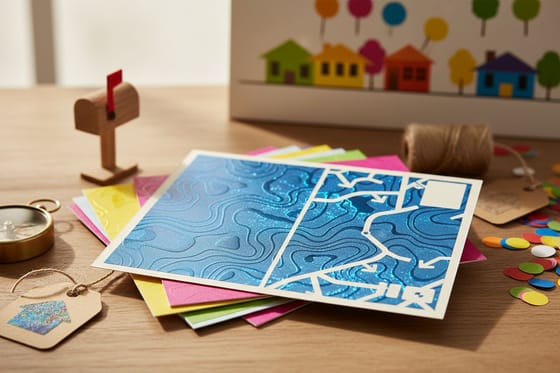
Real marketing print, produced in-house





Explore more
Where to go next

By the numbers
Print stock choices behind an offline campaign
Common Questions
Common questions about traditional marketing
What is traditional marketing?
Traditional marketing is any offline way of promoting a business, the physical and broadcast channels that reach people away from a screen. It includes print pieces like flyers, brochures, postcards, and business cards, direct mail sent to homes and offices, outdoor signage such as yard signs and A-frames, and broadcast media like radio, television, and print ads. What ties them together is tangibility and place: the message arrives in a hand, on a counter, or along a street rather than in a feed, which is exactly why it still cuts through when digital attention is crowded.
What are the benefits and drawbacks of traditional marketing?
The benefits are that printed and physical pieces are tangible, hard to ignore, and immune to ad blockers, they build local trust, and a single mailer or sign can be seen many times. Direct mail in particular reaches a defined geography with no follow, like, or algorithm in the way. The drawbacks are that tracking is less precise than a click, the smallest campaigns cost more per person than a digital impression, and turnaround is measured in days rather than seconds. The fix is to blend the two: use print for reach and trust, then use a code or landing page so the response is measurable.
Which offline channel fits a local budget?
Match the channel to the goal and the geography. For saturating a neighborhood, every-door direct mail postcards reach every address on a route without a purchased list. For events and high-volume handouts, flyers are the cheapest per piece. For services or menus that need explaining, a tri-fold brochure gives you room. For always-on street presence, yard and A-frame signs work around the clock. Most local businesses start with one anchor piece, prove it, then layer a second channel on top.
What does a traditional marketing campaign cost and how are prices set?
Cost scales with the channel and the quantity. Flyers are the lowest entry point per piece, postcards and brochures sit a step up, and signage is a one-time buy that keeps working. Across every product the unit price falls as the run grows, so a larger order is cheaper per piece. On each product page you set size, stock, and finish in the configurator and the total updates live, which lets you see exactly what a heavier stock or a bigger route does to the number before you commit.
What sizes, stocks and finishes are available?
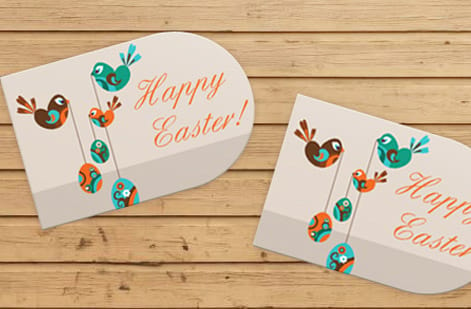
Plenty. Flyers run from pocket size up to 8.5 by 11 inches on gloss, matte, or uncoated stocks. Postcards for direct mail come in EDDM-ready 6.5 by 9 inch and standard sizes on heavy 14pt and 16pt stock. Brochures fold in half, tri-fold, or Z-fold on text and cover weights. Finishes range from gloss and matte to soft touch, spot UV, and foil. Order free paper samples first so you can feel the stock in hand before your run goes to press.
Is traditional marketing still worth it in a digital world?
Yes, when it is used deliberately. Traditional marketing is not a replacement for digital, it is the half of the funnel digital struggles to own: physical presence, local trust, and repeated real-world exposure. A postcard on the fridge or a sign on the corner keeps working with no ongoing ad spend, and it lends credibility that a fleeting ad rarely does. The businesses that win pair a strong printed anchor with a digital follow-up, so each channel covers the other one blind spot.
Get Started
Mail 500 postcards for $89.68 in 4 business days
Start a traditional marketing campaign with 4OVER4.COM. Print the direct mail, flyers, or brochures that reach your neighborhood, and watch your price update live as you set the run.
Legal Disclaimer
Gold Standard guarantees apply to all standard orders placed through 4over4.com. Price match requires verifiable proof of a competitor's published price for an equivalent product with matching specifications and turnaround time. Satisfaction guarantee covers manufacturing defects and print quality issues. Contact support with order number and documentation. On-time delivery rate based on tracked orders 1999 to 2026. Individual results may vary based on shipping carrier performance.
