
What Is an ACM Sign? The Complete Aluminum Sign Guide


Tobias is our voice for cutting, binding and large format, built from the knowledge of our production team, with over 20 years in printing.
Aluminum composite is the panel behind most of the rigid signage you see every day. This guide explains how the material is built, which thickness to order, how it compares to coroplast and solid metal, and what it costs to print one.
An ACM sign is a sign printed on aluminum composite material, a rigid panel made from two thin aluminum sheets bonded to a solid plastic core. That sandwich keeps the sign perfectly flat, cuts the weight of solid metal, and shrugs off rain and sun without rusting, rotting or warping. It comes in 3mm and 6mm, takes UV ink directly on the coated face, and mounts with screws, standoffs, cleats, posts or frames.
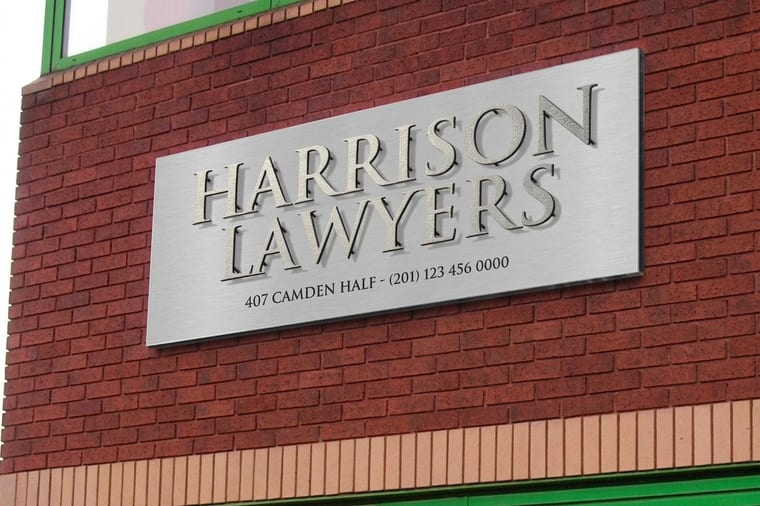
Start here
What sits between the two aluminum skins
ACM stands for aluminum composite material. A panel is two thin aluminum skins bonded to a solid plastic core, which makes it rigid, light and genuinely weatherproof. Signs are printed with UV ink straight onto the coated face, cut to any custom size from full sheets, and finished with radius corners or drilled holes. Order 3mm for wall mounted work and 6mm for post mounted or oversized panels, add a laminate if the sign faces the sun, and it will hold color for years.
ACM signs
ACM signs you can order, size by size
An ACM sign is a full-color print on a rigid aluminum panel, and the aluminum sign panel listing prints one from $29. Standard sizes run from 11 by 17 up to 30 by 40 inches, and any custom size in between, on a 1/8 inch aluminum sign panel. Standard production is 4 business days, with 3, 2 and 1 day options when the sign has to go up sooner.
Why ACM became the default panel for outdoor signs
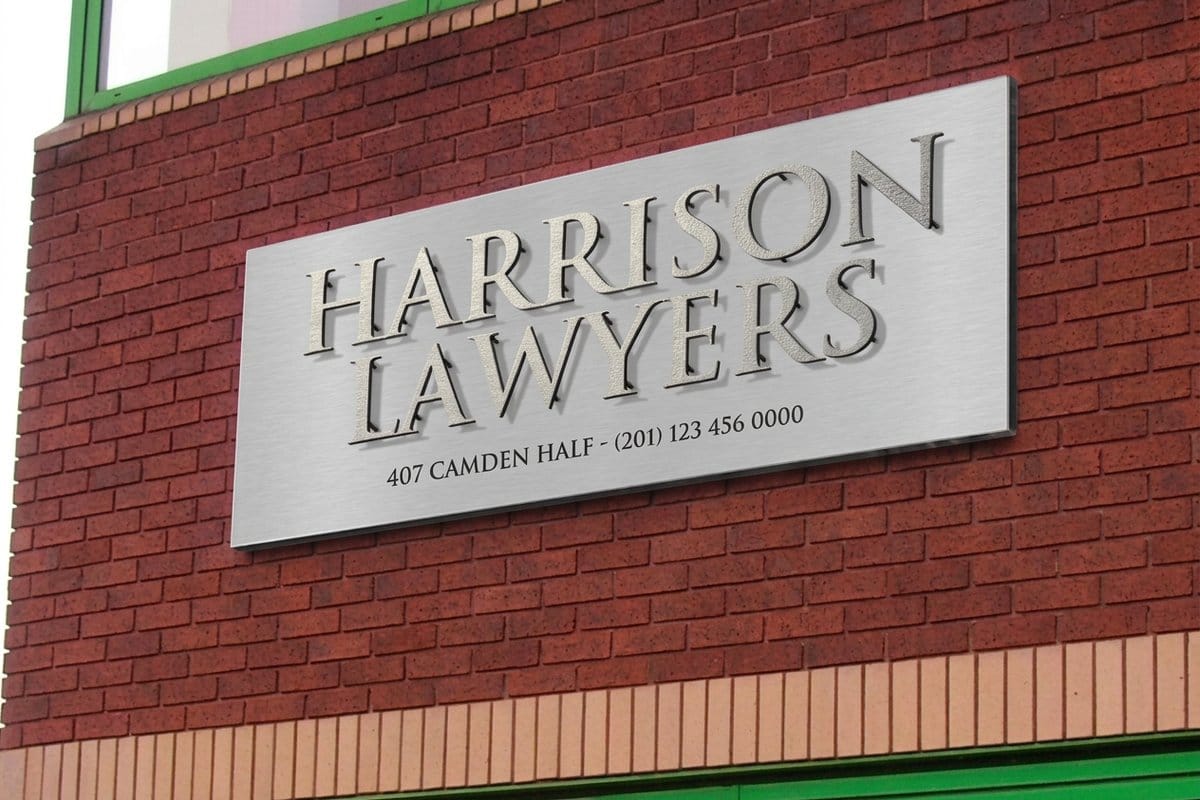
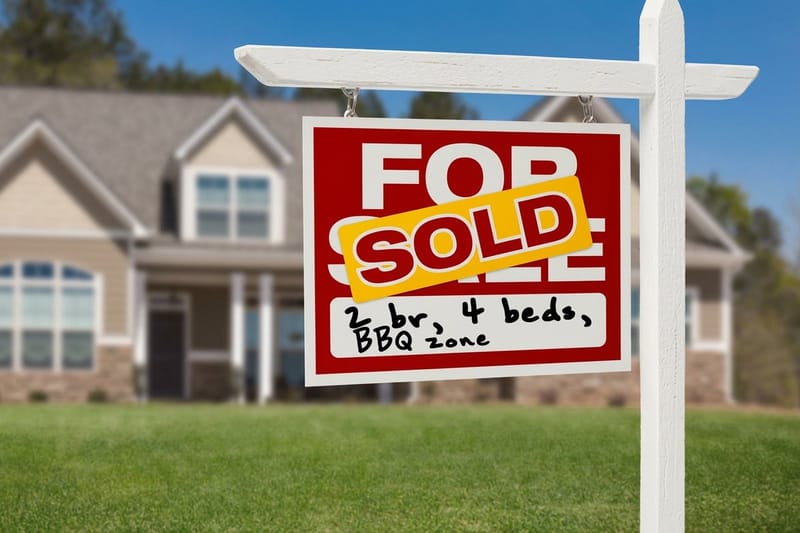
Walk any commercial street and most of the rigid signage you pass is aluminum composite. It is on the realtor listing board, the contractor fence, the parking reminder by the loading dock and the storefront panel above the door. Standard panels run from 11 by 17 up to 30 by 40 inches, which covers the listing board and the parking reminder alike. The material won that job quietly, by being the one substrate that stays flat, stays colorfast and stays cheap enough to reorder.
The reason is the construction. Solid metal is heavy and expensive, plastic sheet warps in the sun, and wood needs sealing and repainting. Aluminum composite splits the difference by wrapping a light plastic core in real aluminum, so you get a metal surface at a fraction of the weight and none of the maintenance. A printed aluminum sign panel hung in March still looks intentional in November, which is more than most sign materials can claim.
This guide covers what the material is, how thickness and finish are chosen, how it compares to the alternatives, how to mount it, and what it costs. If you already know you need one, the aluminum sign printing category prices every size live.
What an ACM sign actually is
ACM stands for aluminum composite material. The panel is a sandwich: a thin sheet of aluminum on the front, a thin sheet on the back, and a solid thermoplastic core bonded between them under heat and pressure. Neither layer would be much use alone. The aluminum is too thin to hold itself rigid, and the core is too soft to take a knock. Bonded together they behave like a stiff, dent resistant board.
That structure explains every property people like about the material. The panel is rigid because the two metal faces sit far apart around a light core, which is the same trick that makes an I beam strong. It is light because the middle is plastic rather than metal. It is weatherproof because the exposed surface is aluminum, which oxidizes into a stable skin instead of rusting through. And it is flat because the bonding process cures the sheet under tension, so it does not relax into a curve later.
The faces arrive already coated in a baked finish, which is what your ink prints onto. That coating is the difference between a sign that holds color and a raw metal sheet that does not. Across the aluminum printing collection the same composite shows up as flat panels, A frame inserts and floor graphics, all built on that identical sandwich.
When you order an ACM sign, four choices set the finished piece:
- Printing: full color on the front, or on both sides for a sign read from two directions.
- Finish: a 2.5 mil gloss or matte laminate over the ink.
- Corners: rounded at a 1/4 inch radius.
- Holes: none, all four corners, the top corners, or center top and bottom, drilled to match how you mount it.
Upload the artwork at the finished size, and the panel goes to press as you set it.
Thickness, sheet sizes and how ACM gets cut

Two thicknesses cover nearly all sign work. Three millimeter is the everyday panel: light enough to hang with two screws, rigid enough for anything you would mount flat against a wall or slide into a frame. Six millimeter is the heavy option, chosen when the sign spans a wide gap between mounting points, gets post mounted where wind loads it from both sides, or needs to survive being carried around a job site.
The practical rule most sign shops use is simple. Under about eight square feet, wall mounted, 3mm is fine. Above that, or anywhere the panel is only supported at two points, step up to 6mm and the sign stops rippling in a gust. That ripple, called oil canning, is the single most common complaint about undersized panels, and it is a thickness problem rather than a printing problem.
Panels are cut from full sheets, so size is genuinely custom. Ask for 11x17, 18x24, 24x36 or a long 12x48 strip and you pay for the area, not for a special order. Finishing happens on the same table: radius corners so nobody catches a hand on a sharp edge, drilled holes on your centers so the sign lines up with existing hardware, and clean square trims for frame inserts.
- 3mm: storefront panels, real estate signs, parking and directional signs, frame inserts.
- 6mm: post mounted signs, large format wall panels, construction and site signage.
- Finishing: radius corners, drilled mounting holes, custom trims and cutouts.
How the graphics get onto the panel
There are two ways to put an image on aluminum composite, and they age very differently. Direct UV printing fires ink onto the coated face and cures it instantly with ultraviolet light, so the image is bonded to the panel itself. Vinyl application prints onto adhesive film and squeegees that film onto the board. Vinyl is fine work when it is done well, but every edge and seam is a place that can eventually lift. Direct printing has no edges to lift because there is no separate layer.
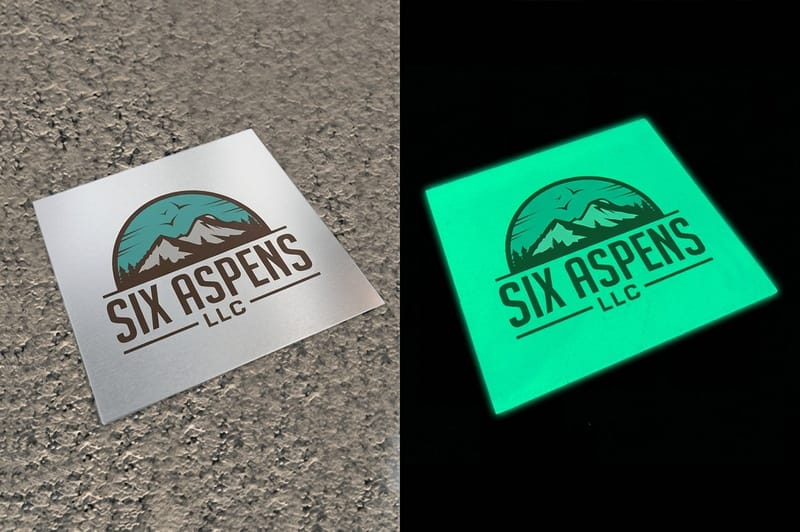
Face finish is the other half of the decision. Gloss white gives the punchiest color and the sharpest contrast, which is what you want for a sign read from a moving car. Matte white kills reflections, which matters for anything mounted where sun or storefront lighting glares back at the reader. If you want the metal to be part of the design rather than a canvas, brushed finishes let the aluminum show through the lighter areas of the artwork.
A protective laminate is worth adding on any sign that lives outdoors or gets touched. It slows fade, shrugs off scuffs from cleaning, and on floor applications it is what provides the slip rating. Our aluminum floor graphics use exactly that construction, and when the surface will not accept a rigid panel at all, the aluminum adhesive foils deliver a similar metallic look with an adhesive back.
ACM signs versus coroplast, foam PVC, acrylic and solid aluminum
Choosing a sign substrate is mostly a question of how long the sign has to live and how much abuse it takes. The common options behave in predictable ways once they are out in the world.
- Coroplast, or corrugated plastic: the cheapest rigid option and the shortest lived. The internal flutes telegraph through the print at an angle, the edges crush when handled, and sunlight makes the plastic brittle. Right for a two week yard sign, wrong for a storefront.
- Foam PVC sheet: smooth, light and easy to cut, with a better print surface than coroplast. Its weakness is heat, because the sheet expands and can bow when it bakes on a sunny wall. Excellent indoors, unreliable in a summer facade.
- Acrylic: beautiful, glossy and premium looking, and the material of choice for lobby and office signage. It is also heavy for its size, expensive, and it cracks rather than dents if something hits it.
- Solid aluminum: the toughest of the group and the reference point for durability. You pay for it in both cost and weight, and mounting hardware has to be sized accordingly.
- ACM: the compromise that wins most jobs. Near the durability of solid metal, close to the weight of plastic sheet, priced between the two, and flat enough to print like a photograph.
If you are comparing what a national chain quotes against a trade printer, the breakdowns on our metal sign alternative page and the A frame alternative comparison line the specs up honestly, thickness against thickness.
How to mount an ACM sign so it stays put
Mounting is where good panels get ruined. Aluminum composite drills cleanly, but the core is soft, so a fastener torqued down hard will dimple the face around the hole. Use a washer or a finished grommet to spread the load, and leave the screw snug rather than crushed. On a painted or textured wall, that one habit is the difference between a flush sign and a puckered one.
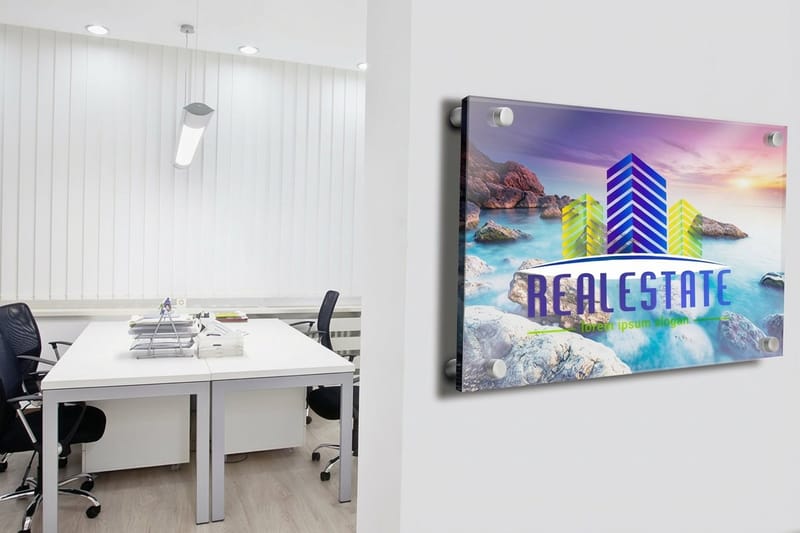
Pick the method by wall and by look. Screws through drilled holes are fast, honest and reversible. Standoffs float the panel off the wall by an inch and read as an architectural detail, which is why they show up on office and lobby signage. Z clips and French cleats hide all hardware for a clean floating look and carry weight better than any single fastener. Adhesive tapes and silicone work on smooth interior surfaces, but they are not a plan for a windy exterior.
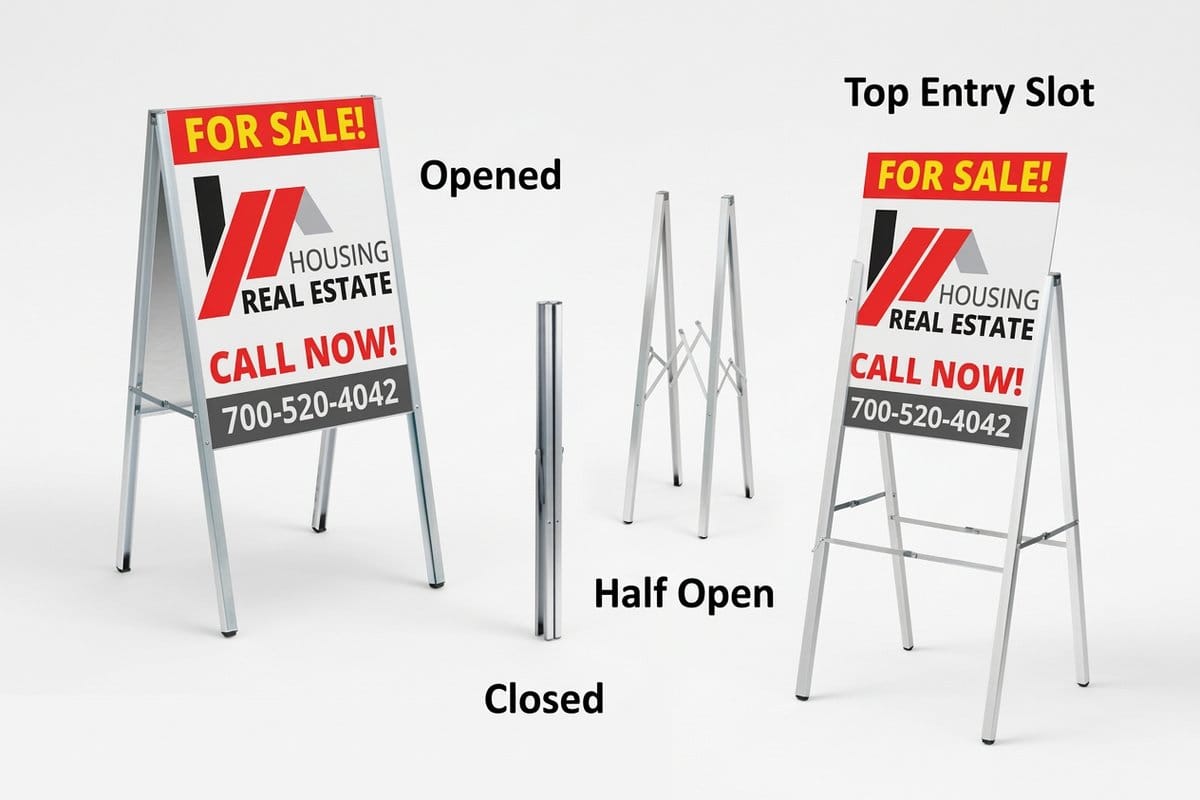
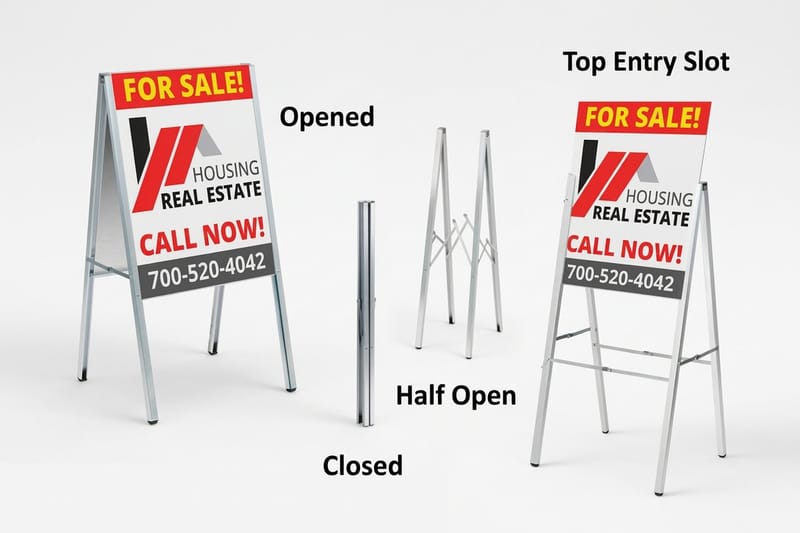
For anything freestanding, let the frame do the work. Post mounting suits property, site and directional signs, while a folding aluminum A frame takes a printed panel and turns it into a sidewalk sign you can put out at open and bring in at close. Wherever the sign goes, plan the drill points at artwork stage so no hole lands in a logo.
Outdoor lifespan, cleaning and when to replace
An ACM sign usually outlives its own message. The panel itself is effectively inert: it does not rust, rot or absorb water, so the thing that eventually dates the sign is either the ink or the information on it. Fade is driven by direct sun exposure, so a north facing panel and a south facing panel age at very different rates even in the same parking lot.
Two choices extend the life meaningfully. A UV laminate takes the first hit from sunlight and abrasion instead of the ink. Mounting the sign where it gets some shade, or at least is not aimed at the afternoon sun all day, does the rest for free. Neither is expensive, and together they are the difference between a sign that still looks new next year and one that has gone chalky.
Cleaning is deliberately boring. Mild soap, warm water, a soft cloth, rinse. Skip solvents, skip abrasive pads, and never take a pressure washer to a laminated face. Replace the panel when the message changes, when the mounting holes have elongated, or when fade has flattened the contrast enough that the sign is no longer readable from where people actually stand. For inspiration on what to put on the next one, our outdoor business sign ideas are a good starting list.
What ACM signs cost and how to order one
Pricing on rigid signage is refreshingly transparent because it is mostly area. Square footage sets the base, thickness moves it up a step, and quantity pulls the per piece price down as setup gets spread across the run. Finishing options such as radius corners, drilled holes and laminate add a small, predictable amount each. There is no mystery surcharge hiding at checkout.
To put real numbers on it, Aluminum Sign Panels start at $29, Aluminum Floor Graphics also start at $29, and a complete Aluminum A Frame with its printed inserts starts at $146.07 because you are buying the hardware along with the graphics. Configure a size and quantity and the exact price updates before you commit to anything.
Ordering runs in one pass. Pick the product, set size, thickness and quantity, add corners, holes or laminate, then upload artwork built to the template with bleed included. Preflight checks resolution and trim before the file reaches the press. If you are still weighing sidewalk options, the A frame comparison against Vistaprint is worth two minutes first, and the full aluminum sign printing range is one click away.
Wally explains ACM
Two skins, one core, zero rust
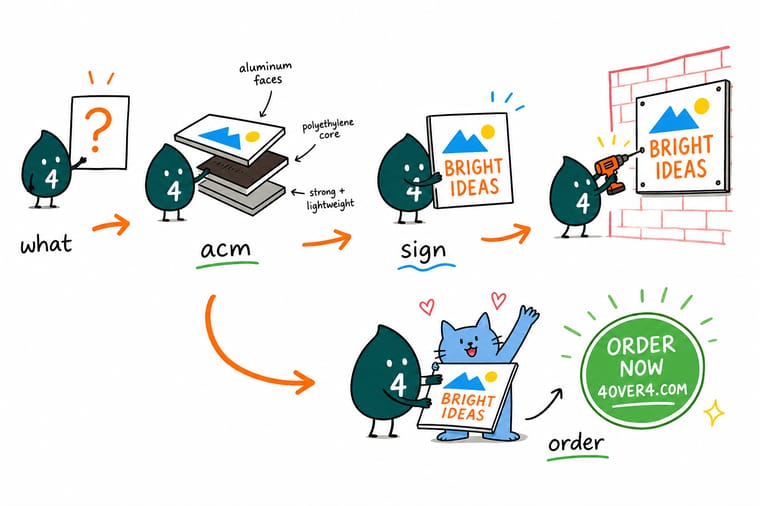
Wally likes to snap a corner off a sample panel to show people what they are buying. Inside there is no mystery, just a plastic core with aluminum bonded to both faces. That is the whole trick. The metal takes the weather and the ink, the core keeps it light and flat, and the sign stops being a maintenance problem the moment it goes up on the wall.
Design and print aluminum signs →%22%2F%3E%3Ccircle%20cx%3D%2243%22%20cy%3D%2245%22%20r%3D%2228%22%20fill%3D%22%23a78bfa%22%20opacity%3D%220.15%22%2F%3E%3Ccircle%20cx%3D%2280%22%20cy%3D%2262%22%20r%3D%2226%22%20fill%3D%22%23a78bfa%22%20opacity%3D%220.1%22%2F%3E%3Crect%20x%3D%2273%22%20y%3D%2221%22%20width%3D%2228%22%20height%3D%2232%22%20rx%3D%224%22%20fill%3D%22%23a78bfa%22%20opacity%3D%220.08%22%20transform%3D%22rotate(8%2080%2030)%22%2F%3E%3C%2Fsvg%3E)
Infographic
The anatomy of an ACM sign at a glance
Seven panels cover the material: the two aluminum skins, the solid core, the 3mm or 6mm thickness, rust resistance, UV printing, mounting and lifespan. Send it to whoever signs off on the job, then order the panel from 11 by 17 up to 30 by 40 inches.
Thickness, finish and mounting are decided together, not one at a time. Settle all three before artwork and the panel arrives ready to hang.
Specs and pricing
Aluminum sign panel specs and live pricing
The panel this guide keeps pointing at prints on a 1/8 inch aluminum sign panel from $29, in standard sizes from 11 by 17 to 30 by 40 inches or any size, with a gloss or matte laminate and 4 business days of production. Change size, thickness or quantity and the number updates before you order.

| Quantity | Price Per Unit | Total |
|---|---|---|
| 1 | $29.00 | $29.00 |
Print it
Aluminum sign panels we ran and cut
Three aluminum products sit on this line: flat sign panels from $29 in 4 business days, satin silver aluminum A-frames that hold two 22 by 28 or 24 by 36 inch signs from $146.07, and aluminum floor graphics from $29 in sizes from 9 by 18 inches up.
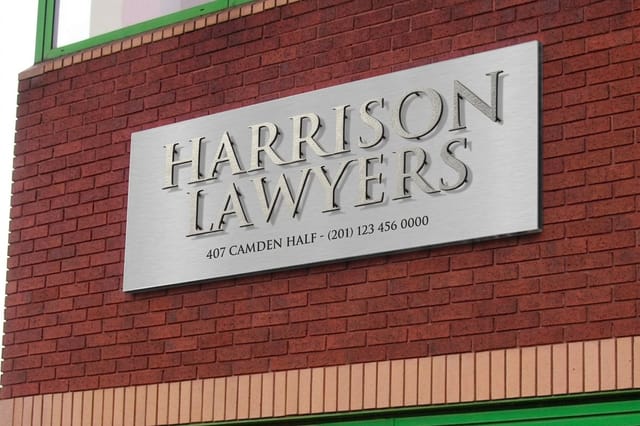
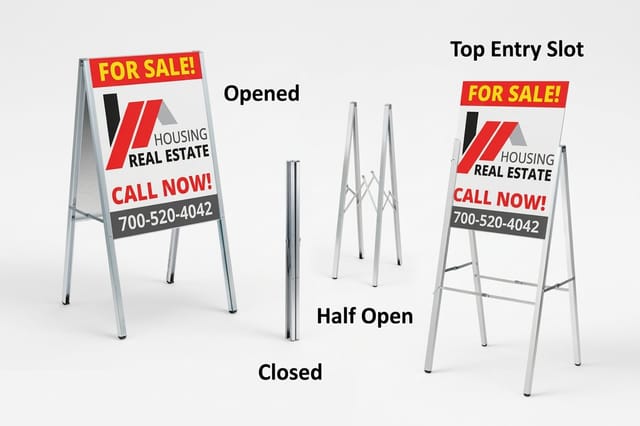
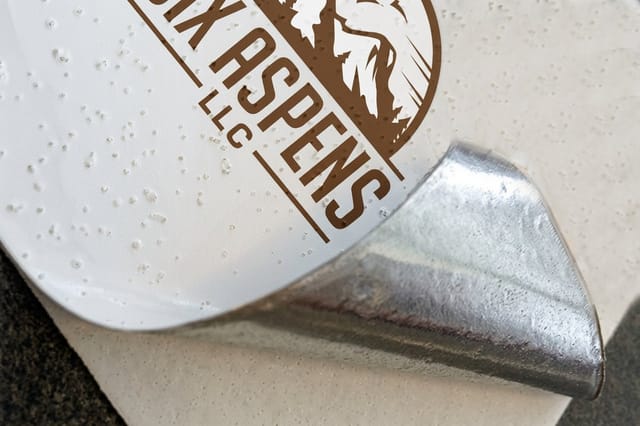
Customer aluminum panels
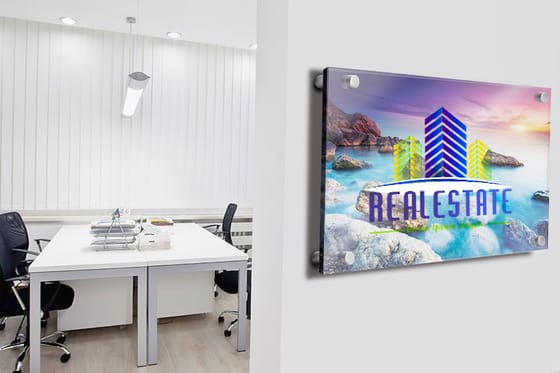
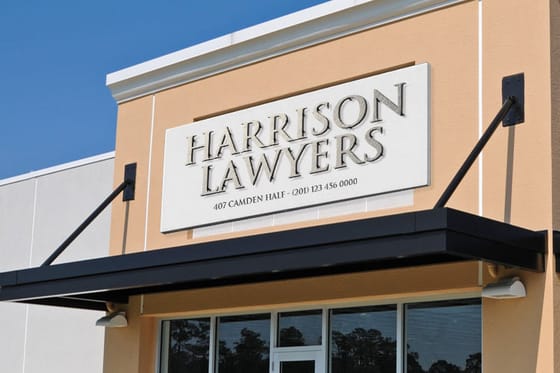
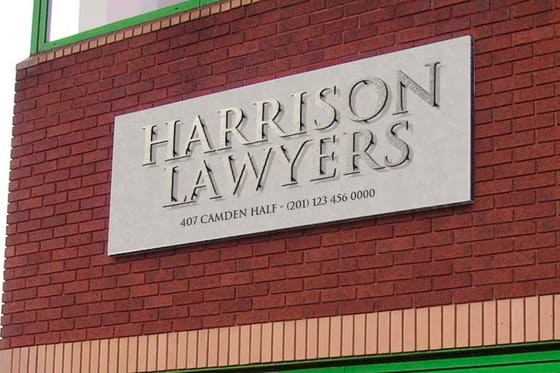
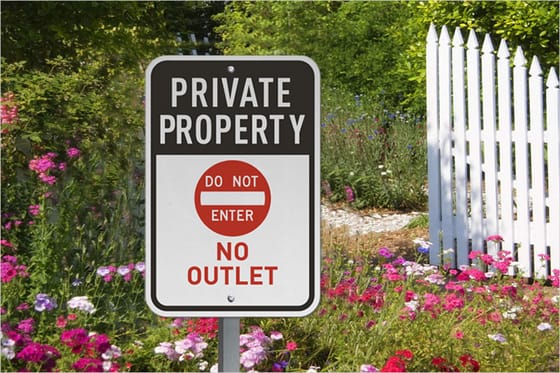
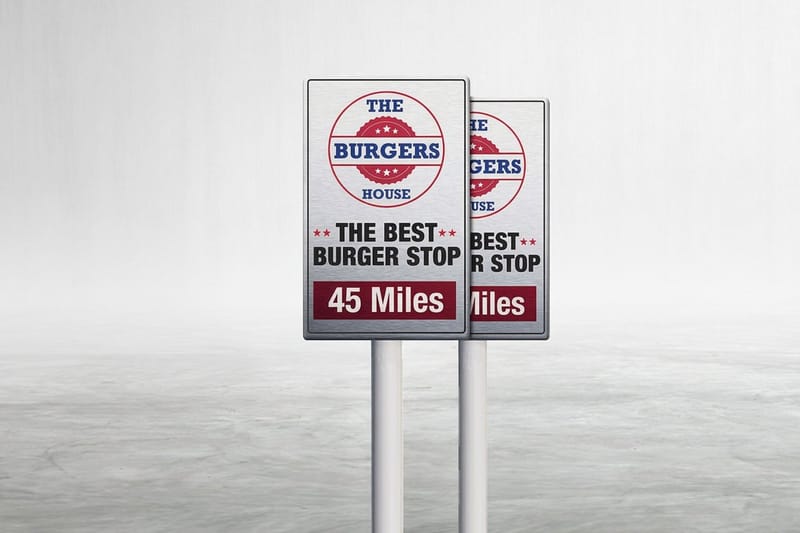
More ACM panel work off our own line





Explore more
Where to go next

By the numbers
The catalog an aluminum panel order sits in
Common Questions
Common questions about ACM signs
What is an ACM sign?
An ACM sign is a rigid sign printed on aluminum composite material, a panel made of two thin aluminum sheets bonded to a solid plastic core. The result is a flat, lightweight board with a metal surface and none of the flex you get from corrugated plastic. It is the standard substrate for storefront signs, real estate signs, wayfinding, parking and construction signage because it survives weather without rusting, rotting or warping.
Should I use 3mm or 6mm?
Start with where it lives. Wall mounted signs under about eight square feet do fine in 3mm. Anything post mounted, hung, or larger than that is safer in 6mm because the extra rigidity stops the panel from oil canning in wind. Then pick the face finish, decide whether you need a laminate for sun and scratch protection, and choose your mounting holes before you send the file so the drill points miss your artwork.
What does an ACM sign cost and how are prices set?
Aluminum Sign Panels start at $29, and the price moves with four things: panel size, thickness, quantity and finishing. Square footage is the biggest lever, thickness is next, and options like radius corners, drilled holes and laminate add a small amount per piece. Quantity discounts are real here because setup is spread across the run, so ten signs almost never cost ten times one.
What sizes, stocks and finishes are available for ACM signs?
Panels are cut to custom sizes from full sheets, so common formats like 12x18, 18x24, 24x36 and 48x96 inches are all standard, and odd sizes cost the same per square foot. Stock choices are 3mm and 6mm aluminum composite. Faces come in gloss white and matte white for printed graphics, with brushed metal looks available when you want the aluminum itself to be part of the design.
How long does an ACM sign take to print and ship?
Production is measured in business days after your file passes preflight, and turnaround options appear live in the configurator once you pick size and quantity. Rigid panels ship flat and boxed rather than rolled, so allow transit time for a bulky freight-style parcel on the larger sizes. Uploading print ready artwork with correct bleed is the single fastest way to keep the job on schedule.
Is an ACM sign better than a coroplast sign?
For anything meant to stay up past a season, yes. Coroplast is corrugated plastic, cheap and light, but the flutes show through the print, the edges crush, and sun makes it brittle. ACM prints like a photograph, holds its shape, and takes hardware without tearing. Coroplast still wins for a two week yard sign or a one time event where the sign is disposable.
Can ACM signs be used indoors and on floors?
They can. Indoors the panel is popular for menu boards, lobby signage and directories because the flat metal face reads as premium and never yellows the way foam board does. For floors you want the version built for it, with an anti slip laminate rated for foot traffic, which is exactly what the Aluminum Floor Graphics product is designed and tested to do.
Get Started
Aluminum A-frames cost $146.07, four business days
Pick a size, choose 3mm or 6mm, add corners and mounting holes, and upload your artwork. We print it on the panel and ship it flat, ready to hang.
Legal Disclaimer
Gold Standard guarantees apply to all standard orders placed through 4over4.com. Price match requires verifiable proof of a competitor's published price for an equivalent product with matching specifications and turnaround time. Satisfaction guarantee covers manufacturing defects and print quality issues. Contact support with order number and documentation.
