
What Barricade Tape Is and When to Use It


Barricade tape is a printed plastic warning ribbon strung to mark off hazards. What it is, what it is used for, and what the colors mean all come before ordering custom printed rolls.
Barricade tape is a bright, printed plastic ribbon strung between posts to mark off a hazard or restricted area. It is a visual barrier, not an adhesive tape. Color signals severity: red for danger or keep out, yellow for caution. It goes up in seconds on sites, at events, and around spills, and it can be custom printed with your own message.
Start here
A printed ribbon that marks a hazard
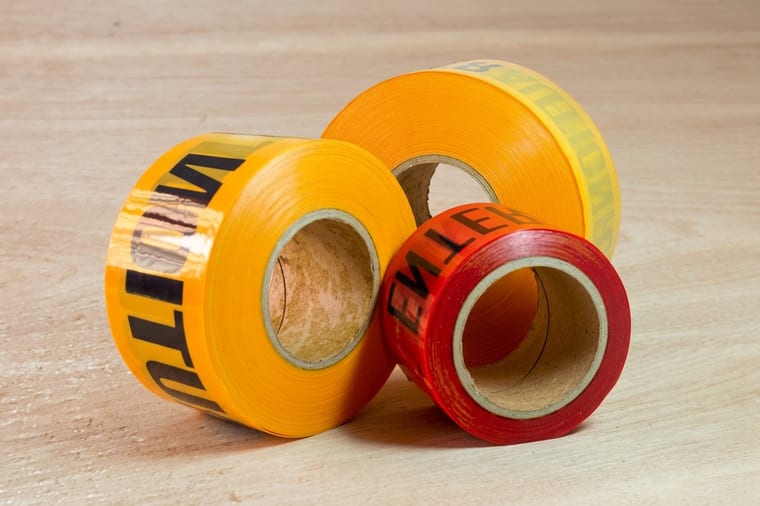
Barricade tape is a brightly colored, printed plastic ribbon strung between posts to mark a hazard or restricted area. It is a visual barrier, not an adhesive tape. Red signals danger or keep out, yellow signals caution. It goes up fast on construction sites, at events, and around spills, comes down when the hazard clears, and can be custom printed with your own message. The diagram below breaks down its anatomy and color codes.
What barricade tape is
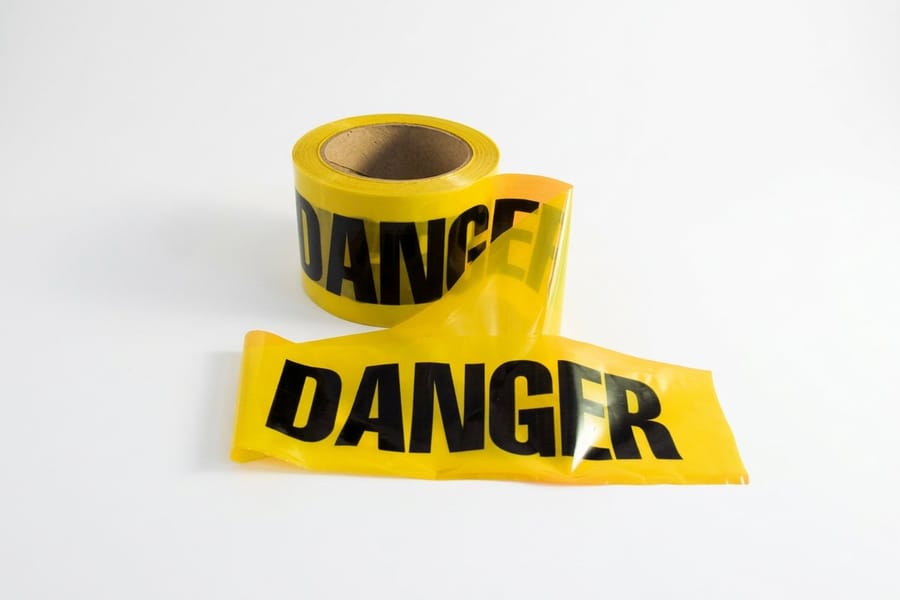
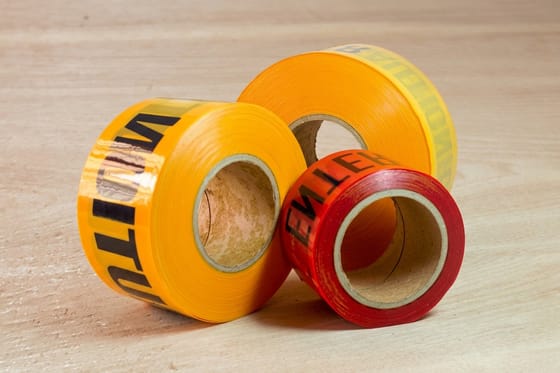
Barricade tape is a brightly colored plastic ribbon, printed with a warning, that is strung between posts, stakes, cones, or fixtures to mark off a hazard or a restricted area. The key thing to understand is what it is not: it is not an adhesive tape you stick to a surface, and it is not packaging tape. It is a visual barrier, a line you can see from a distance that tells people to keep out or take care.
It is made from a durable, tear-resistant plastic, typically polyethylene, so it can be pulled taut across a span and hold up outdoors in wind and sun. Because it needs no permanent structure, a run of barricade tape defines a boundary in seconds and comes down just as fast once the hazard clears.
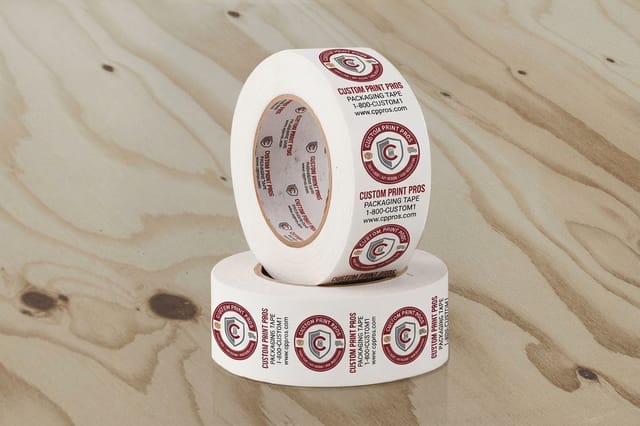
That combination of high visibility, low cost, and instant setup is why it turns up everywhere hazards appear: construction sites, facility repairs, spills, and events. It sits alongside our other tape products like custom printed packaging tape, but it does a fundamentally different job.
What barricade tape is used for
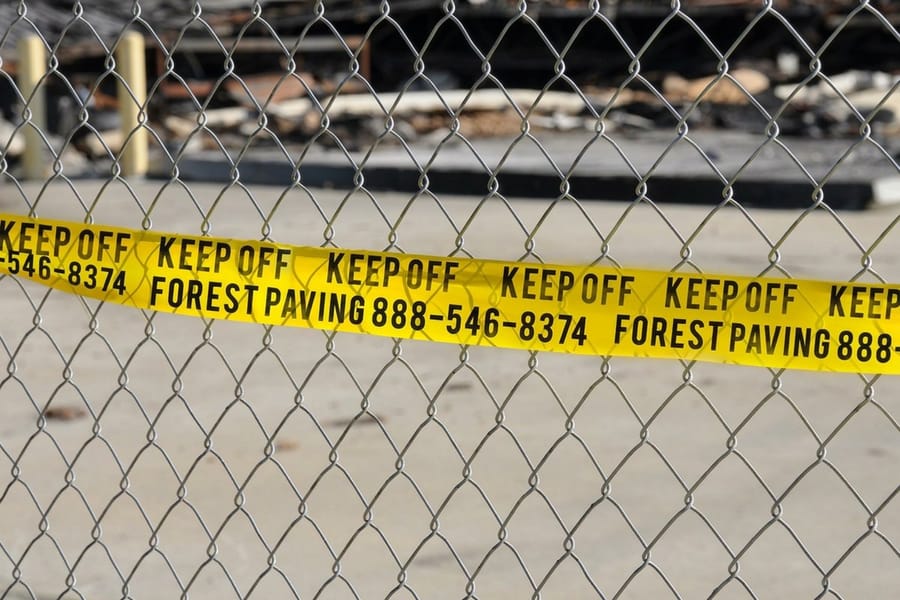
Barricade tape exists to create a fast, temporary boundary around a hazard or a controlled area. On construction and maintenance sites it cordons off excavations, wet concrete, overhead work, and running equipment, keeping workers and the public out of the danger zone. In facilities and retail it marks spills, closed aisles, elevator repairs, and restricted rooms.
At events it earns its keep in crowd control: channeling queues, marking off staging and back-of-house areas, and keeping the public clear of stages, vehicles, and setup zones. Anywhere people need to be kept out of a space clearly and immediately, then let back in once it is safe, barricade tape is the quickest tool for the job.
For situations that call for something more permanent or more detailed, tape often works alongside rigid signage and banners. The tape draws the line; the signage explains it.
Color codes: what red and yellow mean
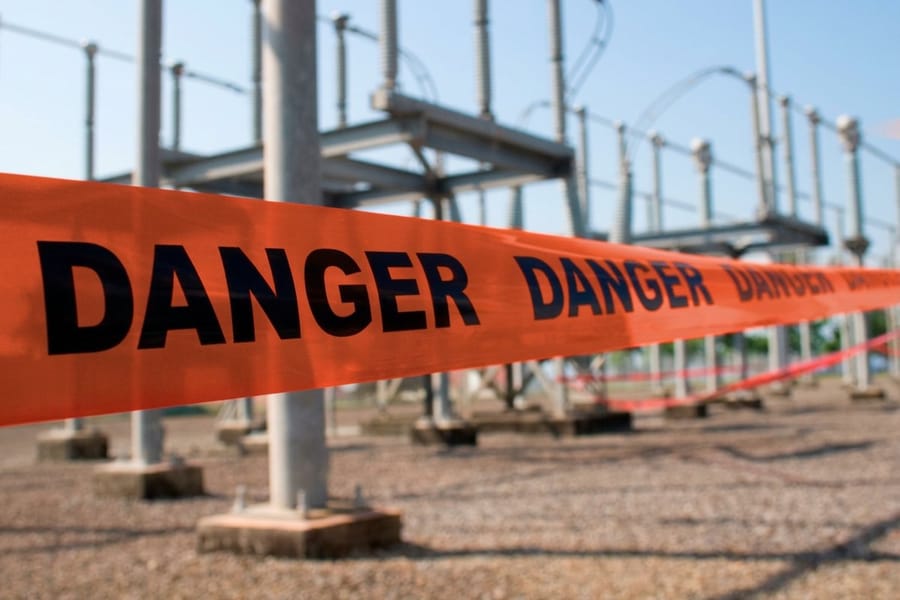
The color of barricade tape is a message in itself, readable before anyone gets close enough to see the printed words. As a broad rule, red barricade tape signals danger or a keep-out condition, marking areas people should not enter at all because entry could cause injury. Yellow barricade tape signals caution, a general hazard where people should slow down and take care rather than stay out entirely.
These conventions let a boundary communicate severity instantly: red says stop, yellow says be careful. Color coding can vary by industry and jurisdiction, and some sites layer in additional colors for specific hazards, so always follow your local safety rules and any site-specific system. But the widely understood baseline is red for danger and yellow for caution.
Because the color does so much of the work, choosing the right one matters as much as the wording. When you order, match the color to how serious the hazard is, then reinforce it with clear printed text.
Custom printed barricade tape
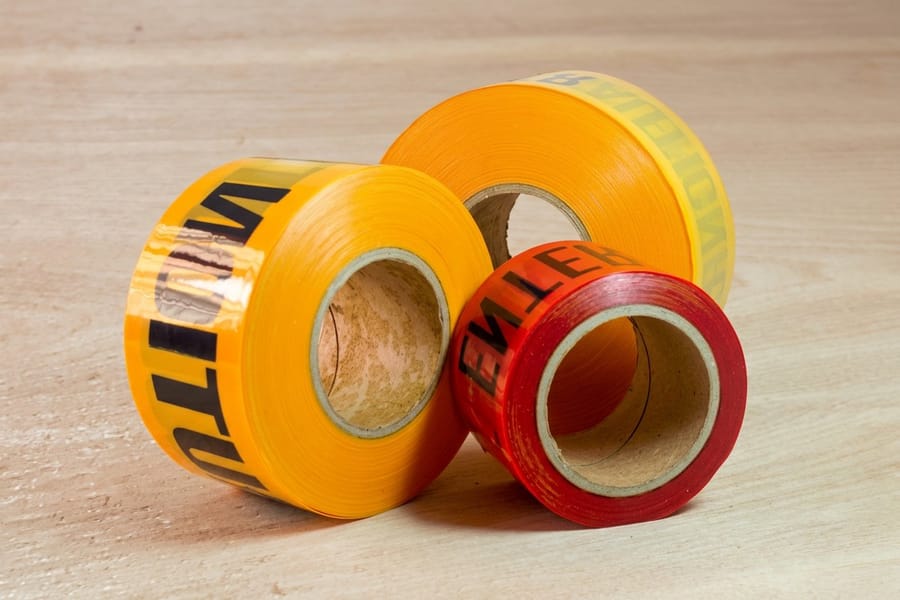
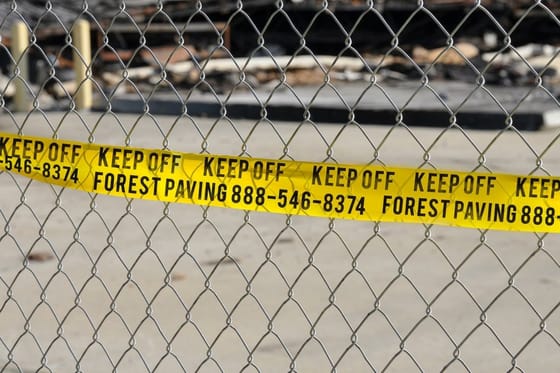
Standard barricade tape carries generic caution or danger wording, but it does not have to. Custom printed barricade tape repeats your own message along the length of the roll, whether that is your company name, a specific warning, safety instructions, or event branding. The message prints at intervals so it stays legible wherever someone approaches the line.
This is useful in a few clear cases: naming the responsible contractor on a site, spelling out an exact hazard that generic wording cannot, or carrying event branding while still doing a safety job. You supply the wording and design, pick the color and length, and the message runs the full roll.
Designing custom tape follows the same file basics as our other printed products, which our guide on preparing files for packaging products covers, and our online designer helps you lay out the repeating message cleanly. For branded shipping, the same idea powers our custom printed packaging tape.
Buying barricade tape and what it costs
Barricade tape is an inexpensive safety consumable, so cost comes down mainly to length, quantity, whether it is standard or custom printed, and the material. Because it is bought by the roll and used in volume, ordering more lowers the cost per roll, which is why sites and facilities keep it on hand in bulk.
Custom printed tape carries a one-time setup for the artwork, but then repeats your message down the roll at no extra per-foot cost, so it scales well once you commit to a design. You set the length, color, printing, and quantity in the configurator and the price updates live, so you can balance the options before you order. For high-volume needs, bulk discounts bring the per-roll price down further.
Use the live specs and pricing below to lock the length, color, and quantity for your barricade tape, then put a clear, visible boundary wherever a hazard needs one.
Wally draws the line so people stay safe
Bright ribbon, clear color, custom message
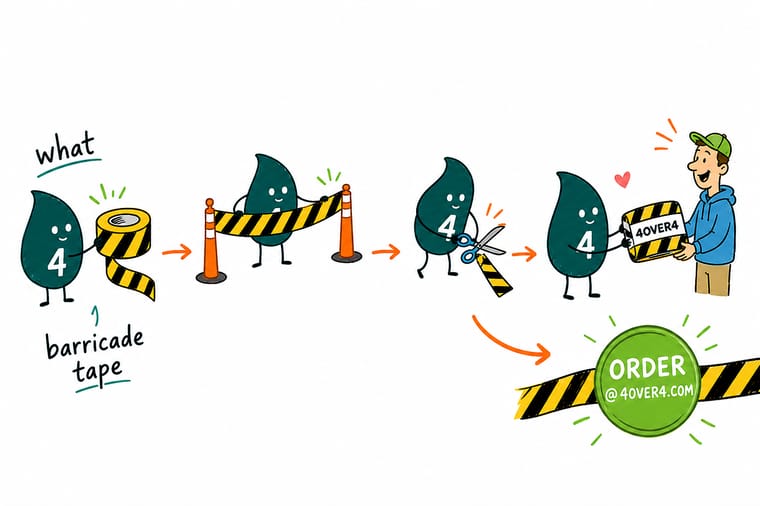
Wally strings the tape, not sticks it: a bright plastic ribbon pulled taut between posts marks the hazard in seconds. Red says keep out, yellow says take care, and a custom print can carry your company name or warning down the whole roll. When the hazard clears, it comes down. 4OVER4 prints it to your color, length, and message.
Order barricade tape →Quick reference
Barricade tape at a glance
The essentials of barricade tape in one place, from what it is to what the colors mean.
| Attribute | What it is | Why it matters |
|---|---|---|
| What it is | Printed plastic warning ribbon | A non-adhesive barrier tape strung to mark hazards or restricted areas. |
| Red tape | Danger or keep out | Signals a serious hazard or a strictly off-limits area. |
| Yellow tape | Caution | Warns of a general hazard where care is needed to pass or work nearby. |
| Material | Durable polyethylene | Tear-resistant plastic that holds up outdoors and pulls taut between posts. |
| Message | Standard or custom printed | Generic caution text, or your own company name and warning. |
| Use | Strung, not stuck | Tied or clipped between stakes, cones, or fixtures, then removed later. |
| Lifespan | Temporary consumable | Put up while the hazard exists, taken down and replaced as needed. |
Step by step
How to put up barricade tape in 7 steps
- Identify the hazard or boundary Decide exactly what you are cordoning off: a wet floor, an excavation, a staging area, an event queue, or a restricted zone.
- Choose the color and message Match the color to the severity, red for danger or keep out, yellow for caution, and pick standard warning text or a custom printed message.
- Set your anchor points Position stakes, cones, posts, or fixtures around the area so the tape has something to run between at a visible height.
- Run the tape taut Tie or clip one end, then string the tape from point to point, keeping it pulled reasonably tight so it stays visible and does not sag into the walkway.
- Make it obvious Close the loop or span so the boundary reads clearly from every approach, and add signage for extra clarity where the hazard is serious.
- Monitor and refresh Check the tape stays up and legible while the hazard exists, and replace any section that tears, fades, or comes loose.
- Remove when clear Take the tape down once the hazard is resolved so the barrier keeps its meaning and people trust it the next time it appears.
Specs and pricing
Barricade tape specs and live pricing
Once you know the color and message, the decisions come down to length and quantity. A roll starts at $115.33 and takes 10 business days to produce.
| Quantity | Price Per Unit | Total |
|---|---|---|
| 1 | $115.33 | $115.33 |
| 2 | $116.43 | $232.85 |
| 3 | $116.43 | $349.28 |
| 4 | $90.34 | $361.37 |
| 5 | $81.06 | $405.32 |
| 6 | $74.87 | $449.24 |
| 7 | $70.45 | $493.18 |
| 8 | $67.14 | $537.11 |
Order it
Order barricade and custom tape at 4OVER4
Explore more
Where to go next




By the numbers
Custom printing at our scale, tape included
Common Questions
Common questions about barricade tape
What is barricade tape?
Barricade tape is a brightly colored plastic ribbon, printed with a warning message, that is strung between posts, stakes, cones, or fixtures to mark off a hazard or a restricted area. Unlike packaging or adhesive tape, it is not meant to stick to anything; it works as a visible barrier that tells people to keep out or take care. It is made from a durable, tear-resistant plastic so it can be pulled taut across a boundary and hold up outdoors. You see it on construction sites, around spills and repairs, at events for crowd control, and anywhere a temporary line needs to be drawn quickly.
What is barricade tape used for?
Barricade tape is used to create a fast, temporary boundary around a hazard or a controlled area. On construction and maintenance sites it cordons off excavations, wet concrete, overhead work, and equipment. In facilities it marks spills, closed sections, and restricted zones. At events it channels crowds, marks queues, and keeps the public out of staging or back-of-house areas. Because it goes up in seconds and needs no permanent structure, it is the go-to tool whenever people need to be kept out of a space clearly and immediately, then let back in once the area is safe.
What does red barricade tape mean?
Red barricade tape generally signals danger or a keep-out condition, a more serious warning than yellow. It is used to mark areas people should not enter at all, such as a significant hazard, a restricted zone, or a situation where entry could cause injury. Yellow tape, by contrast, usually means caution: a general hazard where people should slow down and take care rather than stay out entirely. Color conventions can vary by industry and jurisdiction, so always follow your local safety rules and any site-specific color coding, but the broad rule is red for danger and yellow for caution.
When was barricade tape invented?
There is no single tidy invention date for barricade tape. It emerged as jobsite, facility, and crowd-safety practices formalized over the twentieth century and printed plastic films became cheap and widely available. As industries adopted standardized hazard communication, brightly colored warning tape became a simple, low-cost way to mark boundaries without building a physical barrier, and it has stayed in constant use ever since precisely because it is so quick and inexpensive to deploy. Rather than a dated invention, it is better understood as a practical tool that grew alongside modern safety signage.
Can barricade tape be custom printed?
Yes. Beyond generic caution or danger text, barricade tape can be custom printed with your own message along its length, such as your company name, a specific warning, safety instructions, or event branding. Custom printed barricade tape is useful when you want the boundary to communicate more than a generic warning, to reinforce your brand at an event, name the responsible contractor on a site, or spell out an exact hazard. You provide the wording and design, choose the color and length, and the message repeats down the roll so it is legible wherever someone approaches the line.
How much does barricade tape cost?
Barricade tape is an inexpensive safety consumable, and the price depends mainly on the length and quantity you order, whether it is standard or custom printed, and the material. Because it is bought by the roll and used in volume, ordering more lowers the cost per roll, which suits sites and facilities that keep it on hand. Custom printed tape carries a setup for the artwork but then repeats your message at no extra per-foot cost. You set the options in the configurator and the price updates live, so you can balance length, printing, and quantity before you order.
Get Started
Barricade tape costs $115.33 a roll and runs 10 business days
Bring your color and message to 4OVER4.COM and print barricade tape in the length and quantity your site or event calls for. Printed packaging tape runs longer, at 20 business days.
Legal Disclaimer
Gold Standard guarantees apply to all standard orders placed through 4over4.com. Price match requires verifiable proof of a competitor's published price for an equivalent product with matching specifications and turnaround time. Satisfaction guarantee covers manufacturing defects and print quality issues. Contact support with order number and documentation. On-time delivery rate based on tracked orders 1999 to 2026. Individual results may vary based on shipping carrier performance.
