
What Is Brand Marketing and Why It Drives Demand


Brand marketing is the long game that makes every future sale easier. It is not branding and it is not marketing, and the difference decides which assets you build.
Brand marketing builds awareness, trust, and preference so people choose you by default. Branding is who you are, marketing is how you sell today, and brand marketing is the long game between them. It runs on a consistent identity, one repeated message, and tangible touchpoints, from your site to a business card, that all say the same thing.

Start here
Branding, marketing, and the gap between
Brand marketing is the long-term work of making people know, trust, and prefer you before they buy. It is distinct from branding, which is your identity, and from marketing, which drives action today. It works through one consistent identity, one repeated message, and tangible touchpoints that all reinforce the same story. The map below shows how the three fit together.
What brand marketing actually means
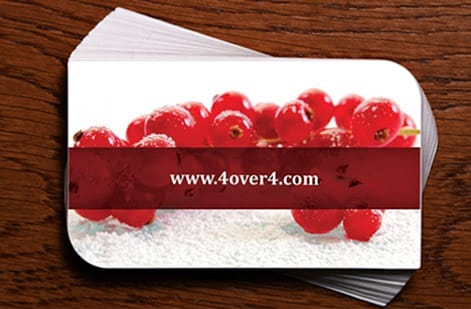
Brand marketing is the long-term work of making people know, trust, and prefer you before they are ready to buy. Where a promotion chases a sale this week, brand marketing grows the reputation that makes every future sale easier, faster, and cheaper to win. It is the difference between renting attention and owning a place in someone’s memory.
It runs on three ingredients: a clear identity, a consistent message, and tangible touchpoints that all say the same thing. Those touchpoints are not abstract. They are the website, the packaging, and the business card that lands in a hand, each one either reinforcing the brand or quietly eroding it.
This guide defines brand marketing, separates it from branding and marketing, shows when it works, and lays out a strategy you can run, including the physical assets that carry it. If you want to start building those assets right away, our online design tool keeps every piece on-brand, and our design templates give you a professional starting point.
Branding vs marketing vs brand marketing

These three terms get used interchangeably, which is exactly why so much marketing feels scattered. They are distinct.
Branding is who you are: the name, logo, colors, voice, and the promise you make. Marketing is how you reach people and drive action today, through ads, email, content, and offers. Brand marketing is the bridge, using marketing activity to strengthen the brand so demand compounds over time rather than resetting with every campaign.
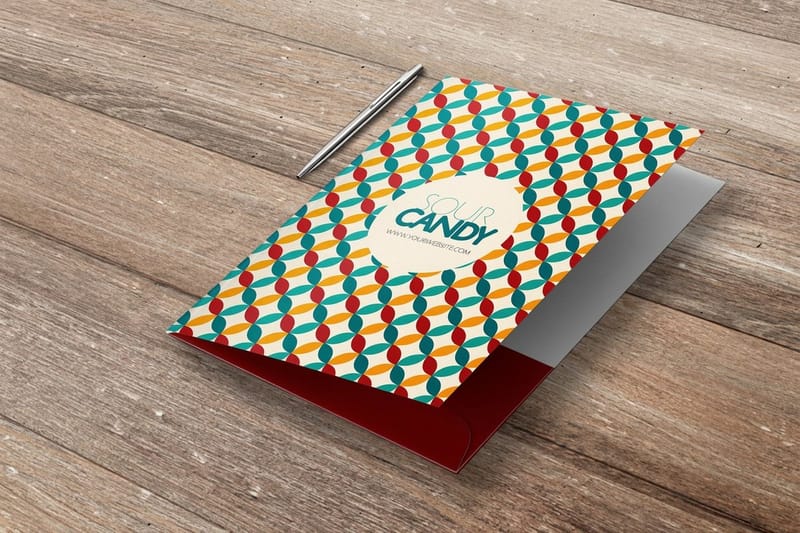
Which comes first? Usually branding, because it gives marketing a stable thing to carry, but in practice the two grow together and feed each other. The mistake to avoid is treating brand marketing as decoration you add later. It is the strategy that decides whether your marketing spend builds an asset or just buys temporary traffic. Every printed presentation folder and card is a small deposit into that asset.
How it differs for B2B and B2C
The fundamentals do not change between selling to businesses and selling to consumers, but the emphasis does.
B2C brand marketing often leans on emotion, lifestyle, and broad reach, because the person who chooses is usually the person who uses, and the decision can happen fast. A strong feeling and instant recognition do a lot of the work. B2B brand marketing builds credibility across a longer buying process with several people involved, where trust, proof, and professional polish carry more weight than a catchy line.
In both worlds the brand still needs one identity and one voice, and in both worlds physical assets earn their keep in the deciding moments. A confident business card and an organized folder signal a company that has its act together, which matters whether you are closing a six-month enterprise deal or being remembered at a weekend market.
When brand marketing is most successful

Brand marketing rewards two things above all: consistency and patience. It works best when the identity is clear, the message is repeated over a meaningful stretch of time, and every touchpoint reinforces the same story instead of introducing a new one.
It struggles in the opposite conditions. Changing your look and voice constantly resets recognition to zero. Diluting the message so it means everything makes it mean nothing. Expecting a single campaign to build a brand overnight ignores how memory actually forms, through repeated, consistent exposure. Success also depends on the product living up to the promise, because brand marketing accelerates word of mouth in both directions.
The practical takeaway is to lock your identity and then repeat it everywhere, on screen and in hand, for longer than feels necessary. Consistency across a printed card, a folder, a poster, and your site is what turns scattered impressions into a brand people can picture.
How to build a brand marketing strategy
A workable strategy is less about a big idea and more about a repeatable system. Start by defining what you stand for and who you serve, in a sentence you can actually use to make decisions.
From there, build the identity: a logo, a color palette, two fonts, and a voice, captured in simple guidelines so anyone can create on-brand work. Then choose the assets your audience genuinely meets, both digital and physical, and make them consistent. This is where a print partner matters, because color and quality that match across every piece are what make the system feel like one company rather than a collection of files.
Finally, tell one story across channels in your own voice, show up consistently over time, and measure the result. Our design templates and online designer make it easy to spin up on-brand cards, folders, and collateral quickly, so consistency becomes the easy path rather than a constant fight.
Measuring whether it is working
Brand marketing is often called unmeasurable, which is not true, only slower to read than a click. The signals to watch show demand building beneath the surface.
Track aided and unaided awareness, brand recall, share of voice against competitors, branded and direct search traffic, and repeat purchase or referral rates. Short-term response metrics still matter, but they are the tip of the iceberg. When awareness and preference climb steadily while acquisition costs fall, brand marketing is doing its job.
The assets carrying your identity are part of that measurement. Consistent, quality print keeps the brand recognizable in the physical moments that drive word of mouth, and those moments feed the very metrics you are tracking. See the live specs and pricing below to print the cards and folders your strategy runs on, or browse the full business stationery range.
Wally makes your brand say one thing, everywhere
Consistency across every touchpoint is the engine
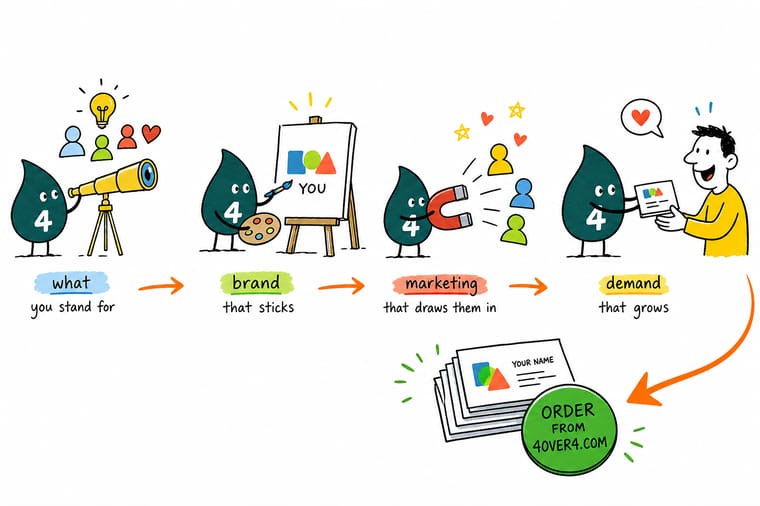
Wally treats brand marketing like a chorus: the same identity, the same voice, repeated until people hum it back. A card, a folder, a poster, and a site all in one look turn scattered impressions into a brand people prefer. Lock the identity, then print it consistently, and 4OVER4 keeps color and quality identical across the whole system.
Print your brand assets →Quick reference
The brand asset system at a glance
A brand shows up in tangible things. Get these consistent and your identity feels like one company everywhere it appears.
| Element | Make it | Why it matters |
|---|---|---|
| Brand asset | Business cards | The most-shared physical touchpoint of your identity, handed over in the moments that build trust. |
| Leave-behind | Presentation folders | Holds your materials in one branded package so a pitch stays organized and memorable after you leave. |
| Color system | CMYK brand colors | Lock your brand colors in print values so every piece matches from card to folder to signage. |
| Typography | Two consistent fonts | One display and one text face, used everywhere, so people recognize you before they read a word. |
| Logo files | Vector, print-ready | Vector marks stay sharp at any size, from a card corner to a trade-show banner. |
| Voice | One tone, everywhere | The same personality across print and screen is what makes a brand feel like one company. |
Step by step
Build a brand marketing strategy in 6 steps
- Define what you stand for Write the promise your brand makes and the audience it serves before you touch a color or a channel. Clarity here decides everything downstream.
- Build the identity system Lock a logo, a color palette, two fonts, and a voice into simple guidelines so anyone can create on-brand work without guessing.
- Choose the assets that carry it Pick the physical and digital touchpoints your audience actually meets: cards, folders, packaging, a site, and social. Consistency across them is the point.
- Tell one story across channels Say the same core message in your own voice everywhere, adapting the format but never the identity, so each impression reinforces the last.
- Show up consistently over time Brand marketing compounds. Repetition of a stable identity, not a clever one-off, is what moves you into the default-choice position.
- Measure awareness and preference Track recall, share of voice, and repeat purchase alongside short-term sales, and refine the assets and message that move them.
Specs and pricing
Business card specs and live pricing
The most-shared brand asset is the business card. Here are the live specs and price-per-unit at 4OVER4.COM, straight from the configurator.

| Quantity | Price Per Unit | Total |
|---|---|---|
| 100 | 17.6¢ | $17.57 |
| 200 | 11.5¢ | $23.07 |
| 300 | 9.15¢ | $27.46 |
| 400 | 7.96¢ | $31.86 |
| 500 | 7.25¢ | $36.26 |
| 600 | 6.77¢ | $40.64 |
| 700 | 6.43¢ | $45.04 |
| 800 | 6.18¢ | $49.43 |
Print the system
The print assets that carry your brand
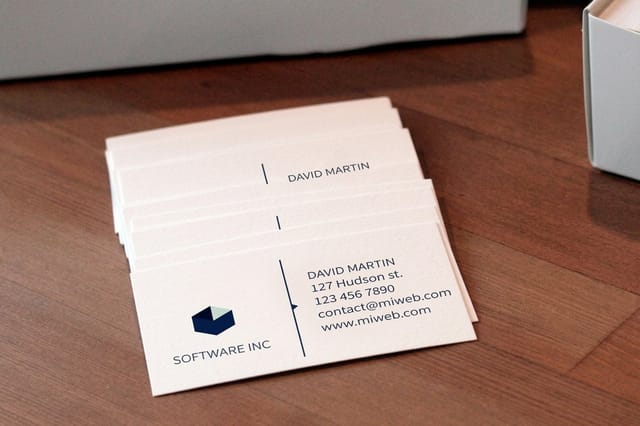
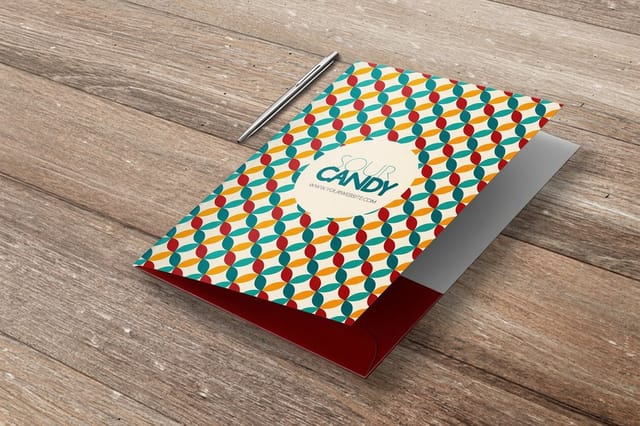
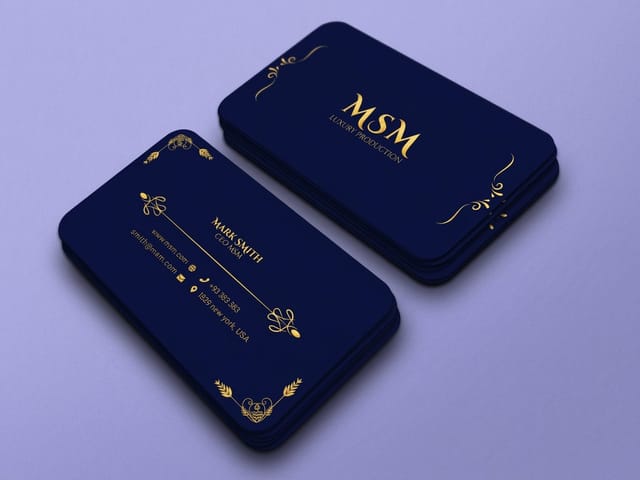
See it in use
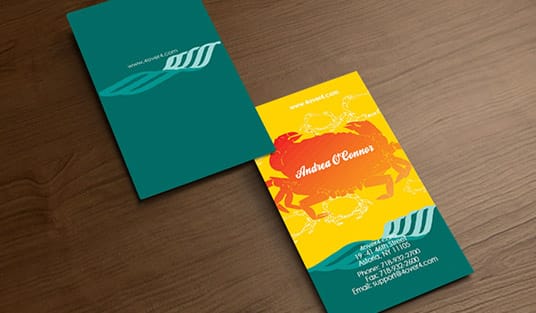
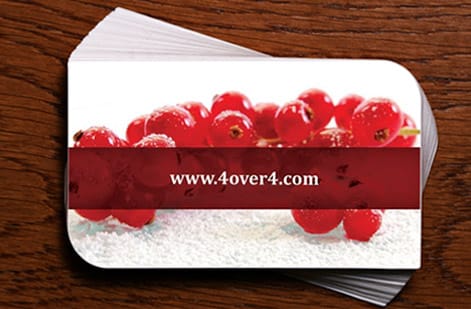
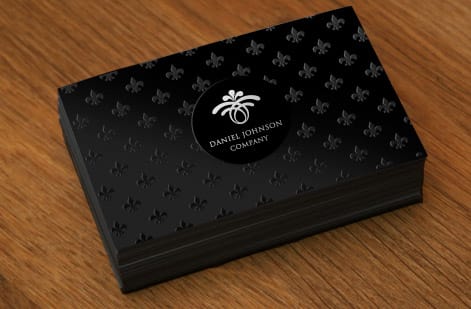
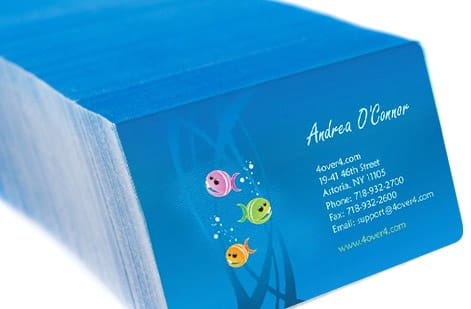
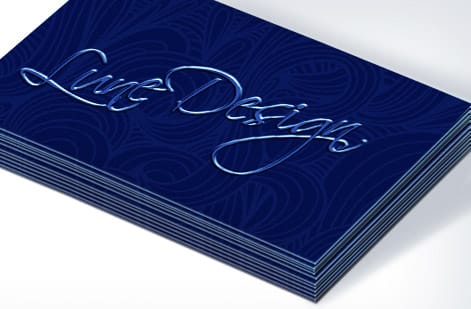
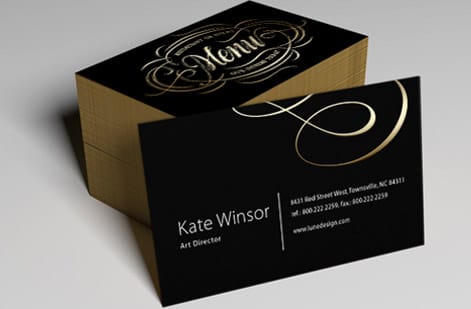
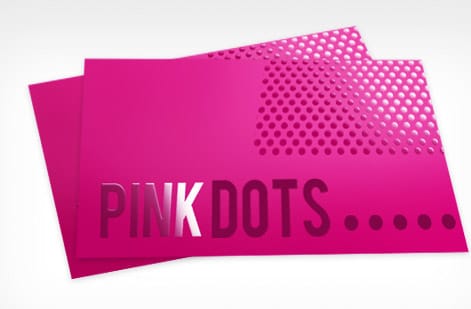
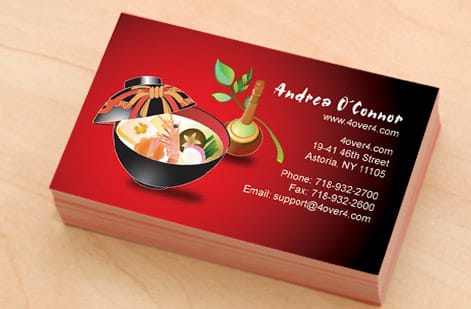
Real branded print work, made in-house
Explore more
Where to go next

By the numbers
A print partner your brand can count on
Common Questions
Common questions about brand marketing
What is brand marketing?
Brand marketing is the long-term work of building awareness, trust, and preference for a brand so that people choose it by default when they are ready to buy. Rather than pushing a single product or promotion, it grows the reputation and recognition that make every future sale easier and less expensive. It works through a consistent identity, a clear message repeated over time, and tangible touchpoints, from a website to a business card, that all say the same thing in the same voice.
What is the difference between branding and marketing?
Branding is who you are: your name, logo, colors, voice, and the promise you make. Marketing is how you reach people and drive action today, through ads, email, content, and offers. Brand marketing sits between them and plays the long game, using marketing activity to strengthen the brand so demand builds over time. Branding usually comes first because it gives marketing something consistent to carry, but in practice the two develop together and feed each other.
How is brand marketing different for B2B and B2C?
The fundamentals are identical, but the emphasis shifts. B2C brand marketing often leans on emotion, lifestyle, and broad reach because the buyer and the user are the same person deciding quickly. B2B brand marketing tends to build trust and credibility across a longer, multi-person buying process, where reputation, proof, and professional polish matter more. In both cases the brand still needs one identity and one voice, and in both cases physical assets like cards, folders, and printed collateral do real work in the moments that decide a relationship.
When is brand marketing most successful?
It works best when the identity is clear and consistent, the message is repeated over a meaningful stretch of time, and every touchpoint reinforces the same story. It struggles when a company changes its look and voice constantly, spreads a diluted message, or expects a single campaign to build a brand overnight. Success also depends on the product living up to the promise, because brand marketing accelerates word of mouth in both directions. Consistency plus patience plus a product worth talking about is the recipe.
What print assets support a brand marketing strategy?
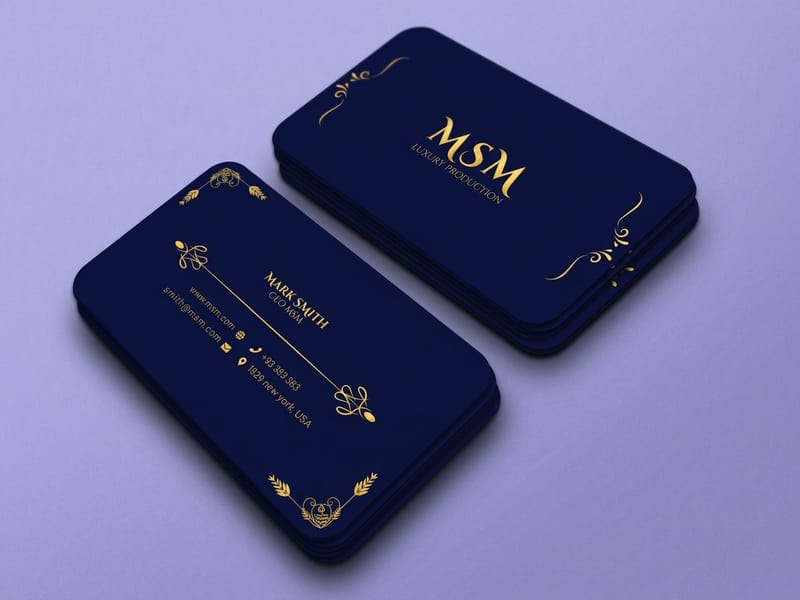
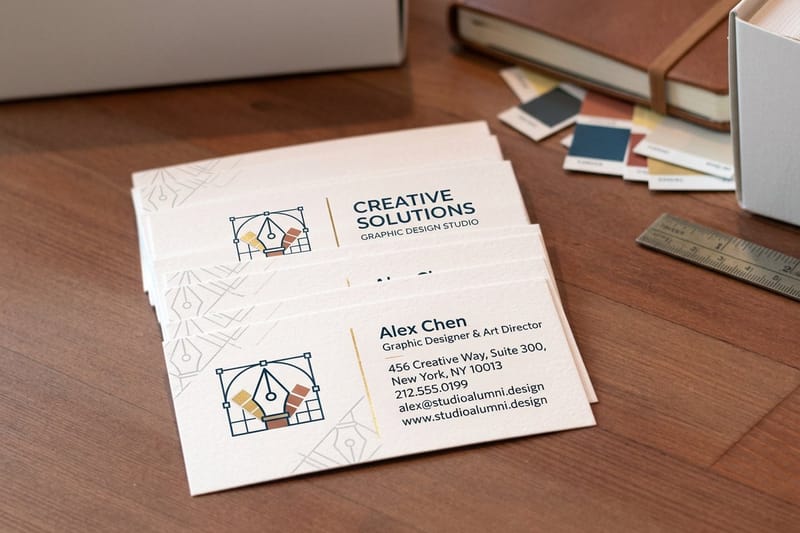
The tangible ones people keep and pass along. Business cards carry your identity into every handshake, presentation folders package a pitch so it stays organized and on-brand, and printed collateral like brochures, postcards, and signage extends the same look into the physical world. Because these pieces are held, kept, and shared, they often outlast a digital impression. Printing them consistently on quality stock at 4OVER4 keeps color and feel identical across the whole system.
How do you measure brand marketing?
Look past a single conversion to the signals that show demand building: aided and unaided awareness, brand recall, share of voice against competitors, direct and branded search traffic, and repeat purchase or referral rates. Short-term response metrics still matter, but they are the tip of the iceberg. When awareness and preference rise steadily while acquisition costs fall, brand marketing is doing its job, and the printed and digital assets carrying your identity are earning their place.
Get Started
250 pocket folders cost $844.54, or $3.38 each
Bring your identity to 4OVER4.COM and print business cards, folders, and collateral that match across the whole system. Business cards ship in 3 business days, pocket folders in 7.
Legal Disclaimer
Gold Standard guarantees apply to all standard orders placed through 4over4.com. Price match requires verifiable proof of a competitor's published price for an equivalent product with matching specifications and turnaround time. Satisfaction guarantee covers manufacturing defects and print quality issues. Contact support with order number and documentation. On-time delivery rate based on tracked orders 1999 to 2026. Individual results may vary based on shipping carrier performance.
