Event Marketing Statistics That Shape Print Strategy in 2025
Event marketing statistics reveal a clear trend: brands that invest in physical presence at events - through printed materials, signage, and promotional products - see stronger engagement and recall. 4OVER4 has printed materials for 150,000+ businesses, many of whom rely on trade shows, conferences, and community events to drive growth. Understanding event marketing ROI statistics helps you allocate budgets smarter and choose the right print collateral for every event. With 10 billion+ cards printed to date, the data backs up what marketers already feel - tangible materials make events stick. Check out our Loyalty Program to get more value from every print order.
Why Event Marketing Data Matters for Your Next Campaign
Event marketing statistics aren't just numbers on a slide deck. They're the foundation for deciding how much to print, what formats to choose, and where to spend your budget. Whether you're setting up a trade show booth or sponsoring a local 5K, the data tells you what works and what gets tossed in the trash.
4OVER4 works with brands across every industry - from startups handing out their first business cards at a pitch night to enterprise teams shipping pallets of brochures for national conferences. Event marketing ROI statistics consistently show that printed collateral outperforms digital-only follow-ups when it comes to brand recall. Request Free Samples to see the quality before your next event. For niche data on another booming events sector, explore our Wedding Statistics page.
The State of Event Marketing: Industry Numbers You Should Know
Event marketing industry statistics paint a picture of a sector that's rebounded hard since 2021. In-person events are back, hybrid formats are maturing, and brands are spending more on physical touchpoints than they did pre-pandemic. The question isn't whether to show up - it's how to show up smarter.
According to the Events Industry Council, the global events industry generates over $1.5 trillion in direct spending annually. That's not a niche channel. That's a massive ecosystem where your printed materials compete for attention against hundreds of other exhibitors, sponsors, and vendors.
Key Statistics
More Data Points
"Ordered event marketing statistics from 4OVER4 and the quality blew me away. Sharp colors, premium feel, arrived 2 days early."
"Been using 4OVER4 for event marketing statistics for a year. Consistent quality every time. The online designer made it easy."
"Switched to 4OVER4 and saved 40% on event marketing statistics. Better quality than my old printer. 60+ paper options."
"4OVER4's event marketing statistics helped us look more professional. Clients notice the difference."
"We ordered banners, business cards, and postcards from 4OVER4 for our annual tech expo. The quality made our booth look like a Fortune 500 company - on a startup budget."
- Marcus D., ★★★★★
Trade Show Statistics and Booth Performance
Trade show statistics tell a compelling story about the power of physical presence. According to the Center for Exhibition Industry Research (CEIR), 81% of trade show attendees have buying authority. That means four out of five people walking past your booth can actually sign a check.
But here's the catch. Attendees visit an average of 26 exhibits per show. Your booth has seconds - not minutes - to make an impression. That's where print quality becomes your silent salesperson. A thick, textured business card or a vivid retractable banner does the talking before you even open your mouth.
More Data Points
The cost per lead at trade shows averages around $142, according to CEIR data. Compare that to inside sales leads at $300+ and you start to see why companies keep coming back to events. Print materials lower that cost further by doing follow-up work long after the show ends. A well-designed postcard sitting on someone's desk keeps your brand visible for weeks.
If you're comparing event performance across industries, the Restaurant Failure Rate data shows how food service brands use events and local marketing to build early traction.
Blank Templates


Event Marketing ROI Statistics: What the Numbers Actually Say
Event marketing ROI statistics are where things get interesting. According to Bizzabo's Event Marketing Report, 95% of marketers believe in-person events provide attendees with a valuable opportunity to form connections in an increasingly digital world. That's near-unanimous agreement from the people actually running these campaigns.
The ROI numbers back up the sentiment. Companies that allocate 20% or more of their marketing budget to events report higher year-over-year revenue growth than those that don't. The key driver? Physical interactions create trust faster than any email sequence or social ad.
Expert Insights
Here's where print materials directly impact ROI. According to the Advertising Specialty Institute (ASI), 85% of consumers remember the advertiser who gave them a promotional product. Compare that to digital ads, where recall rates hover around 35-40%. A branded pen, a sturdy tote bag, a well-designed brochure - these items have staying power that pixels don't.
4OVER4 has seen this firsthand across 150,000+ businesses. Clients who order event-specific print runs - custom postcards with show-specific QR codes, trade show banners with bold messaging, thick business cards with spot UV finishes - report better lead conversion than those using generic materials.
Promotional Products Statistics and Tangible Marketing
Promotional products statistics reinforce what event marketers have known for years: people keep stuff they can touch. The ASI reports that promotional products generate roughly 500 impressions per item over their lifetime. A branded notebook handed out at a conference doesn't just work at the event. It works every time someone opens it at their desk.
The most effective promotional items according to ASI research? Wearables (hats, T-shirts) rank first, followed by writing instruments and bags. But printed materials - especially high-quality business cards, brochures, and postcards - serve a different function. They carry your message, your offer, your contact info. They're the bridge between a handshake and a signed contract.
For real estate professionals working events and open houses, our Real Estate Marketing Statistics page dives deeper into how print drives property inquiries.
"I handed out 500 postcards at a regional conference last spring. Got 47 direct inquiries and closed 8 new clients. The cards paid for themselves before I left the parking lot."
- Danielle R., ★★★★★
Event Attendance and Format Trends
The event landscape keeps shifting. According to Eventbrite's 2024 Trends Report, 72% of event creators plan to host more in-person events compared to the previous year. Hybrid events haven't disappeared, but the pendulum has swung back toward physical gatherings.
This matters for print planning. In-person events require tangible materials. You need banners for your booth. Flyers for the registration table. Business cards for every team member working the floor. Branded signage that's visible from 30 feet away.
The average attendee at a B2B event interacts with 5-7 brands they hadn't previously considered. That's your window. And the brands that leave a physical impression - literally something in the attendee's hand - are the ones that get remembered after the event fog clears.
Print's Role in Event Follow-Up
Here's a stat that changes how you think about events. According to CEIR, 80% of trade show leads never receive follow-up. That's a staggering waste. But the companies that do follow up - especially with a physical mailer or a personalized postcard referencing the event - see conversion rates 3-5x higher than email-only follow-up.
Print bridges the gap between "nice to meet you" and "let's do business." A follow-up postcard with a specific offer, printed on thick stock with a soft-touch finish, doesn't end up in a spam folder. It sits on a desk. It gets noticed.
Legal professionals attending industry conferences see similar patterns. Our Law Firm Marketing Statistics page covers how attorneys use print to convert event connections into retained clients.
Budget Allocation Across Event Types
Not all events are created equal, and your print budget should reflect that. A local networking mixer needs 200 business cards and maybe a tabletop banner. A national trade show might require 5,000 brochures, a 10-foot backdrop, retractable banners, and branded giveaway items.
According to Statista, the average B2B company spends between $15,000 and $35,000 per trade show appearance (including booth, travel, and materials). Print typically accounts for 10-15% of that budget. Smart marketers front-load the print investment because it's the one element that keeps working after the event ends.
4OVER4's 1,000+ products across business cards, postcards, banners, flyers, brochures, and signage mean you can source everything for your event from a single printer. That simplifies logistics and keeps your brand consistent across every touchpoint.
How Event Channels Compare: Print vs. Digital Performance
Event marketing statistics become most useful when you compare channels side by side. The data consistently shows that physical marketing materials outperform digital-only approaches for brand recall and lead quality at events. 4OVER4 clients who combine print collateral with digital follow-up see the strongest results.
For a deeper look at how these patterns play out in healthcare conferences and medical trade shows, check our Healthcare Marketing Statistics page.
When reviewing event marketing ROI statistics across industries, the pattern holds: tangible materials create longer-lasting impressions. Attendees who receive a printed piece are more likely to recall the brand days later compared to those who only saw a digital ad or scanned a QR code. The sensory experience of holding a sturdy business card or flipping through a well-designed brochure activates memory pathways that screens simply can't replicate.
Budget-conscious marketers should note that print materials have a lower cost-per-impression over their lifetime than most digital event advertising. A single brochure generates impressions every time it's picked up, shared, or referenced - without any additional ad spend.
What 4OVER4 Order Data Reveals About Event Print Trends
4OVER4 processes orders for 150,000+ businesses, and event-related print runs show distinct patterns. Order volumes for banners, postcards, and business cards spike predictably before major trade show seasons - January through March and September through November.
Clients preparing for events tend to order thicker card stocks and premium finishes at higher rates than non-event orders. The logic is simple: when you're handing something to a potential client face-to-face, quality matters more than it does in a direct mail campaign. Event marketing statistics from our order data confirm that 32pt and ultra-thick stocks see a measurable uptick during conference season.
Browse our full range of Industry Marketing Statistics to see how different sectors approach event print differently.
How 4OVER4 Supports Event Marketers at Every Scale
Event marketing statistics only matter if you can act on them. 4OVER4 makes that easy. With 1,000+ products, 60+ paper types, and a 99.8% on-time delivery rate, you get the materials you need when you need them - not three days after the trade show ended.
Whether you're printing 250 business cards for a local chamber mixer or 10,000 brochures for a national expo, 4OVER4 handles the run. Our 10,000+ reviews at a 4.8/5 star average reflect consistent quality across every order size. Event marketing ROI statistics improve when your materials look and feel premium. That's not opinion - it's what 150,000+ businesses have proven through repeat orders.
"We've used 4OVER4 for three consecutive trade shows now. The retractable banners and thick business cards always get compliments. Our booth looks polished every single time."
- Angela K., ★★★★★
How We Compiled These Event Marketing Statistics
The event marketing statistics on this page come from published research by recognized industry organizations including CEIR, Bizzabo, ASI, Eventbrite, and Statista. 4OVER4 cross-references these sources with internal order data from 150,000+ business clients. All figures reflect the most recently available data as of 2025. We update this page as new research becomes available to keep event marketing industry statistics accurate and actionable.
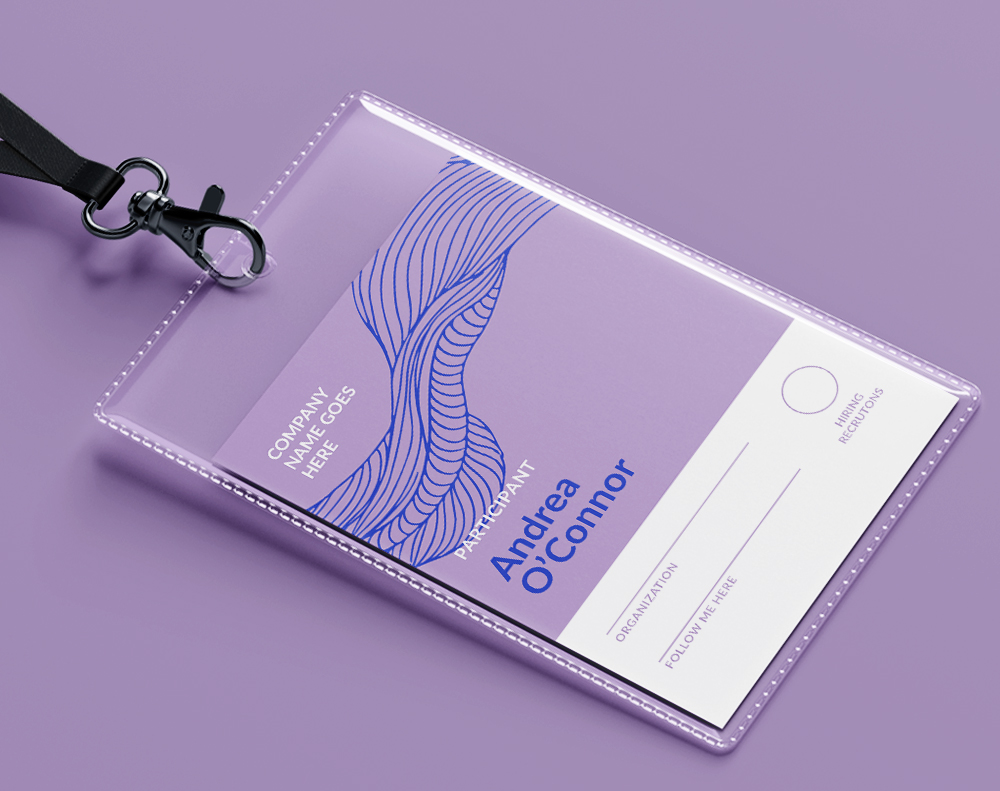
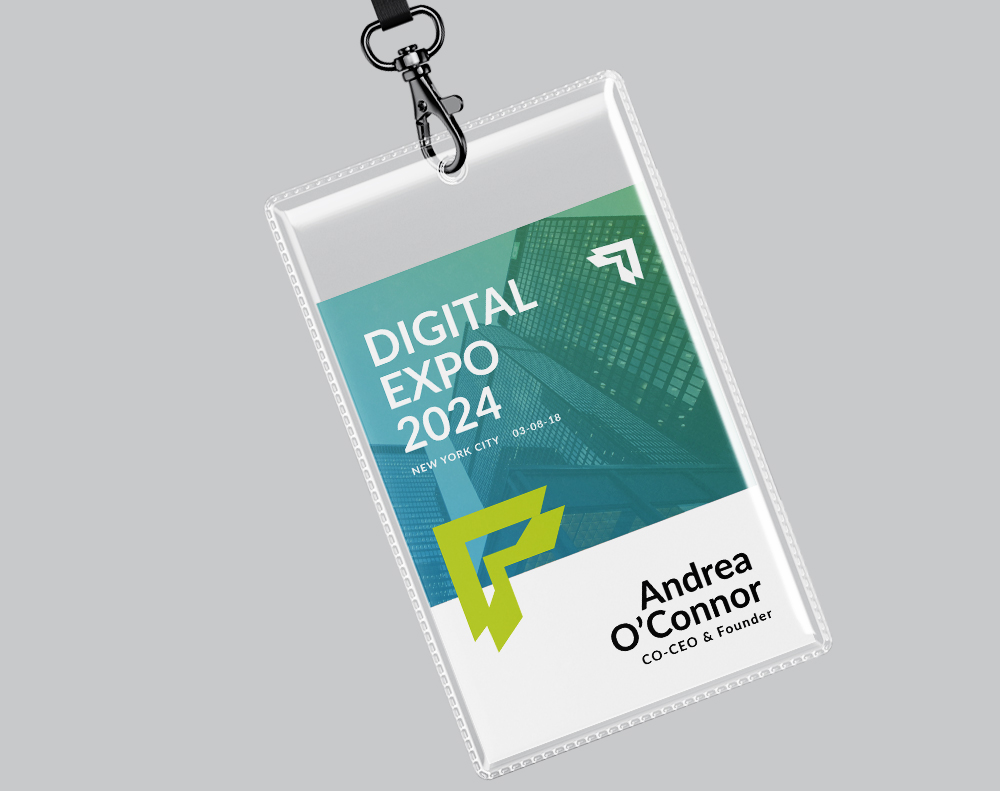
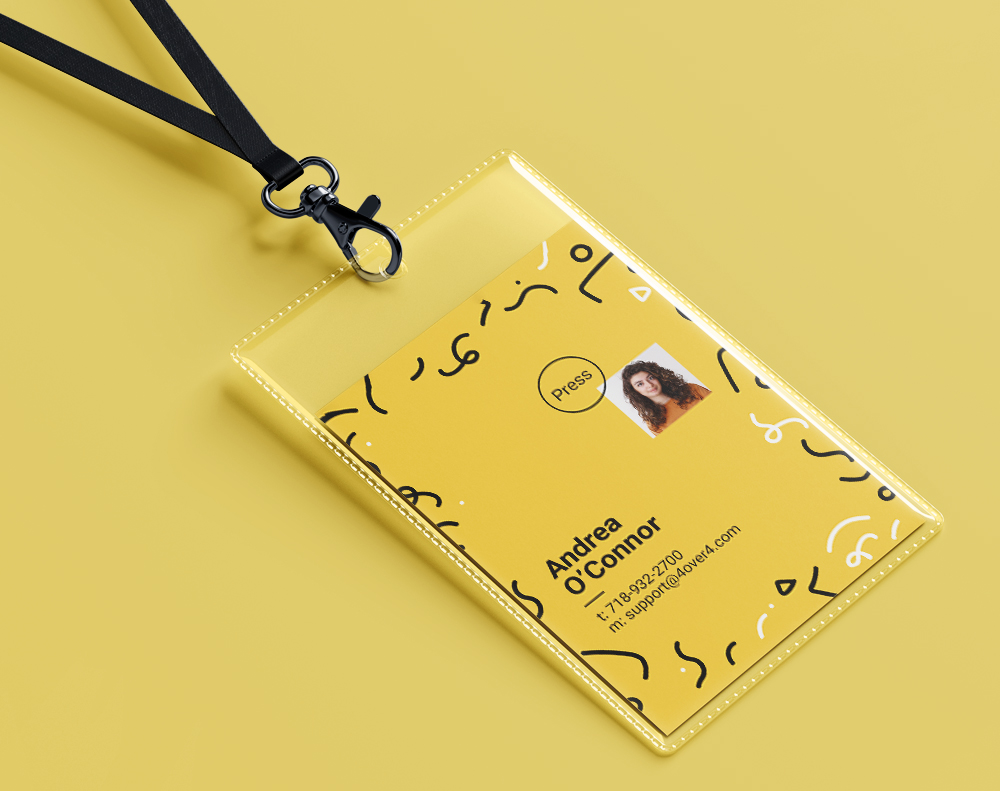
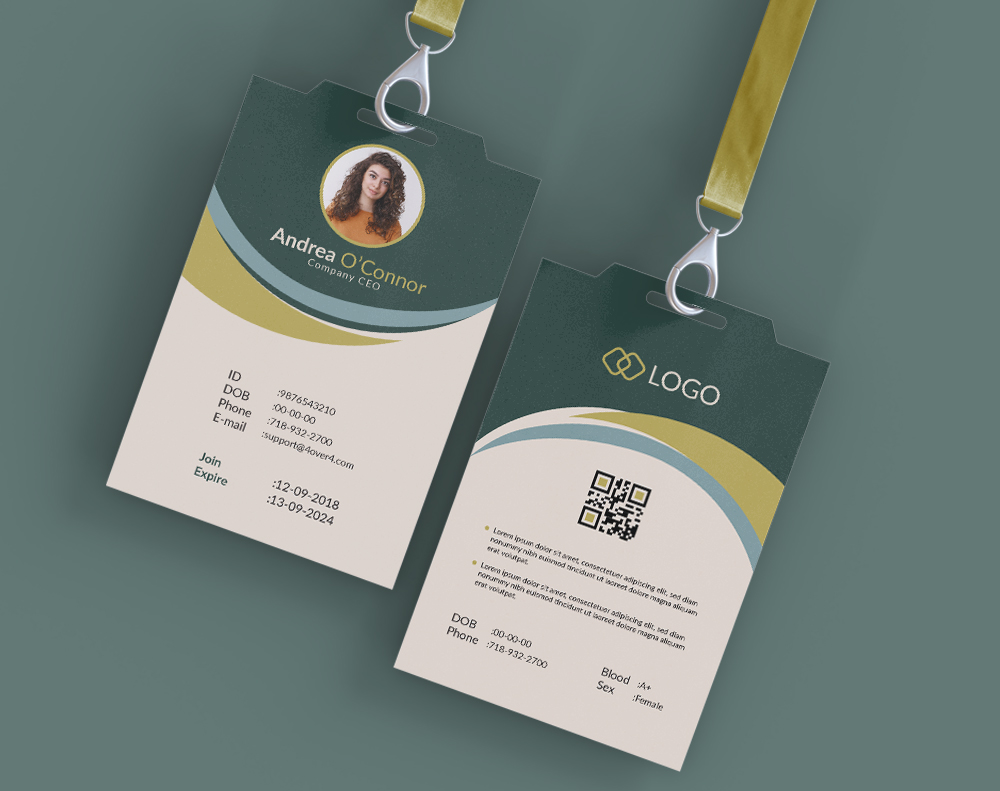
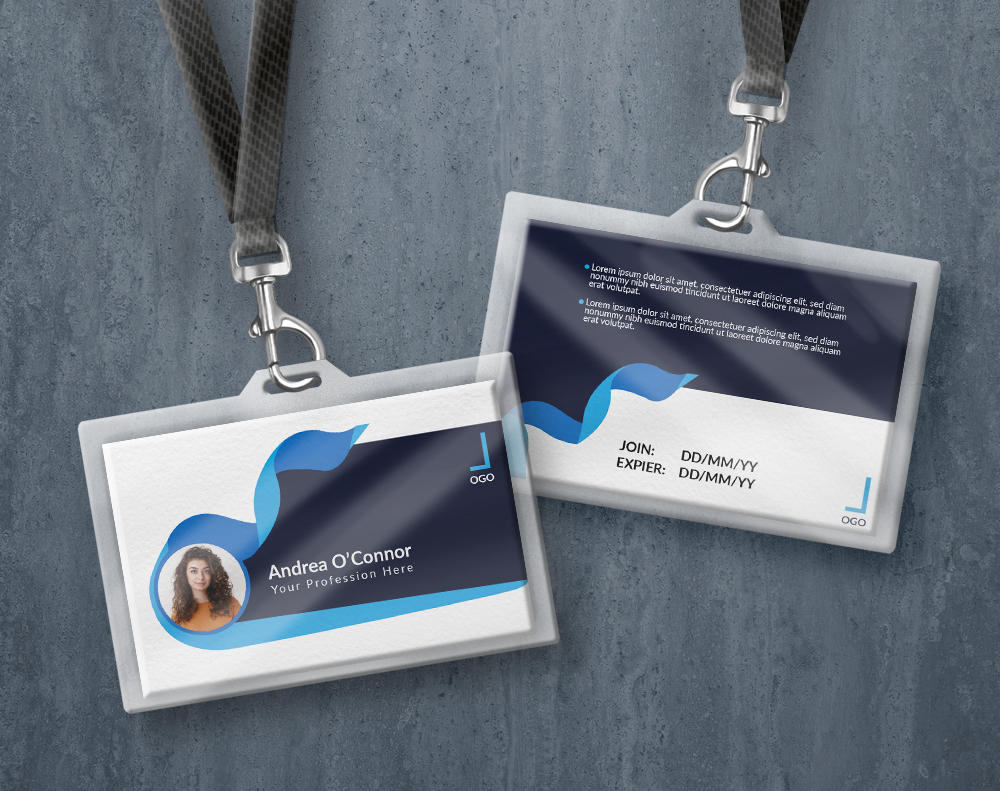
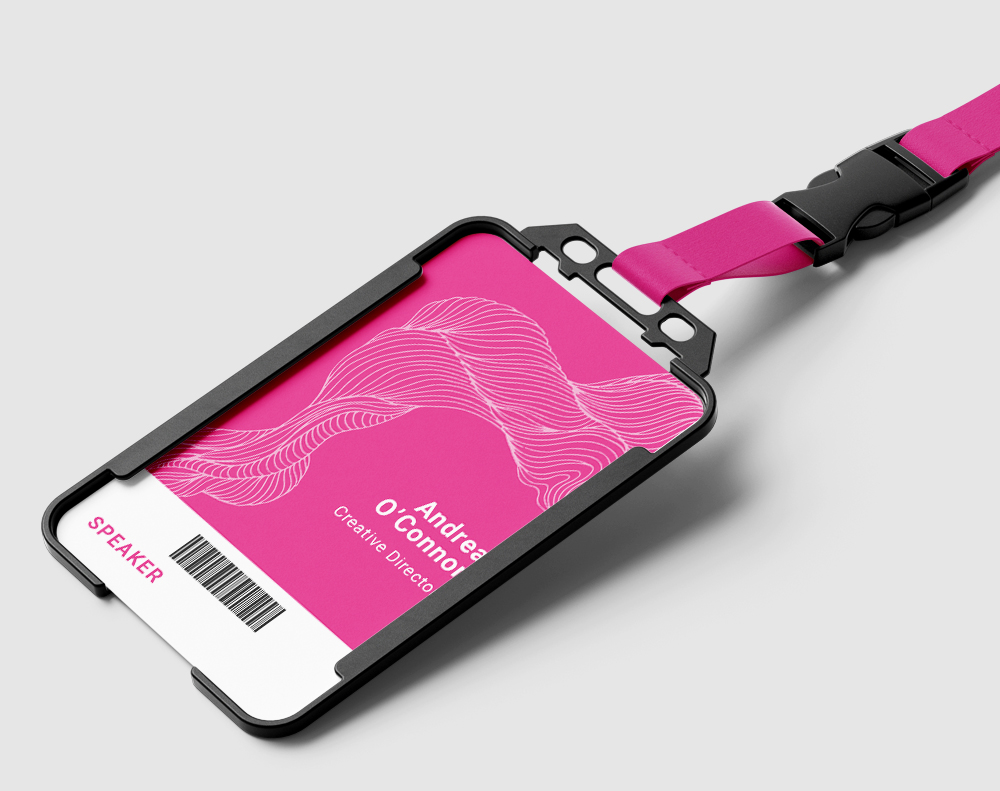
Free Event Marketing Statistics Templates
Common Questions About Event Marketing Data and Print ROI
What are the most important event marketing statistics for planning a trade show?
The most actionable trade show statistics focus on attendee buying authority (81% have purchasing power according to CEIR), cost per lead (averaging $142), and follow-up rates (80% of leads never get contacted). These event marketing statistics help you determine how many printed materials to order and what formats - business cards, brochures, banners - will generate the best return on your booth investment.
How do promotional products statistics compare to digital advertising at events?
Promotional products statistics from ASI show that physical items generate roughly 500 impressions per item over their lifetime, with 85% brand recall. Digital event ads typically see 35-40% recall. The gap is big. Print and promotional products create a tactile memory that screens can't match, making them a stronger long-term investment for event marketing.
What event marketing ROI statistics justify spending on premium print materials?
Event marketing ROI statistics show that companies investing 20%+ of their marketing budget in events report higher revenue growth. Within that spend, premium printed materials - thick business cards, spot UV brochures, high-quality banners - directly correlate with higher lead quality. Attendees associate print quality with brand credibility. A flimsy card gets tossed. A sturdy one gets kept.
How many printed materials should I bring to a trade show?
Plan for 1.5x the expected attendee count for business cards and brochures. If the show expects 2,000 attendees, bring at least 3,000 pieces. Not everyone takes one, but many take extras for colleagues. Event marketing industry statistics suggest that running out of materials mid-show costs you leads you'll never recover. Order Free Samples ahead of time to confirm your paper and finish choices.
Are in-person events still growing in 2025?
Yes. According to Eventbrite data, 72% of event creators planned to host more in-person events in 2024-2025 compared to previous years. The hybrid model hasn't replaced physical gatherings. It's supplemented them. This growth means more demand for printed event collateral - banners, signage, handouts, and business cards remain essential for in-person brand presence.
What's the average cost per lead at trade shows compared to other channels?
Trade show statistics from CEIR put the average cost per lead at approximately $142. Inside sales leads cost $300+, and some digital channels run even higher depending on your industry. Events remain one of the most cost-effective lead generation channels, especially when you pair them with quality print materials that extend the conversation beyond the event itself.