Small Business Infographic: Key Data Points You Should Know
A well-designed small business infographic turns dry numbers into something people actually remember. That's the whole point. You're not just sharing data - you're making it stick.
4OVER4 has helped 150,000+ businesses bring their ideas to life in print, and we've seen firsthand how visual storytelling changes the game for small business owners. Whether you're pitching investors, training staff, or posting on social media, infographics do the heavy lifting.
Check out our Daily Deals if you're ready to print your finished designs on posters, flyers, or presentation materials.
Why Small Business Data Visualization Matters Right Now
Small business data visualization isn't a nice-to-have anymore. It's how founders, marketers, and consultants communicate complex ideas fast. A small business infographic condenses hours of research into a single scannable visual - and that's exactly what busy audiences want.
4OVER4 works with 150,000+ businesses, many of them startups and small companies that rely on clear, visual communication to grow. We've compiled the most relevant small business facts, growth benchmarks, and marketing trends into one resource.
Look closer into the numbers with our Small Business Statistics page, or explore how owners are spending their dollars on our Small Business Marketing Statistics breakdown.
The Numbers Behind Small Business Success and Failure
Every small business infographic starts with the right data. And the data tells a story that's both encouraging and sobering. Let's break it down section by section so you can use these numbers in your own presentations, pitch decks, and marketing materials.
Key Statistics
How Many Small Businesses Exist Today?
The United States is home to over 33 million small businesses, according to the U.S. Small Business Administration. That number keeps climbing. Small businesses account for 99.9% of all U.S. firms and employ nearly half the private workforce.
These aren't just numbers on a page. They represent real people building something from scratch. When you create a startup infographic for your pitch deck or investor presentation, leading with this kind of scale immediately establishes context. Your audience gets it - small business is the backbone of the economy.
For a deeper look at the survival side of things, check out the Small Business Failure Rate data we've compiled.
More Data Points
Small Business Growth Trends Worth Tracking
Growth isn't linear for most small businesses. The first two years are survival mode. Years three through five are where real traction happens - if you make it that far.
According to the Bureau of Labor Statistics, about 80% of small businesses survive their first year. By year five, that number drops to roughly 50%. By year ten, only about a third are still operating.
That's not meant to scare you. It's meant to prepare you. A small business infographic that honestly presents these milestones helps founders set realistic expectations. It also helps consultants and coaches frame their services around the moments that matter most.
Our Startup Statistics page goes even deeper into early-stage company data.
"I used a small business infographic in my SBA loan presentation. The visual breakdown of market size and survival rates made the banker actually lean forward in his chair. Numbers alone wouldn't have done that."
- Marcus L., ★★★★★
More Data Points
Revenue and Profitability Benchmarks
Most small businesses generate less than $1 million in annual revenue. That's not failure - that's normal. The median revenue for businesses with fewer than 10 employees hovers around $200,000 to $500,000, depending on the industry.
Profitability is a different story. Margins vary wildly. Service-based businesses often run leaner with higher margins, while product-based companies deal with inventory, shipping, and manufacturing costs that eat into profit.
When building a small business data visualization around revenue, context matters. Don't just show the number. Show what it means relative to industry, location, and business age. A three-year-old bakery hitting $300K in revenue is in a completely different position than a three-year-old SaaS company at the same number.
Employment and Hiring Patterns
Small businesses with fewer than 500 employees account for roughly 46% of private-sector employment in the U.S. That's nearly 62 million workers.
But here's the thing most infographics miss: the majority of small businesses have zero employees beyond the owner. Solo entrepreneurs make up a massive chunk of that 33 million figure. Only about 6 million small businesses actually have paid employees.
This distinction matters when you're creating visual content. If your audience is solopreneurs, don't show them hiring data that assumes a 20-person team. Tailor the small business facts to the reality of who's reading.
Expert Insights
Marketing Spend and Channels
Small businesses spend an average of 7-8% of their revenue on marketing, according to the U.S. Small Business Administration's general guidelines. Digital channels dominate, with social media, email, and search advertising taking the lion's share.
Print marketing still holds strong in specific industries though. Real estate agents, restaurants, fitness studios, and local service providers consistently report that printed materials - business cards, flyers, postcards, banners - drive foot traffic and build local trust in ways digital can't replicate.
4OVER4 prints 1,000+ products that small businesses use every day for exactly this purpose. From postcards to posters, the physical format of a small business infographic can be just as powerful as the digital version.
"We printed our small business infographic as a large-format poster for our coworking space. People stop and read it every day. It's become a conversation starter for our consulting business."
- Dana K., ★★★★★
Funding and Capital Access
About 77% of small businesses rely on personal savings as their primary funding source. Bank loans, credit cards, and lines of credit fill in the gaps. Venture capital? That's reserved for a tiny fraction - less than 1% of small businesses ever receive VC funding.
A startup infographic that breaks down funding sources visually helps founders understand where they actually stand. It also helps lenders and investors see the full picture when evaluating applications.
The gap between what small businesses need and what they can access is real. According to the Federal Reserve's Small Business Credit Survey, about 40% of small businesses that applied for financing didn't receive the full amount they requested.
Industry Breakdown
Not all small businesses are created equal. The largest sectors by number of firms include professional services, construction, retail, and food services. Tech startups get all the media attention, but they represent a relatively small slice of the overall pie.
When designing a small business infographic, breaking data down by industry makes it immediately more useful. A restaurant owner doesn't care about SaaS churn rates. A freelance designer doesn't need construction permit data. Segment your visuals, and they'll connect with the right people.
Browse our full Small Business Statistics hub for industry-specific breakdowns and more granular data.
Digital Adoption and Technology
The pandemic accelerated digital adoption for small businesses by years. E-commerce, cloud tools, and remote work infrastructure went from optional to mandatory almost overnight.
Today, over 70% of small businesses have a website. Social media usage among small business owners exceeds 80%. And digital payment adoption continues to climb year over year.
But here's what a good small business data visualization captures: adoption doesn't equal proficiency. Many small businesses have a website, but fewer than half have one that's optimized for mobile or search. Having a social media account is different from having a social media strategy.
The gap between "we have it" and "we use it well" is where the real story lives. That's the kind of nuance that makes an infographic worth sharing.
Geographic Distribution
Small business density varies dramatically by state. California, Texas, Florida, and New York lead in total number of firms. But per capita, states like Wyoming, Montana, and Vermont actually have higher rates of small business ownership.
Rural vs. urban matters too. Urban small businesses tend to be larger and more diverse in industry type. Rural businesses skew toward agriculture, construction, and local services.
If you're building a small business infographic for a specific region or audience, geographic data adds a layer of relevance that generic national stats can't match.
Templates and Tools for Your Infographic
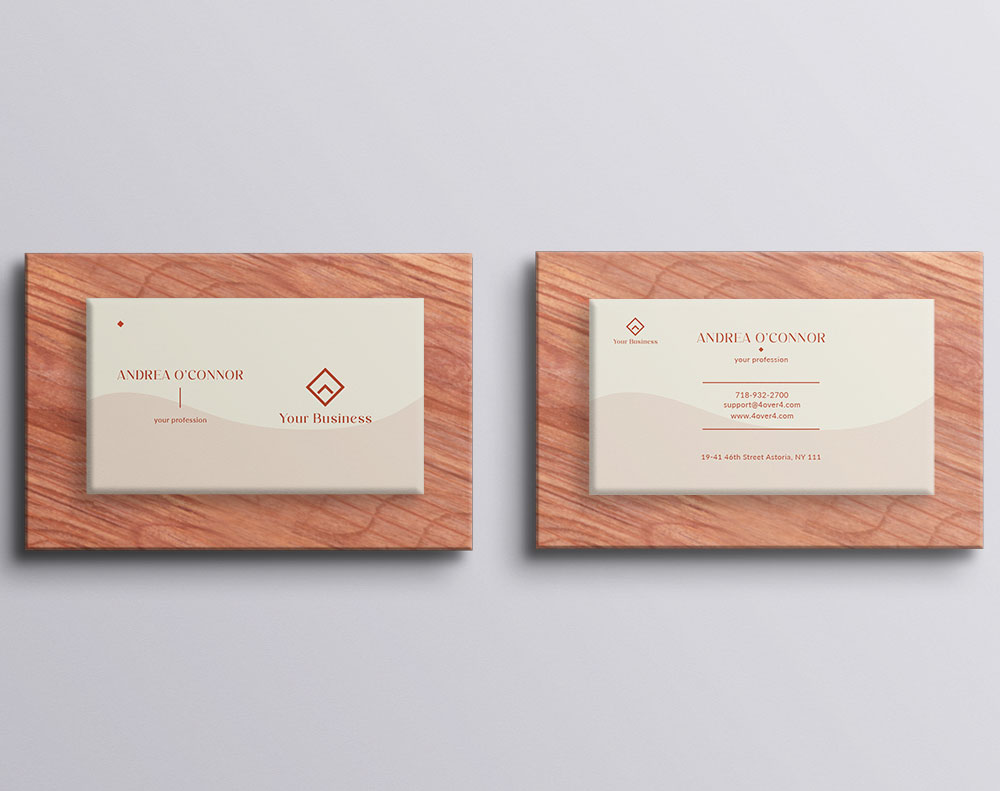
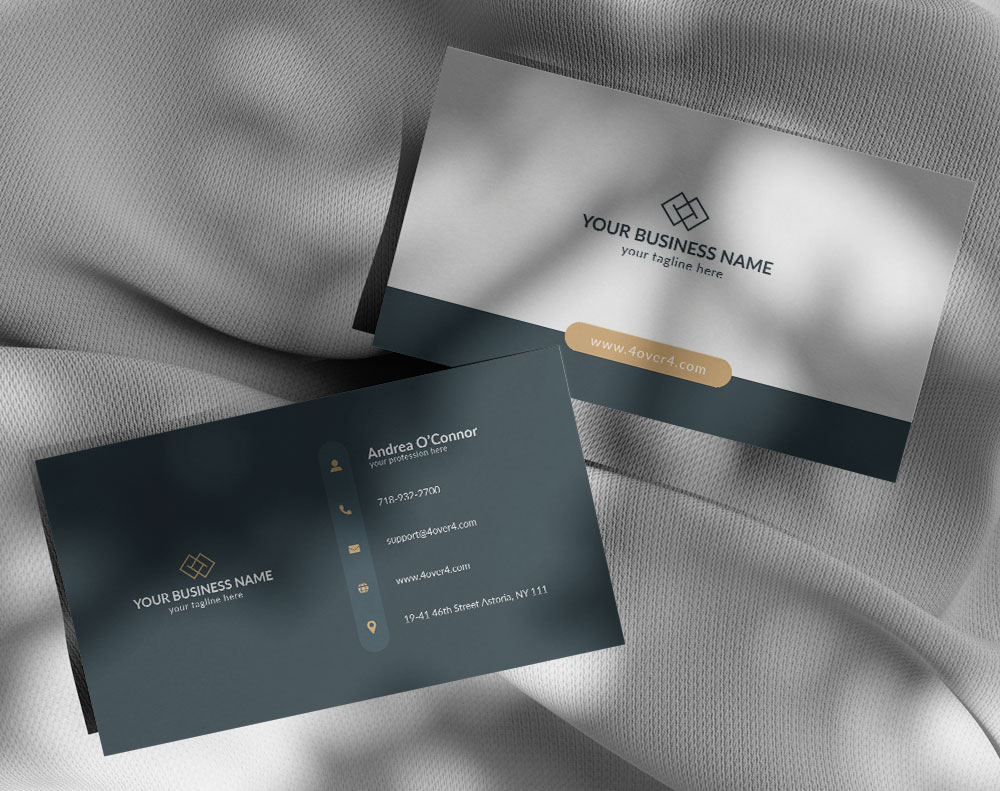
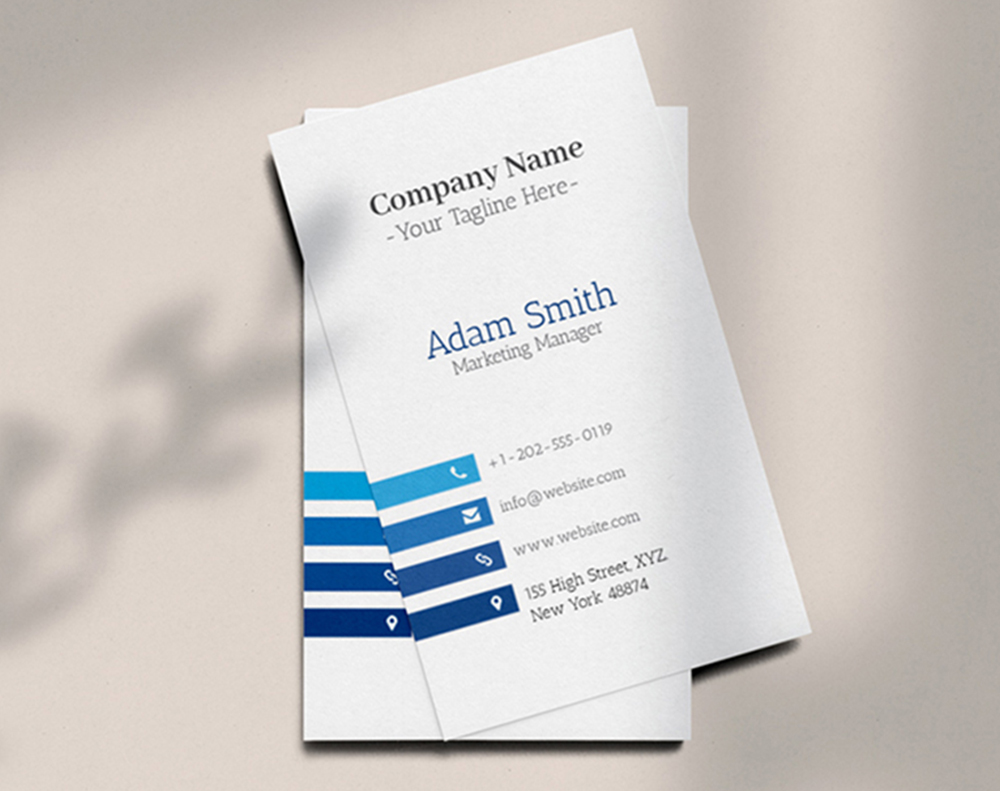
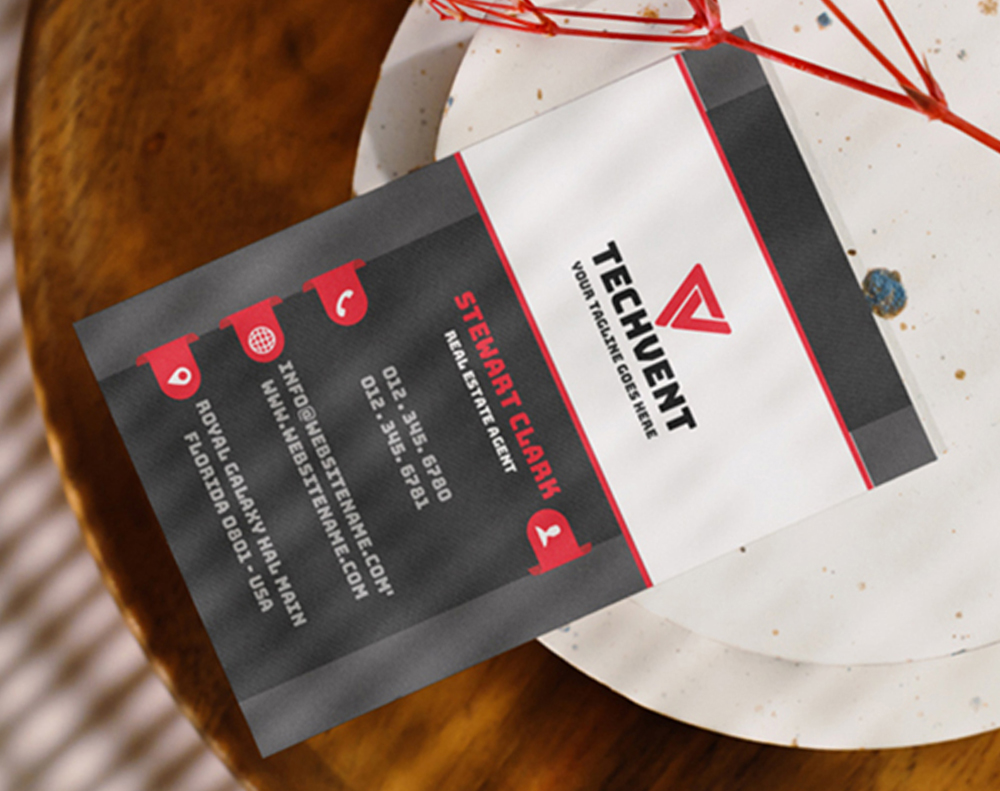
Ready to build your own small business infographic? You don't need to start from a blank canvas. 4OVER4 offers design templates that make the process faster and more professional. Here are some options to get you started.
Blank Templates


What Small Business Owners Are Saying
Real feedback from real business owners helps validate the data. Here's what people who've used infographic-style materials for their small businesses have to say.
"Ordered small business infographic from 4OVER4 and the quality blew me away. Sharp colors, premium feel, arrived 2 days early."
"Been using 4OVER4 for small business infographic for a year. Consistent quality every time. The online designer made it easy."
"Switched to 4OVER4 and saved 40% on small business infographic. Better quality than my old printer. 60+ paper options."
"4OVER4's small business infographic helped us look more professional. Clients notice the difference."
How Small Business Metrics Stack Up Across Stages
A small business infographic becomes more useful when you can compare data across different business stages. The challenges a one-year-old company faces look nothing like those of a five-year-old company. Here's how key metrics shift as businesses mature.
Understanding where your business falls in this progression helps you benchmark against realistic targets, not aspirational ones. When creating your own data visualization, use stage-based comparisons to give your audience actionable context rather than abstract numbers.
For a closer look at how marketing budgets shift across these stages, explore our Small Business Marketing Budget data. 4OVER4 has printed materials for businesses at every stage - from 150,000+ businesses served, we've seen what works at each phase of growth.
The pattern is clear: businesses that invest in professional branding and clear communication early tend to survive longer. A printed infographic, a well-designed business card, a polished poster in your storefront - these aren't luxuries. They're signals that you're serious.
"We created a comparison infographic showing our startup's growth against industry benchmarks. Printed it on a large poster for our office wall. It keeps the whole team motivated and focused on the numbers that matter."
- Priya S., ★★★★★
What 4OVER4's Own Data Reveals About Small Business Print Behavior
4OVER4 has served 150,000+ businesses since 1999, and the patterns in our order data tell their own story. Small business owners don't just order business cards. They order posters, flyers, banners, and presentation materials - often with infographic-style designs that communicate data visually.
Our internal data shows that small business customers frequently reorder visual materials within 90 days of their first purchase. That repeat behavior suggests these printed pieces are working. People don't reorder things that collect dust.
With 10,000+ reviews and a 4.8/5 star average rating, the feedback backs this up. Small business owners consistently mention that professionally printed infographic materials help them stand out at trade shows, in client meetings, and within their own offices. The small business infographic isn't just a digital asset - it's a physical tool that drives real results.
Turn Your Small Business Infographic Into Print
You've got the data. You've got the design. Now make it real. 4OVER4 prints your small business infographic on posters, flyers, brochures, and large-format displays - all on 60+ paper types with finishes that make your visuals pop.
Need it fast? 4OVER4 offers Same Day Printing so you can have your infographic printed and in hand before your next meeting, trade show, or pitch. With 99.8% on-time delivery and 82% of orders shipping early, you're not gambling with your deadline.
Whether it's a single large-format poster for your office or 500 flyer-sized handouts for a conference, Same Day Printing keeps your timeline tight. Print your data. Share your story. Let the numbers do the talking - on paper that feels as good as it looks.
How We Compiled This Small Business Data
The small business facts and figures on this page come from publicly available government sources, including the U.S. Small Business Administration, the Bureau of Labor Statistics, and the Federal Reserve's Small Business Credit Survey. 4OVER4's internal data reflects patterns from 150,000+ businesses served over 25+ years of operation. All statistics are verified against their original sources and updated regularly to reflect current conditions.
Free Small Business Infographic Templates

Common Questions About Small Business Infographics
What is a small business infographic?
A small business infographic is a visual representation of data, statistics, and trends related to small businesses. It combines charts, icons, and concise text to communicate complex information quickly. Business owners, marketers, and consultants use them in presentations, social media posts, and printed materials to make small business facts easier to understand and share.
How do I create a small business data visualization?
Start with reliable data from sources like the SBA or Bureau of Labor Statistics. Choose a clear theme - growth rates, funding sources, or industry breakdowns work well. Use a design tool or template to arrange your data into charts and graphics. Keep text minimal and let the visuals carry the message. Then print it or share it digitally.
Can I print my infographic as a poster or handout?
Yes. 4OVER4 prints infographic designs on posters, flyers, brochures, and large-format displays. You can choose from 60+ paper types and multiple finish options to match the look you want. Upload your design file and select your size, paper, and quantity. Most orders ship within one to two business days.
What data should a startup infographic include?
A startup infographic should cover survival rates, funding sources, revenue benchmarks, and industry-specific trends. Including data on how many businesses make it past year one, year five, and year ten gives founders realistic expectations. Add geographic or demographic breakdowns if your audience is location-specific. Visit our Help Center if you need guidance on file setup for print.
What size works best for a printed small business infographic?
For office display or trade show use, 24x36 inches is a popular poster size. For handouts at events or meetings, 8.5x11 inch flyers or tri-fold brochures work well. The right size depends on how much data you're presenting and where people will view it. Larger formats let you include more detail without cramping the design.
Are there free templates for small business infographics?
4OVER4 offers design templates you can customize with your own data and branding. These templates are sized for print, so your finished infographic will look sharp whether it's displayed on screen or printed on paper. Templates save time and help you maintain a professional layout even without a graphic design background.