Small Business Marketing Statistics That Shape Smarter Spending
Small business marketing statistics reveal where owners put their money - and what actually works. 4OVER4 has served 150,000+ businesses since 1999, giving us a front-row seat to how marketing budgets shift year after year. The data points on this page cover digital channels, print marketing, social media, website performance, and budget allocation. Each stat is sourced from industry research or 4OVER4's own order data across 10 billion+ cards printed. Use these numbers to benchmark your own marketing spend, spot gaps, and make decisions backed by real data - not guesswork. 4OVER4 backs every order with our 5 Gold Guarantees, so your marketing materials match the quality your strategy demands.
Why These Marketing Numbers Matter for Your Business
Small business marketing statistics aren't just numbers on a page. They're a roadmap. When you know that most small businesses allocate between 7-12% of revenue to marketing, you can benchmark your own budget against real-world data. When you see that print materials still drive measurable ROI, you stop guessing and start spending smarter.
This page pulls together the most relevant marketing statistics for small business owners across every channel - digital, print, social, and beyond. We've organized them by category so you can jump to what matters most. For broader context on how small companies grow and scale, check out our Small Business Statistics page. And if you're wondering what happens when marketing falls short, our data on Small Business Failure Rate paints a clear picture of why consistent marketing spend matters.
Breaking Down Marketing Data by Channel and Strategy
Small business marketing statistics cover a lot of ground. To make this useful, we've broken the data into the categories that matter most: budget allocation, digital marketing, social media, print and direct mail, website performance, and email marketing. Each section gives you benchmarks you can actually use.
Key Statistics
Marketing Budget Allocation for Small Businesses
How much should you spend on marketing? That's the question every small business owner asks first. The answer depends on your industry, growth stage, and revenue. But the data gives us clear benchmarks.
According to the U.S. Small Business Administration, businesses with revenue under $5 million should allocate 7-8% of gross revenue to marketing. Companies in growth mode often push that to 10-12%. The key takeaway? Underspending on marketing is one of the fastest ways to stall growth. For a deeper look at how budgets break down across industries, see our Small Business Marketing Budget data.
B2B companies tend to spend a smaller percentage of revenue on marketing compared to B2C businesses. But both groups are shifting more dollars toward digital channels while maintaining print budgets for high-touch customer interactions. The split isn't either/or - it's both.
More Data Points
Digital Marketing Performance Data
Digital marketing dominates the conversation, and the numbers back it up. Small businesses that invest in SEO, paid search, and content marketing consistently report higher customer acquisition rates than those relying on word-of-mouth alone.
Google Ads delivers an average return of $2 for every $1 spent, according to Google Economic Impact data. That's a baseline - businesses with optimized campaigns often see much higher returns. Content marketing costs roughly 62% less than traditional outbound marketing while generating about 3x as many leads, per Demand Metric research.
But here's the catch. Digital marketing takes time to compound. SEO results typically take 4-6 months to materialize. Paid ads deliver faster results but stop the moment you stop paying. Smart small business owners use both - paid for immediate traffic, organic for long-term growth.
For founders just getting started with their marketing mix, our Startup Statistics page covers how early-stage companies allocate resources across channels.
More Data Points
Small Business Social Media Statistics
Social media is where small businesses punch above their weight. You don't need a massive budget to build a following - you need consistency and content that connects.
According to Hootsuite's annual survey, 73% of small businesses invest in social media marketing. Facebook remains the most-used platform for small business marketing, followed by Instagram and LinkedIn. TikTok adoption among small businesses has grown rapidly, especially for consumer-facing brands targeting audiences under 35.
The average small business posts 3-5 times per week on their primary social platform. Engagement rates vary wildly by industry, but the businesses seeing the best results share a common trait: they mix promotional content with educational and behind-the-scenes posts. The 80/20 rule still works - 80% value, 20% promotion.
Small business social media statistics also show that video content generates 1200% more shares than text and image content combined, according to Brightcove data. Short-form video (under 60 seconds) performs best on Instagram Reels and TikTok. If you're not making video yet, you're leaving engagement on the table.
"We started posting short videos of our printing process on Instagram and saw our engagement triple in two months. People love watching things get made."
- Marcus L., print shop owner and 4OVER4 customer
Expert Insights
Small Business Website Statistics
Your website is your digital storefront. Small business website statistics reveal just how much rides on getting it right.
According to Clutch research, 36% of small businesses still don't have a website. That's a massive missed opportunity. Among those that do have websites, mobile traffic accounts for over 60% of all visits. If your site isn't mobile-optimized, you're losing more than half your potential audience before they even see your offer.
Page speed matters too. Google data shows that 53% of mobile users abandon sites that take longer than 3 seconds to load. Every second of delay reduces conversions by roughly 7%. Small businesses that invest in fast, clean websites consistently outperform competitors with outdated or slow-loading sites.
Landing pages with a single call-to-action convert at higher rates than pages with multiple competing CTAs. Keep it simple. Tell visitors exactly what you want them to do next. The businesses that treat their website as a conversion tool - not a digital brochure - see measurably better results.
Email Marketing Benchmarks for Small Businesses
Email marketing remains one of the highest-ROI channels available to small businesses. The Data & Marketing Association reports an average return of $36 for every $1 spent on email marketing. That number has held steady for years.
Average open rates for small business emails hover around 21-25%, depending on industry. Click-through rates average 2.5-3%. Segmented email campaigns - where you send different messages to different audience groups - outperform generic blasts by a wide margin. Personalized subject lines alone can increase open rates by 26%, according to Campaign Monitor.
The best-performing small business email campaigns combine promotional offers with genuinely useful content. Think how-to guides, industry tips, and customer spotlights mixed in with product announcements and sales. Build a list, segment it, and send consistently. That's the formula.
Blank Templates


Print Marketing ROI and Effectiveness
Print isn't dead. Not even close. The data tells a different story than the "everything is digital" narrative.
According to the Association of National Advertisers, direct mail achieves a 9% response rate for house lists and 4.9% for prospect lists. Compare that to email's average 1% click-through rate, and print starts looking very competitive for certain campaigns.
Print materials also have staying power. A business card sits on someone's desk for weeks. A postcard gets pinned to a fridge. A brochure lives in a waiting room. Digital ads disappear the moment someone scrolls past. That physical persistence is hard to replicate online.
4OVER4 has printed 10 billion+ cards for 150,000+ businesses, and the reorder data tells the story: 99% of customers come back. Print works when it's done right - quality stock, sharp design, and professional finishing. For a broader look at how small businesses perform across all metrics, visit our Small Business Statistics hub.
"We A/B tested digital ads against a direct mail postcard campaign for our grand opening. The postcards brought in 3x more foot traffic. We've used print for every promotion since."
- Dana K., bakery owner
"Ordered small business marketing statistics from 4OVER4 and the quality blew me away. Sharp colors, premium feel, arrived 2 days early."
"Been using 4OVER4 for small business marketing statistics for a year. Consistent quality every time. The online designer made it easy."
"Switched to 4OVER4 and saved 40% on small business marketing statistics. Better quality than my old printer. 60+ paper options."
"4OVER4's small business marketing statistics helped us look more professional. Clients notice the difference."
Content Marketing and SEO Data
Small businesses that blog consistently get 55% more website visitors than those that don't, according to HubSpot research. Content marketing is a long game, but the compounding returns are hard to ignore.
The average blog post that ranks on page one of Google is over 1,400 words. Long-form content earns more backlinks, more social shares, and more organic traffic. But quality matters more than length. A tight 800-word post that answers a specific question will outperform a rambling 2,000-word piece every time.
Advertising Spend Trends
Small business advertising spend continues shifting toward digital, but the shift isn't as dramatic as headlines suggest. According to Borrell Associates data, small and medium businesses still allocate roughly 30-40% of their advertising budget to traditional channels including print, direct mail, and signage.
The businesses seeing the best results aren't choosing digital or traditional. They're using both strategically. A Facebook ad drives someone to your website. A follow-up postcard reinforces the message. A business card at a networking event creates a physical touchpoint. Multi-channel marketing consistently outperforms single-channel approaches.
How Marketing Channels Stack Up for Small Businesses
Comparing small business marketing statistics across channels helps you decide where to invest. Each channel has different strengths, costs, and timelines. The right mix depends on your business type, audience, and goals. 4OVER4 helps 150,000+ businesses execute the print side of their marketing strategy, but the smartest customers pair print with digital for maximum impact.
When reviewing these benchmarks, remember that averages hide a lot of variation. A well-run email campaign crushes a poorly run one by 10x or more. The same goes for print, social, and paid search. Execution matters as much as channel selection.
Even niche audiences respond to multi-channel approaches. For example, businesses selling to families often pair social media with printed materials - our Kids Printing collection shows how print connects with younger demographics through colorful, tactile marketing materials that digital simply can't replicate.
What 4OVER4 Order Data Reveals About Small Business Marketing
4OVER4 has been printing for small businesses since 1999 - that's 25+ years of order data across 1,000+ products. Here's what we've learned from serving 150,000+ businesses.
Reorder rates tell the real story. When 99% of customers reorder, it means the marketing materials are working. Business cards remain the most-ordered product, followed by postcards, flyers, and brochures. But the fastest-growing categories are stickers, labels, and signage - products that give small businesses physical brand presence in the real world.
Seasonal patterns are clear in the data too. Q1 sees a spike in business card orders as companies refresh branding for the new year. Q4 is dominated by holiday postcards and promotional materials. Smart businesses order ahead of these peaks to avoid rush fees and ensure on-time delivery - 4OVER4 ships 82% of orders early and maintains a 99.8% on-time delivery rate.
Turning Marketing Statistics Into Printed Results
Small business marketing statistics point to one clear conclusion: print materials still drive real results when quality is high and timing is right. 4OVER4 makes both easy.
Need materials fast? Same Day Printing gets your order produced and shipped within 24 hours. That means your next direct mail campaign, networking event, or grand opening doesn't have to wait.
4OVER4 offers 60+ paper types across 1,000+ products, so you can match your print materials to your brand's look and feel. Every order is backed by our 5 Gold Guarantees - quality, price match, on-time delivery, customer service, and satisfaction. No surprises.
The data shows multi-channel marketing wins. Pair your digital campaigns with printed touchpoints through Same Day Printing and give your audience something they can hold onto - literally. With 10,000+ reviews and a 4.8/5 star rating, 4OVER4 is where small businesses turn statistics into strategy.
How We Gathered and Verified This Data
The small business marketing statistics on this page come from two sources: published industry research and 4OVER4's internal order data spanning 25+ years. External data is sourced from organizations like the U.S. Small Business Administration, HubSpot, Google, Hootsuite, the Data & Marketing Association, and BrightLocal. All external statistics are cited with their original source. 4OVER4's own data - including the 150,000+ businesses served and reorder rates - comes directly from our order management systems. We update this page regularly as new research becomes available.
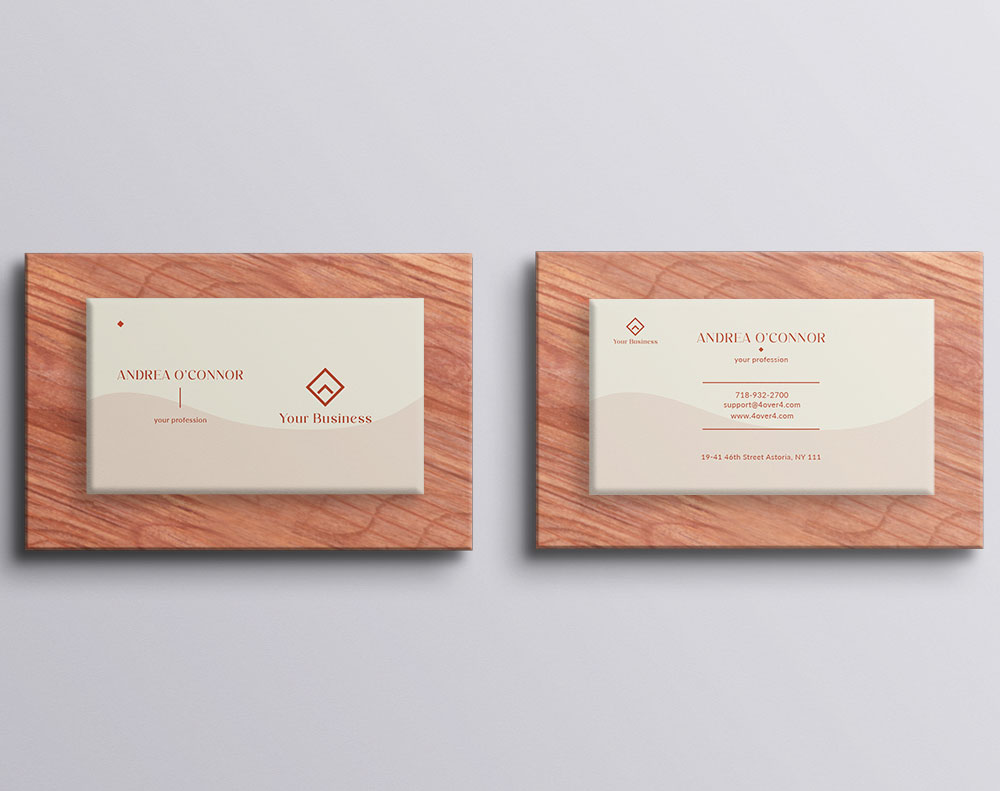
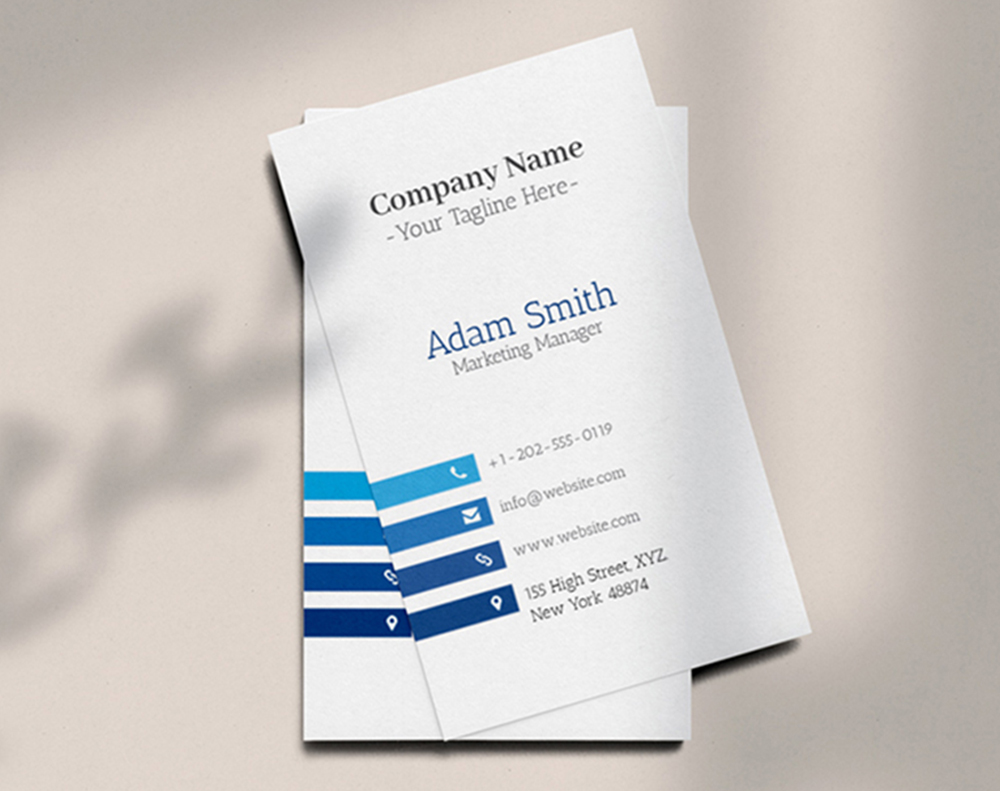
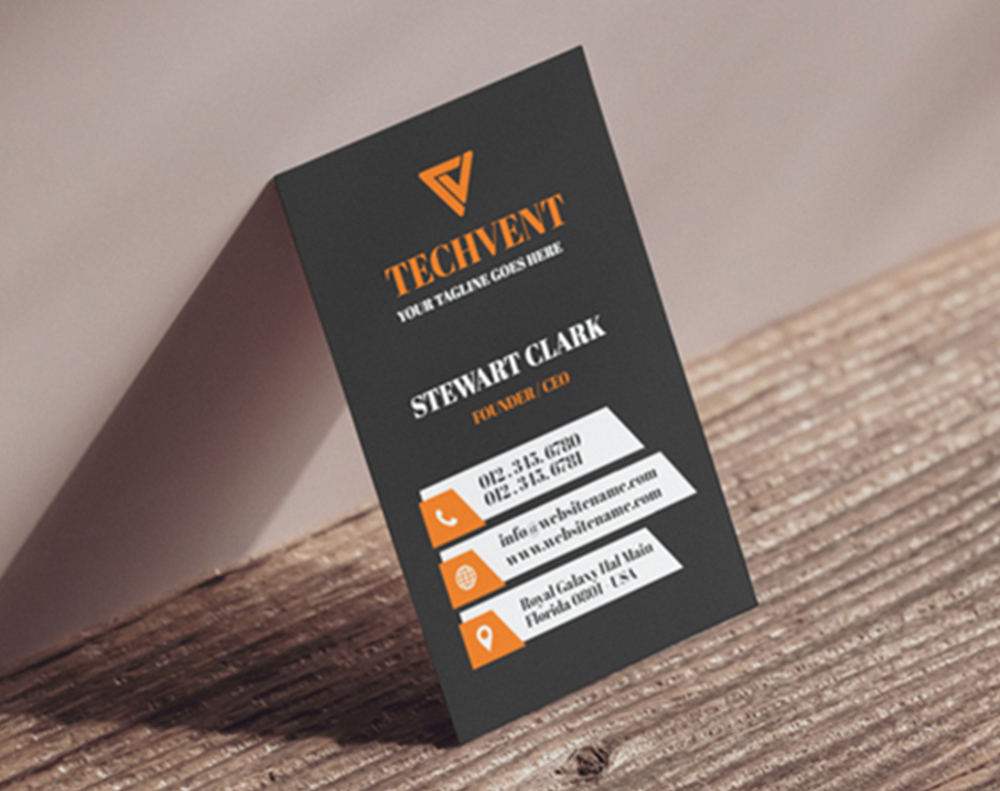
Free Small Business Marketing Statistics Templates



Common Questions About Marketing Data for Small Businesses
How much should a small business spend on marketing?
The U.S. Small Business Administration recommends 7-8% of gross revenue for businesses under $5 million in revenue. Growth-stage companies often spend 10-12%. The right number depends on your industry, competition, and goals. Small business marketing statistics consistently show that underspending on marketing correlates with slower growth.
What marketing channel has the highest ROI for small businesses?
Email marketing delivers the highest average ROI at $36 for every $1 spent, according to the Data & Marketing Association. Print direct mail also performs well with response rates of 4.9-9%. Marketing statistics for small business show that combining multiple channels - email, print, social, and search - outperforms any single channel used alone.
Do small businesses still need print marketing?
Yes. Direct mail response rates a lot outperform digital ad click-through rates. Business cards, postcards, and brochures create physical brand touchpoints that digital can't replicate. 4OVER4 has printed 10 billion+ cards because print continues to drive measurable results for small businesses across every industry.
What percentage of small businesses use social media marketing?
Roughly 73% of small businesses invest in social media marketing, according to Hootsuite. Small business social media statistics show Facebook as the most popular platform, followed by Instagram and LinkedIn. Video content - especially short-form video under 60 seconds - generates the highest engagement rates across all platforms.
How important is a website for small business marketing?
A website is foundational. Small business website statistics show that 36% of small businesses still lack a website, putting them at a serious disadvantage. Mobile traffic accounts for over 60% of visits, so mobile improvement isn't optional. Sites that load in under 3 seconds retain a lot more visitors than slower competitors.
What's the average email open rate for small businesses?
Small business email open rates average 21-25% depending on industry. Segmented campaigns and personalized subject lines can push that number higher. The businesses seeing the best email results send consistently - at least 2-4 times per month - and mix promotional content with educational material their audience actually wants to read.