
2026 Print Industry Trends and Their Relevance to Consumers


Marcus is our print marketing voice, built from the knowledge of our production team, with over 20 years in printing.
What Changed in Printing and Why It Reaches Your Cart
The 2026 print industry trends reach consumers through the order form itself. Decorative printing, the foil, spot gloss, and soft touch laid over the ink, is where buyers see the change most, because those effects now carry a live price instead of a quote.
Offset printing rewarded long runs, so anything unusual used to mean a custom estimate. Today foil stamping and spot UV on 30mil Clear Plastic Cards are dropdowns with a live price, and a 2 Sided Blockout Banner can be ordered one at a time.
None of that is abstract. It changes the quantity you pick, the stock you pick, how late you can order, and how much of the job you hand to someone else. The useful question for any piece is what it has to accomplish and the cheapest honest way to get there, ahead of the lowest price per thousand.
Trend in practice
Reusable large format
The clearest example of print built to last more than one event.
Design Services Moved to the Front of the Order
Design services are the layout, file preparation, and prepress work that turn an idea into a press ready file. That used to be a separate purchase from a separate person, and it added a step to every small order. In 2026 it is folded into the print order itself: template libraries with the bleed and safety margins already drawn, browser based editors that will not let you place text in the trim zone, automated preflight that flags low resolution images and RGB blacks before a plate or a digital file is ever produced.
The practical effect for a consumer is that the skill floor dropped a long way. You no longer need to know what 0.125 inches of bleed means, because the template holds it for you. What you still need is judgment about hierarchy, contrast, and what the piece is for, which is exactly the part software does not solve. If you are starting from a blank canvas, the current thinking on layout and typography is worth reading in these business card design trends and ideas before you commit a run to press.
Two habits help a file print the way it looked on screen. First, design at final size from the start rather than scaling a screen graphic up at the end. Second, proof on the actual stock, because a design that sings on a bright white gloss can go muddy on uncoated recycled paper.
Print picks
Three formats that show the 2026 shift
Live prices, each one ready to customize in the configurator.
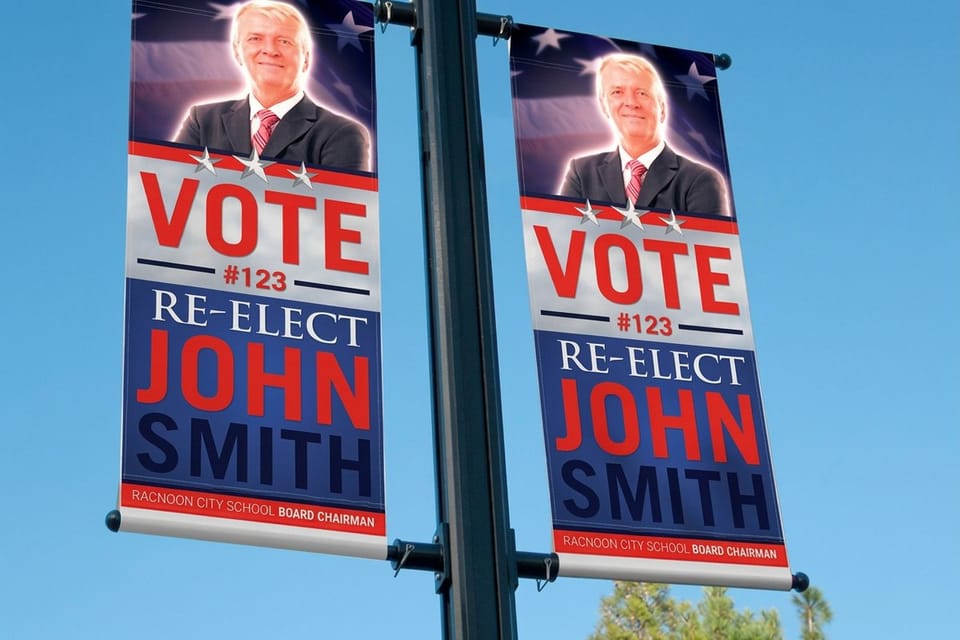
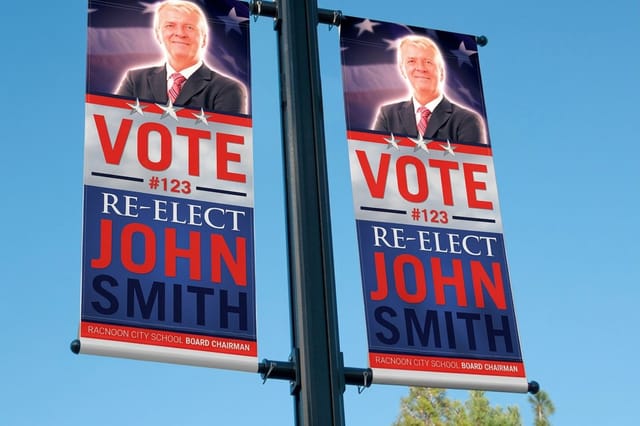 2 Sided Blockout Banners $108.75 each A blockout core stops light bleed so both printed sides stay sharp.
 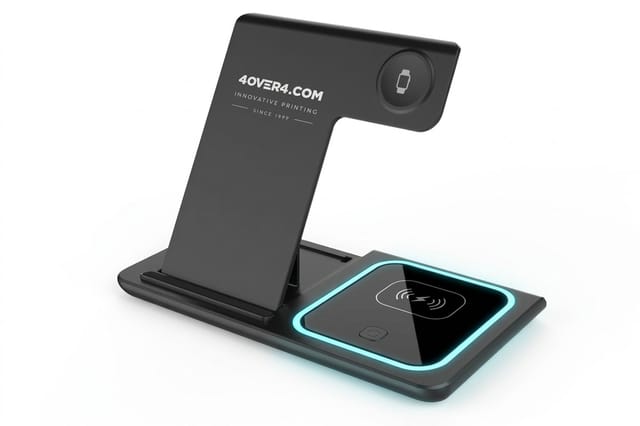 3 in 1 Foldable Wireless Charger $15.00 each Hardware that stays on a desk long after a flyer is recycled.
 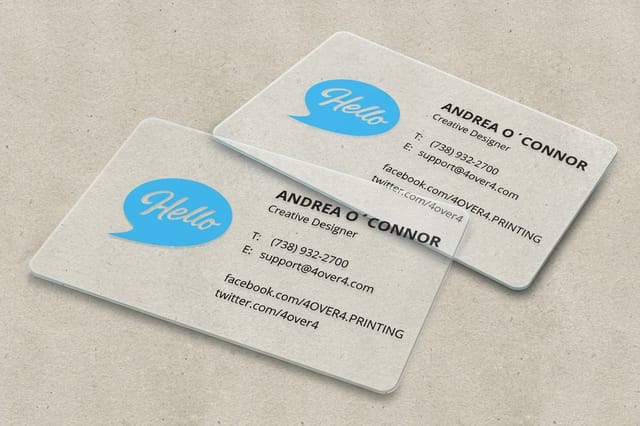 30mil Clear Plastic Cards 500 for $529.26 Clear plastic at credit card thickness, with an optional white ink layer under the color.
 Special Papers and Finishes Are Now Ordinary Options

Special papers and finishes are the material and surface choices that sit on top of the ink: the substrate itself, the coating, and any decorative pass added after printing. This is the category that changed most visibly. Raised foil, spot gloss on a matte field, soft touch laminate, kraft and cotton stocks, painted edges, and plastic substrates all used to be luxury line items. Automated finishing equipment and digital foil units turned them into selectable options with published prices.
The reason to care is touch. Cards, invitations and packaging get handled, and a finish is the part of the design the hand notices. Choose the finish for the job it does, not for how it sounds on a spec sheet.
- Soft touch laminate. A velvety surface that makes the card feel heavier than it is. Excellent for anything handed over in person.
- Raised foil and spot gloss. A tactile highlight on a logo or a single line. It works because most of the sheet stays quiet around it.
- Uncoated, kraft, and cotton stocks. Warm, writable, honest. Print type heavy pieces here and drop the ink coverage so the paper shows.
- Plastic substrates. Waterproof and as thick as a credit card. 30mil Clear Plastic Cards offer an optional white ink layer under the color, so the design can float on a clear field.
- Lenticular and motion effects. The specialty end of the market, and a good example of print doing something a screen cannot. See how it works on 3D lenticular postcards.
One caution before you add a second finish: finishes stack badly. Foil over heavy varnish, spot gloss on a soft touch field, or white ink under a dark flood can fight each other and produce a result nobody expected.
Quantity and price
Clear plastic card pricing and specs
Real configurator numbers for a specialty substrate, including stock and finishing detail.
| Quantity | Price Per Unit | Total |
|---|---|---|
| 500 | $1.06 | $529.26 |
| 1,000 | 63.0¢ | $630.31 |
| 2,000 | 56.8¢ | $1,135.55 |
| 2,500 | 53.0¢ | $1,325.02 |
| 3,000 | 50.5¢ | $1,514.49 |
| 3,500 | 48.7¢ | $1,703.96 |

Sustainability Turned Into a Spec You Can Read
The sustainability conversation in print has become concrete, which is progress. Instead of a vague claim, buyers now compare recycled content percentages, ask whether the fiber is certified, check whether the inks are vegetable or soy based, and look at whether a coating makes the piece recyclable or not. Packaging pushed the change hardest, because retailers and marketplaces started asking their suppliers the same questions. The current direction of travel is covered in these packaging industry market data and trends.
The most underrated sustainable decision is not the stock at all. It is the quantity. Printing 5,000 flyers because the per unit price looked good, then recycling 3,800 of them, is worse for the planet and worse for the budget than printing 1,200 and reordering. Short run digital, covered further down, is what makes that discipline affordable.
Durability is the second lever. A reusable piece beats a recyclable one on most measures, which is why hardware and heavy substrates keep gaining ground. A 2 Sided Blockout Banner with an undated message can travel from event to event instead of being reprinted for each one, and the blockout core means the reverse side never ghosts through. Design it without a year on it and it stays useful. For the packaging side of the same argument, these packaging design trends are a good companion read.
Built to be reused
2 sided blockout banners
Grommet and pole pocket options, in 13 sizes from 2 x 3 ft to 4 x 10 ft.

Digital and Short Run Printing Changed the Math
Offset printing needs plates, and plates need volume to justify themselves. Digital presses skip the plate entirely, so the cost of the first sheet dropped enormously while the cost of the ten thousandth sheet stayed roughly flat. That single change is behind most of what buyers notice: real prices on small quantities, faster turnaround, and the ability to change the file between runs at no penalty.
It also unlocked variable data, where every piece in the run can carry a different name, offer code, map, or image without stopping the press. Direct mail is where this shows up most clearly, because each name on a list can get its own offer or map in the same run. If you are weighing a campaign, start with direct mail response rates by industry to set an honest baseline, then read where the format is heading in direct mail marketing trends. To plan the mailing itself, browse the direct mail services printing collection.
Short run economics also explain the growth of branded physical goods sitting next to printed pieces. When you only need a handful of something, hardware becomes reasonable. A 3 in 1 Foldable Wireless Charger costs more per unit than a postcard and does something a postcard never will: it sits on a desk and charges a phone, a watch and earbuds at once. The 2026 instinct is to mix formats deliberately rather than pour the whole budget into one.
Short run hardware
Branded desk technology
One price per charger from a single unit up to 10, sold as it comes.
How to Act on Each Trend Without Overspending
Trends are only useful if they change what you click. Here is the translation, trend by trend, for a real order. The rule underneath all four is the same: decide what the piece must do, then buy the least expensive version that does it well.
Start from a template, not a blank page
Use a print ready layout with the bleed and safety already set, put your own photography and words in it, and run the automated preflight. That covers the design services trend for the price of your time, and it guards against two easy file mistakes, wrong size and text trimmed off the edge.
Buy one finish, not four
Pick the single effect that carries the piece. Soft touch for something handed over in a meeting, raised foil for a logo that should catch light, plastic for a card that has to survive a wallet. Leave the rest plain. Restraint is what makes the effect visible, and it keeps the invoice sane.
Right size the run before you optimize the price
Estimate how many pieces you will actually hand out in ninety days, order that number, and reorder. The per unit price will be higher and the total spend and the waste will both be lower. If the design is still unproven, this is not a compromise, it is the correct order of operations.
Match the format to the moment
Large format for the event, a durable card for the wallet, a mailed piece for the follow up, a branded object for the client you want to remember you. For the wallet piece, the table below sets four business card styles side by side, from free cards to 3D lenticular.
Compare formats
Popular cards, side by side
Free, standard, 3D lenticular and metallic foil business cards, with stock, size and turnaround for each.
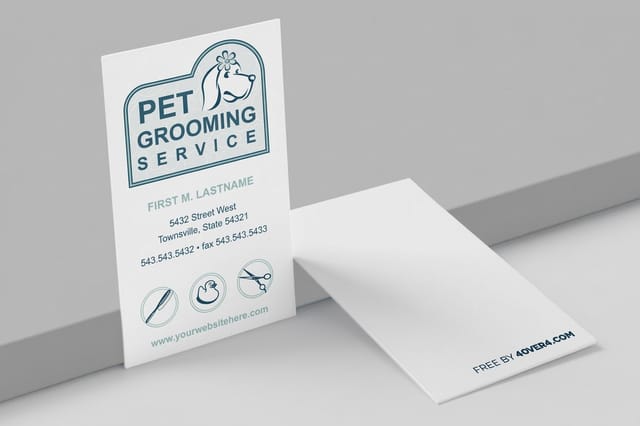 free business cards | 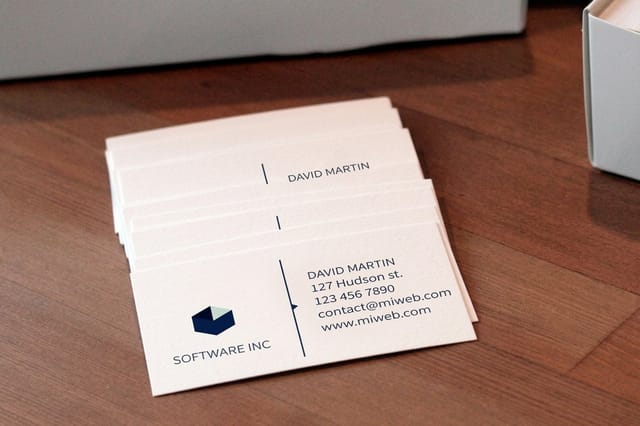 Standard Business Cards |  3D Lenticular Business Cards | 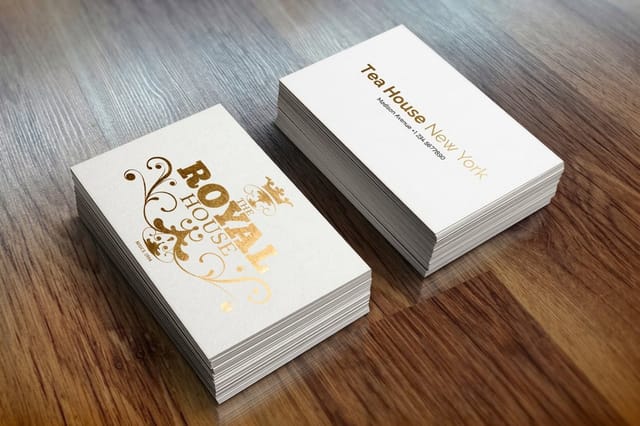 Metallic Foil Business Cards | |
|---|---|---|---|---|
| Min price | Free | $17.57 | $690.88 | $222.13 |
| Paper / stock | 14pt Gloss Cover | 14pt Gloss Cover | 31pt Lenticular Lens | 16 Point Silk Laminated |
| Finish | - | Standard Finish | - | - |
| Size | 2" x 3.5" | 2" x 3.5" | 2" x 3.5" - Vertical | 2" x 3.5" |
| Default qty | 200 | 100 | 500 | 500 |
| Turnaround | 5 business days | 3 business days | 22 business days | 7 business days |
| Rating | ||||
| View & customize | View & customize | View & customize | View & customize |
What These Trends Cost and How Printers Set the Price
Print pricing looks opaque until you see the four inputs behind it: material, press time, finishing passes, and turnaround. Material is the substrate and its weight. Press time falls sharply per unit as quantity rises, which is the quantity break you see in every configurator. Each finishing pass, foil, spot gloss, die cutting, rounded corners, adds a separate operation with its own setup. Turnaround is a scheduling premium, because a rush job displaces other work already booked.
Real numbers make it concrete. 2 Sided Blockout Banners start at $108.75 for one, on 15oz blockout vinyl with grommets and pole pockets as options. 30mil Clear Plastic Cards cost more per card than paper, because a plastic substrate, an optional white ink layer and specialized cutting make a different process from printing on paper. A 3 in 1 Foldable Wireless Charger starts at $15.00 per unit, priced as ready-made hardware rather than as print at all.
The two habits that save the most money are not clever. Order slightly earlier so you buy standard turnaround instead of rush, and check the quantity ladder before you commit, because the next tier up is often only marginally more expensive in total. When a specialty stock matters, buy it on the small piece that gets handled and keep the high volume item plain. For a sense of which categories reward that spend, the business card industry data and the greeting card revenue trends both show where buyers keep paying up for quality.
Start fast
Templates and print ready blanks
An exact size blank for the clear plastic card, with bleed and safety margins drawn before you design.

Wally sorts the trends from the noise
Four shifts that change what you order, and one that changes what you pay
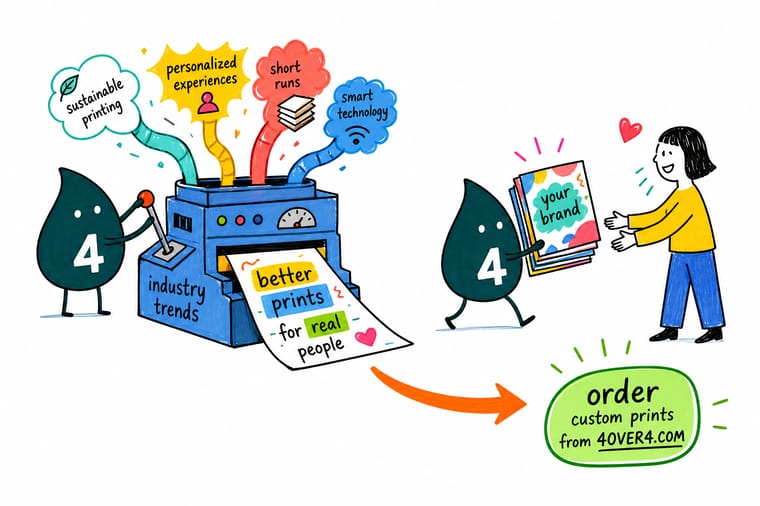
Do not chase every trend. Decide what the piece has to do, then pick the single trend that serves it. A tactile finish for anything handed over in person, a durable substrate for anything that lives in a wallet or outdoors, a short digital run for anything you have not tested yet, and a reusable undated design for anything you will need again next year. Start with a small run, hold it in your hand, then scale.
Order blockout banners →What to Remember Before Your Next Print Order
Explore more
More trend reading and the products behind it
Five trend articles, three sets of industry statistics, and the three products named above.
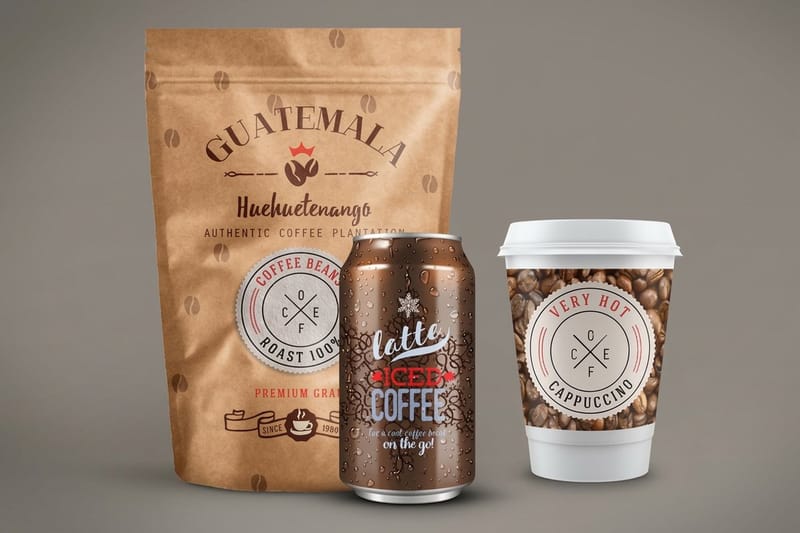 Article Packaging Design Trends Where structure, material, and unboxing design are heading.
 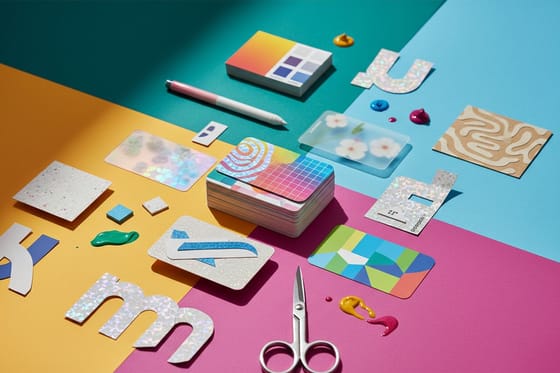 Article Business Card Design Trends Layout, typography, and finish ideas that still read well.
 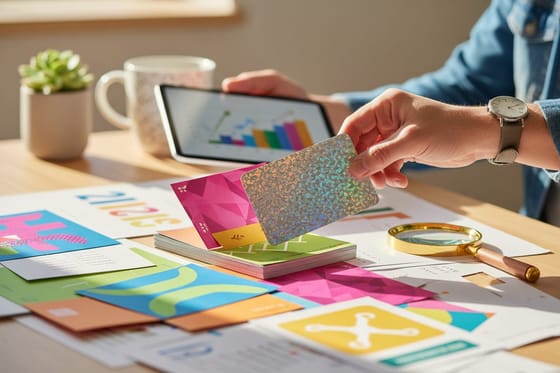 Article Direct Mail Marketing Trends Personalization, timing, and what the format does next.
 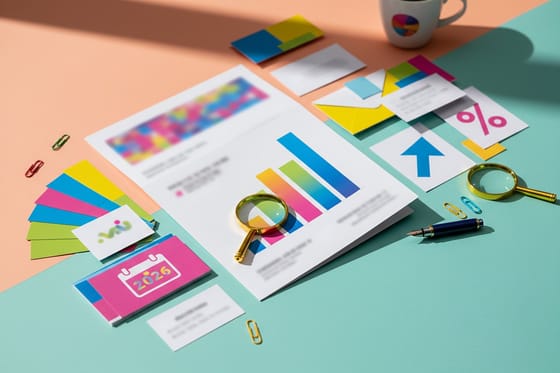 Article Direct Mail Response Rates Benchmarks by industry so you can set an honest target.
  Article 3D Lenticular Postcards The specialty effect that does what a screen cannot.
  Statistics Business Card Industry Data Volumes, formats, and what buyers pay extra for.
  Statistics Greeting Card Revenue Trends Where the category grows and which finishes sell.
  Statistics Packaging Market Data Material shifts and sustainability pressure in packaging.
  Product 2 Sided Blockout Banners Reusable large format with no light bleed between sides. Product 30mil Clear Plastic Cards Waterproof clear plastic with an optional white ink layer.
 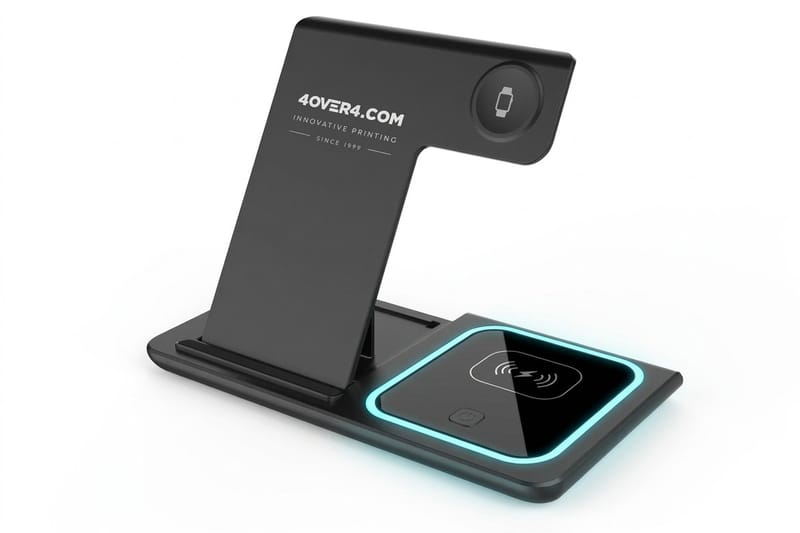 Product 3 in 1 Foldable Wireless Charger Hardware that earns permanent desk space.
 Put one 2026 trend on your next order
Pick the format that matches the job, set the quantity you will actually use, and let the configurator show you the price before you commit to a run.
Print Industry Trends, Frequently Asked Questions
What are the biggest printing industry trends in 2026?
The change buyers feel most is a real price on small quantities. Digital presses skip the plate, so 100 pieces or a single banner can be priced and ordered online, and finishes such as foil or spot UV on plastic cards are dropdowns rather than quotes. Packaging shows the material side of the shift most clearly in these packaging design trends.
What are design services and do I actually need one?
Design services cover layout, file preparation, and prepress, the work that turns an idea into a file a press can run without surprises. You may not need to hire that out, because print ready templates hold the bleed and safety margins and automated preflight catches low resolution images and color mode problems before production. What software cannot do for you is decide hierarchy, contrast, and purpose. If you want a starting point on the visual decisions, read these business card design ideas first.
What counts as special papers and finishes?
They are the material and surface choices layered on top of the ink: the substrate, the coating, and any decorative pass added after printing. That includes soft touch laminate, raised foil, spot gloss on a matte field, kraft and cotton stocks, painted edges, and plastic substrates such as 30mil Clear Plastic Cards, which can add a white ink layer under the color so artwork sits on a clear field.
How do I choose which of these trends is right for my project?
Work backward from the job the piece has to do. Something handed over in person rewards a tactile finish, because the hand notices it first. Something that has to survive a wallet or the weather rewards a durable substrate. A campaign you have not tested rewards a short digital run so you can learn cheaply before scaling. Choose the one trend that serves that job and ignore the rest.
What do these printing trends cost and how are prices set?
Four inputs set every print price: material, press time, finishing passes, and turnaround speed. Press time falls steeply per unit as quantity rises, which produces the quantity breaks in the configurator, while each finishing operation adds its own setup. The clear plastic card ladder on this page shows the effect: 500 cards cost $529.26 and 1,000 cost $630.31, so the second 500 add about $101.
