
11 Eco-Friendly Brands to Inspire Your Business


Marcus is our print marketing voice, built from the knowledge of our production team, with over 20 years in printing.
Why Green Branding Wins Customers Before the Product Does
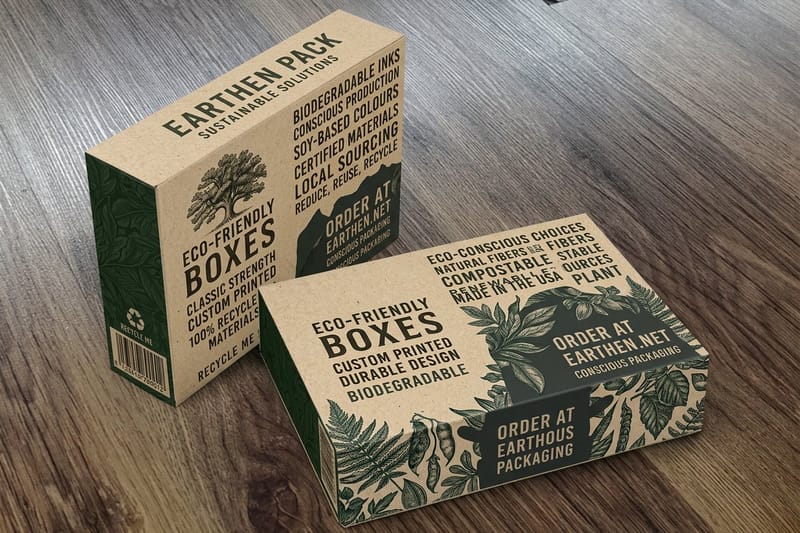
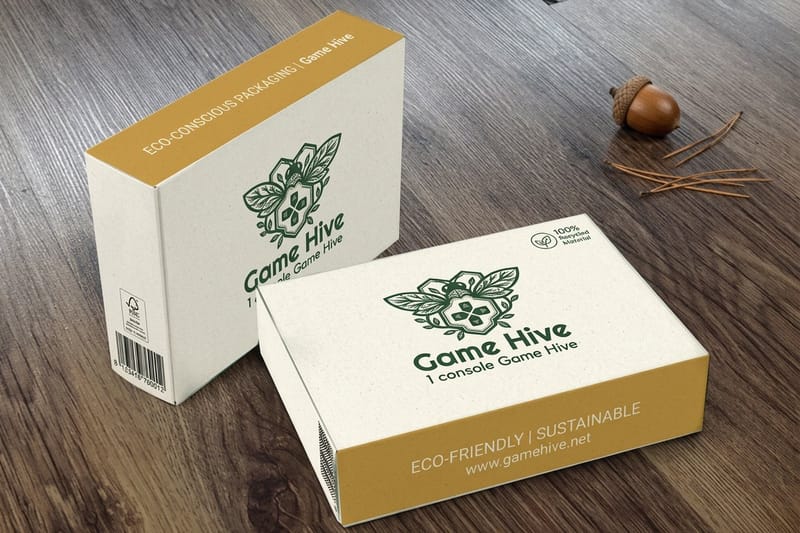
Customers decide how they feel about a company long before they read a spec sheet. A printed box, a brown kraft card, a card that feels like paper instead of plastic: they register those signals in the first second of contact, and each is a printed piece you can order, such as eco friendly boxes in 5" x 7" x 1.7" or 5.5" x 5.5" x 2.625" and kraft business cards. The eleven brands below built real sustainability into how they operate, then let their packaging and their print carry the message so they rarely had to argue for it.
None of them opened with a manifesto. Each picked one honest change it could actually deliver, made that change visible, and repeated it until customers could describe it back without prompting. That sequence is reproducible at any size, including a business that orders a single box of cards at a time.
Recycled and kraft card stocks and uncoated paper let you match the material language of the companies in this article without building a supply chain team. Begin with the piece a customer physically touches, almost always a card or a box, then work outward to labels, tape, and inserts.
Shop sustainable
Eco friendly printing collection
Recycled stocks, kraft cards, and low-waste formats gathered in one place.

11 Eco-Friendly Brands Worth Studying
These are not the largest sustainable companies in the world. They are the ones whose green branding is easiest to learn from, because in each case you can point at a single decision and say what it does. Read the list for the mechanism, not the mission statement.
- 1. Patagonia. Repairs what it sells through the Worn Wear program, resells used gear, and in 2022 moved company ownership into a trust dedicated to the climate fight. The repair counter is the brand.
- 2. Dr. Bronner’s. Ships classic castile soap in bottles made from post-consumer recycled plastic and prints its entire philosophy on the label, turning packaging into the longest-running piece of brand copy in the aisle.
- 3. Seventh Generation. Takes its name from the seventh-generation principle, builds plant-based household products, and puts full ingredient disclosure on the front of the pack instead of hiding it on the back.
- 4. Lush. Sells shampoo, conditioner, and cleanser as solid bars so the product needs no bottle at all, and takes empty pots back at the counter. The absence of packaging is the advertisement.
- 5. Allbirds. Prints a carbon footprint figure on its products the way food labels print calories, which converts an invisible metric into something a shopper can compare on a shelf.
- 6. Beyond Meat. Makes plant-based burgers and sausages built to sit in the meat case rather than the health aisle, on the argument that a lower-impact protein should not require a lifestyle change to buy.
- 7. Who Gives A Crap. Makes toilet paper from recycled paper and bamboo, wraps every roll in printed paper rather than plastic, and says it donates half its profits to sanitation projects. The wrapper does the storytelling.
- 8. Blueland. Sells cleaning tablets that drop into a refillable bottle, so a customer buys the formula repeatedly and the plastic exactly once.
- 9. Tentree. Plants trees for every item ordered and issues a code with each product so the buyer can register and see the planting, which turns a claim into a receipt.
- 10. Pela. Builds compostable phone cases, taking a category known for landfill plastic and putting the end of the product’s life at the center of the pitch.
- 11. Ecosia. Runs a search engine that channels ad profit into tree planting and publishes monthly financial reports, so anyone who doubts the claim can go check it.
Notice how few of these depend on a big budget. A wrapper choice, a printed number, a code on a hang tag, a published report: each is a small, concrete artifact.
Print picks
Three formats to start a greener brand kit
Live prices, ready to customize with your own artwork.
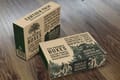
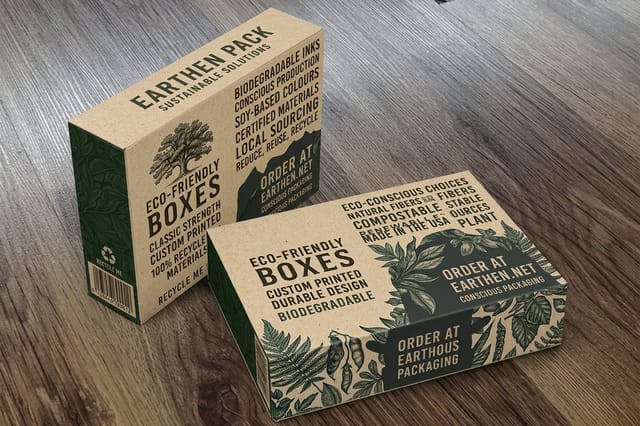 Eco Friendly Boxes 250 for $711.78 Custom sustainable packaging that makes the material itself the message.
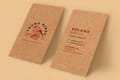
 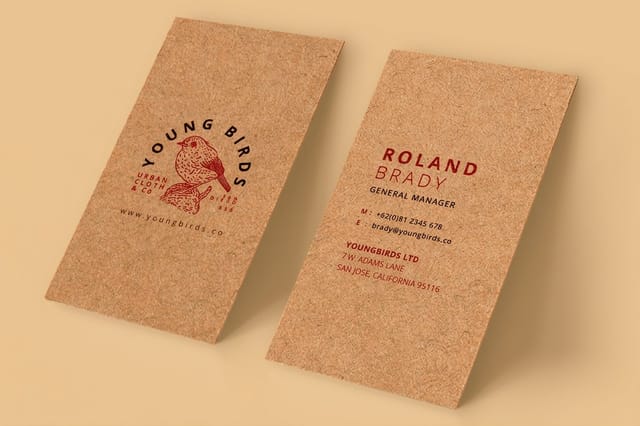 Kraft Business Cards 100 for $24.75 Brown recycled card stock, printed in color, with white ink optional for light text.
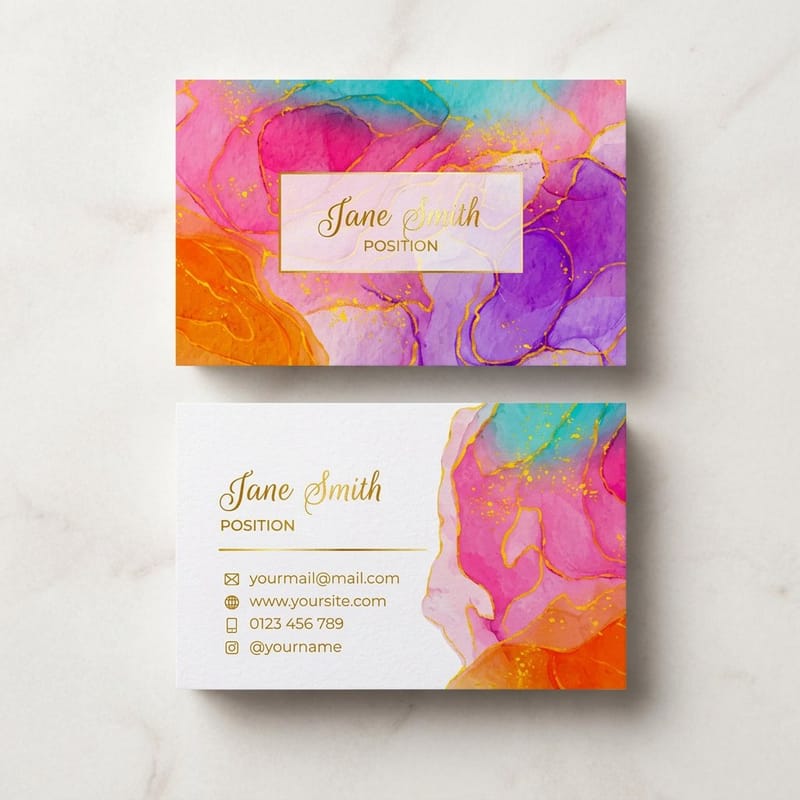
 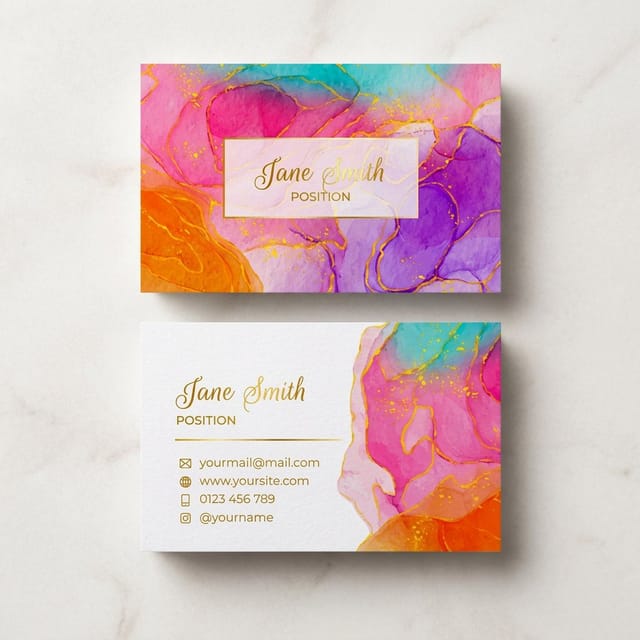 Artist Business Cards 100 for $17.57 A low-cost first run for testing a natural, uncoated brand look.
 How Each Brand Turns Sustainability Into Branding
Look past the categories and the same six moves repeat. Each brand on the list uses at least two of them, and you can start any of them without a certification body. Four of the six land on a printed piece: a box, a label, a card or a hang tag.
- Make the material the message. Kraft board, uncoated stock, and visible recycled fiber tell the story before a single word is read, which is why so many sustainable brands stopped bleaching their packaging.
- Put the number where people look. Allbirds moved its footprint figure to the product face. Anything you can measure and print becomes a comparison your competitor has to answer.
- Remove something visible. Lush removed the bottle, Blueland removed the refill plastic, Who Gives A Crap removed the poly wrap. Subtraction is easier to notice than addition.
- Publish the receipts. Ecosia’s monthly reports and Tentree’s planting codes exist so a skeptic can verify the claim alone, at midnight, without contacting anyone.
- Give the customer a job. Repairs, returns, refills, and registration codes turn buyers into participants, and a participant has a story to tell about the brand.
- Keep the promise small enough to keep. One specific commitment held for years beats five broad ones abandoned in a quarter, and it is far harder for anyone to call greenwashing.
Packaging is where most of these moves land first, because it is the only marketing every single customer is guaranteed to handle. If you want a running start, work through these eco-friendly packaging ideas and pick the one you could ship next month.
Quantity and price
Eco friendly box pricing and specs
Real configurator numbers. Larger runs lower the cost of every box.
| Quantity | Price Per Unit | Total |
|---|---|---|
| 250 | $2.85 | $711.78 |
| 500 | $1.42 | $711.78 |
| 1,000 | 79.7¢ | $797.02 |
| 2,500 | 53.5¢ | $1,338.30 |
| 5,000 | 44.6¢ | $2,231.42 |
| 10,000 | 40.4¢ | $4,044.70 |
How to Be Like Them Without Greenwashing
The gap between an inspiring brand and a suspicious one is specificity. Vague words like green, natural, and planet-friendly invite doubt. Named materials, named actions, and verifiable numbers close it. Four steps take you from intention to something printed.
Step 1: pick one change you can prove
Choose the single switch you can defend in a sentence, such as moving your cards to recycled kraft stock or dropping plastic laminate from your cards. One provable change outperforms a page of aspirations, and it gives your team something concrete to protect.
Step 2: move it onto the thing customers hold
A sustainability page nobody visits changes no minds. The box, the card, the tape, and the insert reach every buyer. Print the change where hands land, and the message travels without media spend.
Step 3: say it in plain language on the print itself
Write what the material is and what happens to it afterward. Recycled kraft, uncoated, recyclable at curbside is more persuasive than any badge, and it survives translation to a warehouse label. If cards are your starting point, this breakdown of whether business cards are recyclable gives you accurate wording to borrow.
Step 4: repeat it everywhere the brand shows up
Consistency is what turns a choice into a reputation. The same stock, the same line, the same look across cards, boxes, and shipping materials makes the commitment feel structural rather than seasonal.
Brown and recycled
Kraft business cards
The card for step 3: the material story is the stock itself.
Recycled and Kraft Print Options That Back the Claim
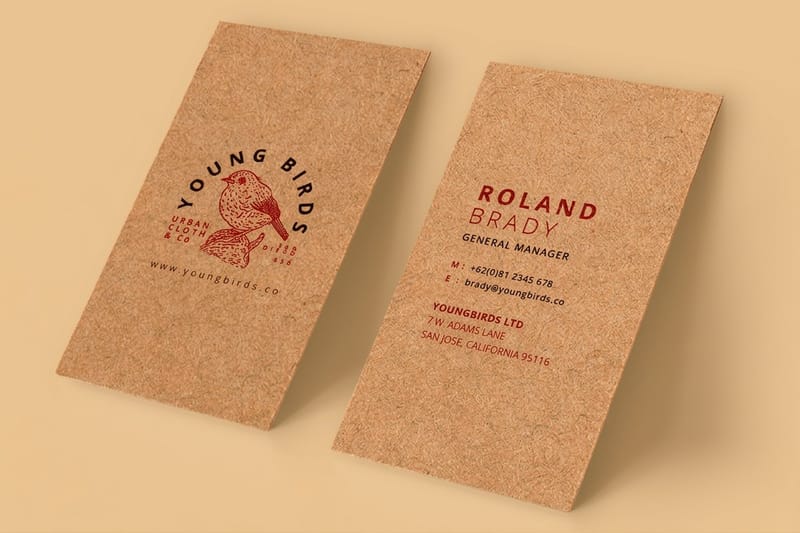
Once you know which change you are making, the print spec makes it real. Sustainable stocks print differently from gloss-coated sheets, so a few choices at ordering decide whether the finished piece looks intentional or cheap. Kraft cards come on 18pt Kraft Uncoated Cover (100% PCW) in six sizes, from a 2" x 2" square to the 2" x 3.5" standard, with a white ink option for light text on brown. The eco-friendly printing collection gathers the recycled and kraft options in one place.
- Kraft card stock. The brown fiber shows through the print. Designs with heavy ink coverage fight the stock, so lean on line art, single-color logos, and white space.
- Recycled uncoated stock. Soft, matte, and easy to write on. Colors sit a shade quieter than on coated sheets, which is worth previewing before a large run.
- Soy inks. 4OVER4.COM prints with low-VOC soy inks.
- Skip the plastic laminate. A gloss or soft-touch film makes a card harder to recycle, so leave it off any piece you call sustainable.
- Right-size the run. Overprinting is the quietest form of waste. Order the quantity you will use in a year rather than the quantity that hits the biggest discount tier.
Bamboo deserves its own look if you want a card that feels different in the hand. This walkthrough of bamboo business cards and eco-friendly options covers where the material shines and where standard recycled stock is the smarter buy.
Start small
A short run on natural stock
Test the uncoated look on a card before you commit the budget to packaging.
Packaging, Cards, and Shipping Materials That Match
An unboxing is a sequence of four or five touches, and each one can repeat the same promise: the outer box, the seal, the insert, the card, and for makers a hang tag. The brands that feel coherent made the same material decision at each of those steps, for example kraft board, paper tape and an uncoated card with one ink color.
- The outer box. A box printed in one or two colors looks more deliberate than full-bleed color, which is why so many sustainable brands stop at two inks.
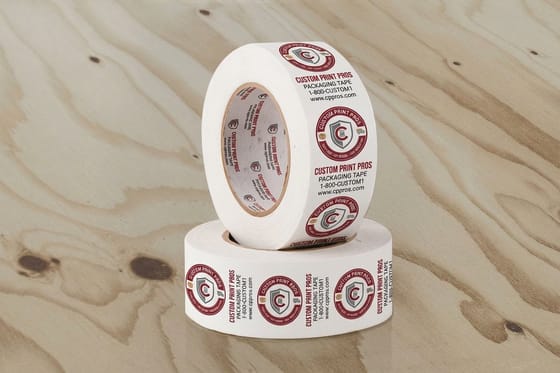
- The seal. Branded tape turns the closure into a logo placement; if dropping plastic is your one change, source paper tape, since the printed tape here is polypropylene. This guide to custom business tape covers sizing and print coverage.
- The insert. A single uncoated card with your material story does more than a folded brochure, and it costs a fraction as much per order.
- The card in the box. Cards outlive packaging by years. An uncoated card with a real address and a clean mark is the piece most likely to end up pinned to somebody’s wall.
- The handmade option. Small runs and craft brands can assemble their own. These DIY kraft packaging box ideas show how far a flat sheet and a good stamp will take you.
Makers selling at markets and fairs get extra mileage from a card that matches the product’s handmade feel. There are useful directions in these business card ideas for crafters, most of which suit recycled stock naturally.
Compare formats
Popular business cards, side by side
Stock, finish, size, quantity, and turnaround in one view.
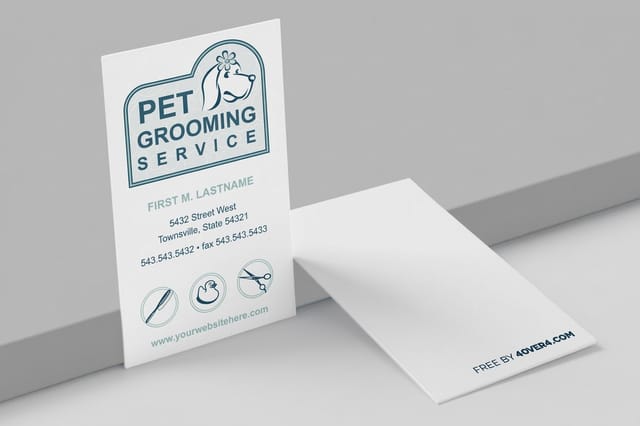 free business cards | 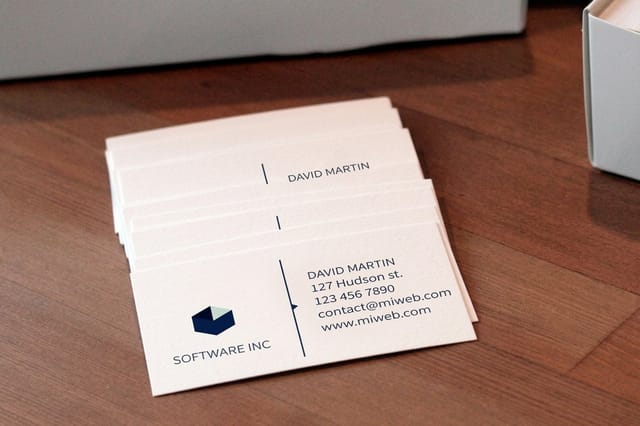 Standard Business Cards | 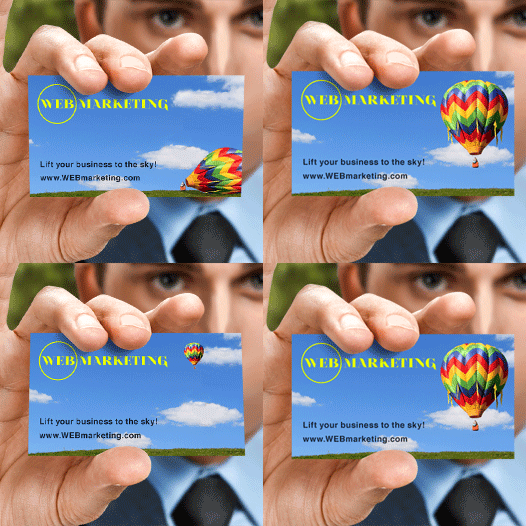 3D Lenticular Business Cards | 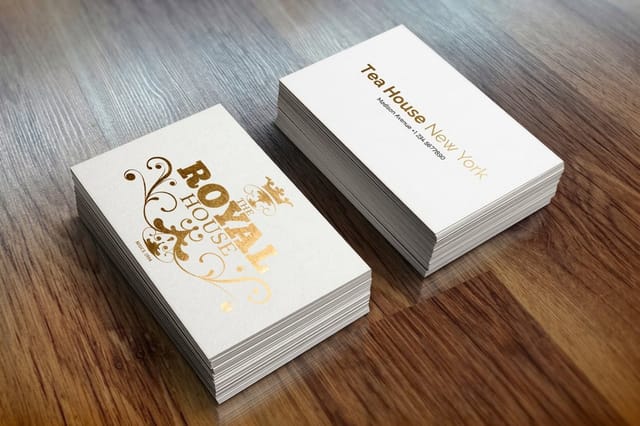 Metallic Foil Business Cards | |
|---|---|---|---|---|
| Min price | Free | $17.57 | $690.88 | $222.13 |
| Paper / stock | 14pt Gloss Cover | 14pt Gloss Cover | 31pt Lenticular Lens | 16 Point Silk Laminated |
| Finish | - | Standard Finish | - | - |
| Size | 2" x 3.5" | 2" x 3.5" | 2" x 3.5" - Vertical | 2" x 3.5" |
| Default qty | 200 | 100 | 500 | 500 |
| Turnaround | 5 business days | 3 business days | 22 business days | 7 business days |
| Rating | ||||
| View & customize | View & customize | View & customize | View & customize |
Build Your Own Eco Print Kit This Quarter
You do not need a rebrand to start. A working eco print kit is four pieces, ordered once, that make the same statement in the same voice. Most businesses can put it together in a single afternoon of decisions.
The four pieces worth ordering first
- Business cards on uncoated or recycled stock. The cheapest test of the whole direction, and the piece you hand over most often.
- Custom boxes on uncoated board. The largest surface you own and the one that arrives at a customer’s door with your name on it.
- Printed packaging tape. Closes the box and repeats the logo down the length of every parcel, in one or two ink colors.
- A printed insert card. Room for the material story, a thank you, and a reason to come back, all on one uncoated sheet.
Fill the empty space with words that sound like you rather than like a compliance form. If a line is not coming, these small business quotes to inspire and print are a decent place to find the tone before you write your own.
Start fast
Card templates and print-ready blanks
Free layouts plus exact-size blanks so your first eco run lands correctly.
Wally helps you copy the good parts
Pick one honest change, then print it where customers hold it
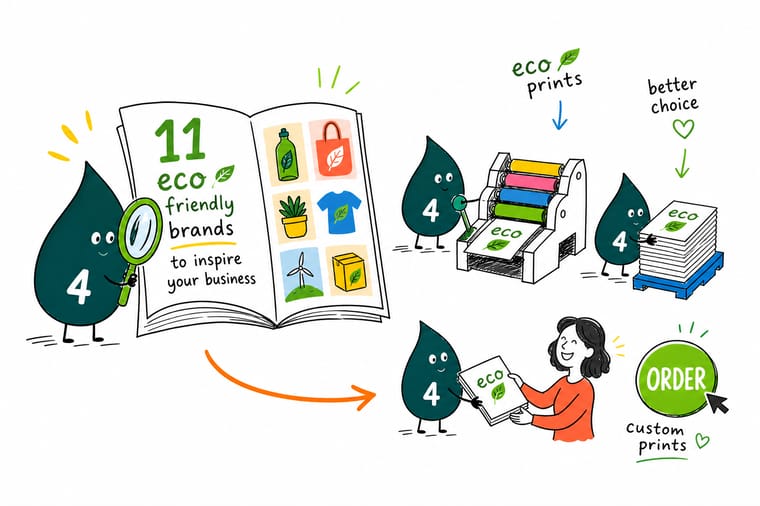
Every brand in this article is famous for one visible decision. Choose yours first: recycled stock, no plastic laminate, kraft board, or paper tape. Then move it onto the pieces a customer touches, name the material in plain words, and keep the wording identical across cards, boxes, and shipping materials. Start with a short card run to prove the look, then scale into packaging once the direction feels right.
Start your eco print kit →Eco Branding Takeaways You Can Act On This Week
Keep reading
Guides for going green in print
Bamboo card options, seven packaging ideas, a DIY kraft box, and branded tape sizing.
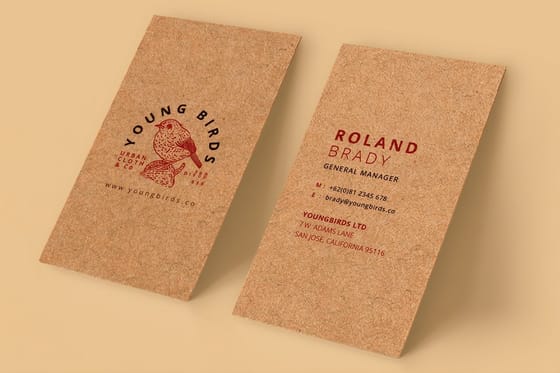 Guide Bamboo Business Cards Explained Where bamboo beats recycled stock, and where it does not.
  Guide 7 Eco-Friendly Packaging Ideas Practical packaging swaps you could ship next month.
 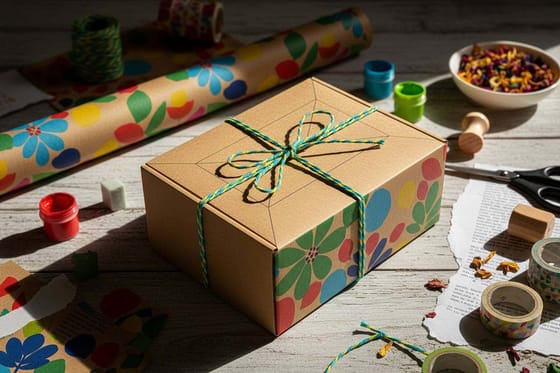 Guide DIY Kraft Packaging Box Make a handmade box that still looks like a brand.
  Guide Custom Business Tape Size and print the tape that brands every parcel you send.
 Explore more
More ways to build a sustainable brand in print
Boxes, cards, packaging ideas and green print guides for the next step.
 Collection Eco Friendly Printing Recycled, kraft, and low-waste print in one place. Product Eco Friendly Boxes Custom packaging on 14pt uncoated or 18pt board, from 250. Product Artist Business Cards Natural, uncoated cards for a low-waste brand look.
  Product Kraft Business Cards One recycled kraft stock in six sizes. Guide Bamboo Business Cards Eco-friendly card materials compared honestly. Article Eco-Friendly Packaging Ideas Seven swaps that customers actually notice.
  Article Are Business Cards Recyclable? What makes a card recyclable, and what ruins it. Article DIY Kraft Packaging Box A handmade box that still reads as a real brand. Article Custom Business Tape Tape sizes and print coverage for every box.
  Article Business Card Ideas for Crafters Handmade-friendly cards that suit recycled stock.
  Article 30 Small Business Quotes Lines worth printing on cards and inserts.
 Ready to make your packaging say it for you?
Pick the one change you can prove, print it on the box and the card, and let customers meet the promise with their hands instead of reading about it.
Eco-Friendly Branding Questions, Answered
What are the top 11 eco-friendly brands to learn from?
Patagonia (the Worn Wear repair program), Dr. Bronner’s (philosophy printed on a recycled bottle), Seventh Generation (ingredients on the front of the pack), Lush (solid bars with no bottle), Allbirds (a carbon figure on the product), Beyond Meat (plant protein in the meat case), Who Gives A Crap (printed paper wrappers), Blueland (refill tablets), Tentree (a planting code with each item), Pela (compostable phone cases), and Ecosia (monthly published reports). They span apparel, food, cleaning, beauty, tech accessories, and software, and each is known for one visible decision you can move into your own category, often onto a box, a label or a hang tag.
What is Beyond Meat and why does it belong on this list?
Beyond Meat makes plant-based burgers, sausages, and ground products engineered to look and cook like animal protein. It belongs here because of where it asked to be sold. By placing its products in the meat case instead of a specialty aisle, it made the lower-impact choice the default choice rather than a statement. That placement decision is the branding lesson, and it applies far beyond food.
What actually makes a brand eco-friendly rather than just green sounding?
A specific, checkable action. Named materials, a published number, a take-back program, or a report anyone can read all qualify because a skeptic can verify them alone. Words like natural, conscious, and planet-friendly qualify for nothing, since they carry no definition and no proof. If your claim cannot be printed on a box and defended in one sentence, it is positioning rather than practice.
How do I choose which eco-friendly brand to model my own on?
Match the mechanism to your economics, not the industry. If customers reorder often, follow Blueland and sell the refill. If your product lasts years, follow Patagonia and support repair. If you ship boxes, follow Who Gives A Crap and let the wrapper carry the message. Pick the one move you can sustain for three years, then print it consistently across cards, boxes, and tape.
What does eco-friendly printing cost and how are prices set?
Price follows quantity, size, stock, and turnaround. 100 Artist Business Cards start at $17.57, which makes a small uncoated run an inexpensive test of the whole direction, while Eco Friendly Boxes start at $711.78 for 250, because custom packaging is printed and cut in volume. Kraft Business Cards start at $24.75 for 100.
