
Alternatives to Brochures That Convert Better Than a Tri-Fold


Sofia is our design and templates voice, built from the knowledge of our production team, with over 20 years in printing.
Why Buyers Stop Reading a Tri-Fold
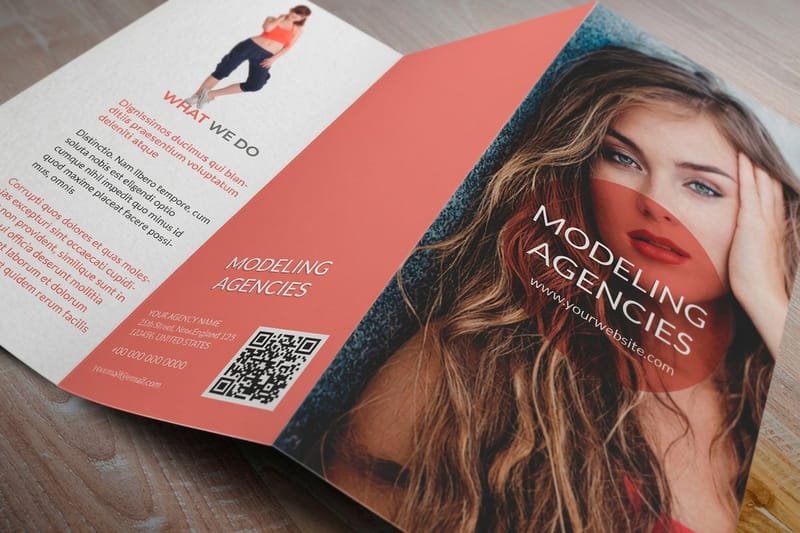
The best alternatives to brochures, and the brochure alternatives most teams switch to, are a rack card, a flyer, a postcard or a pocket folder, because a brochure asks for a commitment before it earns one. The reader has to accept the piece, open a panel, scan a second panel, then decide whether the third one is worth the effort, and a tri-fold 8.5" x 11" sheet gives each of those panels only about 3.67" of width. At a trade show table or a counter display, that is three decisions too many, and the piece goes in a tote bag that never gets unpacked.
The format is not the problem. The mismatch is. A tri-fold is built to carry a lot of structured information to someone who has already raised a hand. When you hand it to a stranger who has given you four seconds, you are using a reference document as an attention grabber.
4OVER4.COM has printed 10 billion+ products since 1999 for more than 150,000 businesses, and the pattern is consistent across industries. The teams that see the best response are not choosing between a brochure and nothing. They are matching the format to the moment, using a single flat card where attention is short and saving the folded piece for the follow-up.
Cost per read matters more than cost per piece
Price per unit is the wrong number to optimize. A brochure that costs a little more but sits unopened has an infinite cost per read. A rack card at half the panel count that gets scanned at the register is doing the actual job. Count the pieces that get consumed, not the pieces that get handed out.
One message per surface
Every panel you add invites another department to add a paragraph. That is how brochures become newsletters. The alternatives below all impose a discipline the brochure does not, which is a hard limit on how much can go on the page before something has to be cut.
Shop the range
Brochure printing at 4OVER4.COM
Every size, stock and fold in one place, with live configurator pricing.

Alternatives to Brochures, With the Specs
Four formats take over most brochure jobs. Here is what each one prints on, so you can compare them on the sheet rather than on the name.
- Rack cards. 3.5" x 8.5" or 4" x 9", on 14pt or 16pt cover, sized for the same display pocket a tri-fold sits in.
- Flyers. From 4.25" x 5.5" to 11" x 25.5", on 100# gloss or silk/matte text up to 14pt cover.
- Postcards. 14 sizes from 2.5" square to 6" x 11", on 14pt to 24pt ultra thick cover, ready for the mail.
- Pocket folders. 9" x 12" or 9" x 14.5", on 14pt or 16pt gloss, uncoated or linen, with business card slits on either pocket.
Brochure Alternatives by Budget and Turnaround
The same four formats, lined up on what a first run costs and how long it takes, with the standard brochure for comparison.
- Postcards. From $16.48, first run of 50, 3 business days.
- Flyers. From $39.54, first run of 50, 3 business days.
- Rack cards. From $42.84, first run of 50, 3 business days.
- Standard brochures. From $57.11, first run of 50, 3 business days.
- Pocket folders. From $844.54, first run of 250, 7 business days, and the inserts can change without reprinting the folder.
When a Brochure Is Still the Right Call
Before replacing the format, be honest about whether it is failing. A brochure earns its panels when the reader needs to compare options, follow a sequence, or keep the piece as a reference. Program guides, service menus, property packets, membership overviews and onboarding kits all belong in a fold, because the information genuinely has sections.
If that describes your piece, the fix is production, not format. Standard Brochures start at $57.11 and print on coated, uncoated and premium stocks, and audience-specific lines like Church Brochures and Commercial Real Estate Brochures arrive sized for the rack, the pew or the listing packet instead of forcing a generic layout to stretch.
- Keep the brochure when the reader will refer back to it more than once, such as a service menu or a program guide.
- Keep the brochure when the content has natural sections that need headers, because panels do that work for free.
- Replace the brochure when the piece is handed to strangers who have not asked for anything yet.
- Replace the brochure when it is mailed, since a flat card gets read on the walk back from the mailbox.
- Replace the brochure when the only real message is one offer, one date or one address.
The decision is not brochure or no brochure. Most marketing calendars run both, a short flat piece for first contact and a folded piece for the people who ask for more. Our guide to making brochures covers the folded side in depth once you know the fold is right.
Print picks
Three brochure formats worth comparing
Live prices, ready to customize with your sizes, stocks and folds.
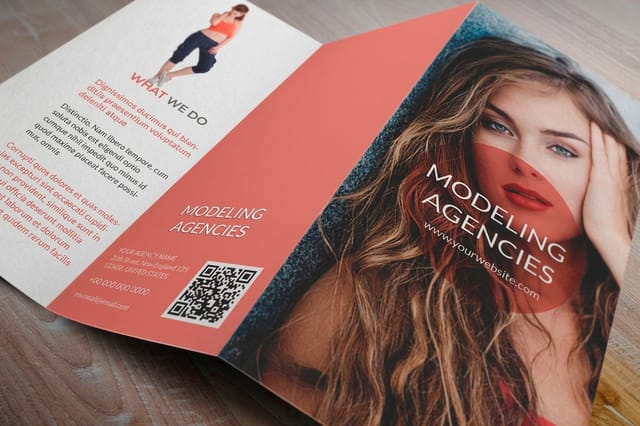 Standard Brochures 50 for $57.11 The workhorse fold when you genuinely have several pages of story to tell.
 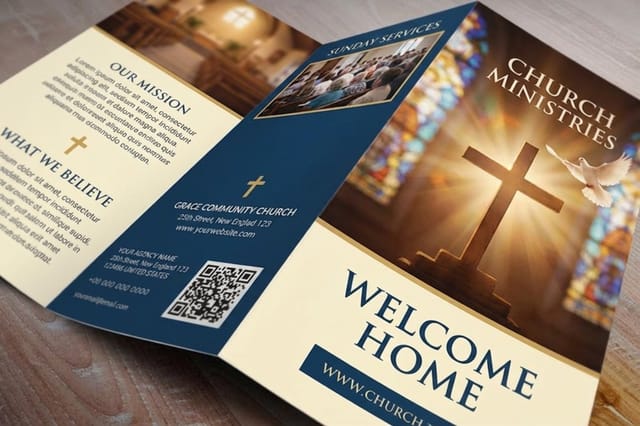 Church Brochures 50 for $57.11 Service times, ministries and welcome copy in a piece built for the pew rack.
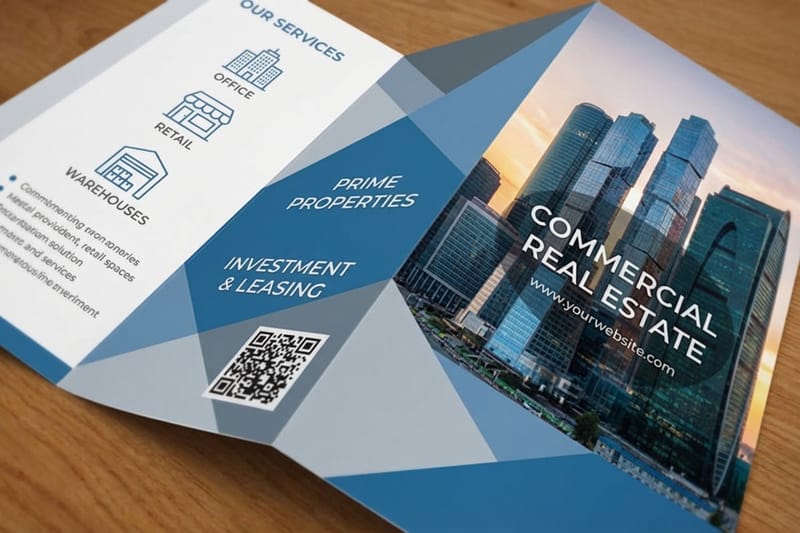
 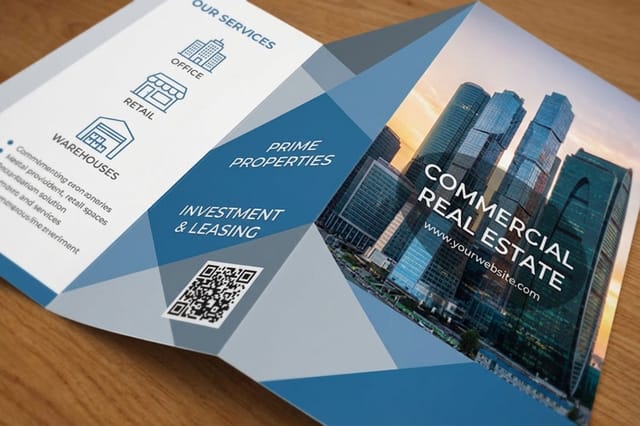 Commercial Real Estate Brochures 50 for $57.11 Floor plans, specs and photography sized for a listing packet or tour.
 Rack Cards, Flyers, Postcards and Folders Compared
Four formats absorb most of the work a brochure used to do. They differ in how much they hold, how they travel and how much of the message survives a quick glance. Reading them side by side is faster than reasoning about them one at a time.
Rack cards
Tall, narrow and built for a display pocket, a rack card gives you one headline surface plus a full back. It fits the standard brochure holder without folding, so it never hides its own message. Hotels, clinics, tourism desks and studio lobbies get more pickups from a rack card than from a tri-fold sharing the same holder, and rack card design is simpler because you are laying out two flat sides instead of six panels. Once both sides are laid out, print rack cards in the standard holder size.
Flyers
A flyer is the cheapest way to put a full page of message in a hand. It scales to high quantities, works for handouts, inserts, counter stacks and door drops, and it can carry more copy than a postcard when the offer needs explaining. The tradeoff is durability, so a flyer is a campaign piece rather than a keeper.
Postcards
Nothing beats a postcard for mail. There is no envelope to open, which means the message is read whether or not the recipient decided to read it. One offer, one image, one call to action. If the campaign is a date, a discount, a grand opening or a reminder, the postcard is almost always the higher performing choice.
Presentation folders
When the content really is a package, a folder beats a fold. Sheets can be updated independently, pricing can be swapped without reprinting the whole run, and the piece survives a meeting. Sales teams, agencies and real estate offices use a folder as the container and keep the individual inserts cheap and current.
Compare formats
Popular brochure formats, side by side
Standard brochures start at 50 for $57.11 on 100# gloss text and leave in 3 business days.
| Standard Brochures | 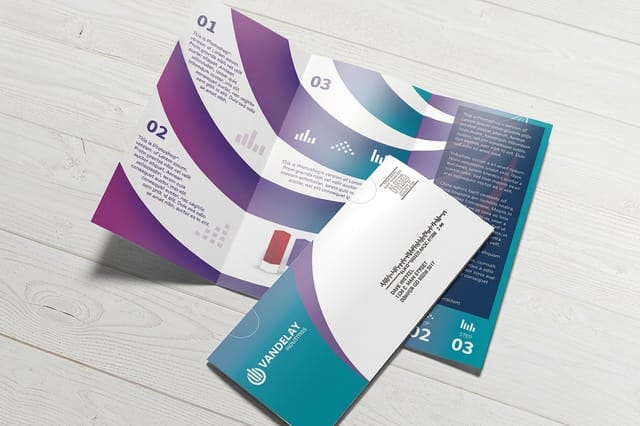 Direct Mail Brochures |  Medical Brochures | 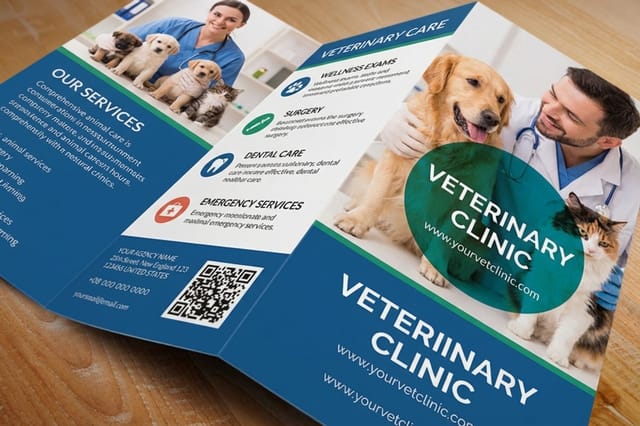 Veterinary Brochures | |
|---|---|---|---|---|
| Min price | $57.11 | $238.73 | $57.11 | $57.11 |
| Paper / stock | 100# Gloss Text | 100# Gloss Text | 100# Gloss Text | 100# Gloss Text |
| Finish | Standard Finish | Standard Finish | Standard Finish | Standard Finish |
| Size | 5.5" x 8.5" | 8.5" x 11" | 5.5" x 8.5" | 5.5" x 8.5" |
| Default qty | 50 | 500 | 50 | 50 |
| Turnaround | 3 business days | 6 business days | 3 business days | 3 business days |
| Rating | ||||
| View & customize | View & customize | View & customize | View & customize |
Pick the Format by the Goal, Not the Page Count
Start from what you want to happen after the piece leaves your hand. The goal decides the format faster than any feature comparison, because each of these pieces is optimized for a different kind of next step. In sizes: a display wants a 4" x 9" rack card, a mailbox a 6" x 9" postcard, a door drop an 8.5" x 11" flyer, and a meeting a 9" x 12" folder.
- Get noticed in a display. Rack card. It stands up, shows a full headline and never needs to be opened to make sense.
- Land an offer in a mailbox. Postcard. No envelope, no barrier, one message that is read on the way inside.
- Cover a neighborhood or an event. Flyer. Highest quantity for the budget, full page of room, no folding cost.
- Support a meeting or a pitch. Presentation folder with inserts you can update between meetings.
- Explain a program or a service menu. Brochure. The panels are the outline, and the reader wants the outline.
- Sell a property or a listing. A folded piece with photography, because the buyer expects to keep it.
Budget enters after the goal, not before it. Once you know the format, the quantity curve does the rest of the work, and the price per piece on a longer run usually funds a better stock. The pricing and specs below come straight from the live configurator so you can see where the breakpoints sit.
If you are still weighing print against everything else on the plan, this guide to print advertising types lays out where each medium fits, and ten ways to use marketing promotions shows the campaigns these formats support.
Quantity and price
Standard brochure pricing and specs
Real configurator numbers. The more you print, the lower the price per piece.
| Quantity | Price Per Unit | Total |
|---|---|---|
| 50 | $1.14 | $57.11 |
| 100 | 82.4¢ | $82.38 |
| 200 | 53.3¢ | $106.55 |
| 300 | 41.0¢ | $123.02 |
| 400 | 34.9¢ | $139.49 |
| 500 | 31.2¢ | $155.97 |

Folded Formats That Still Beat a Flat Sheet
Dropping the tri-fold does not mean dropping folds entirely. A fold is a finishing operation applied to a flat sheet, which means you can change the reading experience without changing the print. The right fold turns a piece that felt cramped into one that feels deliberate. On an 8.5" x 11" sheet, a bi-fold gives four panels of 5.5" x 8.5" where a tri-fold gives six of about 3.67" x 8.5".
A bi-fold gives you four generous panels instead of six narrow ones, which suits photography and short blocks of copy. A Z-fold reveals its panels in sequence, so it works for a step by step process. An accordion fold holds more without feeling dense, and our accordion fold guide walks through when the extra panels pay off. A gate fold builds a reveal, which is why it shows up on premium property and event pieces.
Folding is available as a finishing option through our folding service, so a single flat design can be produced in the fold that matches the message. Test the fold on paper before you commit the run, because a fold that reads well in a mockup almost always reads well in a stack of a thousand.
Finishing option
Professional folding service
Bi-fold, tri-fold, Z-fold or gate fold applied to the same flat sheet, so the reading order matches your message.
Formats Built Around a Specific Audience
Generic layouts are the quiet reason brochures underperform. A piece designed for everyone has to hedge on size, panel count and stock, and the hedge costs you on every one of them. Audience-specific formats start from what the reader will do with the piece. Church brochures and commercial real estate brochures both print from 5.5" x 8.5" to 11" x 25.5", on 100# gloss or silk/matte text, 70# uncoated or 14pt gloss cover, from 50 copies in 3 business days.
A congregation picks up a piece on the way in and reads it during a quiet minute, so Church Brochures are sized for a rack and laid out for service times, ministries and a welcome message. A prospective tenant takes a piece from a tour and compares it against three others that night, so Commercial Real Estate Brochures give photography and floor plans room to breathe. Agents running open houses pair the printed piece with directional signage so the piece and the path tell the same story.
The stock choice belongs to the audience too. A piece meant to be kept for a month should not be printed on the same sheet as a piece meant to be read once and recycled. Heavier stock signals value, matte reads as considered, gloss makes photography pop, and each one costs a different amount at the quantity you actually need.
Audience ready
Church brochures
Sized for the rack and laid out for service times, ministries and a welcome message.

Designing Whichever Format You Land On
Every format on this page shares the same design rules. One idea owns the front, the reader should know what you sell within two seconds, and the call to action needs a real destination, whether that is a phone number, a short URL or a code that means something on your side.
Start from a print-ready layout rather than a blank canvas. Templates carry the trim, bleed and safe margins for the exact size you ordered, which removes the single most common reason a file comes back for revision. Blank templates give you the same geometry to drop into your own tool, and the fold marks are already positioned.
Match the finish to the job
- Handouts and door drops. Lighter stock, gloss finish, high quantity, low cost per piece.
- Rack and counter pieces. Heavier stock so the card stands up in the holder without curling.
- Mailed pieces. Stock rated for the mail stream, with the address panel kept clear of artwork.
- Meeting and listing pieces. Premium stock and a matte or soft finish that reads as considered.
If you are comparing print partners as well as formats, the alternatives hub lays out how 4OVER4.COM stacks up against the shops most teams evaluate, on price, stock range and turnaround.
Start fast
Brochure templates and print-ready blanks
Free layouts plus exact-size blanks so trim, bleed and fold marks are correct before you upload.

Wally helps you swap the fold for the right format
Match the piece to the moment, then print it
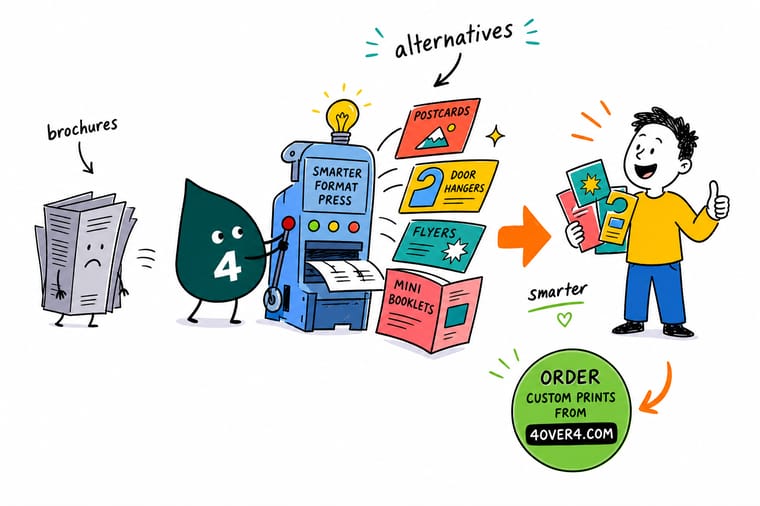
Not sure whether to keep the tri-fold? Ask one question first. Has this reader already raised a hand? If yes, panels help, and a brochure is the right container. If no, give them one flat surface with a single message, then save the folded piece for the follow-up. Wally will point you to the format, the stock and the fold that fit the job.
Configure your brochures →Keep reading
Guides that go deeper on each format
Practical walkthroughs for folds, layouts and the campaigns around them.
Choosing the Format You Will Print Again
By the numbers
Where brochure pricing starts, and what replaces it
Standard, church and real estate brochures start at $57.11; a rack card starts at $42.84 and a postcard at $16.48, all from runs of 50.
- 10B+ Print products delivered, since 1999.
- 150,000+ Businesses served, across every industry.
- $57.11 Brochure starting price, standard, church and real estate.
- 3 Brochure lines to choose from, each built for its own audience.
Explore more
More ways to put your message in a hand
Related pages across 4OVER4.COM, one card per format, guide and service.
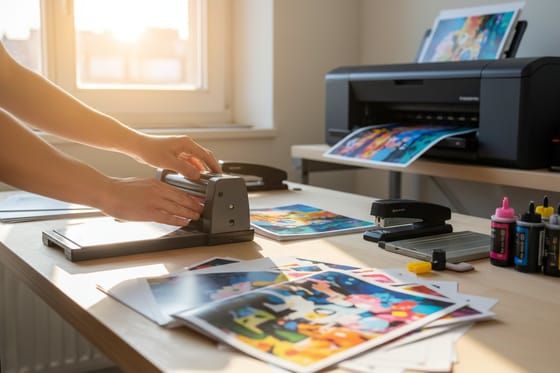 Guide How to Make Brochures From panel plan to press-ready file. Shop Brochures Printing Browse every brochure size, stock and fold. Product Standard Brochures The workhorse fold, priced from $57.11.
  Article Rack Card Design Lay out the flat format that replaces a tri-fold.
  Guide Accordion Fold Brochures More panels without a denser page.
  Article Marketing Promotion Ideas Campaigns these print formats were built for. Guide Print Advertising Guide Types, benefits and real examples.
  Service Folding Service Turn one flat sheet into the fold you need. Alternative Compare Print Companies How 4OVER4.COM stacks up against the field.
 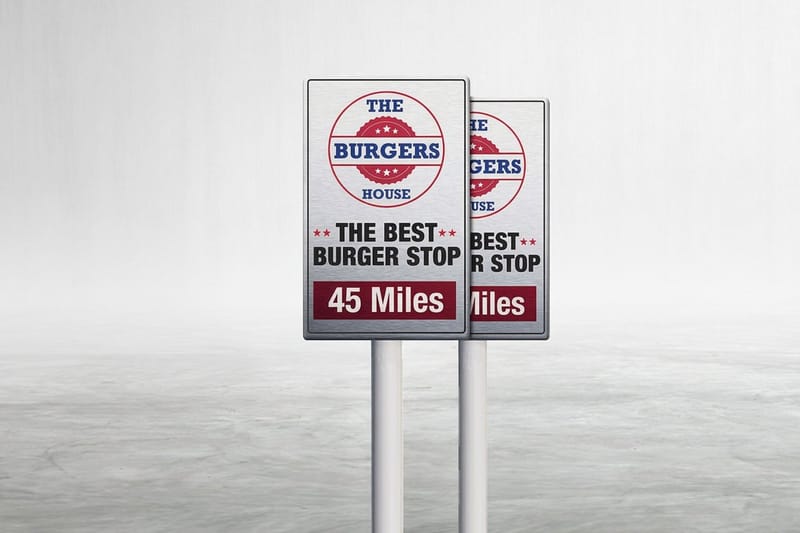 Guide Open House Directional Signs Signage that walks buyers to the listing.
 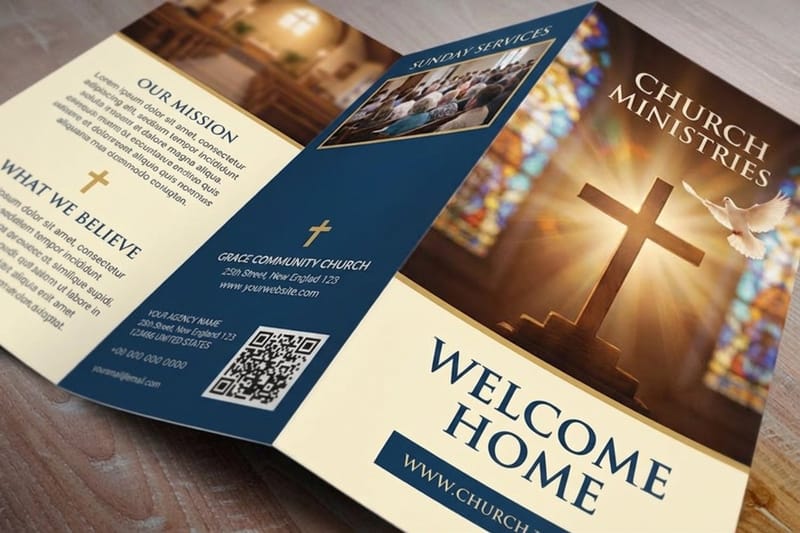 Product Church Brochures Service times and ministries, rack ready. Product Commercial Real Estate Brochures Photography, specs and floor plans in one piece.
 Ready to print the format that actually gets read?
Pick the piece that matches the moment, choose your stock and fold, and see live pricing with the ship date attached before you order.
Brochure Alternatives FAQ
What counts as an alternative to a brochure?
Any print format that carries the same message without asking the reader to open panels. In practice that means rack cards for display holders, flyers for handouts and door drops, postcards for mail, and presentation folders when the content is really a package of separate sheets. Each one trades panel count for a faster read, and each suits a different point in the buying journey. Our print advertising guide maps the full set.
How do I choose the right brochure alternative?
Start from what should happen after the piece leaves your hand. If it sits in a display holder, use a rack card. If it goes in a mailbox, use a postcard. If it covers a neighborhood or an event, use a flyer. If it supports a meeting, use a folder with inserts you can update. Only keep the folded brochure when the content has genuine sections the reader will come back to.
What do brochure alternatives cost and how is pricing set?
Pricing is driven by size, paper stock, quantity, finish and turnaround rather than by format name alone. Standard Brochures, Church Brochures and Commercial Real Estate Brochures all start at $57.11 at 4OVER4.COM, and flat formats generally cost less per piece because they skip the folding step. Quantity is the biggest lever, since the price per piece drops sharply as the run grows. The live configurator shows every breakpoint before you order.
What sizes, stocks and finishes are available?
Brochures and their flat alternatives print across standard and custom trim sizes, on coated and uncoated stocks in several weights, with gloss, matte, soft touch and UV finishes available depending on the product. Folding is a separate finishing choice, so a bi-fold, tri-fold, Z-fold or gate fold can be applied to the same flat sheet through our folding service. Heavier stock is worth it for pieces meant to be kept.
How long does printing and shipping take?
Turnaround depends on the product, the finishing and the quantity, and it is quoted in the configurator before you check out, so you always see the ship date attached to the price you are paying. Flat formats move faster than folded ones because folding adds a production step. Build in a day for file review, and order earlier when the piece is tied to a fixed event date.
