
Custom Work Shirts for Men and Women That Wear Your Brand All Day


Jordan is our labels, packaging and sustainability voice, built from the knowledge of our production team, with over 20 years in printing.
What Custom Shop Shirts Actually Have to Do
A work shirt is the only piece of marketing your crew wears into a stranger's house. Picture an HVAC tech at a front door at eight in the morning, or a stylist behind the chair: the shirt introduces your company before anyone says a word. It has to read your company name from the driveway, survive a wash cycle every night, and still look like a uniform after eight months of drywall dust, brake cleaner, and sun. Most shops buy on price first and replace the whole run twice as often as they should. Before you lock a shirt color by its swatch name, see how far a name can drift from the ink in the weirdest color names and what they look like in print.
Get the specification right once and the shirt becomes cheap. Fabric weight, logo method, placement, and a size run that fits both the men and the women on your team decide whether people reach for it on Monday or leave it in the truck. Those four decisions are what this guide walks through.
4OVER4.COM has printed for 150,000+ businesses since 1999, and the pattern across trades, shops, and service crews is consistent. The companies that look established are the ones whose shirt, van lettering, counter signage, and business card all carry the same mark at the same size and the same color. The shirt is the piece people see first, so treat it as the anchor of the whole branded kit rather than an afterthought at the end of the budget.
Step 1: decide what the shirt has to survive
A landscaping crew in August needs breathable poly blend. A welding shop needs cotton that will not melt. A dental office needs something that presses flat. Name the worst day the shirt will see and buy for that day, because the shirt fails at its extremes, never at its average.
Step 2: pick one logo lockup and freeze it
One vector file, one color breakdown, one minimum size. Every shirt, sign, sticker, and card pulls from that single lockup. The moment you let each vendor redraw it, your brand starts to look like three different companies working the same street.
Step 3: fit the people you actually employ
Order womens cut and mens cut from the same run, in the same fabric and color, with the same logo position scaled to each body block. A crew that got shirts that fit wears them without being told twice.
Step 4: budget for the second order
New hires, shrinkage, and the shirt someone ruins in month two are certainties. Keep the artwork, the stock number, and the color code on file so reorders land identical instead of arriving a half shade off.
Shop the kit
Custom printing collection
Signs, stickers, and cards that carry the same mark as your crew shirts.

Where the Logo Goes on a Work Shirt
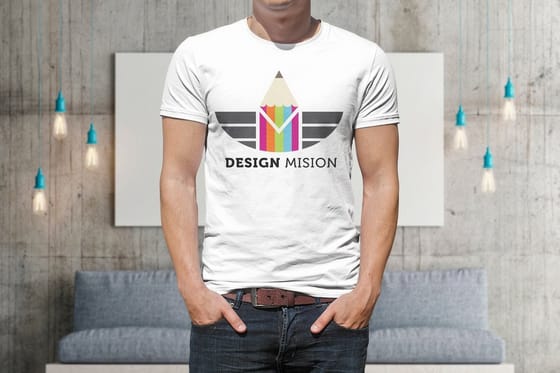
Placement does more for recognition than size does. The left chest is the default because it sits at conversational eye level and reads cleanly in a doorway, on a ladder, and in a phone photo a customer posts later. Keep that mark between 3 and 4 inches wide and it will stay legible without turning the shirt into a billboard.
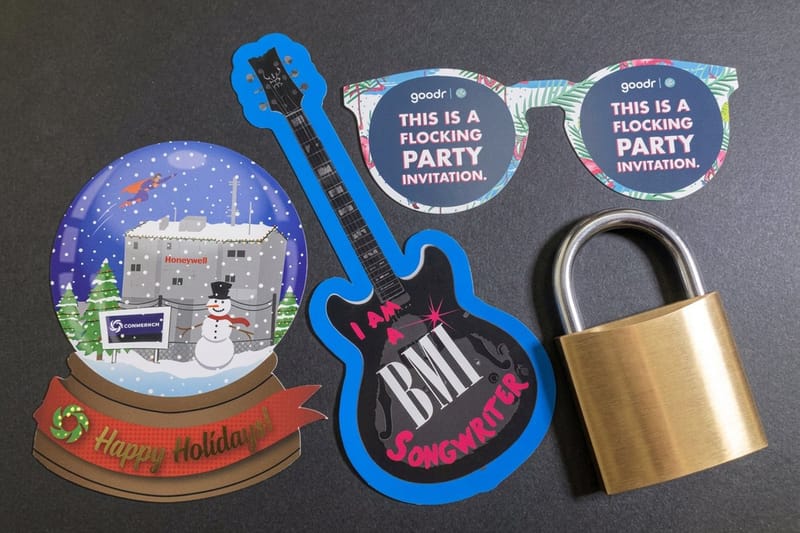
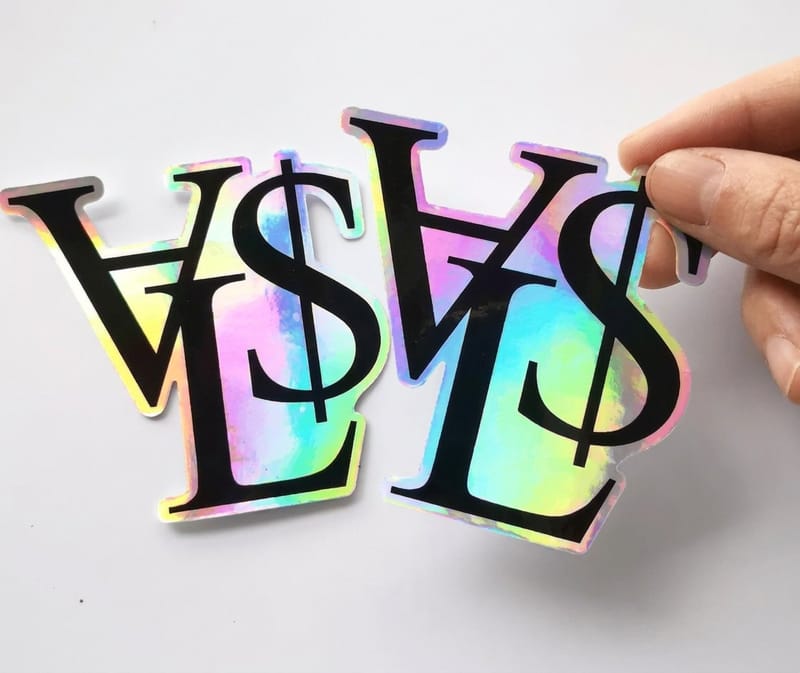
The back panel is where the phone number and service line belong. Someone standing behind your tech in a parking lot should be able to read what you do and how to reach you. Pair it with matching Custom Holographic Stickers on the toolbox and hard hat so the same mark repeats everywhere on the jobsite.
- Left chest. Logo or logo plus name, 3 to 4 inches wide, roughly 7 inches down from the shoulder seam.
- Full back. Company name, service line, and phone, 10 to 12 inches wide, high enough to clear a tool belt.
- Right chest. The employee first name, embroidered small. It is the cheapest trust builder in uniforms.
- Sleeve. A license number, certification badge, or union mark that has to be visible but not dominant.
- Collar or hem. A small tag mark that shows on retail style polos without shouting on a night out.
Two placements is the sweet spot for most crews. Left chest plus full back covers every angle a customer sees. Adding a sleeve hit and a collar mark on the same shirt usually pushes the decoration cost past what the shirt itself cost, and the extra marks compete with each other instead of reinforcing the one people remember.
Print picks
Three pieces that match a branded crew
Live prices, ready to customize with the same logo file your shirts use.
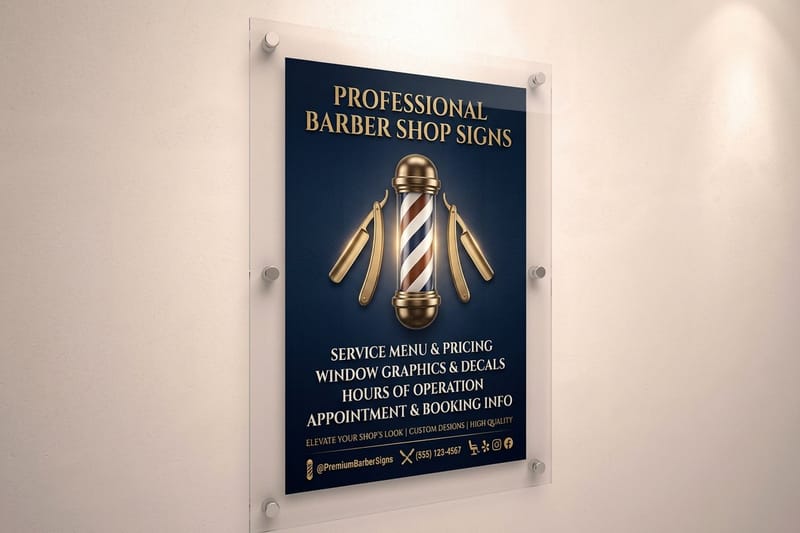
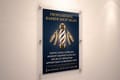
 Barber Shop Signs $25 each Put the same logo on the wall your crew wears on their chest.
 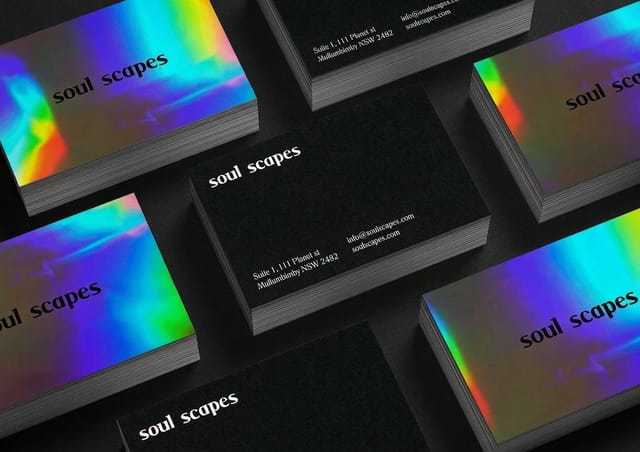 Custom Business Cards 100 for $17.57 The card every tech hands over after the shirt already made the first impression.
 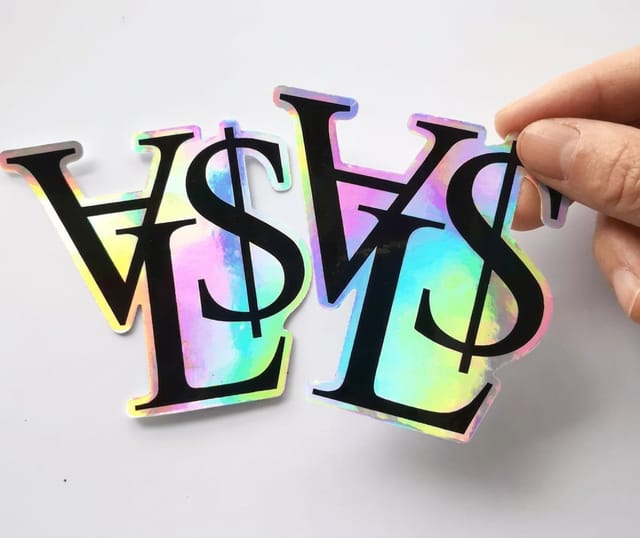 Custom Holographic Stickers 100 for $322.98 Badge the toolboxes, hard hats, and van doors to match the uniform.
 Colors and Fabric Weights That Survive the Job
Dark colors hide grease and last visibly longer between replacements, which is why navy, charcoal, and black dominate trades work. The tradeoff is heat, so outdoor crews often run a lighter gray or a two color program with dark shirts for install days and lighter ones for summer service calls.
Fabric weight is the other half. Lighter jersey breathes and drapes well for retail and hospitality, mid weight cotton blends take embroidery cleanly without puckering, and heavy twill work shirts hold a pressed shape through a shift. Match the weight to the movement your people actually do rather than to the swatch that feels nicest in your hand.
- Light jersey. Counter staff, salons, food service, anywhere the shirt is worn indoors all day.
- Mid weight blend. The all rounder for service techs, delivery, and mixed indoor and outdoor work.
- Heavy twill button up. Mechanics, HVAC, and industrial floors where snags and heat are constant.
- Performance poly. Landscaping, roofing, and summer crews who need moisture to move off the skin.
Whatever you choose, buy the same base color across every shirt style you order. A polo, a tee, and a button up in three slightly different navies read as mismatched from ten feet away, and that is exactly the distance most customers judge you from.
High Visibility and Flame Resistant Rules That Decide the Shirt
On some jobs the shirt is safety equipment first and branding second, and that decision comes before color or fabric.
High visibility apparel is graded by class. A shirt worn near traffic or moving plant usually has to meet a class rating with a set amount of background color and reflective tape, and a logo cannot cover or interrupt that tape. Decoration on hi vis goes in the areas the standard leaves free, which normally means a smaller chest mark than you would put on a plain tee.
Flame resistant clothing is a separate world. An FR garment is rated as a whole, so a heat pressed vinyl mark or the wrong thread can void the rating. Use only the decoration the garment maker approves, and never add a synthetic transfer to an FR shirt because it was cheaper.
If either applies to your crew, choose the compliant garment first and design the mark to fit it.
Embroidery, Screen Print, and Heat Transfer Compared
Embroidery stitches the logo into the fabric, so it outlives the shirt. It carries authority on collars, polos, and heavy twill, holds a crisp edge through industrial laundering, and never cracks. It struggles with fine gradients, tiny type under about a quarter inch, and large coverage areas where thread density starts to stiffen the panel.
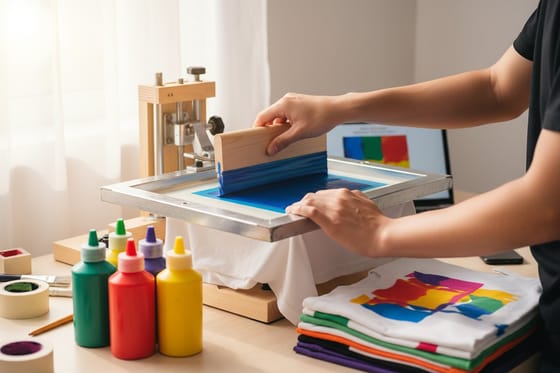
Screen print lays ink on the surface, which makes it the honest choice for big back panels, bold single color marks, and any run where the art is wide. Per shirt cost drops fast as quantity climbs because the setup is charged once per color. Heat transfer and vinyl sit between the two, cheap at very low counts and ideal for individual names and numbers, but the first to show wear at the edges. The tradeoffs are laid out fully in screen printing vs vinyl printing.
- Choose embroidery for left chest marks, polos, jackets, and anything a customer sees up close.
- Choose screen print for full back panels, bold logos, and runs above roughly two dozen shirts.
- Choose vinyl or transfer for names, numbers, and one off shirts you need this week.
- Mix them on purpose: embroidered chest, screen printed back. It is the standard trades combination for a reason.
If you are decorating shirts yourself for a small team, the home methods that hold up are worth knowing before you commit, and making custom tees without transfer paper covers what works without a heat press.
Sizing Men and Women Across a Whole Crew
The fastest way to kill a uniform program is to hand every woman on the team a small mens tee. Mens and womens blocks differ at the shoulder, the armhole, and the waist, and a shirt that binds across the shoulders or hangs like a sack gets left in a locker. Order both cuts in the same fabric, same color, same decoration, so the crew reads as one team while everyone gets a shirt that fits.
Run a sizing session before the first bulk order. Buy one sample of each size in both cuts, let people try them on, and write the sizes down. That one hour saves a reorder and gives you a size chart you reuse for every new hire from then on. Add roughly ten percent extra in the middle sizes for turnover and the crew that grows next spring.
- Both blocks, one look. Same color, same logo, cut for two different bodies.
- Sample first. One try on session beats three rounds of guessing at sizes over email.
- Name the shirts. An embroidered first name stops the Monday morning shirt swap for good.
- Keep a buffer. Extra mediums and larges cover new hires without a second setup charge.
Quantity and price
Business card pricing and specs for the crew
Real configurator numbers. The more you order for the team, the less each one costs.
| Quantity | Price Per Unit | Total |
|---|---|---|
| 100 | 17.6¢ | $17.57 |
| 200 | 11.5¢ | $23.07 |
| 300 | 9.15¢ | $27.46 |
| 400 | 7.96¢ | $31.86 |
| 500 | 7.25¢ | $36.26 |
| 600 | 6.77¢ | $40.64 |

Putting Names and Roles on Individual Shirts
A name on the chest changes how a customer talks to your technician, and it costs less than most owners think.
Names are a per shirt job, which is the opposite of a logo. A screen is burned once and then prints hundreds, while every name is its own setup. That is why names are usually embroidered or heat applied rather than screen printed, and why the price per shirt barely moves with quantity.
Keep the name small and the role clear. A first name reads better at a doorway than a full name, and a role line under it, Lead Tech, Apprentice, Service, answers the question customers ask before they ask it.
Order names on the second run rather than the first. Your list changes over the first six months, and a stack of shirts carrying the names of people who left is the most avoidable waste in a uniform program.
Quantity and price
Business card pricing and specs for the crew
Real configurator numbers. The more you order for the team, the less each one costs.
| Quantity | Price Per Unit | Total |
|---|---|---|
| 100 | 17.6¢ | $17.57 |
| 200 | 11.5¢ | $23.07 |
| 300 | 9.15¢ | $27.46 |
| 400 | 7.96¢ | $31.86 |
| 500 | 7.25¢ | $36.26 |
| 600 | 6.77¢ | $40.64 |
Matching the Shirt to the Rest of Your Branded Kit
The shirt is one surface. The van, the shop window, the invoice, and the card in the customer's hand are the rest. Size each piece to its job: a 3 to 4 inch mark on the left chest, the same mark on a standard 2 x 3.5 inch business card, and a shop sign from 11 x 17 up to 48 x 96 inches, or any size you set, for the window or wall. When they all carry the same mark in the same color, a two person operation reads as an established company. When they do not, even a large crew looks like it was assembled last week.
Start from the shirt logo and work outward. Signage should carry the mark at the same proportions your shirts do, which is why shops that order uniforms usually order their window and wall pieces in the same week. Barber Shop Signs start at $25 and use the exact artwork file your embroiderer already has on hand. See the barber shop signs story for layouts that carry a shirt logo.
- Wall and window. The mark at eye level where customers wait, sized to be read from the sidewalk.
- Vehicles and gear. Toolbox and hard hat decals that repeat the shirt logo on every surface.
- Handoffs. A card that matches the shirt, given by the person wearing it.
- Paper trail. Estimates and invoices in the same color family so the brand survives the visit.
Shop signage
Barber shop signs
The wall and window version of the logo your crew already wears on the chest.
Ordering in Bulk Without Wasting Money
Setup charges are per color and per placement, not per shirt. That single fact drives every smart bulk decision. Twelve shirts and forty eight shirts often carry the same setup, so the per unit price drops steeply as you consolidate. Ordering twice a year in larger runs beats ordering every six weeks in handfuls. The t shirt printing video follows one run from setup to finished shirt.
Simplify the art before you scale the order. A two color version of your logo instead of a four color one can cut the decoration cost per shirt roughly in half on a screen printed back panel, and on a work shirt the simpler mark almost always reads better anyway. Order the matching handoff pieces in the same cycle so everything arrives together, starting with Custom Business Cards from $17.57.
- Consolidate runs. One larger order beats four small ones at the same total quantity.
- Cut colors, not quality. Two color art on a good shirt outperforms four color art on a thin one.
- Standardize placements. Every shirt in the run uses the same two positions.
- Reorder from the same file. Keep the vector art and thread or ink codes with the invoice.
Badge the gear
Holographic logo stickers
Put the mark on toolboxes, helmets, and van doors so the branding follows the crew off the shirt.
Care, Durability, and Replacement Cycles
Work shirts die from heat, not from wear. Hot water and high dryer settings shrink cotton, crack screen printed ink, and warp embroidered chest marks. Cold wash, inside out, tumble low, and a decent shirt keeps its shape and its logo through a season of daily use instead of a couple of months.
Set a replacement rhythm rather than waiting for shirts to look bad. Most crews run a fresh set once a year with a mid year top up for new hires and casualties. Write the fabric, color code, cut, and decoration positions on one page and keep it with your artwork so every reorder matches the last without a new round of decisions.
- Cold and inside out. The single habit that doubles the visible life of printed art.
- Low heat drying. High heat is what cracks ink and shrinks the shoulders out of fit.
- No fabric softener on performance fabric. It coats the fibers and kills the moisture wicking.
- Retire together. Replacing the whole set at once keeps the crew looking uniform instead of layered.
Compare apparel
Popular shirt formats, side by side
Fabric, decoration, size run, quantity, turnaround, and price in one view.
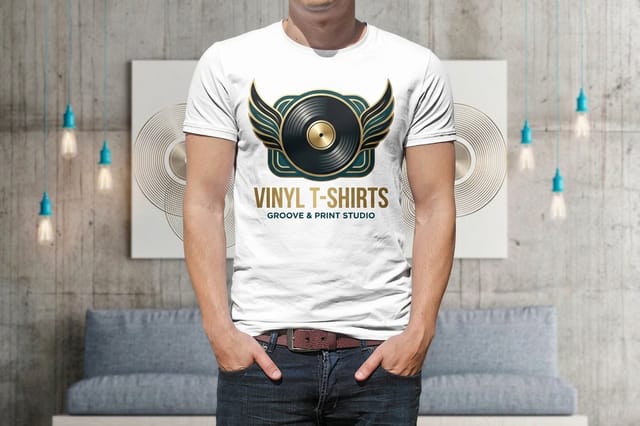 Vinyl T-Shirts | 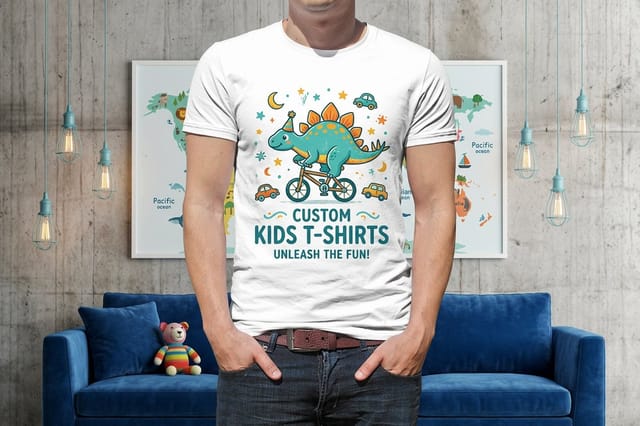 Kids T-Shirts | 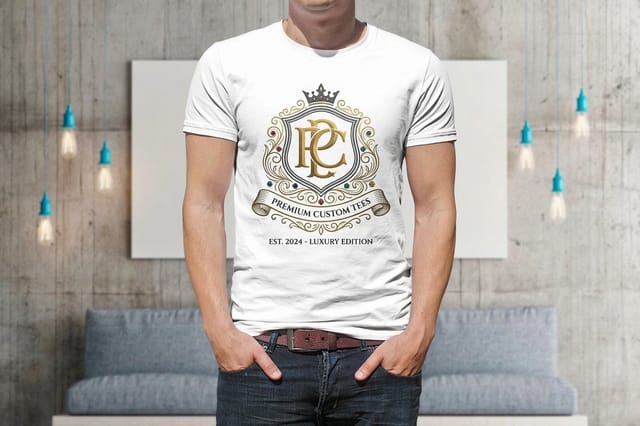 Premium T-Shirts | 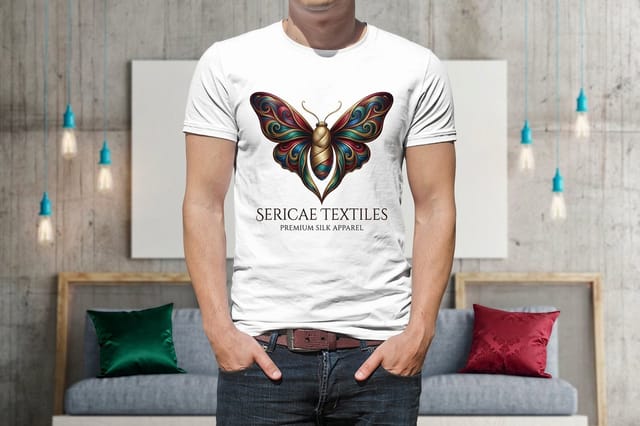 Silk T-Shirts | |
|---|---|---|---|---|
| Min price | $21.96 | $21.96 | $21.96 | $21.96 |
| Size | S | S | S | S |
| Default qty | 1 | 1 | 1 | 1 |
| Turnaround | 5 business days | 5 business days | 5 business days | 5 business days |
| Rating | ||||
| View & customize | View & customize | View & customize | View & customize |
Getting Artwork Print Ready and Ordering for the Crew
Decoration quality is decided by the file you send. Vector artwork in EPS, AI, or PDF scales to any placement without softening. A logo pulled off a website at screen resolution will look fuzzy embroidered and rough printed, and no amount of production skill fixes it after the fact. If all you have is a raster file, have it redrawn once and use it forever.
Lock your colors before production. Specify the ink or thread reference alongside the file so the navy on the shirt matches the navy on the sign and the card. If you are building the program from scratch, how to make custom t-shirts walks through art prep end to end, and the t-shirt printing category is where the full apparel range lives.
Match the method to the placement
- Left chest. Embroidery in two or three thread colors, no type below a quarter inch.
- Full back. Screen print, one or two colors, art at least 10 inches wide.
- Names and numbers. Vinyl or transfer, added per shirt without a new screen.
- Jackets and outerwear. Embroidery only, since ink cracks on shell fabrics in cold weather.
Start fast
Templates and print-ready blanks
Free layouts plus exact-size blanks so your logo lands in the right place the first time.




Wally sorts out your work shirt order
The right fabric, the right placement, then the matching print
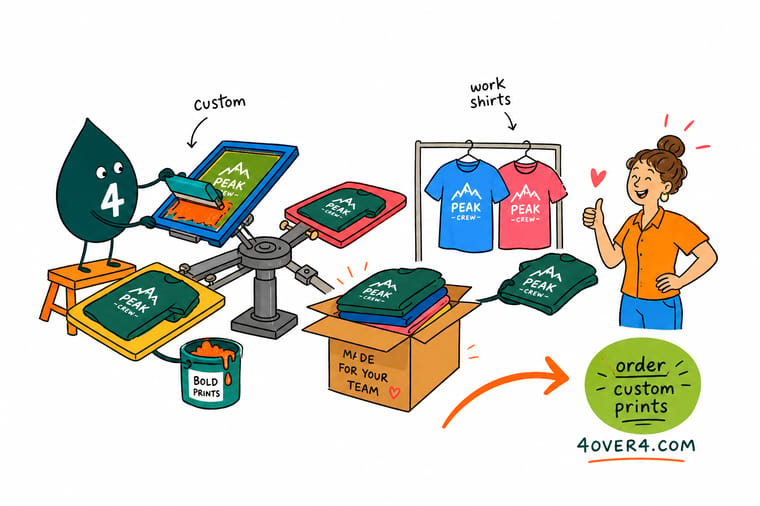
Not sure whether to embroider or screen print? Embroider the left chest so it survives the wash, screen print the back so the big art stays cheap. Pick a dark mid weight fabric if the work is dirty, order mens and womens cuts in the same color, and consolidate the run so you pay setup once. Then match the signs, stickers, and cards to the shirt.
Browse custom printing →Work Shirt Ordering, Boiled Down
By the numbers
Why crews order their branded print here
Printing for trades, shops and service crews since 1999, with business cards in 3 business days and shop signs in 2.
Guides
Go deeper on apparel and decoration
The step by step walkthroughs behind every decision on this page.
Guide How to Make Custom T-Shirts Art prep, methods, and production from the first file to the finished run. Guide Screen Printing vs Vinyl Which decoration method holds up on which garment, and what each costs. Guide How to Sell Custom T-Shirts Turn branded apparel into a line item customers ask you for. Guide Custom Workwear and Uniforms The wider uniform program, from polos to outerwear and jobsite gear. Explore more
More ways to brand your crew with print
Related pages across 4OVER4.COM, one card for every part of the branded kit.
 Article Custom Workwear and Uniforms Build the full branded uniform program for your crew.
  Shop T-Shirt Printing Browse the apparel range and decoration options.
 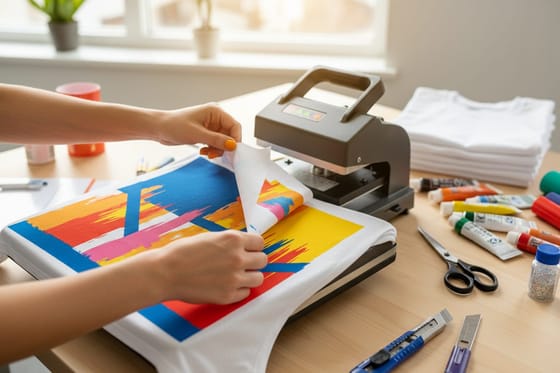 Guide How to Make Custom T-Shirts From artwork to finished shirts, step by step.
 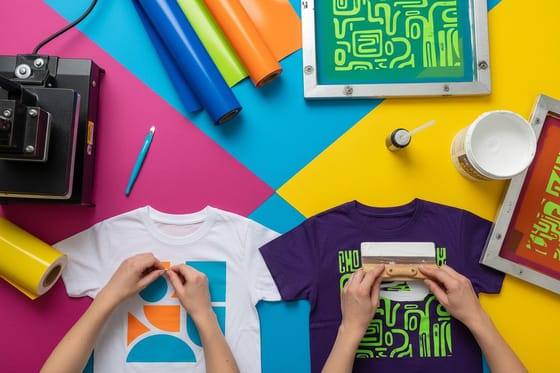 Guide Screen Printing vs Vinyl Pick the decoration method your shirts deserve.
  Guide How to Sell Custom T-Shirts Add branded apparel as a revenue line, not a cost.
  Guide Custom Polo Shirts With Your Logo for Teams and Staff The collared option for front of house and management.
  Article DIY Custom Tees Without Transfer Paper What actually works when you decorate shirts yourself.
  Alternative Factory Direct Custom Tees How factory direct apparel pricing compares for bulk crews.
  Collection Custom Printing Collection Everything custom, from signage to stickers to cards. Product Barber Shop Signs Shop signage that carries the same mark as the shirts. Product Custom Business Cards The handoff piece every uniformed tech should carry.
  Product Custom Holographic Stickers Badge toolboxes, helmets, and vehicles to match.
 Ready to put your crew in shirts that look like a real company?
Lock the logo, pick the fabric, and order the signs, stickers, and cards that match it in the same week so every surface carries one mark.
Custom Work Shirt Questions, Answered
How many work shirts does each crew member need?
Five is the working answer for a crew wearing the shirt every day, one per shift with a full week between washes. Three is enough for part time or front of house roles. Order a little over your headcount in the middle sizes, because new hires arrive between orders and shirts get ruined in the first month more often than at any other time.
Can we order matching shirts later without a color shift?
Yes, if you record what you ordered. Keep the garment style number, the color name and code, the fabric, the thread or ink references and the exact decoration positions on one page with the artwork file. Dye lots move slightly between production runs, so a reorder of the same style is close but not always identical. Ordering the whole crew in one run is the only way to guarantee a perfect match.
Do custom work shirts shrink after washing?
Cotton shirts shrink most in the first few washes, and heat is what does it. Hot water and a high dryer setting shrink the garment, crack screen printed ink and warp an embroidered chest mark. Wash cold, inside out, and tumble low, and a shirt keeps its shape and its logo through a season of daily use. Buy sample sizes and wash one before you size the whole crew.
What are custom shop shirts?
Custom shop shirts are branded work shirts made for a specific business and worn as everyday uniform rather than event apparel. They carry your logo, usually embroidered on the left chest and screen printed across the back with your service line and phone number, on fabric chosen for the conditions your crew works in. The point is recognition and durability at once, which is why the specification matters more than the sticker price. The wider program, including polos and outerwear, is covered in custom workwear and branded uniforms.
How do I choose the right custom shop shirts?
Start with the conditions. Heat and sweat push you toward performance blends, snags and sparks push you toward heavy cotton twill, and indoor customer facing roles are usually best served by a mid weight polo. Then choose dark colors if your work is dirty, decide on left chest plus full back placement, and confirm you can order both mens and womens cuts in the same fabric and color. Those four calls define the shirt before you ever compare prices between suppliers.
What do custom work shirts cost and how is the price set?
Pricing has two parts: the blank garment and the decoration. The garment price moves with fabric weight and style, and the decoration price is driven by setup charged per color and per placement, then a smaller per shirt run charge. That is why quantity matters so much. Twelve shirts and four dozen shirts often share the same setup, so consolidating your order is the single biggest lever you control. Simplifying a four color logo to two colors is the second.
What sizes, fabrics, and finishes are available for work shirts?
Expect mens and womens cuts across the standard size run, in tees, polos, and button up work shirts, in light jersey through heavy twill and performance poly. Decoration options are embroidery, screen print, and heat applied vinyl, used alone or combined on the same garment. Dark navy, charcoal, and black are the workhorse colors because they hide grease and hold their look longest. Compare the decoration methods in screen printing vs vinyl printing before you commit a run.
How long does a custom work shirt order take to produce and ship?
Plan on artwork approval first, since a proof cycle is where most orders lose days. Once art is approved, production time depends on decoration method and quantity, with embroidery on a large run taking longer than a single color screen printed back panel. Order at least a few weeks before you need the shirts on bodies, and keep the approved files, thread codes, and size list on record so reorders skip straight to production instead of starting over.
