
The Best and Worst Digital Marketing Campaigns of All Time


Marcus is our print marketing voice, built from the knowledge of our production team, with over 20 years in printing.
What Separates a Campaign People Love From One They Never Forgive
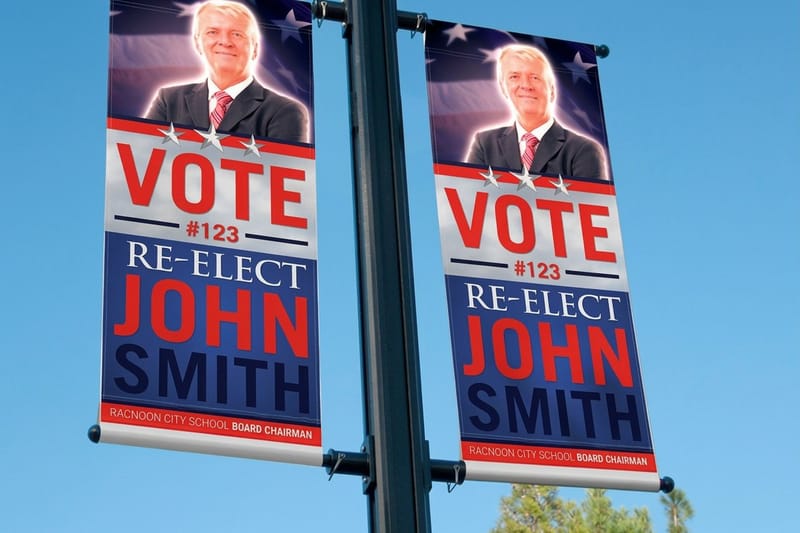
The best and worst digital marketing campaigns of all time sit on two lists every marketer keeps. The first holds the work we still quote in meetings a decade later, such as the 2014 ALS Ice Bucket Challenge, which raised more than $100 million. The second holds the work that turned into a case study about apologies, such as the Pepsi protest ad pulled roughly a day after launch in 2017, and a social team working through the night. An apology is the one message those brands all had to send; a note that says the box of stationery arrived without envelopes and offers a voucher for the next order is the same kind of message, an apology for a mistake. The distance between those lists is smaller than most teams assume, and it usually turns on a handful of decisions made before a single asset went out. The campaigns on both lists also show why the printed pieces matter: a 2 sided blockout banner from $108.75 or a 30mil clear plastic card lands exactly as you designed it, beside a ready-made 3 in 1 foldable wireless charger at $15.00, with no comment thread attached.
The winners tend to hand the audience a job. The losers tend to hand the audience a lecture. That is the shortest honest summary of the last fifteen years of digital marketing, and it holds across budgets, industries, and platforms that did not exist when the first list was written.
There is a production side to this too, and it gets ignored. The pattern in the order history is blunt. The brands that survive a rough quarter online are the ones that also own a channel nobody else controls: a mailing list with physical addresses, a banner at the event, a card in the customer's wallet. Digital reach is rented. Print is owned, and owned channels do not get suspended, throttled, or turned against you overnight.
Signal 1: it gives the audience something to do
Watching is passive and forgettable. Doing is not. The campaigns that scaled hardest gave people an action they could complete in under a minute and show to a friend, whether that meant filming a stunt, sharing a personalized stat card, or pinning a coupon to the fridge.
Signal 2: it earns the tone it uses
A brand can be funny, tender, or political, but it has to have paid for that right in advance. Audiences check the receipts instantly. When the tone outruns the track record, the campaign reads as costume, and the backlash is about the costume rather than the product.
Signal 3: it survives being screenshotted
Nothing travels in full context. Assume every frame will be cropped, every tagline quoted alone, and every hashtag typed by someone with a grievance. If a single screenshot can flip the meaning, the concept is not finished yet.
Signal 4: it has a channel that cannot be hijacked
Open-ended social prompts belong to the crowd the moment they ship. Printed pieces do not. Pairing a social idea with a mailer, a banner, or a handout gives the campaign a floor it cannot fall through.
Own a channel
Digital printing collection
Short-run printing for campaign launches, events, and the pieces that keep working after the feed moves on.
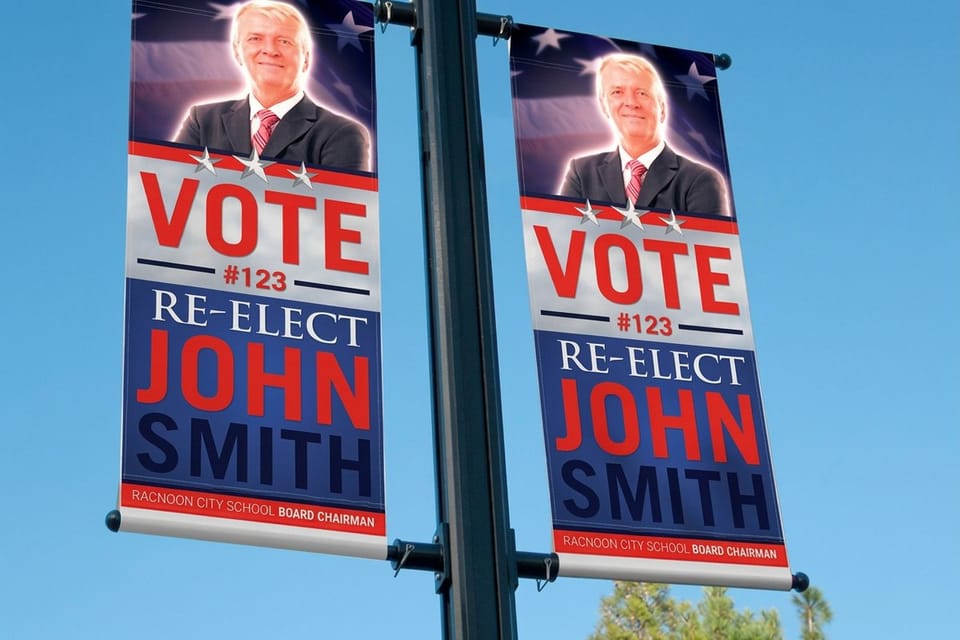
The 5 Best Digital Marketing Campaigns of All Time
These five are not here because they were clever. They are here because they changed what the audience did, and because they kept working after the launch week ended. Notice how many of them ended up producing something physical: a bucket, a bottle, a card people carried around.
Seasonal work follows the same logic, and the pattern repeats every fourth quarter. If you want the calendar version of this list, the breakdown of successful holiday marketing campaigns shows how the same mechanics get rebuilt for a six week window.
- ALS Ice Bucket Challenge (2014). A dare with a nomination built into it. Every participant recruited three more, and the ALS Association took in more than $100 million in a single summer from a campaign it did not invent.
- Old Spice, The Man Your Man Could Smell Like (2010). The ad was strong, but the real move came later, when the team filmed personalized video replies to fans and journalists in near real time for two days and turned a broadcast spot into a conversation.
- Share a Coke (2011 onward). Names on labels turned a commodity bottle into a personal object, and the search for your own name did the media buying for free. The lesson is that personalization works hardest when it shows up on something you hold.
- Spotify Wrapped (2016 onward). Give people data about themselves, design it to be screenshotted, and release it on the same date every year. It is an annual holiday the brand invented for itself, and competitors have been copying the format ever since.
- Dove, Real Beauty Sketches (2013). A single three minute film with an idea strong enough to survive being described in one sentence. It spread because viewers wanted to argue about it, not because the media plan was clever.
Run these five through the four signals above and they all pass. Each one hands the audience a task, earns its tone, holds up as a screenshot, and pushes toward something tangible. Most of them also gave people an object they could keep, which is exactly where print belongs in a modern campaign plan.
Print picks
Three campaign formats that outlive the feed
Live prices, ready to customize with your campaign artwork and quantities.
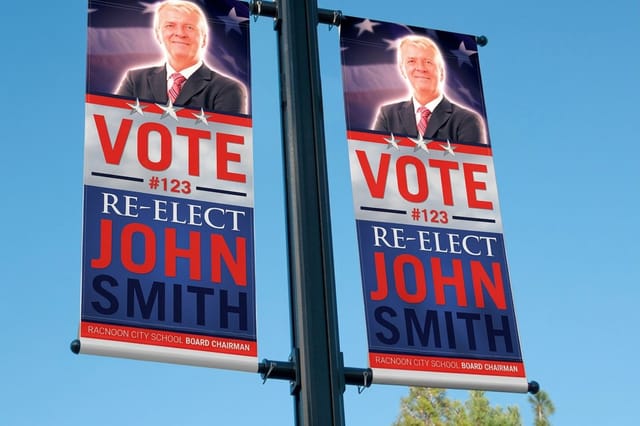 2 Sided Blockout Banners $108.75 each Two printed faces with a blockout core, so your message reads clean from both sides.
 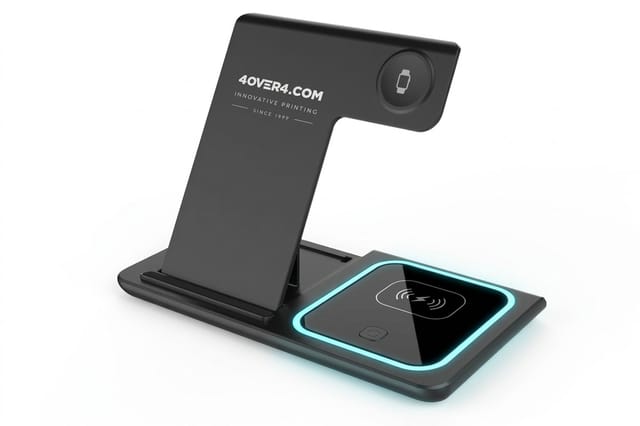 3 in 1 Foldable Wireless Charger $15.00 each A desk object people actually keep, long after the ad budget is spent.
 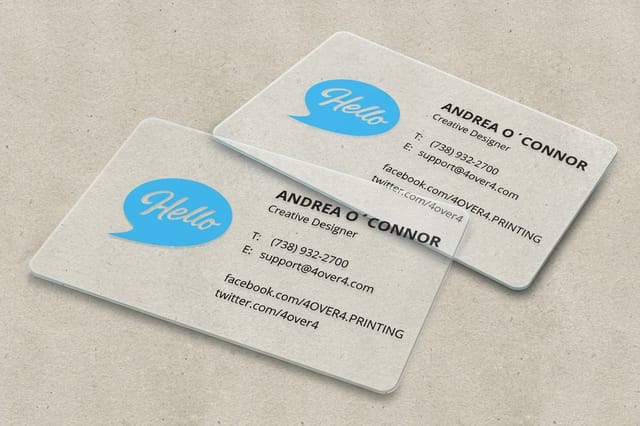 30mil Clear Plastic Cards 500 for $529.26 Thick frosted plastic that turns a membership card into something nobody throws away.
 The 5 Worst Digital Marketing Campaigns of All Time
The worst marketing campaigns rarely fail because of budget or craft. They fail because someone in the room never asked what the least generous reader would do with this. Here are five failures that every team should be able to explain from memory before signing off on a concept.
- Pepsi and the Kendall Jenner protest ad (2017). A staged demonstration resolved by handing a police officer a soft drink. The ad was pulled roughly a day after launch and became the standard example of a brand renting the imagery of a movement it had never supported.
- McDonald's #McDStories (2012). A promoted hashtag asking for customer memories, released with no plan for the people whose memories were complaints. The tag was retired within hours and is still taught as the textbook hashtag hijack.
- Burger King UK, the International Women's Day tweet (2021). The opening line landed alone in feeds without the scholarship announcement that followed it, and the brand spent the day apologizing for a punchline that was never supposed to stand by itself.
- Peloton, the holiday gift film (2019). A story the brand read as encouragement and the internet read as something much darker. Nothing in it was offensive on paper, which is exactly why concept testing outside the marketing department matters.
- Dove's three frame body wash ad (2017). A cropped sequence that carried a meaning nobody in the approval chain intended. It shipped anyway, and it proved that a single screenshot can undo years of brand equity.
Four of those five were live for less than forty eight hours. That is the compounding cost of failed social media campaigns. The creative spend is gone, the media spend is gone, and the brand now owns a search result that outranks the product page for months.
The Anatomy of a Failed Social Media Campaign

Postmortems on the worst social media campaigns keep turning up the same five structural faults, and every one is a process fault you can fix in a single planning meeting. The Pepsi ad, pulled roughly a day after it went live, shows how fast one of them costs a brand.
- Borrowed meaning. The brand uses a cultural moment it has not participated in, and the audience reads the gap between the message and the receipts instantly.
- Open prompts with no floor. An unmoderated hashtag or reply thread is a microphone handed to everyone, including the people with a two year old complaint.
- A room that agrees too fast. When nobody is assigned to argue the other side, the hostile reading of the work never gets voiced until it is public.
- No kill switch. Paid placements keep serving while the apology is being drafted, which turns a bad hour into a bad week.
- All eggs in a rented channel. When the campaign lives entirely on a platform, one algorithm change or one pile-on takes the whole quarter with it.
That last fault is the one most teams never price. A campaign built only on feeds has no fallback, because you do not own the distribution, the comment section, or the moment the tone shifts. A campaign that also puts something printed in a customer's hand still reaches that customer on the worst day of the launch.
Lessons Learned From Both Lists
Put the winners and the failures side by side and the takeaways are practical enough to put on one printed checklist. Write the hostile version of your own tagline before a stranger does. Give the audience a job. Test the concept on people who have no stake in it being approved. Then make sure at least one leg of the campaign lives somewhere you control outright, such as 50 postcards for $16.48 mailed to your best customers before the public launch.
Smaller teams have an advantage here, because they can put a full mix in market for the price of one week of paid social. The digital marketing guide for small business walks through that budget split in detail, and in short the printed leg is usually the cheapest insurance in the plan.
Cost matters, so plan it honestly. Banner and card pricing drops sharply as quantity climbs, which means the run size decision belongs in the campaign brief rather than in a purchasing email three days before the event.
Quantity and price
Blockout banner pricing and specs
Real configurator numbers. The more you print in one run, the lower the per-unit cost drops.
| Quantity | Price Per Unit | Total |
|---|---|---|
| 1 | $108.75 | $108.75 |
| 2 | $108.74 | $217.47 |
| 3 | $108.74 | $326.22 |
| 4 | $97.76 | $391.02 |
| 5 | $97.76 | $488.78 |
| 6 | $97.76 | $586.53 |

Why Print Channels Are the Antidote to Digital Flops
A printed piece has properties that no feed can offer. It arrives without an algorithm deciding whether it should. It cannot be quote-tweeted with a caption that inverts it. It has no comment section. And it stays in the room: a 7 x 6.75 inch folding charger sits on a desk, and a 2.125 x 3.375 inch plastic card on 30mil stock sits in a wallet, long after the impression would have expired.
That is not a nostalgia argument. It is a risk argument. The comparison in digital marketing versus traditional marketing lays out where each channel actually wins, and the response data in the print versus digital effectiveness comparison shows why mail and handouts keep holding their ground against channels that are far easier to buy.
The practical version is a floor under every campaign. A durable card, a banner at the event, a mailer to the customers you already have. If the digital leg overperforms, print amplifies it. If the digital leg blows up in your face, print is still working while you fix it.
Built to be kept
30mil clear plastic cards
Thick frosted plastic at 30mil, for the loyalty and membership pieces that stay in a wallet.
Building a Campaign Mix That Cannot Be Hijacked
Think of the mix in three layers. Reach is the rented layer: paid social, search, influencer placements. Proof is the owned digital layer: your site, your email list, your product pages. Presence is the physical layer: mail, signage, branded objects, cards. Most failed campaigns had a bloated reach layer and nothing underneath it. A presence layer can start small: a 2 x 3 foot blockout banner at the launch event, 500 plastic loyalty cards for $529.26, and a charger for your top clients.
The presence layer is also where budget behaves predictably. A done-for-you mailing route is worth comparing before you commit, and the Vistaprint mailing services alternative breakdown covers what changes when printing and mailing sit with the same vendor instead of being stitched together across two.
Branded objects belong in this layer too. A charger on a desk or a card in a wallet keeps working for months with zero incremental media spend, which is the opposite economics of the feed.
Presence layer
Branded objects people keep
A charger on a desk earns impressions for months with no incremental media spend behind it.
What Bad Marketing Campaigns Actually Cost
The invoice is the smallest part of the bill. A pulled campaign costs the production spend, the unrecoverable media flight, the reprint of every printed piece that carried the line, the internal weeks spent on response instead of roadmap, and a search result that follows the brand name for a year or more. Retail and hospitality teams also pay in staff time, because frontline employees end up answering for a decision made three floors up.
Print costs move in the other direction. The price is quoted up front, it drops as the run grows, and the asset keeps performing after delivery. Compare the formats before you commit, because stock, finish, and quantity change the per-unit number far more than most people expect.
Compare formats
Popular campaign print, side by side
Stock, finish, size, quantity, turnaround, and starting price for the formats teams order most.
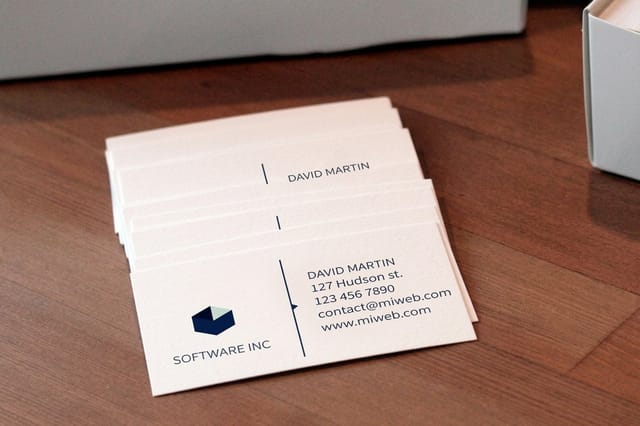 Standard Business Cards | 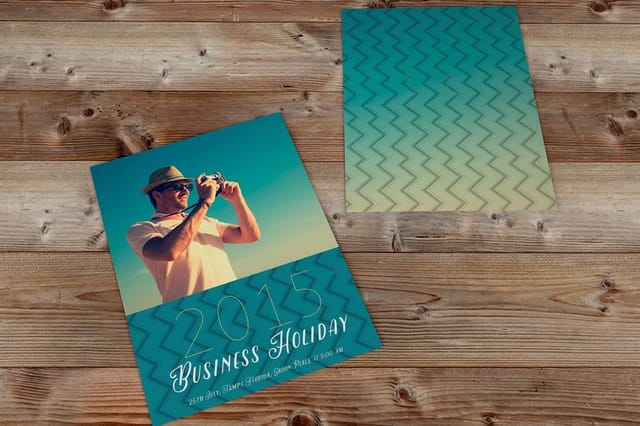 Standard Postcards | 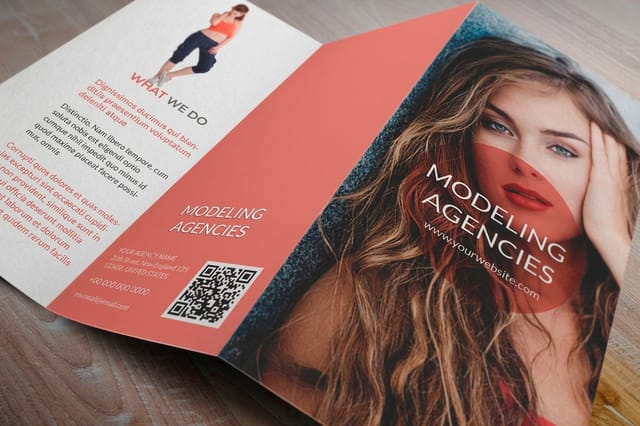 Standard Brochures | 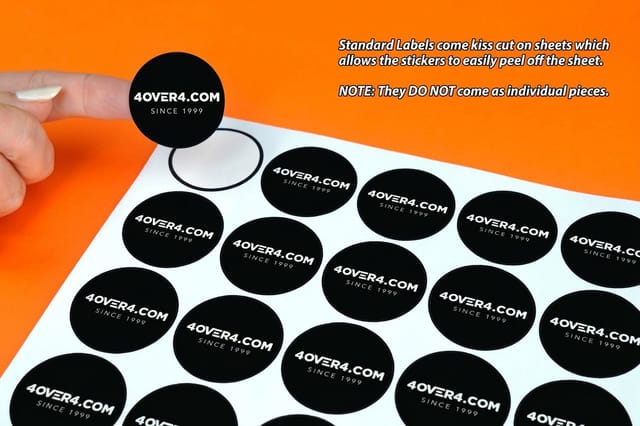 Standard Labels | |
|---|---|---|---|---|
| Min price | $17.57 | $16.48 | $57.11 | $23.88 |
| Paper / stock | 14pt Gloss Cover | 14pt Gloss Cover | 100# Gloss Text | Standard Uncoated Label |
| Finish | Standard Finish | Standard Finish | Standard Finish | - |
| Size | 2" x 3.5" | 2.5" x 2.5" | 5.5" x 8.5" | .375" x 1" |
| Default qty | 100 | 50 | 50 | 25 |
| Turnaround | 3 business days | 3 business days | 3 business days | 3 business days |
| Rating | ||||
| View & customize | View & customize | View & customize | View & customize |
How to Launch Your Next Campaign Without Joining the Second List
Start with the hostile read. Write the worst plausible headline about your own concept, then decide whether you can live with it. If you cannot, the idea changes now rather than at 11pm on launch night. Then build the printed leg at the same time as the digital one, not as a leftover.
For idea fuel that is already field tested, the roundup of ways to use marketing promotions is a good starting point, and two industry examples show how narrow targeting beats broad noise: physical therapy marketing ideas and pool company marketing ideas.
A launch checklist worth taping to the wall
- Assign a devil's advocate. One named person whose job is to argue the hostile reading before approval.
- Close the loop. Every open prompt needs a moderation plan and a defined end date.
- Build the kill switch. Know who can pause paid placements at 2am, and confirm they have the logins.
- Ship the physical leg first. Print has a real turnaround, so it belongs at the front of the timeline.
- Measure past launch week. The best campaigns keep compounding, and printed assets are what carry that tail.
Start fast
Campaign templates and print-ready blanks
Free layouts plus exact-size blanks so your artwork lands inside the safe area on the first upload.
Wally sorts the winners from the wreckage
What the best campaigns did, what the worst ones missed, and where print fits
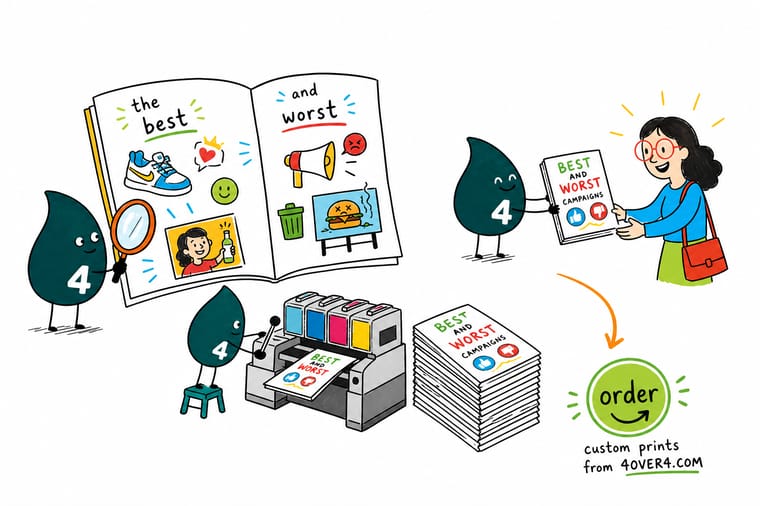
The winners gave people something to do and earned the tone they used. The failures borrowed a moment they had not lived and opened prompts they could not close. Wally's shortcut is simple. Write the hostile version of your own headline first, then make sure one leg of the campaign is printed, because a banner, a mailer, or a card in a wallet keeps working on the day the feed turns.
Print the physical leg of your campaign →Why Print Keeps Earning Its Place in the Mix
By the numbers
What 4OVER4.COM brings to the presence layer
Blockout banners from $108.75, plastic cards at 500 for $529.26 and chargers at $15.00, backed by the company record below.
- 10B+ Cards and print products, printed company wide since 1999.
- 150,000+ Businesses served, across every industry.
- 99.8% On-time delivery, tracked orders.
- 4.8/5 Customer rating, across verified reviews.
Go deeper
Guides behind the campaign decisions
The budget splits, channel comparisons, and response data that sit under everything above.
 Guide Digital Marketing for Small Business How to split a small budget across reach, proof, and presence.
  Guide Digital vs Traditional Marketing Where each channel genuinely wins, without the sales pitch.
  Guide Print vs Digital Effectiveness Response and recall numbers for both sides of the mix.
  Guide 8 Successful Holiday Campaigns The seasonal version of the winners list, broken down.
 Explore more
More marketing reading and print to match
Eight holiday campaigns that worked, a small business marketing guide, done-for-you direct mail, and marketing ideas for a physical therapy practice and a pool company.
 Article Is Print Marketing Dying or Quietly Outworking Digital Ads Is print marketing dying? See where print advertising still outperforms digital, which formats keep working, a
  Article Traditional and Digital Marketing Work Better Split by Job, Not by Bud Where print beats digital, where digital beats print, and how to split a small marketing budget between them b Article 10 Print Products That Power Nonprofit Marketing Campaigns Ten print products nonprofits use to raise funds and awareness, from donor mailers and event banners to volunt
  Collection Digital Printing Collection Short-run printing for campaign launches and events. Article 8 Successful Holiday Campaigns What the best seasonal campaigns did differently. Guide Small Business Marketing Guide A budget split that survives a bad launch week. Guide Digital vs Traditional Marketing The honest comparison of both channel types. Statistics Print vs Digital Effectiveness Response, recall, and retention figures compared.
  Alternative Done-For-You Direct Mail Printing and mailing handled by one vendor. Article 10 Ways to Use Promotions Promotion mechanics that hold up outside the feed. Article Physical Therapy Marketing Ideas Narrow targeting that beats broad noise. Article Pool Company Marketing Ideas Seasonal local campaigns built on print and mail.
 Print the one leg of the campaign nobody can hijack
Pick the format, upload your artwork, and get banners, cards, or branded objects produced on a schedule you can plan a launch around.
Digital Marketing Campaign Questions, Answered
What are the 5 best digital marketing campaigns of all time?
The five that come up most often in strategy rooms are the ALS Ice Bucket Challenge, Old Spice with The Man Your Man Could Smell Like, Coca-Cola with Share a Coke, Spotify Wrapped, and Dove Real Beauty Sketches. What they share matters more than the running order. Each one handed the audience something to do, each one earned the tone it used, and most of them ended with something physical in a person's hands. For the seasonal equivalent of this list, see these successful holiday marketing campaigns.
What are the 5 worst digital marketing campaigns of all time?
The standard five are the Pepsi protest ad with Kendall Jenner, the McDonald's #McDStories hashtag, the Burger King UK International Women's Day tweet, the Peloton holiday gift film, and the cropped Dove body wash sequence. Four of those were live for under two days. In every case the fault was structural rather than creative: borrowed cultural meaning, an open prompt with no moderation plan, or a message that flipped completely once it was screenshotted out of context.
What is a bad marketing campaign?
A bad marketing campaign is one that damages the brand faster than it builds it, usually because the message means something different to the audience than it did to the team that approved it. The common causes are borrowing a cultural moment the brand has never supported, opening a public prompt with no moderation, approving work nobody was assigned to argue against, and having no way to pause paid placements once the reaction turns. Weak results alone are just an underperforming campaign. A bad one leaves a search result behind.
How do I choose the right channel mix to avoid a flop?
Build in three layers and fund all three. Reach is rented, meaning paid social, search, and influencers. Proof is owned digital, meaning your site, email list, and product pages. Presence is physical, meaning direct mail, banners, branded objects, and cards. Failed campaigns almost always had a heavy reach layer and nothing underneath it. Print is the layer nobody can suspend or hijack, so start there and let the rented channels amplify it rather than carry it alone.
What does a campaign print run cost and how are prices set?
For the presence layer of a campaign, the three pieces on this page set the budget: a 2 Sided Blockout Banner starts at $108.75 for one banner, a 3 in 1 Foldable Wireless Charger costs $15.00 each, and 30mil Clear Plastic Cards cost $529.26 for 500 or $630.31 for 1,000. Quantity, size, stock, finish and turnaround move each number. Because quantity moves the number more than anything else, decide the run size while you are writing the campaign brief rather than the week before the launch, and check live pricing on the product page for your exact configuration.
