
100lb Paper Explained, Text vs Cover Weight


Emma is our prepress and print production voice, built from the knowledge of our production team, with over 20 years in printing.
One label, two papers. The 100 pounds is measured differently for each, they feel different in the hand, and different 4OVER4.COM products run on them.
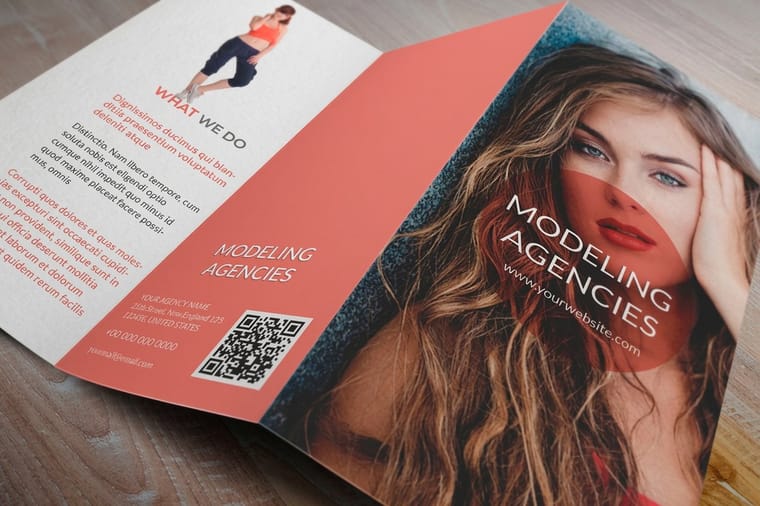
100lb paper is two different stocks, because text and cover are weighed at different basic sheet sizes. 100lb text is 148 gsm and about 0.005 inch thick, a flexible sheet for brochures and flyers. 100lb cover is 270 gsm and about 0.010 inch, real card for postcards and covers. Text folds without a score. Only cover mails as a card on its own.
Quick answer
Same 100 pounds, measured on two different sheets
Write the grade after the number every time. 100# gloss text and 100# cover are different sheets, and the table below shows how far apart they sit in basic size, gsm and caliper.
Why One Number Describes Two Different Papers
Paper in the United States is sold by basis weight, and a basis weight only means something once you know the grade. Every grade is weighed at its own basic size, the large uncut sheet the mill works from. Text and book paper is weighed at 25 by 38 inches. Cover is weighed at 20 by 26 inches.
Put 500 sheets of each on a scale at that basic size and both read 100 pounds. The difference is what those 500 sheets cover. A text sheet is 950 square inches, a cover sheet only 520. The same 100 pounds is spread across 45 percent less paper, so every cover sheet has to be roughly 1.8 times heavier per square inch to reach the number.
Convert both to grams per square meter and the confusion disappears. For scale, the 20lb bond in an office copier is about 75 gsm, so 100lb text is around twice a sheet of copy paper and 100lb cover is closer to three and a half times it.
| Stock | Basic size | Metric weight | Typical coated caliper | What it feels like |
|---|---|---|---|---|
| 80lb text | 25 x 38 in | 118 gsm | about 0.004 in | A flyer that flexes easily and stacks tight. |
| 100lb text | 25 x 38 in | 148 gsm | about 0.005 in | A good magazine page. Folds cleanly. |
| 80lb cover | 20 x 26 in | 216 gsm | about 0.009 in | Light card. Holds its shape, still fairly bendy. |
| 100lb cover | 20 x 26 in | 270 gsm | about 0.010 in | Proper card. Stands on edge, snaps back flat. |
| 14pt cover | quoted in caliper | roughly 325 gsm | 0.014 in | The standard business card feel. |
On our own stock list the gap shows up inside one product. Standard brochures offer 100# Gloss Text and 100# Silk/Matte Text, and a 14pt Gloss Cover close to three times as thick. Standard flyers add 100# Silk/Matte Cover between those two.
Calipers move with the mill and the finish. Uncoated sheets bulk up thicker than gloss at the same weight because there is no clay layer compressing the surface, and a matte or silk sheet usually sits between the two. If thickness is what you actually care about, the caliper figure beats the pound figure every time, which is the argument our guide to cardstock weights in points works through.
Offset Printing Paper and Where 100lb Fits in It
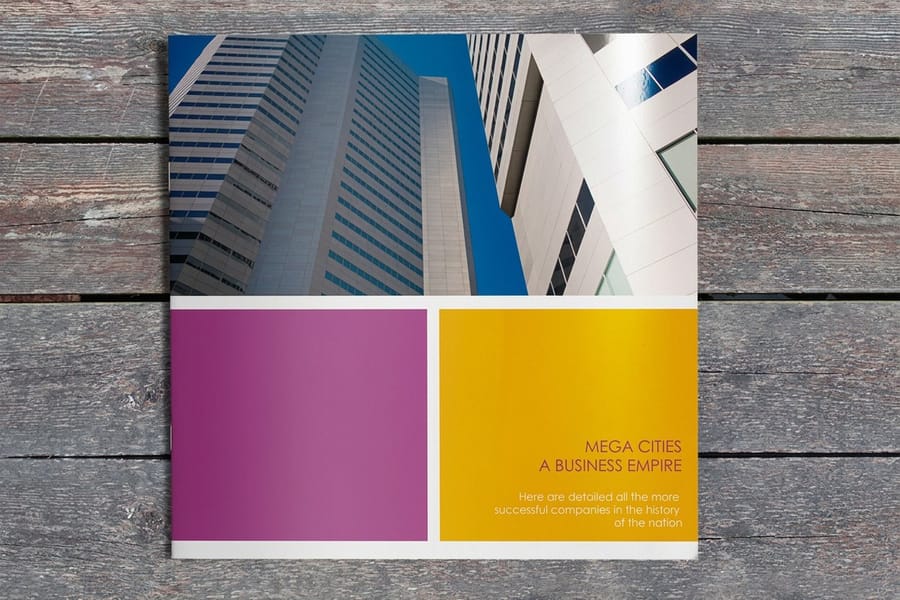
A quote that says offset paper still needs a grade beside it, because the offset range covers flexible text sheets and stiff cover sheets alike. On standard brochures you pick from 100# Gloss Text, 100# Silk/Matte Text and 70# Uncoated Text, plus a 14pt Gloss Cover. Standard flyers carry the same three text sheets and add 80# Gloss Cover, 100# Silk/Matte Cover and two 14pt covers.
| Stock | Grade | Metric weight | Folds cleanly | Mails without an envelope |
|---|---|---|---|---|
| 100# Gloss Text | Text | 148 gsm | Yes | No |
| 100# Silk/Matte Text | Text | 148 gsm | Yes | No |
| 100# Silk/Matte Cover | Cover | 270 gsm | No, the coating cracks | Yes |
| 14pt Gloss Cover | Cover | roughly 325 gsm | No, the coating cracks | Yes |
Pick the row by the job. A half-fold brochure wants one of the two text sheets. A flyer that sits on a counter for weeks earns the 100# Silk/Matte Cover, and neither text row can mail without an envelope.
How 100lb Text and 100lb Cover Behave on a Real Job
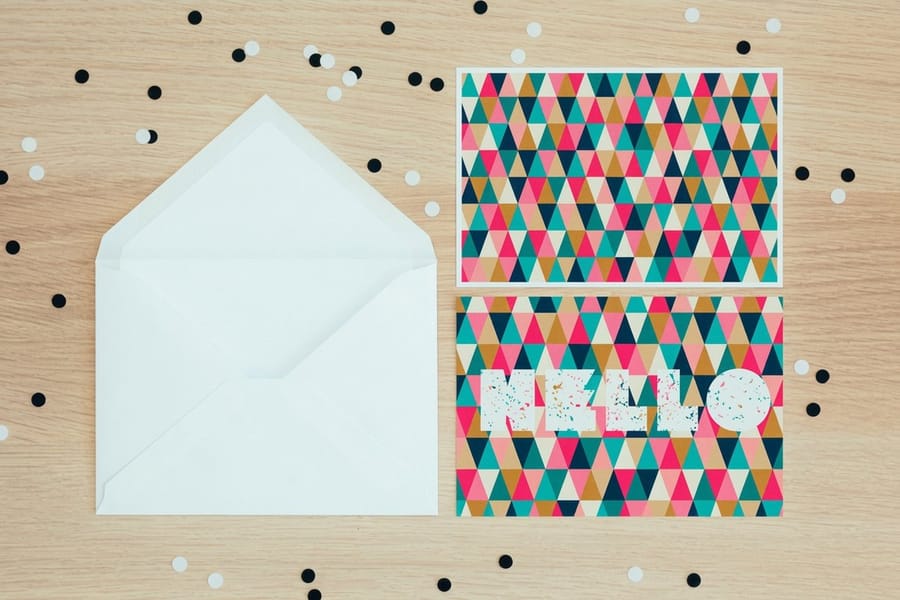
Weight on a spec sheet turns into three decisions on the shop floor: whether the piece folds, whether it can be mailed, and what it costs to send.
Folding. 100lb text folds straight off the press and holds a crisp hinge. That is the whole reason it is the default brochure stock. Coated cover is a different animal. The clay coating on the surface will not stretch around a tight bend, so a fold splits it and leaves a white crack down the spine. Our brochure menu lists no scoring, which is why its half fold suits the text stocks.
Mailing. The USPS refuses any mailpiece thinner than 0.007 inch, which quietly settles the question for postcards. Coated 100lb text is around 0.005 inch and will not travel on its own. 100lb cover clears the minimum at roughly 0.010 inch. A text sheet can still go in the mail, but it has to be inside an envelope or folded into a self-mailer that meets the thickness rule.
Show-through and postage. Ink that shows faintly through the back of a sheet is a text-weight problem, and it gets worse with heavy solid backgrounds. Moving from 80lb to 100lb text usually solves it. Going all the way to cover solves it and then adds mailing weight you pay for on every piece, which matters at 5,000 and is irrelevant at 250. Weigh a printed sample before you buy postage for a large run.
What a printer would tell you across the counter: if it folds, use text. If it gets handled, propped up, or mailed naked, use cover. Our notes on paper types for brochure printing and choosing a brochure fold cover the folding side in more depth.
Which 4OVER4.COM Products Run on 100lb Stock
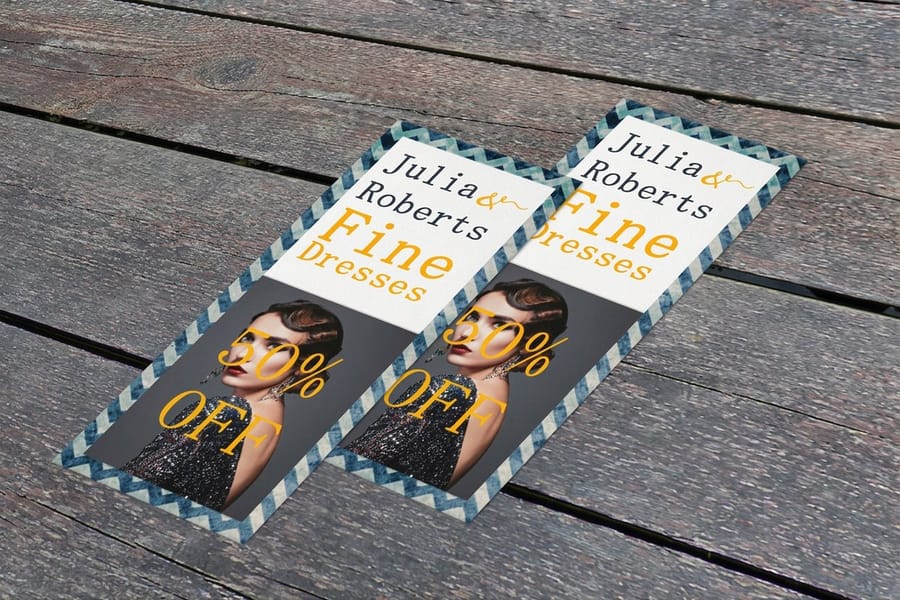
Text weights and cover weights sit on different products in our catalog, and the naming follows the grade rather than the marketing.
Standard brochures start at $57.11 for 50 and offer four stocks: 100# gloss text, 100# silk matte text, 70# uncoated text, and a heavier 14pt gloss cover for pieces that want stiffness more than a clean fold. The two 100# text options take the half fold without scoring, and the silk gives you a low-glare surface that is still easy to read under office lighting.
Standard rack cards start at $42.84 for 50 and list 100# Silk/Matte Cover among fifteen stocks, with no text weight on the menu. A rack card lives in a display slot and gets picked up and put back, so every option is a cover sheet, and 80# Gloss Cover and 100# Silk/Matte Cover are the two lightest.
Standard flyers run across seven stocks that include gloss, silk matte and uncoated text plus 80# and silk matte cover, so this is the product where the text versus cover decision is most visible in the configurator. Handouts and door drops go on text. Anything that gets pinned up or left on a counter for weeks does better on cover.
Standard postcards start at $16.48 for 50 and list 100# Silk/Matte Cover beside 14pt, 16pt and heavier card stocks, every one of them thick enough to mail. The full range sits on the postcard printing and flyer printing category pages. For the card side of the question, read 100lb cardstock thickness, weight and what it prints best.
| Product | 100lb stocks offered | Sizes | From, 50 pieces | Standard production |
|---|---|---|---|---|
| Standard brochures | 100# Gloss Text, 100# Silk/Matte Text | Six, from 5.5 x 8.5 to 11 x 25.5 in | $57.11 | 3 business days |
| Standard flyers | 100# Gloss Text, 100# Silk/Matte Text, 100# Silk/Matte Cover | Nine, from 4.25 x 5.5 to 11 x 25.5 in | $39.54 | 3 business days |
Both products print one side or both, with a High Gloss UV Coating as the one finish upgrade, and brochures add a half fold. Upload a PDF built on the matching size from the blank templates, then choose Straight To Production, a Free Online Proof or a Next Day Hardcopy Proof before the job goes to press.
Specifying 100lb Without Getting the Wrong Sheet
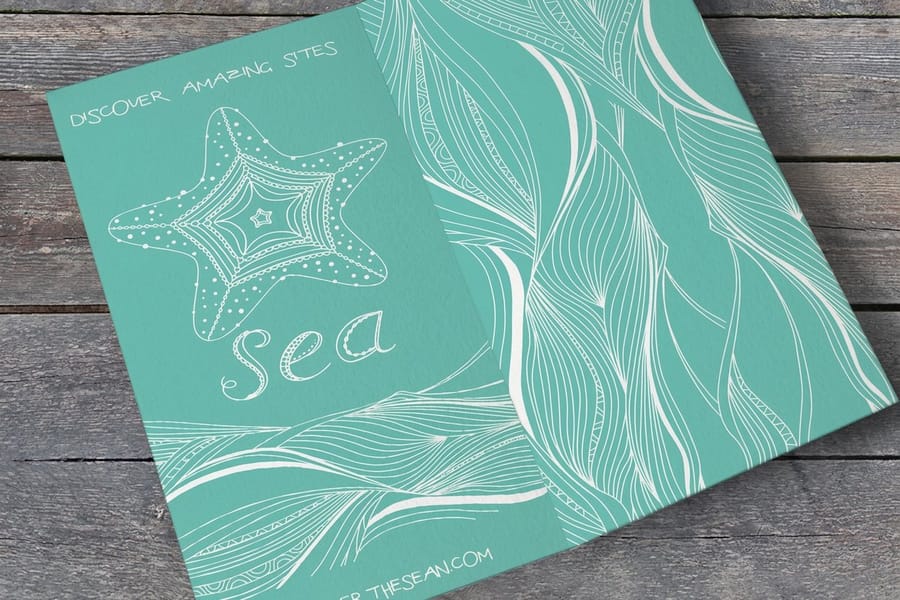
A stock mix-up can start in a single email. A designer writes "100lb" and the printer, the client and the mailing house each picture a different sheet.
Three habits stop it. Write the grade every time, so the spec reads 100# gloss text or 100# cover and never just 100lb. Add the gsm in brackets when the job is going overseas or through a broker. And when rigidity is the point, quote a caliper in points, which says what a pound number only implies.
Then confirm it by hand. Order a sample of the exact stock and finish before you commit to a long run, because gloss, silk and uncoated at the same weight feel like three different papers, and no spec sheet transmits that. Fold the sample if the job folds. Drop it in a rack if the job racks.
On the file side, weight changes nothing about setup. Same bleed, same safe margin, same resolution. Start from a correctly sized layout in the blank template library, and if you want the sequence from upload to delivery, our guide to how online printing works walks it through. For the stock-family picture behind all of this, cardstock versus paper stock is the wider view.
Wally explains 100lb paper
Two reams, both 100 pounds, nothing alike
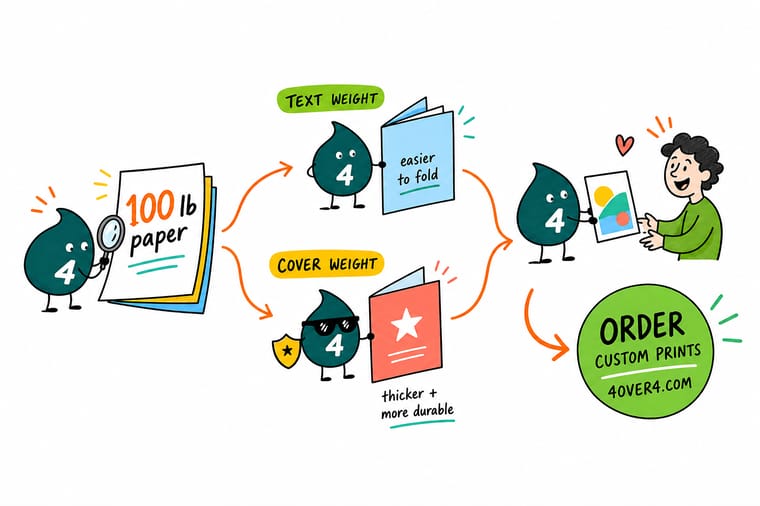
Wally stacks 500 sheets of text paper cut to 25 by 38 inches and 500 sheets of cover cut to 20 by 26 inches. Both piles weigh 100 pounds. The cover sheets are far smaller, so all that weight is crammed into less paper and each sheet comes out nearly twice as heavy. That is why his 100lb text brochure folds in half without a complaint, and his 100lb cover postcard survives the mail.
Order brochures on 100lb text →
Specs and pricing
Stocks, sizes, and starting prices on our 100lb products
Brochures start at $57.11 for 50 on 100# Gloss Text, flyers at $39.54 for 50 with a 100# Silk/Matte Cover option, and rack cards at $42.84 for 50 in 3.5 x 8.5, 4 x 9 or a custom size. Open the stock dropdown on each one to compare the text and cover weights at your size and quantity.


Print it
Order the right weight for the job
Fold it on brochures in 100# text from $57.11 for 50, hand it out on flyers in 100# text or cover from $39.54 for 50, or mail it on postcards from $16.48 for 50.
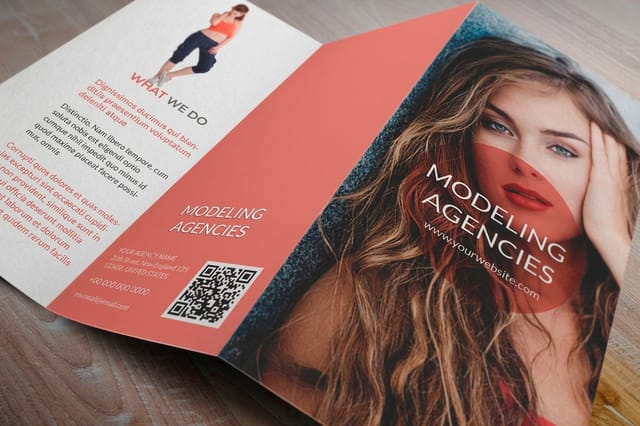
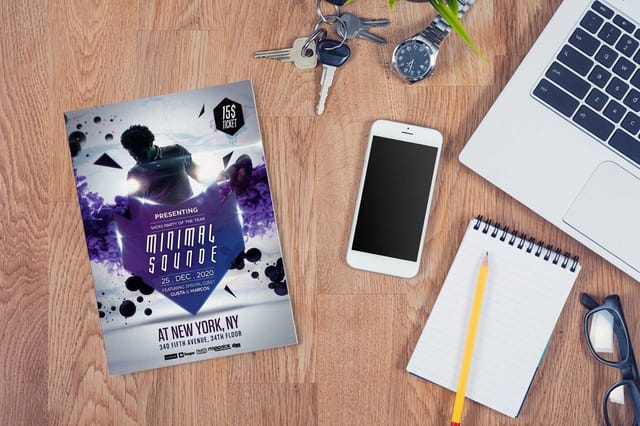
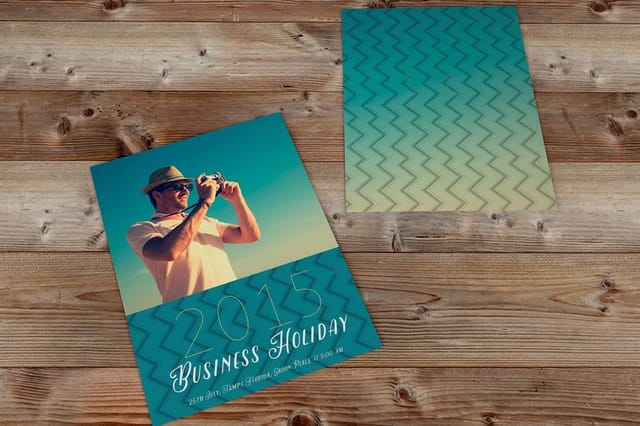

Explore more
Where to go next
The 100lb matte cover sheet in detail, 80lb gloss book paper at 118 gsm, cardstock counted in 12pt, 14pt and 16pt, and the flyer weights that suit handouts and mailers.
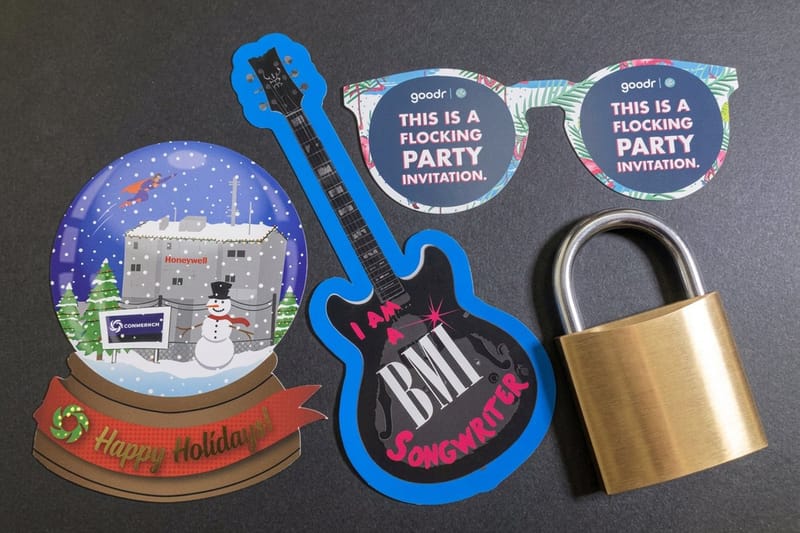
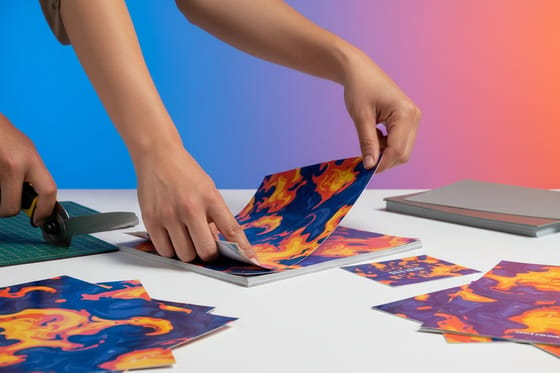
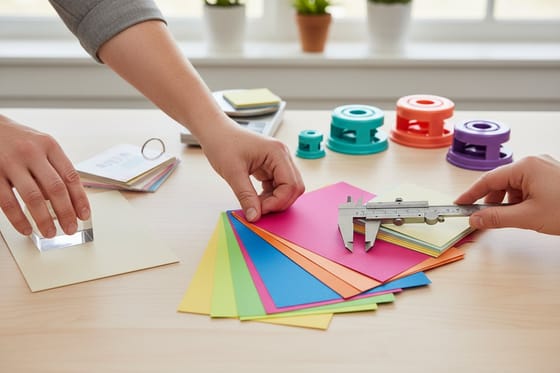
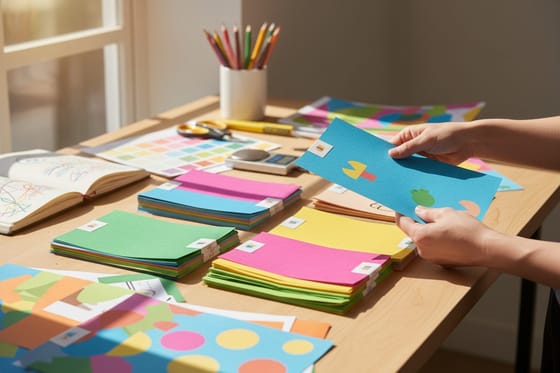
By the numbers
Where 100lb text and 100lb cover sit on our stock list
Common Questions
Your 100lb paper questions, answered
Is 100lb paper thick?
That depends entirely on the grade printed after the number. 100lb text is a flexible sheet, roughly 0.005 inch on coated stock, close to a good magazine page. 100lb cover is card, roughly 0.010 inch, stiff enough to stand on its own edge.
What is the difference between 100lb text and 100lb cover?
The basic size each grade is weighed at. Text and book paper is weighed as 500 sheets of 25 by 38 inches, which is 950 square inches per sheet. Cover is weighed as 500 sheets of 20 by 26 inches, which is 520 square inches per sheet. Both reams hit 100 pounds on the scale, but the cover ream spreads that weight over 45 percent less surface, so each cover sheet has to be far heavier per square inch. In practice, text folds and mails inside an envelope, cover stands up as a card.
What is 100lb paper in gsm?
100lb text is 148 gsm and 100lb cover is 270 gsm. Those are not estimates, they fall straight out of the basis weight arithmetic, and grams per square meter is the reason the metric system never has this argument. If a supplier quotes a stock only in pounds and you are not certain which grade they mean, ask for the gsm figure before you approve anything.
Can you fold 100lb cover without cracking it?
Not reliably. Coated cover has a clay layer on the surface that does not stretch, so bending it over a tight radius splits the coating and leaves a white line along the fold. Our brochure menu lists no scoring, so a piece that folds belongs on 100lb text.
Can you mail a 100lb text postcard?
No. The USPS sets a minimum thickness of 0.007 inch for a mailpiece traveling on its own, and a text sheet falls short of it, so it cannot go out as a card. Anything that goes into the mail without an envelope needs a cover stock, such as the 100# Silk/Matte Cover or the 14pt and heavier cards on our postcard menu.
Is 100lb cover the same as 14pt cardstock?
Close, but 14pt is thicker. 100lb gloss cover is thinner than 14pt, which is 0.014 inch by definition, since a point is one thousandth of an inch. The pound figure describes weight and the point figure describes caliper, so they are two ways of measuring, not two names for one stock. When rigidity is the thing that matters, the point number is the more honest spec to compare.
Get Started
Not sure which weight your job wants?
Tell us whether the piece folds, racks or mails and we will point you at the stock that suits it, then print it on 100lb text, 100lb cover or something heavier.
Legal Disclaimer
Gold Standard guarantees apply to all standard orders placed through 4over4.com. Price match requires verifiable proof of a competitor's published price for an equivalent product with matching specifications and turnaround time. Satisfaction guarantee covers manufacturing defects and print quality issues. Contact support with order number and documentation.
