
What Type of Paper Are Brochures Printed On?


Gloss makes photos pop, matte reads clean under office light, and uncoated feels warm in hand. Match the coating to how the brochure gets handed over, not to how it looks on screen.
Brochures are typically printed on coated gloss, coated matte, or uncoated stock from 80 lb text up to 100 lb cover. Gloss makes colors pop, matte reads easily with no glare, and uncoated gives a natural, tactile finish. The right choice depends on your design, your audience, and how long the piece needs to last. 4OVER4.COM offers 60+ paper types so you can match your brochure to your brand.
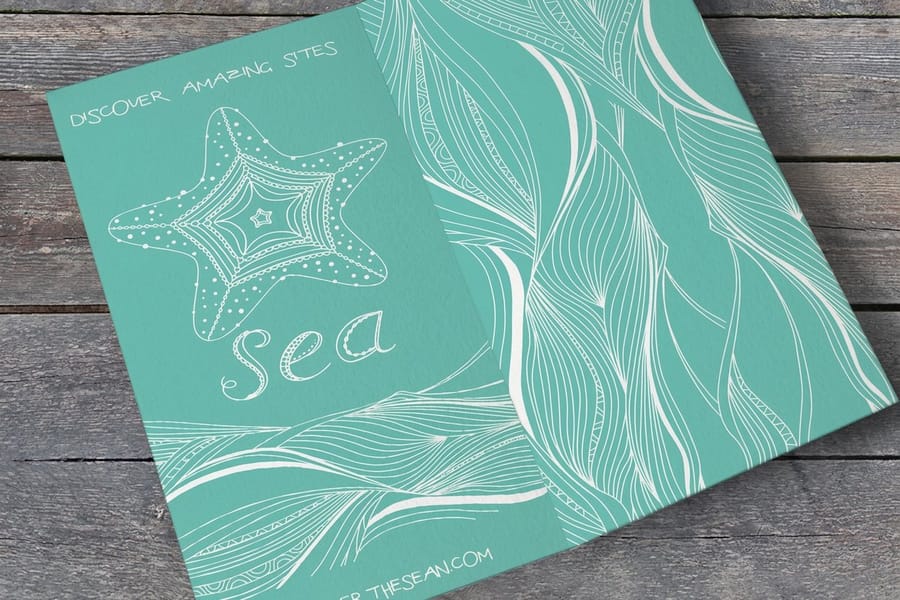
Short answer
The best paper for brochures
For a standard tri-fold, print on 100 lb gloss text. It folds clean down both creases, keeps photo color saturated, and still mails at a sane weight, with 80 lb text as the lighter, cheaper version of the same call when postage across thousands of pieces is what decides it. For a premium piece, step up to 80 lb or 100 lb cover in matte or soft-touch, score any fold so the heavier sheet creases instead of cracking, and you get a brochure that stands on a table or hands across a desk instead of flopping over.
Quick answer
Brochure paper types at a glance
Match the coating to your content first. Gloss makes colors pop for image-heavy brochures, matte reads clean and glare-free for text-heavy pieces, and uncoated gives a warm, natural feel for eco and artisan brands. Then set weight by the fold: 80 lb text for tri-folds, 80 to 100 lb cover for rigid single-panel pieces. Add a finish like UV, aqueous, soft-touch, or spot UV to shape how it feels in hand. 4OVER4.COM offers 60+ paper types so the stock always fits the brand.
Why brochure paper choice shapes first impressions
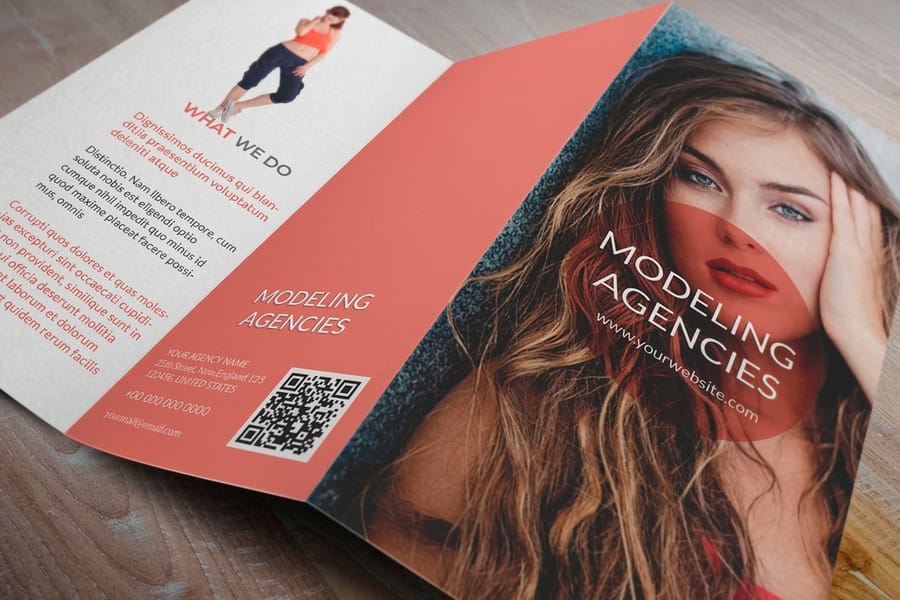
What type of paper are brochures printed on? That question matters more than most people think. Paper is not just a surface for ink, it is the first thing someone feels when they pick up your brochure. A flimsy tri-fold reads as budget work. A thick, textured piece tells the reader you care about details before they read a single word.
The paper you choose affects color accuracy, fold quality, durability, and perceived value all at once. A restaurant menu brochure needs different stock than a real estate listing. A trade show handout has different demands than a direct mail piece. Understanding your options helps you make a smart call instead of guessing at the printer.
If you are new to print design, our guide on how to fold a brochure is worth a read, because paper weight directly affects how cleanly your folds come out. For another creative project, our guide on how to clean rubber stamps covers stamp maintenance basics, and you can pair a matching brand look across every piece with 4OVER4.COM marketing materials printing.
Coated gloss paper, when color is everything
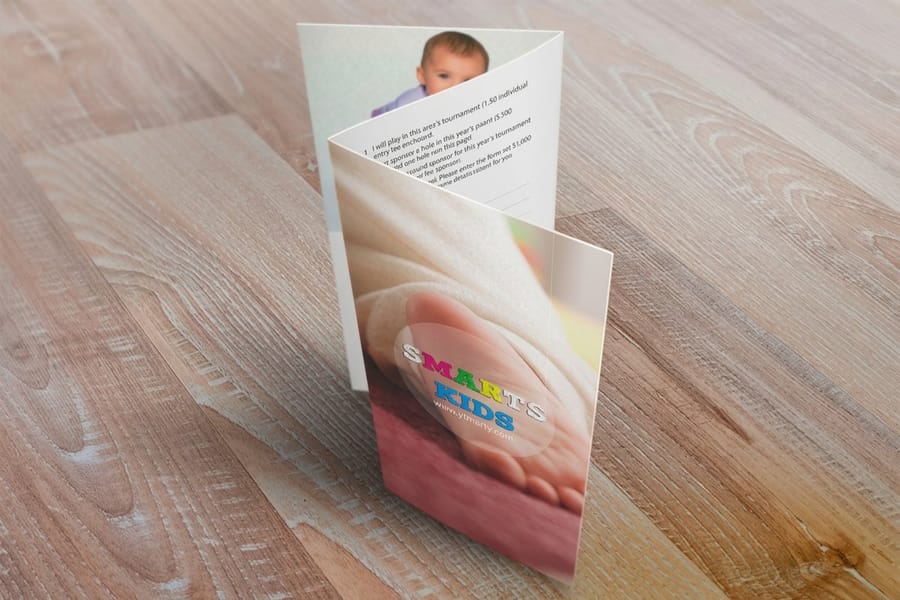
Gloss-coated paper is the most popular choice for brochures, and for good reason. The shiny surface reflects light, which makes colors appear more vivid and saturated. Photos look sharp. Gradients stay smooth. If your brochure leans heavily on images, think product catalogs, travel brochures, or event programs, gloss is your go-to.
The coating also creates a slight barrier against fingerprints and moisture, giving your brochure a longer shelf life. Most commercial brochures you have picked up at a hotel lobby or a doctor's office are gloss coated. It is the industry default because it holds up and looks rich.
The trade-off is glare. Under bright lighting, gloss can bounce light back at the reader and make large blocks of text harder to follow. If your brochure is text-heavy, matte is the better call, which is exactly what the next section covers.
Gloss, matte and uncoated side by side. The three stocks below cover almost every brochure we run, so pick the row that matches what your piece has to do.
| Stock | Color pop | Readability | Writability | Cost note | Best for |
|---|---|---|---|---|---|
| Coated gloss | Highest. The surface reflects light, so photos and gradients stay vivid and saturated. | Weakest on long copy. Bright or overhead lighting bounces glare back at the reader. | Poor. Pen and pencil skid on the coating instead of biting into it. | The industry default, so it is the everyday baseline most brochures are quoted against. | Product catalogs, travel brochures, event programs, anything image-led. |
| Coated matte | Rich and accurate, a shade quieter than gloss because the surface absorbs light rather than reflecting it. | Best. Zero glare, even under fluorescent office lights, so long paragraphs stay comfortable. | Good. Takes a pen cleanly for fill-in fields and handwritten notes. | Sits in the same coated tier as gloss, so switching is a look decision, not a budget one. | Service menus, educational materials, nonprofit appeals, real estate, financial and healthcare pieces. |
| Uncoated | Softest. Ink settles into the fiber, so color reads muted and matte rather than punchy. | Very good. No shine at all, though heavy photo areas lose some snap. | Best. The natural surface takes pen, pencil and stamps without smearing. | Varies with texture and recycled content, so ask for the exact sheet before you budget the run. | Eco and artisan brands, letterpress-style looks, forms and anything meant to feel handcrafted. |
Coated matte paper, professional and easy to read
Matte-coated stock gives you the color benefits of a coating without the shine. Colors still look rich and accurate, but the surface absorbs light instead of reflecting it. That means zero glare, even under fluorescent office lights, so long paragraphs stay comfortable to read.
This makes matte paper ideal for brochures with a lot of body copy, like service menus, educational materials, and nonprofit appeals. The smooth, velvety texture also feels more upscale in hand. Real estate agents, financial advisors, and healthcare providers tend to prefer matte because it signals credibility without being flashy.
Matte stock is also easier to write on, so if your brochure includes a fill-in section or space for handwritten notes, matte or uncoated paper is the practical choice. For more printing guidance, our guide hub holds dozens of helpful resources next to this one.
Uncoated paper, natural texture and organic feel
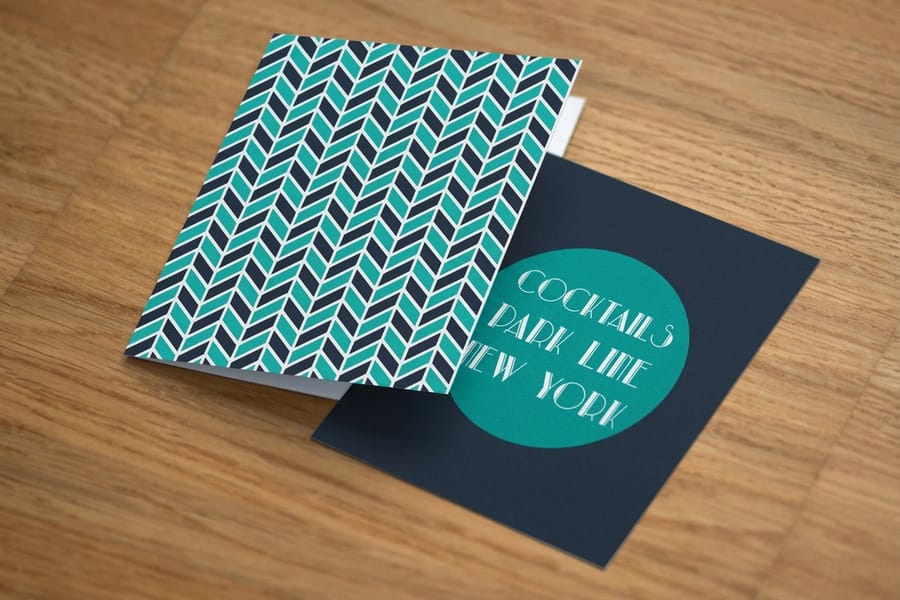
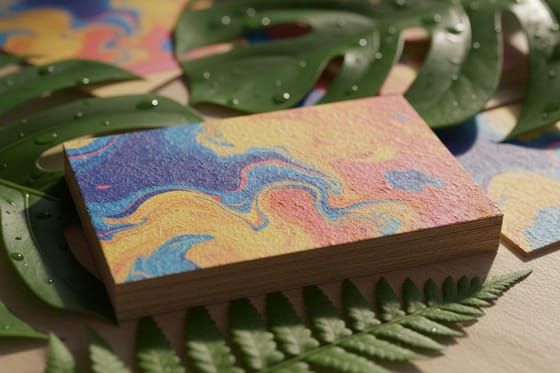
Uncoated paper has no coating at all. You feel the actual paper fibers when you run your fingers across it. That gives brochures a warm, natural, handcrafted quality that coated stocks simply cannot replicate.
Brands that lean into sustainability, artisan craftsmanship, or organic aesthetics love uncoated stock. Think farm-to-table restaurants, eco-conscious skincare lines, or boutique wedding planners. On these pieces the paper itself becomes part of the brand story rather than just a carrier for the ink.
Colors on uncoated stock appear slightly softer and more muted because the ink absorbs into the fibers rather than sitting on top of a coating. This is not a flaw, it is a design choice. Earthy color palettes and minimalist layouts hold up well on uncoated paper, while bright neon designs lose their punch.
Understanding paper weight for brochures

Paper weight determines thickness and rigidity. For brochures, you will run into two main categories, text weight and cover weight, and choosing between them is mostly about how the piece will be folded and handled.
Text weight, 60 lb to 100 lb text, is thinner and more flexible. It folds easily and works well for multi-page brochures, tri-folds, and inserts that need to fit inside envelopes. An 80 lb text stock is the sweet spot for most standard brochures, sturdy enough to feel substantial but light enough to fold cleanly and mail affordably.
If you are planning a direct mail campaign, lighter text weight also keeps your postage costs down, which matters when you are sending thousands of pieces. Our guide on how to make flyers has more tips on designing lightweight print materials that ship for less.
Cover weight, 80 lb to 100 lb cover, is thicker and more rigid, closer to cardstock than paper. Use cover weight when your brochure needs to stand up on its own, literally. Table tents, presentation folders with brochure inserts, or single-panel pieces that double as mini posters all benefit from heavier stock.
A common mistake is choosing cover weight for a tri-fold. The paper is too stiff to fold neatly, and you end up with cracking along the spine. If you need a thick tri-fold, ask about scoring, a pressed crease line that lets heavy paper fold without cracking.
Weight by brochure type. Start here, then adjust for how the piece gets delivered: racked, mailed, or handed over in person.
| Brochure type | Weight to order | Finish that suits it | Why that pairing |
|---|---|---|---|
| Standard tri-fold rack brochure | 100 lb text | Gloss or aqueous | Enough body to feel substantial, still flexible enough to fold clean down two creases and sit in a wire rack without curling. |
| Bi-fold menu, program or service sheet | 80 lb to 100 lb text | Matte | One fold carries the extra weight easily, and the matte surface kills glare on the long blocks of body copy these pieces carry. |
| Self-mailer for a direct mail drop | 80 lb text | Aqueous | The lighter sheet keeps postage down across thousands of pieces, and the coating fends off the fingerprints and scuffing of the mail stream. |
| High-end sales piece or single panel | 80 lb to 100 lb cover | Soft-touch, UV or spot UV | Rigid enough to stand on a table or hand across a desk. Score any fold first so the heavy stock creases instead of cracking along the spine. |
Specialty finishes that change the game
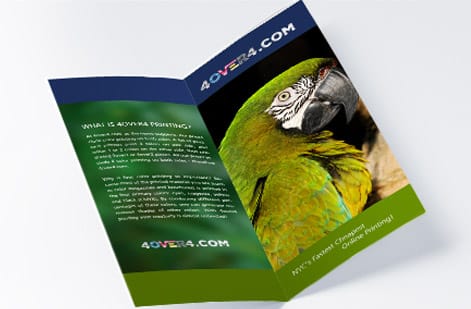
Beyond the base paper, finishes add another layer of look and feel. Each one changes the tactile experience, and in print, touch drives perception. These are the finishes brochures use most.
- UV coating. A liquid coating applied and cured with ultraviolet light. It creates a high-gloss, almost plastic-like surface that is extremely durable, great for brochures that get handled a lot.
- Aqueous coating. A water-based coating that dries quickly and protects against fingerprints and scuffing. It is less shiny than UV but more eco-friendly, a solid all-around choice.
- Soft-touch lamination. A matte laminate that feels velvety and luxurious. Pick one up and you will not want to put it down, used most on high-end brands, luxury real estate and premium product launches.
- Spot UV. Glossy coating applied only to specific areas of the design, like a logo or headline, while the rest stays matte. It creates a striking contrast you can both see and feel.
A brochure with soft-touch lamination feels expensive even when the design is simple. That is the power of paper and finish working together, and it is often the detail that separates a brochure people keep from one they toss.
How to match paper type to your brochure purpose
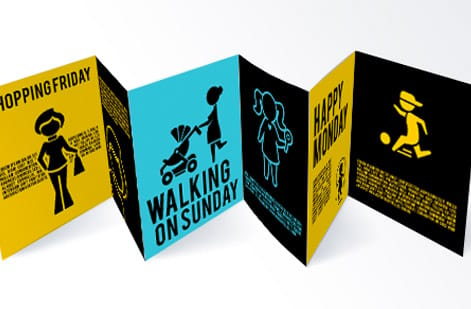
Three questions settle the brochure paper, and the answers point to the right stock almost every time.
1. Is the brochure image-heavy or text-heavy? Image-heavy designs shine on gloss. Text-heavy layouts read better on matte or uncoated, where glare will not fight your paragraphs.
2. How will people receive it? Mailed brochures need lighter text-weight stock to keep postage manageable. Handed out at events, go heavier so the sheet does not curl in a hand. You can order custom brochures from 4OVER4.COM in multiple weights to match your distribution method.
3. What does your brand feel like? Luxury brands lean toward thick matte or soft-touch. Eco brands go uncoated. Bold, colorful brands pick gloss. Your paper should match your personality, not fight it.
Request samples before you commit

Reading about paper types helps. Touching them is better. 4OVER4.COM offers free samples so you can feel the difference between gloss, matte, and uncoated stock before placing a full order. Hold them up to the light. Fold them. Run your thumb across the surface. That tactile test tells you more than any product description ever could.
While you are exploring print options, inspiration turns up in unexpected places. Our guide on custom magnets covers creative promotional products, and how to make envelopes pairs well if you are mailing your brochures as part of a direct mail push.
Not sure where to begin with your layout? Design templates jumpstart the project, each one fully customizable and optimized for professional printing on any paper type. If you would rather build from a completely blank canvas, start from a brochure blank template and lay out your design from the ground up, or grab a carbonless forms template for order pads and multi-part sets.
Wally explains brochure paper
The stock is felt before a word is read
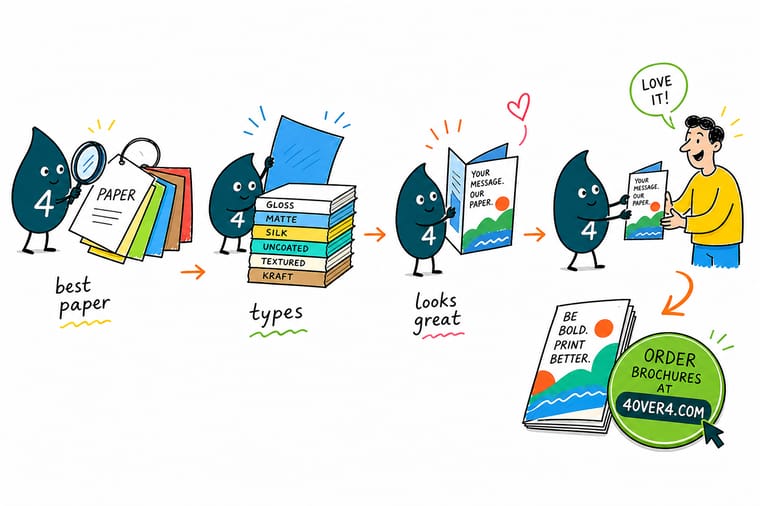
Wally treats brochure paper like a handshake: gloss for photos that need to pop, matte for copy people actually read, and uncoated for the warm, tactile brands. Then he picks weight by the fold, 80 lb text for a clean tri-fold, heavier cover for pieces that stand on their own. His one rule before any big run is to fold and feel a real sample. Order free samples, then print your brochure on the exact stock you touched at 4OVER4.
Order brochures →Specs and pricing
Custom brochure specs and pricing
Once you have picked your stock, here is what a made-to-order brochure gives you at 4OVER4.COM, with live specs and price-per-unit straight from the configurator.
| Quantity | Price Per Unit | Total |
|---|---|---|
| 50 | $1.14 | $57.11 |
| 100 | 82.4¢ | $82.38 |
| 200 | 53.3¢ | $106.55 |
| 300 | 41.0¢ | $123.02 |
| 400 | 34.9¢ | $139.49 |
| 500 | 31.2¢ | $155.97 |
| 600 | 26.7¢ | $160.36 |
| 700 | 23.5¢ | $164.75 |
Watch outs
Paper mistakes that ruin brochures
Choosing the wrong stock is one of the fastest ways to waste a print budget. Dodge these common errors and your brochure lands the way you designed it.
Using cover weight for tri-folds.
Thick stock cracks at the fold unless it is professionally scored. Stick with 80 lb or 100 lb text for folded brochures.
Picking gloss for text-heavy designs.
Glare makes long paragraphs hard to read. Switch to matte if your brochure runs more than 40 percent text.
Ignoring the mailing weight.
Heavier paper means higher postage. A few extra cents per piece adds up fast at scale.
Skipping paper samples.
Screen colors and paper colors are different worlds. Always proof on actual stock before a large run.
Choosing cheap uncoated for photo-heavy designs.
Ink bleeds into uncoated fibers, making images look fuzzy. Use coated stock for crisp photography.
4OVER4.COM includes a free digital proof with every brochure order so you can catch issues before they hit the press.
Print it
Best brochure printing options at 4OVER4
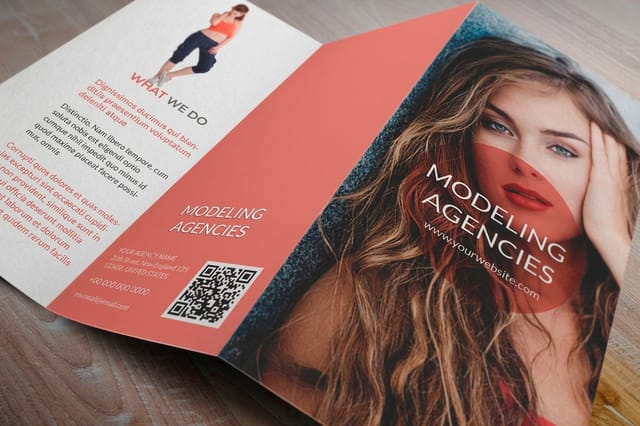
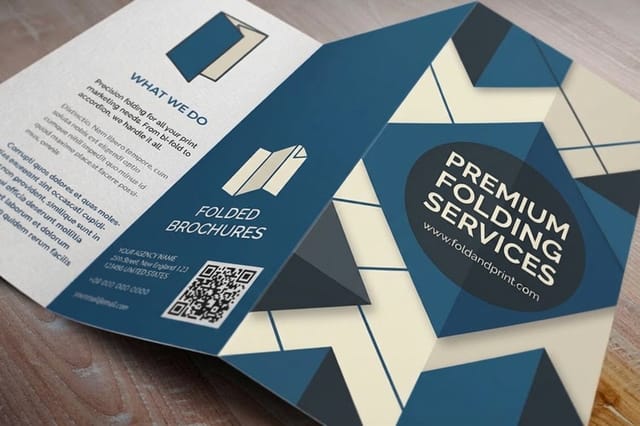
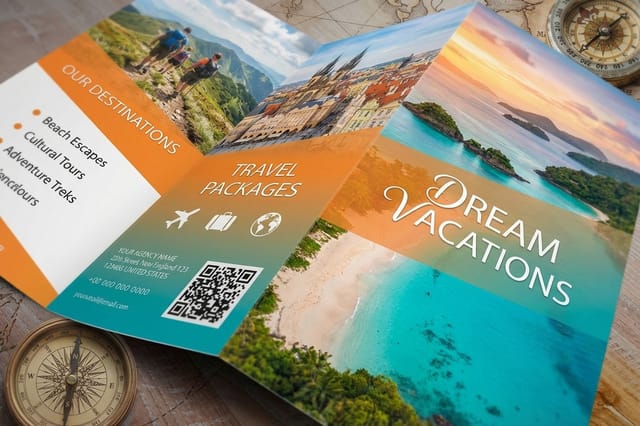
Looking for sustainable stock? Our green printing program includes recycled and FSC-certified paper that looks just as sharp as conventional options. Want to see the stock before you commit? Grab a set of free business cards and see our paper stocks, ink accuracy, and finishing up close before committing to a large brochure run.
See it in use
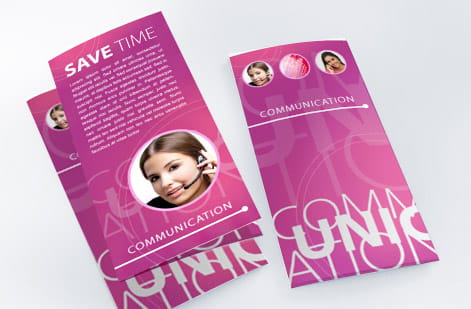
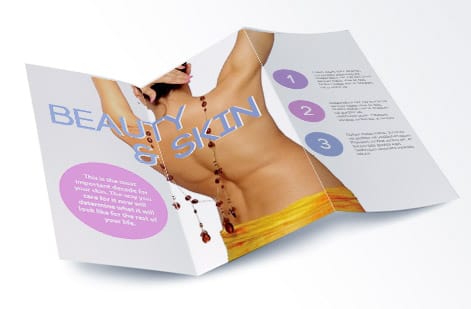
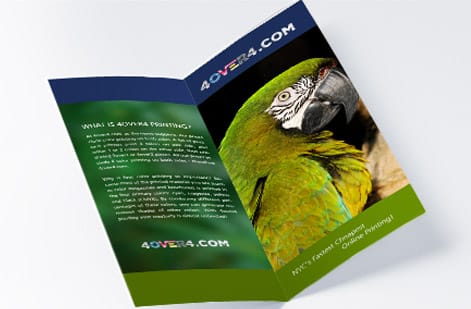
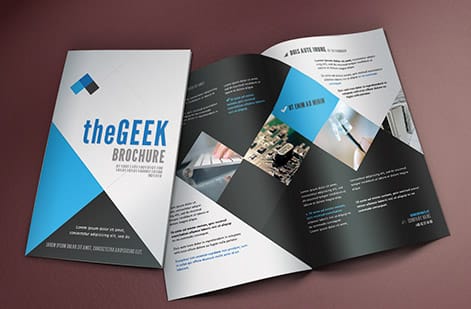
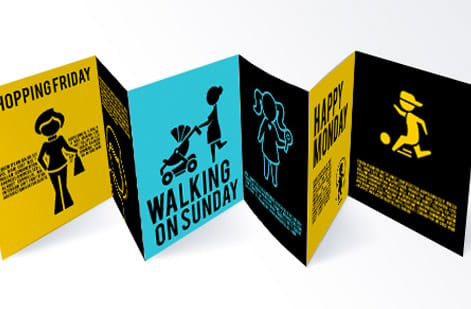
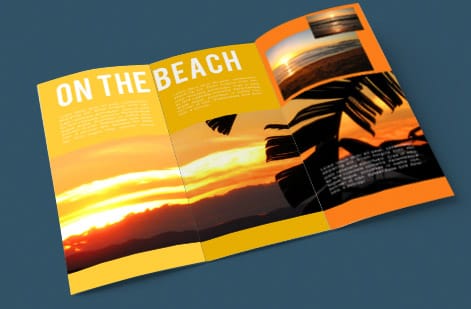
Brochure paper we ran for customer jobs
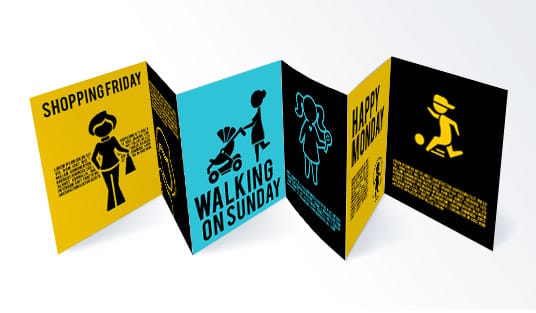

Explore more
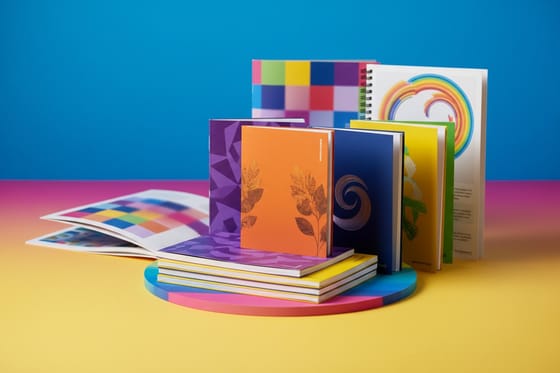
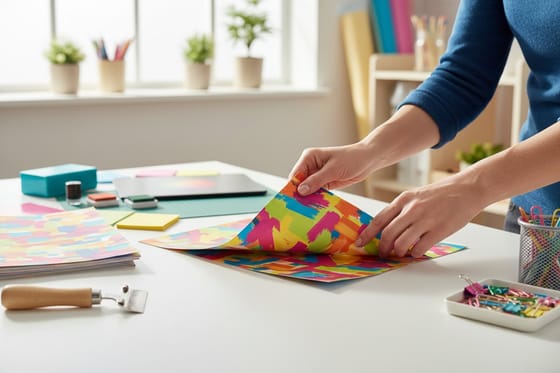
Where to go next

By the numbers
100# Gloss, 100# Silk/Matte, 70# Uncoated
Common Questions
Your brochure paper questions, answered
What is the best paper for brochures?
For most brochures the best paper is 100 lb gloss text. It holds photo color, folds clean on a tri-fold, and stays light enough to mail in volume. Drop to 80 lb text when postage across thousands of direct mail pieces is the deciding factor. Switch to matte at the same weight when the brochure is text-heavy and has to read comfortably under office lighting. Move up to 80 lb or 100 lb cover for single-panel pieces, table tents and high-end sales handouts that need to stand on their own, and ask for scoring on any fold in cover stock so the sheet creases instead of cracking along the spine. Not sure how a stock feels in hand? Order free paper samples and fold one before you commit to the run.
What is the best paper weight for a tri-fold brochure?
80 lb gloss or matte text is the standard for tri-fold brochures. It is thick enough to feel professional but flexible enough to fold cleanly without cracking. If you want something sturdier, 100 lb text works too, just make sure your printer scores the folds so the heavier stock creases without splitting.
Should I use gloss or matte paper for brochures?
Use gloss for image-heavy brochures where color vibrancy matters most. Choose matte for text-heavy pieces or when you want a sophisticated, non-reflective look. Both options produce professional results, so it comes down to your content and your brand style.
Can I print brochures on recycled paper?
Yes. 4OVER4.COM offers recycled and eco-friendly paper stocks that deliver strong color reproduction and clean folds. Recycled stock works especially well for brands that value sustainability, and the quality gap compared to virgin paper is minimal with modern recycled stocks.
What paper type makes brochure colors look the most vivid?
Gloss-coated paper produces the most vivid, saturated colors because ink sits on top of the coating rather than absorbing into the fibers. Adding UV coating boosts vibrancy even further. For the richest color output, pair gloss stock with CMYK full-color printing.
How do I know which brochure paper is right before ordering?
Order paper samples first. Seeing and touching actual stock is the only reliable way to judge weight, texture, and color accuracy. Visit our Help Center if you need guidance picking the right paper for your specific project.
Is uncoated paper a bad choice for brochures?
Not at all, it depends on the design. Uncoated paper gives brochures a natural, organic feel that works beautifully for earthy brands and minimalist layouts. Just avoid it for photo-heavy designs, since ink absorption can soften image sharpness compared to coated alternatives.
Get Started
Order 50 travel brochures from $57.11
Pick your stock and weight, drop in your design, and we print a crisp, professional brochure that folds clean and feels the part.
Legal Disclaimer
Gold Standard guarantees apply to all standard orders placed through 4over4.com. Price match requires verifiable proof of a competitor's published price for an equivalent product with matching specifications and turnaround time. Satisfaction guarantee covers manufacturing defects and print quality issues. Contact support with order number and documentation. On-time delivery rate based on tracked orders 1999 to 2026. Individual results may vary based on shipping carrier performance.
