
Blind Drop Shipping Lets You Print Wholesale and Ship Under Your Own Brand


Blind shipping is a fulfillment setting, not a product you add to the cart. Here is what changes on the label, what has to come out of the carton, and the one thing it cannot hide.
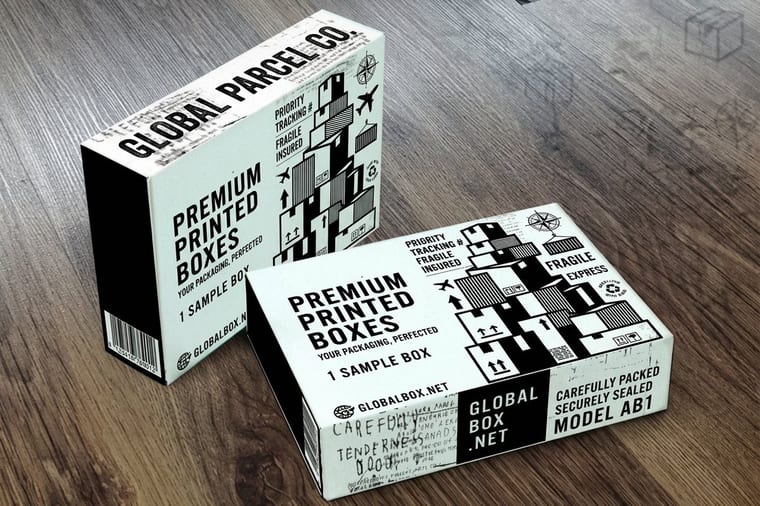
Blind drop shipping means the printer ships the finished job straight to your client with its own identity stripped out: your business is the return address on the carrier label, the carton is plain, and nothing carrying the printer name travels inside. Your client sees your brand and no one else. What it does not change is where the box physically starts, so the first origin scan and the postmark still read the plant ZIP code, and an undeliverable carton returns to whoever is named on the label.
Quick answer
Your address on the label, nothing of the printer in the box
Blind drop shipping is one label field plus one packing rule. The carrier label names your business as the return address, the outer carton goes out plain, and the packing slip, invoice and every insert with the printer name are suppressed before the order runs. Your client opens a box that reads as yours. The limits are worth knowing up front: the origin scan and the postmark still carry the plant ZIP, undeliverable freight comes back to whoever is on the label, and the carrier claim belongs to whoever tendered the shipment.
What Blind Drop Shipping Actually Changes
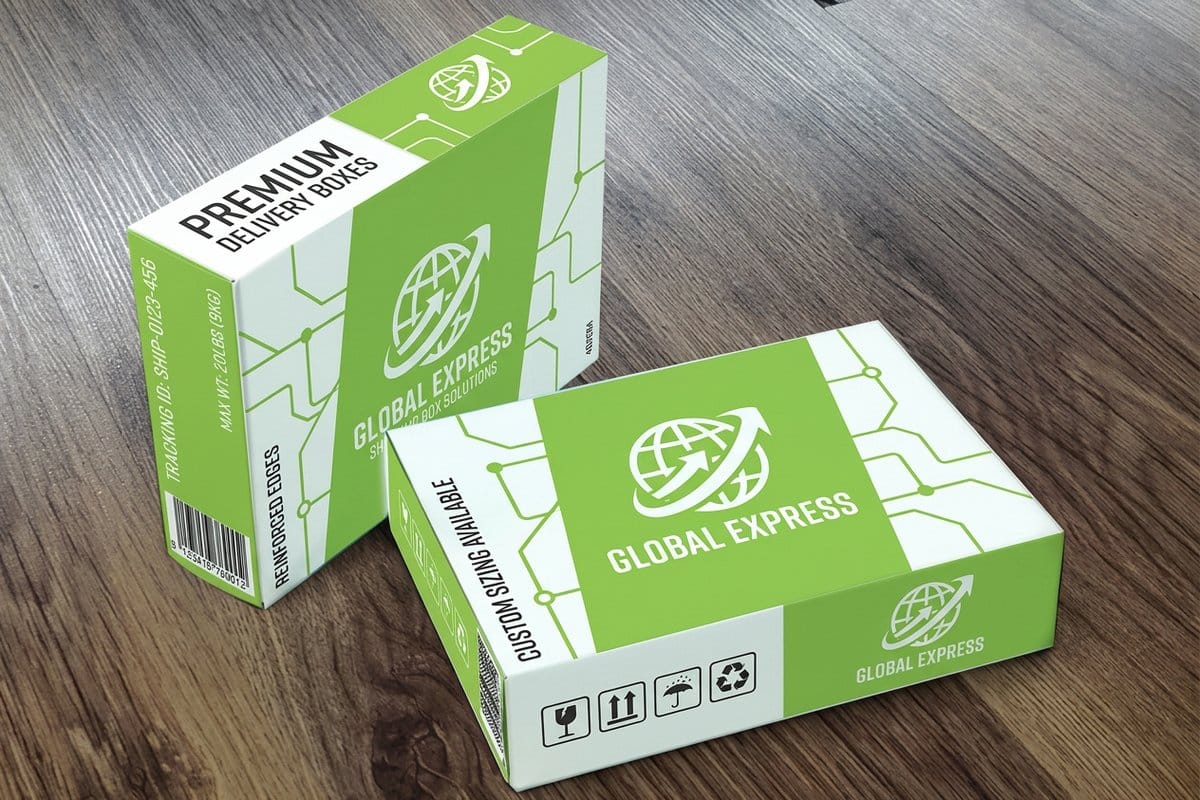
Almost nothing about the print job changes. The press runs the same file, the bindery trims the same stack, and the carton is packed the same way. What changes is a handful of identity fields and one packing instruction, and a reseller who understands exactly which ones can audit a shipment instead of hoping.
The return address on the carrier label becomes yours. That single field is what most people mean when they say blind. It is what a client reads first, and it is the only part of the outside of the box that names anyone.
The carton goes out plain. No branded tape, no logo sticker on the seam, no printed carton with a trade name across the side. Plain kraft is the point.
Nothing with the printer name goes inside. The packing slip is the usual leak, followed by the invoice, the job ticket and the sample card printers like to tuck in. Every one of those has to be suppressed at the account level, not remembered order by order.
Run through those three and you have a blind shipment. What you do not have yet is a branded one, and the two are separate decisions. If you are building a storefront around this model rather than fulfilling occasional client jobs, our guide to print on demand dropshipping covers the order routing side, and the shipping label printing category is where the label decisions below get made.
Why resellers ship blind and what it protects
The reason is not secrecy for its own sake. A reseller sells a service, sourcing, proofing, managing production and standing behind the result, and the printed carton is the moment that service becomes visible. If the box arrives with another company's name on it, the client has been handed a cheaper route to the same product and a reason to wonder what the margin was for. Blind shipping keeps the relationship where it was sold.
Three practical benefits follow. The client keeps reordering through you, because nothing in the shipment points anywhere else. The job ships once, straight from the plant to the client, rather than making a detour through your office that adds days and a second freight bill. And the model scales, since a reseller with no press and no warehouse can serve clients in any state at the same speed as a local shop. What it does not do is turn you into the printer. The origin scan still shows the plant, the carrier claim still belongs to whoever tendered the freight, and the return address you put on the label is the one that receives the returns. Read those limits before you promise a client anything about where the box comes from.
The Shipping Label Carries the Whole Thing
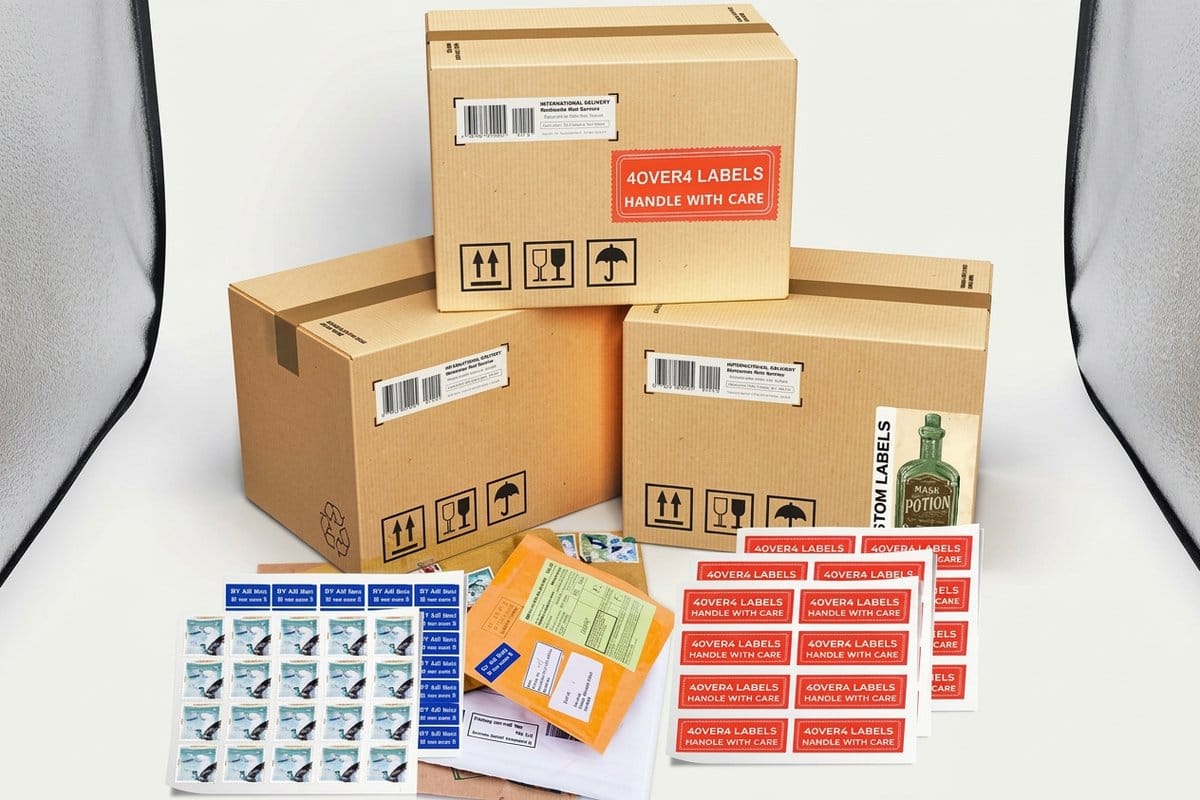
Get the label right and the rest is housekeeping. Get it wrong and no amount of plain packaging saves you, because the label is the one piece of the shipment your client is guaranteed to read.
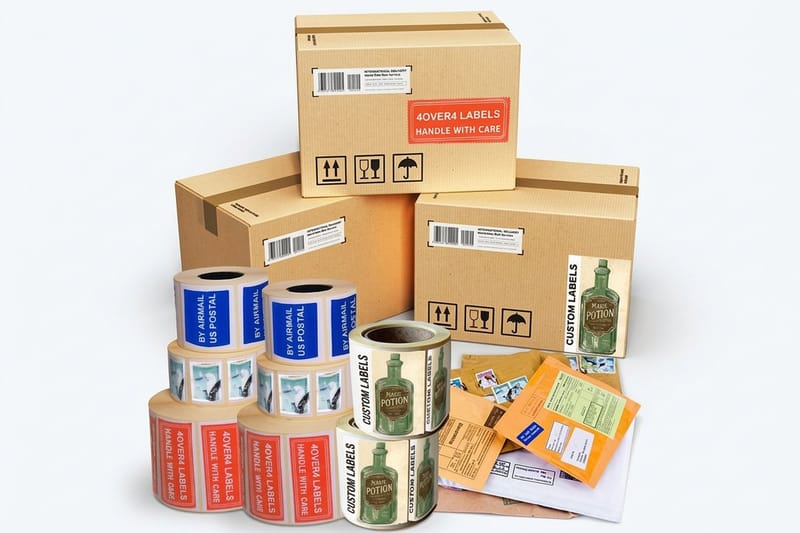
Two questions decide which label product you need. First, how many do you ship in a week? Sheet labels feed through an office laser or inkjet and suit anyone shipping in the tens. Standard Shipping and Mailing Labels start at $23.88 and cover that case. Past a few hundred a week the sheet stops making sense and Roll Shipping and Mailing Labels at $322.98 are the format a thermal applicator takes, which is a real jump in entry cost and only worth it once the labor saved is bigger than the difference.
Second, does the label need to survive the trip looking presentable? A carton crossing three sort facilities in February gets wet. Premium Shipping and Mailing Labels at $29.16 use a heavier face stock that holds up better than the cheapest sheet, and Shipping Labels at $25 sit between the two for general custom work. The one thing every version has in common: your return address is printed on it, so proof it the way you would proof a business card. A typo in a street number on a card is embarrassing. The same typo on a return address is a carton you never see again.
Print the label artwork the way you would any commercial file, at full size with fonts outlined and the barcode area left clear. Our guide to print ready files covers the setup, and it applies to labels exactly as it applies to anything else on press.
Blind, White Label, or Ship to Yourself First
Resellers usually arrive thinking there is one way to do this. There are three, and the right one depends on how much the unboxing matters to the account and how much delay you can absorb.
| Model | What the client sees | Time and cost | Best for |
|---|---|---|---|
| Blind drop ship | Your return address, a plain carton, no paperwork from anyone else. | Fastest and cheapest. One freight leg, no handling on your side. | Volume work where the box is a delivery method, not a brand moment. |
| White label drop ship | Your printed label, your tape, your insert card. It reads as a shipment from your company. | Same single leg. You pay for the label and packaging materials and the printer stocks them. | Retainer clients and anything where the unboxing is part of what they are paying for. |
| Ship to yourself, then re-ship | Total control. Your carton, your postmark, your city on the origin scan. | Slowest and most expensive. Two freight legs plus your own labor and storage. | Kitting, mixing print with other goods, or a client who has been told the work is local. |
Read the third column and be honest about which one you are. Most resellers should run blind by default and upgrade specific accounts to white label, because the middle row costs the price of a label and buys the only physical brand impression in the whole transaction. The bottom row is a genuine option, not a fallback, but it adds days and a second freight bill, so charge for it.
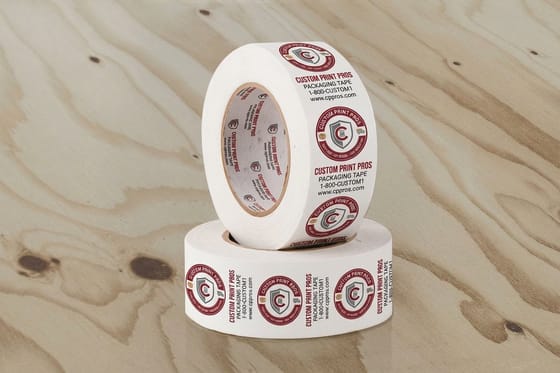
If you go the white label route, the pieces are cheap and they compound. Shipping Boxes printed with your mark start at $711.78 for a stocked run, and custom business tape gets your name across a plain carton for a great deal less if you are not ready to commit to printed cartons.
The Checklist Before Your First Client Order Ships
Do not learn any of this from a client email. Send one small test order to your own address, at your own expense, with the settings you intend to use for real work, and open it as your client would.
- Confirm the return address in writing. Get it on the account, not on a single order. An address that lives on one order note gets missed on the reorder.
- Ask for packing slip suppression at account level. Then check the test carton for a slip, an invoice and a job ticket. Three different documents, three different chances to leak.
- Check the sender name on the tracking email. Carrier notifications often show the shipper account name, which is not always the same string as the return address on the label.
- Check the outside of the carton. Branded tape and a logo sticker on the seam undo everything inside.
- Agree who files a damage claim and how fast. Ask for the claim window and the reprint turnaround, then quote your client a date that includes both.
- Split shipments deserve a second look. A large order that goes out as two cartons only needs one of them to carry a stray insert.
One more thing worth deciding early: what you tell clients. Blind shipping is normal trade practice and there is nothing to apologize for, but a client who tracks a package to a ZIP code that is not yours will ask. Describing yourself as managing production is accurate and survives the question. Describing yourself as printing in house does not.
Once the shipping side is settled, the pieces that make a reseller look established are the ordinary ones: consistent color across every job, a proper set of printed materials, and packaging that matches. The print brand kit checklist lists what to have on hand before you take client work, color combinations for brand and print covers keeping it consistent across products, and the rest of the shipping and postage guides handle the mailing questions that come next.
Wally explains blind drop shipping
Your name on the label, his name nowhere in the box
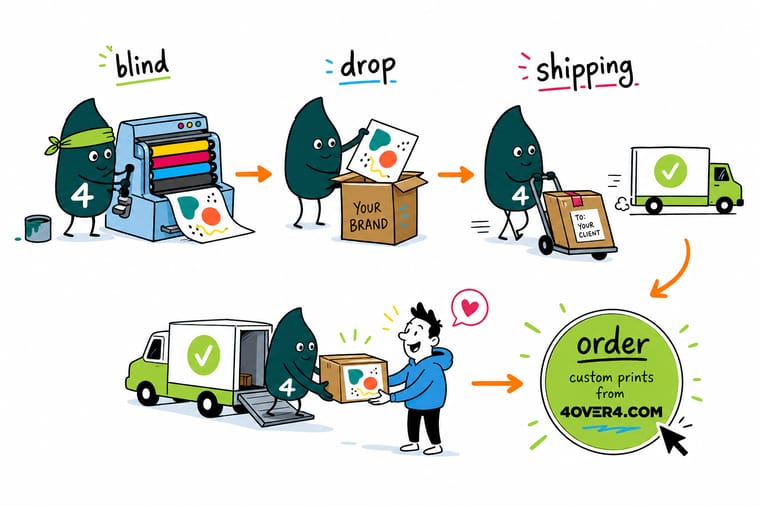
Wally prints your client's job, packs it in a plain carton, and pulls his own packing slip back out before the tape goes on. The label he sticks on carries your return address, so the box reads as yours from the doorstep. He will tell you the part most people skip: the tracking page still shows the box entering the network in Queens, and if the address is wrong the carton comes back to you, not to him. Check both before the first client order runs.
Order your shipping labels →Specs and pricing
Label stocks, sizes, and starting prices
Compare the label options a reseller actually chooses between, with live configuration choices and starting prices straight from the 4OVER4.COM configurator.



Print it
Ship it under your own name


Explore more
Where to go next


By the numbers
Wholesale print fulfillment you can put your name on
Common Questions
Your blind drop shipping questions, answered
Are blind shipments illegal?
No. Blind shipping is ordinary trade practice and every major carrier supports it, since the label simply carries your business as the return address instead of the printer's. The only obligations are the usual ones: the return address must be real and monitored, and on international shipments the customs declaration must describe the goods and their true origin accurately.
What is the difference between blind shipping and drop shipping?
Drop shipping is the fulfilment model, where a supplier sends the order straight to your customer without it passing through you. Blind shipping is a setting on that shipment, where the supplier's identity is removed and yours goes on the label. A drop shipment can be blind or not, and a blind shipment is almost always a drop shipment.
How risky is dropshipping print jobs to clients?
The risks are specific and manageable. The return address you put on the label receives undeliverable cartons at your cost, the carrier claim on a damaged box runs through the printer, and a client who reads the tracking page sees the plant's ZIP code. Send one test order to yourself before the first client job and each of those surfaces where it costs nothing.
What is blind drop shipping in printing?
Blind drop shipping means the printer sends the finished job directly to your client with its own identity removed. Your business appears as the return address on the carrier label, the outer carton is plain, and no packing slip, invoice, sample card or promotional insert with the printer name travels inside. From the client side it looks like a shipment from you. Nothing about the product changes; blind is a fulfillment and packing setting, not a print option you select at checkout.
Whose address goes on the shipping label?
Yours, in the from field, with the client in the to field. That is what makes it blind. Understand the consequence before you set it: carriers return undeliverable freight to the address in the from field, so a bad suite number or a client who moved sends the carton to your door, at your cost, several days later. Some resellers use a neutral address they actually monitor rather than a home office they are rarely at.
Can my client still work out who printed the order?
A determined one can. The first origin scan on the tracking page shows the city and ZIP where the carton entered the network, the postmark on mailed pieces shows the same, and transit time is calculated from the plant rather than from your office. Blind shipping conceals the company name, not the geography. This matters if you have told a client the work is produced locally, so it is better to describe yourself as managing production than as printing in house.
What is the difference between blind shipping and white label shipping?
Blind is subtraction and white label is addition. A blind shipment has the printer stripped out of it. A white label shipment has you added back in: a printed shipping label with your logo, your branded tape across the seam, your insert card in the box. A shipment can be blind and completely anonymous, which is a missed opportunity when the unboxing is the one physical touch your client gets from you.
Who handles a damaged or lost shipment on a blind order?
The party that tendered the freight files the carrier claim, which on a blind drop ship is the printer. You are the one your client calls, so you collect the photos of the carton and the damaged pieces, pass them through, and chase the reprint. Build that relay into what you quote for turnaround. Telling a client a replacement arrives in two days when the claim itself takes a day is how a good job turns into a bad account.
Do I need my own printed shipping labels to run blind?
Not strictly, since a plain thermal carrier label with your return address is already blind. You need printed labels once you want the shipment to look like yours rather than like nobody in particular. Standard Shipping and Mailing Labels start at $23.88 for sheet stock you can run in an office printer, and Roll Shipping and Mailing Labels start at $322.98 for the roll format a thermal applicator needs, which is the point where volume decides the answer for you.
Get Started
Ready to ship client work under your own brand?
Print the labels that carry your return address, pack in plain cartons, and hand your client a box that reads as yours from the doorstep.
Legal Disclaimer
Gold Standard guarantees apply to all standard orders placed through 4over4.com. Price match requires verifiable proof of a competitor's published price for an equivalent product with matching specifications and turnaround time. Satisfaction guarantee covers manufacturing defects and print quality issues. Contact support with order number and documentation. On-time delivery rate based on tracked orders 1999 to 2026. Individual results may vary based on shipping carrier performance.
