
The Essential Components of Brand Messaging for Small Business


Brand messaging is what your business says about itself, said the same way everywhere. The framework below fills in as templates, then carries onto the card and the letterhead.
Brand messaging is the framework of words and promises that describes who you are, delivered consistently everywhere. It stacks purpose, positioning, audience, a value proposition, a tagline, voice and tone, and proof points. Write each one down, keep them consistent, then carry the message onto cards, brochures, and letterhead so customers hold one clear brand.
Start here
Said the same way everywhere
Brand messaging is the framework of words and promises behind everything your business says. It stacks purpose, positioning, a named audience, a value proposition, a tagline, voice and tone, and proof points into one consistent story. Write each part down, keep it the same across every channel, and carry it onto printed cards, brochures, and letterhead from 4OVER4.COM so customers meet one clear brand. The pyramid below shows how the components stack.
What brand messaging is
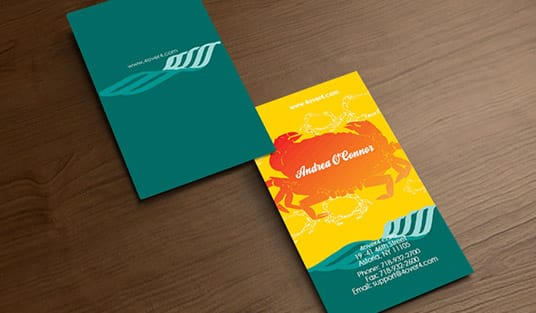
Brand messaging is what your business says about itself, said the same way everywhere. It is the words, ideas, and promises that answer three questions in a customer's head: who are you, who is this for, and why should I care. Get those answers consistent and a small business starts to feel like a brand rather than a name.
The trap is treating messaging as a single clever slogan. A slogan is one line; messaging is the whole system behind it. When the system is clear, everything downstream gets easier, because your website, your emails, and your printed business cards all pull from one source instead of improvising a new pitch each time.
This guide breaks the message into its parts, gives you a fill-in structure for each, and then shows how to carry it onto print. If you want a running start on the visuals, our online design tool and design templates let you drop your finished message straight into a layout that is ready to print.
The essential components of a messaging framework

A messaging framework stacks a handful of components, each answering a specific question. At the base sits your purpose, the reason the business exists beyond making money. On top of it comes positioning, the category you compete in and the space you own inside it, and a clearly named audience described in their own language.
From there the pieces get sharper. The value proposition is one plain sentence on who you help, what you do, and why you are the better choice. The tagline distills it into a line short enough to live on a card. Voice and tone define how you sound, and proof points give customers a reason to believe the promise. Write each one down and you have a single reference every piece of marketing can pull from.
These components are also where messaging meets a wider brand identity. Our guide on building a strong brand identity connects the words to the logo, color, and type that carry them, so the two never drift apart.
Crafting your value proposition and tagline
The value proposition is the load-bearing sentence of the whole framework, so it earns the most effort. Build it from three parts: who you help, the specific thing you do for them, and the reason you are the better choice. Keep it plain. If a customer cannot understand it on the first read, it is not finished, no matter how polished it sounds.
Pressure-test the draft against how customers actually describe their problem, in their words, not your industry's jargon. The best value propositions often echo language you have heard in real conversations, which is why naming your audience first matters so much.
The tagline is the value proposition compressed into something memorable. It does not have to explain everything; it has to stick and cue the rest. Once you have a line you trust, it goes onto business cards, signage, and ads, and our guide on choosing a brand color palette helps you dress it in colors that match the tone.
Voice and tone across channels
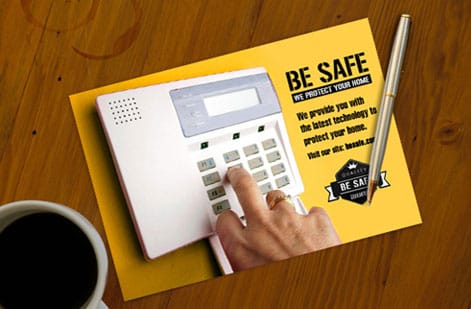
Voice is the personality your writing carries; tone is how that personality flexes for the moment. A warm, plainspoken brand should sound warm and plainspoken on its homepage, in a support email, and on a printed flyer alike. When the voice wanders from channel to channel, customers feel the seams, and a small brand loses the consistency that makes it feel dependable.
Define your voice with a few concrete words and a short list of do and do-not examples, so anyone writing for you stays in character. Then apply it everywhere, especially in print, where the words sit permanently on paper and cannot be quietly edited later. The discipline of writing a headline or a tagline for a card often sharpens the voice you use everywhere else.
Typeface plays a role here too, because how words look shapes how they sound. Our guide on serif versus sans serif helps you pick a face that matches the voice you have chosen.
Translating messaging into print materials
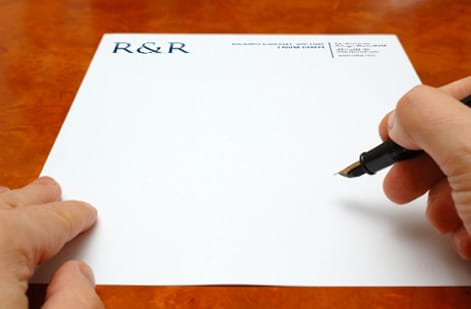
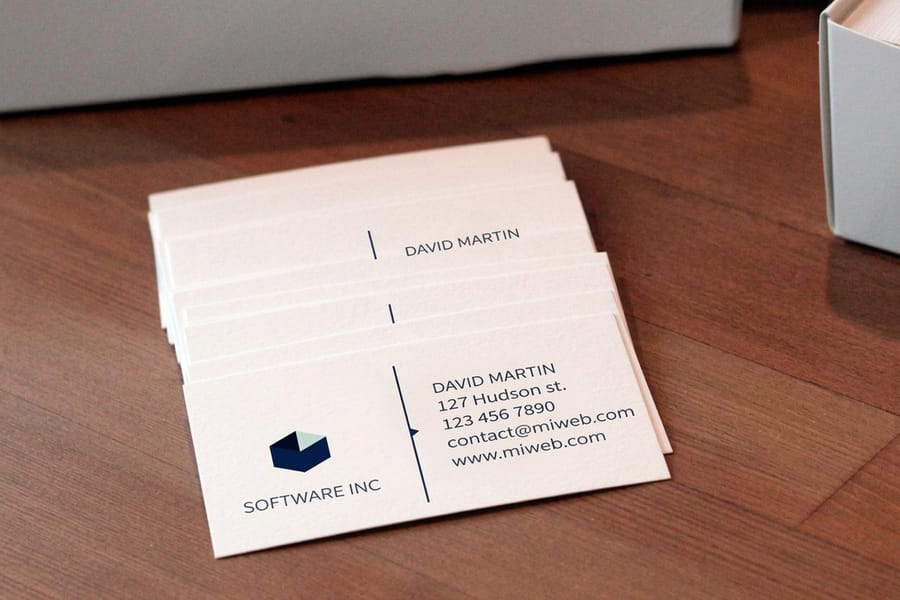
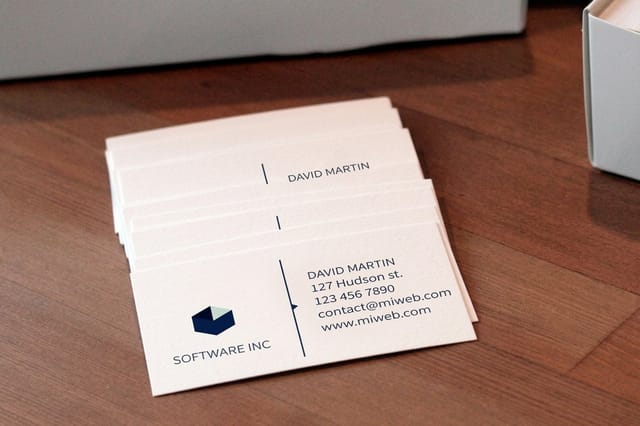
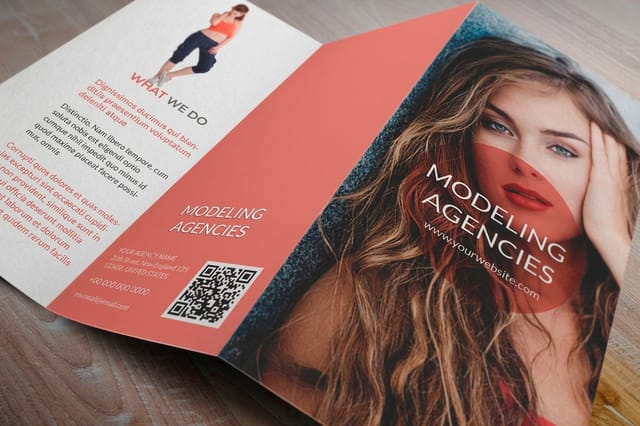
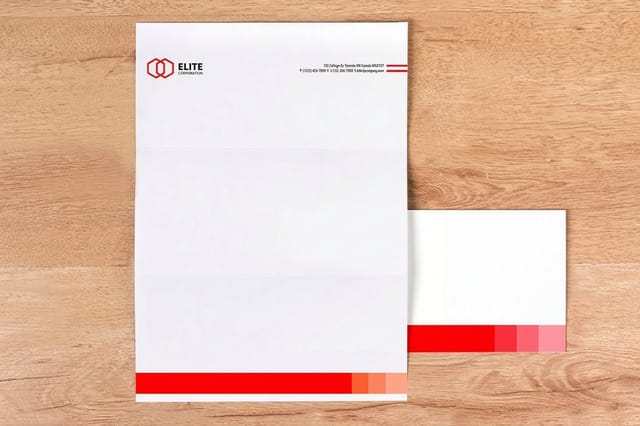
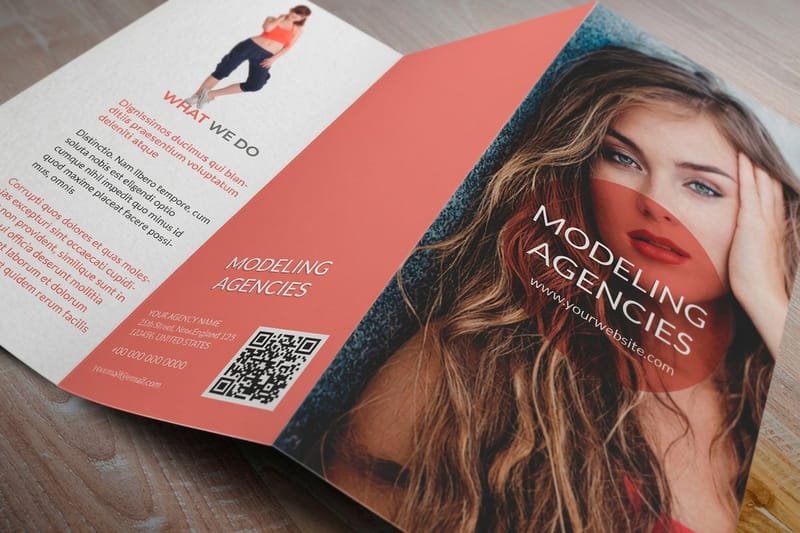
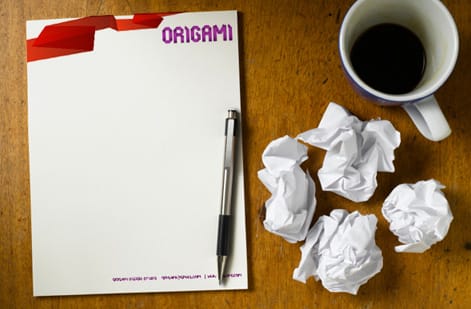
A message that lives only in a strategy document is theory. It becomes real the moment a customer holds it. Print is where messaging stops being internal and starts doing its job, and different pieces carry different parts of the message. A business card delivers your name and tagline in a first handshake. A brochure has room for the value proposition and proof points. Letterhead carries the voice into every letter and invoice you send.
The rule is consistency. The card, the brochure, and the letterhead should read as one brand, using the same voice, the same tagline, and the same colors. That coherence is exactly what makes a small operation feel established and trustworthy to a new customer.
Before any of it prints, make sure the files are press-ready. Our guide on converting RGB to CMYK keeps your brand colors true in ink, so the message that looked right on screen looks right in a customer's hands.
Print your brand kit at 4OVER4
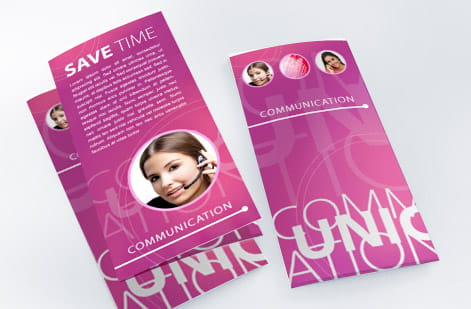
With the message written and the files ready, the last step is producing the kit. Ordering your cards, brochures, and letterhead together keeps color consistent from piece to piece, because the same artwork runs on the same presses in one batch.
Pricing scales with quantity, size, stock, and finish, and updates live in the configurator as you choose, so you can balance a premium stock for the card against a lighter one for a high-volume flyer. If your brand color has to be exact, order free paper samples first and confirm the ink on the real stock before the full run.
From here it is picking each product and its specs. Use the live specs and pricing panel below to start with the business card, then build out the rest of the kit until your whole message is on paper and speaking with one voice.
Wally stacks your message before he prints it
Purpose, position, promise, then paper
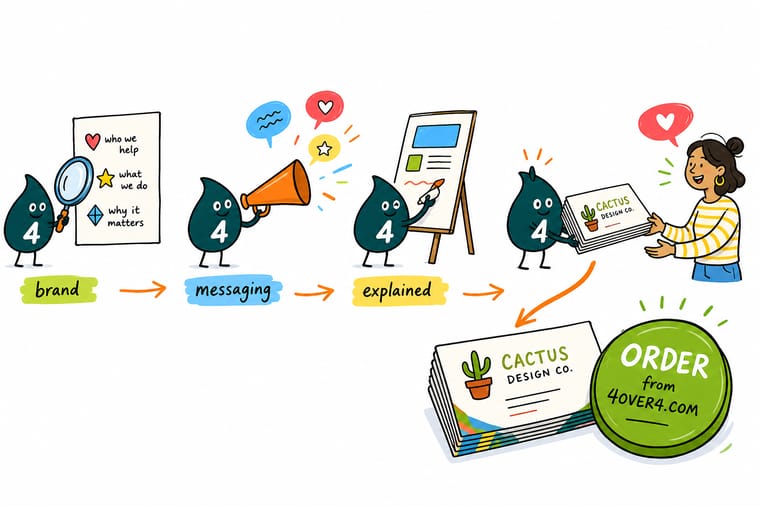
Wally builds a brand message the way you build anything sturdy: purpose at the base, positioning and audience on top, then one plain value proposition, a sticky tagline, and a clear voice. Once the framework is written and consistent, he carries it onto cards, brochures, and letterhead so customers hold one brand, not five versions of it. Say it the same way everywhere, and 4OVER4 prints it clean.
Print your brand cards →Quick reference
The messaging framework, component by component
A complete brand message answers each of these questions in order. Fill them in once and every card, brochure, and page pulls from the same source.
| Component | Answers | Why it matters |
|---|---|---|
| Purpose | Why you exist | The reason behind the business, beyond making money, that gives every message a center of gravity. |
| Positioning | Where you sit | The category you compete in and the space you own inside it, so customers know how to file you. |
| Audience | Who you serve | A clear picture of the customer, in their words, so the message speaks to a real person. |
| Value proposition | One plain promise | Who you help, what you do, and why you are the better choice, in a single readable sentence. |
| Tagline | A memorable line | The short, sticky phrase that travels on cards, signs, and ads and cues the whole message. |
| Voice and tone | How you sound | A defined personality so every channel, printed or digital, reads as the same brand. |
| Proof points | Why to believe it | The specifics, numbers, and guarantees that turn a claim into something a customer can trust. |
Step by step
Build your messaging framework in 7 steps
- Name your purpose Write one sentence on why the business exists beyond profit. This becomes the anchor every other message ties back to, so keep it honest and specific.
- Define your position State the category you compete in and the distinct space you own. If you cannot say what makes you different in a line, keep working until you can.
- Picture your audience Describe the customer in their own language: what they want, what they fear, and what they are choosing between. Write to that one person, not a crowd.
- Write the value proposition Combine who you help, what you do for them, and why you are the better choice into one plain sentence. This is the load-bearing line of the whole framework.
- Craft a tagline and proof points Distill the value proposition into a short, memorable line, then list the specifics that back it up: results, guarantees, and real numbers.
- Set your voice and tone Choose a few words that describe how the brand sounds, with do and do-not examples, so anyone writing for you stays in character.
- Put the message on paper Carry the finished message onto business cards, brochures, and letterhead so it becomes something customers hold, not just a file on a drive.
Specs and pricing
Business card specs and live pricing
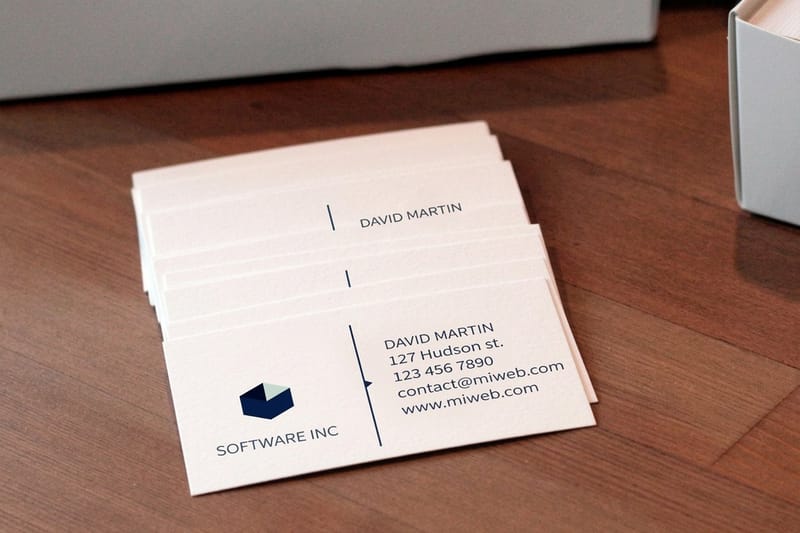
The card is where most brands first put the message in a customer's hand, at 100 for $17.57, which is $0.18 each.
| Quantity | Price Per Unit | Total |
|---|---|---|
| 100 | 17.6¢ | $17.57 |
| 200 | 11.5¢ | $23.07 |
| 300 | 9.15¢ | $27.46 |
| 400 | 7.96¢ | $31.86 |
| 500 | 7.25¢ | $36.26 |
| 600 | 6.77¢ | $40.64 |
| 700 | 6.43¢ | $45.04 |
| 800 | 6.18¢ | $49.43 |
Print it
Print your brand kit
See it in use
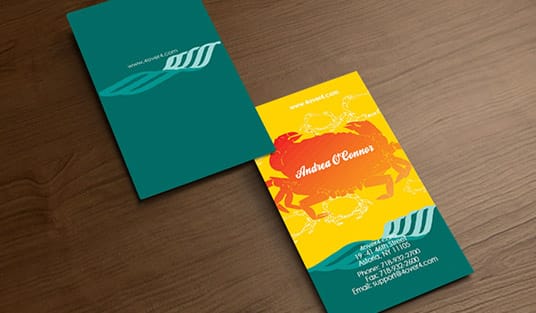
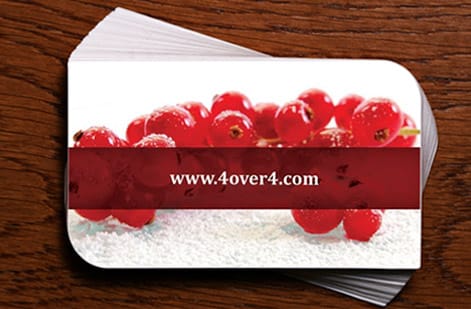
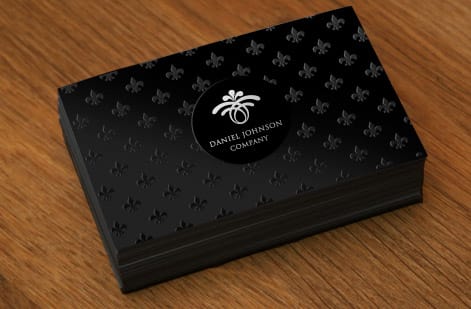
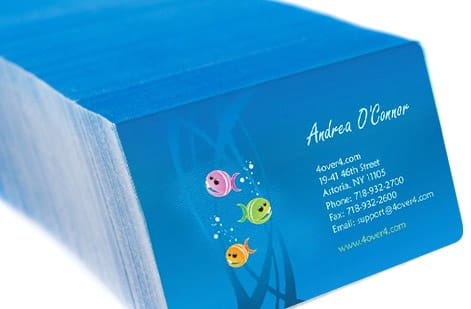
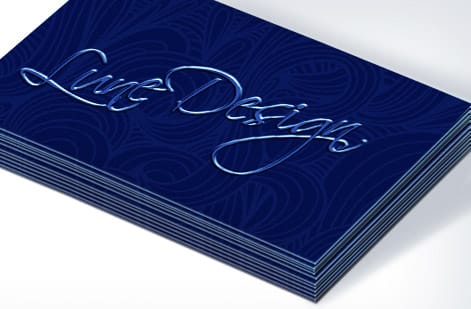
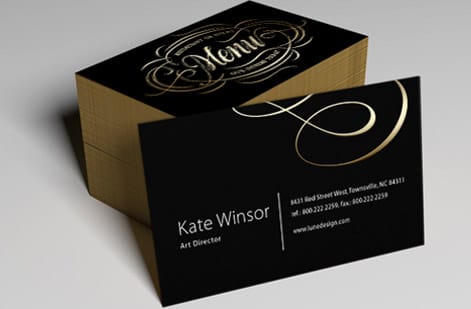
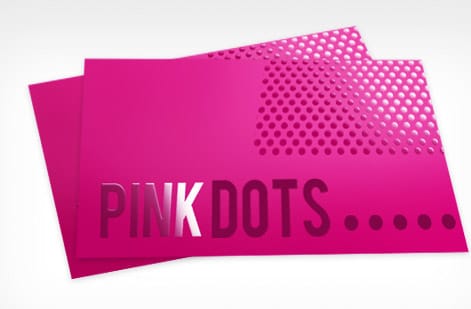
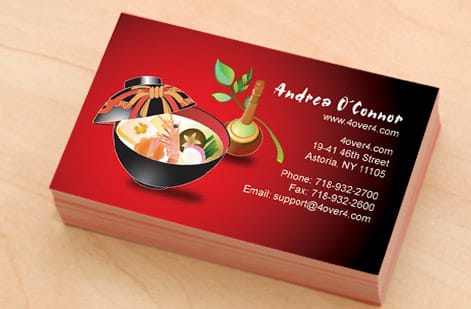
Messaging we printed across a kit
Explore more
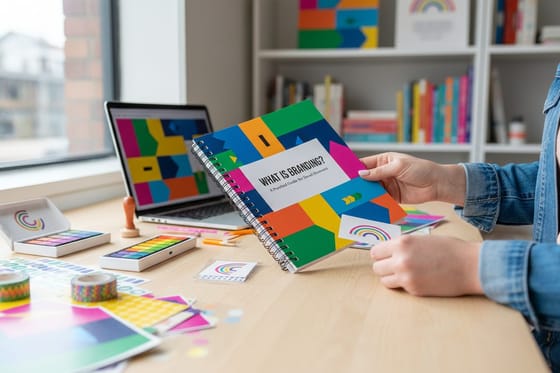
Where to go next
By the numbers
Cards, brochures, flyers, letterhead
Common Questions
Common questions about brand messaging
What is brand messaging?
Brand messaging is the set of words, ideas, and promises a business uses to explain who it is, who it serves, and why it matters, delivered the same way across every channel. It is not a single slogan but a framework: a purpose, a market position, a clearly named audience, a value proposition, a tagline, a defined voice, and the proof points that back the claims. When those pieces are written down and used consistently, every touchpoint, from your homepage to a printed business card, tells the same story, and customers build one coherent picture of your brand instead of a scattered set of impressions.
What has to stay identical across every channel?
Start from truth, not cleverness. Write your purpose and positioning first, then describe your actual customer in their own words, because messaging that tries to speak to everyone lands with no one. Draft a value proposition that names who you help, what you do, and why you are the better choice, and pressure-test it against how customers really describe their problem. Choose a voice that fits your business and your audience, and gather concrete proof points so claims feel earned. The right messaging is the version that is specific, believable, and repeatable across your website, your emails, and your printed materials.
What does brand messaging cost and how are prices set?
Developing the messaging itself can cost nothing beyond your time if you build the framework yourself, or a consultant or agency fee if you bring in help, which scales with scope and experience. The recurring cost is production: carrying the message onto real materials. Printing a brand kit of cards, brochures, and letterhead scales with quantity, size, paper stock, and finish, and the configurator shows the price updating live as you set each option, so you can see exactly what a heavier stock or a larger run adds before you order.
What sizes, stocks, and finishes suit branded print materials?
Match the piece to the message. A confident brand introduces itself on a heavier business card stock with a clean matte or soft-touch finish, while a fuller story fits a folded brochure that has room for your value proposition and proof points. Letterhead carries the voice into everyday correspondence. Standard sizes keep costs predictable and mailing simple, and if exact brand color matters to your identity, order free paper samples or a proof so you can judge the ink on the real stock before committing to a full run.
How long does it take to produce branded materials?
Writing the messaging framework can take anywhere from a focused afternoon to a few weeks with revisions. Once your artwork is press-ready, production is the quick part: standard printed products move through the press and ship on a predictable timeline, and you can order cards, brochures, and letterhead together so the whole brand kit arrives at once and every piece speaks with the same voice from day one.
What is the difference between brand messaging and a tagline?
A tagline is one line; brand messaging is the whole system that line comes from. The tagline is the short, memorable phrase that travels on cards and ads and instantly cues your brand, but on its own it is just a hook. Brand messaging is the deeper framework beneath it: the purpose, positioning, audience, value proposition, voice, and proof points that give the tagline meaning and keep everything else consistent. A great tagline without a messaging framework is a nice phrase with nothing behind it; the framework is what makes the tagline earn its place.
Get Started
Order 50 brochures at $1.14 each with the message on it
Bring your brand message to 4OVER4.COM and print cards, brochures, and letterhead on the stock and finish your brand calls for. Letterhead runs 50 for $99.95, which is $2.00 a sheet.
Legal Disclaimer
Gold Standard guarantees apply to all standard orders placed through 4over4.com. Price match requires verifiable proof of a competitor's published price for an equivalent product with matching specifications and turnaround time. Satisfaction guarantee covers manufacturing defects and print quality issues. Contact support with order number and documentation. On-time delivery rate based on tracked orders 1999 to 2026. Individual results may vary based on shipping carrier performance.
