
Custom Corrugated Boxes for Shipping and Retail


Corrugated is the fluted board that carries almost everything that ships. Flute and board strength are chosen for the journey, not the artwork.
Custom corrugated boxes are fluted-board boxes built to your product and printed with your brand. The fluted construction cushions and stacks, and the flute size trades protection against print quality. Choose E flute for print-friendly retail mailers, B or C flute for shipping cushioning, single-wall for most jobs and double-wall for heavy goods, then print full color and build the file on the box dieline.
Start here
Built around the product, not the pallet
Custom corrugated boxes are fluted-board boxes built to your product and printed with your brand. The fluted layer between liners cushions and stacks, and the flute size trades cushioning against print sharpness. Pick E flute for print-friendly retail mailers, B or C flute for shipping cushioning, single-wall for most jobs and double-wall for heavy or fragile goods, print full color inside and out, and build the file on the box dieline. The step guide below sums up the build.
What custom corrugated boxes are and where they fit
Almost everything that ships arrives in corrugated. It is the fluted board you see when you tear open a delivery: a wavy layer glued between two flat liner sheets. That simple structure is what makes corrugated the backbone of shipping. The flutes act like little arches, giving the box cushioning to absorb shocks and the rigidity to be stacked without crushing.
Custom corrugated boxes take that everyday material and build it around your product and your brand. Instead of a plain brown box that is too big and unbranded, you get a box sized to what ships, in the right strength for the journey, printed with your logo and colors. The result protects the contents and markets the brand at the same time.
This guide covers the choices that matter for corrugated: flute types, board strength, matching the box to the job, printing full color, sizing, and preparing a clean dieline file. Branded custom mailer boxes for an unboxing moment and economical shipping boxes for volume both come out of the decisions below.
Corrugated flute types and what each is for
The flute is the wavy inner layer, and its size quietly shapes how a box behaves. Larger flutes, like A and C, stand taller with fewer waves per foot, so they cushion better and stack stronger. That makes them the choice for shipping cartons and heavier goods where protection is the priority.
Smaller flutes, like E and F, are thinner with many more waves packed in, which creates a smoother, flatter surface. That smoothness is what lets a box take crisp, high-quality printing, so fine flutes are the go-to for retail mailer boxes and folding-style corrugated where the graphics need to look sharp. B flute sits in the middle, balancing decent cushioning with a reasonably smooth print face.
Choosing a flute is really a trade between protection and print. A rugged shipper wants the cushioning of C flute; a branded unboxing box wants the smooth print surface of E flute. Many retail brands land on E flute mailers for exactly that reason. Our packaging box types guide compares the materials side by side.
Board strength: single-wall, double-wall, and how it is measured
Strength in corrugated comes from two things: how many layers of flute the board has, and how the paper is rated. Most boxes are single-wall, one fluted layer between two liners, which is plenty for the vast majority of retail and e-commerce shipping. When contents are heavy, fragile, or destined for rough handling, double-wall board, two fluted layers, adds substantial crush and puncture resistance.
Board is also rated by performance, and two numbers matter. Edge crush test measures how much stacking pressure the box walls resist, which predicts how it survives on a pallet. Burst strength measures resistance to puncture and rough handling. Matching these ratings to your product’s weight and the way it ships is how you avoid both crushed boxes and paying for more board than you need.
Right-size the strength to the job. Over-building wastes money and material; under-building means damage and returns. A light apparel mailer is fine single-wall, while a heavy piece of hardware or glassware wants double-wall. Our guide on cardstock versus corrugated helps decide when corrugated strength is even necessary.
Shipping boxes vs retail mailers: matching the box to the job
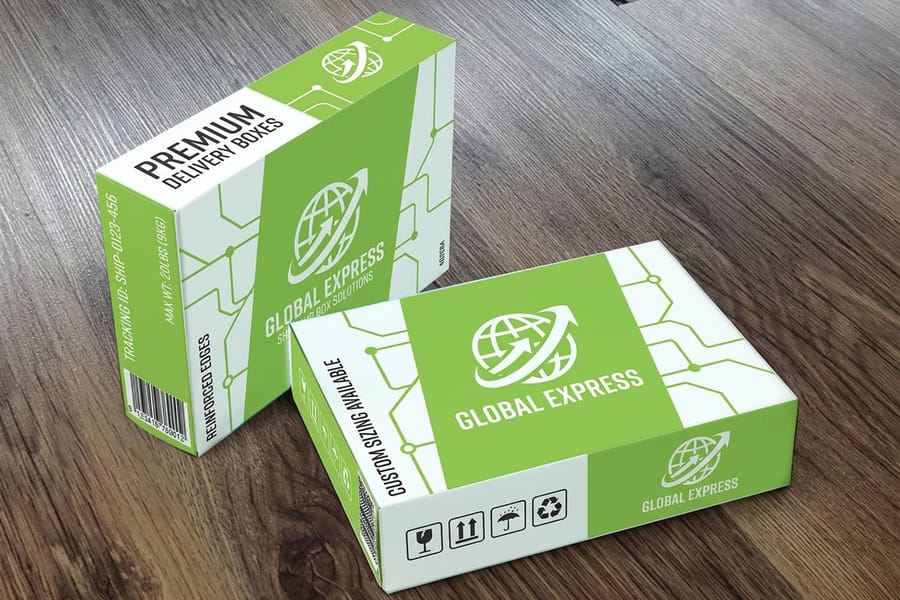
Corrugated splits into two broad jobs, and knowing which you are solving for makes every other choice easier. A retail mailer box is built for the customer experience. Its interlocking, self-locking design opens cleanly, holds the product neatly, and gives you a smooth surface to brand inside and out. Subscription boxes and direct-to-consumer brands use mailers to turn delivery into a moment worth sharing.
A regular slotted shipping box, the classic flapped brown box, is built for economy and volume. It assembles fast, ships flat, and moves product at the lowest cost per unit. When the goal is getting goods from A to B efficiently rather than staging an unboxing, this is the right tool. Our shipping boxes cover this need.
Many brands use both: branded mailer boxes for the retail-facing shipments and plain shippers for bulk or B2B. You can also brand a shipping box lightly with a one-color logo to lift it above generic without the cost of full retail printing. Match the structure to whether the box is part of the product experience or just moving it. Our custom shipping boxes guide goes deeper.
Printing full color on corrugated
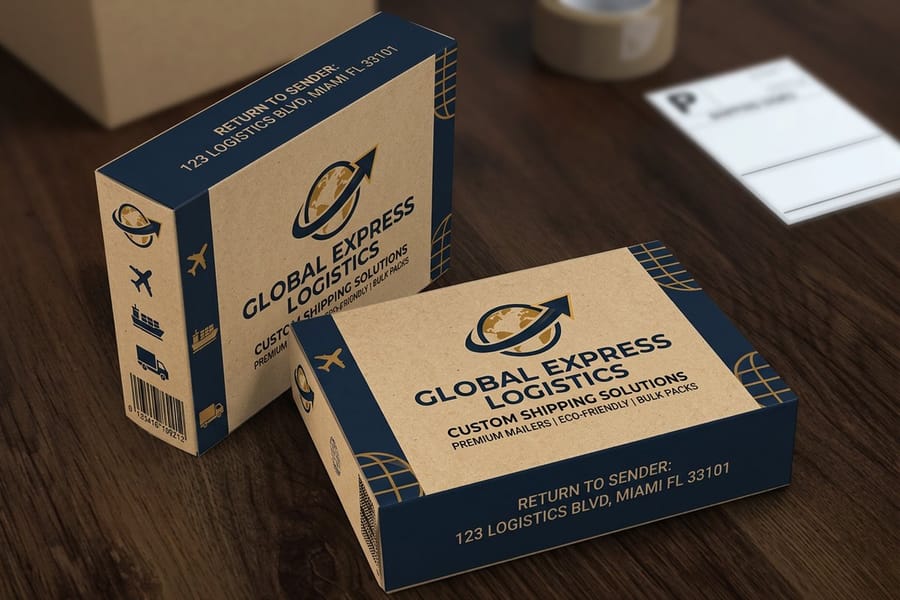
Corrugated is no longer limited to a stamped logo. Modern printing puts full-color artwork, brand colors, photography, and messaging right on the board, so a shipping box becomes packaging that markets. That printed exterior builds brand recognition on doorsteps and porches, and a printed interior turns opening the box into a designed moment.
The flute you chose affects how the print looks. Fine flutes like E give a smooth, flat surface that reproduces crisp graphics and small type cleanly, which is why retail mailers favor them. Coarser shipping flutes can show a faint washboard texture under large solid areas, so heavy graphic coverage pairs best with a smoother board. Keep that in mind when you plan bold, full-coverage designs.
Decide how far the branding goes: a simple one-color logo lifts a plain shipper affordably, while full-color inside and out creates a premium unboxing. Design in CMYK, and if exact brand color matters, confirm it against a sample, since color on kraft-toned board reads differently than on white. Order free samples to see your colors on the actual board before the full run.
Sizing and design for corrugated boxes
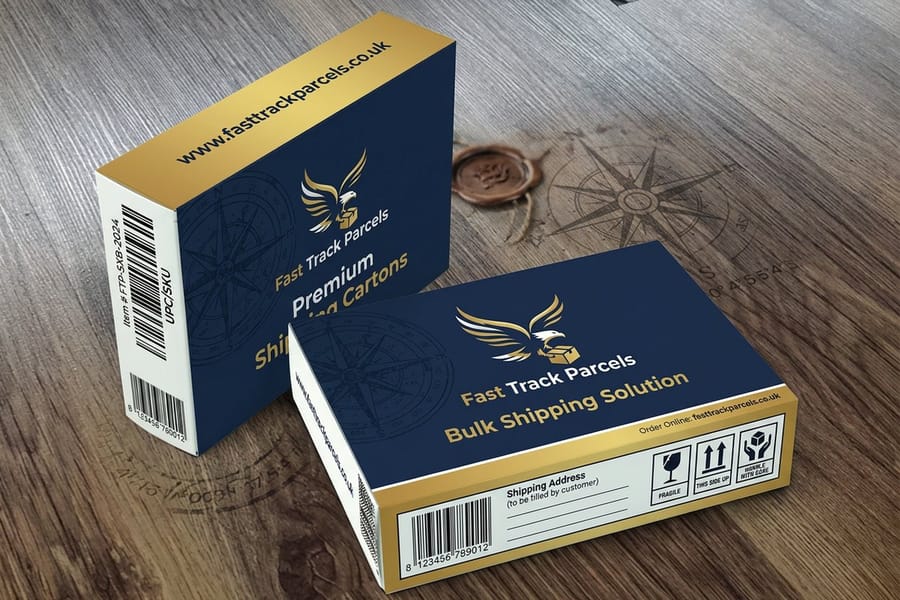
A right-sized box saves money three ways: less board, less void fill, and lower dimensional shipping charges. Start by measuring your product with any protective packaging, then add just enough clearance for the item to fit and be removed easily. An oversized box wastes material and invites the contents to shift and get damaged in transit.
Design around how the box is used. Mailer boxes need their panels, dust flaps, and locking tabs laid out on the dieline so they fold and lock cleanly. Shipping boxes need flap dimensions that meet in the middle for a secure taped seal. If the product is fragile, plan inserts or dividers into the design so nothing rattles, which matters most for glass and electronics.
Because every product is different, corrugated boxes are effectively custom-sized, and confirming the fit with a physical sample before a full run is the smart move. Drop your actual product into the box, check the clearance, and test the fold. Our guide on preparing packaging files shows how those measurements translate onto the dieline.
Prepping the corrugated dieline and ordering

Corrugated files, like all packaging, are built on a dieline: the flat, unfolded template of the box showing every panel, score, fold, and glue tab. Laying your artwork onto the dieline is what guarantees that when the box is cut, scored, and folded, your logo, text, and colors all land exactly where you intend. Never design a box as a flat rectangle and hope; work on the dieline.
Design in CMYK at full resolution, add 0.125 in of bleed past every edge so no unprinted sliver shows at a fold, and keep logos and copy clear of score and fold lines so nothing important gets creased. Account for the third dimension: know which panel faces out in shipping and design accordingly. Then flatten to a dieline-based press-ready PDF.
When you order with us, that file runs through a free file check, and a first run should include a dieline proof so you can confirm the fold, fit, and strength before committing to the full quantity. Set your box style, flute, wall count, print, and quantity in the configurator below, browse the full custom box range, or order free samples to feel the board first.
Wally picks the flute before he picks the print
Protect the product, then brand the box
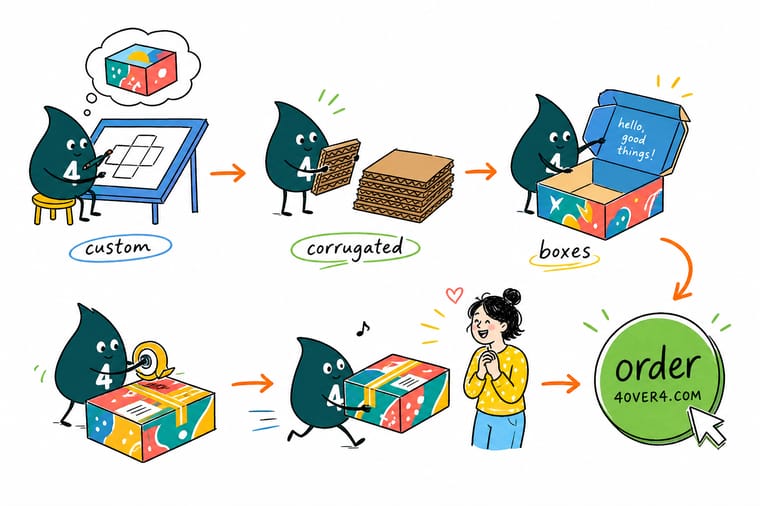
Wally sizes the box to the product, then chooses the flute: fine E flute for a smooth, print-friendly mailer, sturdier B or C flute for shipping cushioning, and double-wall when the contents are heavy or fragile. He brands it full color inside and out and builds the file on the dieline so every panel lands right. Protective and on-brand, printed at 4OVER4.
Order corrugated boxes →Quick reference
The custom corrugated box setup, at a glance
Match these choices to your product and your shipping method and the box protects the contents while carrying the brand.
| Setting | Get it to | Why it matters |
|---|---|---|
| Board type | Corrugated (fluted) | A fluted middle layer between liners delivers the cushioning and stacking strength shipping demands. |
| Common flute | E flute for retail, B/C for shipping | E flute gives a smooth, print-friendly surface for mailers; B and C flute add cushioning for heavier shippers. |
| Wall count | Single-wall standard, double-wall heavy | Single-wall covers most e-commerce; double-wall protects heavy or fragile contents. |
| Style | Mailer or regular slotted box | Mailer boxes create a premium unboxing; regular slotted shipping boxes move product economically. |
| Full-color CMYK, outside and in | Brand color, logos, and a printed interior turn a shipper into packaging that markets. | |
| Bleed and safe margin | 0.125 in each | Art runs past every fold and score, and logos and text stay clear of creases and edges. |
| File format | Dieline-based flattened PDF | Building on the box dieline keeps panels, scores, and glue tabs exactly where they belong. |
Step by step
Order a custom corrugated box in 7 steps
- Weigh and measure your product Get the dimensions and weight of what ships. Those numbers drive the box size, the flute, and the wall count so the box protects without over-spending.
- Choose the box style Pick a mailer box for a branded retail unboxing, or a regular slotted shipping box for economical, high-volume dispatch.
- Select the flute and wall count Use E flute for a smooth, print-friendly mailer, B or C flute for shipping cushioning, and step to double-wall for heavy or fragile goods.
- Design full color on the dieline Lay your artwork on the box dieline in CMYK, brand the exterior, and consider a printed interior for the unboxing moment.
- Add bleed and respect the scores Extend art 0.125 in past every edge, keep logos and text clear of fold and score lines, and confirm copy is not split by a crease.
- Confirm strength for the shipping method Match the board strength to the weight and the carrier, checking that a stacked pallet or a rough parcel journey will not crush the box.
- Export a press-ready PDF and order Flatten to a dieline-based PDF, run it through our free file check, and set your quantity and turnaround in the configurator.
Specs and pricing
Custom box specs and live pricing
Once you know the style, flute and strength, quantity and print are what is left. Custom mailer boxes run 250 for $711.78, which is $2.85 a box.
| Quantity | Price Per Unit | Total |
|---|---|---|
| 250 | $2.85 | $711.78 |
| 500 | $1.42 | $711.78 |
| 1,000 | 79.7¢ | $797.02 |
| 2,500 | 53.5¢ | $1,338.30 |
| 5,000 | 44.6¢ | $2,231.42 |
| 10,000 | 40.4¢ | $4,044.70 |
| 15,000 | 39.0¢ | $5,844.45 |
| 20,000 | 38.3¢ | $7,657.73 |
Print it
Print your corrugated boxes with 4OVER4
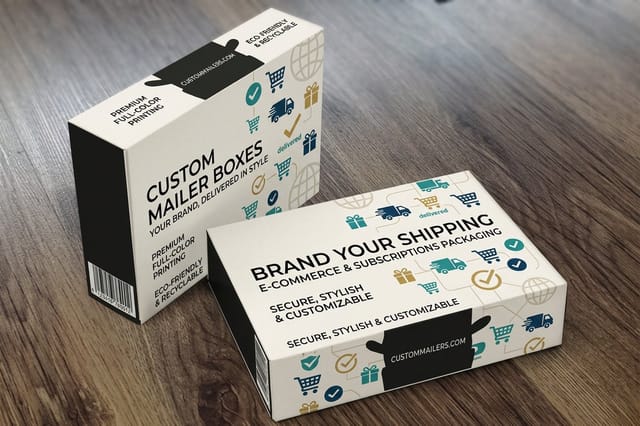
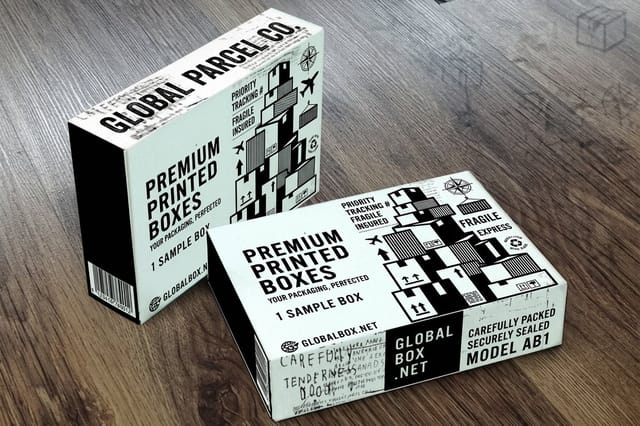
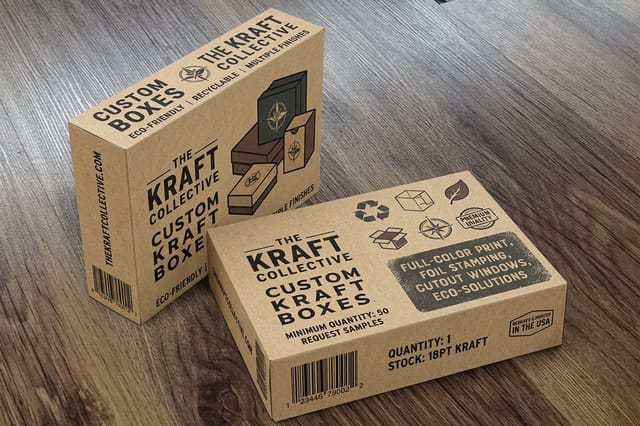
See it in use
Corrugated we die-cut and printed



Explore more
Where to go next
By the numbers
Box stocks and the record behind a shipping run
Common Questions
Common questions about custom corrugated boxes
What are custom corrugated boxes?
Custom corrugated boxes are shipping and retail boxes made from corrugated board, a fluted wavy layer glued between flat liner sheets, cut and printed to your specifications. The fluted construction gives the box cushioning and stacking strength, which is why corrugated carries the vast majority of goods that ship. Custom means the box is built to your product’s size and weight and printed with your brand, so it protects the contents in transit while doubling as packaging that markets. Depending on the job, a corrugated box can be a branded retail mailer or a plain economical shipper.
Which flute survives the journey my product takes?
Start from the product’s size, weight, and fragility, and how it ships. For light retail e-commerce, a single-wall mailer box in E flute gives a smooth print surface and a nice unboxing. For heavier products or rougher shipping, step up to B or C flute for cushioning, and to double-wall for heavy or fragile contents. Then match the style to the goal: a mailer box for a branded experience, a regular slotted shipping box for economical volume. Our guides on custom shipping boxes and cardstock versus corrugated help you weigh the options.
What do custom corrugated boxes cost and how are prices set?
Price is driven by box size and board first, then flute, wall count, print coverage, and quantity. A single-wall mailer is the economical tier, while double-wall boxes and heavy printing cost more. Quantity is the biggest lever: the per-box price drops steadily as the run grows, which is why brands order corrugated in bulk. You set the size, board, and finish in the configurator and the total updates live, so you can balance protection and branding against your per-order packaging budget.
What sizes, flutes, and strengths are available for corrugated boxes?
Custom corrugated boxes are built to your product, so sizes are effectively custom, from small mailers up to large shipping cartons. Flute options range from fine E flute for smooth printing to B and C flute for cushioning, with single-wall for most jobs and double-wall for heavy or fragile goods. Board strength is specified by measures like edge crush and burst strength, and full-color printing can cover the exterior and interior with matte or gloss finishes.
How long do custom corrugated boxes take to print and ship?
Turnaround depends on the box style, flute, print coverage, and quantity, and custom-die corrugated typically needs a little more production time than flat printing. The configurator shows the available production and shipping options as you set your specs, so you can plan a product launch or a restock backward from when the boxes need to arrive. For a first run, allow time to review a dieline proof before the full order.
What is the difference between flute types in corrugated board?
Flute refers to the wavy inner layer, and its size changes the box’s behavior. Larger flutes like A and C give more cushioning and stacking strength, ideal for shipping and heavier goods. Smaller flutes like E and F are thinner with more flutes per foot, giving a smoother, flatter surface that prints crisply, which suits retail mailers and folding-style boxes. B flute sits in between, balancing cushioning and print quality. Choosing the flute is really about balancing protection against how sharp you need the printed graphics to look.
Get Started
Order 250 shipping boxes at $2.85 each
Bring your product dimensions to 4OVER4.COM and print custom corrugated boxes in the flute, strength, and style your shipping calls for. Shipping boxes and kraft boxes run at the same 250 for $711.78.
Legal Disclaimer
Gold Standard guarantees apply to all standard orders placed through 4over4.com. Price match requires verifiable proof of a competitor's published price for an equivalent product with matching specifications and turnaround time. Satisfaction guarantee covers manufacturing defects and print quality issues. Contact support with order number and documentation. On-time delivery rate based on tracked orders 1999 to 2026. Individual results may vary based on shipping carrier performance.
