
Custom Pulpboard Coasters and How Absorbent Coaster Stock Works


Jordan is our labels, packaging and sustainability voice, built from the knowledge of our production team, with over 20 years in printing.
Pulpboard is the stock nearly every bar coaster is printed on. Here is what the board actually is, how thickness sets absorbency, which shapes print cleanly, and where paper coasters work hardest, from a Tuesday bar shift to a wedding cocktail hour.
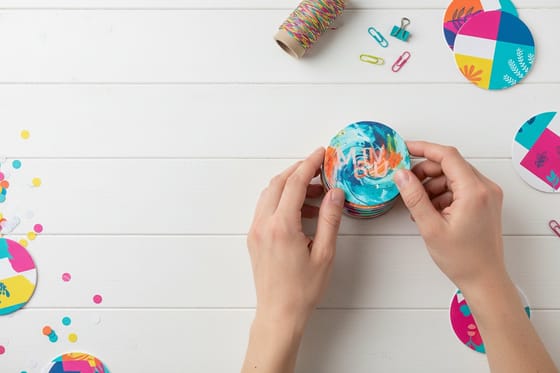
Custom pulpboard coasters are printed on uncoated, compressed wood-pulp board, usually between 35 pt and 80 pt thick, that wicks condensation into the board instead of letting it pool under the glass. The uncoated surface is what makes the product work: it absorbs water, and it takes ink with a soft matte finish. Order 55 to 60 pt for bar service, thinner for one-night events, heavier for keepsakes, and expect colors to dry back a step softer than they look on screen.
Quick answer
An uncoated board that drinks the condensation for you
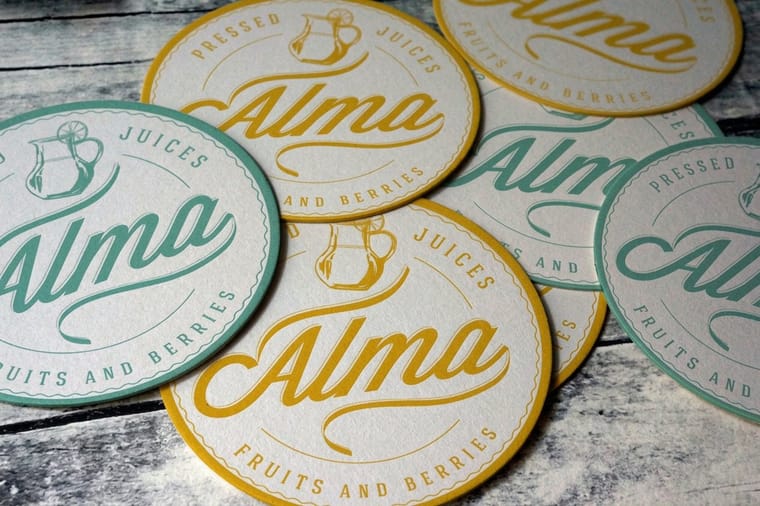
Pulpboard works because nothing seals it. Compressed wood pulp wicks water into its full depth, so the thicker the board, the more a coaster holds before it saturates and curls. The trade runs 35 pt single-serve pieces, 55 to 60 pt standard bar coasters, and 80 pt heavyweights that get kept as favors. The same open surface pulls ink into the fibers, which is why pulpboard prints matte and slightly muted, and why bold artwork beats fine detail on every coaster ever printed.
Pulpboard vs paper
Pulpboard vs paper coasters, and which one to order
Pulpboard is uncoated all the way through, so it soaks up condensation; a coated paper coaster seals the surface, so water beads and the glass slides. For a coaster that sits under a cold drink, choose the uncoated, thick board. Our drink coasters print on 48pt or 64pt UltraWhite uncoated board, in 3.5, 3.75 or 4 inch squares or a 4 inch circle, full color on one or both sides, from 10 coasters for $10.98 in 4 business days.
For a keepsake coaster, add a colored center layer that shows at the edge, in black, blue, red, green, grape, lemon and more, and move up to the 64pt board.
Pulpboard vs Other Paper Coaster Stocks
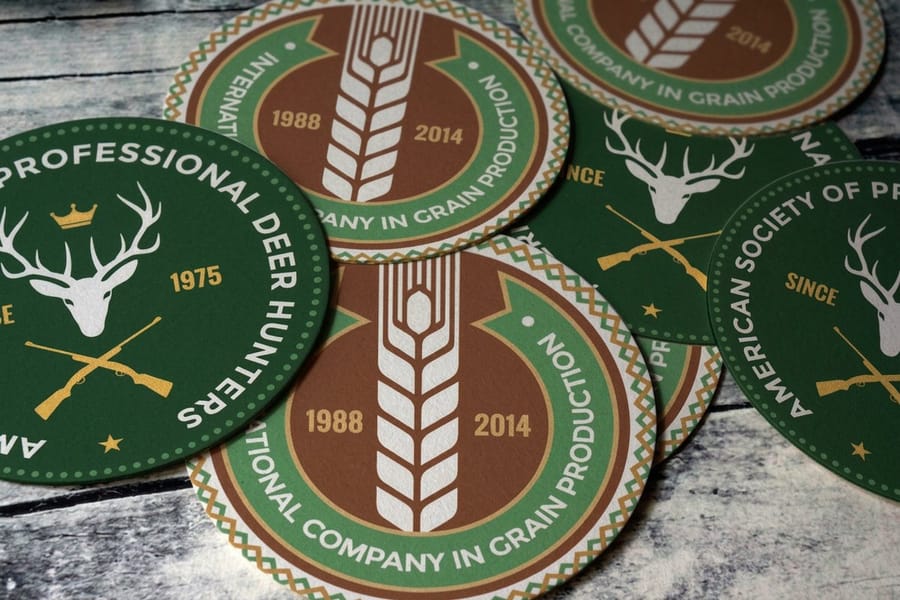
Every paper coaster is not pulpboard, and the difference shows up the moment a cold glass lands on it. Pulpboard is uncoated through its entire thickness, so it works like a sponge with a printed face. Coated cardstock, the stock most flyers and menus run on, is sealed: water beads on it, the glass slides, and the puddle ends up on the table anyway.
| Stock | What the surface does | With condensation | Where it fits |
|---|---|---|---|
| Pulpboard | Uncoated compressed pulp; ink soaks in and dries matte. | Wicks water into the full depth of the board. | The bar standard. Absorbs a night of refills and carries a printed message. |
| Coated cardstock | Gloss or matte coating seals the sheet; color stays vivid. | Water beads and runs off; the coaster slides under the glass. | Menus, table tents and cards. Wrong tool under a sweating drink. |
| Cork or rubber backed | Permanent wipeable surface over a grippy base. | Repels rather than absorbs; needs wiping. | Retail and gift coasters at a much higher unit cost. Not a giveaway. |
Read the second column twice if you are tempted by how much brighter artwork looks on coated stock. A coaster has one functional job, and coating defeats it. This is the same trade-off explained in our matte vs uncoated paper guide: the coating that protects ink also blocks absorption. Our drink coasters are printed on true pulpboard for exactly that reason, and they sit alongside the rest of the custom printing collection for bars and events.
Thickness and Absorbency, the Numbers That Matter
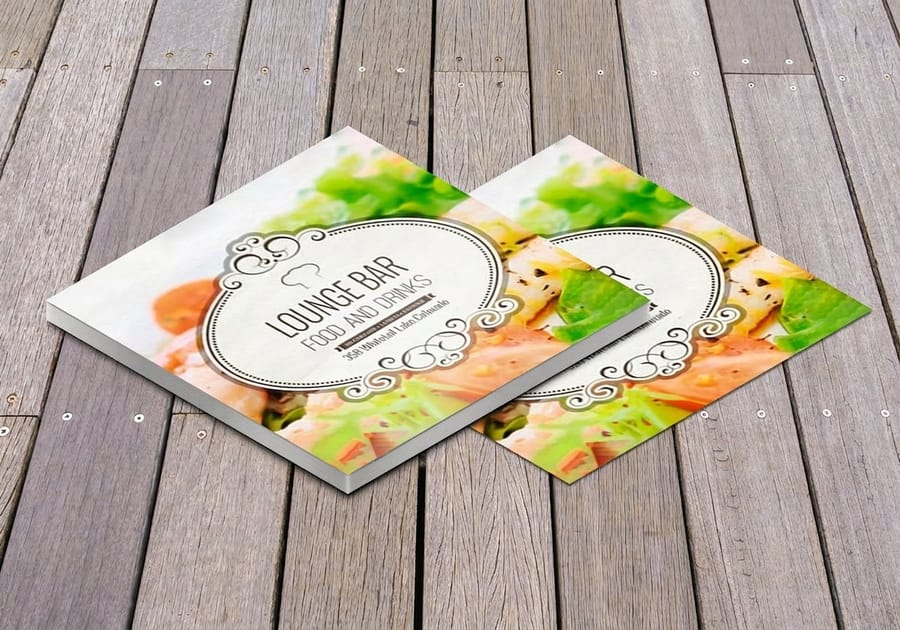
Coaster board is measured in points, thousandths of an inch, and the trade settles into three tiers. Around 35 pt, roughly 0.9 mm, you have a light single-serve coaster: it does one drink at one event and it is priced to be handed out by the hundred. The common tier sits at 55 to 60 pt, about 1.4 mm, which is the coaster you know from every bar: stiff enough to stack and deal across a table, thick enough to take a full night of condensation without curling at the corners. At 80 pt, about 2 mm, the coaster reads as an object rather than a disposable, which is why the heavy tier shows up as wedding favors and brewery merch.
Here is what that means for the coasters we print.
| Board | Thickness | Sizes | Best for |
|---|---|---|---|
| 48pt uncoated | 0.048 in, about 1.2 mm | 3.5, 3.75 or 4 in square, 4 in circle | Bars, restaurants and events that hand coasters out by the hundred |
| 64pt uncoated | 0.064 in, about 1.6 mm | 3.5, 3.75 or 4 in square, 4 in circle | Iced drinks, wedding favors and coasters with a colored center layer |
Both print full color on one or both sides and are ready in 4 business days. Upload a PDF at the coaster size with an eighth of an inch of bleed, and keep text a quarter inch in from the edge.
The physics is simple and worth designing around: absorbency scales with caliper. An uncoated board pulls water into its whole depth, so doubling the thickness roughly doubles how much a coaster holds before it saturates. A saturated coaster is the failure mode: it softens, curls, and sticks to the glass bottom. If your event serves iced drinks outdoors in summer, that argument alone moves you up a tier.
The trade-off is weight and money. Thicker board costs more per piece and adds real shipping weight at quantity, so a thousand heavyweight coasters for a one-night promotion is money spent on absorbency nobody will use. Match the tier to the job, then check live pricing per thickness and quantity in the Drink Coasters configurator, where runs start at $10.98.
Shapes, Sizes and Printing on an Uncoated Surface
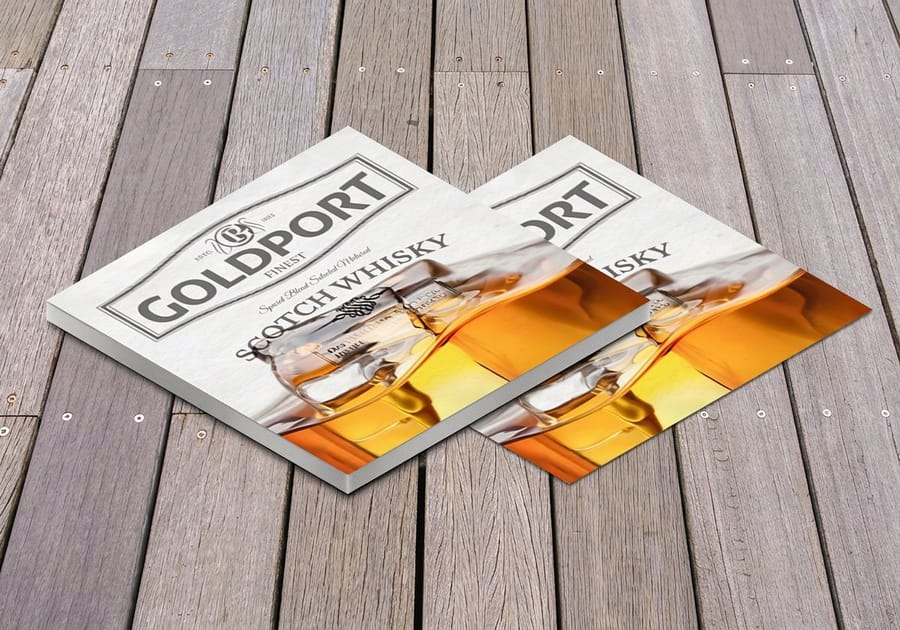
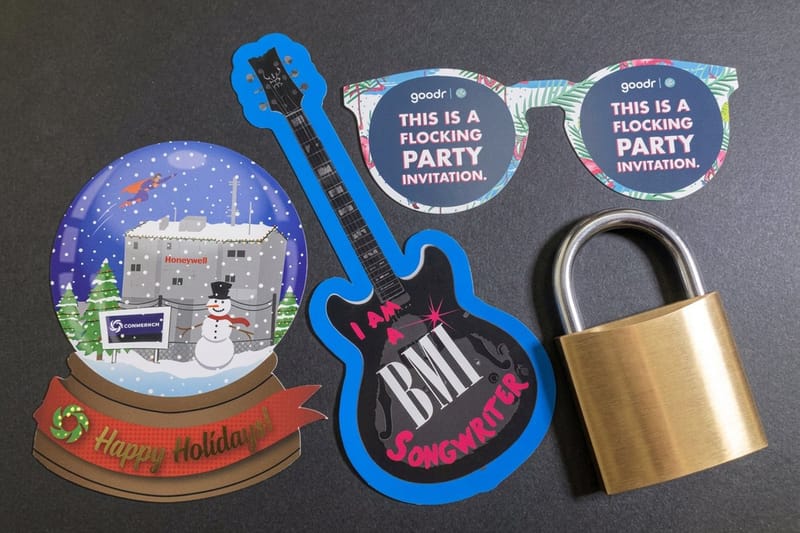
Four inches is the standard, in both round and square, because it shades everything from a pint glass to a rocks glass and stacks cleanly in a caddy. Squares give you a touch more printable area and read well for text-heavy designs like drink menus or trivia questions. Rounds frame a logo naturally. Beyond those two, coasters are die-cut, so custom shapes are open: barrels and bottle silhouettes for breweries, hexagons for a modern table, a monogram crest for a wedding. A shaped coaster costs more per piece and the soft board means the cut can wander a hair, so keep critical art an eighth of an inch inside the trim line.
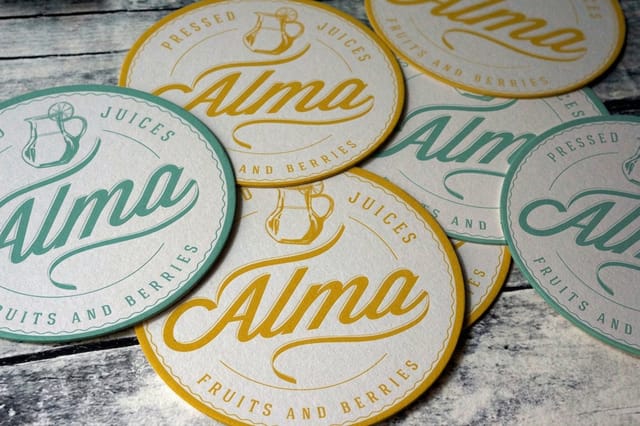
Printing on pulpboard rewards confidence. Ink sinks into the fibers and dries back matte and slightly muted, so the designs that work are solid color fields, chunky type, and high-contrast logos. The designs that fail are the ones fighting the stock: hairline rules that fatten as ink wicks along fibers, fine reversed type that fills in, and moody photographs that turn to mud. One less obvious point: a heavy flood of ink partially seals the area it covers, so a coaster printed edge to edge with dense coverage absorbs slightly less than one with open board showing. Leaving some raw board in the design is not lazy, it is functional.
Set the file up full bleed on both sides, since the back of a coaster is free advertising space that gets flipped and read all night. Start from a correctly sized layout in the blank template library, and if you want the click-by-click ordering walkthrough, the how to print custom coasters guide covers files, sides and turnaround end to end.
Where Pulpboard Coasters Earn Their Keep, Bars to Weddings
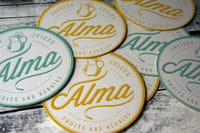
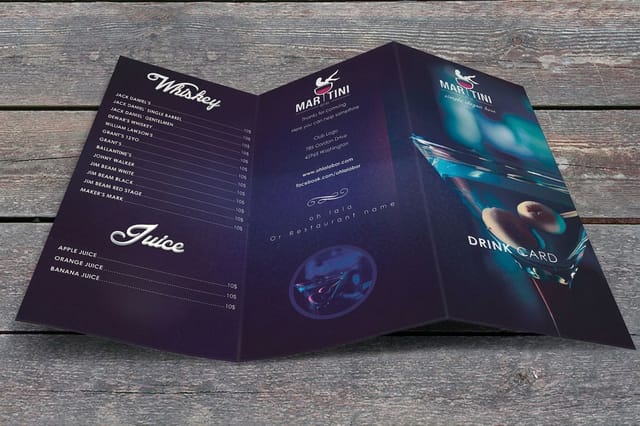
For a bar or brewery, a coaster is the cheapest square of advertising real estate in the building. It sits directly in the guest's sightline for the length of a drink, longer than anyone looks at a poster, and it costs pennies. The classic play is brand on the front, offer on the back: happy hour times, a QR code to the beer list, next month's event. It compounds with the rest of the table: printed menus from $57.11 carry the full list, table tents push the feature of the week, and the coaster closes the loop at the moment the drink arrives.
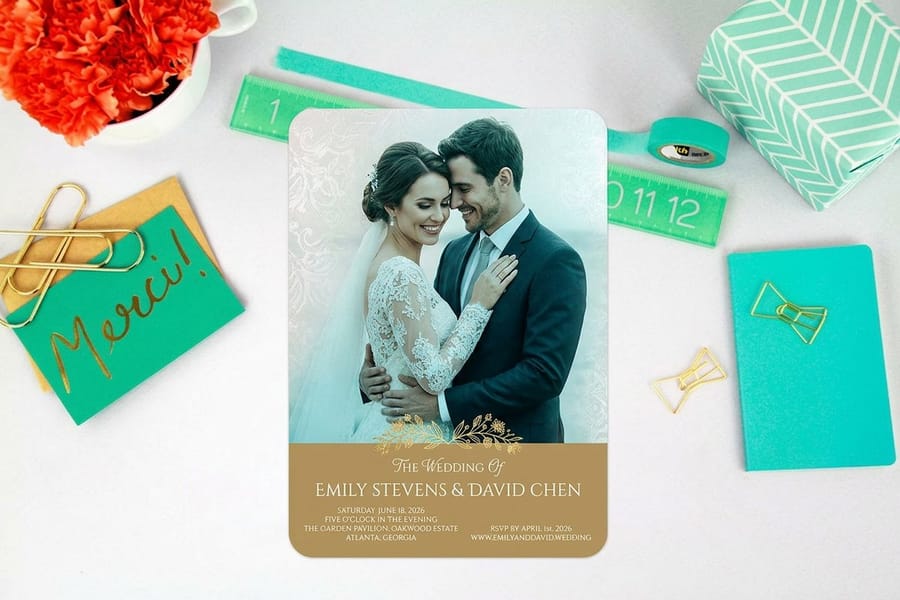
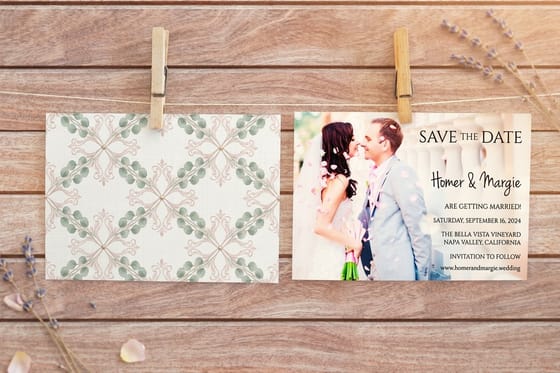
Events flip the logic from advertising to keepsake. At weddings, coasters printed with names and a date protect rented linens through cocktail hour and walk out as favors, and couples usually match the artwork to their wedding invitations, which start at $19.77, so the whole paper suite reads as one design. The same move works for product launches, anniversaries and fundraisers: a dated coaster is a small object people keep precisely because it marks a night.
The honest limit: a coaster is a contact medium, not a reach medium. It only speaks to people already in the room, so it cannot fill seats the way a mailed piece can. Treat coasters as the layer that works the room you already filled, and let broader print do the recruiting. If your goal is bringing people in the door, that budget belongs in direct mail and street-level pieces first, and the custom coaster ideas guide can wait until they are inside holding a drink.
Wally explains pulpboard
No coating, so the board does the drinking
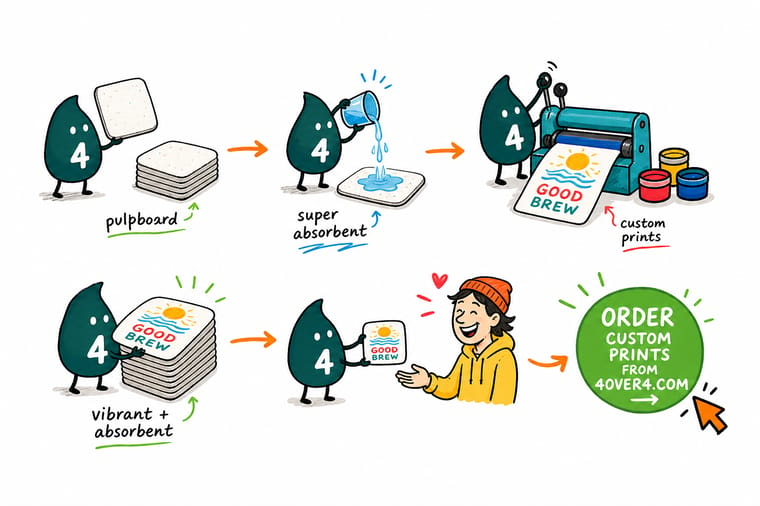
Wally sets a cold glass straight on the table and gets a puddle. He sets it on a coated card and the glass skates on the beads. Then he sets it on pulpboard and the ring of condensation just disappears into the board, because nothing seals the surface. His rule of thumb: 55 to 60 pt for a bar shift, 80 pt when you want the coaster to go home in someone's pocket, and always print the back, since that is the side people flip to while they wait for a refill.
Order custom drink coasters →
Specs and pricing
Coasters and the table pieces around them
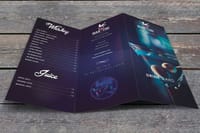
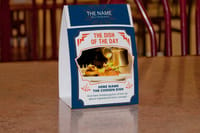
Compare live configuration options and starting prices straight from the 4OVER4.COM configurator, for the coaster itself and the printed pieces that share the table with it. Coasters start at 10 for $10.98 in 4 business days, menus at 50 for $57.11 in 5, and 4 x 6 inch table tents at 250 for $554.39 in 5.
Print it
Put your artwork on the table
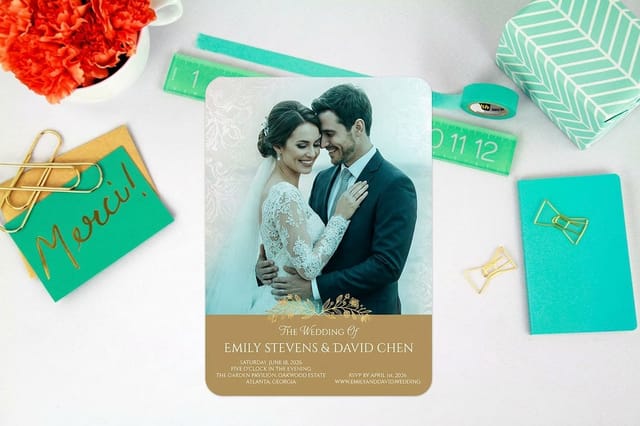
A coaster under the drink, a menu on the table and, for a wedding, the invitation that set the design, from 25 flat cards for $19.77 in 4.25 x 5.5, 5 x 7 or 6 x 6 inches.
Explore more
Where to go next
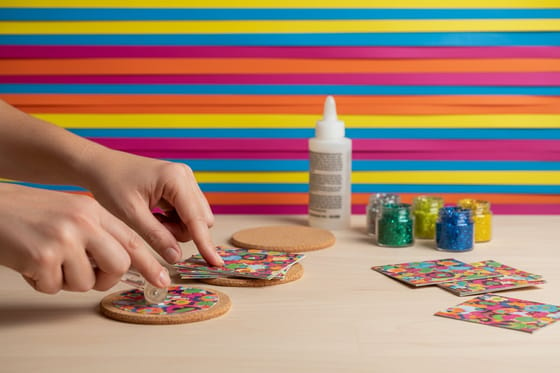
Walk through a coaster order step by step, see where making coasters by hand stops making sense, use coaster stock as a business card, and read what a coating does to ink and feel.
By the numbers
The shop behind a pulpboard coaster run
Common Questions
Your pulpboard coaster questions, answered
What is pulpboard, exactly?
Pulpboard is a thick, uncoated board made by compressing wood pulp into a dense, absorbent sheet. Nothing seals the surface, so liquid wicks into the fibers the way it does into blotting paper. That absorbency is the entire reason it became the standard coaster stock: it pulls condensation off the glass and into the board, keeping the table dry. It also takes ink with a soft matte finish, which is why printed pulpboard coasters have that slightly chalky, tactile look.
What thickness should I order for a bar?
For nightly bar service, the practical choice is the middle tier, around 55 to 60 pt, roughly 1.4 mm. It survives a full night of refills and condensation without curling or delaminating, and it is stiff enough to stack and deal out quickly. The thin tier around 35 pt is a single-serve piece, right for a one-night event or a cocktail party where each coaster meets one drink. The 80 pt heavyweight tier is for coasters you want kept, or for venues that leave the same coaster on the table through several rounds.
Do paper coasters work for weddings?
Very well, and they do two jobs at once. During cocktail hour they protect rented tables and linens, and printed with the couple's names, the date or a monogram they double as favors that guests actually pocket. Many couples match them to their wedding invitations so the paper goods read as one set. For a keepsake-quality piece, order the heavyweight board, since a thin coaster that has met one sweating glass is not coming home with anyone.
Can you print full color on both sides?
Yes. Pulpboard coasters print full color, edge to edge, on one or both sides, and the second side is worth using. A bar promotion typically runs the logo on the front and an offer or QR code on the back, since a coaster gets flipped and fidgeted with all night. Keep any critical text or logo at least an eighth of an inch inside the trim edge, because coasters are die-cut and the cut can wander slightly on a soft, thick board.
Why do colors look duller on pulpboard than on screen?
Because the ink sinks in. On a coated stock, ink sits on top of the coating and reflects light cleanly, which keeps colors vivid. Uncoated pulpboard drinks part of the ink into its fibers, so the dried result is matte and a step softer than the same file printed on gloss. Design for it: use solid, saturated brand colors, avoid relying on subtle gradients or dark photographic backgrounds, and expect the printed piece to look warmer and quieter than your monitor.
Are pulpboard coasters reusable or washable?
No. Water is absorbed, not repelled, so a washed pulpboard coaster comes out as pulp. A coaster in nightly bar rotation typically lasts one to a few shifts depending on thickness and how much it absorbs. If you need a permanent, wipeable coaster, that is cork, rubber, stone or acrylic territory, a different product at a much higher unit cost. The disposable economics are the reason pulpboard coasters start at $10.98 at 4OVER4.COM and work as advertising you can afford to hand to every single guest.
Get Started
10 drink coasters cost $10.98, or $1.10 each
Pick a thickness, a shape and a quantity, print both sides full color, and we ship pulpboard coasters that keep the table dry while your artwork does the talking.
Legal Disclaimer
Gold Standard guarantees apply to all standard orders placed through 4over4.com. Price match requires verifiable proof of a competitor's published price for an equivalent product with matching specifications and turnaround time. Satisfaction guarantee covers manufacturing defects and print quality issues. Contact support with order number and documentation.
