
How to Print Custom Coasters That Survive a Full Shift


Jordan is our labels, packaging and sustainability voice, built from the knowledge of our production team, with over 20 years in printing.
Stock, shape, thickness and finish decide whether a coaster holds a sweating pint or curls before last call. A bar, a wedding and a brand campaign each want a different combination, and each run prices differently.
To print custom coasters, pick the stock by how the drink behaves first. Cold drinks that sweat need absorbent pulpboard so water is pulled off the table. Warm drinks, dressed tables and keepsake pieces suit a coated board that wipes clean and holds color. Then choose round at 3.5 inches or square at 4 inches, set a board thickness heavy enough to stay flat, build artwork with bleed and generous safe margins, and size the quantity to a season rather than a single night.
Start here
The drink decides the board
Coaster printing is a stock decision dressed up as a design decision. Your artwork is printed onto thick board and die cut to shape, and the board you choose decides how the piece performs. Absorbent pulpboard soaks up the condensation from cold drinks and belongs behind a bar. Coated board wipes clean, keeps color sharp and belongs on a dressed table or in a gift set. Everything after that, shape, size, thickness, one side or two, follows from that first call.
How to print on coasters
Size, board, sides and quantity, in that order
Pick the size, pick the board, set the artwork at full bleed, then order enough for a season. Our drink coasters come as 3.5, 3.75 or 4 inch squares or a 4 inch circle, on 48pt or 64pt UltraWhite uncoated board, with an optional colored center seam. Print one side or both, keep type inside the safe area, and ask for a proof. Orders run from 10 to 500 coasters, from $10.98, with 4 business days as standard production.
Why a printed coaster outlasts almost every other handout
A 4 inch coaster stays under one drink from the first sip to the last. It sits under the glass for the length of a conversation, it gets picked up, turned over and read while somebody waits for a friend, and at the end of the night a surprising number of them go home in a coat pocket. That is dwell time no digital impression can buy for the same money.
Coaster printing rewards decisions made before the artwork is finished, because the stock and the cut shape do as much work as the design. Get the board right and a printed set can read as confidently as anything else on the table. This guide walks the choices in the order a printer asks them, and there is an infographic you can keep on hand. If you want the hands on version first, the guide to how to make custom coasters covers the build step by step.
What is coaster printing?

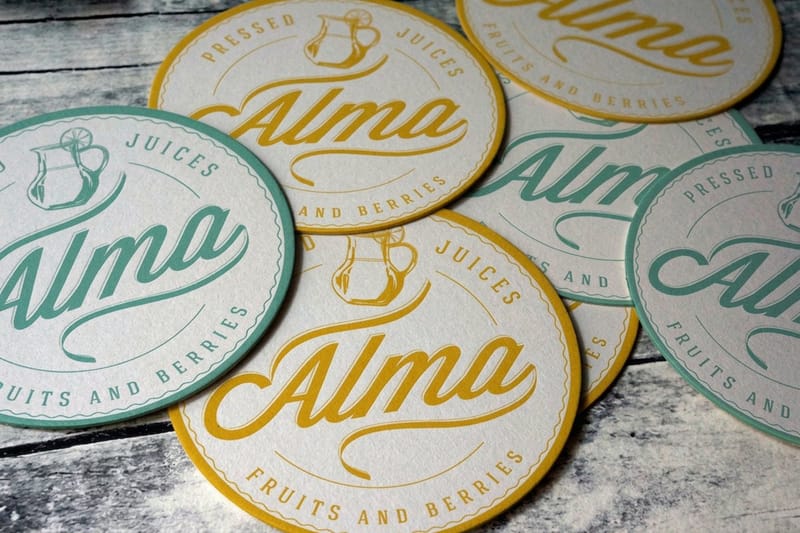
Coaster printing takes your artwork, lays it out across a large sheet of thick board, prints it, then die cuts each piece to its finished shape. Everything that makes a coaster feel cheap or expensive happens in that sequence: which board goes on the press, how many ink passes it takes, and how clean the cut edge comes off the die.
Two families of stock cover the whole category. Absorbent pulpboard is a thick, spongy, uncoated board that pulls condensation out of the air and off the glass. Coated board is smoother and denser, holds color with more punch, and wipes rather than soaks. Neither one is better in the abstract. They are answers to different questions about what is going to be sitting on top of them.
The same production logic applies to nearly every made to order piece in the custom printing collection. The substrate changes, the sequence does not. If you have only ever made coasters at home, the DIY drink coaster guide is a useful comparison for where handmade stops paying off.
Absorbent or laminated, matched to how the drink actually behaves

This is the decision people get wrong most often, and it is genuinely simple once you frame it around the glass rather than the graphic. Ask what is being served, how cold it is, and whether the coaster is meant to be thrown away at the end of the night or kept.
Absorbent pulpboard belongs anywhere a cold drink sweats. Draft beer, iced cocktails, chilled wine and anything poured over ice will shed water for as long as it sits, and pulpboard takes that water in instead of letting it pool and run onto the table. It is the standard for bars, breweries, taprooms and festival service, and it is meant to be thrown away.
Coated or laminated board belongs where the drink is warm, the table is dressed, or the coaster is meant to be reused. Coffee bars, tasting rooms, hotel rooms, offices and gift sets all favor a surface that wipes clean, keeps color saturated and does not soften. It photographs better, it survives a hundred cycles, and it holds a fine typographic detail that pulp would blur.
The honest tiebreaker: if the coaster is doing hospitality work, go absorbent. If it is doing brand or keepsake work, go coated. Venues that need both usually print an absorbent run for service and a small coated run for the merchandise shelf.
Shape, size and thickness set the whole feel

Round at 3.5 inches is the shape almost every venue defaults to, and for good reason. It matches standard glassware, it stacks without a fussy edge, and it never looks misaligned no matter how it lands on the table. Square at 4 inches gives you more printable area and a more contemporary look, which is why design led bars and coffee shops gravitate to it.
Size follows the glassware. A 3.5 inch coaster under a pint glass disappears and stops catching the run off, so step up to 4 inches for pints, steins and anything with a wide base. Cocktail and stemware service is comfortable at 3.5 inches. Custom die cut silhouettes, a bottle profile, a logo mark, a state outline, cost more because a die has to be made, and they are worth it for launches, weddings and anything that gets photographed.
Thickness is what people feel before they read anything. A thin board takes on water and curls within minutes, which reads as cheap even when the printing is beautiful. Heavier board stays flat through a service, absorbs more, and gives the piece the small weight that makes a guest keep it.
Setting up artwork that survives the die and the moisture
Build the file at full size with bleed extending past the trim, and keep every logo, name and line of type well inside the safe area. Round dies rotate slightly during cutting, so anything hugging the edge on screen will look off center in the stack. Give yourself more margin than you think you need and the finished pieces will look deliberate.
On absorbent stock, expect ink to sit into the surface rather than on top of it. Dark solids dry a touch softer, gradients flatten, and hairline reversed type can fill in as the fibers wick. Design for that instead of fighting it: heavier letterforms, real contrast between the mark and the background, and simple shapes that survive a slightly softer edge. Coated stock has none of these constraints and will hold a fine serif and a sharp gradient without complaint.
Decide early whether the reverse is doing a job. A QR code to a menu, a short drinks list, an event hashtag or a single line of copy turns a passive branding piece into something a guest actually reads while waiting.
Coasters for bars, breweries and restaurants
Service venues want absorbent pulpboard, a round or square shape, a heavy board and a quantity that carries the season. Coasters are a consumable here. They get soaked, stacked, swept up and replaced, so the run needs to be sized for months of nightly service rather than a single weekend.
Design for legibility across a dim room. The logo should be readable at arm length in low light, which usually means one dominant mark, one accent color and a lot of empty board. Save the detail for the reverse where somebody is holding it six inches from their face.
Most venues print the coaster as part of a set rather than on its own. Table pieces, staff cards and packaging all carry the same mark, and custom business cards starting at $17.57 are the cheapest way to give the same identity a second surface. If you are also printing signage for the room, the custom signs comparison covers how that scales up.
Wedding and event coasters people take home
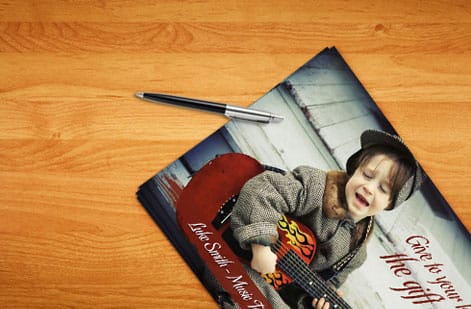
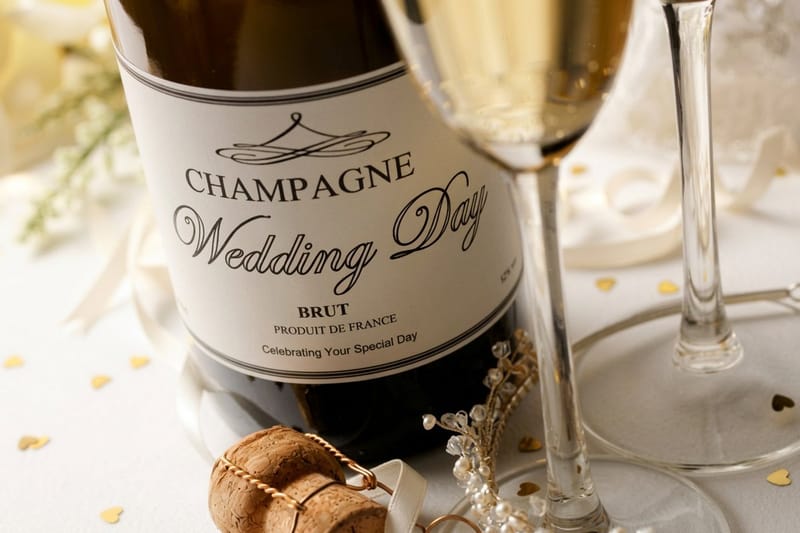
Event coasters are a keepsake first and a functional mat second, which flips the stock decision. A coated board with a matte finish keeps the color exact, holds fine script type and does not soften under a glass of champagne over the course of a reception. Guests pocket these, so the piece has to look intentional out of context.
Names, a date, a small illustration and a lot of white board is the formula that has never failed. Custom die cut shapes earn their tooling cost here more than anywhere else, because the coaster is functioning as decor on every table in the room.
Quantity math for events is simple and people still get it wrong. Count guests, add one coaster per guest for the drinks they will actually have, then add a healthy overage for the memory table, the vendors and the ones that go home. Running short is the only version of this you cannot fix on the day. If your event also involves bottles, the wine label alternative covers the matching piece.
Brand and promotional coasters that keep working
Brands use coasters as a distribution trick. The piece lands on a table you do not own, in a venue you did not pay to rebrand, and it stays there for hours. Sponsorships, launch nights, trade shows and pop ups all lean on this, and the cost per impression is hard to beat with any other printed item.
The reverse is where the return lives. A QR code, a short offer, a handle, a single instruction. Keep it to one action, because a coaster read in a noisy room gets about three seconds of attention.
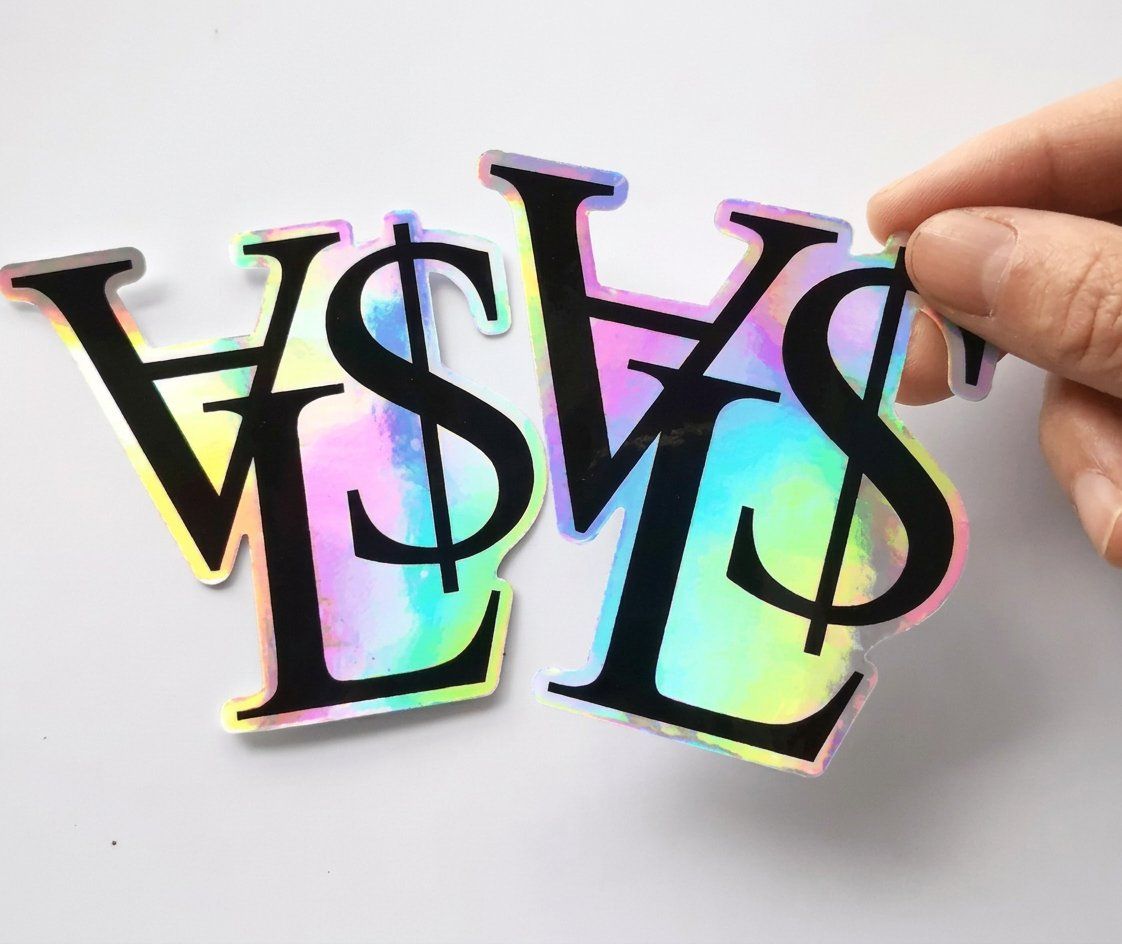
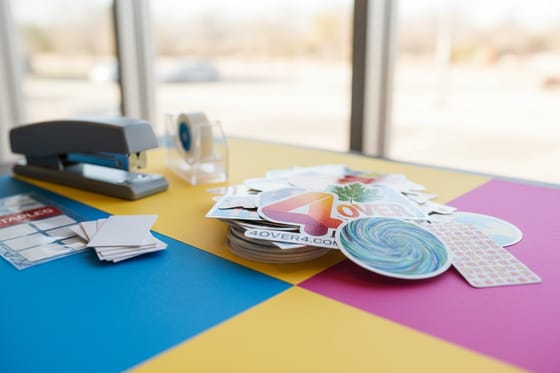
Coasters rarely travel alone in a brand kit. Custom Holographic Stickers from $322.98 give the same artwork a surface people apply themselves, and Custom Kraft Boxes from $711.78 turn a set of coasters into a giftable package for accounts and partners. If you have been buying stickers at a retail counter, the better custom stickers comparison is worth a read before you reorder.
What coaster printing costs and how the price is built

Four things move the number, and our drink coasters start at $10.98 for 10 and run up to 500 per order on 48pt or 64pt board. Quantity is the big one, because press setup, plate work and any custom die are fixed costs that get divided across the run. Stock weight is second, since thicker absorbent board simply costs more per sheet. Then comes the shape, where a standard round or square uses existing tooling and a custom silhouette does not. Last is sidedness, because printing the reverse adds a pass.
The practical consequence is that ordering for one night is the most expensive way to buy coasters. A venue that orders a season at a time, or a brand that covers a full event calendar in one run, pays a fraction of the per piece cost. Set the quantity against a period of use rather than a single date, and the price question mostly answers itself.
The live specs and pricing panel below is set to custom business cards, the companion piece most venues print in the same order, so you can see exactly how quantity, stock and turnaround move a real 4OVER4 price before you commit to your coaster run.
Turnaround, proofing and getting the order placed
The clock starts when your files pass preflight, not when you click order. Production runs in business days, transit adds its own, and a custom die adds a step at the front. For an opening, a festival or a wedding, give the job at least two weeks of runway so an approval or a file fix never becomes an emergency.
Ask for a proof and actually look at it at full size. Check that type is inside the safe area on a round trim, that the reverse is oriented the way you expect, and that any dark solid is doing what you want on the stock you chose. Order free paper samples first if the tactile weight matters, because absorbent board is one of those materials that only makes sense in your hand. When you are ready, browse the full custom printing collection or start from the 4OVER4 home page.
Wally explains coasters
The board does more work than the artwork
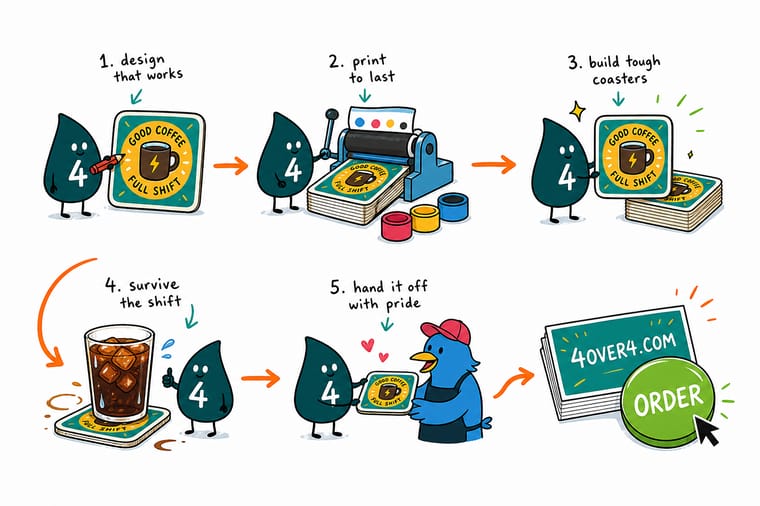
Wally learned this the hard way at a beer festival. Beautiful design, wrong board, and by the second hour every coaster had curled into a taco. Now he asks one question before anything else: is the drink going to sweat? Yes means absorbent pulpboard, thick enough to stay flat. No means coated board that wipes clean and keeps the color honest. Design comes after.
Print your custom order →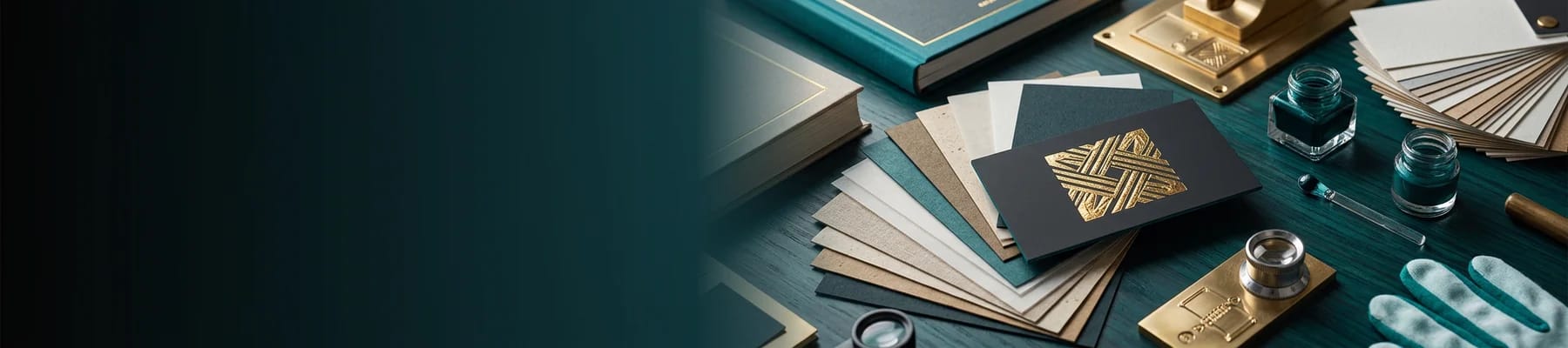
Infographic
The 7 coaster printing decisions at a glance
Seven calls in the order a printer asks them: stock, shape, size at 3.5 inches for stemware or 4 for pints, thickness, full bleed artwork, finish and a season's quantity. Save it, send it to whoever is approving the order, and you will not have to relitigate the stock question halfway through the job.
No single decision carries a coaster on its own. The stock sets the ceiling, the thickness sets the feel, and the quantity sets the price, so make all three together rather than one at a time.
Specs and pricing
Live specs and pricing on the companion piece
Coasters almost never ship alone. Here are the live specs and real pricing for the print item most venues add to the same order, so you can see how stock, quantity and turnaround move a 4OVER4 total.

| Quantity | Price Per Unit | Total |
|---|---|---|
| 100 | 17.6¢ | $17.57 |
| 200 | 11.5¢ | $23.07 |
| 300 | 9.15¢ | $27.46 |
| 400 | 7.96¢ | $31.86 |
| 500 | 7.25¢ | $36.26 |
| 600 | 6.77¢ | $40.64 |
| 700 | 6.43¢ | $45.04 |
| 800 | 6.18¢ | $49.43 |
Print it
Print the rest of the set alongside your coasters
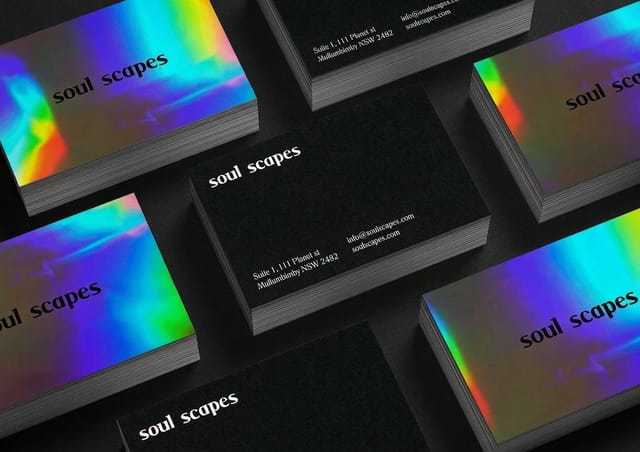
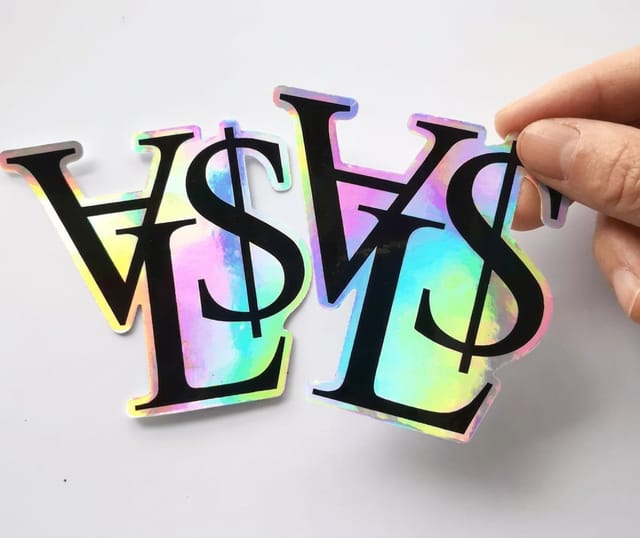
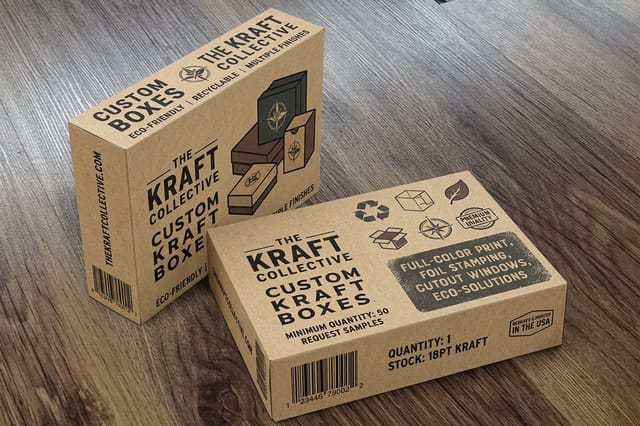
See it in use
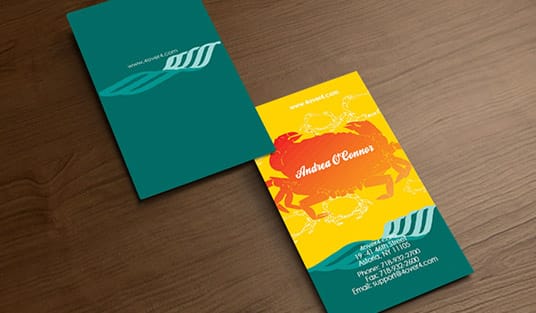
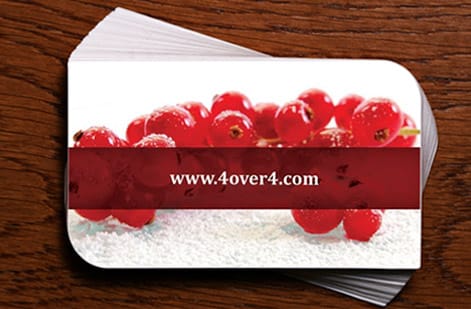
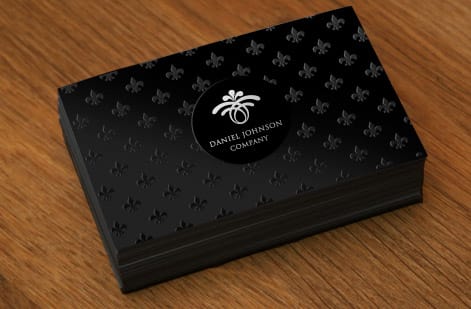
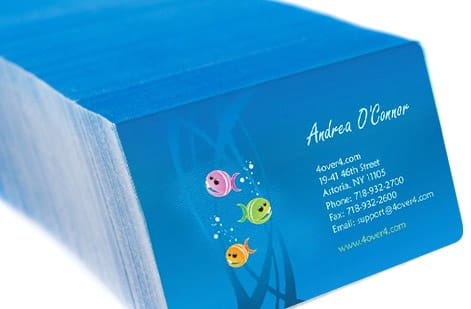
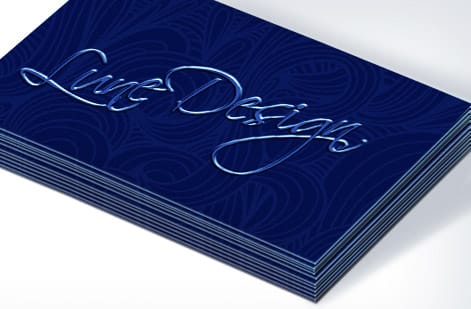
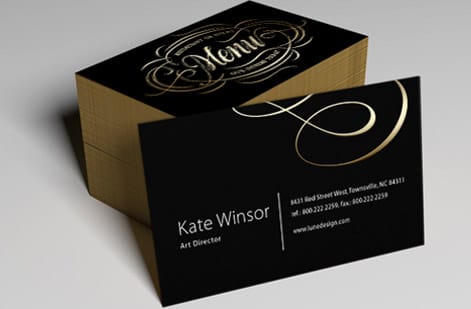
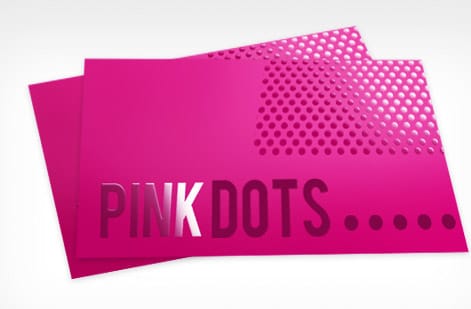
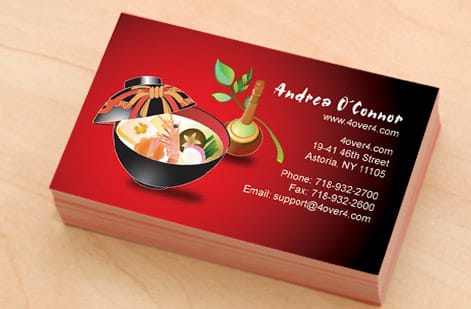
Custom card jobs off the same presses
%22%2F%3E%3Ccircle%20cx%3D%2248%22%20cy%3D%2220%22%20r%3D%2223%22%20fill%3D%22%23334155%22%20opacity%3D%220.15%22%2F%3E%3Ccircle%20cx%3D%2254%22%20cy%3D%2227%22%20r%3D%22-3%22%20fill%3D%22%23334155%22%20opacity%3D%220.1%22%2F%3E%3Crect%20x%3D%2278%22%20y%3D%22-9%22%20width%3D%2233%22%20height%3D%2220%22%20rx%3D%224%22%20fill%3D%22%23334155%22%20opacity%3D%220.08%22%20transform%3D%22rotate(43%2080%2030)%22%2F%3E%3C%2Fsvg%3E)
Explore more
Where to go next
By the numbers
Coaster stock choices within sixty paper types
Common Questions
Common questions about coaster printing
What is coaster printing?
Coaster printing is the production of small, thick beverage mats printed with your artwork and cut to a finished shape, usually round or square. The stock is either an absorbent pulpboard that soaks up condensation or a coated board that wipes clean and resists staining. Artwork is printed on one or both faces, then the sheets are die cut and packed in stacks. The result is a low cost, high dwell time piece that sits under a drink for the length of a conversation.
Does the drink sweat, and how long does the coaster sit?
Start with the drink. Cold beer, iced cocktails and anything served in a chilled glass produce condensation, so absorbent pulpboard is the right call because it pulls the water off the table instead of pushing it around. Coffee shops, tasting rooms and dry table settings can use a coated board that survives repeated wipes and keeps colors bright. Then decide whether the coaster is disposable or a keepsake, because that single answer sets your stock weight, your finish and your quantity.
What does coaster printing cost and how are prices set?
Price is driven by quantity first, then by stock weight, shape, and how many sides carry ink. Short runs carry the setup and die cost across few pieces, so the unit price looks high. Push the run into the thousands and that same setup is spread thin, which is why bulk ordering is the standard move. Custom die cut shapes add a one time tooling step, and full bleed printing on both faces adds a pass.
What sizes, stocks and finishes are available for coaster printing?
The common sizes are 3.5 inch round for standard glassware and 4 inch round or square for pints and steins. Stocks split into absorbent pulpboard in several thicknesses and coated board with a smooth printable face. Finishes range from a raw uncoated surface that feels like heavy blotter paper to a matte or gloss coating that resists rings and stains. Square, rounded corner and fully die cut silhouettes are all producible, and thickness is chosen alongside the stock rather than after it.
How long does coaster printing take to print and ship?
Plan on a production window measured in business days once your files pass preflight, plus transit time to your address. Absorbent pulpboard needs a moment to settle after printing and cutting, and a custom die adds a step at the front of the schedule. If you are printing for an opening night, a festival or a wedding, order at least two weeks ahead and ask for a proof so nothing is decided by a rushed approval.
Should coasters be printed on one side or both?
Print both sides when you have two jobs to do. The face that shows carries the logo or the couple names, and the reverse can carry a QR code, a drinks list, a hashtag or a small piece of copy people read while they wait. Single sided is cheaper and perfectly correct for a pure branding piece, but a two sided coaster is one of the few print items a guest will physically flip over.
Can I print full bleed artwork and dark colors on absorbent coasters?
Yes, though the surface changes the result. Uncoated pulpboard absorbs ink, so a heavy black or a saturated navy dries slightly softer than the same color on coated stock, and very fine reversed type can thicken. Build the design with strong shapes, generous letterforms and real contrast, keep critical elements away from the cut edge, and request a printed sample if the color is doing brand work.
Get Started
Order coasters in tens from $10.98
Bring your artwork to 4OVER4.COM and print the coaster and everything that goes with it in one order, on real stock, with live pricing before you commit.
Legal Disclaimer
Gold Standard guarantees apply to all standard orders placed through 4over4.com. Price match requires verifiable proof of a competitor's published price for an equivalent product with matching specifications and turnaround time. Satisfaction guarantee covers manufacturing defects and print quality issues. Contact support with order number and documentation.
