
Badge Sizes, Holders and Variable Names for a Room Full of Attendees


Everything an organizer has to decide before a badge order goes to press: the size, the stock, the layout that stays readable on a lanyard, and the spreadsheet that drives the names.
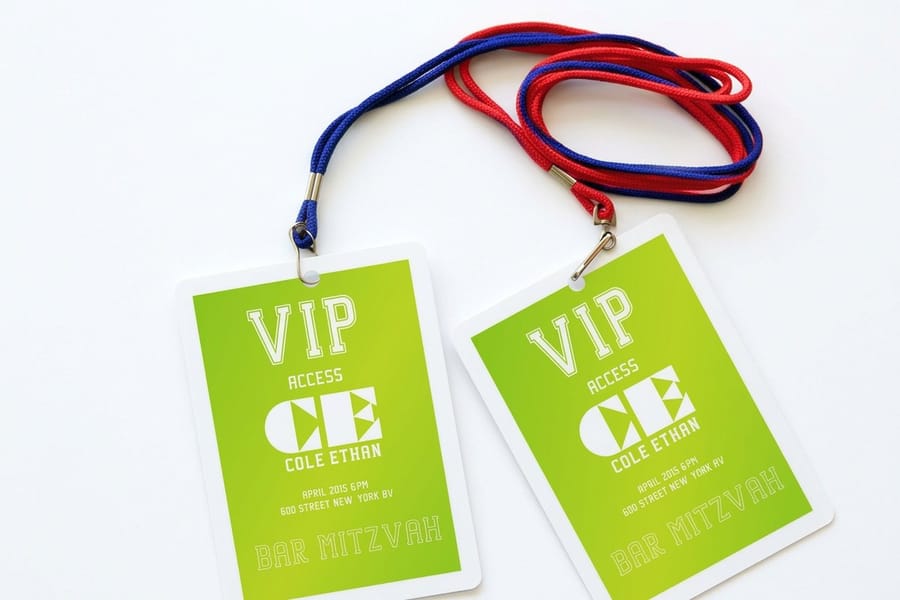
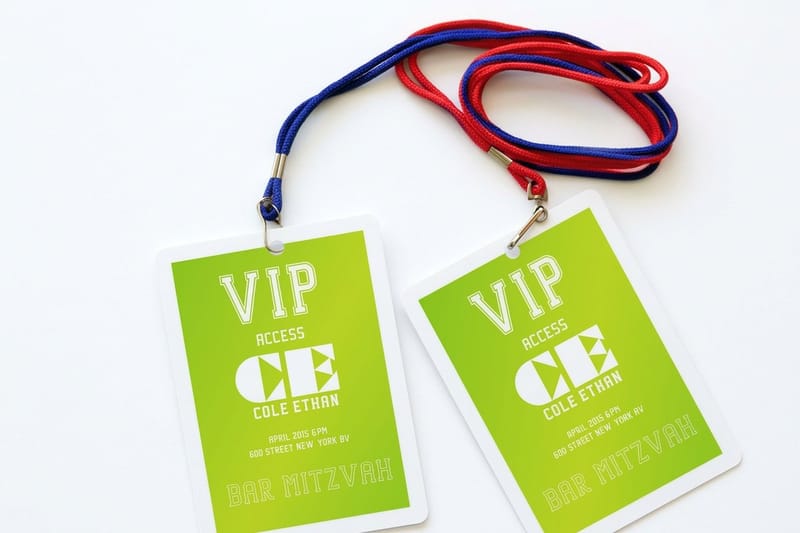
Print event badges 3 by 4 inches portrait on 16pt cardstock, double sided, because that is the insert every standard holder, lanyard clip and reel is built around and a badge on a lanyard flips within the hour. Variable data printing merges your registration export into one approved layout so every badge comes off the run already personalized. Buy the holders before you approve the file, keep an eighth of an inch of clear margin inside the trim, and choose matte so ballroom lighting does not defeat the QR code.
Quick answer
One size, one stock, one spreadsheet
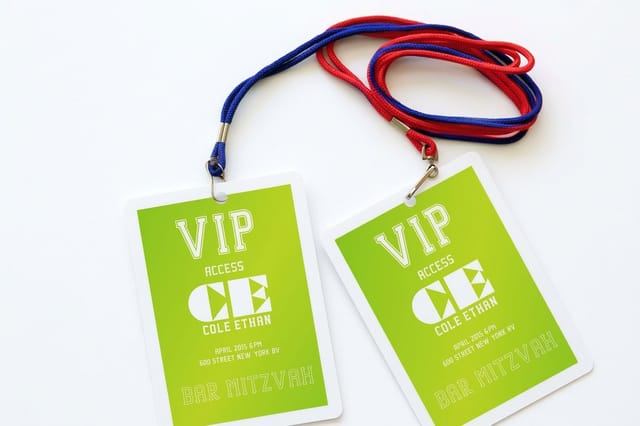
The badge that causes the fewest problems is 3 by 4 inches, portrait, 16pt, matte, printed on both sides. That insert fits the holders and reels a venue already has in a box, the weight stays flat inside a sleeve all day, and duplicating the name on the reverse means a flipped badge is still a readable badge. Everything personal on it comes from one file: a clean spreadsheet with one column per field, merged into a single approved layout by the press. Get the holder, the trim margin and the spreadsheet right and the print itself is the easy part.
Badge Sizes That Actually Fit the Holders You Bought

Pick the holder first. Badge sizes are not a design decision so much as a hardware decision, because the sleeve, the clip and the reel were all made to fit a small set of standard inserts, and the printing has to land inside one of them.
| Insert size | Holder it fits | What fits on it | Best for |
|---|---|---|---|
| 3 x 4 in | The default portrait sleeve, lanyard or reel | First name large, last name, company, role, one inch QR | Conferences, trade shows, anything on a lanyard |
| 4 x 3 in | Landscape version of the same sleeve | Wider name line, room for a logo lockup beside the name | Long names, bilingual text, sponsor logos on every badge |
| 4 x 6 in | Oversize portrait holder | Name on the front, agenda or floor map on the back | Multi day conferences and hotel programs |
| 2.25 x 3.5 in | Business card size, pin or magnetic clip | Name and one short line under it | Staff, receptions, hotel front of house |
| 3.5 x 5.5 in | Large portrait holder | Type readable from well across a room | Awards nights and large venues with wide sightlines |
Bigger is not better past a point. A 4 by 6 badge is readable from further away, but it is also heavier, so it swings more, flips more often, and lands face down on a chest more than a 3 by 4 does. The oversize sizes earn their place when the back of the badge is doing real work, like carrying a session grid people check between talks.
One production detail decides whether the whole run fits: trim. Cutting is accurate to a small tolerance, not to the millimeter, so design with about an eighth of an inch of clear margin inside the trim and never run type or a border right to the edge. Then order a holder sample and slide a printed proof into it before you approve the full run. Full sizing options and live per quantity pricing sit on the event badge printing category page.
Holders, Lanyards and Clips to Order With the Badges
The badge is the cheap part of the registration desk. What holds it decides how it reads all day, and the three pieces are bought separately.
- Holders. A clear vinyl sleeve sized 3 by 4 for portrait, with a slot or a hole along the top edge. Order a sample and slide a proof in, since the opening can run a sixteenth of an inch tight.
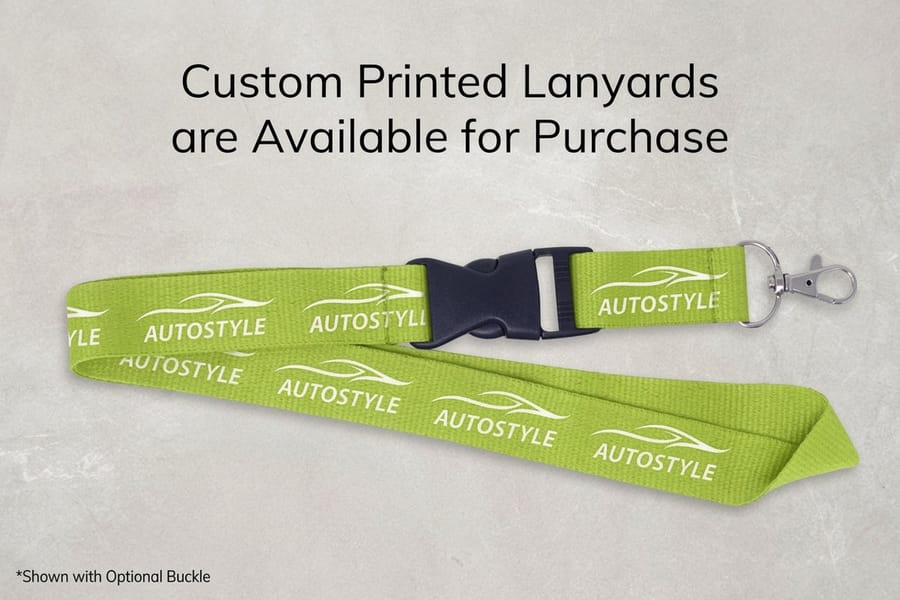
- Lanyards. Three eighths of an inch wide for a plain cord, five eighths or three quarters for a printed one that carries a sponsor name. A breakaway clasp behind the neck is the one feature worth paying for at any venue with machinery, kitchens or children.
- Clips and reels. A swivel clip lets the badge turn and flip, a bulldog clip holds it flat on a pocket, and a retractable reel suits staff who scan into doors all day.
Buy the holders and lanyards first, count them against the registration list, and only then approve the badge file, since a badge cut for a sleeve you do not own is a reprint nobody budgets for.
Stock, Lamination and What Survives a Full Day on a Lanyard
A badge has an unusual job for a printed piece. It is worn against a body for eight to twelve hours, handled by strangers, shoved in a pocket at lunch, and expected to still look new at the evening reception.
Inside a holder, print 16pt cardstock. 14pt is fine on paper and cheaper, and it is what a lot of badges get printed on, but it starts to bow inside a vinyl sleeve once body heat and humidity get into it. By the afternoon sessions you can see the curl through the plastic. 16pt stays flat. Heavier than 16pt is not automatically better either, because some sleeves are a snug fit and a thick insert stops sliding in cleanly, which slows a check in line down badge by badge.
Without a holder, laminate and slot punch. A laminated badge worn straight on a lanyard is tougher than any bare cardstock, survives rain at an outdoor registration tent, and looks deliberate rather than improvised. The cost is real: lamination adds a finishing pass and lead time, and the badge cannot be reused the way a sleeve can. For a one day indoor event, holders are usually the better economics because you get them back at the door.
Choose matte unless you have a reason not to. Gloss looks richer in a photograph and worse in a ballroom, where downlights bounce off it into the eyes of the person reading the name and into any scanner pointed at a QR code. Matte also takes marker, so a spelling fix at the desk is a ten second job instead of a reprint.
Variable Data: One Layout, Four Hundred Different Names
Variable data printing means the press runs one approved layout and swaps the text on every single sheet, so 400 badges come off the run already carrying 400 different names. Nothing is printed twice and nothing is sorted by hand afterwards. The quality of the output depends almost entirely on the quality of the spreadsheet you hand over.
What a clean merge file looks like:
- One column per field, with plain headers you name once and never change: first name, last name, company, role, badge type.
- No merged cells, no blank spacer rows, no two people sharing a line. A merge reads rows literally.
- Trailing spaces stripped, and capitalization already fixed the way you want it printed. The press does not tidy names.
- Accented characters saved as UTF-8, or every name with a diacritic prints as a question mark.
- Rows sorted the way you will hand badges out, usually last name A to Z, or grouped by ticket type if you run separate lines.
The trap is long names. Type set to fit an average name will overflow on the longest one in the list, and that is the badge someone photographs. Sort the file by character count once before you send it, look at the top five, and either set the whole run at a size that fits the longest name or ask for two sizes with a defined cutoff.
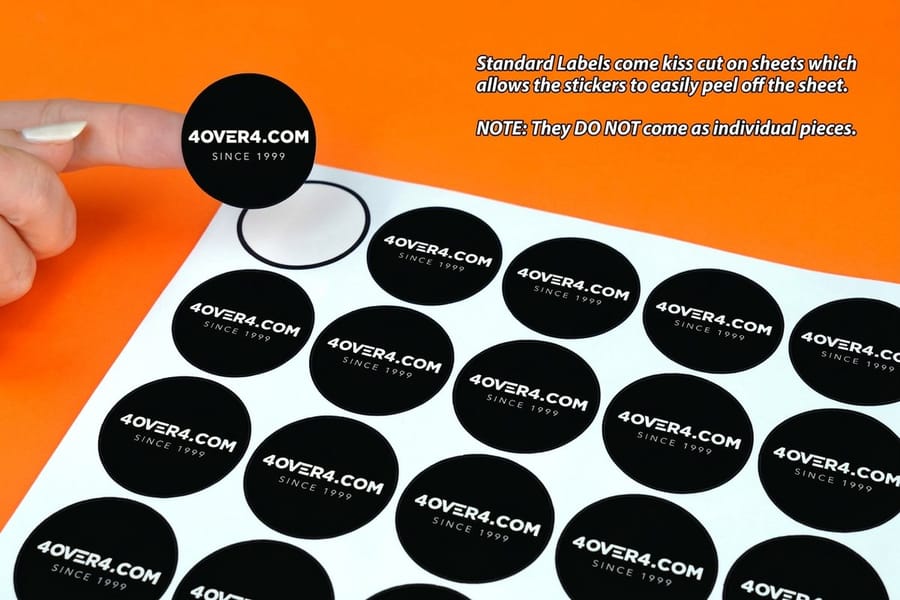
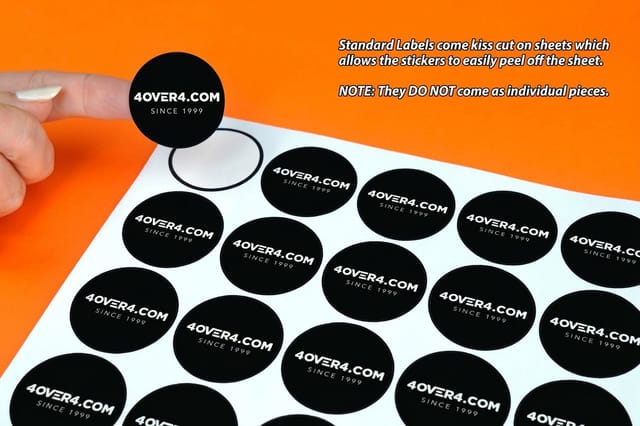
Now the limit nobody advertises. A variable data run cannot be ganged with other jobs the way a static run can, so the cost per badge stays higher and reprinting one wrong name costs roughly what a small run costs. Below about 50 attendees the math flips, and you are better off ordering blank badges plus a sheet of standard labels from $23.88 and applying names at the desk. Above a few hundred, the merge pays for itself in the time you do not spend at a table with a marker. Build your layout from a correctly sized file using our blank template library.
Printing Ahead, Printing Onsite, or Both
Onsite badge printing means a small thermal or inkjet badge printer at the desk that produces each badge as the attendee checks in. It is the right tool for walk ups, name corrections and a registration list that keeps moving until the doors open, and it is the wrong tool for the bulk of a 400 person conference, because a queue forms behind every 20 second print.
The split that works is to print the confirmed list ahead through variable data on 16pt stock, sorted alphabetically into boxes, and to keep the onsite printer, or a stack of blank badges and a marker, for the rest. Badges printed ahead come out in full color with the QR code already tested, they match the proof you approved, and they cost less per badge than any desk printer's ribbons and cards. The onsite unit then handles the ten percent that changes, which is about what changes at most events, and matte stock takes a marker cleanly when there is no printer at all.
What Else the Check In Table Needs
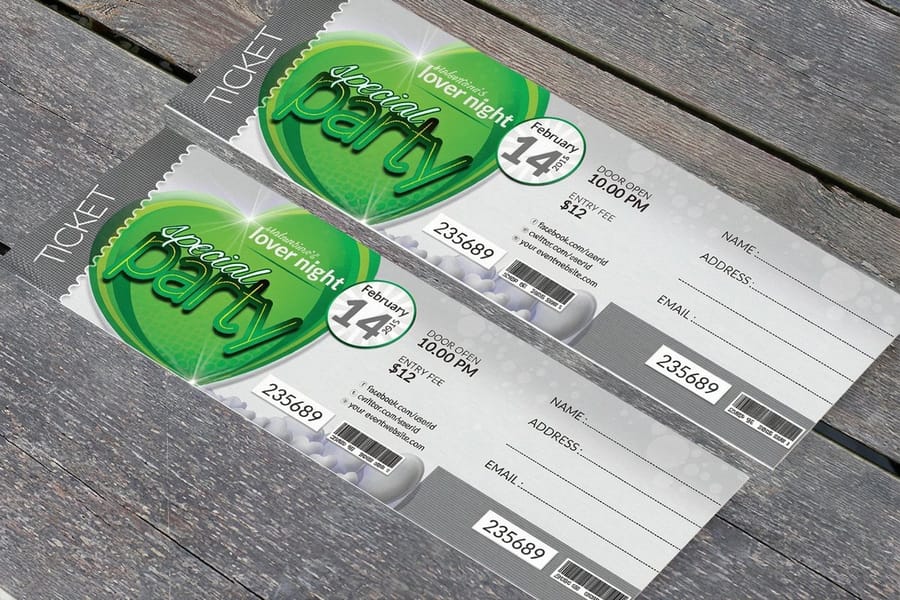
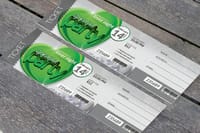
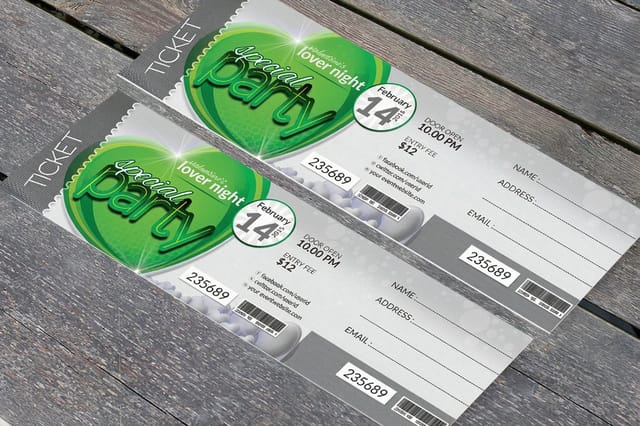
Badges identify people inside the room. They are poor at controlling who gets through the door, which is a separate job with a separate piece of print. Event Tickets start at $25.27 and carry the numbering or the scan code that clears entry, so the badge can stay clean and be about the person rather than about access control. Square Event Tickets run the same price and read better as a keepsake or a drink token, which is why galas and after parties tend to use them.
Three more things earn their place on that table. Labels, because names get misspelled and session bags, laptops and hire equipment all need tagging, and a sheet of standard labels solves all of it at once. Staff shirts, because an attendee looking for help scans a lobby for a recognizable person, not for a lanyard they cannot read from thirty feet, and printed T Shirts from $21.96 do that instantly. And shelter, if registration sits outside the building, where a branded tent from the event tents range keeps both the queue and the badge stock out of the weather.
Order the whole set together and it arrives together, which matters more than it sounds when a venue only accepts deliveries in a narrow window. If tickets are the piece you are least sure about, our guide to popular event ticket sizes covers the four that handle almost every door, and the conference printing checklist lists what a full program needs printed. Planning the format first? Start with seven corporate event ideas, then come back and spec the print. Everything ticket related sits under event ticket printing.
Wally explains event badges
One layout, one spreadsheet, four hundred names
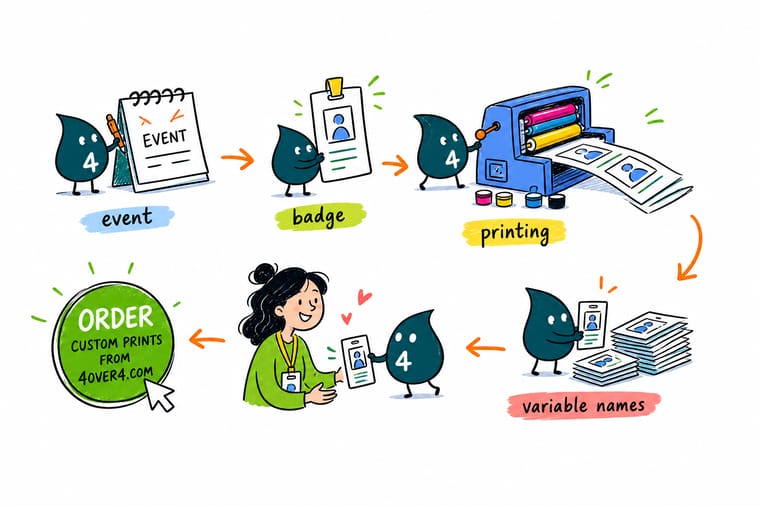
Wally hands the press one approved 3 by 4 badge layout and one clean spreadsheet, and every sheet that comes out carries a different name. He prints the same name and color bar on the back, because he knows the badge will flip before the first coffee break. He picks 16pt so it does not curl inside the sleeve by mid afternoon, and matte so the ballroom lights do not blind the QR scanner. Then he prints ten percent extra blanks and puts a marker on the table, because somebody always registers at the door.
Order event badges →Specs and pricing
Badges, tickets and labels, with live starting prices
The three pieces most registration desks order together, with the real configuration choices and starting prices from the 4OVER4.COM configurator.

Print it
Order the registration desk in one go
Explore more
Where to go next

By the numbers
Who prints the badges for these events
Common Questions
Your event badge questions, answered
What does conference badge printing cost per badge?
Event Badges start at $49.88 at 4OVER4.COM and the per badge price falls as the quantity climbs, because a static run gangs with other jobs on the press. A variable data run with a different name on every badge cannot be ganged, so it stays a little higher per badge, and reprinting a single wrong name costs about what a small run costs. Lamination adds a finishing pass on top. Set the size, stock, sides and quantity in the configurator and the price updates live.
How long does conference badge printing take?
About two weeks end to end. Put the order in for stock and holders roughly fourteen days ahead, then stop taking changes to the registration list three to five business days out, which leaves room to proof, to check the merge and to ship. The press work is quick. What runs late is the name list, so add about ten percent blank badges on the same stock and fill those in by hand at the desk for walk ups.
What size are most conference badges?
3 by 4 inches, portrait. That is the size the standard vinyl badge holder, lanyard clip and retractable reel are all built around, so it is the safest default for a hotel ballroom or a convention center. The landscape version of the same holder takes a 4 by 3 inch insert and gives you a wider name line, which helps with long names and bilingual text. Larger 4 by 6 inch holders exist for multi day conferences that want a printed agenda on the back. Whatever you choose, buy the holders before you approve the print file, because sleeve openings differ slightly between suppliers and a badge cut a sixteenth of an inch too wide will not go in.
Should event badges be printed on both sides?
Yes, and it is the single change that improves a badge day the most. A badge hanging from a lanyard rotates as the wearer walks, sits and hugs people, and once it flips it usually stays flipped. If the back is blank, every introduction starts with someone turning a badge over. Print the same first name and the same color bar on the reverse. If you have room left, the back is also the natural place for the wifi password, the room map or an emergency number, which is why hotels and venues tend to spec double sided from the start.
What paper thickness works best for badges?
16pt cardstock for anything worn all day inside a holder. 14pt prints perfectly well and costs less, but it starts to curl and slump inside a vinyl sleeve after a few hours of body heat, which reads as cheap even when the printing is beautiful. Going heavier than 16pt is not a free upgrade either, because thicker inserts are a tight fit in some sleeves and stop sliding in cleanly. If the badge is worn with no holder at all, laminate it and add a slot punch instead of chasing thickness.
Will a QR code printed on a badge scan reliably?
It will if you give it size, contrast and a matte surface. Keep the code at least an inch square so a phone camera can lock on from arm's length, leave the quiet zone around it genuinely empty, and keep it dark on a light background rather than reversed. The one that catches people out is finish: a gloss badge under ballroom downlights throws a hot spot straight into the scanner. Matte stock scans on the first try. Test with the actual scanner app your check in team will use, not just your own phone, and test a printed sample rather than the PDF on screen.
How far ahead should I order event badges?
Order the badge stock and the holders about two weeks out, and freeze the registration list three to five business days before the print run so there is time for a proof, a merge check and shipping. The list is what slips, not the printing. Registration keeps moving right up to the door, so plan for it rather than fighting it: print roughly ten percent extra blank badges in the same stock, keep a fine tip marker at the check in table, and hand write the walk ups. Nobody has ever complained about a hand written badge at a well run desk.
What else does the check in table need besides badges?
At minimum, something that proves entry and something that labels everything else. Event Badges start at $49.88 and Event Tickets at $25.27 at 4OVER4.COM, and most organizers order them together because tickets carry the scan at the door while the badge carries identity inside the room. Add Standard Labels from $23.88 for name spelling fixes, session bags and equipment tagging, and printed T Shirts from $21.96 so staff are recognizable when an attendee needs help and cannot read a lanyard from across a lobby.
Get Started
Ready to print badges for the whole room?
Send the registration list, pick your size and stock, and we print every badge personalized, double sided, and ready to drop into a holder at the door.
Legal Disclaimer
Gold Standard guarantees apply to all standard orders placed through 4over4.com. Price match requires verifiable proof of a competitor's published price for an equivalent product with matching specifications and turnaround time. Satisfaction guarantee covers manufacturing defects and print quality issues. Contact support with order number and documentation. On-time delivery rate based on tracked orders 1999 to 2026. Individual results may vary based on shipping carrier performance.
