
Everything a Festival Has to Print, in the Order It Gets Installed


The full festival print list, sorted into the five waves a site crew builds in, with the material each wave needs and the one deadline every producer misses.
A festival prints in five waves: perimeter and entry banners, wayfinding, stage and sponsor signage, vendor and bar signage, then credentials and crew shirts. Outdoor pieces belong on 13oz scrim vinyl, hemmed, with grommets on roughly 24 inch centers and one in every corner. Anything read from a few feet away belongs on a flat rigid panel instead. Credentials are the earliest deadline in the list, because accreditation opens while the site is still being built.
Quick answer
Five waves, and the one that has to arrive first
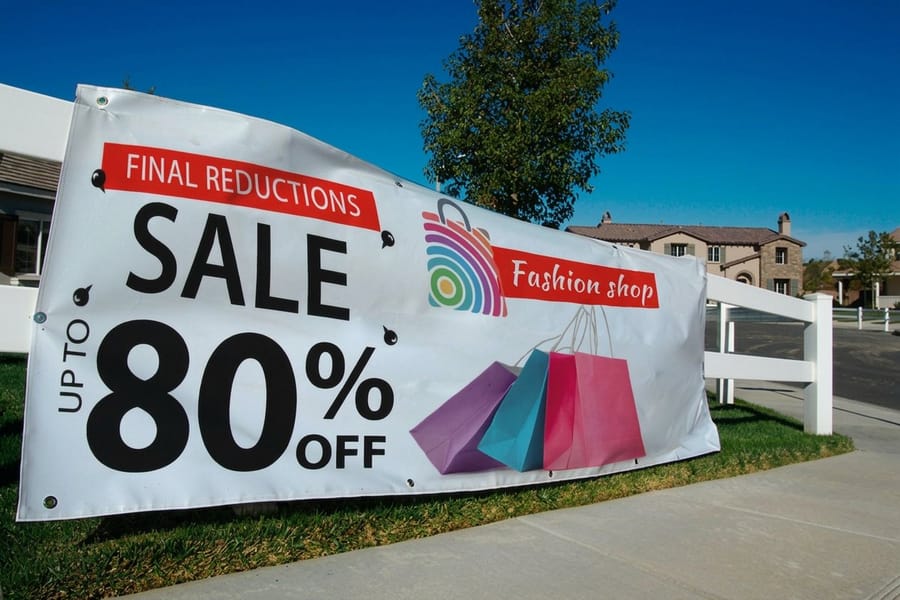
Order festival print by install wave, and the sequence sorts itself out. Perimeter and entry banners go up on load-in day one, wayfinding follows once the routes are walkable, stage and sponsor pieces go up after rigging, vendor and bar signage lands the morning before gates, and credentials are worn last but must be boxed on site first. Outdoor pieces want 13oz scrim vinyl with hems and grommets. Anything read from a few feet away wants a flat rigid panel, because a rippling banner is unreadable at an angle.
The Five Waves, in the Order Crews Actually Hang Them
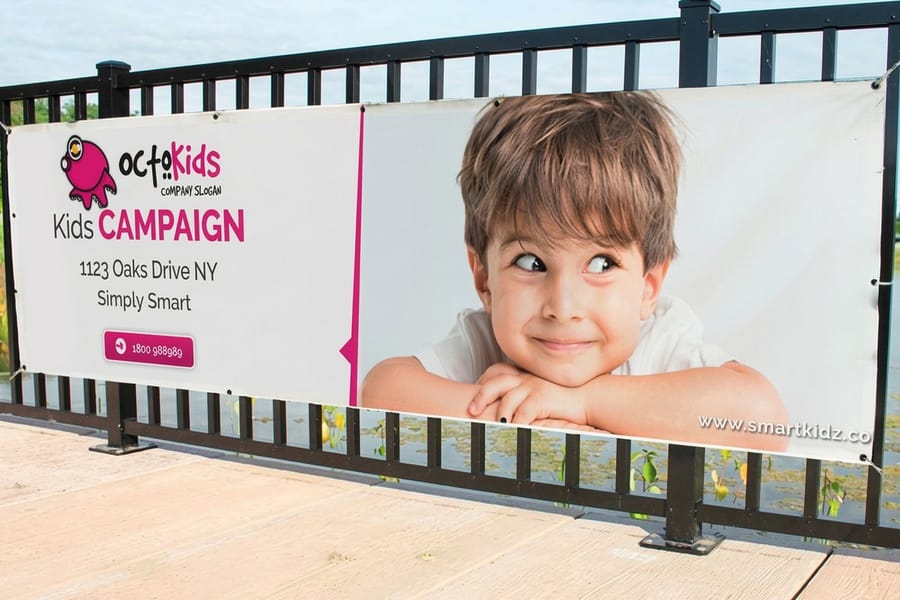
A festival print list written by category always ships in the wrong sequence. Written by install wave, it matches how the site gets built, and the order becomes obvious once you have watched a load-in.
| Wave | What goes up | When | Material that suits it |
|---|---|---|---|
| 1. Perimeter and entry | Fence scrim, gate banners, box office headers, sponsor arch panels. | Load-in day one, before anything else is on site. | 13oz scrim vinyl, hemmed, grommets on 24 inch centers. |
| 2. Wayfinding | Restrooms, medical, water, exits, camping, lost and found, shuttle stops. | Once the site plan is pegged out and the routes are walkable. | Rigid PVC panels, plus adhesive labels for posts and bins. |
| 3. Stage and sponsor | Stage backdrops, scaffolding banners, sponsor walls, photo backdrops. | After rigging is up and safe, before sound check. | Solid vinyl indoors and under cover, mesh on open scaffolding. |
| 4. Vendor and bar | Menu boards, price panels, stall numbers, allergen and ID notices. | Vendor load-in, usually the morning before gates. | Rigid PVC for menus, labels for shelves, taps and coolers. |
| 5. Credentials and crew | Wristbands, laminated passes, lanyard cards, staff and volunteer shirts. | Accreditation, which opens before every other wave finishes. | Specialty wristband stock, laminated card, printed cotton shirts. |
Notice the trap in the last row. Credentials are installed last in the sense that people wear them, but they have to be physically on site first, because accreditation starts handing them out while the fence is still going up. Every festival that misses a print deadline misses this one. The outdoor banners in wave one, from $79, have days of slack in them. The credential box does not.
Waves one and three carry the pieces a rigging crew touches, so they are the ones worth ordering early and generously sized. Read our guide to hanging banners before you commit to a size, because the fixing method changes the hem and grommet spec you should be ordering.
Which Material Survives Where on a Festival Site
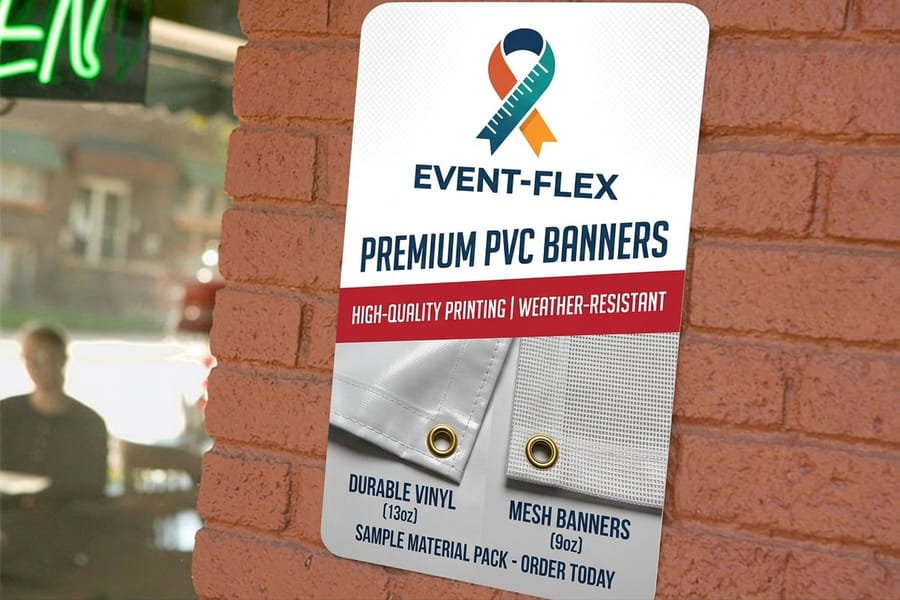
Material choice on a festival site is decided by two things: wind load and reading distance. Get those two right and almost nothing else about the spec matters.
Wind decides the outdoor pieces. Solid scrim vinyl on a long fence run behaves like a sail, and the failure point is always a grommet tearing through the hem rather than the vinyl splitting. That is what the scrim mesh inside 13oz vinyl is there to resist. On genuinely exposed runs, ridge lines and open field fencing, order mesh so air passes through the graphic. Wind slits in solid vinyl are the compromise everybody asks for, and they do relieve some load, but a slit is also a tear that has already started. If a banner has to live in wind for three days, mesh is the honest answer and solid vinyl is the cheap one.
Reading distance decides the rest. Anything read from a few feet away, a bar menu, a stall number, a restroom arrow, should be a flat rigid panel rather than a hanging banner. PVC banners from $25 stay flat, take a zip tie through a drilled hole, and do not ripple in the way that makes small text unreadable at an angle. Under cover, in marquees, backstage and in artist areas, indoor banners from $25 give a cleaner surface at a lower cost because they never have to fight weather.
One more thing about sun. Magenta pigments are the least lightfast of the process inks, so a design that leans on red and pink shifts first over a long outdoor run. On a three day event nobody notices. On a summer-long site that reuses the same panels, build the artwork so the message survives a color shift, and browse the full vinyl banner range before choosing weights. If a piece is competing with flags on the same sight line, our flags versus banners comparison covers which one holds up on an open site.
Credentials, Passes and the Labels Nobody Puts on the List
Credentials are the part of the print list that is half a print job and half a procurement job, and splitting it honestly saves a week of chasing.
Wristbands themselves are specialty stock. Tyvek and woven fabric bands need heat sealing, sequential numbering, sometimes an RFID chip, and they come from wristband suppliers rather than a sheet-fed press. Order them separately and order them first, because they gate accreditation and accreditation gates everything else. What a commercial printer handles is the layer around them: laminated pass cards, lanyard inserts, the accreditation desk signage, the crew and vendor shirts, and the labels.
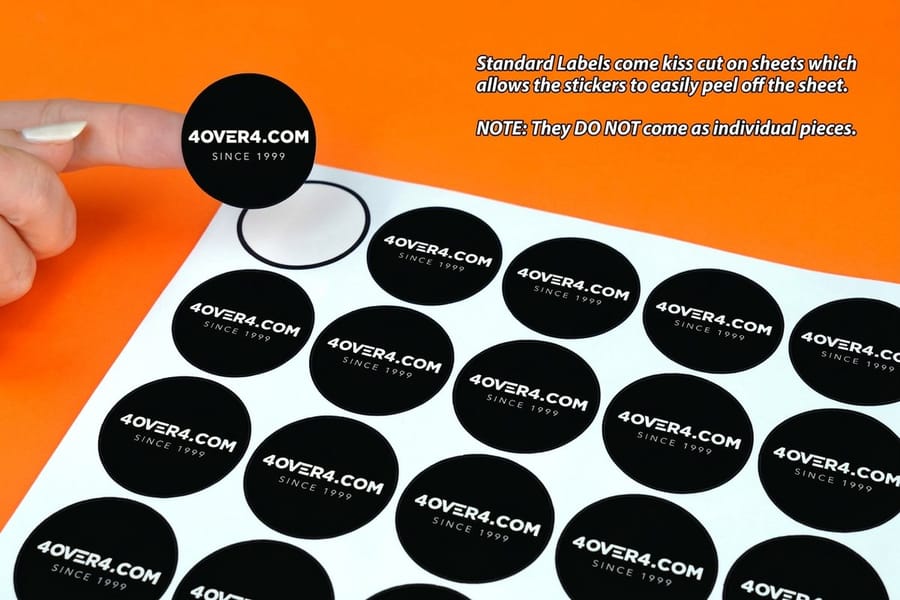
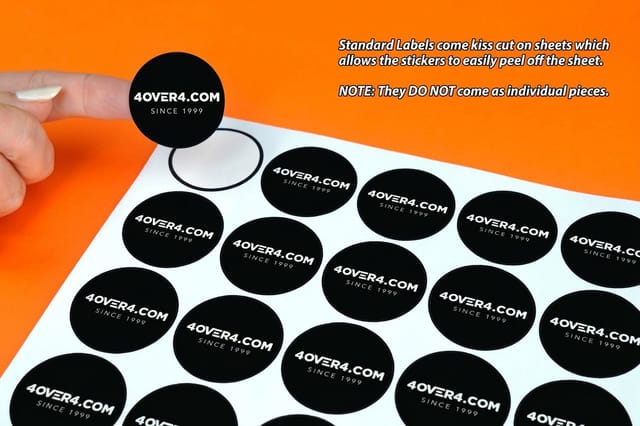
The labels are the ones that never make the first draft of a festival print list and then get bought in a panic on load-in day. Standard labels from $23.88 tag crates so they come back from the site, mark cooler contents and allergens behind a bar, number vendor pitches, flag which radio belongs to which department, and stick the correct price on a shelf. Print them in one order with the rest of the job and they cost almost nothing. Buy them from a supermarket at 6am and they cost you a morning.
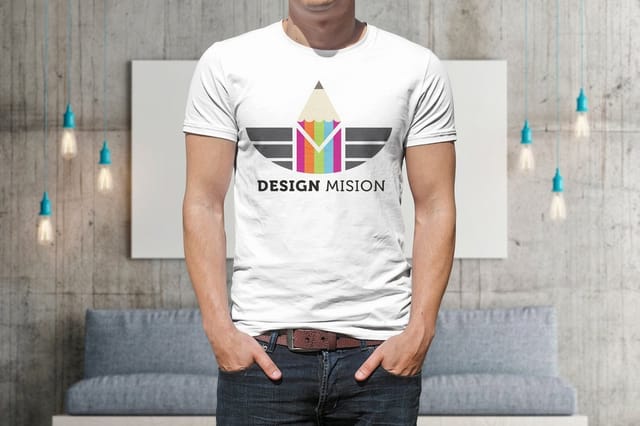
Printed staff shirts from $21.96 belong in this section rather than in merchandise, because on site they do a credential job. A stranger with a question finds the right person by shirt color long before they read a lanyard. Give each function its own color, keep the back print simple and large enough to read across a crowd, and print more than the crew list says, because volunteers appear.
Quantities, Artwork and What Not to Print at All
Two decisions save real money here, and both of them come down to how fast a piece can be replaced during the event.
Print two spares of every small wayfinding panel and every vendor number, and zero spares of the big scaffolding and stage banners. A missing restroom arrow at 9pm is a zip tie and two minutes for whoever notices. A torn 20 foot stage banner needs a rigging crew, a hoist and a gap in the schedule, so nobody is replacing it mid-show no matter what is in the van. Put that budget into getting the large pieces right the first time instead, and if the fence run is long enough to matter, ordering banners in bulk changes the per-unit maths in your favour.
Then cut the pieces that repeat information the crowd already has. Program boards duplicated at every gate get read once and photographed once. Sponsor logos repeated on every wayfinding panel make the arrow harder to see, which is the one thing that panel exists to do. Dated artwork is the other quiet waste: leave the year off anything that could hang again next season, and the same panels come back out of storage instead of back into a print order.
On files, festival artwork fails for the same two reasons every year. Text sits too close to the trim on a hemmed banner, so the hem eats it, and large-format art gets supplied at screen resolution and enlarges into mush. Keep live copy well inside the hem allowance and supply artwork at full size or a clean fraction of it. Our bleed, cut line and safety checklist covers the setup, and the plastic print options guide explains where rigid substrates fit. For an indoor equivalent of this whole list, the conference printing checklist covers registration desks and breakout rooms, and seasonal outdoor events can start from the 4th of July print collection.
Wally builds the site in order
Fence first, arrows next, credentials in the box before any of it
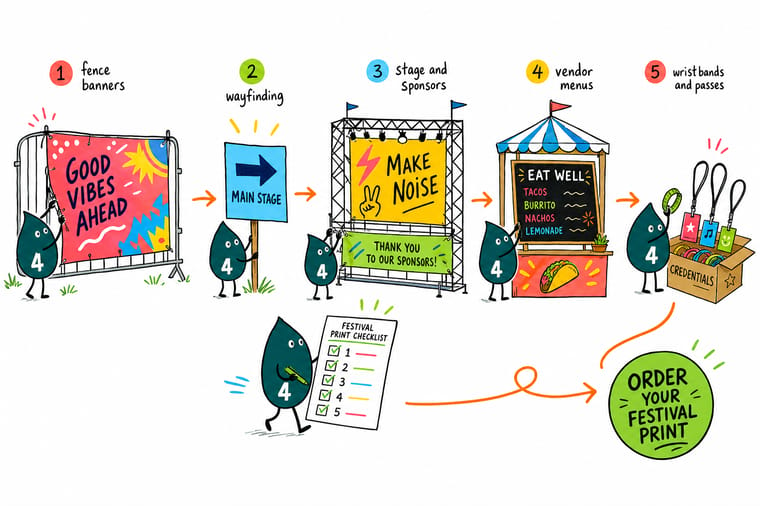
Wally starts at the fence line with the big scrim vinyl banners, because the rigging crew needs them before anything else exists. Then he pegs out the wayfinding, one word and one arrow per panel, on rigid board so it stays flat and readable. Stage and sponsor pieces go up once the scaffolding is safe, and vendor menus land the morning before gates. The box he loaded into the van first, though, is the credentials, because accreditation starts handing out passes while he is still hanging banner number two.
Order outdoor festival banners →Specs and pricing
Banner materials, sizes and starting prices
Compare the three banner types a festival site uses, with live configuration choices and starting prices straight from the 4OVER4.COM configurator.


Print it
Order the festival print list in one go
Explore more
Where to go next
By the numbers
One order covers the whole festival list
Common Questions
Your festival printing questions, answered
What does a festival actually need to print?
Five groups, in install order. Perimeter and entry banners on the fence line and over the gate. Wayfinding signage for restrooms, medical, exits, water and camping. Stage and sponsor banners on scaffolding and backdrops. Vendor, bar and box office signage including menus and price panels. Credentials, meaning wristbands, laminated passes, lanyard cards and the vendor labels that tag crates, coolers and equipment. Staff shirts sit alongside credentials because they do the same job: they tell a stranger who is allowed to be where.
What material should outdoor festival banners be printed on?
13oz scrim vinyl for anything on a fence line or a scaffold. It is the standard weight for outdoor banners because the scrim mesh inside the vinyl is what stops a grommet from tearing out in wind. Hem all four sides, put grommets on roughly 24 inch centers, and always put one in each corner. If a banner is going somewhere genuinely exposed, such as a ridge line or an open field fence, ask for mesh instead of solid vinyl so wind passes through it. Solid vinyl on a long fence run acts like a sail.
How far in advance should festival print be ordered?
Work backwards from load-in, not from the gates. Credentials need to be on site before accreditation opens, which is usually one to two days before the public arrives, so they are the earliest deadline in the whole print list. Banners need to arrive before rigging crews start, which is typically load-in day one. The pieces that change latest are vendor and sponsor signage, because sponsors confirm late and vendors drop out. Lock the artwork you can, and hold the sponsor wall until the last confirmation.
Are wristbands and passes something a printer supplies?
Wristbands are a specialty item. Tyvek and fabric wristbands come from wristband suppliers because they need heat sealing, sequential numbering or an RFID chip, none of which is a sheet-fed print job. What a commercial printer handles is everything around them: the laminated pass cards, the lanyard inserts, the accreditation signage, the crate and equipment labels, and the printed staff shirts. Plan the wristband order separately and earlier, and it stops being the thing that goes wrong.
What size should festival wayfinding signs be?
Judge it by reading distance rather than by a size chart. A sign read on foot from about ten feet away needs roughly 1 inch of cap height per 10 feet, so a 3 inch arrow label reads fine at a bar and a 24 by 36 inch panel with a 4 inch word reads across a walkway. Directional signs that people read while walking should carry one word and one arrow. Anything with three lines of text on it will be ignored by a crowd in motion.
How many spare signs should be printed?
Two of every wayfinding panel and every vendor number, and none of the big scaffolding banners. The reasoning is replacement time. A small panel gets zip tied back up in minutes by whoever finds it missing, so a spare is genuinely useful. A 20 foot stage banner needs a rigging crew and a hoist, which means nobody is replacing it mid-show whatever you printed. Spend that budget on making the big pieces right the first time instead.
Get Started
Indoor banners ship in 2 business days, PVC banners in 4
Pick your banner sizes, add the wayfinding panels, the vendor labels and the crew shirts, and we print the lot together so it lands before load-in.
Legal Disclaimer
Gold Standard guarantees apply to all standard orders placed through 4over4.com. Price match requires verifiable proof of a competitor's published price for an equivalent product with matching specifications and turnaround time. Satisfaction guarantee covers manufacturing defects and print quality issues. Contact support with order number and documentation. On-time delivery rate based on tracked orders 1999 to 2026. Individual results may vary based on shipping carrier performance.
