
How to Come Up With a Business Name That Customers Remember


Emma is our prepress and print production voice, built from the knowledge of our production team, with over 20 years in printing.
Store name ideas are easy to collect and hard to choose between. Write a one page brief, generate a hundred candidates, cut on sound and spelling, clear the registry, trademark, domain and handle checks, then print your two finalists on business cards and pick the one that still reads in your hand.
To come up with a business name, write a one-page brief covering what you sell, who you serve, and the tone you want. Brainstorm a hundred candidates in timed rounds using descriptors, customer-world words, compounds, and coined words. Cut to twelve, say each aloud and have someone spell it back, then check the state registry, federal trademark, domain, and social handles. Print your final two and choose the one that reads best in type. At 4OVER4, 100 artist business cards cost $17.57 at 2 by 3.5 inches, enough to hand each finalist to a dozen people.
Start here
From raw words to a name you can own
Naming is a sorting problem, not an inspiration problem. Write a short brief so you know what a good answer looks like. Generate at least a hundred candidates in timed rounds so you have something worth sorting. Cut on sound, spelling, and growth room until twelve remain. Run the state registry, federal trademark, domain, and handle checks on all twelve, because that is where most favorites die. Print the last two and pick the one that still looks right on stock.
Print test
Test your two finalist names on a card and a sign
Set each finalist on a standard 2 by 3.5 inch card and order 100 of each before you register anything. Pick a matte or soft touch stock, such as 16pt uncoated with soft touch, so the type stays crisp at arm's length, and use one color for the name so spacing problems show. Cards take 3 business days of production and 100 cost $17.57.
Then test the ten foot size. An 18 by 24 inch yard sign from $25 shows whether the name still reads across a parking lot. Hand the cards out, stand the sign up, and keep the name people repeat back without asking how it is spelled.
Why naming feels impossible, and how to make it a process instead
Most people try to name a business the same way they try to remember a dream. They sit still, wait for the perfect word to arrive, reject everything that shows up, and quit an hour later with nothing. Naming is not an inspiration problem. It is a sorting problem, and sorting problems respond to process.
The process below produces a name in about a week of light work. You write a short brief, generate far more candidates than feels reasonable, cut on sound and spelling, check legal and digital availability on a shortlist, and then test the finalists in print where the name actually lives. If you want raw material to prime the pump, our lists of 100 small business name ideas and art and craft business name ideas are a fast way to see naming patterns in bulk.
Keep the naming checklist below open while you work. It is one frame, seven steps, and it stops you from doing the thing that kills most naming projects, which is falling in love with a word before you know whether you are allowed to own it.
Start with your brand values, not with words
A name is an answer, so write the question first. On one page, answer four things: what you sell, who you sell it to, what you want that person to feel in the first three seconds, and what you refuse to be. That last one matters more than it looks, because knowing you are not playful, or not clinical, or not folksy, kills half your bad ideas before you write them.
Add a constraint list. Do you plan to expand beyond one product line, one city, or one service? A name like Brooklyn Bike Repair is superb until you open in Queens and start selling scooters. Descriptive names buy instant clarity and charge you later in flexibility. Abstract names cost more to explain up front and never expire.
Finally, write down three brands you admire in any industry and one sentence on why the name works. You are not copying them. You are naming the tone you want, so that later, when you have sixty candidates on a page, you have something honest to measure them against.
Brainstorming techniques that actually produce usable names
Work in timed rounds of ten minutes, one technique per round, and forbid yourself from judging anything until the timer stops. Judgment during generation is why most naming sessions end with four tired options.
Round one is literal. Write every plain descriptor of what you do, where you do it, and who you do it for. Round two is the world around the customer. If you roast coffee, list harvest, altitude, burlap, ember, and the hours people actually drink it. Round three is the feeling: the adjective a happy customer would use to a friend. Round four is people and places, including founder names, street names, and local landmarks. Round five is metaphor, where you borrow from a completely different field that shares your promise, such as navigation, gardening, or repair.
Aim for a hundred rough candidates. Category-specific lists are excellent primers here, and browsing something adjacent to your field, such as cleaning business name ideas or travel agency name ideas, will surface structures you can borrow even when the words themselves do not apply to you.
Wordplay, combinations, and coined words that hold up
Once you have raw words, start building. Compounds join two real words into one idea, and they are the backbone of modern naming because they stay pronounceable. Blends fuse the front of one word to the back of another, which gives you availability at the cost of a small explanation. Alliteration and rhythm make a name stick in memory, which is why so many enduring names have two stressed syllables and nothing else.
Coined words are the most flexible option and the most expensive to launch, because you are teaching the market a word that means nothing yet. That trade is worth it when your category is crowded and every real word is taken. If you coin, keep it under three syllables, avoid letter combinations that force people to ask how it is spelled, and read it aloud in a sentence: I run a shop called ___. If you stumble, the customer will too.
Two traps to avoid. Deliberate misspellings of common words look clever on a page and cost you every time someone types the name into a search bar. And numbers or hyphens in a name almost always create a spoken version and a written version that do not match, which quietly splits your traffic. Craft categories are a good place to see this play out, and the crochet business name ideas list shows how much mileage plain, warm, spellable words still get.
Using naming tools and company name generators without losing your voice

A company name generator is a raw material machine. Feed it your best three or four keywords from the brainstorm and let it produce prefixes, suffixes, blends, and near-words at a speed no human matches. What it cannot do is judge tone, catch an unfortunate meaning in another language, or tell you that a very similar mark is already registered in your class.
Use generators in the middle of the process, never at the start and never at the end. At the start they anchor you to generic patterns before you know your own brief. At the end they tempt you into picking a name because the domain happened to be free, which is the single most common reason businesses end up with a name nobody can spell.
A practical rhythm: run your keywords through two or three tools, harvest only the fragments that make you think of something new, add those fragments to your own list, and then close the tools. The final edit is a human job. Human ears decide whether the name sounds like a business you would actually walk into.
Checking availability: domain, trademark, state registry, and social handles
Run this on your shortlist of ten to twelve, not on the one you already love. Falling in love first is how people end up paying to rename a business in year two.
State registry. Search your state business entity database for exact and confusingly similar names. A near match in the same industry is usually a rejection waiting to happen. Federal trademark. Search the trademark database for live marks in your class of goods and services. Similar sound and similar meaning count, not just identical spelling, and if anything close comes up in your class, an hour with a trademark attorney is cheaper than a cease and desist. Domain. Check the exact match plus one or two realistic fallbacks. A short, clean domain that adds a single word like shop or studio is far better than a long exact match with hyphens.
Handles. Check every platform you plan to use, and check them all before you register anything, because a name is much weaker when the handle differs from platform to platform. Finally, run the name through a plain search and a translation check. You are looking for an existing local business, an unfortunate second meaning, and anything that already dominates the search results for that exact word.
Making sure the name still works in five years

Put each surviving candidate through four short tests. The phone test: say the name to someone who has never heard it and ask them to write it down. If they ask how it is spelled, note it. Two out of five is survivable, four out of five is not. The radio test: say the full name plus what you do in one breath and see whether it still sounds like a business.
The growth test: imagine the business three times bigger, in a second city, selling one thing you do not sell today. Does the name still fit, or does it now describe a corner of what you have become? The neighbor test: line your name up beside the three competitors a customer will see next to you and check that it does not blur into them.
Then let it sit for two days without looking at it. Names that only work in the excitement of the session fade fast, and names that still read well on a cold Tuesday morning are the ones worth registering. When you commit, register the entity, file the trademark if the name matters to your growth, buy the domain and its obvious near misses, and claim every handle the same day.
Put the new name on cards and signs and make it real
A name lives at two sizes: two inches in someone's hand and ten feet across a parking lot. Test both before you commit. Set your two finalists in type, print them, and look at them the way a customer will, quickly and from an angle. Type reveals problems that a text file hides, like a name that reads fine in lowercase and looks unbalanced in caps, or one whose letter spacing collapses at small sizes.
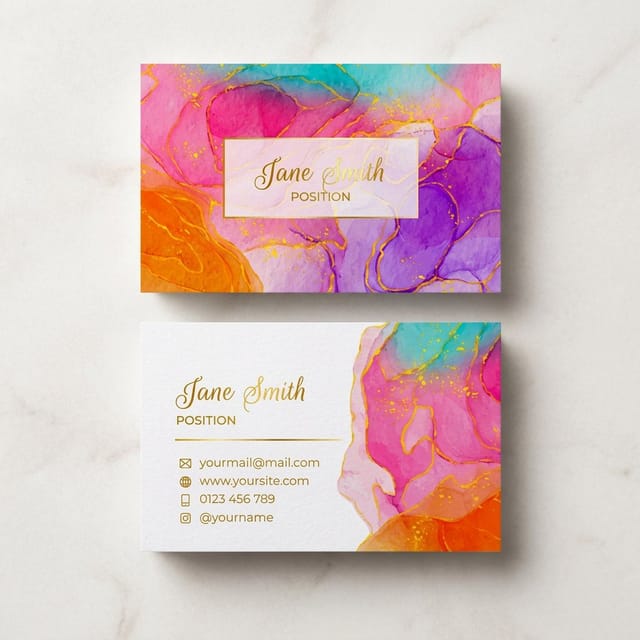
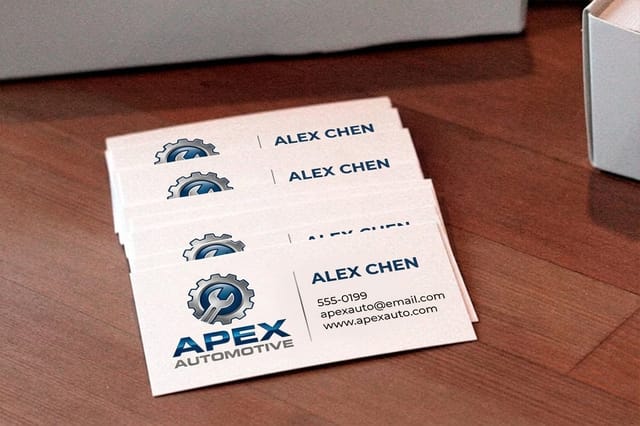
For the hand-sized test, Artist Business Cards start at $17.57 and are a genuinely cheap way to hold your name on real stock. If your work is visual or physical, Automotive Business Cards start at $17.57 and are built for trades where the card gets handled and kept. When the name is locked and you want a card people cannot throw away, 3D Lenticular Business Cards start at $690.88 and turn the name itself into a small piece of motion.
For the ten-foot test, print the name large and read it from across a room. Sign work has its own rules about weight, spacing, and contrast, and outdoor business sign ideas that get noticed is a good primer before you order anything permanent. Browse business card printing when you are ready to commit the name to your first real run.
Wally explains how to pick the name
The best name is the one nobody has to ask you to repeat
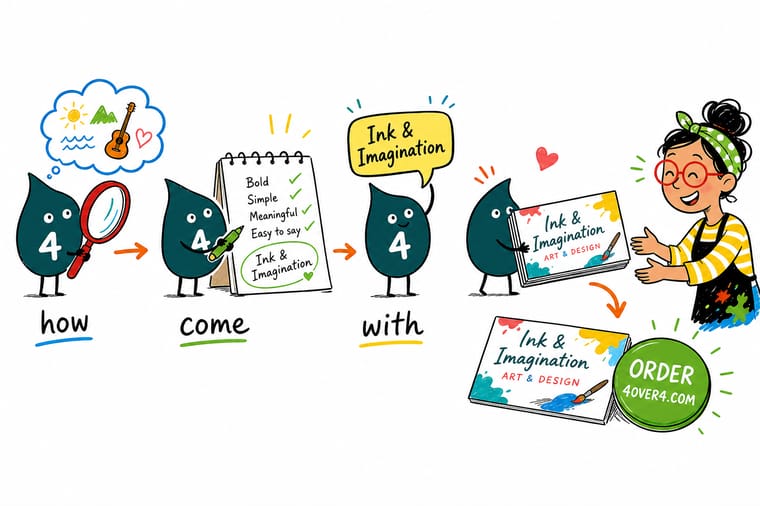
Wally has watched a lot of owners agonize over a shortlist. His shortcut is simple. Say each name to a stranger, then ask them to spell it back and say it again an hour later. Whatever survives that is your name. Then print it on cards before you register anything, because type tells the truth about a name faster than any spreadsheet.
Print your business cards →
Checklist
The 7-step business naming checklist
One frame, seven steps, in the order that saves you the most wasted work: write the brief, brainstorm 100, build and blend, cut to twelve, check availability, test it lasts, print it. Print it, keep it beside you, and do not skip step five.
Steps one to four are creative work you can do in an afternoon. Step five is the one that decides whether the name is yours, so run it on the whole shortlist before you get attached to a favorite.
Specs and pricing
Business card specs and live pricing for your new name
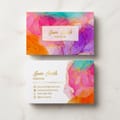
Once the name clears every check, the fastest way to make it real is a short run of cards. Here are the stocks, sizes, and finishes available, with live pricing by quantity. Artist business cards start at 100 for $17.57 in 2 by 3.5, 2 by 2, 1.5 by 3.5 or 2.125 by 3.375 inches, on stocks from 14pt gloss to 80pt UltraWhite, 16pt uncoated with soft touch among them, with 3 business days of production.
| Quantity | Price Per Unit | Total |
|---|---|---|
| 100 | 17.6¢ | $17.57 |
| 200 | 11.5¢ | $23.07 |
| 300 | 9.15¢ | $27.46 |
| 400 | 7.96¢ | $31.86 |
| 500 | 7.25¢ | $36.26 |
| 600 | 6.77¢ | $40.64 |
| 700 | 6.43¢ | $45.04 |
| 800 | 6.18¢ | $49.43 |
Print it
Put your new business name on a card
Print both finalists: 100 artist or automotive business cards cost $17.57 each run, so two names cost $35.14 to test in hand. Save the 3D lenticular card, from 500 for $690.88, for the name you have already locked.

See it in use
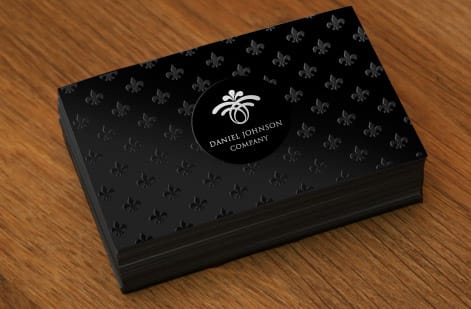
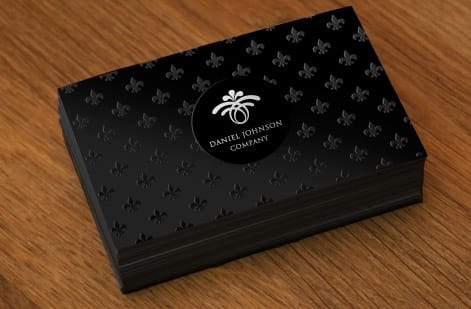
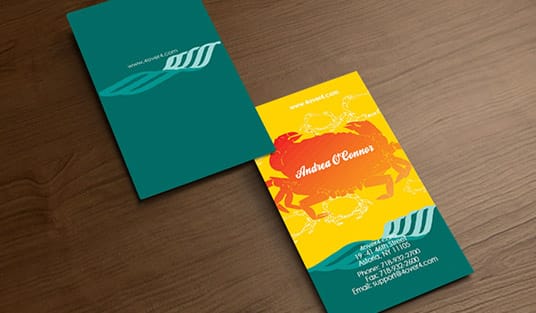
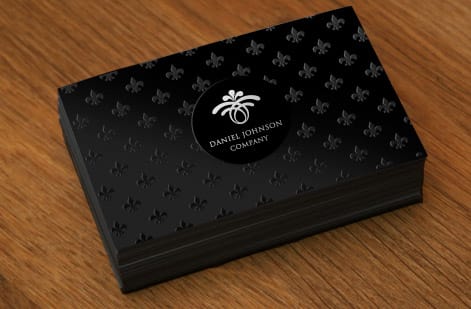
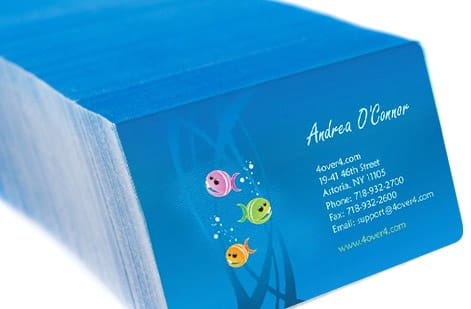
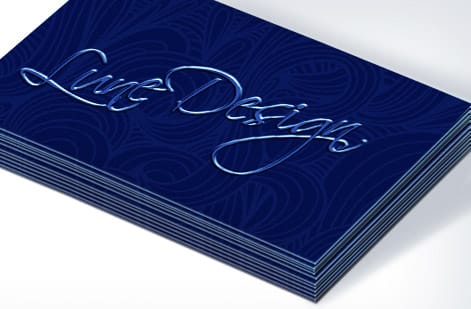
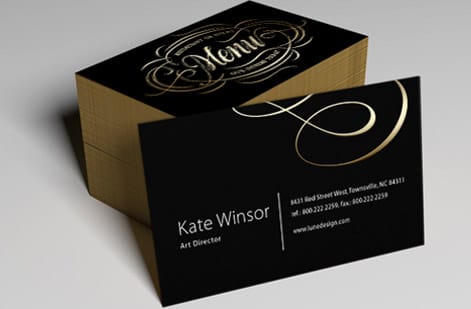
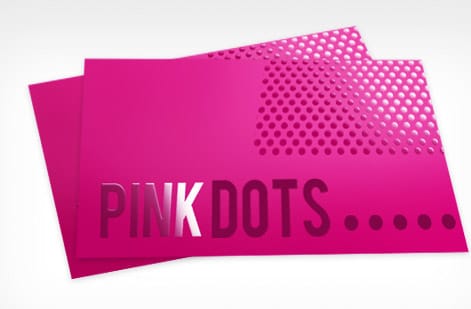
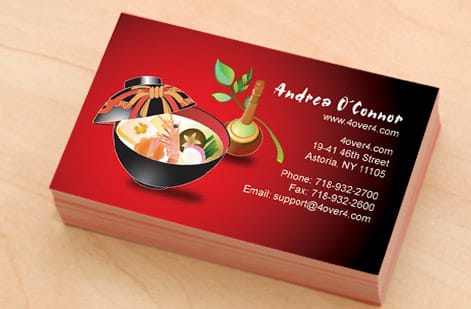
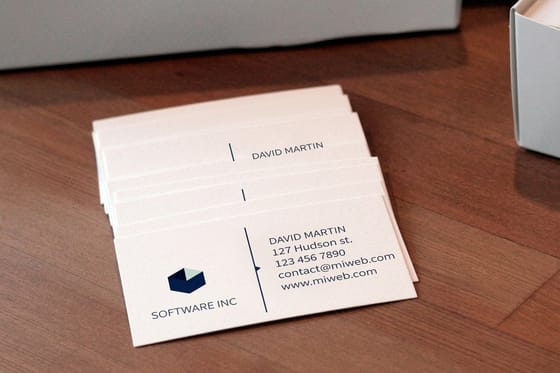
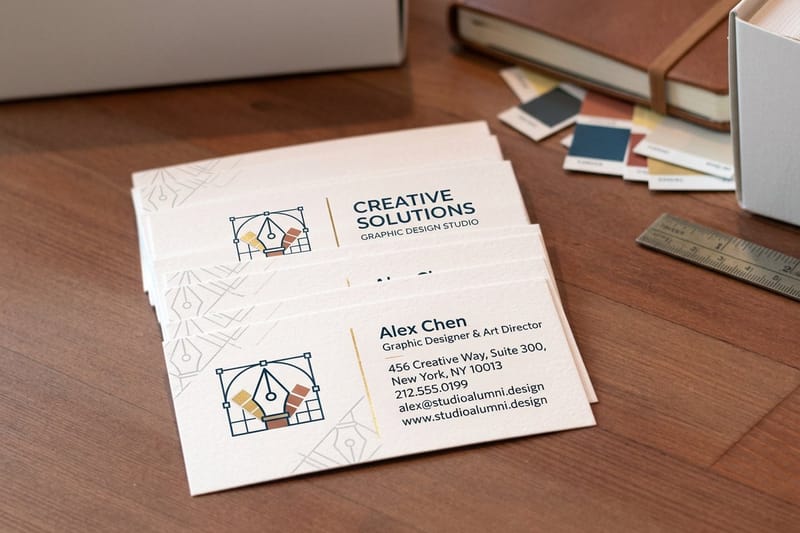
Business names printed on artist cards

Explore more
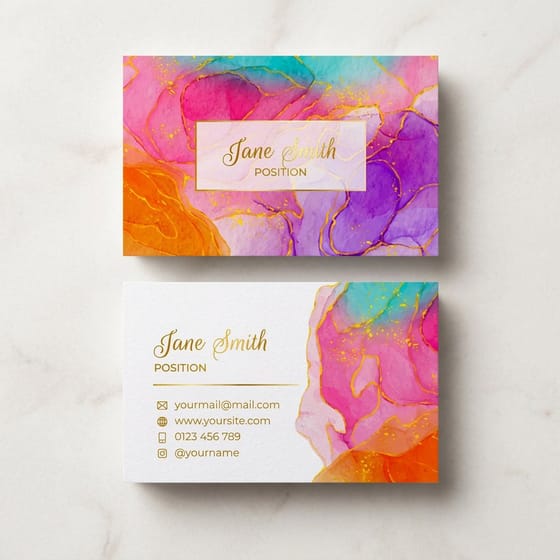
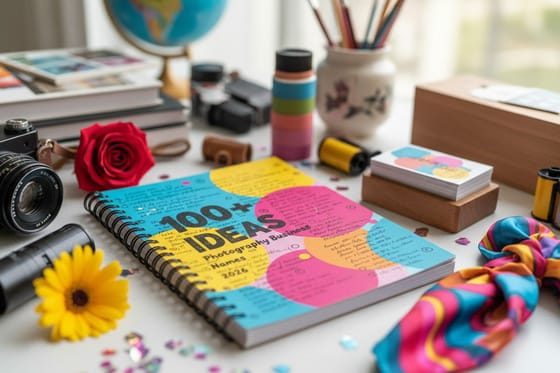
Where to go next

By the numbers
Printing your new name, backed by 4OVER4
Common Questions
Common questions about naming a business
How do I come up with a business name?
Start with a one-page brief covering what you sell, who you sell to, and the tone you want. Then run three separate brainstorm rounds: literal descriptors, evocative words from the world your customer lives in, and invented or blended words. Aim for a hundred raw candidates before you judge anything. Cut to twelve, say each one out loud, then run availability checks on the survivors. The winner is usually a name that was easy to say and easy to spell long before it was clever.
What makes a good store name?
A good store name is short enough to remember, easy to spell after hearing it once, and specific enough that it does not blur into every competitor on the same street. It should give a hint of what you do or how you do it without boxing you in if you expand later. It also has to be legally and digitally available, and it has to look right set in type on a sign, a card, and a phone screen.
Should I use a company name generator?
Generators are useful as a raw material machine, not as a decision maker. They are very good at producing prefixes, suffixes, and blends you would not have reached on your own, and very bad at judging tone, meaning, or legal risk. Feed a generator your best keywords, harvest anything that sparks a new direction, then bring those fragments back into your own list and edit them by hand.
How do I check if a business name is available?
Run four checks in order. Search your state business registry for an existing entity with the same or a confusingly similar name. Search the federal trademark database for live marks in your class of goods and services. Check the exact-match domain and one or two fallbacks. Check the handle on every social platform you plan to use. A name that clears all four is worth registering, and a name that fails one is worth abandoning early.
Can I change my business name later?
You can, but it is expensive in ways that are easy to underestimate. You repaper the legal filings, rebuild the domain and its search equity, update every listing and profile, and reprint every physical item that carries the old name. Most owners who rename say the hardest part was the reprint cycle and the customers who kept using the old name for a year. Spend the extra week naming it properly the first time.
What does it cost to print my new business name, and how are prices set?
Price scales with quantity, size, paper stock, ink coverage, finishing, and turnaround. Standard business cards start low because they run efficiently and gang well on press, while specialty formats carry the cost of extra materials and hand finishing. Artist Business Cards start at $17.57, Automotive Business Cards start at $17.57, and 3D Lenticular Business Cards start at $690.88 because of the lens material and the multi-frame artwork build.
What sizes, stocks, and finishes should I pick for a brand new name?
For a name you are launching, pick something readable before you pick something exotic. Standard 3.5 by 2 inch cards on a heavier stock read as serious and cost very little. Matte and soft touch coatings keep type crisp and make the name easy to read at arm length, while gloss lifts photography and color. Order free paper samples and hold your shortlist name on two or three stocks before you commit the full run.
Get Started
Order 100 business cards from $17.57 with the new name
Set the winner in type, order a short run of cards, and hand it to a real customer this week. Free paper samples are available if you want to feel the stock first.
Legal Disclaimer
Gold Standard guarantees apply to all standard orders placed through 4over4.com. Price match requires verifiable proof of a competitor's published price for an equivalent product with matching specifications and turnaround time. Satisfaction guarantee covers manufacturing defects and print quality issues. Contact support with order number and documentation.
