
How to Get Labels Off Bottles Without Leaving Sticky Residue


Two glues, two methods, and one order of operations that decides whether the bottle comes out clean or comes out tacky. The whole sequence follows, including which label stocks let go easiest.
Fill the bottle with hot tap water, submerge it in a sink of hot water and dish soap, and wait 20 to 30 minutes. Wet-glue paper labels, which is what most breweries and wineries use, slide off whole, and the gray glue film behind them rubs away with a soapy scourer while the glass is still wet. Self-adhesive labels on film ignore water entirely: warm those with a hair dryer for about 30 seconds, peel slowly from one corner, and clear the leftover gum with 70 to 91 percent isopropyl alcohol. Never rub oil on a label you still plan to soak, because it waterproofs the paper.
Quick answer
Soak the water-based glues, heat and dissolve the acrylic ones
The label face tells you the method. Paper that soaks up water is sitting on casein or dextrin glue, so a 20 to 30 minute bath in hot soapy water releases it and a soapy scourer clears the gray film behind it. A face that beads water is film or laminate over a permanent acrylic adhesive, and no soak will ever reach it, so warm it with a hair dryer, peel from one corner at a shallow angle, and take the remaining gum off with isopropyl alcohol. The order matters more than the products: oil before water ruins the soak, and a bottle that still carries any oil will not hold a new label.
Work Out Which Glue You Are Fighting Before You Start
Every bottle label in your recycling bin belongs to one of two families, and the family decides the method. Get this wrong and you will spend forty minutes soaking something that was never going to move.
Wet-glue paper labels are what most breweries, wineries and soda bottlers use on returnable and single-trip glass. The label is uncoated or lightly coated paper, and the glue is casein or dextrin, both water-based. Water soaks straight through the paper, the glue lets go, and the label floats off. You can spot these before you start: run a wet finger across the face and the paper darkens and softens.
Pressure-sensitive labels are the self-adhesive kind, printed on paper or BOPP film with an acrylic adhesive already on the back, delivered on a silicone-coated liner. This is what small producers use, and it is what we print on standard beer labels and standard beverage labels. The adhesive is not water-soluble at all. Worse, if the face is film or laminated paper, water cannot even reach it, so a soak wets nothing but the four edges.
The test takes five seconds. Flick a drop of water on the label. If it soaks in, soak the bottle. If it beads and sits there, put the kettle away and go to heat and solvent instead.
The Hot Water Soak, Done Properly
Most people get this half right and then blame the method. The two mistakes are water that is not hot enough and bottles that bob.
Fill a sink or a bucket with water as hot as your tap runs, which is usually around 120F, and add a generous squeeze of dish soap. Fill each bottle with the same hot water so it sinks and stays under. An empty bottle floats, the label sits half in and half out, and you get a clean bottom half and a stubborn top half. Leave it 20 to 30 minutes. Do not boil, and do not pour boiling water into cold glass, because the thermal shock is a genuine way to crack a bottle in your hands.
When the time is up the label should slide rather than tear. If a corner lifts and the rest resists, give it another ten minutes instead of pulling. Behind the paper you will find a gray film, and that film is the glue itself, still soft. Rub it off with a soapy scourer while the bottle is wet. This is the single step people skip, and it is why bottles come out of a soak feeling tacky an hour later.
A tablespoon of washing soda or oxygen bleach in the water speeds up stubborn casein glue noticeably. Ordinary baking soda helps less than the internet claims, though it earns its place later as a mild abrasive that will not scratch glass. For labels on a laptop lid or anything you cannot dunk, the approach changes completely, and our guide to removing sticker residue covers the dry version.
Heat, Oil and Solvent: Which One, and When
For film-faced and self-adhesive labels, the sequence that works is heat to get the label off in one piece, then a solvent for whatever gum stays behind. Reversing the order means picking at shreds.
| Method | What it actually does | Time | Where it fails |
|---|---|---|---|
| Hot soapy soak | Dissolves water-based casein and dextrin glue through a porous paper face. | 20 to 30 min | Does nothing under a film or laminated face. |
| Hair dryer | Softens acrylic and hot-melt adhesive so the whole label peels away with it. | 30 to 45 sec | Deforms PET plastic bottles if held too close. |
| Cooking oil | Breaks the tack of rubber-based gum and floats off softened residue. | 10 to 20 min | Waterproofs paper, so it ruins any later soak. |
| Isopropyl 70 to 91 percent | Dissolves acrylic adhesive residue outright. Evaporates clean. | 1 to 3 min | Can craze polystyrene and polycarbonate. |
| Citrus adhesive remover | Swells thick gum layers that alcohol only smears around. | 5 to 10 min | Leaves an oily film that must be washed off after. |
| Baking soda and oil paste | Mild abrasion plus solvent action, safe on glass. | 15 min plus scrub | Slow, messy, and pointless on a fresh wet-glue bottle. |
Read the last column first. Almost every failed label removal is somebody using a method whose failure mode matches their bottle exactly. Oil on a paper label, alcohol on a soft plastic bottle, a razor blade on curved glass.
On the blade: leave it. A single-edge blade works on flat window glass because the whole edge stays in contact. On a bottle only one point touches, it skates, and it leaves fine scratches that catch the light and show through any new label you apply. A plastic scraper, an old gift card, or a fingernail does the job without the damage.
Getting the Bottle Clean Enough for a New Label
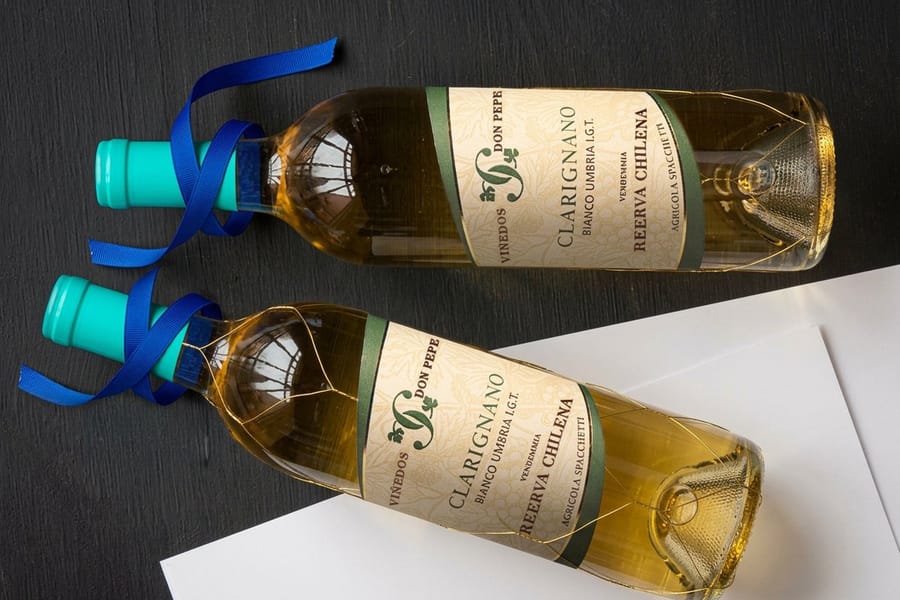
Removing the old label and preparing for a new one are separate jobs, and the second one is where most home bottling projects fall down. A bottle can look spotless and still be coated in a microscopic film of cooking oil or citrus remover. Adhesive will not bond to that. The label goes on beautifully, sits overnight, and by morning one corner has curled.
Wash the glass with hot water and dish soap, rinse, dry it fully, then wipe it down with isopropyl alcohol on a lint-free cloth and let it flash off for a minute. Apply the label to glass at room temperature rather than straight out of a fridge, because a cold surface with condensation on it is the second most reliable way to get a lifted edge. Acrylic adhesives build most of their bond in the first 24 hours, so leave the bottles upright and dry overnight before they go anywhere near ice.
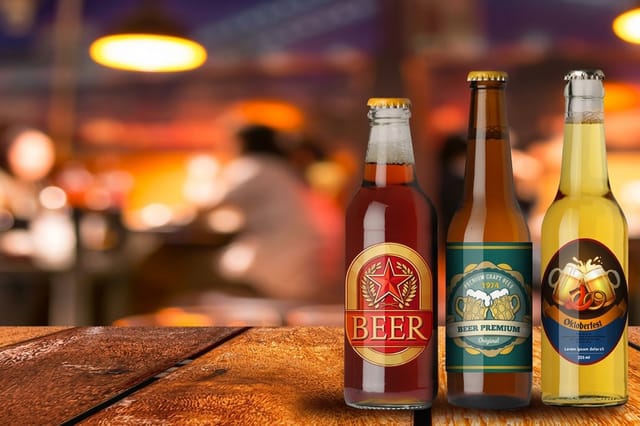
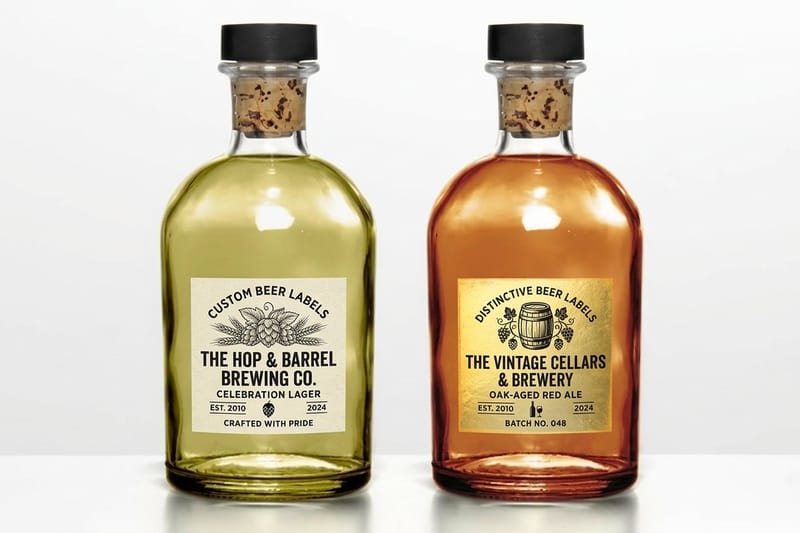
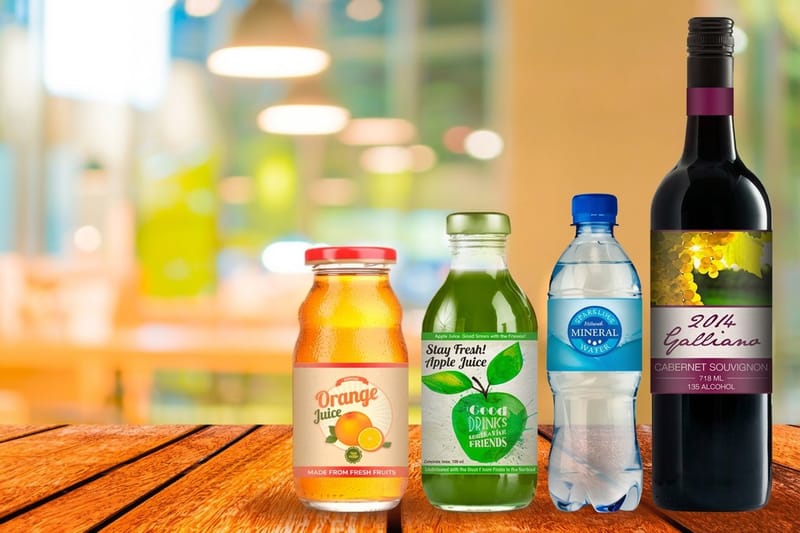
What you print matters as much as how you clean. For anything that will sit in a cooler or sweat in a bucket, choose a waterproof stock rather than uncoated paper. Shaped wine labels start at $10.99 and die-cut to a custom outline, which suits a neck label or an unusual bottle profile. Standard beer labels and standard beverage labels both start at $23.88 and are the everyday rectangle for 12oz and 22oz bottles. Browse the full range in beer label printing and beverage label printing.
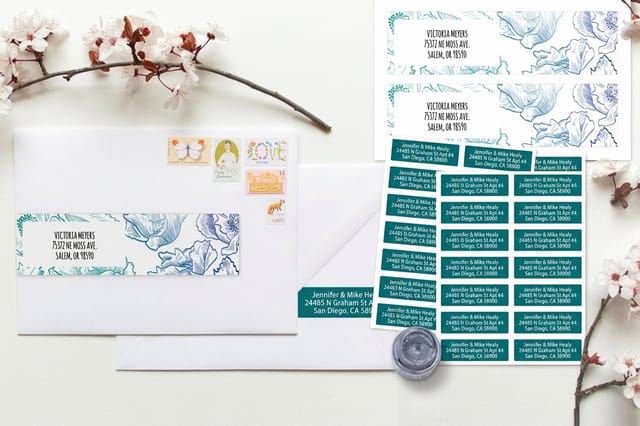
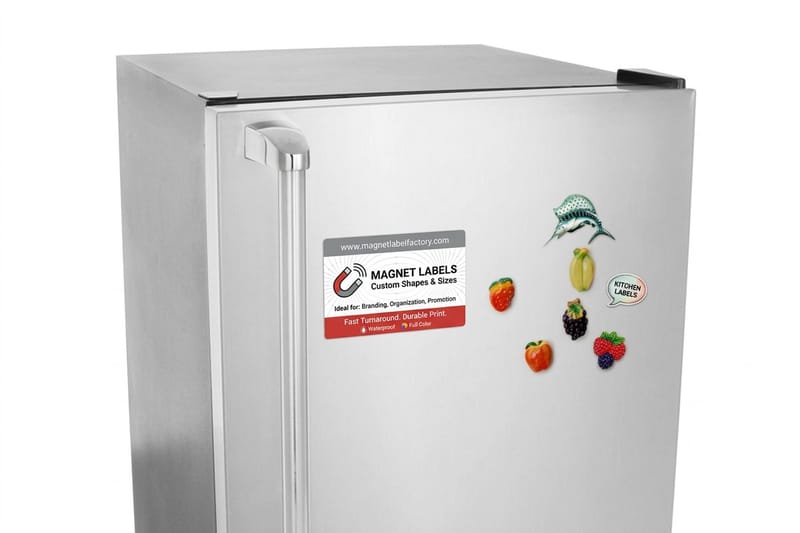
Two cases deserve a different product entirely. If the container is steel and gets relabelled often, magnet labels at $19.68 hold by magnetism and lift off leaving nothing at all, which is the only genuinely residue-free option here. And if you are labelling cases and cartons rather than the bottles themselves, standard address labels from $23.88 in the address label range are the cheaper way to mark a batch.
Wally gets the label off
Water for the paper ones, heat and alcohol for the sticky ones
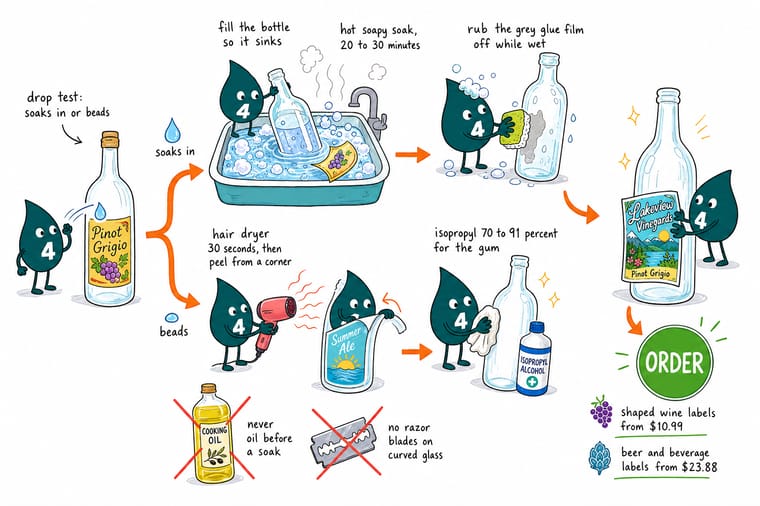
Wally flicks a drop of water on the label first. If it soaks in, the bottle goes underwater for half an hour with dish soap, and the label slides off with a gray film he wipes away before it dries. If the water beads, he leaves the sink alone, warms the label with a hair dryer, peels from one corner, and takes the leftover gum off with isopropyl alcohol. What he never does is reach for the oil first, because oil waterproofs paper and there is no coming back from that.
Print beverage labels from $23.88 →Specs and pricing
Bottle label stocks, sizes, and starting prices
Standard beer labels start at 25 for $23.88 in 3 business days, shaped wine labels at 25 for $10.99 in 5.


Print it
Put a better label on the bottle you just cleaned
Explore more
Where to go next
By the numbers
Label stocks that release cleanly
Common Questions
Your bottle label questions, answered
Why did hot water do nothing to my label?
Because the face of the label is film, not paper. Wet-glue paper labels let water through the facestock and into the glue, which is why a soaked beer bottle gives up its label in one sheet. A pressure-sensitive label on BOPP film or laminated paper is effectively waterproof on top, so a soak only wets the edges. Those need a different attack: warm the label with a hair dryer for about 30 seconds, lift one corner with a fingernail or a plastic scraper, and peel slowly at a shallow angle while the adhesive is still soft.
Will the dishwasher take labels off bottles?
It works on wet-glue paper labels and makes things worse on self-adhesive ones. The hot wash dissolves casein and dextrin glue nicely, though you will be picking sodden paper out of the filter. On a pressure-sensitive label the heat cooks the acrylic adhesive onto the glass and hardens whatever residue is left, turning a ten minute job into a scrubbing session. Check the label face before you load the rack.
Is acetone or nail polish remover safe to use?
On plain glass, yes, and it is fast. Everywhere else it is a risk. Acetone attacks PET and polystyrene plastic, so it will fog or craze a plastic bottle almost immediately, and it strips any printed or painted decoration on the glass itself along with the glue. Isopropyl alcohol at 70 to 91 percent removes almost the same residue with far less collateral damage, so try it first and keep acetone for glass you do not mind testing on.
What is the gray slime left after a soak, and how do I get it off?
That is the wet glue itself, re-emulsified rather than removed. Do not let it dry back onto the glass. While the bottle is still wet, rub it with a soapy nylon scourer or the rough side of a sponge and it wipes away in a few seconds. If it has already dried into a hard gray film, put the bottle back in hot water for another ten minutes rather than reaching for a blade. A metal scraper skips on curved glass and leaves scratches you will see under a new label.
How do I get a plastic water bottle label off without melting the bottle?
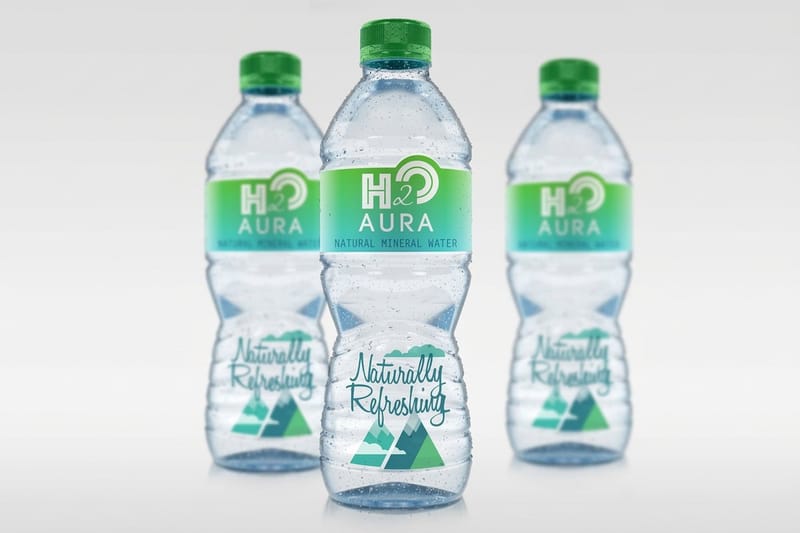
Skip heat guns and boiling water. Warm tap water plus dish soap loosens most shrink sleeves and self-adhesive labels on PET, and a hair dryer held at least six inches away on a low setting is enough to soften the adhesive without deforming the bottle. Finish residue with cooking oil rather than solvent, since oil does nothing to PET. If you are printing new labels for reusable bottles, our guide to custom printed water bottles covers which stocks survive condensation.
Will my new labels come off as easily?
No, and that is deliberate. The labels we print carry a permanent pressure-sensitive acrylic adhesive, because a label that shrugs off an ice bucket is worth more to most customers than one that peels for the next owner of the bottle. If you want removability, two options work: order magnet labels, which hold with magnetism and leave nothing behind on any steel surface, or apply plain paper labels with a thin coat of milk or glue stick, which is what homebrewers do so the bottles wash clean between batches.
Get Started
Clean bottle, new label, no curled corners
Pick a waterproof or standard stock, size it to your bottle, and we print labels that hold through an ice bucket instead of lifting on day two.
Legal Disclaimer
Gold Standard guarantees apply to all standard orders placed through 4over4.com. Price match requires verifiable proof of a competitor's published price for an equivalent product with matching specifications and turnaround time. Satisfaction guarantee covers manufacturing defects and print quality issues. Contact support with order number and documentation. On-time delivery rate based on tracked orders 1999 to 2026. Individual results may vary based on shipping carrier performance.
