
How to Get Same Day Invitation Printing Without Missing Your Date


Sofia is our design and templates voice, built from the knowledge of our production team, with over 20 years in printing.
The date is fixed, the artwork is late, and the cards have to exist today. Here is exactly how same day invitation printing works, from the daily cutoff and the press ready file to stock choices, real pricing, and the delivery method that decides whether today means tonight.
Same day invitation printing prints, cuts, and finishes your approved card on the business day you order it. To qualify, place the order before the daily cutoff, send a press ready CMYK PDF with bleed and outlined fonts, and choose a standard size, stock, and finish that the press already runs. Production is measured in hours. Arrival depends on whether you select local pickup, a courier, or an overnight carrier at checkout.
Start here
Same day invitation printing in one paragraph
Same day invitation printing is a production lane, not a delivery promise. A printer keeps standard card stocks running every day, so an approved file that arrives before the daily cutoff can be printed, trimmed, and finished on the current shift. Your side of the deal is a clean press ready PDF, a standard size and stock, fast proof approval, and a deliberate choice of pickup, courier, or overnight shipping so the cards reach the people who need them in time.
Watch it printed
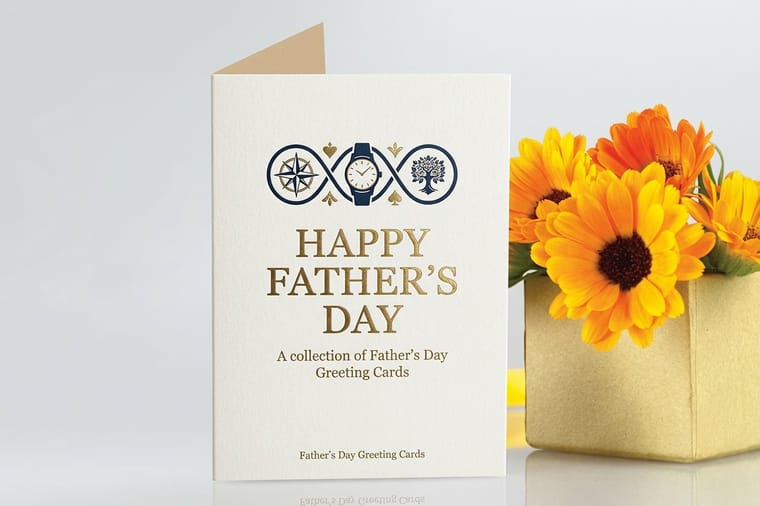
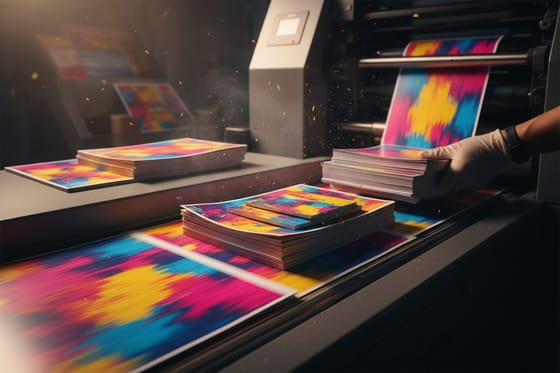
See fathers day greeting cards on the press, in 134 seconds
Why invitations turn into a same day emergency so often
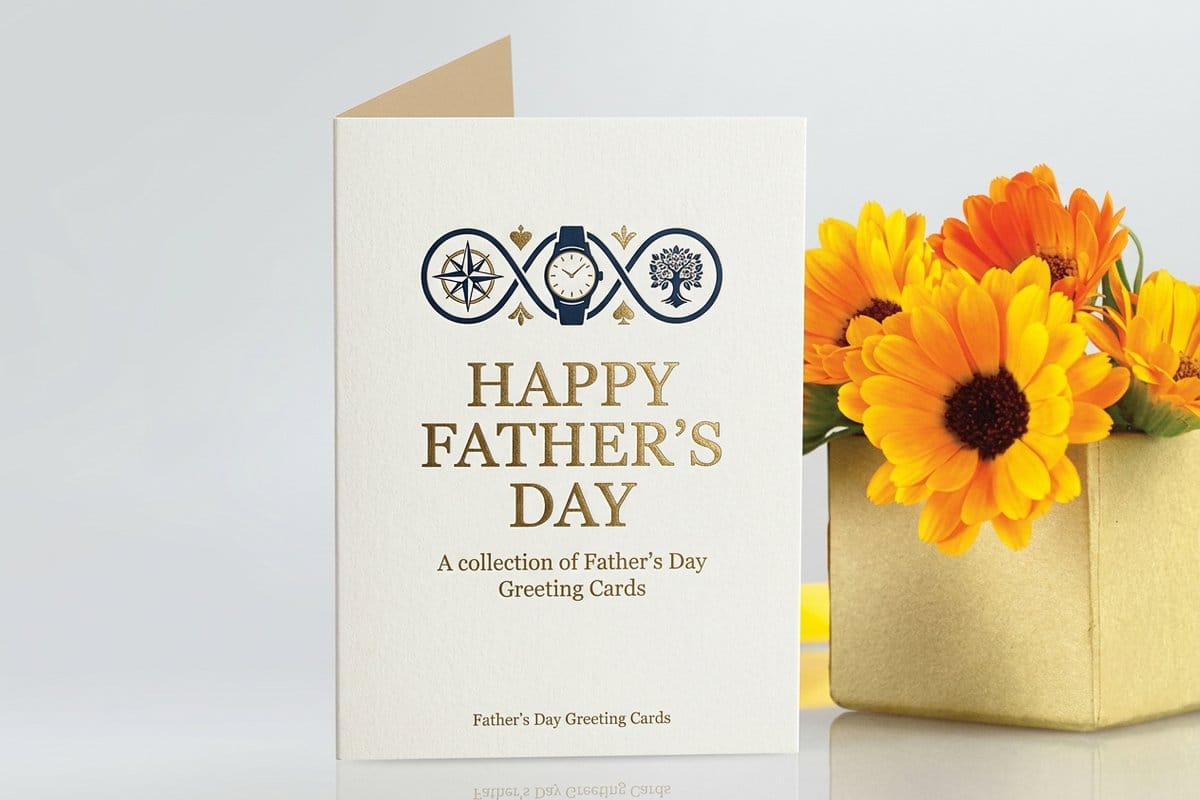
Invitations are the one printed piece with a date attached to it, and that date does not move. A venue confirms late, a guest list doubles from 25 cards to 50, a name is spelled wrong on every 5 x 7 card in the box, or the design sits in someone else approval queue for a week. By the time the file is final, the comfortable production window is gone and the mail date is tomorrow.
That is the moment same day invitation printing earns its keep. It is not a luxury service for people who plan badly. It is a scheduling lane for jobs where the deadline is fixed and the artwork arrived late, and it works because the press already runs standard card stocks every single day. Our same day printing lane exists for exactly this, and the wider fast printing and rush options guide maps the tiers below it.
The rest of this page is the practical version: what same day actually covers, how to hit the cutoff, how to prepare a file that will not bounce, what it costs, and what to do when the calendar simply will not allow it.
What same day invitation printing actually means
Same day describes production, not delivery. When a job is accepted into the same day lane, the file goes to preflight immediately, prints on the current shift, gets cut and finished, and is packed before the floor closes. The card exists today. Where it is tonight depends entirely on how you chose to move it.
Three conditions have to be true at once. The order and payment clear before the daily cutoff, the artwork passes preflight without a question going back to you, and the finishing is simple enough to run without extra curing, folding by hand, or a custom die. Miss any one of those and the job quietly becomes a next day job.
It also helps to know what same day is not. It is not a design service, it is not a second chance to fix copy after approval, and it is not a promise about a carrier network. The press is the fast part. If you need the physical card in a specific pair of hands before midnight, plan the last mile with the same care you gave the file, or arrange a local handoff through a hub city like New York.
How to get invitations printed today, step by step

Work the list in order. Every step below removes one of the delays that normally pushes a rush invitation into tomorrow.
- Step 1. Lock the deadline first. Write down the hour the invitation has to be in someone hands, then subtract transit time. That number tells you whether you need print today, or print today and pick up tonight.
- Step 2. Proofread before you upload. Date, weekday, start time, address, RSVP contact. Two people, read aloud, once. This is the cheapest five minutes in the whole process.
- Step 3. Export a press ready PDF. CMYK, 300 dpi, eighth inch bleed on all four sides, fonts outlined, safe margin respected. No layered native files, no screenshots, no low resolution logos pulled from a website.
- Step 4. Choose a format the press runs daily. A flat card on standard stock is the fastest path. Folded cards are usually fine. Foil, embossing, and custom shapes are not same day work.
- Step 5. Order before the cutoff, not near it. Earlier in the day means your file has room for one round of preflight questions and still makes the shift.
- Step 6. Approve the digital proof immediately. Set a phone alert. A proof sitting unopened for two hours costs you the slot as surely as a bad file does.
- Step 7. Decide the last mile at checkout. Pickup, courier, or overnight carrier. Do not leave this to a default option and hope.
Followed in that order, the whole sequence takes about half an hour of your time. Most of the waiting after that happens on our side, not yours. Our fastest lane product, same day business cards, follows the same pattern and is a useful reference for how tight the timing can get.
The cutoff clock, and how to stay ahead of it
Every commercial printer builds its press schedule around a daily cutoff. Before the cutoff, your job joins today plates. After it, the schedule is closed and your job is first in line tomorrow morning. Nothing about that is arbitrary, it is simply how a shared press stays predictable for everyone on it.
Treat the cutoff as a hard wall with a soft approach. Aim to have the order placed at least a couple of hours before it, because that buffer is what lets a preflight question get answered without costing you the day. Orders that land in the final minutes have no room for a single email.
Time zones matter more than people expect on invitations, especially when the designer, the client, and the venue are in three different states. Confirm the cutoff in your own local time before you plan the afternoon around it. If you regularly work against tight turnarounds, compare how the deadlines are handled in a 48 Hour Print alternative and a Next Day Flyers alternative so you know which promise fits which situation.
File setup that survives a rush preflight

Preflight is where same day jobs die. Not because the standards are harsh, but because a rush file is usually the last file the designer touched at midnight, and small omissions have nowhere to hide when there is no time to ask.
Build the document at final trim size, then add an eighth inch of bleed on every edge and pull all live text and logos an eighth inch inside the trim. Set the color mode to CMYK before you design rather than converting at the end, because a rich navy pulled from a screen palette will not survive that conversion the way you expect. Keep images at 300 dpi at their placed size, not their original size.
Outline or embed every font. Flatten transparency. Remove the crop marks you drew by hand, since the press adds its own. Export a single flattened PDF, one page per printed side, named so a human can tell front from back at a glance. A file that clean is usually approved faster than it took you to read this paragraph. If you are exporting from a browser based tool, the Canva printing alternative notes cover the export settings that most often cause trouble.
Sizes, stocks, and finishes that fit a one day schedule

The stock you choose is a scheduling decision as much as a design one. Standard card stocks are already loaded and running, so a job on 14pt or 16pt card slots into the day without any setup drama. Anything the press has to prepare specially adds hours you do not have.
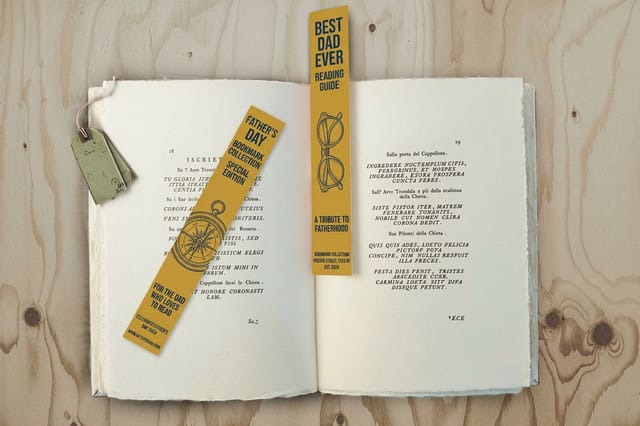
For sizes, the classic invitation footprints and standard card dimensions are the safe ground. Flat single sided cards are the quickest. Folded cards add a scoring and folding pass that is usually still comfortable. Long formats like an insert or a slim enclosure card are surprisingly fast and make a good companion piece, which is why printed bookmark style cards work so well for directions, registry details, or a menu choice.
On finishes, gloss photographs well and reads bright, matte feels calmer and photographs softer, and uncoated is the one to pick when guests will write on the card or when you are hand addressing. Save soft touch lamination, spot gloss, foil, and shaped edges for jobs with a real production window. They are worth planning for, they are simply not compatible with printing today.
Flat or folded, and where each one starts
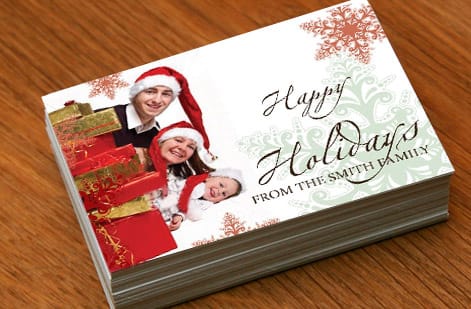
A rush order narrows to two formats. A flat card prints one or two sides and goes straight from the cutter to the box; Invitation Cards come in 4.25 x 5.5, 5 x 7 or 6 x 6 from 25 pieces. A folded card adds a score and a fold pass, which is still routine on standard stock; Folded Invitations fold to 4.25 x 5.5, 5 x 7 or 6 x 6 on 14pt to 18pt cover, linen or metallic pearl, and can ship flat or folded. Here is where the card products start, so the price side of the decision is in front of you before the cutoff is.
| Product | Format | Starts at | Use it for |
|---|---|---|---|
| Invitation Cards | Flat, one or two sides | $19.77 | Parties, showers, open houses, any rush date |
| Flat Wedding Invitations | Flat, heavy stock | $19.77 | Wedding suites where the reply card is separate |
| Folded Invitations | Scored and folded | $38.22 | Invitations with a message panel inside |
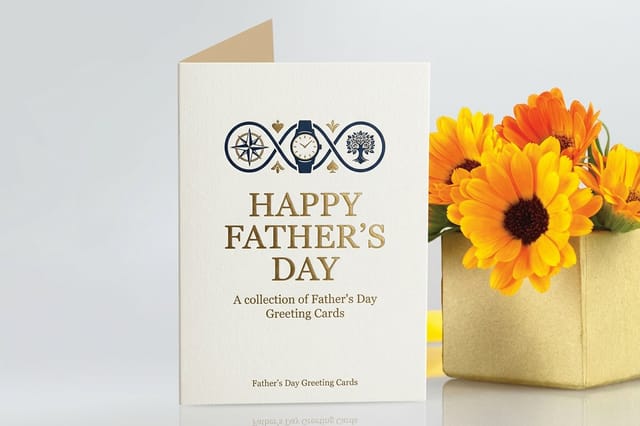
| Greeting Cards | Folded, heavy card stock | $56.02 | Keepsake invitations and announcements |
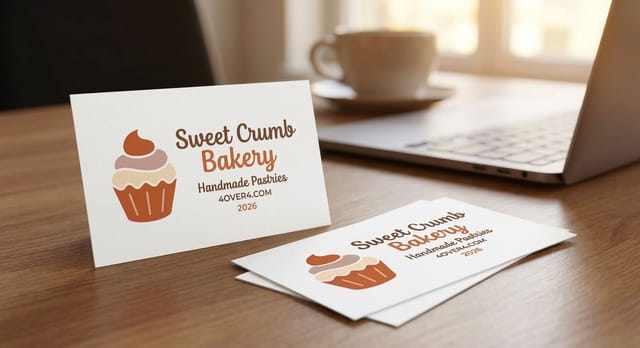
| Standard Business Cards | Flat, 3.5 by 2 inches | $17.57 | Pocket sized invites, RSVP reminders and inserts |
Read the table against the cutoff rather than against the design. The flat rows are the shortest path through the shift. The folded rows are usually fine when the order lands early in the day. Anything that needs foil, a raised finish or a custom shape drops out of the same day lane no matter which row it sits in, and every price above moves with size, stock and quantity in the configurator. Flat against folded on the design side is argued out in our folded vs flat invitations guide.
What same day invitation printing costs and how the price is built
Rush pricing is not a mystery, it is the standard price of the job plus a premium for jumping the schedule. The base is built from quantity, trim size, paper weight, whether you print one or two sides, and the finish. Rush adds a layer on top of that, because your job displaces other work on today shift.
The strongest lever you control is quantity. Setup cost is spread across the run, so fifty invitations cost far more per card than five hundred. If you are close to a break point, printing a few more is often nearly free per unit and saves you from a second rush order later when a forgotten branch of the family appears.
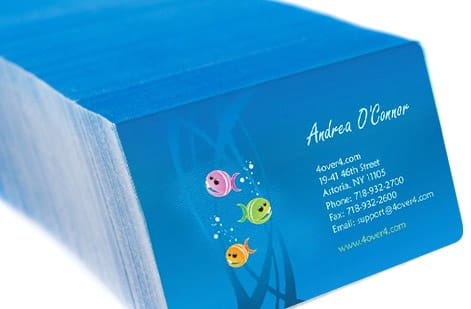
For real numbers, our same day business cards start at $17.57, printed bookmarks start at $16.48, and heavier printed greeting cards on card stock start at $56.02. Live pricing updates as you choose size, stock, and quantity, so you can see the cost of every trade off before you commit rather than after. If your timeline is not truly same day, stepping down one tier in the rush options ladder is the easiest saving available. The same day business cards video gives a close look at the card stock before you order.
Getting the cards into hands, not just off the press
This is the step that catches people. A printer can honestly say your invitations were printed today while the box still sits with a carrier overnight. Printing and arriving are two different clocks, and only one of them belongs to the press.
If the cards must be in hand tonight, local pickup or a same day courier is the only reliable answer, which is why proximity to a production city matters. If tomorrow morning works, an overnight carrier is straightforward and far cheaper than a courier. If you have two or three days, standard ground is fine and the rush premium was probably unnecessary in the first place.
Address the shipment to a person who will actually be there to receive it, not to a closed office or an event venue that does not accept deliveries. For jobs tied to a specific city, our pages for Miami and Austin outline how local production and handoff work in each market.
When same day is not possible, print something that still works
Sometimes the answer is no. The cutoff passed, the artwork needs foil, or the guest count changed at seven in the evening. That is not the end of the invitation, it is a change of format, and a good change of format is invisible to the guest.
A flat single sided card on standard stock prints faster than a folded one and looks entirely deliberate. A slim insert card carries directions, parking, or an RSVP link without touching the main design. A simple printed enclosure can go out today while the fancier folded card follows for the guests who need a keepsake.
The point is to protect the information first and the object second. Guests need the date, the time, the place, and how to reply. Everything else is craft, and craft can arrive on a second wave once the schedule breathes again.
The rush invitation checklist to run before you click order

Run this list once, out loud, before the file leaves your desk. It takes about four minutes and it is the difference between a job that ships tonight and a job that ships whenever the questions are answered.
- Content. Date, weekday, start time, full address, RSVP method and deadline, all verified against a source rather than a memory.
- File. Press ready PDF, CMYK, 300 dpi, bleed on all sides, safe margin respected, fonts outlined, transparency flattened.
- Product. Standard size, standard stock, simple finish, sides and quantity confirmed with a small buffer for late additions.
- Schedule. Order placed well before the cutoff, phone alerts on for the proof, someone available to approve within minutes.
- Delivery. Pickup, courier, or overnight chosen deliberately, shipped to a person who will be there to sign for it.
When all five lines are true, same day invitation printing is a routine transaction rather than a gamble. Configure your printed cards to see live pricing, and order free paper samples ahead of your next event so the stock decision is already made the next time a deadline moves.
Wally explains the same day clock
The press is fast, the paperwork is what slows you down
Wally has watched hundreds of rush invitations, and the ones that make it share the same habits. They arrive as one flat press ready PDF with bleed. They use a stock that is already on the floor. They get proofed before upload, not after. And someone is sitting by the phone ready to approve the proof in minutes. Do those four things and today really does mean today.
Print your invitation cards →
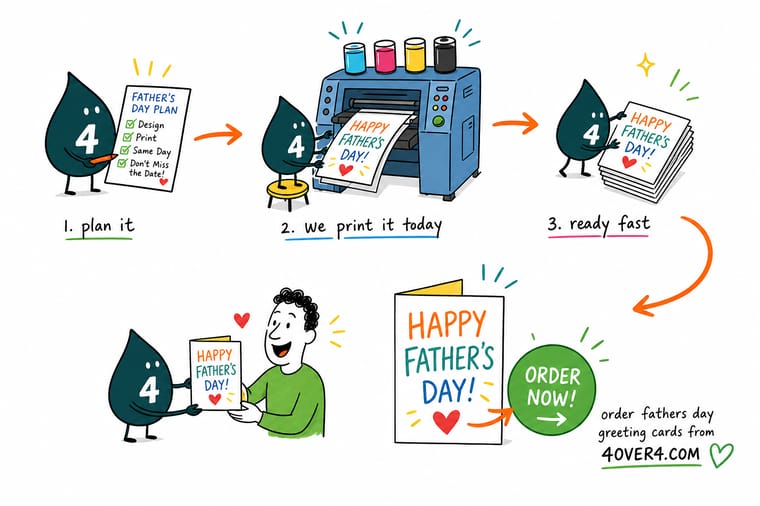
Infographic
The same day invitation run in seven moves
One frame, seven decisions. Save it, send it to whoever owns the artwork, and work it top to bottom the next time a date will not move.
No single step saves a rush job on its own. The cutoff only helps if the file is clean, and a perfect file only helps if someone approves the proof and picks the right way to move the box.
Specs and pricing
Card stock specs and live pricing
These are the specs and live prices for our printed cards on heavy stock, the closest match to a classic invitation. Pick your size, stock, and quantity to see the exact cost before you order.

| Quantity | Price Per Unit | Total |
|---|---|---|
| 50 | $1.12 | $56.02 |
| 100 | 78.0¢ | $77.99 |
| 200 | 50.0¢ | $99.95 |
| 300 | 40.6¢ | $121.92 |
| 400 | 36.0¢ | $143.89 |
| 500 | 33.2¢ | $165.86 |
| 600 | 31.9¢ | $191.12 |
| 700 | 30.9¢ | $216.38 |
Print it
Fast turnaround products for a fixed date
See it in use
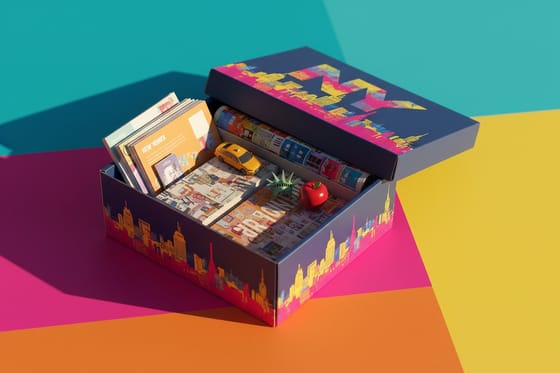
Printed cards from our own presses




Explore more
Where to go next
By the numbers
Printing you can count on when the date will not move
Common Questions
Common questions about same day invitation printing
How to get invitations printed quickly?
Send a press ready PDF, pick a standard size on a stock the press already runs, and place the order hours before the daily cutoff rather than minutes. Approve the digital proof the moment it arrives, then choose pickup, courier or overnight at checkout so the transit does not undo the fast print. A flat card on 14pt or 16pt stock is the quickest format, and Invitation Cards start at $19.77.
How much to print 100 invitations?
A hundred is a small run, so setup is spread over few cards and the per piece price is at its highest. Invitation Cards start at $19.77 and Folded Invitations at $38.22 before size, stock, printed sides and rush production move the total, and the configurator shows the live number for 100 as you set those. If you are near a quantity break, printing a few more often costs almost nothing per unit and saves a second rush order later.
Where can I print invitations for free?
Nowhere prints and ships cards for free, since paper, ink and press time are real costs. What you can get free is the design side: free templates, an online designer, a digital proof before anything prints, and free paper samples so the stock decision is made before the next deadline. Design for free, then pay only for the run, and order the samples now so a rush order later starts with the stock already chosen.
What is same day invitation printing?
Same day invitation printing means your approved file is printed, cut, and finished on the same business day the order is placed, instead of entering a standard multi day production queue. The order still has to clear the daily cutoff, the artwork still has to pass preflight, and finishing has to be simple enough to run without extra drying or hand work. What arrives at your door the same day depends on the delivery method you choose at checkout, not on the press.
How do I choose the right same day invitation printing option?
Start from the deadline and work backwards. If people need the invitation in hand tonight, choose a flat single sided card on a stock the press runs daily and arrange local pickup or courier. If you have until tomorrow evening, a folded card with a matte finish is comfortably reachable. Match the format to the schedule first, then add the design details that still fit inside it. Anything requiring foil, embossing, or a custom die belongs to a longer plan.
What does same day invitation printing cost and how are prices set?
Price is driven by quantity, size, paper weight, printed sides, and finish, and rush production adds a scheduling premium on top of that base. Small runs cost more per piece because setup is spread across fewer cards. As a reference point on our fastest turnaround products, same day business cards start at $17.57 and printed cards on heavier stock start at $56.02, with live pricing shown as soon as you pick your options.
What sizes, stocks, and finishes are available for same day invitation printing?
The reliable same day set is the standard invitation and card sizes on 14pt and 16pt card stock, with gloss, matte, or uncoated finishes, printed one or two sides. Uncoated stock is the safest choice when guests will write on the card or when you plan to hand address envelopes, because ink and pen both take to it immediately. Specialty options such as soft touch lamination, spot gloss, or shaped edges are worth the wait but rarely fit a same day window.
How long does same day invitation printing take to print and ship?
Production is measured in hours once the file is approved, and most same day jobs come off the floor within the same business day. Shipping is the variable. Local pickup and courier can put cards in your hands the same evening, an overnight carrier lands the next morning, and ground service takes the normal transit time for your region. Choose the delivery method before you place the order so the transit clock does not undo the fast print.
What file format should I send for a rush invitation job?
Send a print ready PDF at 300 dpi in CMYK with an eighth inch bleed on every edge and all fonts outlined or embedded. Keep live text and logos at least an eighth inch inside the trim line so nothing is lost when the stack is cut. Flatten transparency, remove crop marks you added by hand, and name the file clearly. A clean PDF is approved in minutes, while a layered native file often needs a conversation you do not have time for.
Can I proofread and still make the cutoff?
Yes, if you proof before you upload rather than after. Read the date, the day of the week, the start time, the venue address, and the RSVP contact out loud, and have a second person check them against the source. Those five items cause almost every reprint we see on invitations. Once the file is uploaded, treat the digital proof as a final check for trim and color rather than an opportunity to rewrite copy.
Get Started
Your date is fixed, so let us print today
Upload a press ready file, pick a standard card stock, and put your invitations on the press before the cutoff. Live pricing, real proofs, and printing handled in house.
Legal Disclaimer
Gold Standard guarantees apply to all standard orders placed through 4over4.com. Price match requires verifiable proof of a competitor's published price for an equivalent product with matching specifications and turnaround time. Satisfaction guarantee covers manufacturing defects and print quality issues. Contact support with order number and documentation.
