
Matte vs Glossy Business Cards


Matte reads calm and premium and takes a pen, glossy pops with color and shrugs off scuffs. Readability, durability, and the impression left behind are where the two diverge.
Matte and glossy business cards differ in one thing: how the coating handles light. Matte absorbs it for a soft, non-reflective, write-on surface that suits text and dark, understated brands. Glossy reflects it for saturated color and sharp photos, with a tougher shield against scuffs and moisture. Pick matte for note-taking and minimal designs, glossy for photography and bold color, or combine both with spot UV.
Quick tips
Quick tips for choosing your finish
Choose matte for calm, premium branding you can write on and glossy for bright, photo-driven cards that grab attention. The price gap between the two is minimal at 4OVER4.COM, so let your design and how you hand out cards decide. Want both? Spot UV puts a glossy, raised accent on a matte card. Order a small sample batch of each finish before a big run, because a screen cannot show you how a card feels in the hand.
| Matte | Glossy | |
|---|---|---|
| Look | Flat and non-reflective, so dark backgrounds and fine type stay readable under overhead light | Bright and reflective, so photos and saturated color look sharp |
| Feel | Velvety, almost powdery, the kind of surface people rub a thumb across | Slick, cool and smooth, polished and precise |
| Color pop | Colors read softer and photos lose some vibrancy | Preserves detail and color accuracy, the pick for full-bleed photography |
| Durability | Shows fingerprints and smudges, especially on dark colors, and holds up well on 32pt stock | The coating shields against fingerprints, minor scuffs and moisture, with a clear edge outdoors |
| Writability | Ballpoint ink dries almost instantly, so you can write on the card in the meeting | Ink smears, beads up and takes forever to dry |
| Cost | Minimal difference at 4OVER4.COM, soft-touch lamination costs slightly more | Minimal difference at 4OVER4.COM, paper weight moves the price, not the coating |
| Best for | Law firms, financial advisors, photographers, therapists, consultants who take notes on the card, minimalist identities | Photo-driven and bright-color designs, and cards that live in a pocket or a wallet |
Why the finish on your business card matters more than you think
A business card's finish changes how people perceive your brand before they even read your name. Matte feels understated and premium. Glossy feels bold and energetic. Picking the wrong one sends mixed signals, and that is a problem when first impressions happen in seconds.
This matte vs glossy business cards guide breaks down every angle: durability, print quality, readability, cost, and real-world use cases. 4OVER4.COM has printed over 10 billion cards across both finishes, so the advice here comes from actual production data, not guesswork. A real estate agent working open houses and a designer building a personal brand need different answers, and both are below.
Need help with other print projects? See our guides on how to clean rubber stamps and how to fold a brochure. And if you want to design your card right now, the online designer makes it simple to preview both matte and glossy finishes before you commit.
What makes a finish matte or glossy
Both finishes start with the same base card stock. The difference is the coating applied after printing. A glossy finish uses a thick, reflective laminate or UV coating that creates a mirror-like sheen. A matte finish uses a thinner, non-reflective coating that absorbs light instead of bouncing it back. That single distinction, reflective versus non-reflective, changes everything about how your card looks, feels, and performs.
Glossy coatings sit on top of the ink, which makes colors appear more saturated and photographs look sharper. Matte coatings let the texture of the paper come through, giving cards a softer, more tactile quality. Neither is objectively better. They are tools for different jobs.
How each finish affects color and print quality
If your business card features a photograph, detailed illustration, or bright brand colors, glossy is your friend. The reflective surface amplifies color contrast and makes images look crisp. Think of the difference between a magazine cover and a literary novel's dust jacket. Same printing technology, completely different visual impact.
Matte cards handle text and minimalist designs beautifully. Black text on a matte card looks clean and sharp without any glare. Darker color palettes such as navy, charcoal, and forest green tend to look richer on matte because there is no surface reflection competing with the ink. If your brand leans toward muted, earthy, or monochromatic tones, matte represents those colors more faithfully across varied lighting conditions.
Durability: which finish holds up better?
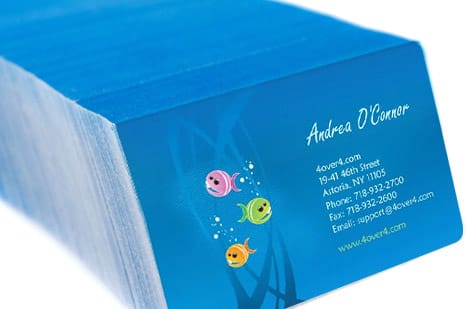
Glossy cards win on pure durability. That extra coating acts like a shield against fingerprints, minor scuffs, and moisture.
| Wear | Matte | Glossy |
|---|---|---|
| Fingerprints | Shows them more easily, especially on darker colors | Shielded by the coating and wipes clean |
| Scuffs and scratches | Slightly more prone to surface scratches | The coating takes the abrasion |
| Moisture | Less resistant, the weak spot in humid or outdoor use | Clear edge, the coating sheds it |
| Pocket, wallet and console wear | Holds up well on heavier stock like 32pt | Handles the abuse better |
If your cards live in a pocket, wallet, or car console, glossy handles the abuse better. Matte cards on heavier stock like 32pt still hold up well, because the thickness compensates for the thinner coating. The real-world difference in durability is small for most people, unless you are handing out cards in humid or outdoor environments, where glossy has a clear edge.
Writability: can you write on each finish?
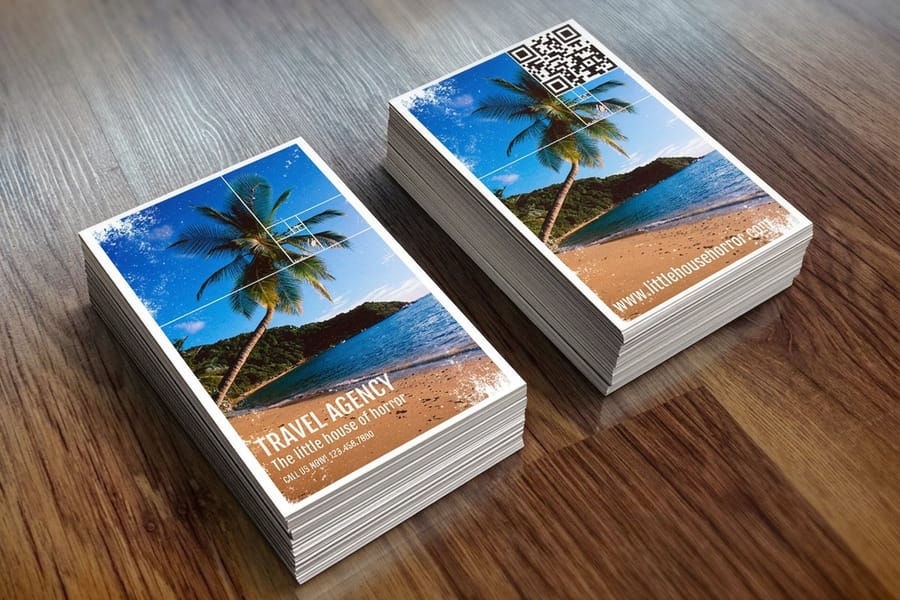
This is where matte dominates. You can write on a matte business card with a ballpoint pen, and the ink dries almost instantly.
| Pen | Matte | Glossy |
|---|---|---|
| Ballpoint | Writes clean and dries almost instantly | Skips, then smears when the card is handled |
| Gel pen | Writes well, give it a second to set | Beads on the surface and smudges under a thumb |
| Permanent marker | Bites into the surface and stays put | Sits on top of the coating and rubs off |
| Pencil | Marks readably against the softer surface | Barely registers on the slick coating |
That makes matte cards ideal for professionals who jot down appointment times, personal cell numbers, or follow-up notes during meetings. Glossy cards are a different story. Ink smears, beads up, and takes forever to dry on that slick surface. If you ever need to personalize a card on the spot, glossy is a frustrating choice. Salespeople, consultants, and anyone in a client-facing role where spontaneous note-taking happens should seriously consider matte for this reason alone.
Feel and texture: the tactile experience
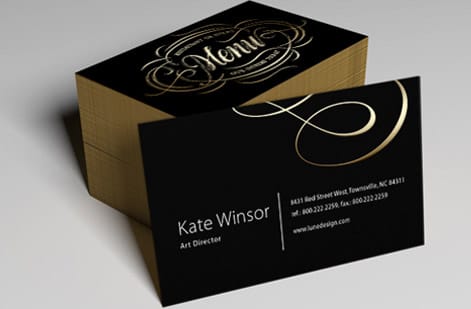
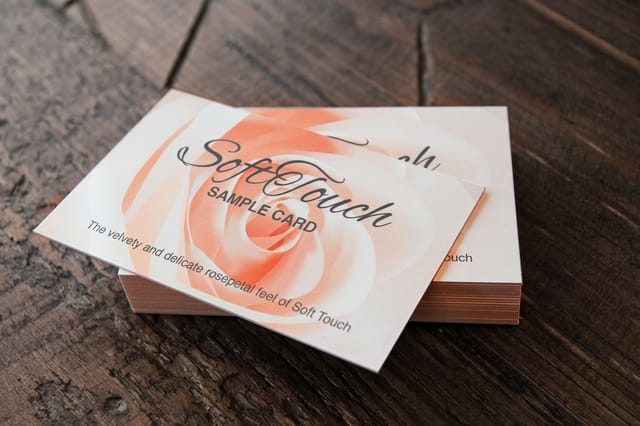
Hand someone a matte card and they will rub their thumb across it. It is instinctive. Matte finishes have a velvety, almost powdery softness that invites touch. That tactile engagement creates a stronger memory anchor, because people remember how something felt long after they forget what it looked like.
Glossy cards feel slick and cool. They are satisfying in a different way, polished, precise, and clean. The smooth surface signals energy and modernity. Neither texture is more professional. A luxury spa and a tech startup both look professional, but their textures should be different. Visit the guide hub for deeper dives into paper types, textures, and specialty finishes that pair with both coatings.
Cost comparison: matte vs glossy business cards
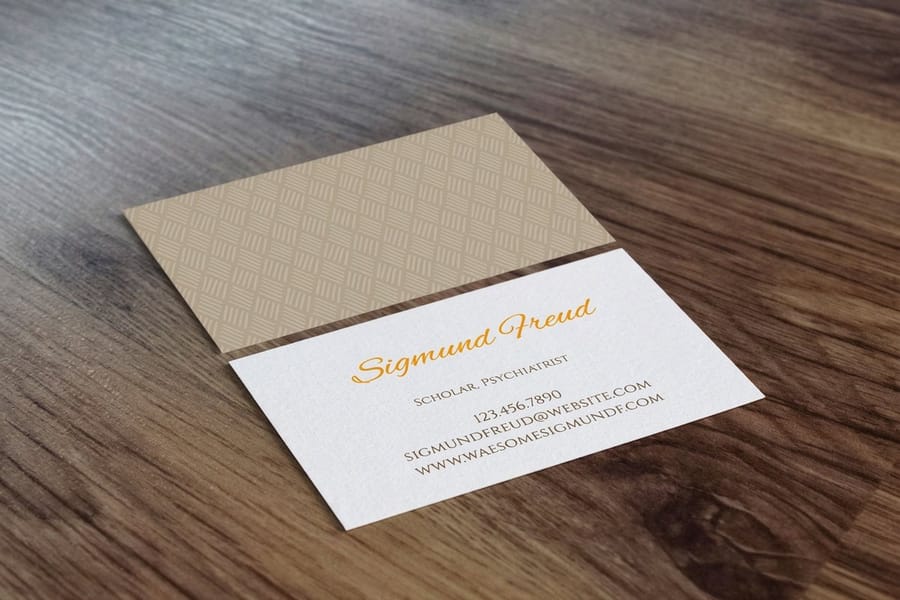
Here is the good news: the price difference between matte and glossy finishes is minimal at 4OVER4.COM. Both options are available across standard and premium paper stocks without a big upcharge.
| Finish | What it costs at 4OVER4.COM | What actually moves the price |
|---|---|---|
| Matte coating | No big upcharge, offered across standard and premium stocks | Paper weight, and the 32pt stock that suits matte best |
| Glossy coating | No big upcharge, offered across standard and premium stocks | Paper weight and quantity, not the coating |
| Soft-touch matte lamination | Slightly more than a standard matte coating | The lamination itself, and the tactile difference is dramatic |
| Spot UV over matte | A premium option that combines both finishes | The extra pass, and how much of the card you cover |
The real cost variable is the paper weight and any specialty treatments you add, like spot UV, foil stamping, or soft-touch lamination. Spot UV, where you apply a glossy coating to specific areas of an otherwise matte card, is popular for logos, names, or design elements you want to highlight.
Best use cases for matte business cards
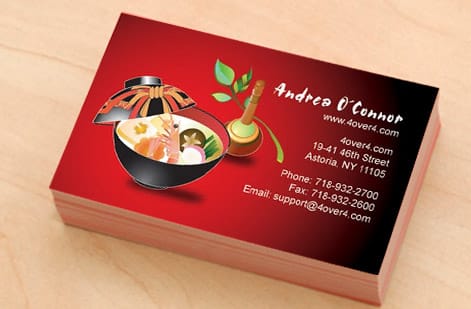
Matte works best when your brand communicates sophistication, calm, or understated authority. Here are specific scenarios where it shines.
- Law firms and financial advisors. The non-reflective surface conveys trust and seriousness. Pair it with 32pt stock for a hefty, confident card.
- Photographers and artists. Matte prevents glare, so gallery-style portfolios on the card look intentional, not washed out.
- Therapists and wellness professionals. Soft textures align with calming brand identities and make a matte card feel approachable.
- Consultants who take meeting notes. Write appointment details directly on the card with no smearing.
- Minimalist brand identities. Clean typography and simple layouts shine on matte without visual noise from reflections.
If you are coordinating other printed materials to match your matte cards, our guide on how to make envelopes covers pulling a full stationery suite together.
Best use cases for glossy business cards
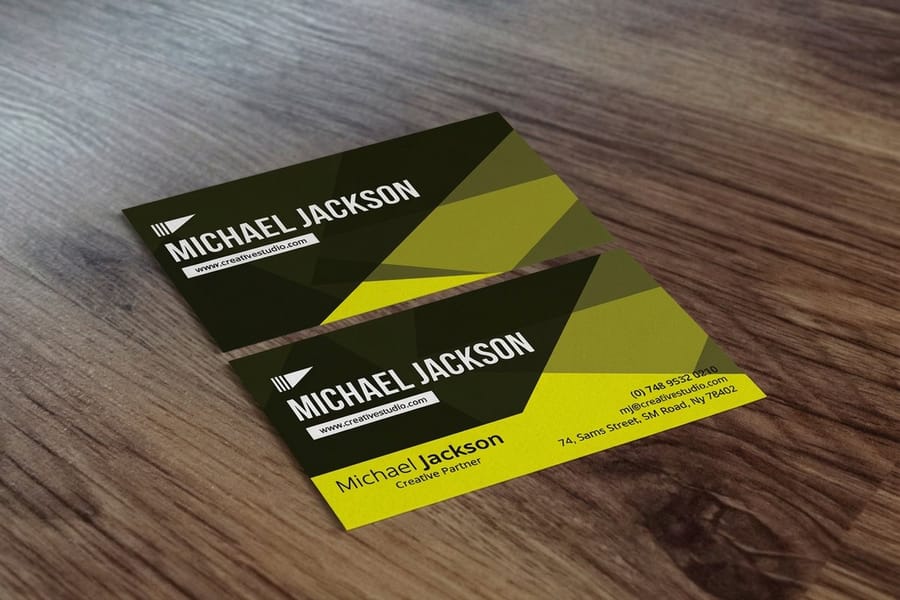
Glossy is the right call when your brand is bright, visual, or high-energy. These are the situations where a reflective finish earns its keep.
- Real estate agents. Property photos pop on glossy. Hand these out at open houses and the images do the selling.
- Restaurant and food industry. Food photography needs that color saturation, and a glossy card with a hero dish looks appetizing.
- Event planners and entertainers. Bold colors and active layouts match the energy of events and performances.
- Retail and e-commerce brands. Product images look sharper and more appealing on a reflective surface.
- Startups with colorful branding. If your logo uses bright gradients or neon tones, glossy makes those colors sing.
Need to create matching promotional materials? Learn how to make flyers that complement your glossy business card design.
The hybrid option: spot UV and mixed finishes
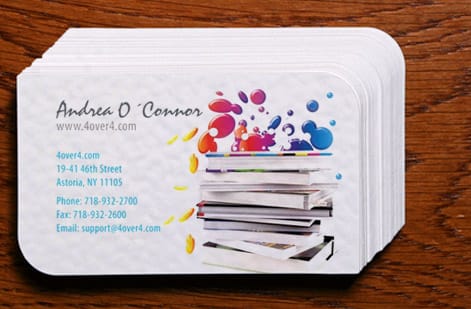
You do not have to choose one finish for the entire card. Spot UV applies a glossy, raised coating to specific design elements, your logo, your name, or a graphic accent, while the rest of the card stays matte. It creates a contrast you can both see and feel.
This combination gives you the tactile appeal of matte with the visual punch of glossy, right where it counts. It is a premium touch that costs a bit more, but the impression it makes is worth it. People notice spot UV immediately and run their fingers over the raised areas. You order it as one card: a matte laminated base, then a gloss UV pass over only the artwork you flag, which is why the file needs a separate layer marking exactly what gets the shine. The same logic covers a soft-touch base with a foil or metallic accent, matte everywhere and one element catching the light. Ask for it when you order your business cards. For other creative card options, our guide on custom magnets shows another way to be remembered.
How to decide: a quick framework
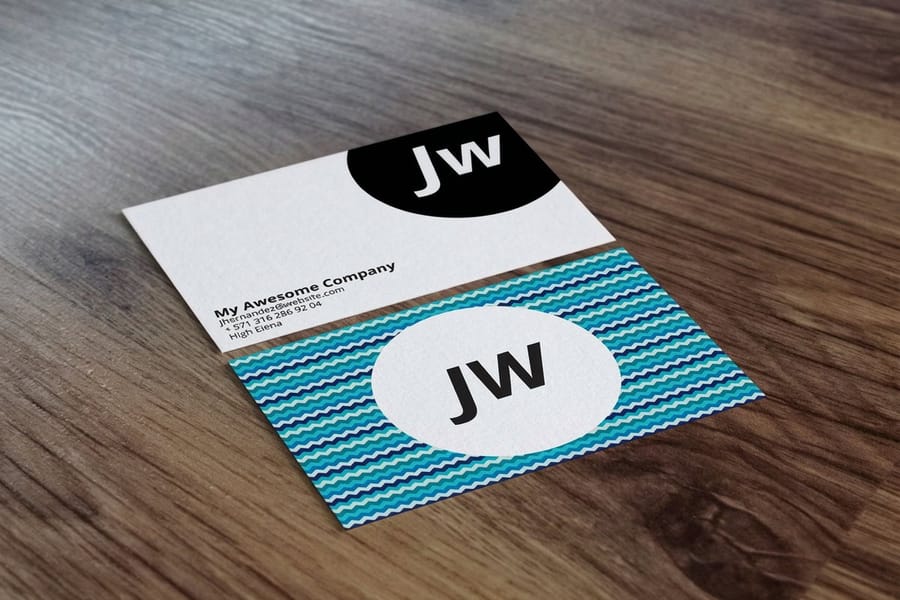
Ask yourself three questions before picking a finish for your business cards.
- Does your design rely on photography or bright colors? If yes, lean glossy.
- Will you or your team write on the cards? If yes, go matte.
- What emotion should your card trigger? Calm and premium points to matte. Bold and energetic points to glossy.
If you are still torn, order a small batch of each. 4OVER4.COM makes it easy to test both finishes without committing to a massive print run. See the difference in person, because screens cannot replicate how a finish actually feels in your hand. Order a free sample pack and hold a matte card and a glossy card side by side before you print a full run. You can even start from a ready-made 3D lenticular template or a striking black business card template to preview both looks.
Mistakes that ruin your matte or glossy business cards
Even after reading a full matte vs glossy comparison, people still make avoidable errors. Here are the most common ones the 4OVER4.COM production team sees, so you can skip them.
- Choosing glossy for dark, text-heavy designs. Glare makes dark cards hard to read under overhead lighting, and matte handles dark backgrounds much better.
- Picking matte for full-bleed photography. Photos lose vibrancy on matte. If the image is the centerpiece, glossy preserves detail and color accuracy.
- Ignoring paper weight. A thin matte card feels flimsy. Pair matte with at least 16pt stock, about the thickness of a credit card, so it carries some weight.
- Not ordering samples first. Your monitor lies. Colors shift between screen and print, and finishes look completely different in person, so always proof before a large order.
- Using the same finish for front and back. Consider matte on the back for writability and glossy on the front for visual impact. Mixed finishes are an option at 4OVER4.COM.
Whichever finish you choose, you can order sustainable stock through green printing or rush a last-minute run with same day printing. Both matte and glossy are available across 60+ paper types.
Wally explains matte vs glossy
One card, two personalities, pick the light
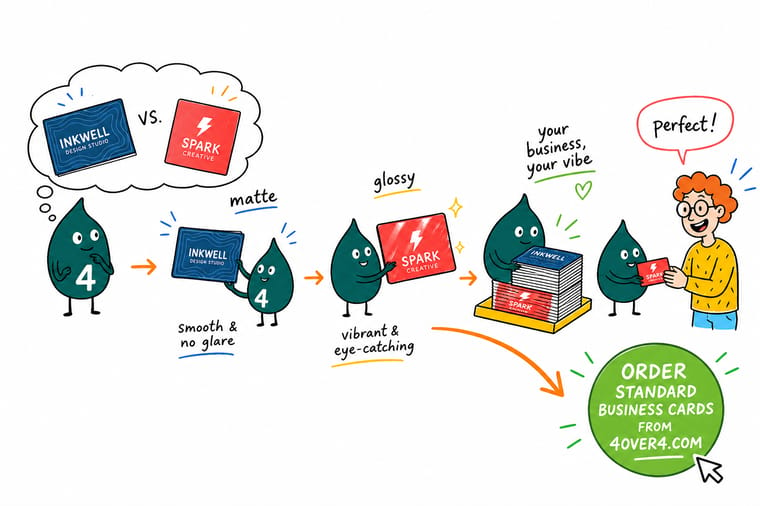
Wally holds both finishes up to the light: matte drinks it in for a soft, write-on surface that flatters dark, minimal designs, while glossy bounces it back for punchy color and photo-sharp detail. Neither wins outright. Match the finish to your brand and how you hand out cards, and when you want both at once, spot UV lays a glossy accent over a matte card. Print either one on your choice of 60+ stocks at 4OVER4.
Order business cards →Specs and pricing
Standard business card specs and pricing
Once you have picked a finish, here is what a made-to-order standard business card gives you at 4OVER4.COM, with live specs and price-per-unit straight from the configurator. Both matte and glossy coatings are available on the same stocks.
| Quantity | Price Per Unit | Total |
|---|---|---|
| 100 | 17.6¢ | $17.57 |
| 200 | 11.5¢ | $23.07 |
| 300 | 9.15¢ | $27.46 |
| 400 | 7.96¢ | $31.86 |
| 500 | 7.25¢ | $36.26 |
| 600 | 6.77¢ | $40.64 |
| 700 | 6.43¢ | $45.04 |
| 800 | 6.18¢ | $49.43 |
Print it
Order matte, glossy, and soft-touch business cards

See it in use
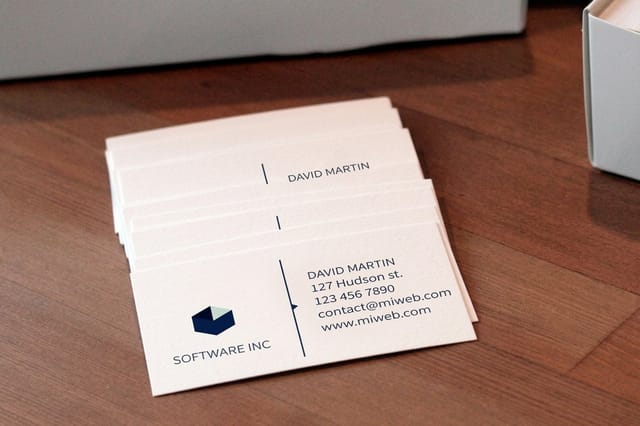
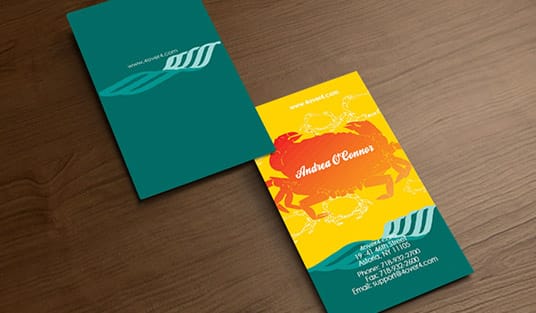
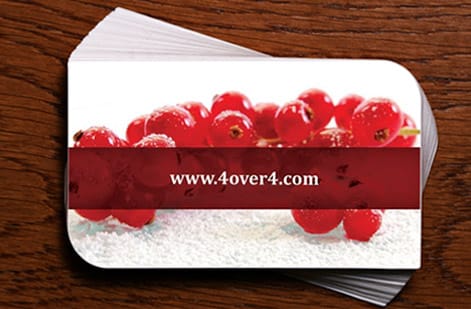
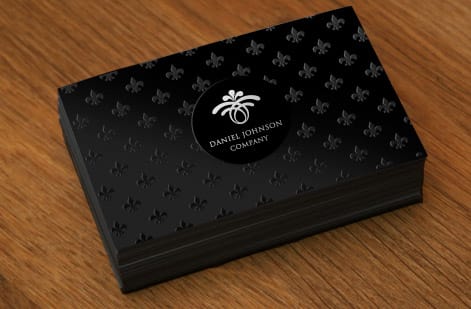
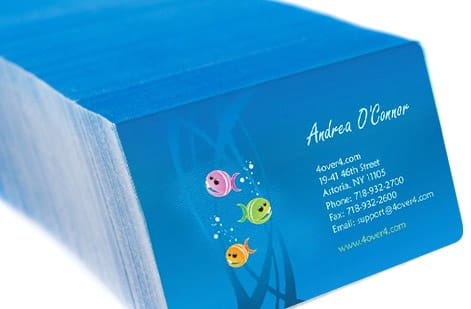
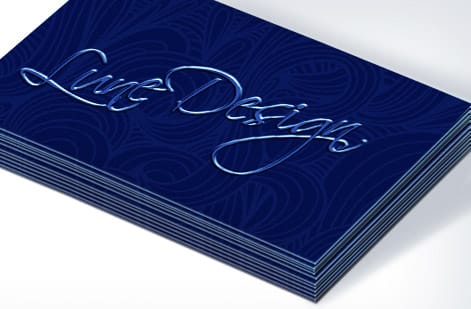
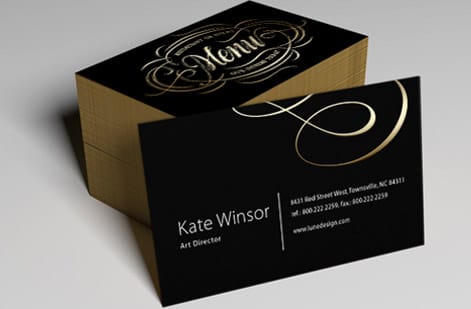
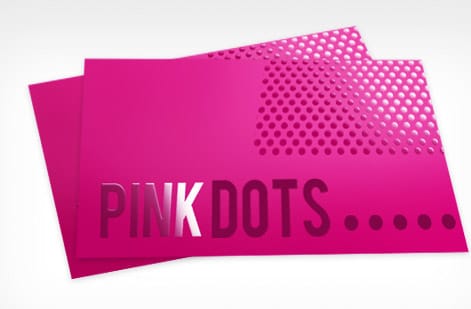
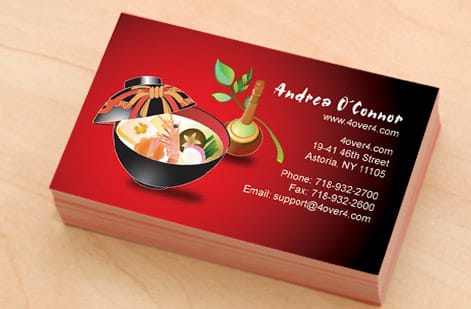
Matte and glossy cards from customer orders
Explore more
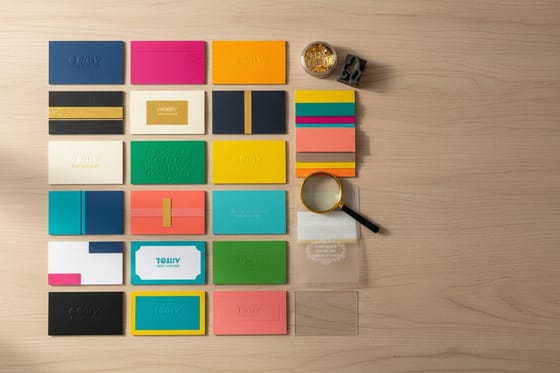
Where to go next


By the numbers
The lamination line behind these cards
Common Questions
Your matte vs glossy business card questions, answered
Should I choose matte or glossy business cards for networking events?
It depends on your industry. Glossy cards suit fast-paced, visual fields like real estate or hospitality because the colors pop. Matte cards work better for finance, law, or consulting where a refined, understated look builds trust. If you plan to write your cell number on cards during conversations, matte is the only practical choice because ink smears on glossy surfaces.
Can I get both matte and glossy finishes on the same business card?
Yes. Spot UV coating applies a glossy, raised finish to specific areas, like your logo or name, while the rest of the card stays matte. This hybrid approach gives you the best of both finishes. 4OVER4.COM offers spot UV across multiple paper stocks, so you can combine textures without ordering two separate batches.
Do matte business cards cost more than glossy?
Standard matte and glossy finishes are priced similarly at 4OVER4.COM. The cost difference is negligible for most orders. Premium options like soft-touch matte lamination or spot UV do add to the price, but standard matte and glossy coatings will not change your per-card cost in any meaningful way.
Which finish is better for business cards with photographs?
Glossy. The reflective coating amplifies color saturation and sharpness, making photos look vivid and detailed. Matte coatings absorb light, which can make photographs appear slightly muted. If your card features a headshot, product image, or property photo, glossy preserves the visual quality you want.
Are matte business cards less durable than glossy?
Slightly. Glossy coatings create a thicker protective layer that resists fingerprints, moisture, and minor scuffs better than matte. That said, matte cards on heavier stock like 32pt are still plenty durable for everyday use. The durability gap only becomes noticeable in high-humidity environments or when cards are handled frequently without protection.
What paper weight works best with matte finish business cards?
Go with at least 16pt card stock for matte business cards. Thinner stocks feel flimsy without the structural reinforcement that a thick glossy coating provides. For a truly premium matte card, 32pt stock, about three times the thickness of a standard card, creates that hefty, luxurious feel that makes people pause and pay attention.
Get Started
Order 50 soft-touch business cards from $40.28
Pick matte or glossy, drop in your design, and we print sharp, durable cards on your choice of 60+ paper stocks.
Legal Disclaimer
Gold Standard guarantees apply to all standard orders placed through 4over4.com. Price match requires verifiable proof of a competitor's published price for an equivalent product with matching specifications and turnaround time. Satisfaction guarantee covers manufacturing defects and print quality issues. Contact support with order number and documentation. On-time delivery rate based on tracked orders 1999 to 2026. Individual results may vary based on shipping carrier performance.
