
Poster Board Sizes Explained From Presentation Boards to Rigid Signs


Poster boards and printed posters each have their own standard sizes. Here is the full US size chart, when to mount a print into a rigid board, and how to set up the file.
Standard poster board sizes are 22 by 28, 28 by 44, and 20 by 30 inches for rigid presentation boards. Printed paper posters use 18 by 24, 24 by 36, and 27 by 40 inches. Mount a poster on foam core to make it a rigid board, match the size to the viewing distance, and design at full size in CMYK with bleed at 150 to 300 DPI.

Start here
Poster board sizes in one paragraph
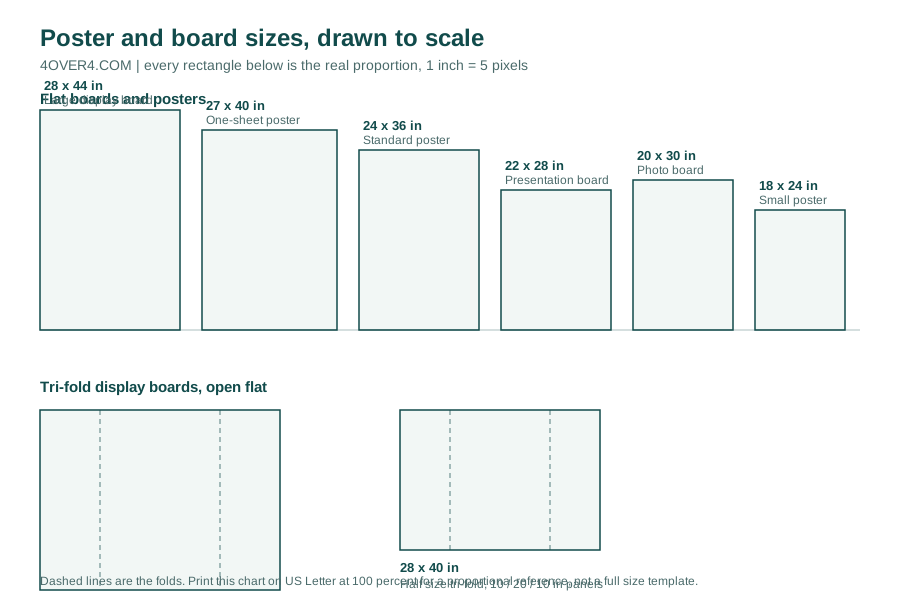
Rigid poster boards standardize at 22 by 28, 28 by 44, and 20 by 30 inches; printed posters at 18 by 24, 24 by 36, and 27 by 40. Mount a poster on foam core to make it a self-supporting board, size it to the viewing distance, and design at full size in CMYK with bleed at 150 to 300 DPI. The chart below lays out the standard sizes side by side.
Watch it printed
See standard posters on the press, in 145 seconds
The standard poster board sizes
When people say poster board, they usually mean a rigid presentation board, and those cluster around a handful of US standards. The classic is 22 by 28 inches, the familiar school and office presentation board that fits most easels and stands.
For bigger displays there is 28 by 44 inches, a board large enough to command a trade show booth or a room. At the compact end, 20 by 30 inches suits enlarged photos and smaller signage. Sticking to one of these keeps display hardware, easels, and frames easy to source.
You can print any of these as a rigid foam core board or as a poster you mount later. If your board will stand on its own, a rigid substrate is the way to go, which our guide on foam board sizes and shapes covers in depth.
Tri-fold poster board sizes

A tri-fold is a flat board scored twice so the two outer wings fold in. The standard is 36 by 48 inches open, meaning 48 inches wide and 36 inches tall, and it folds down to 24 by 36 for carrying. The panels are not equal: the center runs 24 inches and each wing runs 12 inches, so the wings meet in the middle when closed.
The half size is 28 by 40 inches open, with a 20 inch center and 10 inch wings. It fits a shared table where the full size board would crowd out a neighbor, and it still holds a readable layout if you keep the body text above 24pt.
Plan the content per panel, not across the whole board. Type that crosses a fold line breaks visually the moment the board is stood up, and a photo spanning the center and a wing will never sit flat. Left wing for the setup, center for the main result, right wing for the conclusion is the layout that reads from six feet away.
School science fairs almost always ask for the 36 by 48 inch board, and most set a maximum table footprint on top of that. Read the rules sheet before you buy, because a fair that caps the depth will turn away a board that is otherwise the right size. If you would rather have one rigid piece than a folding one, print the same artwork on a foam core board and stand it on an easel.
Printed poster sizes are a different set

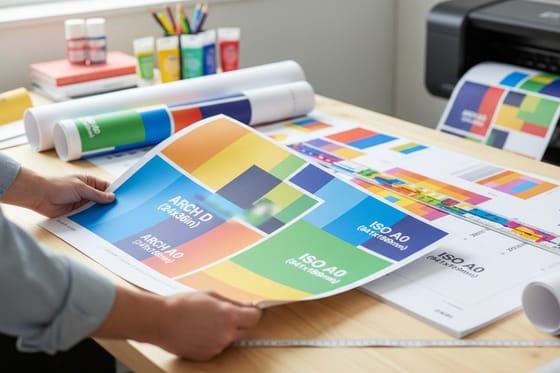
Printed paper posters are their own product with their own standard sizes, distinct from rigid presentation boards. The most widely used are 18 by 24, 24 by 36, and 27 by 40 inches, the last being the classic movie-poster size.
These sizes exist because they fit off-the-shelf frames and standard display fixtures, so a 24 by 36 poster drops straight into a common frame without custom cutting. If you are printing art, event promotion, or retail signage that will be framed or hung, start from one of these.
For the full rundown of printed sizes and where each fits, see our large format poster sizes guide. And when you want the print to be rigid rather than framed, mounting is the bridge, covered next.
Poster board sizes in inches and centimeters
Every size on this page is a US inch size, and the sheet trade abroad works in millimeters, so here is the same list in both. Multiply inches by 2.54 for centimeters. Rigid boards first, then printed posters, then the tri-fold.
- 22 by 28 inches, the classic presentation board, is 55.9 by 71.1 cm.
- 28 by 44 inches, the large display board, is 71.1 by 111.8 cm.
- 20 by 30 inches, the compact board and photo size, is 50.8 by 76.2 cm.
- 18 by 24 inches is 45.7 by 61 cm, 24 by 36 inches is 61 by 91.4 cm, and the 27 by 40 inch movie one-sheet is 68.6 by 101.6 cm.
- 36 by 48 inches open, the tri-fold, is 91.4 by 121.9 cm.
None of these match the international A series exactly. A1 is 59.4 by 84.1 cm, about 23.4 by 33.1 inches, which sits between a 22 by 28 board and a 24 by 36 poster. A2 is 42 by 59.4 cm, about 16.5 by 23.4 inches, a little under 18 by 24. If a brief from outside the US asks for A1 or A2, print the nearest inch size up so the artwork is not trimmed, or set a custom size in the configurator and print the metric size exactly.
Mounting turns a poster into a board

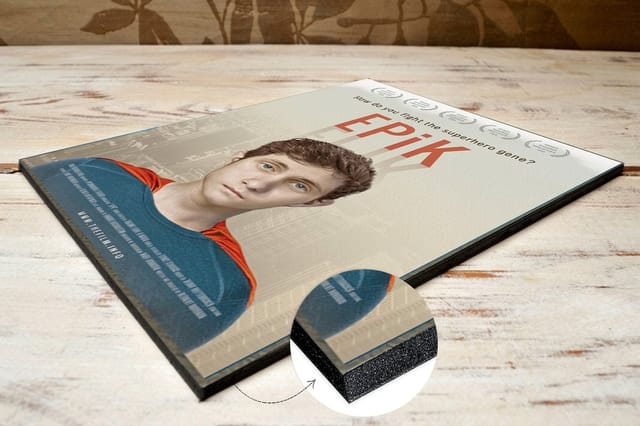
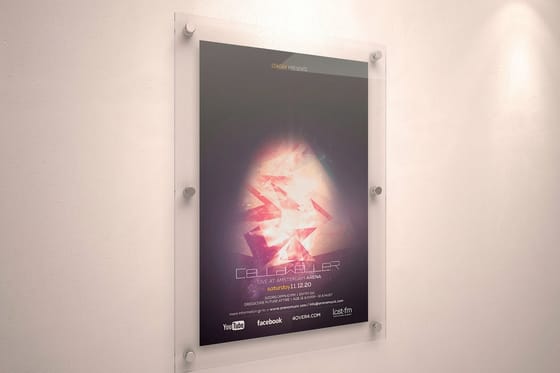
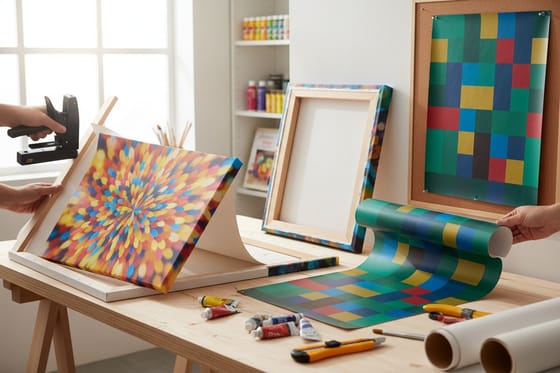
The line between a poster and a poster board is often just mounting. Take a paper poster, bond it to a rigid backing like foam core or a tougher gator board, and it becomes a self-supporting board that stands on an easel, leans on a wall, or hangs at a booth.
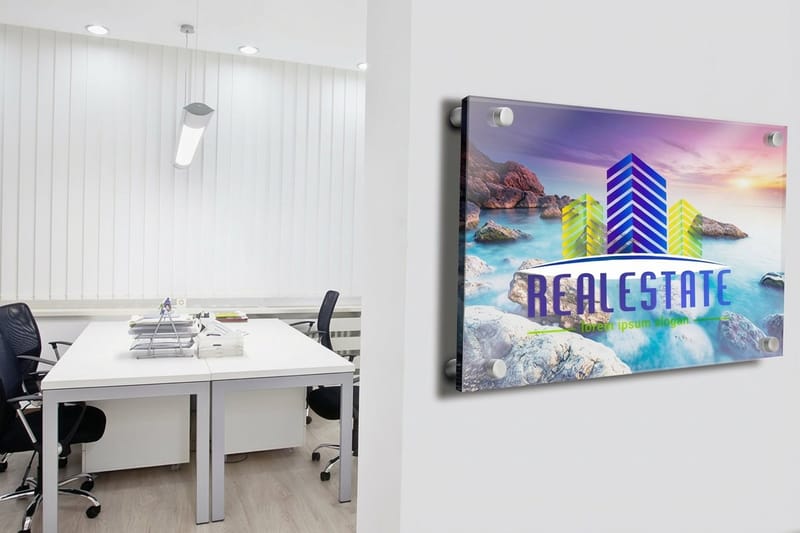
A mounted poster gives you the crisp print of paper with the rigidity of a board, which is why it is the go-to for presentations, real estate displays, and trade show signage. Foam core is light and inexpensive for short-term use; gator board is denser and more durable for signage that travels or gets handled often.
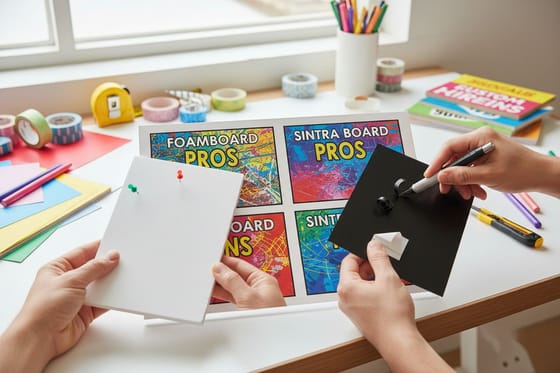
If you are weighing rigid substrates, our comparison of foam board versus sintra lays out the tradeoffs in weight, durability, and cost so you pick the right backing for the job.
Match the size to the viewing distance
The right size is really a question of how far away people stand. A piece read from across a room or a booth needs to be large, while a piece examined up close at a desk or in a frame can be compact.
As a rule of thumb, size up for rooms, stages, and trade show booths where the audience is many feet away, reaching for 24 by 36 up to 28 by 44 inches. Keep it compact, around 18 by 24 or 20 by 30 inches, for hallways, desks, and framed art where viewers are close. Getting this right means the message is legible at the distance it will actually be seen, rather than either lost or overwhelming.
Once the size fits the space, the design has to earn the scale. Our guide on how to design a poster covers hierarchy and legibility so a big board reads instantly.
Setting up a large-format file
Big pieces follow the same file rules as small print, with one relaxation. Build the file at the finished dimensions, work in CMYK, and add 0.125 inch of bleed so any background runs cleanly off the edge, keeping key text inside a safe margin.
The one difference is resolution. Because posters and boards are usually viewed from a distance, they do not always need the full 300 DPI that a business card demands. Design at 150 to 300 DPI at full size, using the higher end for framed art examined up close and the lower end for a large display board read from across a room. Always check a scaled-up photo at full size so it holds together.
Export a print-ready PDF, then use the live specs and price panel to pick your exact size, stock, and mounting. Whether you need a bare poster or a rigid board, the setup is the same until the very last choice.
Wally sizes the board to the room
Standard sizes keep frames and easels easy
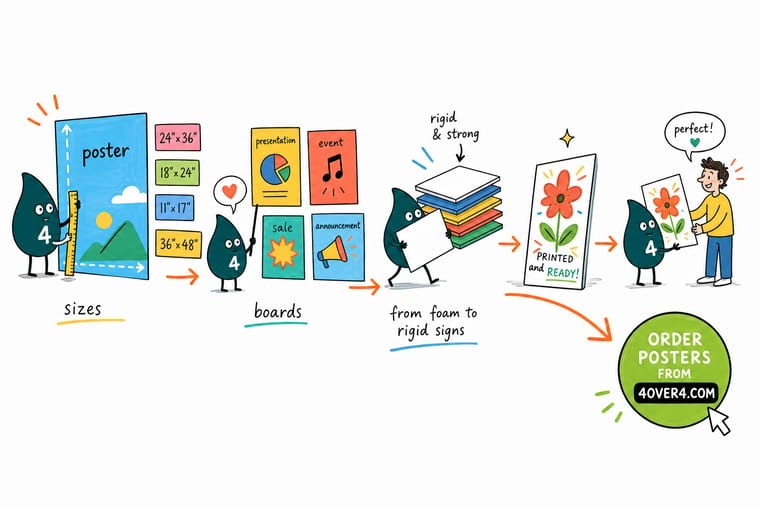
Wally reads the space first: a booth or a stage wants a big board at 24 by 36 or 28 by 44, a desk or a frame wants a compact 18 by 24 or 20 by 30. He sticks to the standard sizes so display hardware fits, mounts a paper poster on foam core when it needs to stand on its own, and designs at full size with bleed. Pick the size and 4OVER4 prints it sharp.
Order posters and boards →Quick reference
The poster and board size chart
Match the size and material to where the piece will live and how far away people stand.
| Size | Common name | Typical use | Hardware fit |
|---|---|---|---|
| 22 x 28 in | Presentation board | The classic poster board size for school and office displays. | Sits on a tabletop easel. Larger than any off the shelf frame. |
| 28 x 44 in | Large display board | A bigger board for trade shows and room-scale displays. | Needs a floor easel or a wall mount. Too tall for a table stand. |
| 20 x 30 in | Photo / small board | A compact board size that suits enlarged photos and signage. | A 20 x 30 frame is a stock size, so framing is easy. |
| 36 x 48 in open, 28 x 40 in half size | Tri-fold display board | Folds into three panels so it stands on a table without hardware. | No hardware at all. It stands on its own folds. |
| 18 x 24, 24 x 36, 27 x 40 in | Standard poster print | Common printed poster sizes that fit standard frames. | All three are stock frame sizes. 27 x 40 is the movie one-sheet. |
| Foam core or gator board | Mounting | Turns a paper poster into a rigid, self-supporting board. | Easel ready as is. Use standoffs or velcro strips for a wall. |
| 150 to 300 DPI at full size | Resolution | Large format reads fine at lower DPI viewed from a distance. | A file setting, not a size. Set it before you scale anything. |
| CMYK + 0.125 in bleed | Color and bleed | Convert from RGB and run art past the trim so edges stay clean. | A file setting, not a size. Bleed is what saves the edges. |
Step by step
Choose a poster board size in 7 steps
- Decide board or printed posterChoose a rigid poster board when it must stand on an easel or wall on its own, or a paper poster print when it will be framed or mounted separately.
- Match the size to the viewing distanceSize up for a room, a booth, or a stage where people read from across the space; keep it compact for a desk, a frame, or a hallway.
- Pick from the standard sizesFor boards, 22 by 28, 28 by 44, or 20 by 30. For prints, 18 by 24, 24 by 36, or 27 by 40. Standard sizes keep frames and easels easy.
- Choose whether to mountMount a paper poster on foam core or gator board to make it rigid and self-supporting for signage and displays.
- Design at full size with bleedBuild the file at the finished dimensions in CMYK, add 0.125 in bleed, and keep key text inside a safe margin.
- Set resolution for the scaleUse 150 to 300 DPI at full size; larger pieces viewed from a distance can print sharp at the lower end.
- Proof and orderExport a print-ready PDF, review the specs and price for your size, then order your poster or board.
Specs and pricing
Poster specs and live pricing
Once you have your size, the choices come down to stock and mounting. Here are the live specs and price-per-unit for posters at 4OVER4.COM, straight from the configurator.

| Quantity | Price Per Unit | Total |
|---|---|---|
| 50 | $2.18 | $108.75 |
| 100 | $1.64 | $163.67 |
| 200 | $1.01 | $202.11 |
| 300 | 80.2¢ | $240.55 |
| 400 | 69.7¢ | $278.99 |
| 500 | 63.5¢ | $317.44 |
| 600 | 55.8¢ | $335.02 |
| 700 | 50.4¢ | $352.59 |
Print it
Print posters and boards at 4OVER4


See it in use
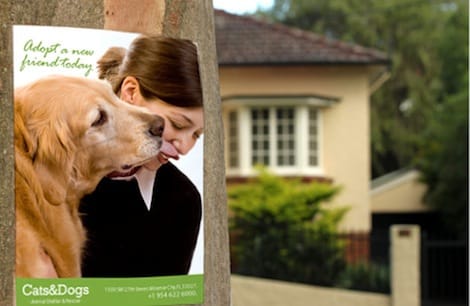
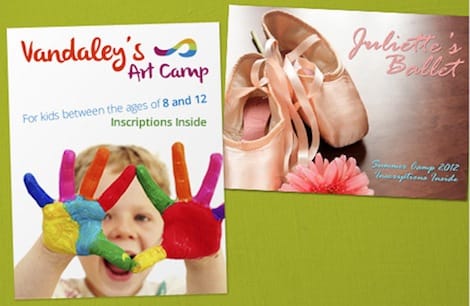
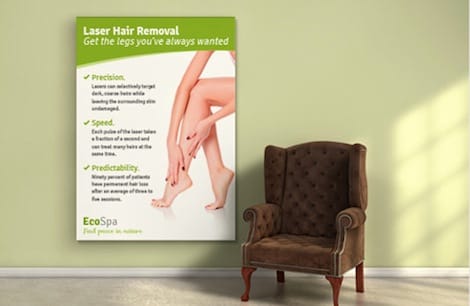
Posters we printed at board sizes





Explore more
Where to go next
By the numbers
Twenty two by twenty eight, and sixty stocks
Common Questions
Common questions about poster board sizes
Is 24x36 a standard poster size?
Yes. 24 by 36 inches is one of the three standard printed poster sizes, alongside 18 by 24 and 27 by 40, and it is the size most people mean by a large poster. It fits an off-the-shelf frame without a custom mat, and mounted on foam core it works as a rigid display board. It is not a standard poster board size, though, because rigid presentation boards run 22 by 28, 28 by 44 and 20 by 30 inches.
Is a 22x28 poster board big?
It is the classic size, not a big one. A 22 by 28 inch board is the standard school and office presentation board, and it sits comfortably on a tabletop easel. Big starts at 28 by 44 inches, which needs a floor easel or a wall mount, and the tri-fold display board at 36 by 48 inches open is larger still. For a room or a booth where people read from across the space, go up to 28 by 44 or a mounted 24 by 36 poster.
What are the standard poster board sizes?
Poster boards, the rigid presentation boards used for displays, cluster around a few US standards. The classic is 22 by 28 inches, the familiar school and office presentation board. For larger displays there is 28 by 44 inches, and for compact work or enlarged photos, 20 by 30 inches is common. Printed paper posters, which are a different product, have their own standard set: 18 by 24, 24 by 36, and 27 by 40 inches are the most widely used because they fit off-the-shelf frames. Whether you need a rigid board or a paper print, sticking to a standard size keeps framing, mounting, and display hardware simple.
How do I choose the right poster board size?
Work backward from where it will live and how far away people stand. A board for a desk, a frame, or a hallway can be compact, around 18 by 24 or 20 by 30 inches, while a board for a trade show booth, a stage backdrop, or a room-scale display should be large, 24 by 36 up to 28 by 44 inches, so it reads from across the space. Also decide whether it must stand on its own: if so, choose a rigid poster board or a paper poster mounted on foam core rather than a bare print. Match the size to the viewing distance first, then confirm it fits your frame, easel, or stand.
What does a poster or poster board cost and how are prices set?
Price scales with the size, the material, whether it is mounted, and the quantity, with larger runs lowering the unit price. A bare paper poster is the most economical, a mounted poster on foam core costs a bit more for the rigid backing, and larger boards use more material. You set the size, stock, and mounting in the configurator and the total updates live as you adjust it, so you can see exactly how going bigger or adding a rigid mount changes the number before you commit.
What sizes, stocks, and finishes are available for posters and boards?
You can order paper posters in standard sizes such as 18 by 24, 24 by 36, and 27 by 40 inches on matte, gloss, and premium photo stocks, plus custom sizes. For rigid work, foam core boards and mounted posters turn a print into a self-supporting board, and gator board offers a tougher option for repeated use. Finishes include matte and gloss coatings that change how the image reads under light. Use the live specs panel below to see the available sizes, stocks, and mounting options and how each choice affects the price.
How long do posters and boards take to print and ship?
Turnaround depends on the size, stock, mounting, and quantity, and the configurator shows the available production speeds when you build your order. A bare poster prints faster than a mounted rigid board. 4OVER4.COM ships from New York with a 99.8 percent on-time record, so to hit an event, presentation, or launch date, set your size and mounting first and pick the production speed that lands your posters in time.
What resolution should a poster file be?
Large-format pieces do not need the full 300 DPI that small print demands, because they are usually viewed from farther away. Design the file at the finished size and aim for 150 to 300 DPI: use the higher end for pieces people examine up close, like a framed art poster, and you can go lower for a big display board read from across a room. Always build in CMYK and add 0.125 inch of bleed so backgrounds run cleanly to the edge. If you are scaling up a photo, check it at full size so it holds together rather than going soft.
What size is a standard poster board?
A standard poster board is 22 by 28 inches. That is the flat rigid board sold for school and office presentations, and it fits most tabletop easels without any trimming. Two other flat sizes come up often: 28 by 44 inches for a display that has to read across a room, and 20 by 30 inches for enlarged photos, which is also a stock frame size. If someone says poster board and means the folding kind, they are talking about a tri-fold, and that is 36 by 48 inches open.
What size is a tri-fold poster board?
A standard tri-fold poster board is 36 by 48 inches open, which is 48 inches wide and 36 inches tall, folding down to 24 by 36 inches to carry. The panels are uneven on purpose: a 24 inch center with a 12 inch wing on each side, so the wings meet in the middle when it closes. The half size is 28 by 40 inches open, with a 20 inch center and 10 inch wings, and it works better on a shared table. Lay your content out one panel at a time, because anything crossing a fold line breaks visually once the board is standing.
Get Started
Ready to print a poster or board at the right size?
Pick your size, stock, and mounting at 4OVER4.COM and print a poster or rigid board built for the space it will fill. Adjust every option and watch your price update live.
Legal Disclaimer
Gold Standard guarantees apply to all standard orders placed through 4over4.com. Price match requires verifiable proof of a competitor's published price for an equivalent product with matching specifications and turnaround time. Satisfaction guarantee covers manufacturing defects and print quality issues. Contact support with order number and documentation. On-time delivery rate based on tracked orders 1999 to 2026. Individual results may vary based on shipping carrier performance.
