
Stone Paper Explained From Waterproof Pages to Eco Stocks


Stone paper is a tree-free, waterproof material made largely from ground stone. What it actually is, how it prints, and where its strengths and trade-offs lie all decide which eco-friendly stocks make sense when you want a greener print.
Stone paper is a tree-free, water-resistant sheet made mostly from calcium carbonate, ground stone powder, bound with a small amount of resin, with no wood pulp and no water used in manufacturing. It is durable, waterproof, and smooth, but it is heavier, does not take folds or heat the same way as pulp paper, and is not universally recyclable in standard streams. For most eco-minded print jobs, recycled and kraft stocks are the practical, widely available greener choice.
Definition
What stone paper is
Stone paper is a tree-free sheet made mostly from ground calcium carbonate, the same limestone mineral used in chalk, bound with a small share of high-density polyethylene (HDPE) resin. It is manufactured with no trees, no water and no bleaching stage, which is where its environmental claim comes from. Because the sheet is mineral and resin rather than cellulose fiber, it is waterproof and tear resistant: water beads off it instead of soaking in, and it resists tearing far better than pulp paper. The same structure explains the limits, since a sheet that will not absorb also will not crease cleanly, does not like prolonged heat or direct sun, and is often turned away by standard paper recycling.
Start here
Ground stone instead of pulp
Stone paper is a tree-free, waterproof sheet made mostly from ground stone bound with a little resin, durable and smooth but heavier and harder to fold, crease, and recycle than pulp paper. It shines for waterproof, rugged uses and stumbles where folding or standard recycling matter. The comparison below sets stone paper against the recycled and kraft stocks most eco-minded projects actually use.
What stone paper actually is
Stone paper is exactly what it sounds like: a paper-like material made mostly from stone. The main ingredient is calcium carbonate, a fine powder ground from stone such as limestone, blended with a small percentage of resin that binds it into flexible sheets. It contains no wood pulp, and unlike traditional papermaking, its process uses no water and no bleaching.
The result is a smooth, bright, surprisingly tough sheet that writes and prints in ways close to pulp paper but feels a little different in the hand, slightly heavier and more plastic-like. It is a genuinely clever material, and understanding it helps you judge when it is the right call and when a more familiar eco stock like kraft or recycled paper is the better fit.
Where stone paper shines

Stone paper's headline strengths are being waterproof and tear-resistant. Water beads off it, so it is compelling for pieces that face moisture: restaurant menus, outdoor maps, field notebooks, plant tags, and labels that get wet. It also resists tearing far better than pulp paper, which suits items handled hard or used outdoors.
Its manufacturing story is part of the appeal too. Using no trees and no water, and skipping the bleaching stage, addresses two of traditional paper's biggest environmental costs at the source. For a specific waterproof, rugged product, those traits can genuinely outperform a coated pulp paper, and it is worth knowing the material exists when a project truly needs water resistance rather than reaching for lamination.
The trade-offs and print limitations
Stone paper is not a universal upgrade, and the honest picture matters. It is heavier than equivalent pulp paper, which raises shipping weight and cost. It does not fold or crease cleanly the way paper does, so scored and folded pieces can crack or resist a sharp fold. It is sensitive to prolonged heat and direct sun, and its smooth surface behaves differently with some inks and coatings, so it is not a drop-in replacement for every press job.
The eco claim also deserves nuance. The resin binder is a plastic component, and stone paper is often not accepted in standard paper recycling streams, so its end-of-life is less straightforward than recycled pulp. That is why, for most everyday print projects, widely available recycled stocks deliver a clearer, simpler environmental benefit without the handling surprises.
Here is the same picture attribute by attribute, so you can see in one pass where stone paper earns its place on press and where it quietly costs you.
| Attribute | Stone paper | What it means in practice |
|---|---|---|
| Waterproofing | Waterproof, not merely water resistant | Water beads off the surface, so menus, plant tags, outdoor maps and labels survive spills and rain without a lamination step. |
| Tear strength | Resists tearing far better than pulp paper | Pieces that get handled hard, stuffed in a pocket or used outdoors come back intact instead of dog-eared and split. |
| Heat tolerance | Sensitive to prolonged heat and direct sun | Fine indoors and in the rain, poor on a sunlit windowsill or a hot dashboard for weeks at a time. |
| Ink adhesion | Smooth and non-absorbent | Ink sits on the surface instead of soaking into fiber, so some inks and coatings behave differently and the job needs a stock check before the run. |
| Folding and creasing | Cracks where paper would crease | Scored and folded pieces can crack or resist a sharp fold, so keep stone paper for flat work and send folded work to pulp stocks. |
| Recyclability | Resin binder is a plastic component | Often not accepted in standard paper recycling streams, so its end-of-life is less straightforward than recycled pulp. |
| Cost and weight | Heavier than equivalent pulp paper | Raises shipping weight and cost, which shows up most on large runs and anything you mail. |
| Print compatibility | Not a drop-in replacement | Confirm the product, stock and finish support it before you commit artwork; for routine press work recycled stocks stay predictable. |
The eco stocks that fit most print jobs
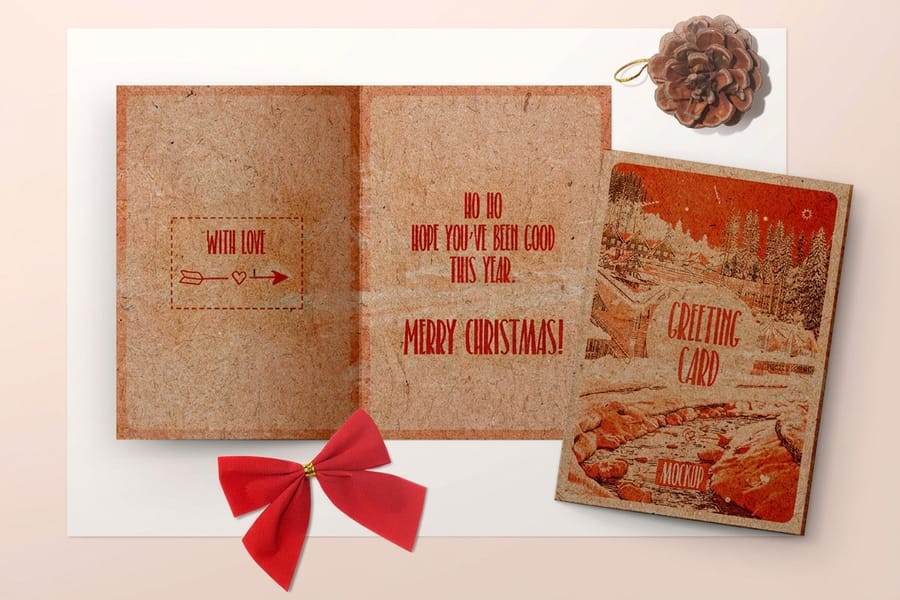
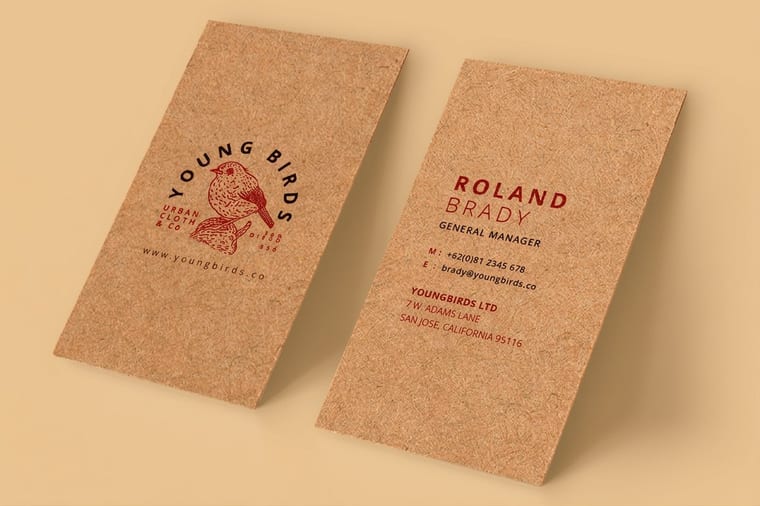
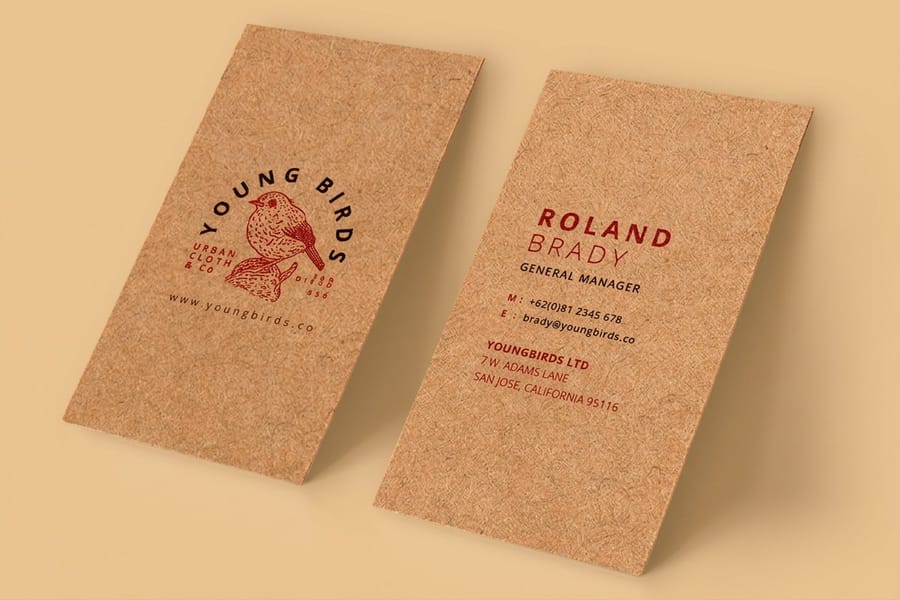
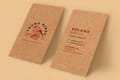
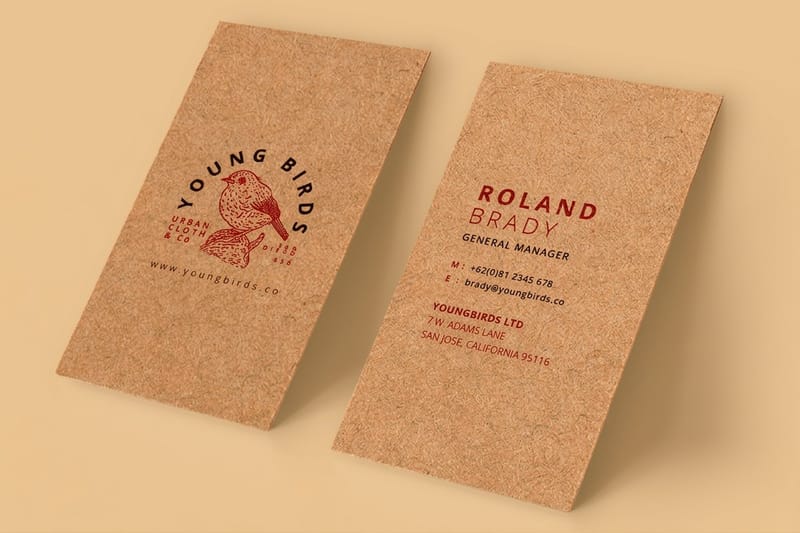
If your real goal is a greener print rather than waterproofing, the practical answer is usually recycled or kraft paper. Recycled stocks reuse existing fiber and are accepted in standard recycling, closing the loop cleanly. Kraft stocks bring a warm, natural, unbleached look that reads as sustainable and pairs beautifully with minimal design, on everything from kraft business cards to kraft greeting cards.
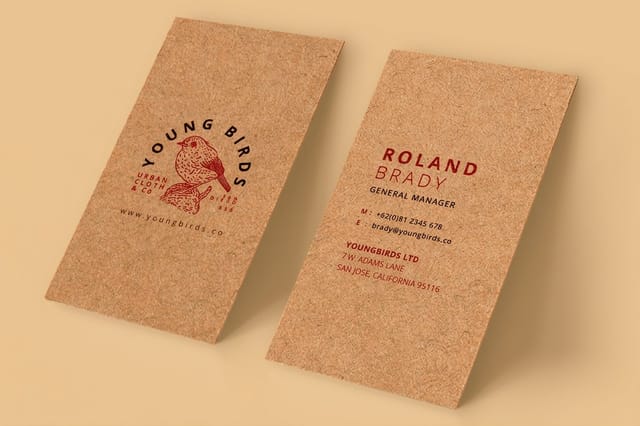
Pick by what the piece has to do. Hand a card over and it wants kraft business cards, where the unbleached surface takes an inked logo and still writes cleanly on the back. Mail a message and kraft greeting cards fold and crease without cracking, the one thing stone paper cannot do. Tie a tag to product and recycled hang tags give you reused fiber on an item that gets handled, punched, and thrown away, so its end-of-life goes into a normal paper stream instead of a plastic-bound one.
These stocks are proven, widely available, and easy to print, which is exactly why they carry the weight of most eco-conscious print programs. Our online design tool at the 4OVER4 designer lets you preview a design on these stocks, and the eco-friendly printing collection gathers the greener options in one place so you can choose with the trade-offs in view.
How to choose between stone paper and eco stocks
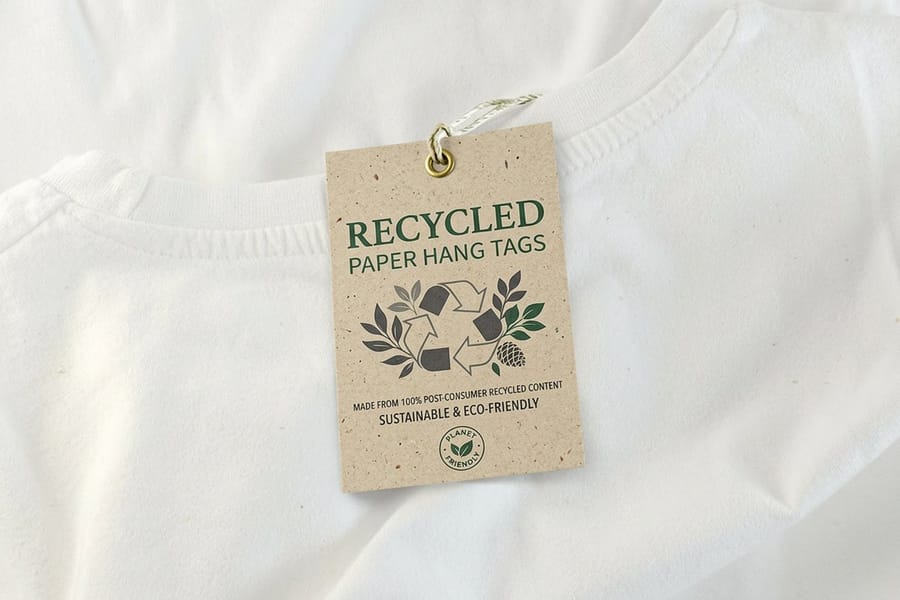
The decision rests on what the piece actually needs. If it must survive water, weather, or hard handling, and it will not be folded, stone paper's durability is a real advantage worth seeking out. If the goal is a lower environmental footprint on an ordinary card, flyer, tag, or booklet, recycled and kraft stocks are the simpler, more available, and easier-to-recycle choice.
For branded and packaging pieces, eco stocks also carry a look that customers read instantly as sustainable, from recycled hang tags to kraft cards and tags. Match the material to the job honestly, and you get both the performance and the environmental story you actually want, rather than a trendy stock that fights the way your piece is used.
Wally matches the stock to the job
Waterproof when you need it, recycled when you do not
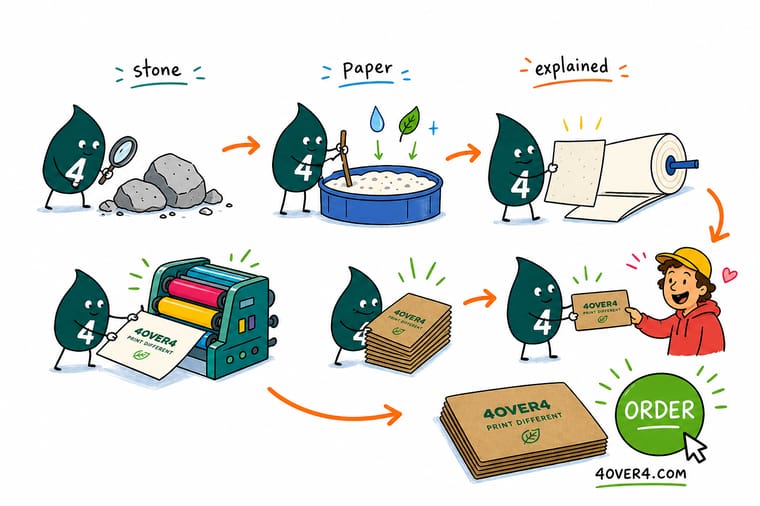
Wally treats stone paper honestly: brilliant when a piece must survive water and rough handling and will not be folded, but heavier, harder to crease, and tricky to recycle. For an everyday greener print, he reaches for recycled and kraft stocks that fold clean and recycle simply. Match the material to how the piece really lives, and 4OVER4 prints the eco choice that actually fits.
Explore eco print stocks →Quick reference
Stone paper versus eco stocks at a glance
How stone paper compares to the recycled and kraft stocks most eco-minded print jobs use.
| Trait | Get it to | Why it matters |
|---|---|---|
| Made from | Ground stone plus resin | Stone paper uses no wood pulp and no water, unlike recycled and kraft stocks made from fiber. |
| Water resistance | Stone paper wins | Stone paper is genuinely waterproof, which recycled and kraft papers are not without coating. |
| Folding and creasing | Eco stocks win | Pulp-based recycled and kraft stocks fold and crease cleanly, while stone paper can crack. |
| Recyclability | Recycled and kraft win | Recycled and kraft go in standard streams, while stone paper often is not accepted. |
| Weight | Eco stocks lighter | Stone paper is heavier, which raises shipping weight and cost versus equivalent pulp paper. |
| Composition | Mineral versus fiber | Stone paper is ground calcium carbonate bound with a little HDPE resin, made with no trees and no water. Recycled and kraft stocks are wood pulp fiber, recycled reusing existing fiber and kraft left unbleached. |
| Tear strength | Stone paper wins | Stone paper resists tearing far better than pulp paper, which is why it suits pieces handled hard or used outdoors rather than everyday mailers. |
| Surface and ink | Eco stocks more predictable | Ink sits on stone paper's smooth, non-absorbent surface, so some inks and coatings behave differently. Recycled and kraft take ink the way a press expects, kraft with its warm unbleached tone showing through. |
| Heat and sun | Watch the exposure | Stone paper is sensitive to prolonged heat and direct sun, so pick it for wet conditions rather than months in a sunlit window. |
| Best use | Match to the job | Stone paper for waterproof rugged pieces, recycled and kraft for everyday greener print. |
Step by step
Choose the right eco stock in 6 steps
- Name the piece's real demand Decide whether the job truly needs waterproofing and rugged durability, or simply a lower environmental footprint.
- Check if it will fold If the piece scores, folds, or creases, stone paper is a poor fit because it can crack. Pulp-based eco stocks fold cleanly.
- Weigh the recycling reality If clean end-of-life recycling matters, favor recycled or kraft stocks, which go in standard streams unlike stone paper.
- Consider weight and shipping Stone paper is heavier and costs more to ship, so factor that in for large runs or mailed pieces.
- Match the look to the message Kraft and recycled stocks read as sustainable at a glance, which supports an eco brand story better than a plastic-feeling sheet.
- Preview and order the stock Preview your design on the chosen eco stock, set your options in the configurator, and print a piece matched to how it will really be used.
Specs and pricing
Live kraft business card specs and pricing
Here are the live sizes, stocks, and price per unit for kraft business cards at 4OVER4, one of the practical eco stocks that fits most jobs.
| Quantity | Price Per Unit | Total |
|---|---|---|
| 100 | 24.8¢ | $24.75 |
| 250 | 14.2¢ | $35.57 |
| 500 | 13.1¢ | $65.60 |
| 1,000 | 13.3¢ | $132.55 |
Print it
Print greener with 4OVER4 eco stocks

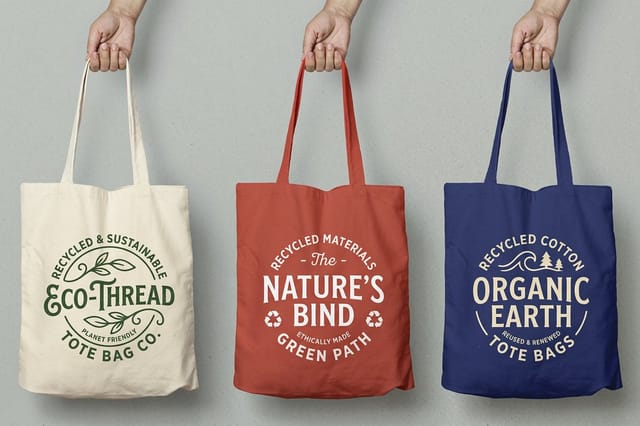
See it in use
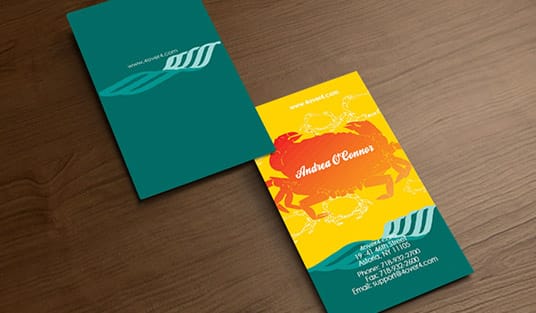
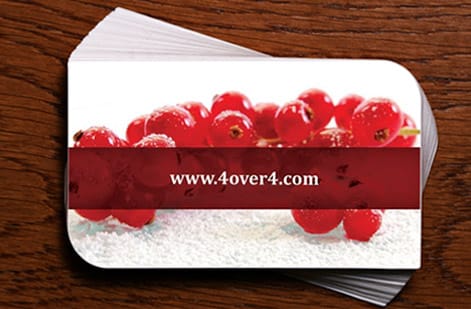
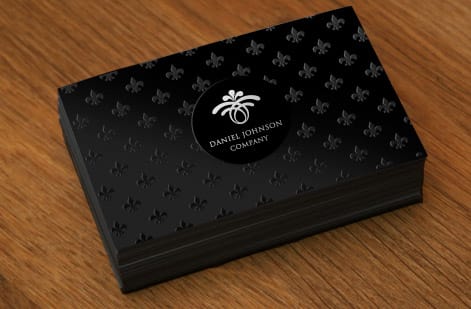
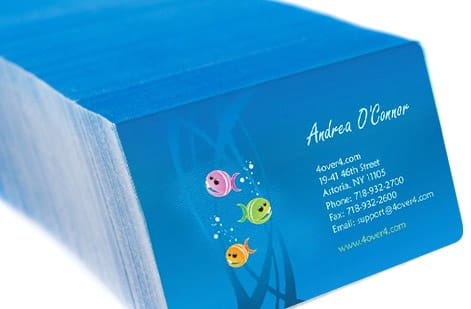
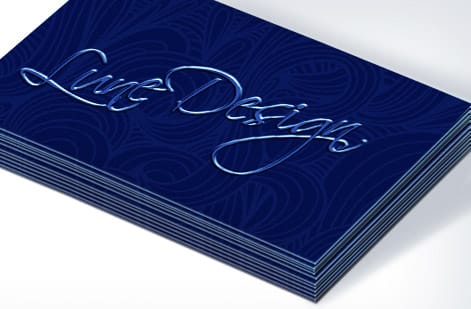
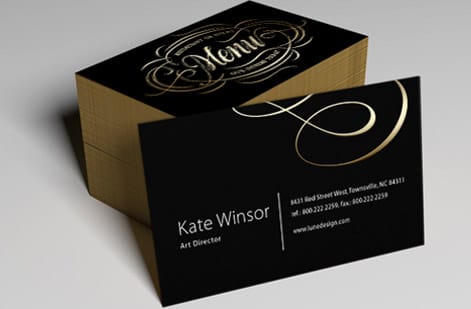
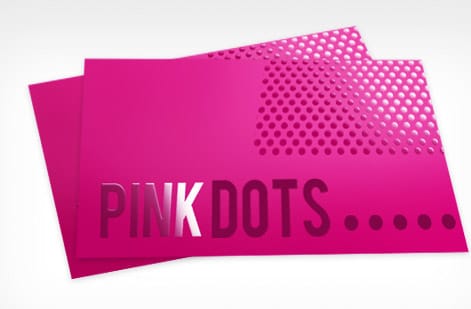
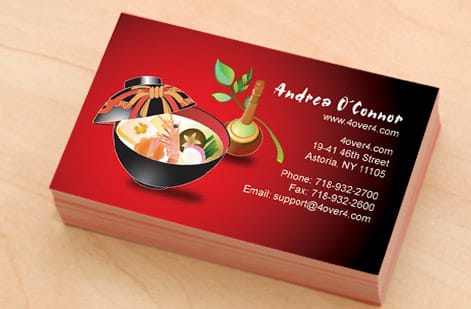
Kraft and eco card work customers printed
Explore more
Where to go next

By the numbers
Eco stock options across 1,000+ products
Common Questions
Common questions about stone paper and eco stocks
What is stone paper?
Stone paper is a tree-free, paper-like material made mostly from calcium carbonate, a fine powder ground from stone such as limestone, bound with a small amount of resin. It contains no wood pulp, and its manufacturing uses no water and no bleaching. The result is a smooth, bright, waterproof, and tear-resistant sheet that prints in ways close to pulp paper but feels slightly heavier and more plastic-like. It is a genuinely inventive material with real strengths for waterproof, rugged uses and some notable trade-offs elsewhere.
Does my piece need stone paper or will kraft do?
Start from what the piece actually needs. If it must survive water, weather, or hard handling and will not be folded, stone paper's durability is a real advantage. If the goal is simply a lower environmental footprint on an ordinary card, flyer, tag, or booklet, recycled and kraft stocks are the simpler and more available choice, since they fold cleanly and go in standard recycling. Match the material to the job honestly rather than defaulting to whichever stock sounds greenest.
What does eco stock printing cost and how is price set?
Eco stocks are priced like any paper choice, through the usual levers of quantity, size, stock, and finish. Recycled and kraft options are widely available and priced comparably to standard stocks, so choosing greener rarely means paying a large premium. You set every option in the live configurator and the total updates as you adjust, letting you compare a standard stock against a recycled or kraft one before deciding. Specialty materials generally cost more than everyday recycled paper.
What sizes, stocks, and finishes are available for eco printing?
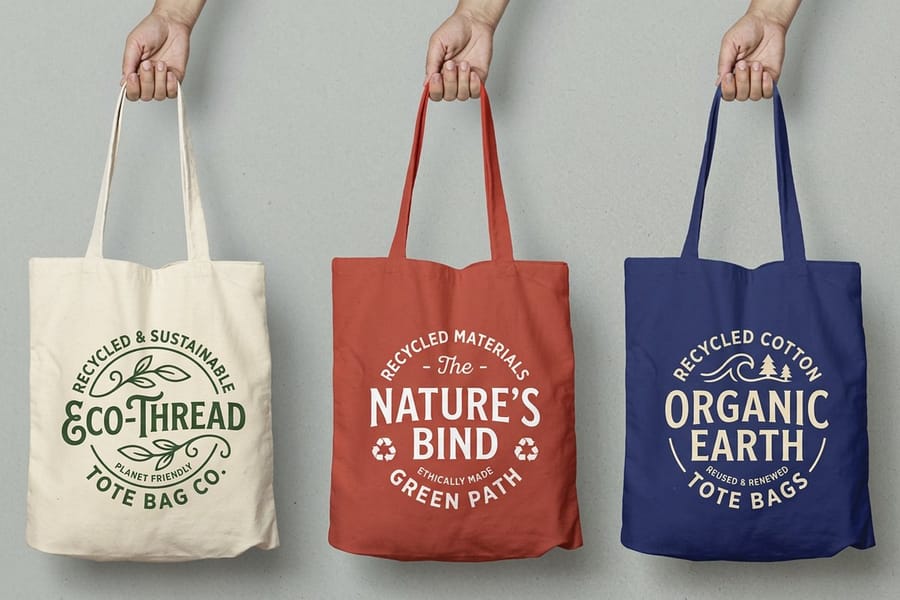
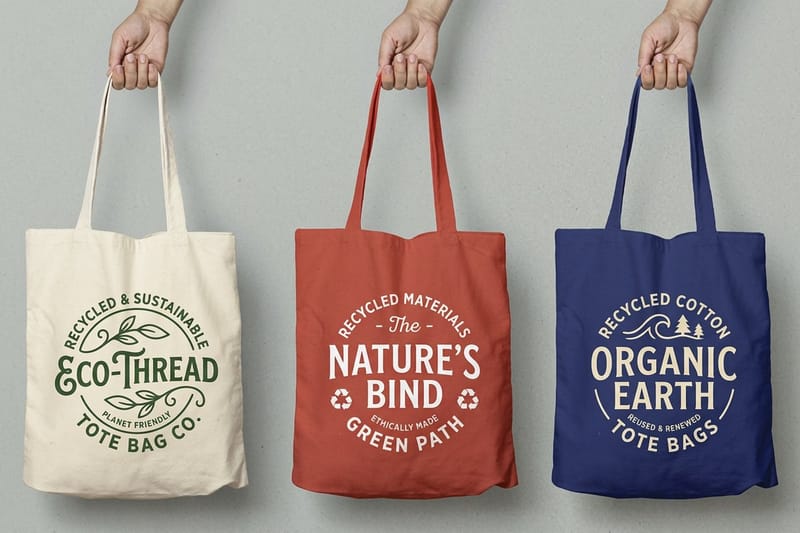
Eco-friendly printing spans recycled and kraft stocks across many products, from business cards and postcards to greeting cards, hang tags, and tote bags. Recycled stocks reuse existing fiber and recycle cleanly, while kraft stocks bring a warm, unbleached, natural look that reads as sustainable and pairs well with minimal design. Finishes vary by product, and the eco-friendly and recycled printing collections gather the greener options in one place so you can compare stocks and formats with the trade-offs in view.
How long does eco stock printing take to print and ship?
Turnaround depends on the product, the stock and finish you choose, and your shipping method, and recycled and kraft stocks generally print on the same schedules as comparable standard stocks. The product page shows the available production speeds and shipping options for your configuration, and the live configurator reflects how each choice affects the timeline. Because these eco stocks are widely stocked and easy to print, they rarely add delay compared to conventional paper.
Is stone paper actually eco-friendly?
It is a mixed picture. Stone paper's manufacturing uses no trees, no water, and no bleaching, which addresses real environmental costs of traditional papermaking at the source. However, its resin binder is a plastic component, and stone paper is often not accepted in standard paper recycling streams, so its end-of-life is less clean than recycled pulp. It is also heavier, raising shipping impact. For most everyday print jobs, widely available recycled and kraft stocks offer a clearer and simpler environmental benefit, while stone paper's edge is durability and waterproofing rather than being categorically greener.
Is stone paper better than regular paper?
Only for the jobs it was built for. If the piece will meet water or rough handling and stays flat, stone paper beats coated pulp paper because it is waterproof and tear resistant without a lamination step. For everything else, regular paper is the better print: recycled and kraft stocks fold and crease cleanly instead of cracking, take ink the way a press expects, weigh less so they ship cheaper, and go into standard recycling streams that stone paper's plastic resin binder often keeps it out of. Ask what the piece really has to survive, then pick the stock, rather than treating stone paper as an upgrade for every job.
Get Started
100 kraft business cards cost $24.75, or 25 cents each
Whether you need waterproof durability or a genuinely greener everyday stock, bring your project to 4OVER4 and print it on the eco material that fits how the piece will really be used. Set every option and watch your price update live.
Legal Disclaimer
Gold Standard guarantees apply to all standard orders placed through 4over4.com. Price match requires verifiable proof of a competitor's published price for an equivalent product with matching specifications and turnaround time. Satisfaction guarantee covers manufacturing defects and print quality issues. Contact support with order number and documentation. On-time delivery rate based on tracked orders 1999 to 2026. Individual results may vary based on shipping carrier performance.
