
Paper Weight Guide


GSM measures grams per square meter, pound stock measures a ream at its basis size, and points measure thickness. Here is how the three systems line up so you can pick the right paper for cards, flyers, postcards and mailers with confidence.
To read paper weight, use GSM as your anchor: grams per square meter reads the same for every stock, so a higher number is always thicker and heavier. Copy paper sits near 80 GSM, quality flyers land around 120 to 150 GSM, and premium business cards run 300 to 400 GSM. Pound stock and points describe the same paper, but a pound rating only makes sense once you know whether it is text or cover. Match the weight to how the piece will be handled and how long it needs to last.
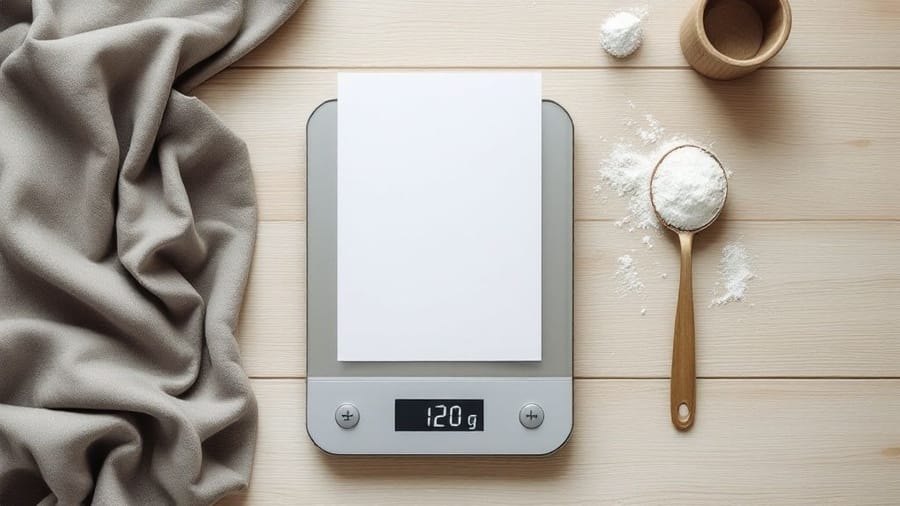
At a glance
Paper weight comparison chart
Use this chart as your quick reference. It maps common print jobs to their ideal GSM range and shows the matching US bond, text and cover weights, so you can jump from a project to the right stock without guessing.
| Common use | GSM (g/m²) | US bond (lb) | US text (lb) | US cover (lb) |
|---|---|---|---|---|
| Standard office & copy paper | 75 to 90 | 20 to 24 lb | 50 to 60 lb | N/A |
| Professional letterheads | 105 to 120 | 28 to 32 lb | 70 to 80 lb | N/A |
| Flyers & brochures | 120 to 150 | N/A | 80 to 100 lb | 45 to 55 lb |
| High-quality posters & menus | 175 to 216 | N/A | 120 lb | 65 to 80 lb |
| Postcards & invitations | 216 to 270 | N/A | N/A | 80 to 100 lb |
| Premium business cards | 300 to 400 | N/A | N/A | 110 to 148 lb |
GSM first
GSM paper chart
The same chart read the other way round. Start from a GSM number and find the US equivalents, sorted light to heavy.
| GSM (g/m²) | US text (lb) | US cover (lb) | Points (caliper) | What it is |
|---|---|---|---|---|
| 90 gsm | 60 lb text | 33 lb cover | about 4pt | Everyday copy paper, one step up from the cheapest ream. |
| 100 gsm | 70 lb text | 37 lb cover | about 5pt | Letterhead that does not feel like a printout. |
| 120 gsm | 80 lb text | 45 lb cover | about 6pt | Quality flyers, inside pages of a booklet. |
| 130 gsm | 88 lb text | 48 lb cover | about 7pt | Brochures that hold a fold without cracking. |
| 170 gsm | 115 lb text | 65 lb cover | about 9pt | Light cardstock, self mailers, folder inserts. |
| 200 gsm | 135 lb text | 75 lb cover | about 10pt | Menus, hang tags, sturdy leaflets. |
| 250 gsm | 170 lb text | 92 lb cover | about 12pt | Postcards, the lightest stock worth mailing. |
| 300 gsm | 200 lb text | 110 lb cover | 14pt to 16pt | Standard business card stock. The default for good reason. |
| 350 gsm | 235 lb text | 130 lb cover | 16pt to 18pt | Premium cards, invitations, booklet covers. |
| 400 gsm | 270 lb text | 148 lb cover | 18pt and up | Heavy card that announces itself the second it is picked up. |
Text and cover figures are the standard conversions rounded to the nearest stock you can actually buy. Points measure caliper, not weight, so a bulky uncoated sheet runs a point or two thicker than a coated sheet at the same GSM. Ultra thick 32pt cards are usually two sheets bonded together rather than one heavy sheet, which is why no single GSM number lands there.
Straight answers
What GSM should I use?
Pick the job, take the number, move on. Where a range is given, the low end is the budget run and the high end is the one people keep.
- Flyers120 to 170 gsmHandout flyers live at 120 gsm. Go to 170 gsm when the flyer sits on a counter for a week instead of going in a pocket.
- Posters170 to 250 gsmWall posters at 170 gsm lie flat once they are up. Anything freestanding on an easel needs 250 gsm or a rigid mount behind it.
- Business cards300 to 400 gsm300 gsm is the professional default. 350 to 400 gsm is what people mean when they say a card feels expensive. Below 300 gsm a card goes soft in a wallet.
- Postcards250 to 350 gsm250 gsm is the floor for anything going through the mail, because thinner pieces arrive bent. 350 gsm survives the sorting machines looking new.
- Invitations300 to 400 gsmWeight is the whole message here. 300 gsm reads as formal, 400 gsm reads as an event worth clearing the calendar for.
- Booklet covers250 to 350 gsmHeavy enough to protect the inside pages and to take a lamination without curling. Pair it with 120 to 150 gsm text pages inside.
- Menus250 to 350 gsmMenus get handled by hundreds of hands. 250 gsm laminated or 350 gsm bare both survive a service. Lighter than that and the corners go furry by week two.
Why paper weight shapes every print project you touch
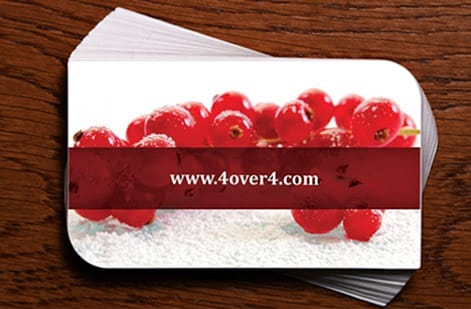
GSM, grams per square meter, is the weight of one square meter of a sheet, and it is the fastest way to know what a piece of paper will feel like before you order it. Paper weight is the single biggest factor people overlook when they order print. It decides how ink sits on the surface, how the finished piece holds up in someone's hands, and whether your brand reads as polished or cheap. That judgment happens in a split second, before anyone reads a word.
This guide breaks down the two measurement systems, GSM and pound stock, plus the points scale for thickness, so you can stop guessing and order with confidence. Whether you are designing business cards, brochures or event pieces in the online designer, the paper you pick is the foundation everything else sits on.
Already comfortable with stock and just need other print basics? Our guides on how to fold a brochure and how to clean rubber stamps cover the hands-on side. 4OVER4.COM has helped 150,000+ businesses get print right since 1999.
GSM vs pound stock: two systems, one goal
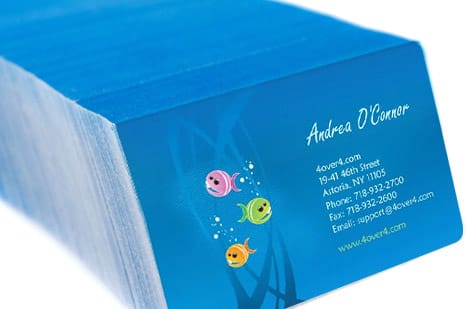
Here is where the confusion starts. Paper weight gets measured two different ways depending on where you are in the world, and they do not translate neatly into each other. GSM stands for grams per square meter. Cut a sheet to exactly one square meter, weigh it in grams, and that number is the GSM. It is the international standard, it works the same for every paper type, and a higher number always means heavier and thicker. Copy paper runs about 80 GSM, while a thick business card stock sits around 300 to 400 GSM.
Pound stock is the US system, and it is messier. Basis weight measures 500 sheets, a full ream, at that paper's basis size, and different categories use different basis sizes. So 80 lb cover and 80 lb text are not the same thickness, not even close. The cover stock is much thicker because its basis size is smaller. This is the number one ordering mistake, so always check whether the spec says text or cover after the number.
Here is how the most popular weights line up across both systems. When you are ready to lay out a file, grab the right blank templates so your artwork matches the stock you picked.
- 80 GSM (20 lb bond) is standard copy paper for internal documents and everyday printing.
- 120 GSM (80 lb text) is a clear step up that works for quality flyers and letterhead.
- 170 GSM (65 lb cover) is light cardstock, great for self-mailers and presentation folders.
- 250 GSM (about 90 lb cover, about 12pt) is solid cardstock for postcards and marketing pieces.
- 300 GSM (110 lb cover, about 16pt) is premium business card territory that feels solid.
- 400+ GSM (about 32pt) is ultra-thick stock for luxury cards and high-end invitations.
Convert 170 gsm to lbs by hand with two multipliers
You do not need a chart to turn a GSM number into pounds, only the right multiplier for the paper category. For text stock, multiply the GSM by 0.68. For cover stock, multiply by 0.37. So 170 gsm is about 115 lb text or about 63 lb cover, which most mills round to 65 lb cover, and both describe the same light cardstock used for self mailers and folder inserts. Run it backwards to go from pounds to GSM: divide lb text by 0.68, or lb cover by 0.37, so 80 lb cover comes out near 216 gsm.
Here are the weights people search most, rounded to the nearest stock you can buy.
| GSM | Text weight | Cover weight | Feels like |
|---|---|---|---|
| 160 gsm | 108 lb text | 59 lb cover | Heavy flyer, light card |
| 170 gsm | 115 lb text | 63 to 65 lb cover | Light cardstock, self mailers |
| 176 gsm | 119 lb text | 65 lb cover | Light cardstock, folder inserts |
| 180 gsm | 122 lb text | 67 lb cover | Sturdy leaflet, menu |
| 200 gsm | 135 lb text | 74 lb cover | Hang tags, thin postcards |
| 250 gsm | 170 lb text | About 90 lb cover | Postcards, the mailing minimum |
| 300 gsm | 203 lb text | 110 lb cover | Standard business cards |
The word after the number still decides everything. A 170 gsm sheet quoted as 115 lb text and the same sheet quoted as 65 lb cover are one piece of paper, and the GSM figure is the only number that says so without a category attached.
How paper weight affects your printed piece
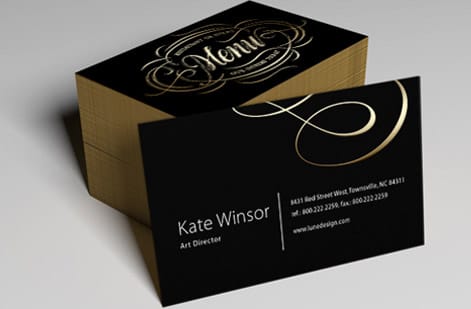
People form an opinion about your brand in under a second. A flimsy card says budget. A thick, sturdy card says established. This is not opinion, it is psychology, and weight communicates value before your design even registers. Think of your paper stock as your brand's handshake, firm and confident or limp and forgettable.
Heavier papers also hold ink better. On lightweight stock, colors can look washed out or bleed slightly, while thicker stock absorbs ink more evenly for sharper images and richer color. That matters most on pieces like 3D lenticular postcards, where visual impact is the whole point and the stock has to support the effect.
Durability follows the same logic. Lightweight paper creases, bends and tears easily, which is fine for a flyer someone reads once, but not for a business card that has to survive a wallet for six months. Postcards sent through the mail also need to meet USPS minimum thickness, so going too thin means your mailer arrives bent or gets rejected at the post office.
Everyday jobs and marketing materials

For internal memos, draft copies and event flyers you are printing by the thousand, lightweight stock in the 80 to 120 GSM range shines. It is affordable, it runs through any printer without jamming, and it does the job when longevity is not the priority. If you are working out how to make flyers for a weekend sale, this range keeps costs down.
Step up to 120 to 200 GSM for brochures, sell sheets, presentation inserts and quality flyers. The paper feels noticeably better than copy paper without being stiff, it folds cleanly for anything with a crease, and it takes color well so photos and gradients stay sharp. This mid-range is the workhorse of commercial printing, and most trade-show collateral you have ever held lives right here.
- Flyers sit best at 130 to 170 GSM (80 to 100 lb text), heavy enough for double-sided printing without ink showing through.
- Brochures land at 150 to 170 GSM (100 lb text), with enough heft for rich color but still pliable for crisp folds.
- Posters and menus want 170 to 200 GSM so they hang flat instead of curling at the edges.
- Letterhead feels premium at 100 to 120 GSM (28 to 32 lb bond) while still running smoothly through office printers.
Business cards, postcards and premium stock
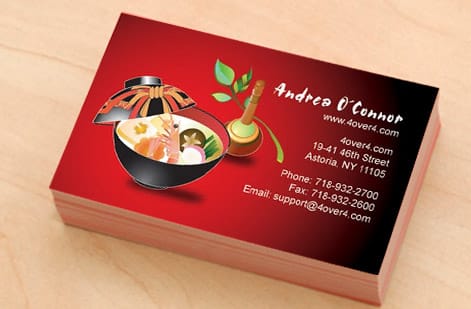
At 250 GSM and above, paper stops feeling like paper and starts feeling like cardstock. It is rigid, it does not flop, and it commands attention. Our most popular custom business cards fall in the 250 to 350 GSM range, including 14pt and 16pt stocks that give you a professional, solid feel without going overboard on cost. For postcards, this same range meets postal requirements and holds up through the mail system.
When you want someone to feel the quality before they read a single word, go heavier still. A 32pt stock, roughly 400+ GSM, is about three times the thickness of a standard card, the kind of piece people do not throw away. Wedding invitations, VIP event cards and luxury brand cards all live here, and a heavy stock is the perfect canvas for finishes like soft-touch lamination, spot UV or foil stamping. Planning an event? A heavier stock is what elevates custom invitation printing from ordinary to memorable.
Understanding points: the thickness measurement
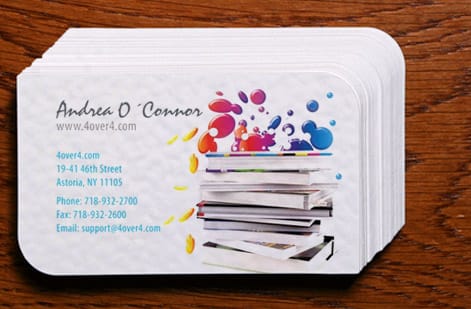
You will also see paper described in points (pt). This is not weight, it is thickness, measured in thousandths of an inch. A 14pt card is 0.014 inches thick and a 32pt card is 0.032 inches thick. Points and GSM do not have a perfect one-to-one conversion because different compositions have different densities, so a coated 14pt stock and an uncoated 14pt stock can weigh different amounts at the same thickness. As a rule of thumb, more points means heavier and thicker.
Here is the practical breakdown most people actually need:
- 14pt is standard business card weight, about the thickness of a cereal box panel. Professional and cost-effective.
- 16pt is slightly thicker and feels more premium, popular for postcards and higher-end cards.
- 32pt is ultra-thick, roughly the thickness of a credit card. This is luxury territory.
For more project ideas and step-by-step help, browse the full guide hub, which covers everything from how to make envelopes to custom magnets.
Coated vs uncoated: weight is not the whole story
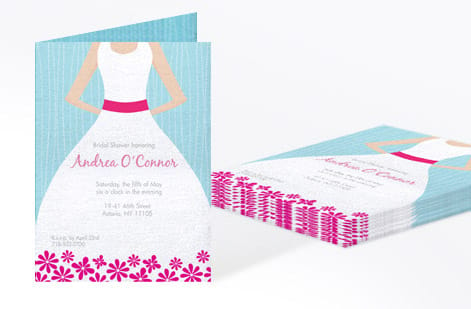
Two sheets can weigh exactly the same and feel completely different, because coating changes everything. Coated stock has a smooth, sealed surface that comes in gloss, semi-gloss and matte. It produces vivid, saturated color and sharp image reproduction, which makes it the default for photo-heavy designs, product catalogs and marketing postcards. The trade-off is that coated paper is harder to write on, so it is not ideal for an RSVP card or any piece with a note area.
Uncoated stock has a natural, textured feel and absorbs ink into the fibers rather than sitting on top, which gives text a softer, warmer look. It is easy to write on, so it is perfect for letterhead and notepads. Colors read slightly more muted than on coated paper, but many brands prefer that organic, tactile quality. Beyond the basics you will also find specialty stocks like kraft, linen and cotton that add character no design work can fake. To go deeper on finish, see our matte vs gloss paper finish comparison.
Common paper weight mistakes that waste your budget
Confusing text and cover weights is the number one error. Ordering 80 lb text when you meant 80 lb cover gives you a floppy sheet instead of sturdy cardstock, so always double-check the designation before you finalize. The second trap is choosing weight on price alone. Lighter stock costs less per sheet, but if your postcards arrive bent and your cards feel like receipts, you have wasted every dollar you spent on design and printing.
People also forget to factor in finishing and shipping. Adding lamination to a lightweight sheet will not magically make it feel thick, so start with the right base weight and add finishes on top. Heavier paper also means heavier boxes, which can quietly bump a direct-mail run into a more expensive postage bracket. For multi-page jobs, weighing page count against stock is where booklet and catalog printing earns its keep.
Try different paper weights without the risk

The best way to understand paper weight is to feel it yourself, and 4OVER4.COM makes that easy. Order a set of free business cards to experience different stocks firsthand, and you will feel the gap between 14pt and 32pt immediately. You can also request free paper samples to compare finishes side by side before you commit to a full run.
Planning something bigger? Test heavier weights on a small order of custom invitations before you scale up, and lean on the online designer to lay out your artwork on the exact stock you chose. When the weight, the finish and the design all line up, the finished piece does the selling for you.
Wally explains paper weight
GSM is the one number that never lies to you
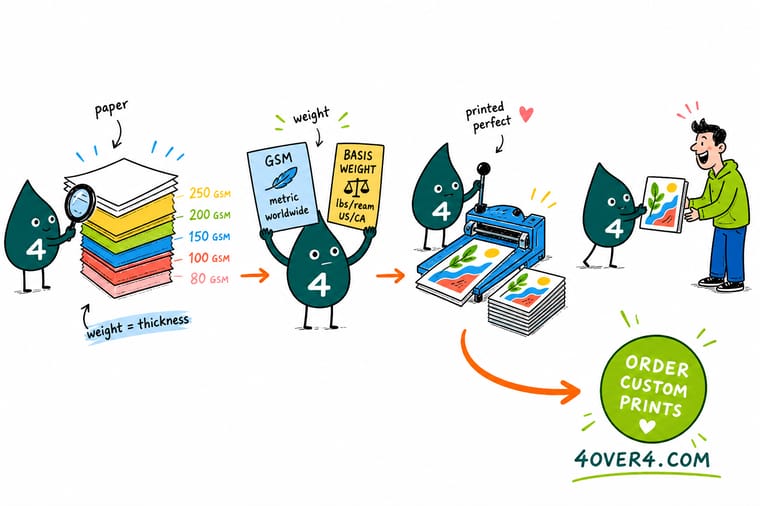
Wally keeps it simple: read the GSM first, because a higher number is always thicker and heavier, no conversion required. Pound stock only makes sense once you know text from cover, and points just measure thickness. Match the weight to how the piece gets handled, then let a heavier stock do the talking. When you are ready to feel the difference, 4OVER4 prints your cards on the exact weight you choose.
Order custom business cards →Specs and pricing
Business card and postcard specs and pricing
Once you know the weight you want, here is what a made-to-order card and postcard give you at 4OVER4.COM, with live specs and price-per-unit straight from the configurator.

| Quantity | Price Per Unit | Total |
|---|---|---|
| 100 | 17.6¢ | $17.57 |
| 200 | 11.5¢ | $23.07 |
| 300 | 9.15¢ | $27.46 |
| 400 | 7.96¢ | $31.86 |
| 500 | 7.25¢ | $36.26 |
| 600 | 6.77¢ | $40.64 |
| 700 | 6.43¢ | $45.04 |
| 800 | 6.18¢ | $49.43 |
| Quantity | Price Per Unit | Total |
|---|---|---|
| 50 | 33.0¢ | $16.48 |
| 100 | 24.2¢ | $24.16 |
| 200 | 15.9¢ | $31.86 |
| 300 | 12.8¢ | $38.45 |
| 400 | 11.3¢ | $45.04 |
| 500 | 10.3¢ | $51.62 |
| 600 | 9.89¢ | $59.31 |
| 700 | 9.57¢ | $67.00 |
Print it
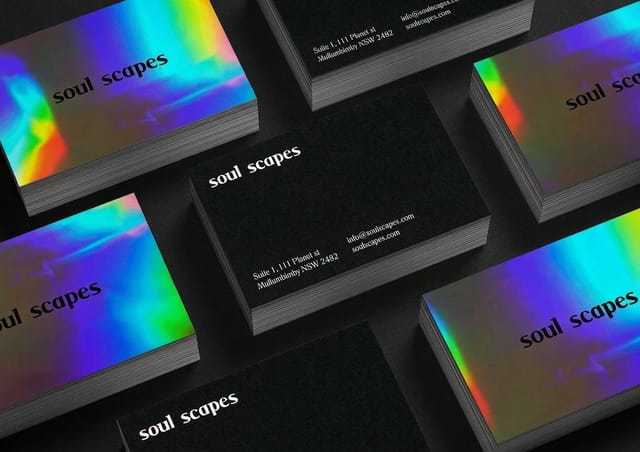
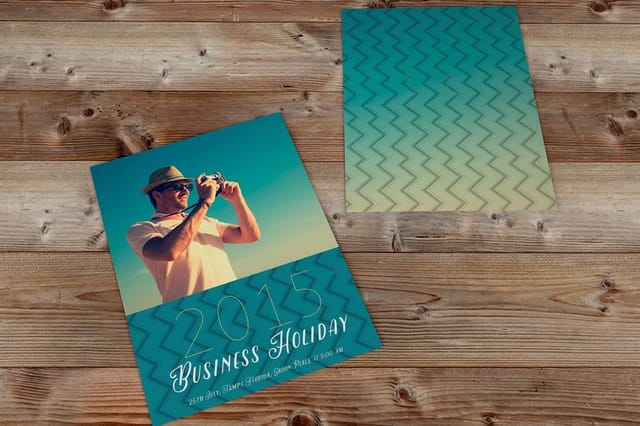
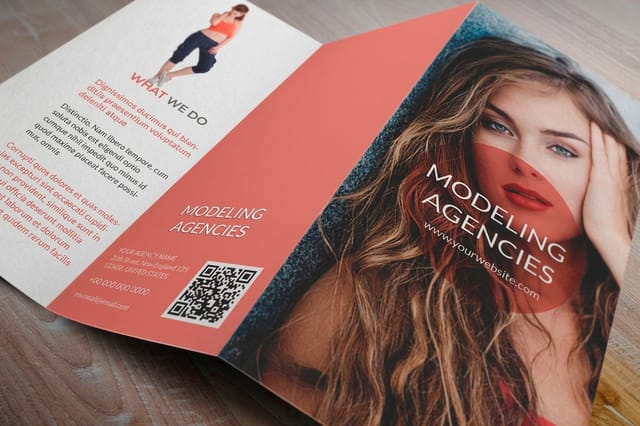
Order cards, postcards and marketing print at 4OVER4
See it in use
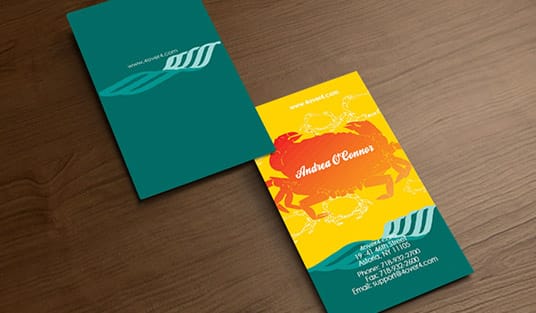
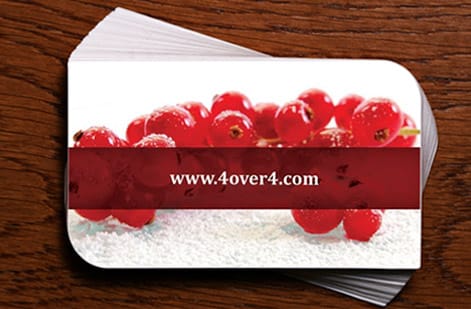
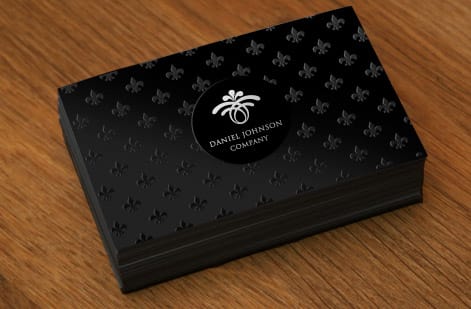
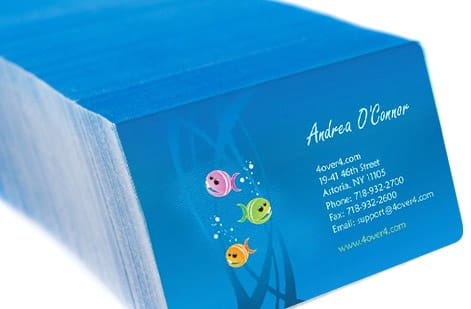
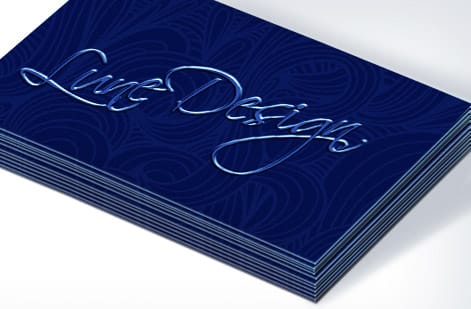
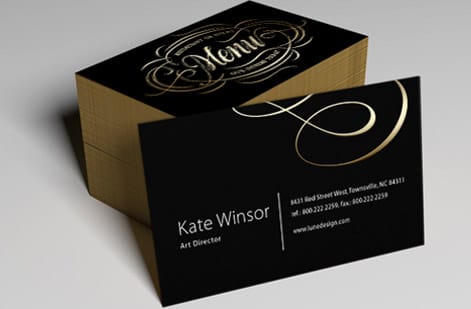
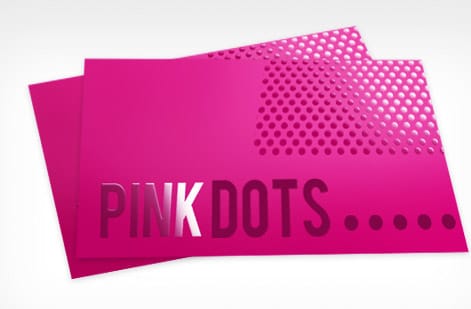
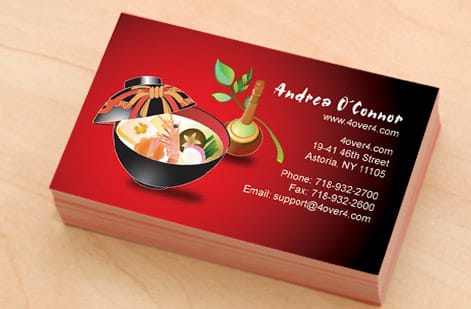
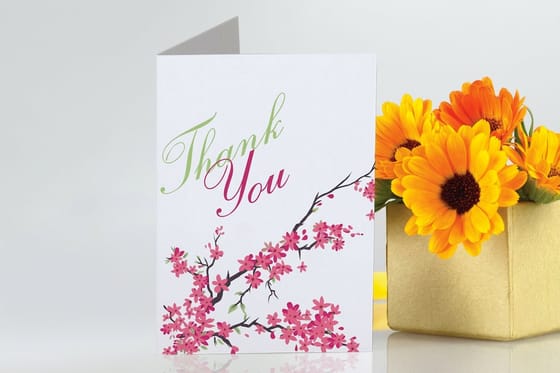
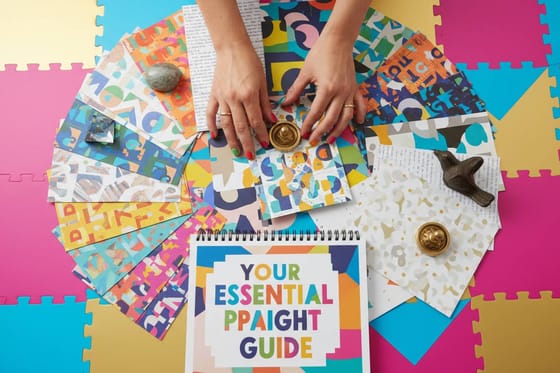
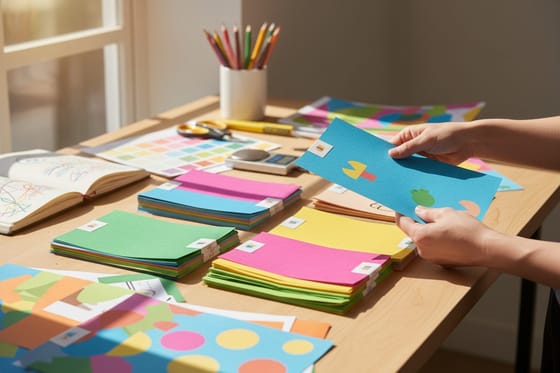
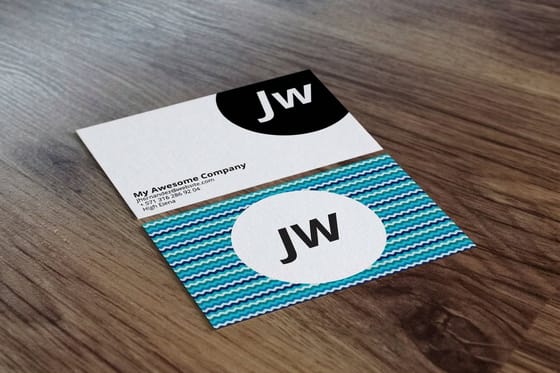
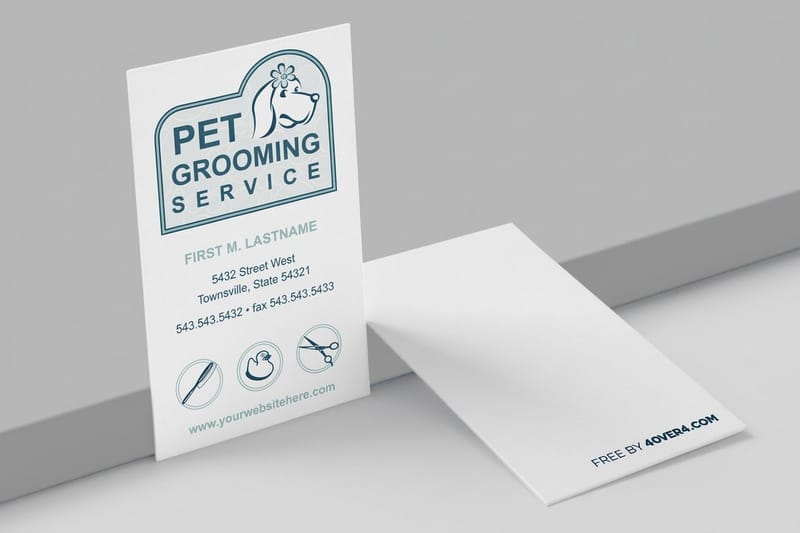
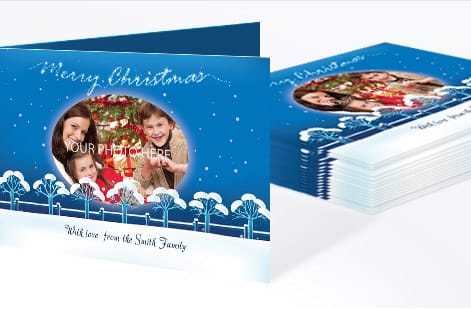
Cards our customers printed on stocks they chose
Explore more
Where to go next

By the numbers
Where each paper weight sits in 60+ types
Common Questions
Common questions about paper weight
Is 170 GSM thick?
Moderately. 170 gsm is about twice the weight of 80 gsm copy paper and sits at the bottom edge of cardstock, roughly 65 lb cover or 115 lb text, with a caliper near 9 pt. It folds without cracking and holds up as a self mailer or folder insert, but it is thinner than a 14pt business card or a 250 gsm postcard.
What is 160 GSM in lbs?
160 gsm is about 108 lb text or about 59 lb cover, which most charts round to 60 lb cover. It is a heavy flyer or brochure weight, stiff enough to print on both sides without show-through but still flexible enough to fold cleanly. Multiply the GSM by 0.68 for text weight or 0.37 for cover weight to get there yourself.
How many lbs is 176 GSM?
176 gsm converts to about 119 lb text or 65 lb cover. It sits a hair above 170 gsm and behaves the same way in the hand, as a light cardstock for inserts, sturdy leaflets and hang tags. Mills quote it as 65 lb cover because that is the nearest standard stock.
Is 160 GSM heavy?
Heavier than most paper you handle day to day, lighter than card. Copy paper is 80 gsm and a quality flyer runs 120 to 150 gsm, so 160 gsm feels noticeably sturdier than either. It is still below the 250 gsm that postcards need to survive the mail and well below the 300 to 400 gsm of a business card.
What does GSM mean in paper weight?
GSM stands for grams per square meter. It measures how much one square meter of paper weighs in grams, so a higher GSM means heavier, thicker paper. Standard copy paper is about 80 GSM, while a premium business card stock runs 300 to 400 GSM. It is the most straightforward way to compare paper weights across different types.
Is 14pt or 16pt better for business cards?
Both work well. A 14pt card is the industry standard, professional and cost-effective, and sturdy enough for everyday networking. A 16pt card feels noticeably thicker and more premium. If your brand leans toward luxury or you want to stand out at events, go with 16pt. For high-volume orders where budget matters, 14pt delivers solid quality.
Why does 80 lb text feel different from 80 lb cover?
Because basis weight uses different reference sheet sizes for different paper categories. The 80 lb number refers to the weight of 500 sheets at each category basis size. Cover paper has a smaller basis size, so 80 lb cover is much thicker and stiffer than 80 lb text. Always check whether the spec says text or cover.
What paper weight should I use for postcards?
For mailed postcards, use at least 250 GSM, which is roughly 14pt or 80 lb cover. USPS requires a minimum thickness for mail pieces, and anything lighter risks getting bent or rejected. For hand-distributed postcards you have more flexibility, but a heavier stock still makes a better impression.
Can I add lamination to make thin paper feel thicker?
Lamination adds a slight amount of thickness and rigidity, but it will not transform lightweight paper into cardstock. Think of it as a finishing touch, not a fix. Start with the paper weight that matches your needs, then use lamination for protection, sheen or a soft-touch feel on top of that foundation.
How do I convert GSM to basis weight in pounds?
There is no single conversion formula because basis weight depends on the paper category, whether bond, text, cover or index. Conversion charts are the easiest tool. As a rough guide for cover stock, 216 GSM is about 80 lb cover, 270 GSM is about 100 lb cover, and 300 GSM is about 110 lb cover. For text stock the numbers shift a lot.
What is GSM in paper?
GSM is grams per square meter, the weight of a single square meter of that paper. It is one number that works for every paper type in the world, which is why printers and designers lean on it. Copy paper is around 90 gsm, a flyer is 120 to 170 gsm, a business card is 300 to 400 gsm. No category, no basis size, no reading the word after the number.
Is a higher GSM thicker?
Almost always, and within the same paper family always. A 350 gsm sheet is heavier and thicker than a 250 gsm sheet of the same stock. The exception is bulk: an uncoated or textured sheet holds more air than a coated one, so at the same GSM the uncoated sheet measures a point or two thicker. If exact thickness matters, ask for the caliper in points rather than the weight in GSM.
What GSM is cardstock?
Cardstock starts around 170 gsm and runs up past 400 gsm. 170 to 200 gsm is light cardstock for self mailers and folder inserts. 250 gsm is postcard weight and the thinnest worth putting in the mail. 300 gsm is standard business card stock, and 350 to 400 gsm is the premium card that feels like it cost something.
Get Started
Ready to pick the perfect paper weight?
Choose your stock, drop in your design, and we print it on the exact GSM, pound weight or point thickness you need.
Legal Disclaimer
Gold Standard guarantees apply to all standard orders placed through 4over4.com. Price match requires verifiable proof of a competitor's published price for an equivalent product with matching specifications and turnaround time. Satisfaction guarantee covers manufacturing defects and print quality issues. Contact support with order number and documentation. On-time delivery rate based on tracked orders 1999 to 2026. Individual results may vary based on shipping carrier performance.
