
What Are the Finishing Machines Used in Printing?


The press lays down the ink. Finishing machines make the magic: the shape, the shine, the fold, and the feel. Here is what each one does, and the exact 4OVER4 finish it produces so you can order it.
Finishing machines are the equipment that turns a printed sheet into a product: cutters, die-cutters, laminators, coaters, foil presses, folders, scorers, perforators, and binders. Each one produces a specific effect, and every effect, from soft-touch lamination to foil to a die-cut shape, is a finish you can select and order on a 4OVER4 product.
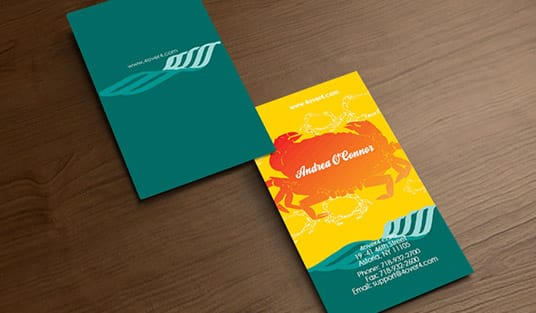
Start here
Print finishing machines in one paragraph
Finishing machines are everything that shapes a printed sheet after the ink: cutters and die-cutters for the outline, laminators, coaters, and foil presses for the surface, and folders, scorers, and binders to form the object. Each machine produces one effect, and every effect is a finish you can select on a 4OVER4 product. The finishing line below maps them at a glance.
Watch it printed
See foil business cards on the press, in 138 seconds
What print finishing actually is
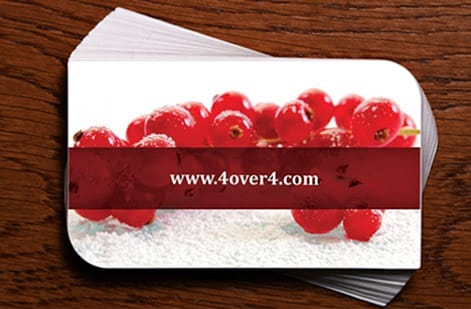
Printing is really two stages. First the press lays down the ink, creating the image on a flat sheet. Then finishing takes over: everything that happens after the ink to turn that sheet into a product you can hold and use. Finishing is where a plain printed rectangle becomes a rounded, laminated, foil-accented, folded, or bound piece, and it is the stage where premium is made.
Each finishing effect is produced by a specific type of machine. Cutters and die-cutters define the outline. Laminators, coaters, and foil presses work the surface. Folders, scorers, perforators, and binders form the flat sheet into an object. You never need to operate any of them, but knowing what each does helps you picture the finished product and choose the right effect for your foil business cards, laminated cards, or booklets.
The sections that follow walk the finishing line by function, from shaping to surface to forming, and each effect maps to a live option you can order. Think of this as a tour of how the shine, the shape, and the feel of a professional print get made, and where to buy the exact one you want.
Cutting and shaping machines
Every printed piece starts as part of a larger sheet, so the first finishing job is defining its outline. A guillotine cutter and trimmer bring the sheet down to the exact trim size with clean, square edges. This is the baseline step behind every product, and it is why building your file to the correct trim size matters so much.
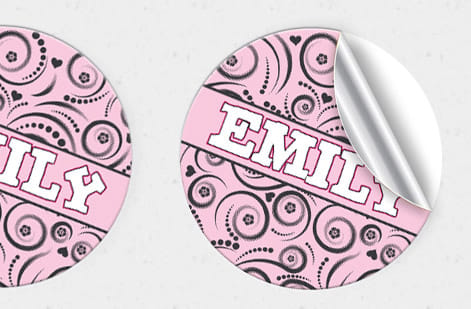
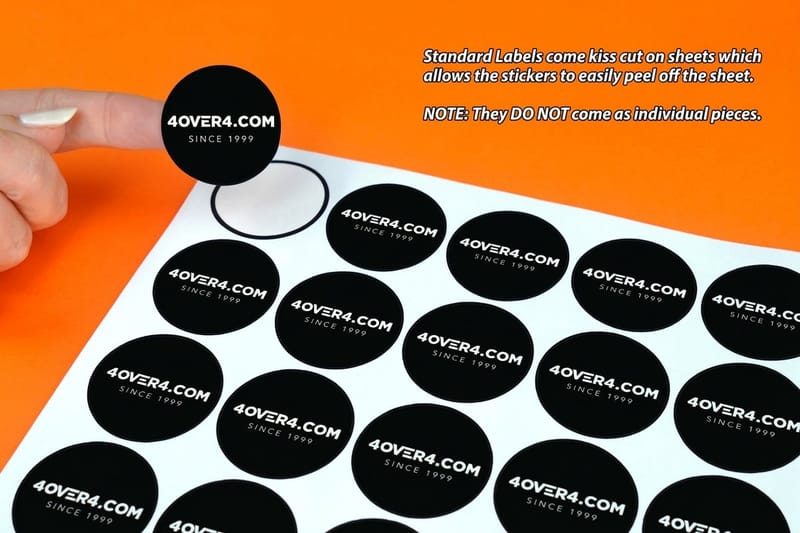
A die-cutting machine is where shape becomes design. Instead of a straight blade, it presses a custom steel die into the sheet to cut non-rectangular outlines and interior cutouts: rounded corners, arches, leaf shapes, windows, or a fully custom silhouette. This single machine is responsible for die-cut business cards, custom-shaped stickers, and shaped labels. If a product is anything other than a plain rectangle, a die-cutter made it.
The practical takeaway is simple: a standard rectangle needs only a clean cut, while any custom shape needs die-cutting. Both are available as finishes on our products, so a card can be a crisp rectangle or a fully custom outline depending on the effect you want. Browse the range in our die-cutting collection.
Surface machines: lamination, coating, and foil
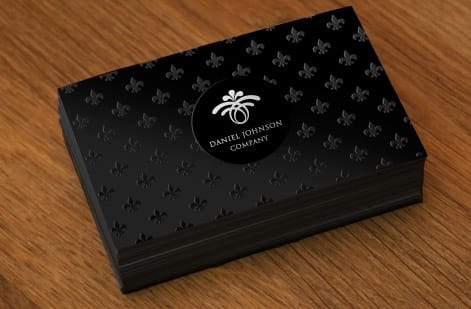
Once the shape is set, surface machines add the feel and the shine that make a piece look expensive. A laminating machine seals a thin film over the sheet with heat and pressure. The film choice sets the character: gloss laminate makes color pop and adds high shine, matte laminate reads calm and premium and cuts glare, and soft-touch laminate adds a velvety, suede-like texture that instantly signals luxury. Lamination also makes a piece far more durable and moisture-resistant.
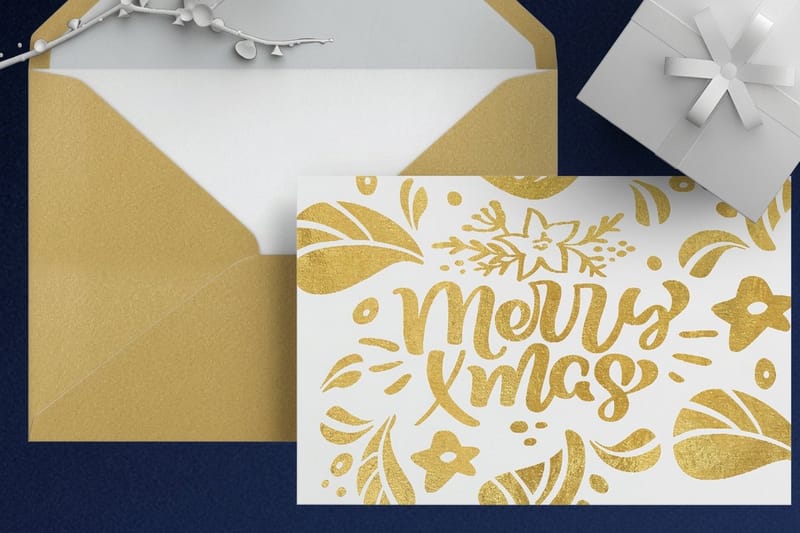
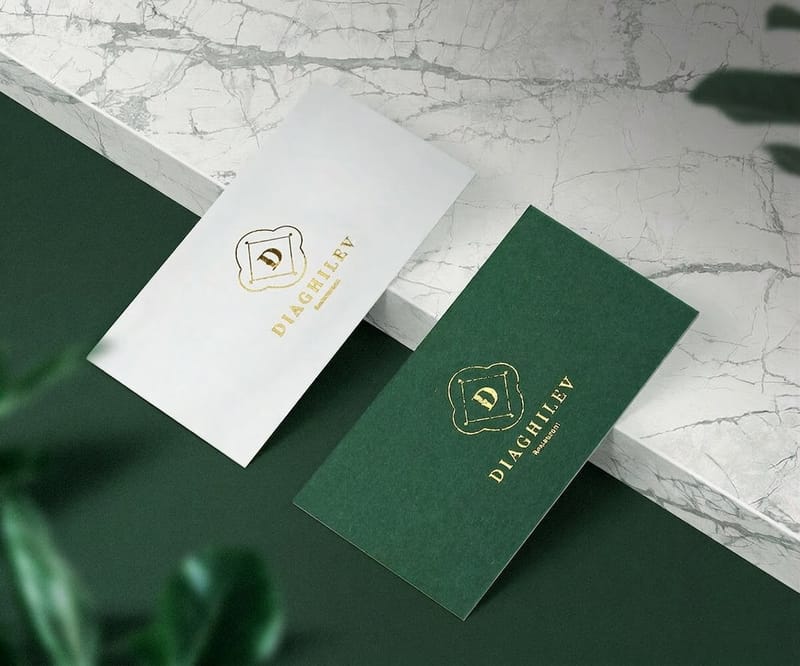
A coating machine applies a liquid finish rather than a film. It can gloss the entire piece with an aqueous or UV coating, or apply spot UV, a raised, shiny coating on just one area, like a logo or a headline, so it catches the light against a matte background. A foil stamping machine goes further still, bonding metallic foil to the sheet with a heated die so gold, silver, copper, or holographic accents shimmer in a way ink never can.
These three surface effects, laminate, coating, and foil, are the heart of premium print, and each is a live option you can order. Foil in particular needs a separate layer in your file to tell the press where the metallic goes, which our guide on setting up files for foil walks through. Explore finished examples in our laminated and foil collections. Lamination is the surface step people ask about most, so the next section breaks the laminating machines out by type, because the machine decides whether your film is trimmed flush with the paper or sealed with a plastic lip around it.
Print finishing laminating machines
Every laminating machine does the same job, bonding a clear plastic film to the printed sheet with heat and pressure. What separates one laminator from the next is how the film arrives, whether heat is involved, and how many pieces go through per pass. Those three things decide the edge you end up with, so they decide which machine a printer puts your job on.
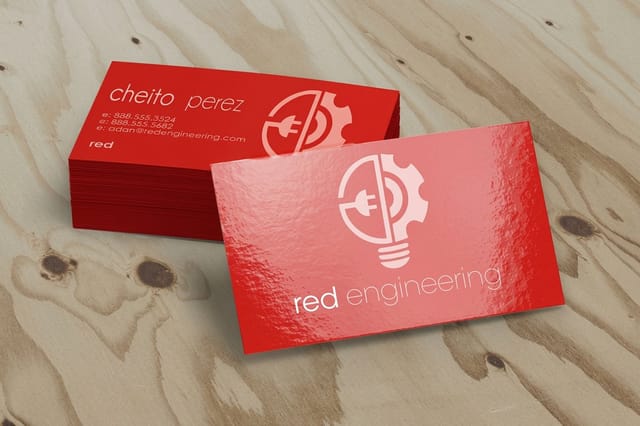
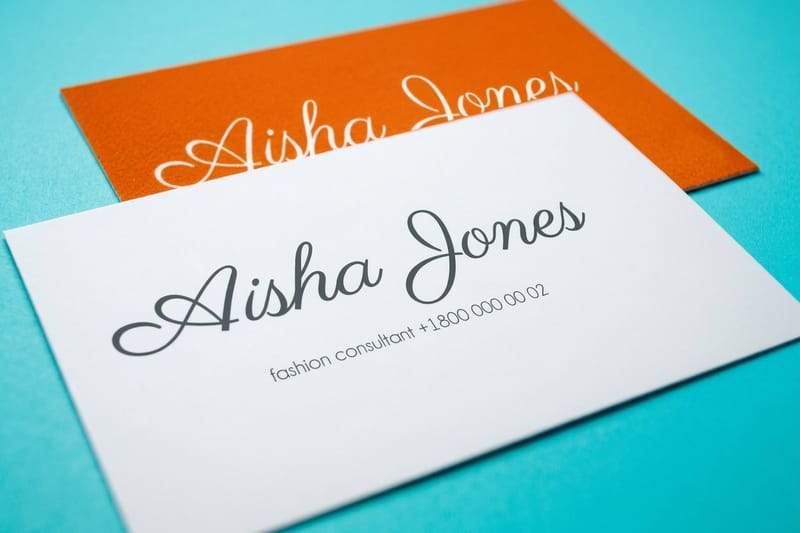
Roll laminators are the machines a commercial print shop actually runs. Film comes on two wide rolls, one above the sheet and one below, and printed sheets feed through heated nip rollers in a continuous stream, then go back to the cutter to be trimmed apart. Because the trim happens after the film goes on, the laminate is cut flush with the paper and no plastic border shows. This is the machine behind laminated business cards, postcards, menus, hang tags, and booklet covers, and gloss, matte, and soft-touch films all load onto it the same way. Browse what comes off it in the laminated collection.
Pouch laminators work one item at a time. The piece goes inside a pre-sealed sleeve and the machine seals film around it rather than trimming through it, so the film wraps past the edge and leaves a sealed plastic lip. That lip is exactly what you want on a restaurant menu that gets wiped down, an event badge, a shelf card, or an ID, and exactly what you do not want on a business card that should still read as paper. Pouch work is slower per piece, which is why it belongs to short runs and single sheets rather than a press run.
Thermal laminators versus cold, pressure-sensitive laminators: a thermal machine melts the adhesive on the film with heated rollers and gives the tighter, cleaner bond used on printed paper stocks, which covers almost everything we run. A cold laminator uses a pressure-sensitive adhesive and no heat at all, and it exists for prints that would warp, curl, or shift color if you cooked them, such as some inkjet photo output and vinyl. If your job is offset or digital on card stock, it is going through a thermal roll laminator.
Liquid and UV coaters sit on the same finishing line and get called laminating machines by mistake. A coater floods aqueous or UV varnish across the sheet and cures it instead of laying down film, so you gain shine and rub resistance without gaining thickness, and spot UV can be dropped on a logo alone. The practical split: film changes the feel, adds stiffness, and blocks moisture, while coating mostly changes the shine. Want a velvety hand or a card that survives a wallet, that is the laminator. Want gloss on a piece that still has to take a pen or a rubber stamp, that is the coater, and foil stamping adds a third machine on top of either, shown in the foil collection.
One ordering note that saves reprints: a laminated sheet still has to be scored before it folds. Film does not stop a heavy stock from cracking along a fold, so laminated brochures, folded cards, and covers go straight from the laminator to the scoring and folding machines described next. You never have to name any of these machines when you order at 4OVER4, you pick gloss, matte, or soft-touch and we route the job to the right one.
What to check before buying a print finishing laminating machine
If the search that brought you here is a shopping trip, a short checklist beats a spec sheet. Start with roll width. A 12 inch desktop machine handles letter sheets, a 27 inch roll laminator covers the 12 by 18 inch press sheets most short-run shops print on, and a wide format laminator at 55 inches and up exists for posters, banners and vehicle graphics.
Next is heat. A thermal machine gives the tighter bond on card stock and is the right buy for business cards, postcards and covers. A cold laminator with pressure-sensitive film is the buy for inkjet prints and vinyl that would curl or shift under heat. Some machines do both, and the combination costs more than either alone.
Then film thickness, quoted in mils. Thin 1.5 to 3 mil film adds sheen and a little stiffness, 5 mil is the menu and badge weight, and 10 mil turns a sheet into a rigid card. Check feed speed in feet per minute and whether the machine films one side or both in a pass.
The alternative is to skip the machine and order the finish. Every laminate on this page is a live option on 4OVER4 products, from silk laminated business cards to laminated menus.
Forming machines: folding, scoring, and binding
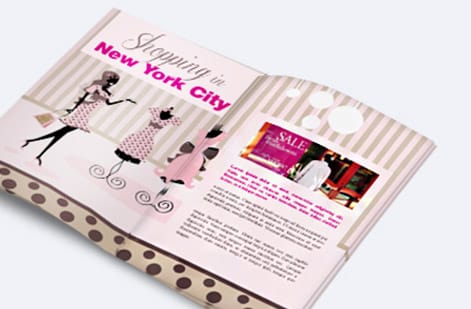
The last group of finishing machines turns a flat sheet into a three-dimensional object. A scoring machine presses a crease line into the paper, and a folding machine folds along it. Scoring matters because heavier stocks crack when folded without one, breaking the ink along the fold. Score first, then fold, and even thick paper creases sharp and clean. This is why brochures, folded cards, menus, and pocket folders are always scored before folding.
A perforating machine punches a dotted line of tiny cuts so part of a piece tears away cleanly, which is how coupons, ticket stubs, and reply cards work. A numbering machine prints sequential numbers for tickets and forms, and collating equipment gathers pages into the right order before binding.
Finally, a binding machine fastens pages together. Saddle stitch binding staples through the fold for thin booklets, while perfect binding glues pages into a flat printable spine for thicker catalogs, manuals, and books. Together, these forming machines are what make a folded brochure, a tear-off coupon, and a bound booklet possible. All of these finishes are selectable on our products, so you order the formed piece, not the process.
Wally runs the finishing line so you do not have to
Pick the effect, and the machines are ours
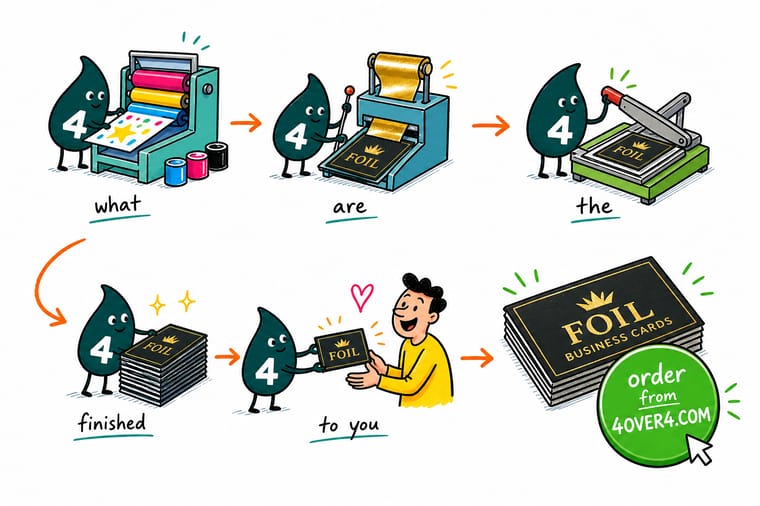
Wally knows the machines by heart: the cutter that shapes it, the laminator that seals the feel, the foil press that adds the shine, the scorer that folds it clean. But you never have to. You just choose the finish you want, gloss, soft-touch, foil, die-cut, or fold, and Wally runs the line. The price updates live, so the metallic accent or the velvety laminate is yours to pick and ours to make.
Order a finished product →Quick reference
Finishing machines and the finishes they make, at a glance
Each machine on the finishing line produces one effect you can order. Match the effect you want to the finish and skip the machinery entirely. The laminating machines are broken out row by row at the bottom, because gloss, matte, and soft-touch all come off the same roll laminator while a pouch laminator leaves a different edge on the piece.
| Machine | Produces | What it does, and what it runs |
|---|---|---|
| Guillotine cutter and trimmer | Cuts to exact size | Trims printed sheets to the final trim size with clean, square edges. The baseline finishing step behind every product. |
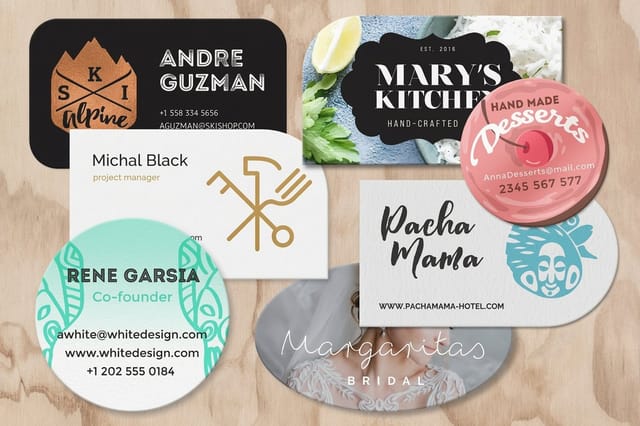
| Die-cutting machine | Custom shapes and cutouts | Presses a steel die to cut rounded corners, arches, or fully custom outlines. Makes die-cut cards, stickers, and shaped labels. |
| Laminating machine | Gloss, matte, or soft-touch film | Seals a protective film over the sheet for durability and a distinct feel, from high-shine gloss to velvety soft-touch. |
| Coating machine (UV and aqueous) | Spot UV and overall coating | Applies a liquid coating that can gloss the whole piece or spot-highlight one area with raised, shiny UV. |
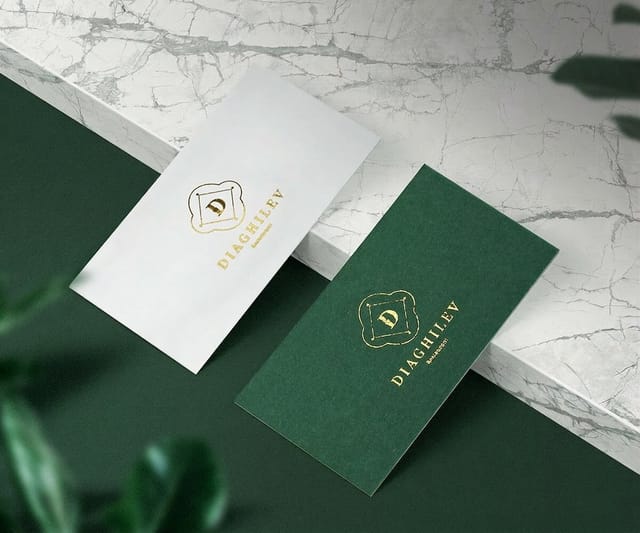
| Foil stamping machine | Metallic and holographic foil | Uses heat and pressure to bond metallic foil to the sheet, adding gold, silver, or holographic shine that catches the light. |
| Folding and scoring machine | Clean folds without cracking | Scores a crease line, then folds brochures, cards, and menus so heavy stock folds sharp instead of cracking. |
| Perforating machine | Tear-away lines | Punches a dotted cut so a coupon, ticket stub, or reply card tears away cleanly along the line. |
| Binding machine | Saddle stitch and perfect bound | Staples or glues pages into booklets, catalogs, and books, the finishing step that turns loose sheets into a bound piece. |
| Roll laminator | Gloss, matte, or soft-touch film, trimmed flush | Feeds full press sheets between two heated film rolls in one continuous pass, then the cutter trims through the film so no plastic border shows. The fastest laminator per piece, and the one behind laminated business cards, postcards, menus, hang tags, and booklet covers. |
| Pouch laminator | Sealed film with a plastic lip around the edge | Seals one item at a time inside a pre-made sleeve, so the film wraps past the trim instead of being cut through. Slower, one piece per pass, and the right choice for wipe-clean menus, badges, shelf cards, and IDs rather than paper-look cards. |
| Thermal laminator | Heat-bonded film, the tightest bond | Heated rollers melt the adhesive on the film as the sheet passes through. The standard for printed paper and card stocks, and what gloss, matte, and soft-touch film all run on here. |
| Cold, pressure-sensitive laminator | Film applied with no heat | Uses a pressure-sensitive adhesive so heat-sensitive prints do not warp, curl, or shift color. Reserved for inkjet photo output and vinyl rather than offset or digital card stock. |
| Liquid or UV coater | Aqueous gloss, full UV, or spot UV | Floods varnish across the sheet and cures it instead of laying film, so you gain shine and rub resistance without added thickness. Spot UV lands on one area, like a logo, against a matte background. |
Step by step
Choose your finish in 6 steps
- Start from the effect you want Decide what the finished piece should do: feel premium, resist water, shimmer, fold, or tear. The effect points you straight to the machine and the finish that produces it.
- Choose your cut and shape Pick a standard rectangle trimmed on a guillotine, or a custom outline pressed on a die-cutter for rounded corners, arches, or a fully shaped card, sticker, or label.
- Add a surface finish Layer on the feel and shine: gloss, matte, or soft-touch lamination for durability and texture, an overall or spot UV coating for highlights, or foil for metallic shimmer.
- Plan any folds or tear lines If the piece folds, it needs scoring first so the stock creases cleanly. If part of it tears away, it needs a perforation. Both are finishing steps, not print steps.
- Bind multi-page pieces For anything with more than a few pages, choose saddle stitch for thin booklets or perfect binding for thicker catalogs and manuals.
- Order the finished product Every finish above is a live option in the configurator. Set the finish, size, and quantity, watch the price update, and order the exact effect you want.
Specs and pricing
Foil business card specs and live pricing
Want to see a finish priced? Here are the live specs and price-per-unit for foil business cards at 4OVER4.COM, straight from the configurator, so you can see exactly what a metallic finish adds.
| Quantity | Price Per Unit | Total |
|---|---|---|
| 500 | 44.4¢ | $222.13 |
| 1,000 | 26.9¢ | $269.14 |
| 2,500 | 20.2¢ | $504.19 |
| 5,000 | 19.7¢ | $986.04 |
| 10,000 | 16.4¢ | $1,644.19 |
| 15,000 | 14.4¢ | $2,161.30 |
| 20,000 | 13.5¢ | $2,701.94 |
| 25,000 | 13.0¢ | $3,242.54 |
Print it
Order the finish you want at 4OVER4
See it in use
Real finished work, made in-house
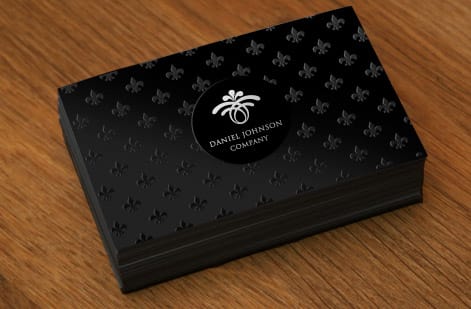
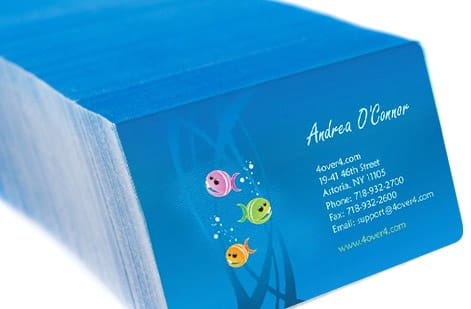
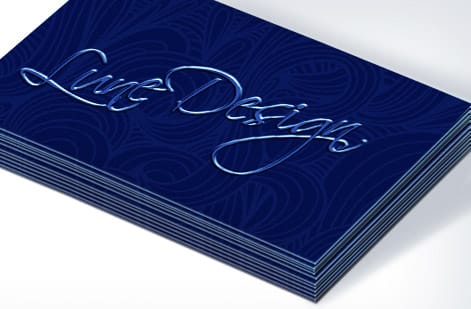
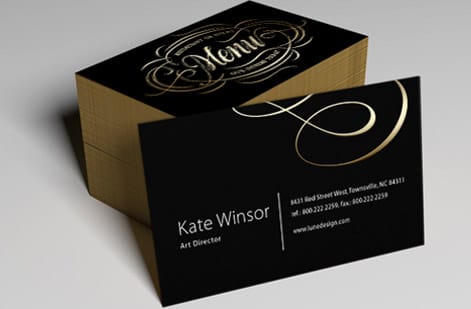
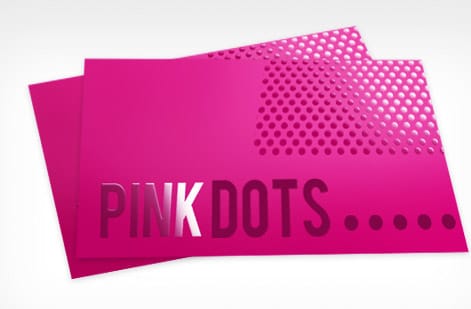
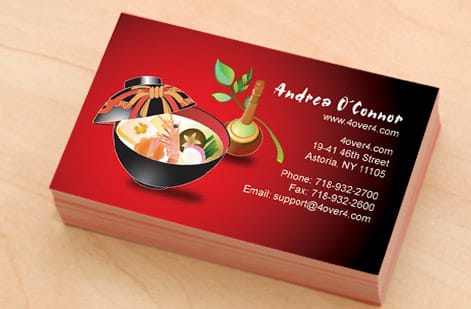
Explore more
Where to go next
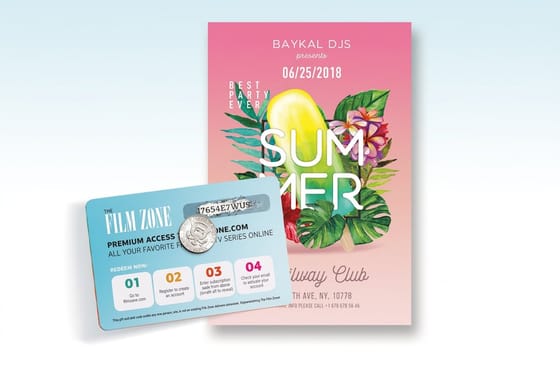
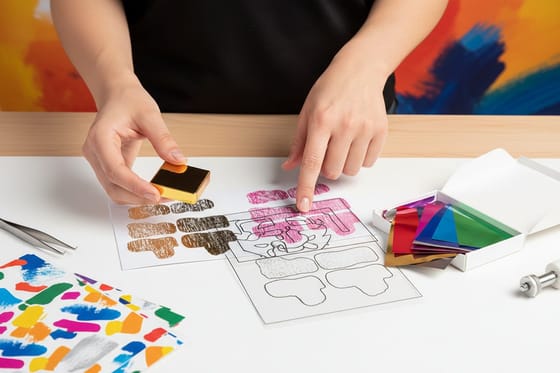
By the numbers
Sixty paper stocks that run through these machines
Common Questions
Common questions about print finishing machines
What is the difference between a wide format laminator and a cut sheet laminator?
Width and what feeds through it. A cut sheet laminator takes individual press sheets, usually up to 12 by 18 or 13 by 19 inches, and is the machine behind business cards, postcards and covers. A wide format laminator takes rolls or panels 55 inches and wider, and is built for posters, banners, vehicle graphics and mounted boards. A commercial shop that prints both runs both.
Can a printer and laminator combo replace a commercial finishing line?
For badges, menus and a handful of laminated sheets at a desk, yes. For business cards it cannot, because a pouch laminator seals film around each card and leaves a plastic lip, while a commercial line films the whole sheet on a roll laminator and then cuts through paper and film together so the edge stays flush. It also has no die-cutter, scorer, folder or foil press, which is the rest of the finishing line.
What are finishing machines in printing?
Finishing machines are the equipment that transforms a printed sheet into the final product after the ink is down. The press creates the image; finishing machines do everything that comes next. That includes cutting and trimming to size, die-cutting custom shapes, laminating a protective film, coating with UV, stamping metallic foil, scoring and folding, perforating tear lines, numbering, and binding pages into booklets. Finishing is where a flat printed sheet becomes something you can hold and use, and it is the stage where premium effects like soft-touch lamination, foil, and die-cut shapes are actually created.
What is the difference between die-cutting and regular cutting?
Regular cutting, usually done on a guillotine cutter, trims printed sheets down to a standard rectangular size with clean, straight edges. Die-cutting is different: it uses a custom steel die, essentially a shaped blade, pressed into the sheet to cut non-rectangular outlines and interior cutouts. That is how you get rounded corners, arched cards, leaf shapes, and fully custom outlines on cards, stickers, and labels. If your product is a plain rectangle, a guillotine cut does the job. If it has any custom shape, rounded corner, or window, it needs die-cutting. Both are available as finishes on 4OVER4 products.
What does a laminating machine do to printed pieces?
A laminating machine seals a thin protective film over the printed sheet using heat and pressure. Beyond protection, the film sets the feel and look of the finished piece. Gloss lamination makes colors pop and adds high shine, matte lamination reads calm and premium and cuts glare, and soft-touch lamination adds a velvety, almost suede texture that instantly signals a luxury product. Lamination also makes a piece far more durable and resistant to moisture and wear, which is why it is popular on business cards, menus, and postcards that get handled constantly. Each of these laminate finishes is a live option you can order.
How is foil added to a printed product?
Foil is applied by a foil stamping machine, which uses a heated die and pressure to bond a thin layer of metallic foil to the sheet exactly where the design calls for it. The result is a reflective gold, silver, copper, or holographic accent that catches the light in a way ink cannot match. Because the foil goes only where the die presses, your file needs a separate layer that tells the press precisely where the metallic goes. Foil is one of the most effective ways to make a business card, invitation, or folder feel high-end, and it is available as a finish on many 4OVER4 products.
What is scoring and why do folded pieces need it?
Scoring is a finishing step that presses a crease line into the paper before it is folded. Heavier stocks do not fold cleanly on their own; without a score, the paper fibers crack along the fold and the ink flakes, leaving an ugly broken line. A scoring machine creates a clean channel so the stock folds sharp and stays intact. That is why brochures, folded cards, menus, and pocket folders on thicker paper are always scored before folding. Scoring and folding are separate from printing, which is why they belong to the finishing stage of production.
Can I order these finishes without knowing the machines?
Absolutely. You never need to operate or even name the machines; you just choose the finish you want and we handle the equipment. On 4OVER4 products, effects like gloss, matte, or soft-touch lamination, spot UV, metallic and holographic foil, die-cut shapes, rounded corners, scoring, and binding are all selectable options in the configurator. Set the finish, size, and quantity, and the price updates live as you go, so you can see exactly what a foil accent or a soft-touch laminate adds before you order. The machines are ours to run; the finished effect is yours to choose.
What machines are used for print finishing?
The finishing line splits into three groups. Cutting machines set the shape: guillotine cutters trim to size, die cutters press a custom shape, and perforating machines punch the tear-away lines used on coupons, ticket stubs, and reply cards. Surface machines set the feel: roll and pouch laminators bond gloss, matte, or soft-touch film, liquid and UV coaters apply aqueous gloss or spot UV, and a foil stamping machine bonds metallic foil with a heated die. Forming machines make the piece three-dimensional: scoring machines press the crease, folding machines fold along it, and binding machines hold pages together for booklets. You never buy or name any of them to order, you pick the finish and we route the job.
What is the difference between a roll laminator and a pouch laminator?
A roll laminator films whole press sheets between two heated rolls in one continuous pass, and the sheets are trimmed afterwards, so the film is cut flush with the paper and the piece still reads as a printed card. A pouch laminator seals one item at a time inside a pre-made sleeve, so the film wraps past the edge and leaves a sealed plastic lip. Flush is what you want on business cards, postcards, and booklet covers; the sealed lip is what you want on a wipe-clean menu, a badge, a shelf card, or an ID. Roll laminating is also far faster per piece, which is why commercial print finishing runs on it and pouch machines stay with one-off pieces.
Get Started
Ready to order the finish, not the machine?
Choose lamination, foil, spot UV, a die-cut shape, or a clean fold at 4OVER4.COM and watch your price update live. We run the finishing line; you pick the effect.
Legal Disclaimer
Gold Standard guarantees apply to all standard orders placed through 4over4.com. Price match requires verifiable proof of a competitor's published price for an equivalent product with matching specifications and turnaround time. Satisfaction guarantee covers manufacturing defects and print quality issues. Contact support with order number and documentation. On-time delivery rate based on tracked orders 1999 to 2026. Individual results may vary based on shipping carrier performance.
