
What Is Security Printing and How It Stops Document Fraud


Every anti counterfeit feature explained in plain terms: what each one stops, how someone verifies it at a counter, where it fails, and which documents genuinely need one.
Security printing is the set of print techniques that make a document hard to duplicate, hard to alter without leaving a mark, and fast to verify: microtext, void pantographs, guilloche line work, ultraviolet and color shifting inks, foil and holograms, sequential numbering, scratch off panels, and stock that stains when a solvent touches it. It stops fraud in two directions at once, by making a convincing forgery expensive to produce and by making a poor one obvious to whoever checks it. Checks, prescription pads, tickets, gift certificates, transcripts and authenticity labels are the documents that carry it.
Quick answer
Raise the cost of forging, lower the cost of checking
Security printing works on the forger and on the verifier at the same time. Features like microtext, void pantographs and guilloche backgrounds sit deliberately at the edge of what a copier can reproduce, so the original survives duplication and the copy does not. Features like foil, holograms and UV ink give a person at a counter something to check in a second. Numbering and tamper evident panels do the third job, making an attempt visible after the fact. Stack one from each layer and the document is protected in three different ways rather than three times in one way.
Overt, Covert and Forensic: the Three Layers
Security features are sorted by who can check them and with what. Sort them that way before you choose any, because buying three features from the same layer leaves the same hole open three times.
- Overt, checked by eye. Foil, holograms, color shifting ink, intaglio texture, a watermark held up to a window. Anyone at a counter verifies one in about a second, which is the entire point of the layer.
- Covert, checked with a cheap tool. Microtext under a loupe, fluorescent ink under a 365 nanometre lamp, thermochromic ink that changes color under a thumb. The forger has to know the feature is there before they can attempt it.
- Forensic, checked in a lab. Chemical taggants, spectral inks, machine readable markers. Slow and expensive to verify, so this layer settles a dispute after the fact rather than stopping one at the counter.
A working document takes one from each layer. The overt feature does the day to day filtering, the covert feature catches the copy that got past a distracted cashier, and the forensic feature is what you take to court. Three overt features stacked together only mean the forger buys three foil dies.
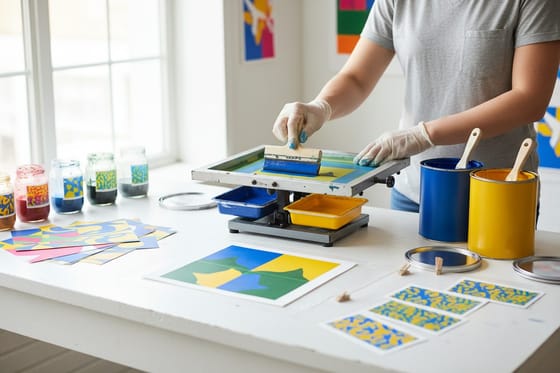
There is one honest tension here. Checks and tamper resistant prescription forms usually print a short list of their own security features on the face of the document, which tells a forger exactly what to beat. It is still the right call, because a feature nobody knows to look at prevents nothing, and verification failure loses more money than skilled forgery does. The compromise printers use is to keep one covert feature off the printed list. Getting those inks onto the sheet correctly is ordinary spot color printing work, run as an extra unit rather than out of the process set, and the rest of the workflow is covered across the printing basics guides.
The Features That Defeat a Copier
Most anti copy features are not secret. They are arithmetic. A copier samples the page at a fixed resolution and throws away anything it cannot resolve, so a feature designed to sit right on that threshold survives on the original and dies on the duplicate.
Microtext is type set at roughly half a point to one point, which reads as a solid rule from thirty centimetres away and resolves into words under a loupe. Copy it and the stroke breaks into a dotted line. Void pantographs hide a word in a background built from two screens of matching apparent tone, coarse dots for the word and fine dots for the field, so the copier keeps the coarse and loses the fine and the word appears. Guilloche line work, those interlocking mathematical curves on certificates, produces heavy moire when scanned. Prismatic or split fountain backgrounds blend two inks gradually across the sheet, and the blend point shifts slightly on every run, which is very hard to match on a desktop printer.
| Feature | What it defeats | How you verify it | Where it fails |
|---|---|---|---|
| Microtext | Photocopying and scanning | A 10x loupe, no lamp needed | A 1200 dpi scanner and a good laser can hold one point text |
| Void pantograph | Casual copying on office equipment | Copy it and read the copy | Tuned to a threshold range, so very high resolution scanning beats it |
| Guilloche background | Redrawing and scanning | Compare the line work against a known good | Vector libraries of generic guilloche patterns are easy to buy |
| UV fluorescent ink | Duplicates made on any normal press | A 365 nanometre lamp at the counter | Worthless if nobody owns the lamp or thinks to use it |
| Sequential numbering | Nothing at the point of copying | Reconcile the numbers against the issued list | Only catches fraud later, and only if someone reconciles |
| Foil and holograms | Origination, since a master shim is expensive | Tilt it and watch the image move | Stock generic holograms are cheap to source, so custom is the real barrier |
| Scratch off panel | Reading a code without leaving evidence | Look at whether the panel is intact | Protects the code, not the card, so pair it with numbering |
| Reactive stock | Chemical alteration and check washing | The sheet stains where a solvent touched it | Adds substrate cost and limits your stock choices |
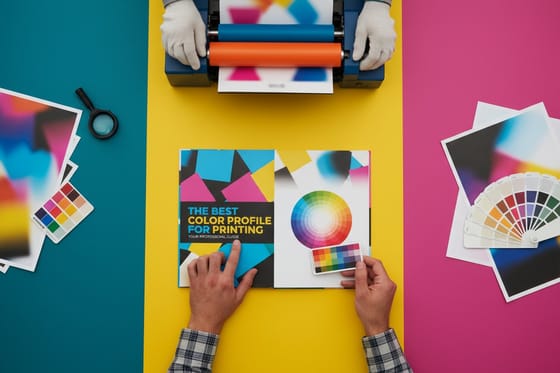
Read the last column first. Every one of these has a defeat, which is the argument for stacking layers rather than hunting for the perfect feature. One more practical note: fine screens and half point rules only survive if the file reaches the press intact, so build the artwork in vector, keep security elements out of any effect that rasterises them, and hand the file over the way our color profile guide describes. Uncoated and heavily textured sheets close up fine detail, which is worth a look in the paper types guide before you commit.
Numbering, Scratch Off Panels and Tamper Evidence
If you only have budget for one control, make it sequential numbering. It stops nothing at the moment of the copy, which is why people undervalue it, and it catches almost everything afterward: two tickets with the same number at the door, a gift certificate redeemed twice, a form that never appears on the issued list. Numbering turns a fraud you cannot see into a mismatch on a spreadsheet.
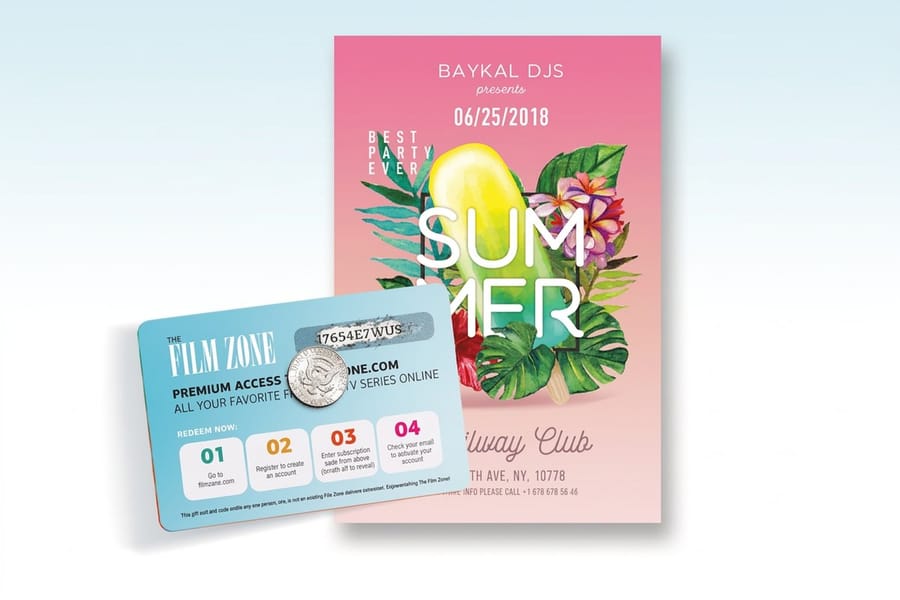
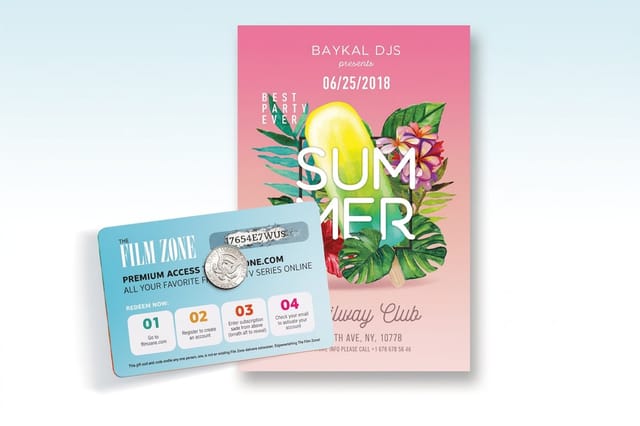
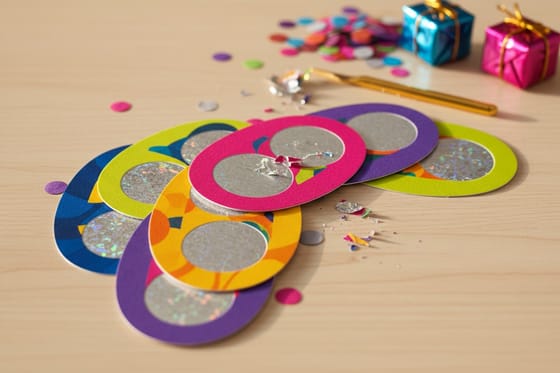
Scratch off latex does something different again. It does not make a card hard to copy. It makes reading the hidden code impossible without destroying the evidence, because once the panel is removed it cannot be put back. That is exactly what a gift card PIN, a promotional code or a prize entry needs, and it is why scratch off printing starts at $237.25 rather than at plain card money. The mistake to avoid is treating the panel as the whole system. Pair it with a unique number under the latex and a database that marks that number as spent, or a photograph of an unscratched card is worth as much as the card.
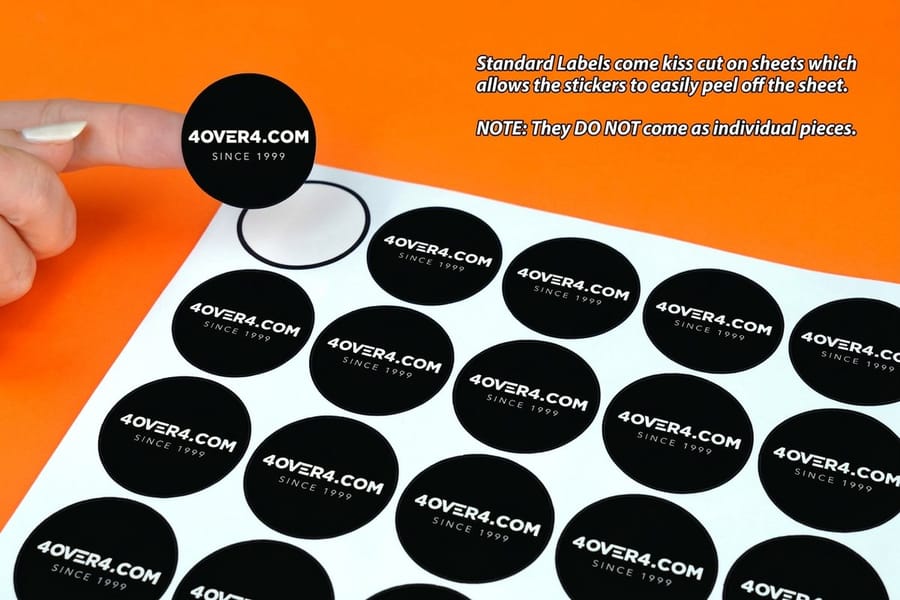
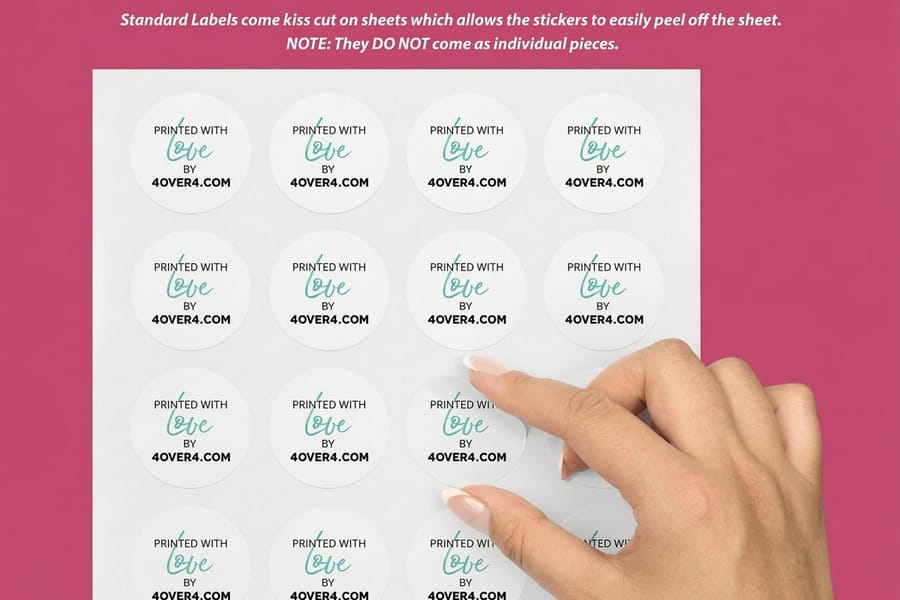
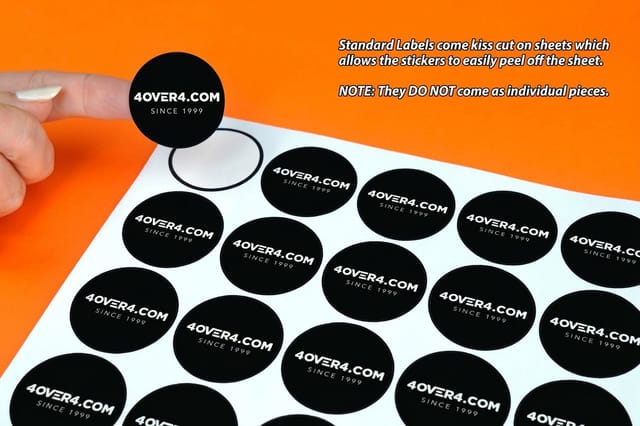
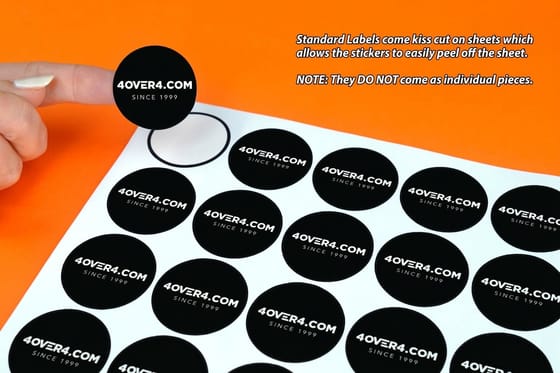
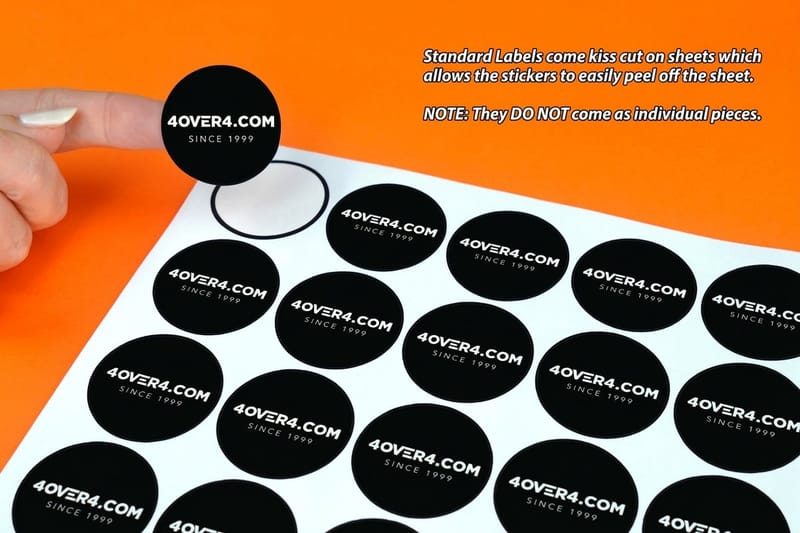
Tamper evidence on physical goods is the label's job. Destructible vinyl shatters when someone tries to lift it, and void adhesive leaves a checkerboard of the word VOID on both the label and the surface it came off. Serial numbers or barcodes printed on standard labels, which start at $23.88, let a distributor or a customer confirm a unit is the one you shipped. For a deeper look at how a hidden panel gets designed into a piece rather than stuck onto it, the walkthrough on gift card scratch off printing is the place to start.
One thing worth being blunt about: none of this works unattended. A serial number that nobody reconciles, a void adhesive nobody inspects and a UV mark nobody lamps are all sunk cost. Decide who checks, when, and with what, then buy the features that fit that answer.
Which Documents Actually Need It
Match the feature set to what a successful forgery would actually cost you. Five categories cover most of the real demand.
- Checks and payment instruments. The heaviest stack: microtext on the signature line, a void pantograph, chemically reactive stock so a solvent shows, toner anchorage so the amount cannot be lifted with tape, the E-13B magnetic character line at the bottom, and a warning box listing the features. The padlock icon on a check face signals it carries at least three of them.
- Prescription pads. Medicaid prescriptions must be tamper resistant on three fronts at once, blocking copying, blocking erasure or modification, and blocking counterfeit blanks. In practice that is a copy void background, an erasure evident surface, and a printed feature list.
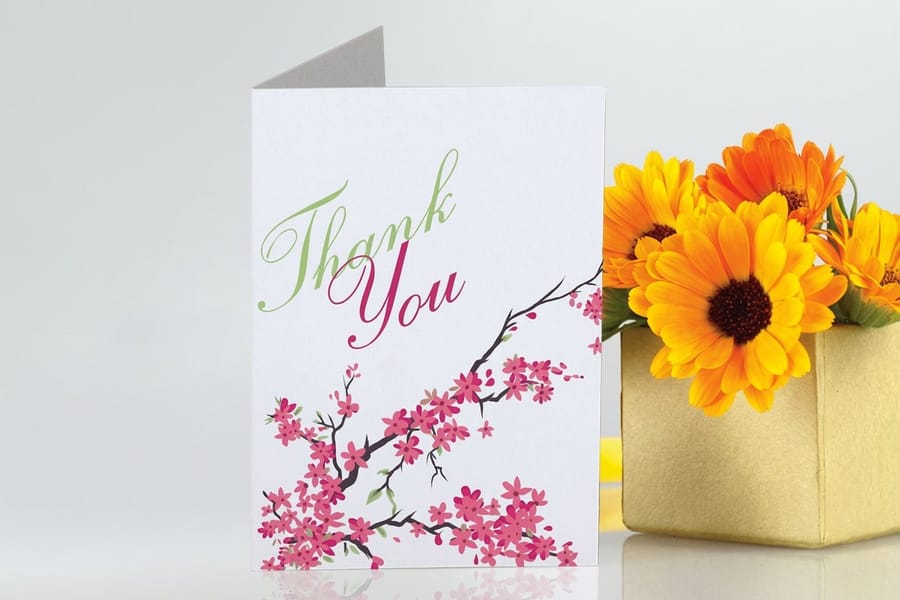
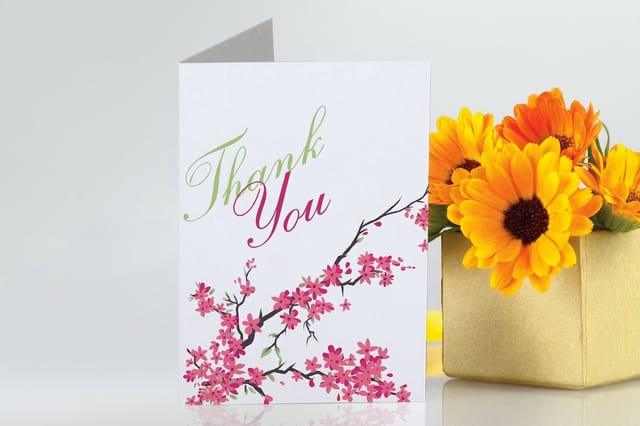
- Gift certificates and vouchers. Sequential numbering plus a redemption list does the heavy lifting, with foil or a scratch off panel as the visible deterrent. Most are produced as folded or flat cards, which is why greeting cards from $56.02 are the usual format.
- Event tickets and passes. Numbering, a variable barcode tied to a scan list, and one overt feature staff can spot in a queue without stopping the line. Anything that needs a loupe is the wrong choice at a door.
- Product authenticity and compliance labels. Serialized labels, void adhesive or destructible vinyl, and a code a customer can verify. The threat here is grey market resale and refilled packaging, not a photocopier.
Two categories that people over specify: internal forms and low value coupons. If a duplicate costs you five dollars, a numbered form on plain stock is the correct answer and a hologram is theatre. Where it is worth spending more is anything with a long shelf life, because a certificate that stays valid for two years gives a forger two years to work on it.
Turnaround is the other planning item. Numbering, foil and scratch off are all finishing passes that sit after the press run, so build a little slack into the schedule rather than assuming a standard lead time. Domestic production shortens that loop, which is part of the argument in our piece on US based printing, and stock choice affects how well the fine work holds, covered in choosing a paper for printing.
Wally explains security printing
The original stays clean, the copy gives itself away
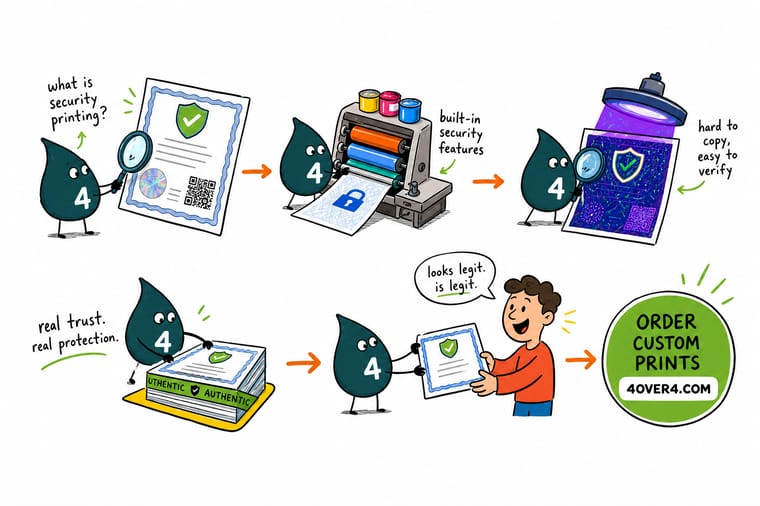
Wally prints a background from two screens that look like one flat tone. The word VOID is set in coarse dots, the field around it in very fine dots. Your eye reads a single grey. The copier cannot hold the fine dots, drops them, keeps the coarse ones, and hands back a sheet with VOID across it. Then he numbers every piece, so even a perfect copy shows up as a duplicate number on the list. Nothing here is magic. It is resolution and bookkeeping, doing the work a hologram gets the credit for.
Order scratch off printing →Specs and pricing
Secured formats, sizes, and starting prices
The three formats most security work is printed in, with live configuration choices and starting prices straight from the 4OVER4.COM configurator.


Print it
Print documents that are hard to fake and easy to check
Explore more
Where to go next

By the numbers
The shop that runs your secure documents, counted
Common Questions
Your security printing questions, answered
How do I set up Secure print on my printer?
That is a different thing from security printing. Secure print is an office printer feature that holds a job until you type a PIN at the machine, so nobody picks up your pages from the tray. In the print dialog open the printer properties, find the job type or output method setting, choose Secure Print or PIN Print, enter a code, then walk to the printer and release the job from its panel. It protects who collects a document, not whether the document can be copied, which is what the features on this page do.
Where can I get security paper?
From a commercial printer or a security paper mill, not from an office supply shelf. Void pantograph and microtext backgrounds are printed onto ordinary stock by the press, so any commercial printer running fine screens can produce them. Chemically reactive stock, which stains when a solvent touches it, and true watermarked paper are made at the mill and sold in mill quantities, so ask the printer to source them for the run. For labels and cards with numbering, tamper evident adhesive or scratch off panels, Standard Labels start at $23.88 and greeting card stock at $56.02.
What is security printing?
Security printing is the group of print techniques used to make a document hard to duplicate, hard to alter without leaving a mark, and fast to verify. The usual toolkit is microtext, void pantograph backgrounds, guilloche line work, ultraviolet and thermochromic inks, foil and holograms, sequential numbering, scratch off panels, and stock that stains when it meets a solvent. Currency, checks, prescription pads, event tickets, gift certificates, transcripts, and product authenticity labels all use some combination of them.
Can a normal commercial printer do security printing?
Most of it, yes, and a few things no. A commercial press can produce microtext, void pantographs, guilloche and prismatic backgrounds, UV fluorescent ink, sequential numbering, foil stamping, applied holograms, scratch off latex panels, and tamper evident label stock. What a commercial printer cannot produce is a true watermark, which is formed in the paper mill while the sheet is still wet pulp, or intaglio texture, which needs a plate press built for it. Those come from a mill or a specialist, in mill sized quantities.
How does a void pantograph work, and does it always work?
The background is built from two screens that read as the same flat tone at arm's length. The hidden word is set in coarse dots, the surrounding field in much finer dots. A copier or scanner reproduces the coarse dots but loses the fine ones, so the word appears on the copy and not on the original. It does not always work. The pattern is tuned to a particular range of reproduction thresholds, so a very high resolution scanner can hold both screens and produce a clean copy, and an aggressive pattern can start showing the word faintly on the original. Ask for a proof and photocopy it on the machine your documents will realistically meet.
What is the difference between a real watermark and a printed one?
A real watermark is a thickness variation in the sheet itself, made by a dandy roll pressing the fibers while the paper forms, so it shows as light and dark when held up to a window and cannot be printed on afterward. A simulated watermark is a translucent varnish or resin printed on the back of the sheet, usually visible at an angle or against light. The simulated version is available at normal print quantities and is genuinely useful. It is also easier to imitate, so it belongs in a stack of features rather than on its own.
Which documents legally require security features?
The one most US businesses meet is the prescription pad. Medicaid prescriptions must be written on tamper resistant forms that block unauthorized copying, block erasure or modification, and block the use of counterfeit forms, which in practice means a copy void feature, a chemically reactive or erasure evident surface, and a security feature list printed on the form. Checks are governed by convention rather than a single statute: the padlock icon signals that the check carries at least three security features and lists them in a warning box, and banks look at whether a business took ordinary care when a forged check dispute lands. Tickets, coupons and gift certificates carry no legal requirement, only the loss you absorb without them.
How much do security features add to a print job?
It depends entirely on which layer you buy. A void pantograph, microtext, a guilloche background and a warning box are artwork, so they add setup time and almost nothing per piece. Sequential numbering adds a finishing pass. Foil, applied holograms and scratch off latex add a real per piece cost and a little turnaround: scratch off printing at 4OVER4.COM starts at $237.25, standard labels start at $23.88, and greeting cards start at $56.02. The useful way to budget is to compare the added cost against the value of one successful forgery, not against the cost of a plain print run.
Does adding a security feature list to the document help forgers?
It helps both sides, and that is a deliberate trade. Printing a short list of the features on the face of a check or a prescription form tells a forger what to beat, but it also tells every teller, pharmacist and cashier what to check. Verification failures cause far more losses than clever forgeries do, so the list usually pays for itself. Keep at least one covert feature off the list, so there is something the document has that its description does not mention.
Get Started
Ready to print something that is hard to fake?
Pick your format, add sequential numbering, a hidden panel or a tamper evident stock, and we print documents your staff can verify in a second.
Legal Disclaimer
Gold Standard guarantees apply to all standard orders placed through 4over4.com. Price match requires verifiable proof of a competitor's published price for an equivalent product with matching specifications and turnaround time. Satisfaction guarantee covers manufacturing defects and print quality issues. Contact support with order number and documentation. On-time delivery rate based on tracked orders 1999 to 2026. Individual results may vary based on shipping carrier performance.
