
Why a Printed Calendar Still Beats a Calendar App for Brand Exposure


Emma is our prepress and print production voice, built from the knowledge of our production team, with over 20 years in printing.
A wall calendar is the only marketing piece a customer hangs up on purpose and looks at for twelve months. Each format reaches a different room, the printing decisions change what gets seen, and one deadline decides whether it works at all.
Print a physical calendar because it stays visible without anyone opening anything: it hangs in a shared room for twelve months and is read by everyone who walks past, which a phone calendar cannot do. A wall format reaches a whole household or crew, a desk tent reaches one person, and a poster calendar covers a team floor. The catch is timing: print in October and mail by the first week of December, or the wall is already taken.
Quick answer
Twelve months of wall space, bought once
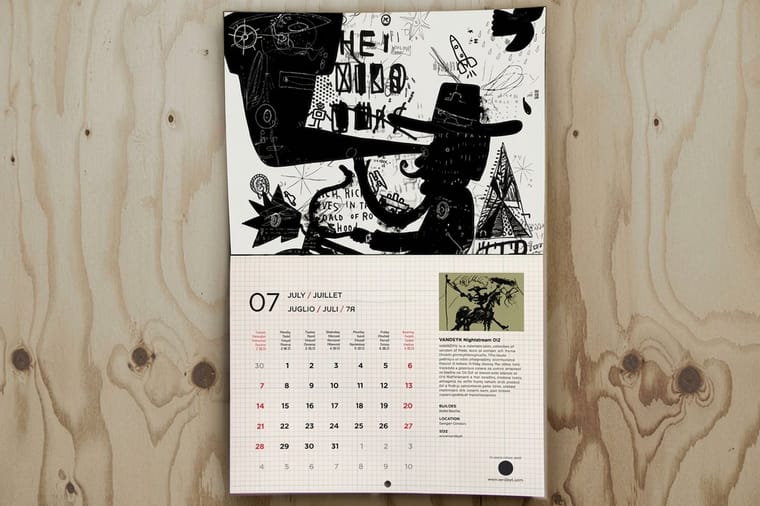
A printed calendar earns its cost because it is ambient rather than private. It hangs where several people see it every day, with your logo on the bottom strip of every month sheet, and it stays there long after a flyer would have been thrown out. It will never remind anyone of a meeting, so design it as a branded object with a usable grid rather than as a planner. Then hit the deadline, because a calendar that arrives in January is worth nothing.
What a Printed Calendar Does That a Calendar App Cannot
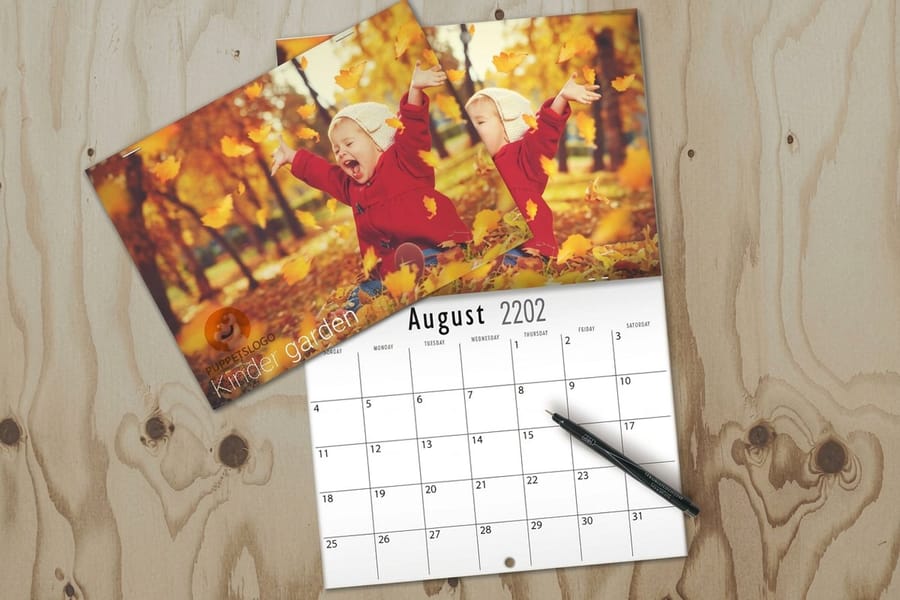
A calendar app is a scheduling tool. A printed calendar is a piece of furniture. That distinction explains everything about why companies still print them.
The app only exists while the screen is on, and it is private to one account. The printed sheet is ambient: it hangs in a kitchen, a service bay, a break room or above a reception desk, and it is read by everyone who passes it, including people who have never heard of you. Nobody has to open anything. Nobody has to remember you exist. The sheet simply sits there through twelve months of glances, and your phone number sits on it.
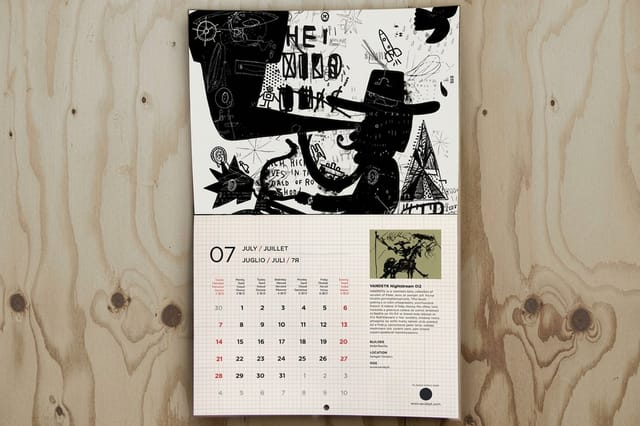
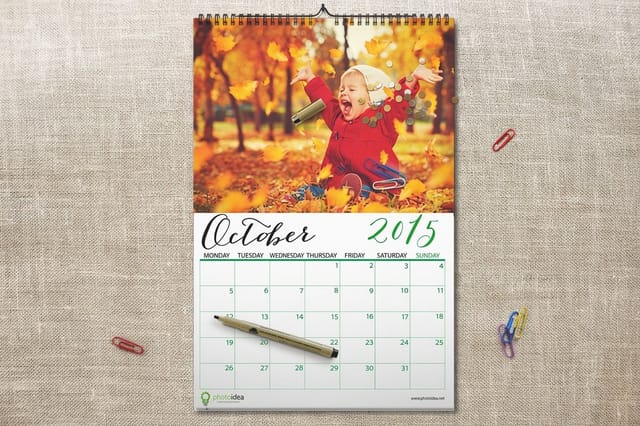
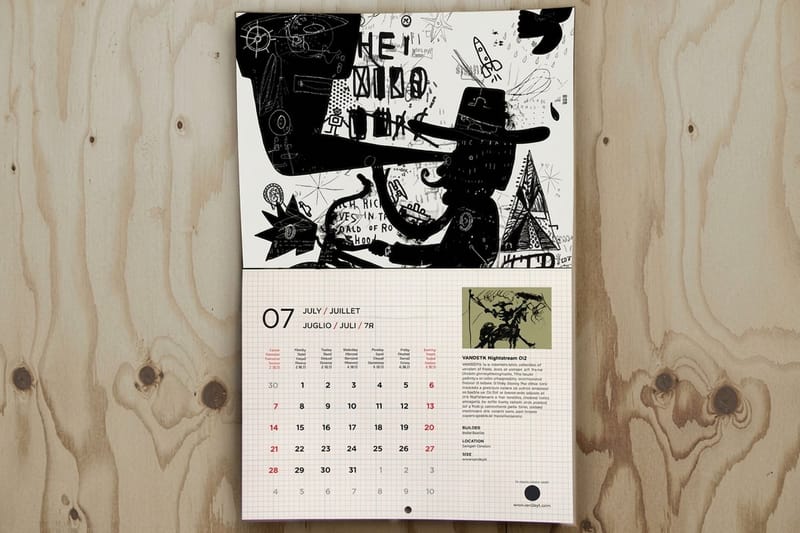
Be honest about the trade-off, because it is real. A printed calendar cannot remind anyone of anything, cannot sync, and cannot be edited after it ships. If your recipient runs their working life in Outlook, your calendar is not going to become their planner and you should stop designing it as one. Design it as a branded object that happens to show dates: a strong image panel, a grid with enough room to write a delivery date in, and a brand band that repeats on every sheet.
The band is the part most people get wrong. A logo printed only on the cover gets seen in the last week of December and never again. Put the logo, the phone number and the URL on the bottom strip of all twelve month sheets, and treat the cover as the sales pitch rather than the branding. Standard calendars start at $812.59 at 4OVER4.COM, which tells you immediately that this is a bulk buy for a client list, not a one-off souvenir.
Wall, Desk, Poster and Pocket: Which Format Reaches Whom
Format is a distribution decision, not a design one. Each one puts the calendar in a different room and in front of a different number of people.
| Format | Where it ends up | Who reads it | The catch |
|---|---|---|---|
| Wall, Wire-O | Kitchen, break room, workshop, reception wall. | Everyone in the room, all year. | Needs the coil and a hanging hole, and half an inch of the top edge is lost to the punch. |
| Desk tent | One desk, angled toward one chair. | The person sitting there and anyone who visits that desk. | Small image panel and small date boxes, so the artwork has to be simple. |
| Poster calendar | Studio, plant floor, back office. | A whole team at once, from across the room. | All twelve months on one sheet means tiny boxes, and it cannot be turned or updated. |
| Pocket or card | Wallet, laptop sleeve, toolbox. | One person, at close range. | Cheapest to mail, but it is a reference card and carries almost no brand surface. |
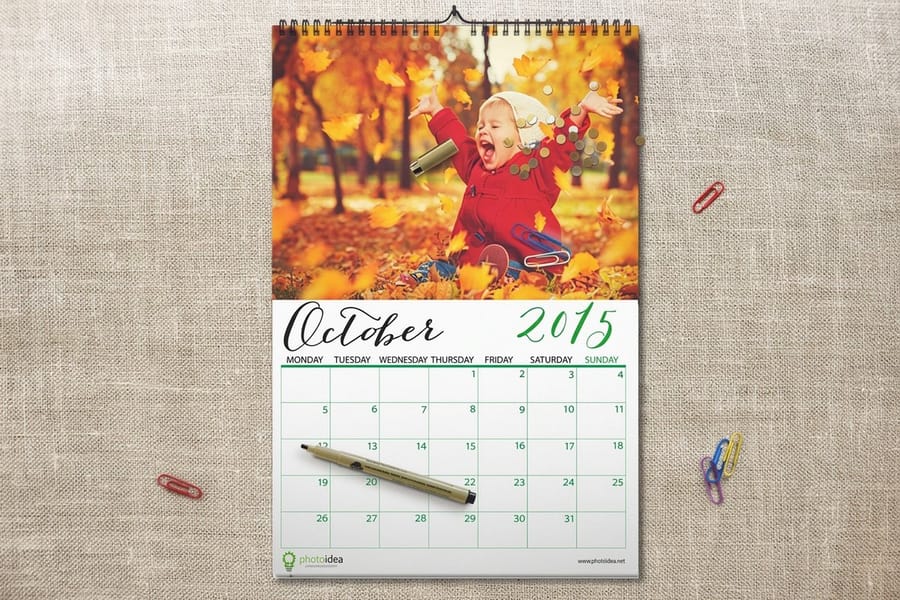
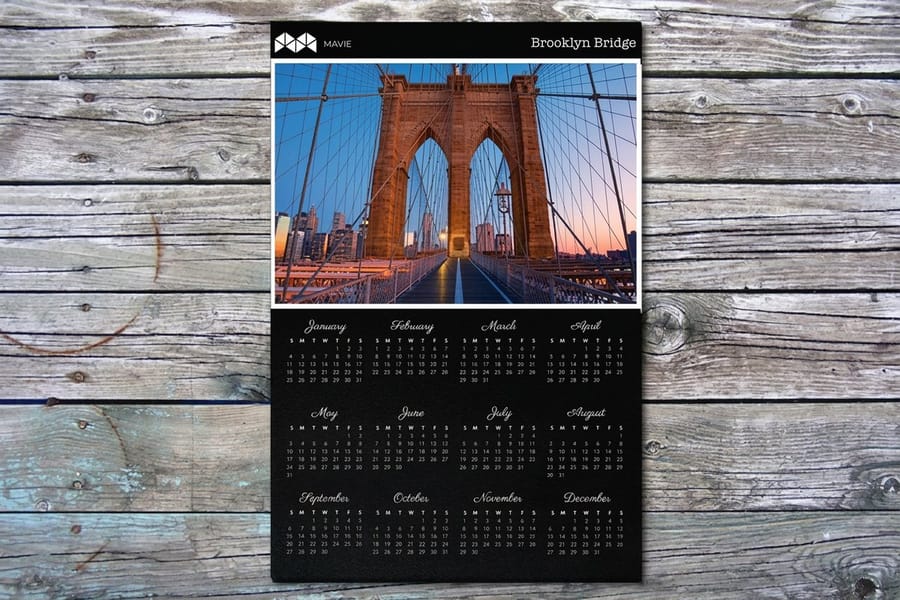
Read the third column before the second. If your goal is exposure to a household or a crew, the wall format is the only one that does it, and Wire-O coil calendars hang flat and turn cleanly for the full year. If your goal is one named decision maker, a desk tent lands closer to them but reaches nobody else. A poster calendar printed on standard posters works for a production floor that needs the whole year visible at once, and it is the cheapest way to cover a big wall, starting at $108.75.
Exact dimensions for each of these sit in our guide to standard calendar sizes, and the whole range is configurable on the calendar printing category page.
Binding, Stock and the Half Inch Nobody Plans For
Three build decisions change how a calendar looks on a wall in June, and one of them regularly ruins a file.
Binding. Wire-O is the default for anything that hangs, because the coil lets each sheet lie flat against the wall instead of bowing away from it. A folded and stapled calendar looks fine in a proof and curls off the wall within a couple of months. The coil also gives you a clean hanging point, which a saddle stitched booklet does not. If the piece will never hang, a tent fold on heavier stock is the simpler build. Our guide to binding types covers how each method behaves once it is in someone's hands.
Stock. The month sheets carry an image and get written on, so a coated book weight holds the photograph without going floppy, and a heavier cover stock keeps the top sheet from creasing during shipping. A gloss coat makes the image panel snap but resists pen; a matte or dull coat takes ballpoint and pencil, which matters if the calendar is going into a workshop where people actually write on it. Pick the finish for the room, not for the proof.
The punch zone. Wire-O punching removes roughly half an inch along the bound edge. Any type, logo or grid line inside that strip gets holes drilled through it. Add the usual 0.125 inch bleed on all four sides and then keep everything meaningful clear of the punched edge. This is the single most common reason a calendar file comes back for correction, and it is entirely avoidable: start from a sized layout in the blank template library and check the top strip last, before you export. The full list of binding, finish and format combinations is in our calendar printing options guide.
Ordering as a Client Gift, and When to Skip It
Calendars are the one print job with a hard deadline that has nothing to do with production. Print in October, mail in the first week of December, and your calendar is on the wall before anyone else's arrives. Mail in the second week of January and it goes in the recycling unopened, because the wall is already taken.
Work backwards from that. Artwork should be final in September, which means the photography or illustration for twelve image panels needs to be chosen in August. If you personalize per client, decide early whether you are changing only the brand band or the cover as well, because a per-client cover changes the run structure. Ordering bulk calendars for clients walks through run sizes and the personalization options in detail, and the six components of a custom calendar covers what has to be decided before the file is built.
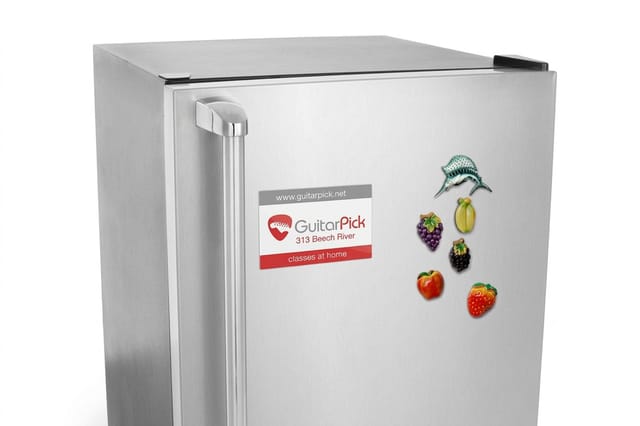
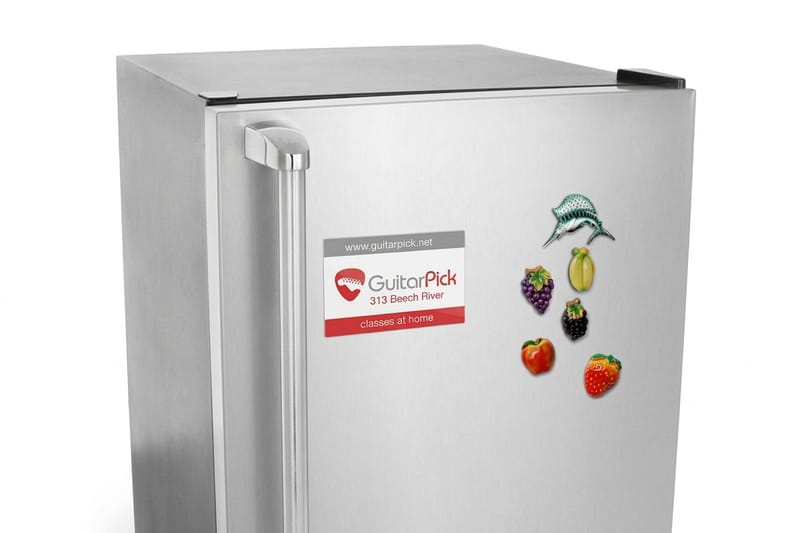
Now the part most calendar articles leave out: sometimes you should not print one. If it is already December and nothing is at the printer, skip it. A late calendar reads as an afterthought and costs the same as an on-time one. Send standard magnets instead, starting at $19.68, and they go on a fridge or a filing cabinet in any month of the year. Skip it too if your list is small enough that a run at this scale makes no sense, or if your recipients are field crews with no fixed wall. In those cases the money goes further on something that travels with them.
When the timing does work, a calendar is the longest-running piece of print you will ever buy. Everything else gets read once. This one hangs in a room for twelve months with your phone number under every month grid.
Wally explains printed calendars
The app closes. The wall does not.
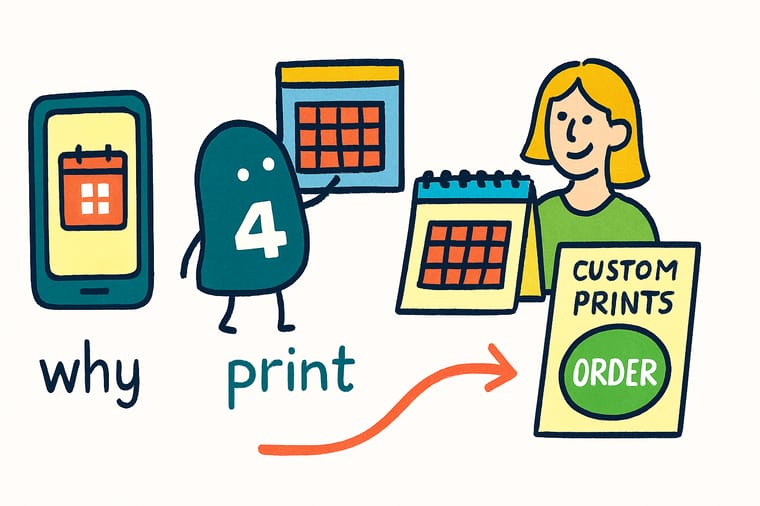
Wally hangs the calendar on the kitchen wall and puts the phone face down on the counter. The phone knows every appointment, but nobody looks at it unless they open it. The calendar just hangs there, and everyone who walks through the room reads it, including the neighbor, the plumber and the kids. Wally puts the logo and the phone number on the bottom strip of all twelve sheets, keeps type half an inch clear of the wire punch, and gets it in the mail the first week of December. Any later and the wall is already taken.
Configure your calendars →
Specs and pricing
Calendar formats, sizes and starting prices
Saddle-stitched calendars and Wire-O coil calendars both start at $812.59 for 25 on 100# gloss text, printed in full color on both sides. The saddle-stitched run defaults to 24 pages with a single 1/8 inch hanging hole, and the coil version holds 26 pages for twelve months on a black wire coil in four sizes up to 12 by 17 inches. A single-sheet poster calendar starts at $108.75 for 50 at 11 by 17 inches. Each card below reads live from the 4OVER4.COM configurator.



Print it
Order a calendar people keep on the wall
One hundred coil calendars cost $1,218.87, about $12.19 each for twelve months on a client's wall, and a 2 by 3.5 inch fridge magnet from $19.68 carries the same logo onto a second surface.

Explore more
Where to go next
Settle the format first, wall, desk or single sheet, then plan the twelve month images and the logo strip before you open the templates and sizing guides below.


By the numbers
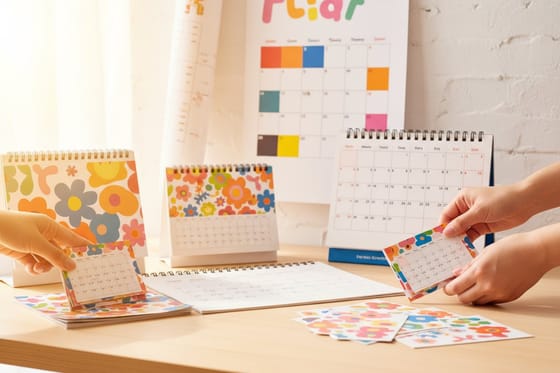
Wall, desk and poster calendar formats
Common Questions
Your printed calendar questions, answered
Why print a physical calendar when everyone has a phone?
Because the two do different jobs. A phone calendar handles appointments and reminders; nobody opens it to look at your logo. A printed calendar is ambient. It hangs in a kitchen, a workshop, a reception desk or a break room, and it is read by whoever walks past, not only by the person who owns it. That is why calendars remain a gift item rather than a scheduling tool: you are not competing with Google Calendar, you are buying twelve months of wall space in a room where your customer already works.
What size is a standard wall calendar?
The two common wall formats are 11 by 17 inches hanging open, which folds to 11 by 8.5 for mailing, and a square 12 by 12. The 11 by 17 gives you a large image panel and a date grid with writing room in each box. The 12 by 12 suits photography and reads well on a narrower wall. Desk tent calendars are much smaller, usually around 5.5 by 8.5 folded. The full breakdown, including poster and pocket formats, is in our guide to standard calendar sizes.
Wire-O binding or a stapled fold?
Wire-O for anything that hangs. The coil lets each month lie flat against the wall and turn cleanly, and it holds a hanging hook. A stapled or folded calendar will not hang square and tends to curl off the wall by March. The cost of the coil is small next to the printing itself, and it is the difference between a calendar that stays up for a year and one that gets taken down in February.
How many pages does a calendar actually need?
Thirteen sheets is the normal build: a cover plus one sheet per month. Some runs add a fourteenth showing the following January so a user can plan across the year end, and some drop the cover and print the first month on the outside. Every added sheet is another printed side, so decide the page count before you request pricing rather than after, because it moves the number.
When do calendars have to be printed and mailed?
Print in October, mail in the first week of December. A calendar that lands in the second week of January has already lost to whoever mailed one in November, and it usually goes straight in the recycling. If you have missed the window, do not rush a calendar out in January. Send magnets or a magnetic notepad instead and plan the calendar properly for the following year.
Does the artwork need bleed and a safety margin?
Yes, and the safety margin is tighter than usual at the bound edge. Extend the background 0.125 inch past the trim on all four sides, and keep type, logos and the date grid at least half an inch clear of the punched edge so the Wire-O holes do not cut through them. Start from a correctly sized layout in the blank template library rather than building the file from scratch, because the punch zone is the single most common reason a calendar file comes back for a fix.
Get Started
A 25 calendar run costs $812.59 and takes seven business days
Pick the format, choose Wire-O binding and your stock, and we print calendars that hang flat from January to December with your details under every month.
Legal Disclaimer
Gold Standard guarantees apply to all standard orders placed through 4over4.com. Price match requires verifiable proof of a competitor's published price for an equivalent product with matching specifications and turnaround time. Satisfaction guarantee covers manufacturing defects and print quality issues. Contact support with order number and documentation.
