What Door Hanger Advertising Statistics Tell Us About Print Marketing
Door hanger advertising statistics paint a clear picture - this format works because it can't be ignored. Unlike mail that gets tossed unopened, a door hanger physically touches your prospect's front door. That's a 100% open rate by design. No envelope to skip. No spam folder to land in.
4OVER4 has printed for 150,000+ businesses across every industry, and door hangers remain one of the most requested direct marketing tools. The data backs up what small business owners already know: door hanger effectiveness comes down to guaranteed visibility at a low cost per impression. With a Price Match guarantee, you're getting that visibility at the best price available.
Why Door Hanger Marketing Statistics Matter for Your Next Campaign
Door hanger advertising statistics help marketers make smarter budget decisions. When you're choosing between digital ads, direct mail, and door-to-door distribution, the numbers should guide you. Print marketing consistently outperforms digital in trust and recall - and door hangers sit at the intersection of print and hyper-local targeting.
According to broader Printing Industry Statistics, print advertising spending continues to hold steady even as digital grows. Door hangers benefit from this trend because they combine the tactile impact of print with neighborhood-level precision. 4OVER4 has served this market for 25+ years, printing 10 billion+ cards and marketing materials since 1999.
For context on how other print formats perform alongside door hangers, check out the latest Business Card Statistics - the comparison highlights why tangible marketing materials continue to drive results.
Door Hanger Response Rates, ROI, and Performance Data
Door hanger response rate data consistently shows this format outperforming standard direct mail. The reason is simple: there's no competition in the mailbox. A door hanger hangs alone on someone's front door, demanding attention before they even step inside.
How Door Hanger Response Rates Compare to Other Channels
Direct mail averages a response rate between 2.7% and 4.4% for house lists, according to the Data & Marketing Association. Door hangers often match or exceed the lower end of that range because every single piece gets "opened" - there's no envelope barrier. The door hanger response rate benefits from what marketers call forced exposure. You physically interact with it to enter your home.
Email marketing, by contrast, averages open rates around 20-25% with click-through rates below 3%. Digital display ads perform even worse, with click-through rates hovering around 0.1%. Door-to-door marketing statistics show that physical touchpoints create stronger brand recall than digital impressions alone.
The cost per thousand (CPM) for door hangers typically falls between $40 and $80 when you factor in printing and distribution. That's competitive with targeted social media ads and far cheaper than television or radio spots for local campaigns. For a deeper look at how print stacks up, explore the latest Print Advertising Statistics across all formats.
Door Hanger Effectiveness by Industry
Not every business gets the same results from door hangers. The data shows clear winners.
Home services - landscaping, HVAC, plumbing, pest control - see some of the highest returns. These businesses target homeowners in specific neighborhoods, and a door hanger arrives right where the decision-maker lives. A roofer distributing hangers after a hailstorm? That's timing plus targeting.
Real estate agents use door hangers for just-listed and just-sold announcements. The hyper-local nature means every hanger reaches someone who lives near the property in question. That relevance drives response.
Restaurants and food delivery services thrive with door hanger campaigns because the call to action is immediate. A menu on your door at 5 PM hits differently than a Facebook ad you scroll past at 2 AM.
Political campaigns have long relied on door-to-door marketing statistics to justify canvassing budgets. Door hangers serve as a leave-behind when nobody answers, extending the reach of every volunteer's walk.
Fitness studios, cleaning services, and tutoring companies round out the top performers. The common thread? They all serve a geographic radius, and door hangers let them blanket that radius affordably. Related print formats also perform well in these industries - see the Packaging Industry Statistics for how branded packaging amplifies the same local trust.
"We distributed 5,000 door hangers for our lawn care company and tracked 127 calls in the first two weeks. That's a response rate we've never hit with postcards alone."
- Marcus T., Owner, GreenEdge Lawn Care
The Psychology Behind Door Hanger Marketing Statistics
Why do door hangers work so well? Three psychological principles drive the numbers.
Tangibility bias. People trust physical objects more than digital messages. A study published in the Journal of Consumer Psychology found that physical media generates stronger emotional processing and better brand recall than digital equivalents. Door hangers benefit from this bias because they're literally in your hands.
Reciprocity. When someone gives you something - even an unsolicited coupon - you feel a subtle pull to reciprocate. A well-designed door hanger with a genuine offer triggers this instinct more effectively than a banner ad.
Scarcity and urgency. Door hangers with time-limited offers ("This week only - 20% off your first cleaning") create urgency that digital ads struggle to match. The physical nature of the hanger makes the offer feel more real and more fleeting.
These psychological drivers explain why door-to-door marketing statistics remain strong even as digital ad spending grows. The format taps into how humans actually process and respond to marketing messages. For more on how print channels compare, the Greeting Card Industry Statistics show similar patterns of physical media outperforming digital in engagement metrics.
Cost Per Acquisition: Door Hangers vs. Digital Ads
Let's talk money. Door hanger advertising statistics get interesting when you break down cost per acquisition (CPA).
A typical door hanger campaign costs $0.05 to $0.25 per piece for printing (depending on quantity, paper stock, and finish). Distribution adds $0.05 to $0.15 per door, depending on your market. All in, you're looking at $0.10 to $0.40 per household reached.
If your response rate hits 2%, that means every 1,000 hangers generates roughly 20 responses. At $0.25 per hanger (mid-range), that's $250 for 20 leads - a CPA of $12.50 per lead. For home services where a single job might be worth $200 to $2,000, that math works out fast.
Compare that to Google Ads in competitive local markets. The average cost per click for home services keywords runs $5 to $50+. If your landing page converts at 5%, you're paying $100 to $1,000 per lead from paid search. Door hangers often deliver leads at a fraction of that cost.
The catch? Door hangers require physical distribution, which takes time or money. But for businesses already sending crews into neighborhoods - think landscapers, painters, or delivery drivers - distribution cost drops to nearly zero.
"I hand a stack of door hangers to my crew every morning. They hang them on doors within two blocks of every job site. It costs me almost nothing extra and brings in 3-4 new clients per month."
- Rachel K., Operations Manager, SparkClean Residential Services
Tracking and Measuring Door Hanger Campaigns
One knock against door hangers is that they're harder to track than digital campaigns. That's partly true - but smart marketers have solved this problem.
Unique promo codes. Print a different discount code on each batch of door hangers. When customers redeem, you know exactly which neighborhood drove the sale.
Dedicated phone numbers. Use a tracking number that only appears on your door hangers. Call volume to that number equals your door hanger response rate, plain and simple.
QR codes. A scannable code linking to a campaign-specific landing page gives you digital-level tracking from a physical piece. You'll see exactly how many people scanned, when they scanned, and what they did next.
Custom URLs. A short, memorable URL like "yourbusiness.com/welcome" printed on the hanger lets you isolate web traffic driven by the campaign.
These methods turn door hanger marketing statistics from guesswork into hard data. The businesses that track rigorously are the ones that scale their door hanger campaigns confidently.
Seasonal Trends in Door Hanger Performance
Door hanger effectiveness isn't flat throughout the year. Seasonal patterns matter.
Spring and early summer are peak seasons for home service door hangers. Homeowners are thinking about landscaping, exterior painting, and HVAC maintenance. Response rates tend to spike during these months.
Fall brings strong performance for heating services, gutter cleaning, and holiday preparation businesses. Restaurant door hangers also perform well as people settle into routines after summer.
Winter is trickier. In cold climates, fewer people answer doors, and distribution is harder. But for snow removal, holiday catering, and tax preparation services, winter door hangers can outperform other seasons because competition drops.
Political campaigns create a unique seasonal spike every two years, with door hanger volumes surging in the months before elections.
The following data points show how print marketing ROI compares across formats, giving context to where door hangers fit in the broader landscape.
Key Statistics
These additional benchmarks reinforce why physical marketing formats - including door hangers - continue to earn budget allocation from data-driven marketers.
More Data Points
When we zoom out to the full picture of print marketing performance, the pattern is consistent: tangible formats drive measurable results.
More Data Points
Industry experts weigh in on why print marketing, and door hangers specifically, continue to hold their ground against digital alternatives.
Expert Insights
If you're ready to put these statistics into action, here's what 4OVER4 Rip Hangers cost across common order quantities.
Understanding the specs helps you choose the right door hanger for your campaign goals. Here are the available options.
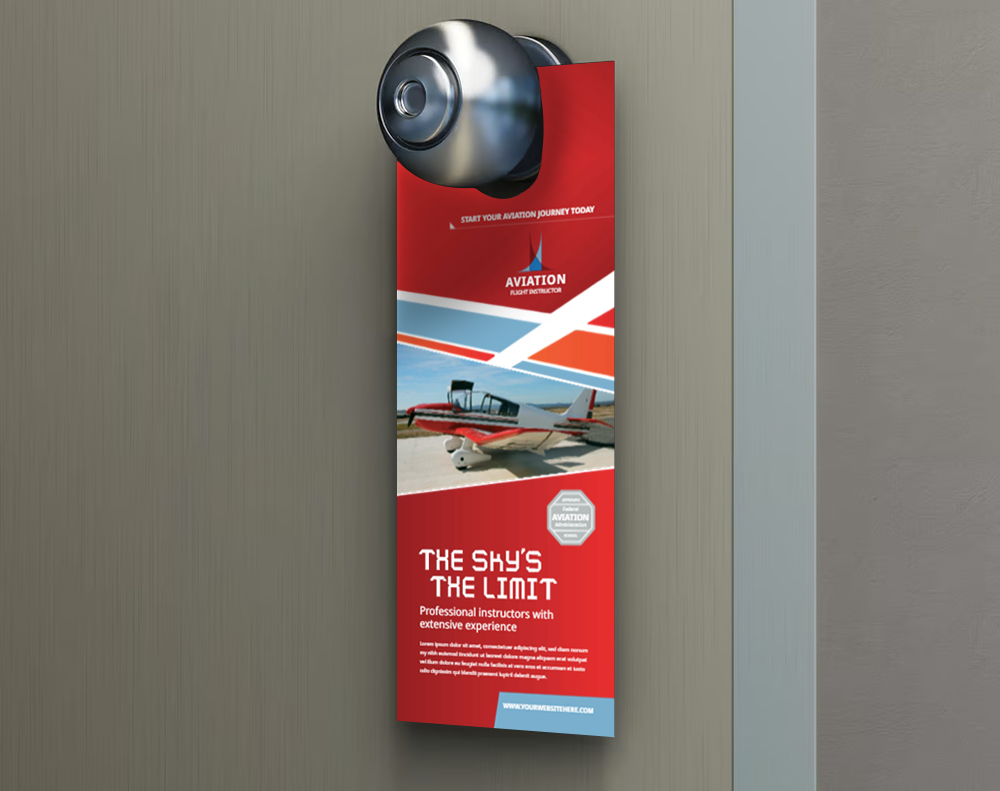
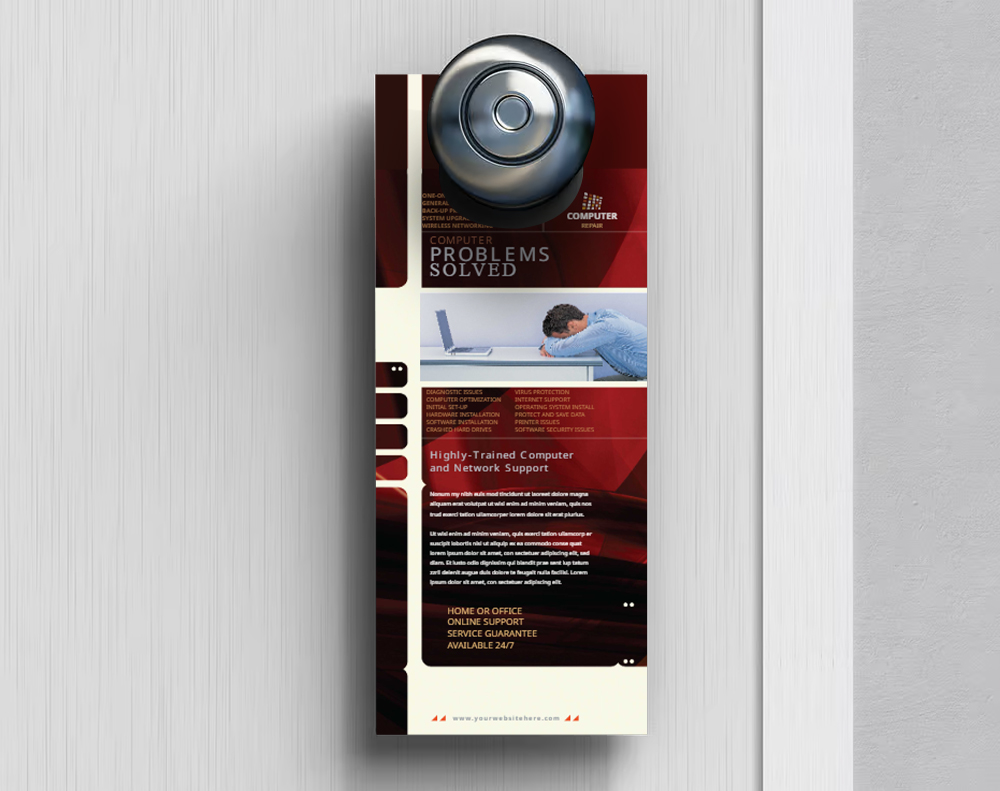
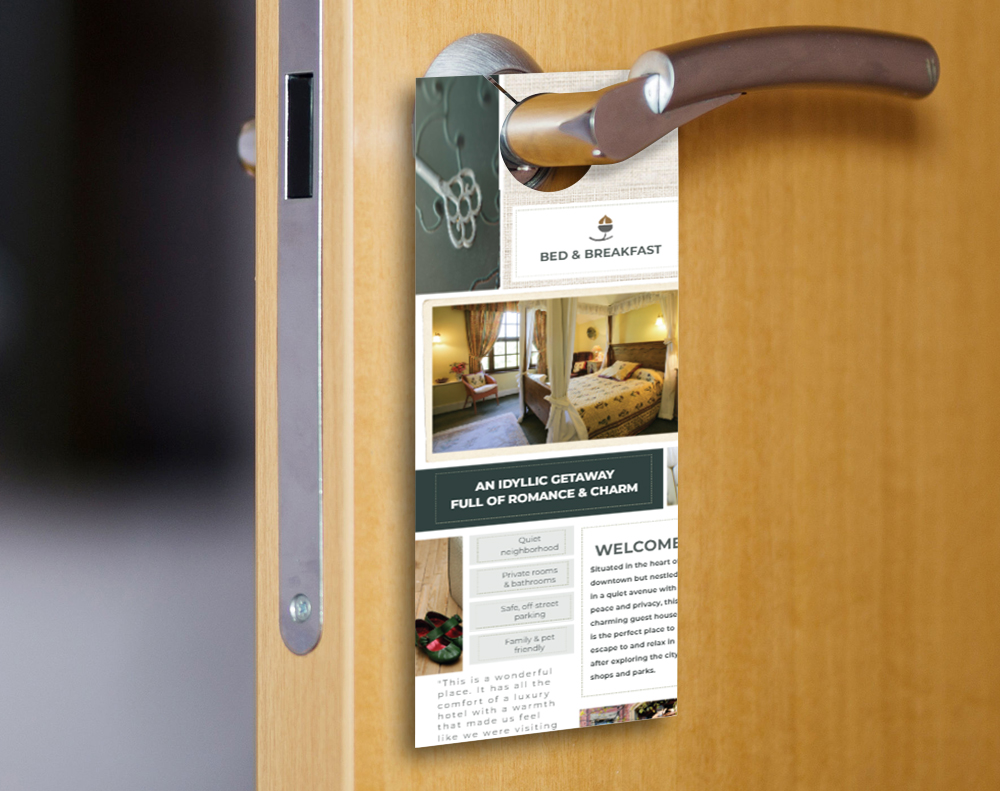
Need a head start on your design? These door hanger advertising templates are ready to customize.
Blank Templates

Here's what real customers say about their door hanger campaigns printed by 4OVER4.
"Ordered door hanger advertising statistics from 4OVER4 and the quality blew me away. Sharp colors, premium feel, arrived 2 days early."
"Been using 4OVER4 for door hanger advertising statistics for a year. Consistent quality every time. The online designer made it easy."
"Switched to 4OVER4 and saved 40% on door hanger advertising statistics. Better quality than my old printer. 60+ paper options."
"4OVER4's door hanger advertising statistics helped us look more professional. Clients notice the difference."
How Door Hangers Stack Up Against Other Local Marketing Channels
Door hanger advertising statistics become most useful when you compare them side by side with other local marketing options. Each channel has strengths, but door hangers occupy a unique position: guaranteed visibility, low cost, and hyper-local targeting without any digital ad fatigue.
The comparison below highlights the key differences that matter for campaign planning. Notice how door hangers combine the physical impact of direct mail with the geographic precision of canvassing - at a lower price point than most alternatives. For broader context on how the print industry performs across all product categories, check out the latest Printing Industry Statistics.
When evaluating door hanger effectiveness against channels like EDDM (Every Door Direct Mail), yard signs, or local Facebook ads, consider three factors: cost per household reached, response rate, and the ability to track results. Door hangers win on the first two for most local service businesses. Digital wins on tracking - unless you're using QR codes or unique promo codes on your hangers.
4OVER4 has helped 150,000+ businesses print marketing materials across all these channels. The businesses that see the best results typically combine door hangers with one digital channel for a multi-touch approach. A door hanger on Monday followed by a retargeting ad on Wednesday creates the kind of repetition that drives conversions.
What 4OVER4 Order Data Reveals About Door Hanger Campaigns
4OVER4 has been printing door hangers and marketing materials for 25+ years, giving us a unique window into how businesses actually use this format. Across 150,000+ businesses served, patterns emerge that published door hanger advertising statistics don't always capture.
Repeat orders tell the real story of door hanger effectiveness. Businesses that track their campaigns come back. They increase quantities. They test new designs. That behavior signals positive ROI better than any survey data.
Order volumes for door hangers spike predictably in March through May and again in September through October, aligning with the seasonal trends discussed earlier. Home service companies account for the largest share of door hanger orders, followed by restaurants and real estate professionals.
The most popular configurations lean toward heavier paper stocks and full-color printing on both sides. Businesses investing in door hanger campaigns clearly understand that print quality affects response rates - a flimsy hanger gets tossed, while a sturdy one gets read.
Printing Door Hangers That Actually Drive the Results These Stats Promise
Door hanger advertising statistics only matter if your hangers are good enough to convert. A poorly printed, thin, faded door hanger won't hit those 2%+ response rates no matter how perfect your targeting is. That's where 4OVER4 comes in.
4OVER4 prints on premium paper stocks with vivid, full-color output that makes your message pop the moment someone grabs it off their door handle. With 99.8% on-time delivery and a track record backed by 10,000+ reviews at 4.8/5 stars, your campaign timeline stays on track.
Looking for eco-conscious options? 4OVER4's Green Printing program offers sustainable paper choices that appeal to environmentally aware neighborhoods. Pair that with our commitment to Green Printing practices across our entire production facility, and your door hanger campaign aligns with modern consumer values while still delivering strong results.
How We Compiled These Door Hanger Statistics
The door hanger advertising statistics on this page come from a combination of industry reports published by the Data & Marketing Association, academic research on print media effectiveness, and 4OVER4's internal order and reorder data spanning 25+ years of operation. Where specific studies are cited, we've referenced the original source. General benchmarks reflect consensus figures from multiple industry publications. We update this page as new data becomes available to keep these door hanger marketing statistics current and actionable.
Rip Hangers Pricing
| Quantity | Price Per Unit |
|---|---|
| 250 | $1.45 |
| 1,000 | $0.42 |
| 5,000 | $0.22 |
| 15,000 | $0.13 |
| 25,000 | $0.12 |
Ink Color
Finish
Perfing
Proof Options
Free Door Hanger Advertising Templates


Common Questions About Door Hanger Advertising Data and Performance
What is the average response rate for door hanger advertising?
The door hanger response rate typically falls between 1% and 5%, depending on your offer, design quality, and targeting. Home service businesses with strong local offers tend to hit the higher end. This range is competitive with - and often exceeds - standard direct mail response rates, which average 2.7% to 4.4% for house lists according to the Data & Marketing Association.
Are door hangers more effective than direct mail postcards?
Door hanger effectiveness has one built-in advantage over postcards: a 100% "open rate." Every door hanger gets physically handled. Postcards compete with other mail in the mailbox and can be discarded without a glance. For hyper-local campaigns targeting specific streets or neighborhoods, door hangers often outperform postcards on a cost-per-response basis.
How much does a door hanger campaign cost per household?
All-in costs (printing plus distribution) typically range from $0.10 to $0.40 per household. Printing alone runs $0.05 to $0.25 per piece depending on quantity and paper stock. Distribution costs vary by market, but businesses with field crews can distribute for nearly zero additional cost. Door hanger advertising statistics show this CPM is competitive with targeted digital ads for local campaigns.
What industries get the best results from door hanger marketing?
Door hanger marketing statistics show the strongest performance in home services (landscaping, HVAC, cleaning), real estate, restaurants, fitness studios, and political campaigns. The common factor is geographic relevance - these businesses serve specific neighborhoods and benefit from reaching every household in their service area.
How do you track door hanger campaign results?
Use unique promo codes, dedicated tracking phone numbers, QR codes linking to campaign-specific landing pages, or custom URLs. These methods give you hard data on your door hanger response rate instead of guesswork. Businesses that track rigorously are the ones that confidently scale their door hanger budgets over time.
What paper stock works best for door hangers?
Heavier stocks (14pt and above) perform better because they feel big and resist weather damage. A flimsy door hanger gets crumpled and tossed. A thick, glossy or matte-coated hanger gets read. Door hanger effectiveness is directly tied to perceived quality - the sturdier the piece, the more credible the message.
When is the best time of year to run a door hanger campaign?
Spring through early summer delivers the highest response rates for most industries, especially home services. Fall is strong for heating, holiday, and back-to-routine businesses. Winter works well for snow removal and tax prep. Door-to-door marketing statistics show that timing your campaign to match seasonal demand can double your response rate compared to off-season distribution.