Greeting Card Industry Statistics at a Glance
The greeting card industry statistics paint a picture of a market in transition. Physical cards still move in massive volume - roughly 6.5 billion greeting cards are purchased annually in the United States alone, according to the Greeting Card Association. That's a staggering number for a product some predicted would vanish in the digital age.
Yet the landscape is shifting. E-cards, personalized print-on-demand options, and changing consumer habits are reshaping how people send sentiments. 4OVER4 tracks these shifts closely because they directly affect what printers, designers, and small businesses need. Use our Online Designer to create cards that match where the market is heading - personalized, premium, and built to stand out in a mailbox.
Why Greeting Card Market Data Matters for Print Businesses
Greeting card industry statistics aren't just numbers on a page. They're a roadmap for anyone selling, designing, or printing cards. The U.S. greeting card market generates an estimated $7-8 billion in annual retail revenue, according to industry analysts. That figure has held relatively steady even as digital communication exploded.
Understanding these greeting card statistics helps you spot opportunities. Are consumers spending more per card? Is personalization driving premium pricing? Which occasions generate the most purchases? These questions matter whether you're a stationery brand, a print shop, or a freelance designer building a product line.
For broader context on how print markets are performing, check out the latest Business Card Statistics and Printing Industry Statistics from 4OVER4. The greeting card segment tells its own story - and it's one worth paying attention to.
Greeting Card Market Size and Revenue Breakdown
Key Statistics
The global greeting card market size was valued at approximately $18-20 billion in 2023, according to multiple market research firms including Grand View Research and Allied Market Research. North America accounts for the largest share, driven by strong cultural traditions around holidays, birthdays, and life milestones.
The United States remains the single largest market. Americans purchase roughly 6.5 billion cards per year, with women buying approximately 80% of all greeting cards. The average American household buys around 30 cards annually. That's a lot of paper, ink, and postage.
More Data Points
Annual Revenue and Spending Patterns
U.S. greeting card retail sales hover between $7 billion and $8 billion per year. The average price of a single greeting card has been climbing steadily - from around $2-3 a decade ago to $4-5 today for standard cards. Premium and handmade cards regularly sell for $7-10 or more.
This price increase actually offsets some of the unit volume decline. People buy fewer cards, but they spend more per card. That's a pattern 4OVER4 sees across the broader Printing Industry Statistics as well - quality over quantity is winning.
Holiday-specific spending tells an interesting story. According to the National Retail Federation, Valentine's Day alone generates roughly 145 million card exchanges. Christmas cards account for the largest seasonal volume, with an estimated 1.6 billion cards sent during the holiday season.
More Data Points
Is the Greeting Card Industry in Decline?
The greeting card industry revenue decline narrative is complicated. Yes, unit sales have dropped from their peak. In the early 2000s, Americans bought closer to 7 billion cards annually. That number has slipped to around 6.5 billion. Some analysts project further decline in standard card purchases.
But "decline" doesn't tell the whole story. Revenue per unit is up. The premium segment is growing. Personalized and custom cards are booming. According to IBISWorld, the greeting card production industry in the U.S. has seen modest revenue fluctuations rather than a dramatic collapse.
What's actually happening is a market split. Mass-market, generic drugstore cards are losing ground. Meanwhile, independent card makers on platforms like Etsy, custom print-on-demand services, and premium stationery brands are thriving. The market isn't dying - it's fragmenting and moving upmarket.
"Consumers haven't stopped sending cards. They've stopped settling for generic ones. The demand for personalized, high-quality greeting cards has never been stronger in our 25+ years of printing."
4OVER4 Product Team
Expert Insights
Greeting Card Industry Trends 2025
Several greeting card industry trends 2025 are worth tracking if you're in the print or stationery business.
- Personalization is king. Custom photo cards, variable data printing, and made-to-order designs now represent a growing share of card sales. Consumers want cards that feel unique, not mass-produced.
- Eco-friendly materials matter. Recycled paper, soy-based inks, and plastic-free packaging are becoming purchase drivers, especially among younger buyers.
- Premium finishes command higher prices. Foil stamping, letterpress, embossing, and specialty paper stocks let card makers charge $8-12 per card and consumers happily pay it.
- Direct-to-consumer is growing. Small card brands selling through their own websites and social media are bypassing traditional retail channels entirely.
- Hybrid digital-physical experiences. QR codes on cards that link to video messages, augmented reality features, and NFC-enabled cards are emerging as differentiators.
These trends align with broader shifts in the print industry. For related data, explore the Print Advertising Statistics that show how physical print materials continue to outperform digital in engagement and recall.
Who Buys Greeting Cards? Demographics and Behavior
The greeting card buyer profile skews female, older, and suburban - but that's changing. According to industry surveys, women purchase approximately 80% of greeting cards. Buyers aged 45-65 represent the highest-spending demographic.
However, millennials and Gen Z are driving the custom and premium segments. They're less likely to buy a $3 card from a pharmacy rack. They're more likely to spend $8 on an indie-designed card from a small brand or order a custom photo card online.
Birthday cards remain the top-selling occasion, accounting for roughly 50-55% of all non-holiday card sales. Sympathy cards, thank you cards, and wedding cards round out the top categories. "Just because" cards - sent without a specific occasion - represent a small but growing segment.
Blank Templates


Greeting Card Industry Stats: Digital vs. Physical
E-cards and digital greetings haven't replaced physical cards the way many predicted. The e-card market, while growing, still represents a fraction of total greeting card spending. Physical cards carry an emotional weight that digital alternatives struggle to match.
Research consistently shows that recipients value physical cards more highly than digital ones. A tangible card sits on a mantelpiece or gets pinned to a fridge. An e-card gets opened once and forgotten. This emotional stickiness is why physical greeting card statistics remain strong despite decades of digital competition.
That said, the lines are blurring. Services that let you design a card online and have it printed and mailed directly to the recipient are growing rapidly. This hybrid model combines digital convenience with physical impact - and it's a space where print companies like 4OVER4 have a natural advantage.
For context on how physical print materials perform against digital alternatives across industries, the Packaging Industry Statistics show similar patterns of physical formats holding strong.
"Ordered greeting card industry statistics from 4OVER4 and the quality blew me away. Sharp colors, premium feel, arrived 2 days early."
"Been using 4OVER4 for greeting card industry statistics for a year. Consistent quality every time. The online designer made it easy."
"Switched to 4OVER4 and saved 40% on greeting card industry statistics. Better quality than my old printer. 60+ paper options."
"4OVER4's greeting card industry statistics helped us look more professional. Clients notice the difference."
Key Players and Market Concentration
The greeting card market has historically been dominated by a handful of major players. Hallmark Cards holds an estimated 40-45% of the U.S. market. American Greetings follows with roughly 25-30%. Together, these two companies control the majority of retail shelf space.
But market concentration is loosening. Independent card makers, print-on-demand services, and direct-to-consumer brands are chipping away at that dominance. Platforms like Etsy host thousands of independent card sellers. Amazon has become a major distribution channel for smaller brands.
For print businesses, this fragmentation creates opportunity. Small brands need printing partners who can handle short runs, offer premium finishes, and turn orders around quickly. That's exactly the sweet spot where custom printers operate.
Greeting Card Production and Supply Chain
The production side of greeting card statistics reveals interesting patterns. Card manufacturing involves paper sourcing, printing, finishing (embossing, foiling, die-cutting), and distribution. The supply chain has been affected by paper price fluctuations and shipping cost increases since 2020.
Paper costs represent roughly 30-40% of a greeting card's production cost. When paper prices spike, card makers face a choice: absorb the cost or raise retail prices. Most have chosen to raise prices, which partly explains the steady increase in average card prices over the past five years.
Print-on-demand and short-run digital printing have changed the economics for smaller producers. Instead of ordering 10,000 units of a single design, a small brand can print 100-500 cards at a time, test designs, and reorder winners. This reduces inventory risk and lets creative businesses move faster.
How Greeting Card Channels Compare
Greeting card industry statistics look different depending on the sales channel. Mass retail, online direct-to-consumer, and custom print-on-demand each serve different buyer needs at different price points. Understanding these channel differences helps print businesses position their greeting card offerings effectively.
The shift toward premium and personalized cards has opened up opportunities beyond traditional retail. Custom printers can compete on quality and uniqueness rather than price. Products like 3D Lenticular Cards from 4OVER4 represent the kind of specialty format that mass-market producers can't easily replicate.
Greeting card statistics show that consumers increasingly value the tactile experience of a well-made card. A thick, textured card with a specialty finish communicates care in a way that a thin, mass-produced card simply can't. This is where custom printing shines - giving card makers access to premium stocks, unique finishes, and short-run economics that make boutique card lines viable.
The price-per-card gap between mass retail and custom/premium channels continues to widen. Mass-market cards average $3-5 at retail. Custom and premium cards regularly sell for $6-12. That margin difference is what makes the premium greeting card segment attractive for entrepreneurs and small stationery brands.
What 4OVER4 Print Data Reveals About Card Orders
4OVER4 has printed for 150,000+ businesses over 25+ years in the industry. That history gives us a unique window into greeting card industry statistics from the production side.
Our internal data shows that custom greeting card orders tend to spike in three predictable waves: October through December for holiday cards, late January through mid-February for Valentine's Day, and April through May for Mother's Day and graduation season. These seasonal patterns mirror the broader greeting card statistics reported by industry associations.
We've also noticed a clear trend toward thicker paper stocks and specialty finishes on greeting card orders. Customers are choosing premium options at higher rates than they did five years ago. The "cheap and cheerful" card order is becoming less common. People want cards that feel big - cards worth keeping.
How 4OVER4 Fits Into the Greeting Card Market
Greeting card industry statistics point to one clear direction: personalization and premium quality win. That's where 4OVER4 operates. With 60+ paper types, specialty finishes, and 1,000+ products in our catalog, we give card makers the tools to create products that stand out.
Whether you're a stationery brand launching a new line or a photographer selling holiday photo cards, 4OVER4 handles the printing so you can focus on design. Our Green Printing options also address the growing consumer demand for environmentally responsible cards - a trend that greeting card industry stats show is accelerating year over year.
Small-batch runs, fast turnaround, and 99.8% on-time delivery mean you can test new designs without massive inventory commitments. Explore our Green Printing capabilities to match the sustainability expectations of today's card buyers.
How We Compiled These Greeting Card Statistics
The greeting card industry statistics on this page draw from publicly available reports by the Greeting Card Association, IBISWorld, Grand View Research, Allied Market Research, and the National Retail Federation. 4OVER4 cross-references these external sources with our own internal order data spanning 25+ years and 150,000+ business clients. All figures represent the most recent available data as of early 2025. We update this page as new industry reports are published.
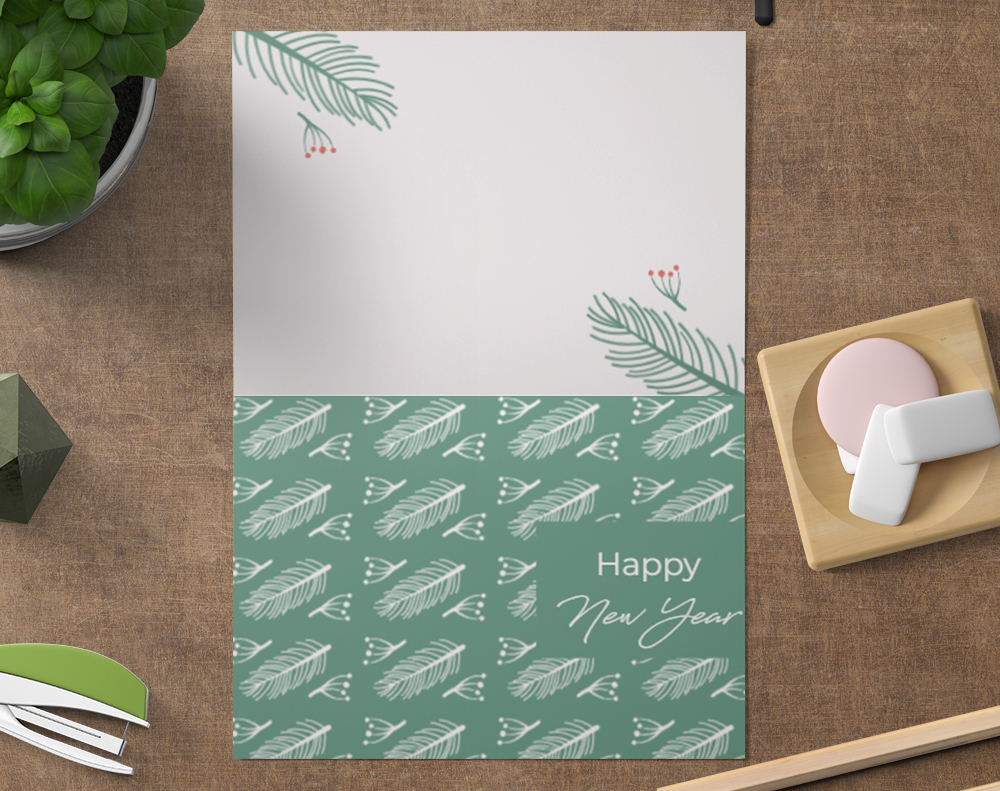
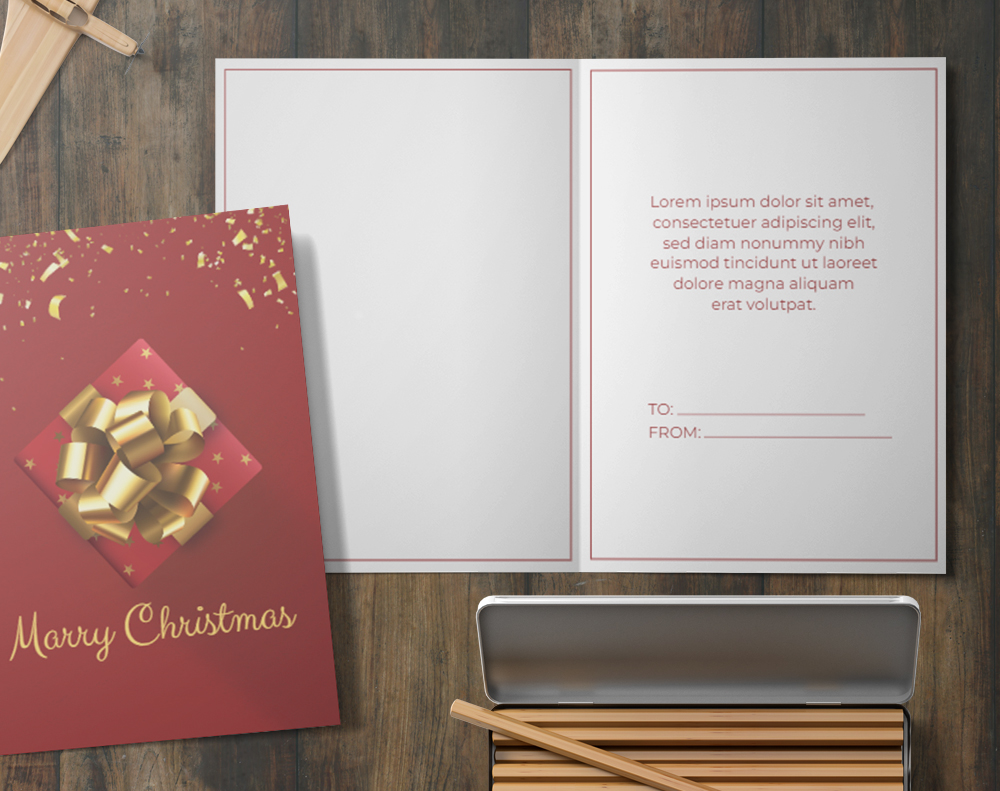
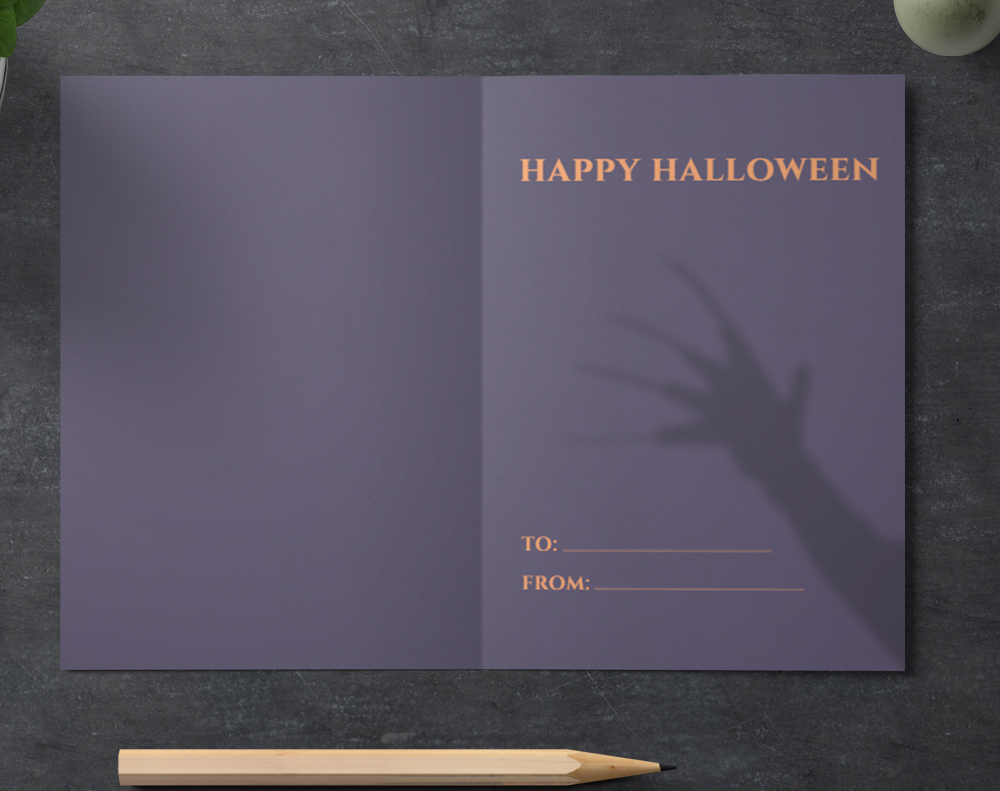
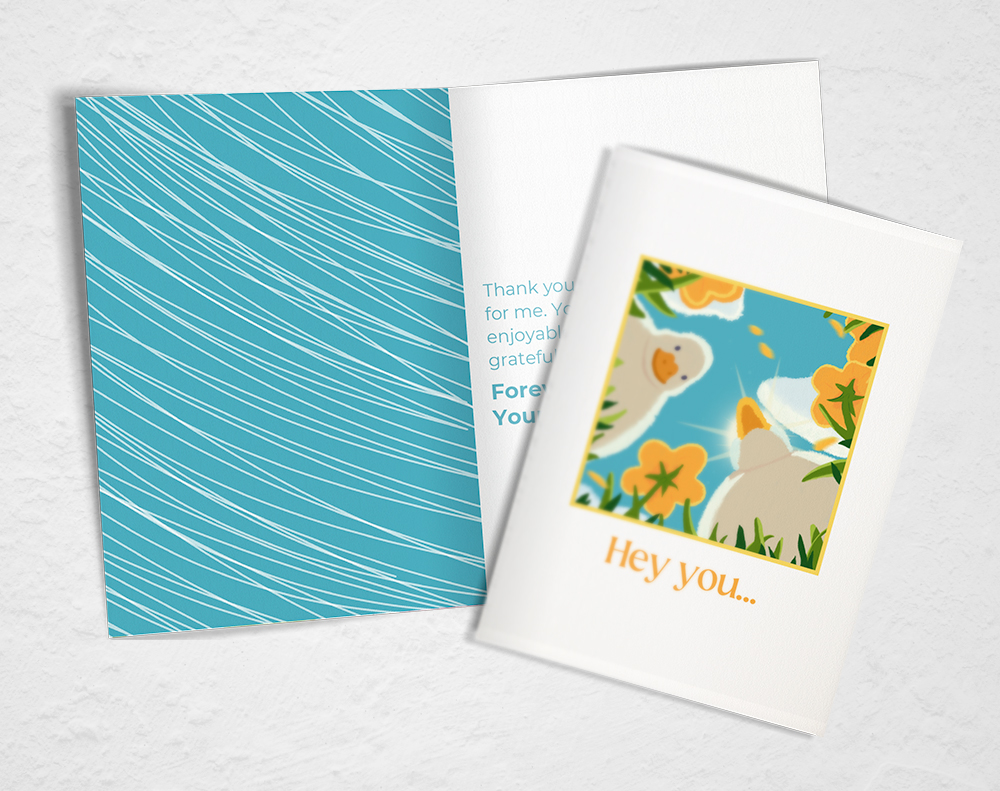
Free Greeting Card Industry Templates

Common Questions About Greeting Card Industry Data
How big is the greeting card market in the United States?
The U.S. greeting card market generates an estimated $7-8 billion in annual retail revenue. Americans purchase roughly 6.5 billion cards per year, making the United States the largest single market for greeting cards globally. The greeting card market size has remained relatively stable despite digital competition.
Is the greeting card industry declining?
The greeting card industry revenue decline is real in terms of unit volume - purchases have dropped from about 7 billion to 6.5 billion annually over the past two decades. However, revenue per card is increasing as consumers shift toward premium and personalized options. The market is fragmenting rather than collapsing.
What are the top greeting card industry trends for 2025?
Greeting card industry trends 2025 include growing demand for personalization, eco-friendly materials, premium finishes like foil and letterpress, direct-to-consumer sales channels, and hybrid cards that incorporate digital elements like QR codes. Short-run custom printing is making it easier for small brands to compete.
Who buys the most greeting cards?
Women purchase approximately 80% of all greeting cards. The 45-65 age demographic spends the most on cards. However, millennials and Gen Z are driving growth in the custom and premium segments, preferring unique indie-designed cards over mass-market options.
What occasion generates the most greeting card sales?
Birthday cards account for roughly 50-55% of all non-holiday greeting card sales, making birthdays the single largest occasion. Christmas generates the highest seasonal volume with an estimated 1.6 billion cards sent. Valentine's Day drives about 145 million card exchanges annually.
Can I order custom greeting cards from 4OVER4?
Yes. 4OVER4 prints custom greeting cards on 60+ paper types with specialty finish options including foil, embossing, and soft-touch coatings. You can order Free Samples to feel the paper quality before committing to a full run. Short-run and bulk quantities are both available.
How do physical greeting cards compare to e-cards in consumer preference?
Physical greeting cards consistently outperform e-cards in perceived value and emotional impact. Recipients keep physical cards on display - on mantels, fridges, and desks. E-cards are typically opened once and forgotten. This tangible quality is why physical greeting card statistics remain strong despite decades of digital alternatives.