
10 Creative Places to Leave Your Business Cards Where People Pick Them Up


Emma is our prepress and print production voice, built from the knowledge of our production team, with over 20 years in printing.
Leave your business cards where somebody is already standing still with a reason to hire you: a partner business counter, a coworking lounge, a waiting area, and the inside of every parcel you ship. Community boards, tourism racks and food truck windows take cards too, but they trade intent for footfall, so they need a much larger stack and a much shorter card message to pay for themselves.
Where you can leave your business cards
You can leave business cards anywhere the person who runs the space says yes, plus the one spot you control outright, your own parcels. Two numbers decide the plan: how many cards the spot eats between visits, and how far away a stranger reads the card before picking it up.
The best places, ranked by intent
Partner counters come first, because your card reaches people who already trust the business next to you. Your own shipments come second, one card in every box. Coworking lounges and waiting areas follow, restocked monthly. These are the spots worth premium business cards in a thicker stock, since each card gets picked up and handled.
Good places when you need volume
Community boards, tourism racks and food truck windows are the volume spots. A tourism rack you visit twice a year can swallow a box of cards, so standard business cards keep that stack cheap.
Business card placements at a glance
| Placement | Permission | Cards per drop | What the card must say | Card to print |
|---|---|---|---|---|
| Coworking lounge | Ask the community manager | 25 to 50 | The service, plus a scan-to-book code | QR code business cards |
| Your own parcels | None, it is your box | 1 per order | A reorder code and a referral line | Premium business cards |
| Community bulletin board | Read the posted rules | 20 in a pocket, restocked | One offer, big enough to read at arm’s length | Plastic business cards |
| Partner counter | Owner, in person | 30 to 50 | Why their customer needs you next | Raised foil business cards |
| Tourism or visitor rack | Rack operator, often a fee | 200+ | What you do, in three words, from six feet away | Standard business cards |
Stack sizes assume you restock in person. A placement you can only reach twice a year needs a design that still reads after months in the rack.
Why placement beats volume
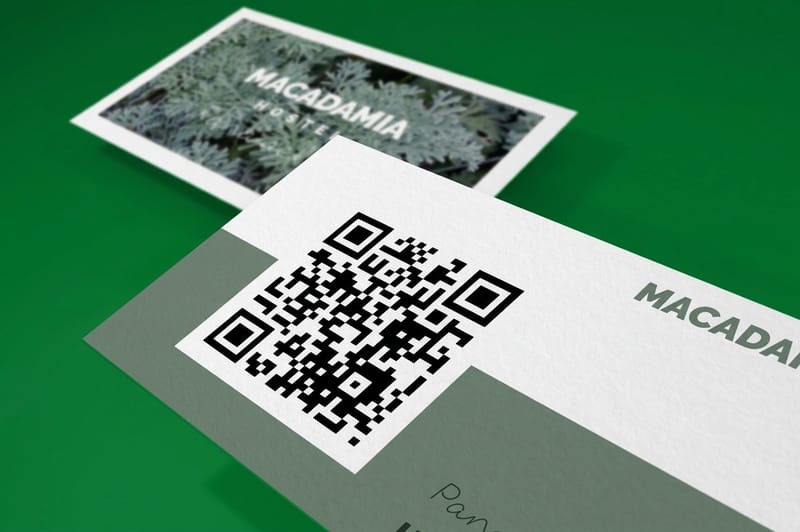
A business card left on a rack has to do the whole job on its own. There is no handshake in front of it, no conversation, nothing to explain what you do, so the only thing working for you is where the card is standing and what it says on the side facing out.
That changes what a good spot looks like. The busiest spots are almost never the spots full of buyers for what you sell, and the spots with the highest intent usually see a handful of visitors. A partner plumber handing your card to a homeowner mid-renovation puts it in front of someone who needs you this week, while a rack at a busy visitor center needs a far bigger stack to find that person.
So plan two piles. A small pile for high-intent spots, restocked by hand, watched closely. A large pile for volume spots that you accept will mostly be ignored. Mixing them up is how a box of 500 cards disappears with nothing to show for it. If you are still choosing what to print, our breakdown of business card stock covers which weights hold up in a rack and which ones curl.
Ask first, every time it is not your counter
Leaving cards somewhere you were not invited is the fastest way to get your stack binned and your name remembered badly. Coworking spaces, libraries and cafes often have a rule already written down, and an owner is likelier to say yes when you offer something back. It costs one sentence.
One placement is not a gray area at all: a residential mailbox. A card left inside one breaks a federal rule, and the mailbox law article walks through it.
Match the card to the weather it will sit in
A card that lives indoors on a counter can be anything. A card pinned to a board in a laundromat, a garage or an outdoor community kiosk is a different problem: humidity lifts the corners of a 14pt paper card. Plastic business cards cost far more per card, so save them for the boards that would ruin paper between visits.
For anything indoors, a 16pt card holds its shape in a pocket holder much better than a 14pt one. That difference is small in your hand and obvious after fifty people have thumbed through the stack.
The ten places worth a stack of cards
These ten are ordered by how much control you have over the placement, starting with the ones nobody can take away from you. Each one names the permission you need and the size of stack that suits it.
None of them need an expensive card to test. A run of 100 standard business cards is enough to test a few spots and find out which ones deserve the good stock.
Places one to five: spots you can control
1. Your own packaging and shipments. Every parcel you send already has a person opening it who bought from you once. A card in the box with a line for a friend is the only placement on this list with a guaranteed reader. Print it double sided, with the reorder code on the back of the card.
2. Coworking spaces. Ask the community manager, not the front desk. Ask whether there is a member board or a shared table where cards are allowed. Leave 25 to 50 and come back monthly, because members come and go.
3. Partner businesses. The strongest placement on the list. Find a business whose customer needs you immediately after they finish with them: the framer next to the photographer, the mover next to the cleaner, the caterer next to the venue. Hand the owner a stack, hand them a reason to pass it on, and check in.
4. Waiting areas. Tire shops, salons, vets, dentists and repair counters hold people still for twenty minutes with nothing to read. Ask about the magazine table rather than the bulletin board, since the table is where the bored hands go. A scan-to-book code suits a room where people already hold their phones.
5. Libraries and bookstores. Some libraries have a community board with posted rules, so read them or ask at the desk. At a bookstore, ask the owner before you leave anything near the till. Both skew toward people who read, which suits tutors, editors, therapists, musicians and anyone selling something considered.
Places six to ten: spots that need volume or nerve
6. Community bulletin boards. Laundromats, grocery entrances, gyms, church halls and campus corridors. Do not pin a bare card, because it vanishes into the noise. Pin a small sheet with a pocket of cards stapled to it, so the board shows a headline and the pocket holds the take-away.
7. Food trucks and coffee carts. A truck moves through several neighborhoods a week and its owner is a small business too, which makes the trade easy: your cards by their window, their flyers wherever you are. Volume is high and intent is low, so only bother if what you sell has broad appeal.
8. HOAs and apartment complexes. Go through the office, never the mailboxes. Ask the office whether it has a resident board or a welcome packet for new tenants. Home services, dog walkers, cleaners and tutors are the fits here.
9. Community and tourism centers. Visitor centers, chambers of commerce and hotel lobbies run card and brochure racks, sometimes free for members and sometimes for a monthly fee. Only worth it when a visitor could plausibly buy today, which means food, tours, repairs, printing and services with no lead time.
10. Scavenger hunts and geocaches. The oddest one and the cheapest to run. Drop a card in a geocache, tape a few around a neighborhood event with a code that leads to a small prize, or hide them in the pages of a book you leave in a little free library. It reaches very few people, so treat it as a novelty that costs ten cards.
How to track which placements actually work
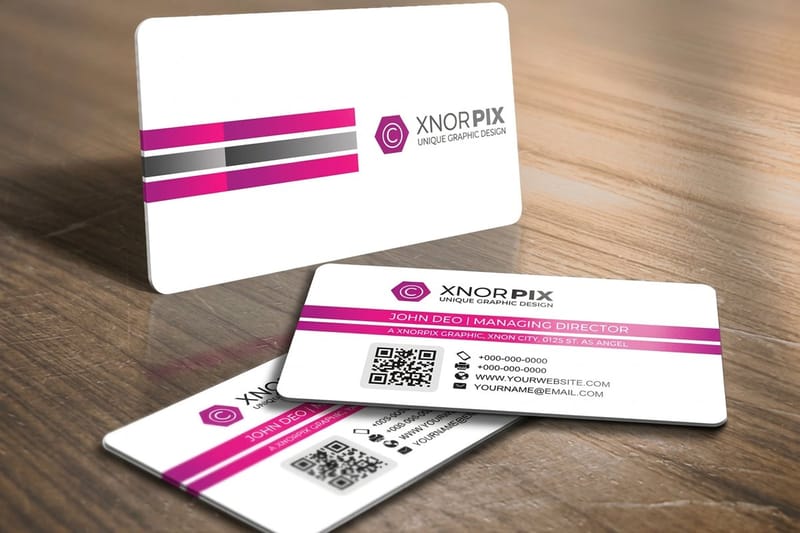
The tracking itself is a short spreadsheet. Because each location has its own code, the scans tell you which drop earns its restock, and the code costs nothing extra because it is just artwork on the card. QR code business cards come in runs of 100, so five locations means five short runs on one invoice.
Point each code at its own landing page or its own tagged link, name them after the spot, and check them monthly. The library board and the coworking lounge stop competing for credit, and the spot that produced nothing in eight weeks gets its stack moved somewhere better instead of quietly eating cards.
Know the limit of the number, though. Scans undercount, because a share of people read the card, search your business name later, and arrive without ever touching the code. Treat the scan count as a floor rather than the whole result, and cross-check it against what new customers tell you when you ask how they found you. Our guide to QR codes on business cards covers code size, quiet zone and the mistakes that stop a code scanning at all.
A simple placement tracker
Keep one row per location with five columns: where it is, the date of the drop, how many cards you left, the code you printed, and the scans since the last visit. Fill it in when you restock rather than at a desk afterwards, because the count you make while holding the pocket is the only accurate one.
After two months the sheet sorts itself. Spots with scans get the good stock and a bigger stack. Spots with none get one more visit with a different offer on the card, then they get dropped. That is the whole method.
Reorder before you run out, not after
Count what a full month of restocking consumes, then reorder when the box drops to that number. Running dry is what quietly kills a placement habit, because the board sits empty for three weeks and the pocket comes down.
Since the artwork rarely changes between runs, keep the file and the code destinations stable and repeat the order from the same file you set up through the business card ordering guide.
Card pricing and specs at 4OVER4.COM
A placement plan buys several short runs, one per location, so the first price step matters more than the bulk rate. The table shows the QR code card ladder from 100 to 600, and the per card cost drops at every step.
Quantity and price
QR code business card pricing and specs
Real configurator numbers, where a bigger run for a multi-location drop plan pulls the per card cost down.
| Quantity | Price Per Unit | Total |
|---|---|---|
| 100 | 17.6¢ | $17.57 |
| 200 | 11.5¢ | $23.07 |
| 300 | 9.15¢ | $27.46 |
| 400 | 7.96¢ | $31.86 |
| 500 | 7.25¢ | $36.26 |
| 600 | 6.77¢ | $40.64 |
Stock and finish for cards that sit in a rack
A card that gets handed over lives in a pocket for a day. A card in a rack sits there for weeks being thumbed, breathed on and knocked over, so stock and finish stop being a taste question. Premium business cards come on 74 stocks from 13pt to 80pt, with a standard finish or an optional High Gloss UV coating.
Print it
Premium cards, ready to leave
Thicker stocks for the counters and waiting rooms you restock by hand.
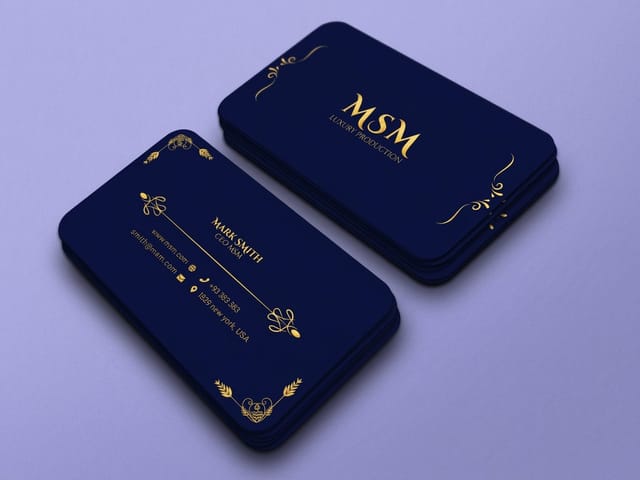
The finish changes the job: a gloss stock lifts photography, while an uncoated stock takes a pen if you want to add a name or a price by hand at the counter. For a placement that only ever gets one reader, such as a partner owner or a venue manager, raised foil business cards give that one reader a card worth keeping.
Placement plans by business type
The right spots depend on who buys from you.
- Home services. Partner counters at hardware stores, HOA welcome packets and apartment office boards. Your customer is already mid-problem, so the card needs a phone number bigger than the logo.
- Trainers and therapists. Gym boards, coworking lounges and waiting areas at physio and chiropractic clinics. A scan-to-book code lets a new client book a session before they leave the room.
- Photographers and creatives. Bookstores, framers, venues and coffee shops with a local shelf. High-touch stock earns its cost because the card gets handled and compared.
- Food and hospitality. Tourism racks, hotel lobbies and food truck windows, where a visitor can act the same day. Volume placements, so print cheap and print plenty.
- Consultants and B2B. Coworking spaces and chamber of commerce racks. Skip the community boards entirely, since the audience there is not buying what you sell.
Card blanks with the safe area shown
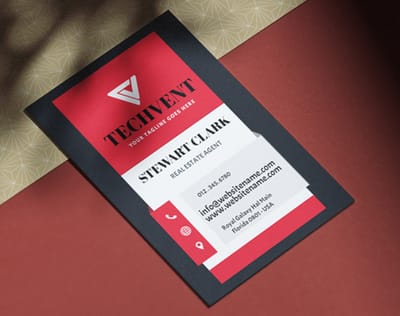
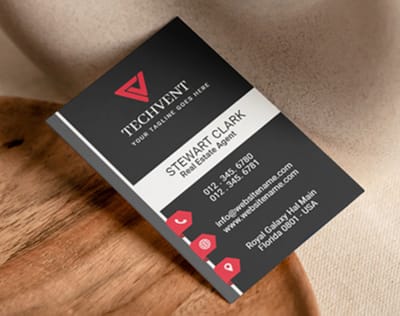
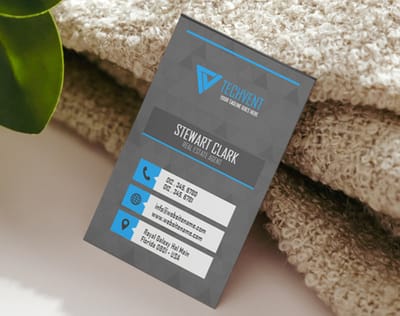
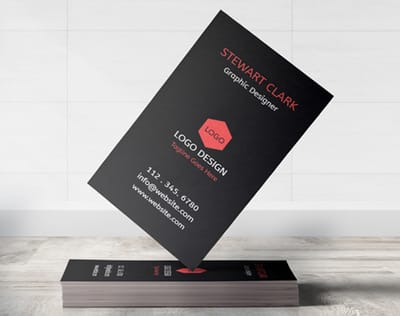
Every location on your list can run off one file. Set the front once, swap only the QR code for each spot, and keep that code inside the safe area so the trim never clips it on a 2 x 3.5 inch card. Start from a print ready blank in the blank template library, where bleed and trim are already marked, then order 100 cards per location.
Start fast
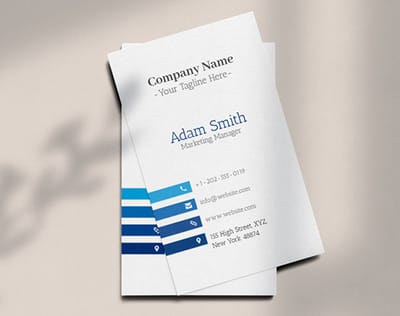
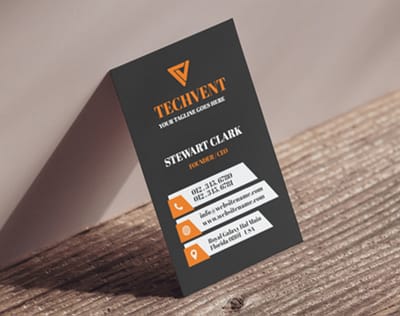
QR card designs and blank press files
Eight QR code card designs plus six blank press files with bleed and trim marked.





Wally maps the drop before he prints the stack
Every location gets its own code and its own count
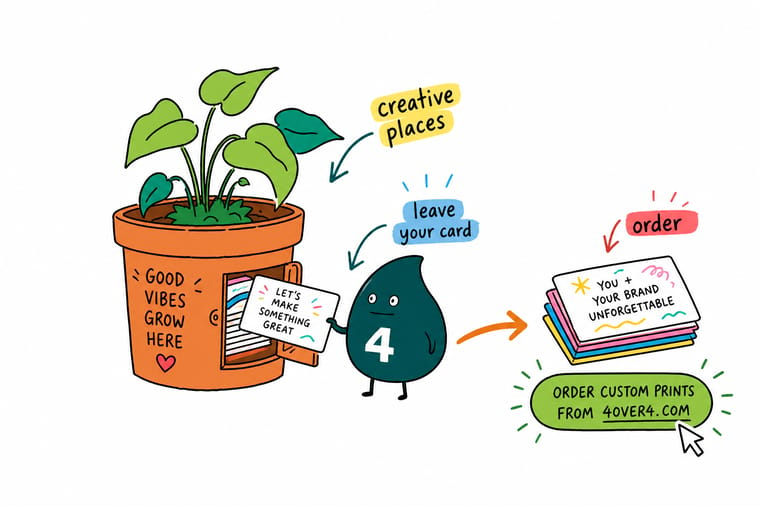
List the spots, ask permission at each one, and print a separate short run with a different QR destination per location. Leave 20 to 50 where you can restock monthly and 200 or more in a rack you rarely visit, then log the scans each time you top up. After two months the sheet tells you which stacks to grow and which to move.
Order QR code business cards →What to remember about leaving business cards
Rules for a card that gets picked up
- Lead with the offer, not the title. A job title gives a stranger no reason to lift the card. What you do and what it costs to start does.
- Readable from three feet. A card in a rack is read at arm’s length before anyone reaches for it. If the main line needs squinting, the card stays in the rack.
- Print the reason to keep it. A discount, a checklist, a code, a map. A card with a reason to stay in a wallet outlives a card that only carries contact details.
- Leave dates off the card. A card that names a month goes stale while it waits in a rack. Put the deadline on the page the code opens, where you can change it.
Explore more
More ways to print and promote
Plastic cards on 20 point rigid vinyl for the damp boards, plus the QR, premium and foil cards for every other spot.
Product QR Code Business Cards Cards with a scannable code that opens your own page. Product Standard Business Cards The cheap stack for volume racks and community boards. 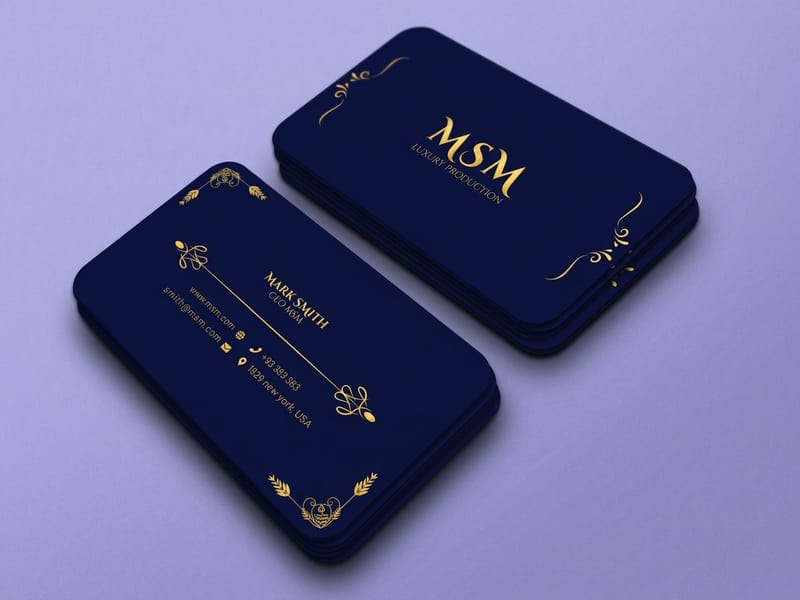 Product Premium Business Cards Heavier stock for cards that get handled and compared. Product Plastic Business Cards For damp, outdoor and high-traffic boards that eat paper.
 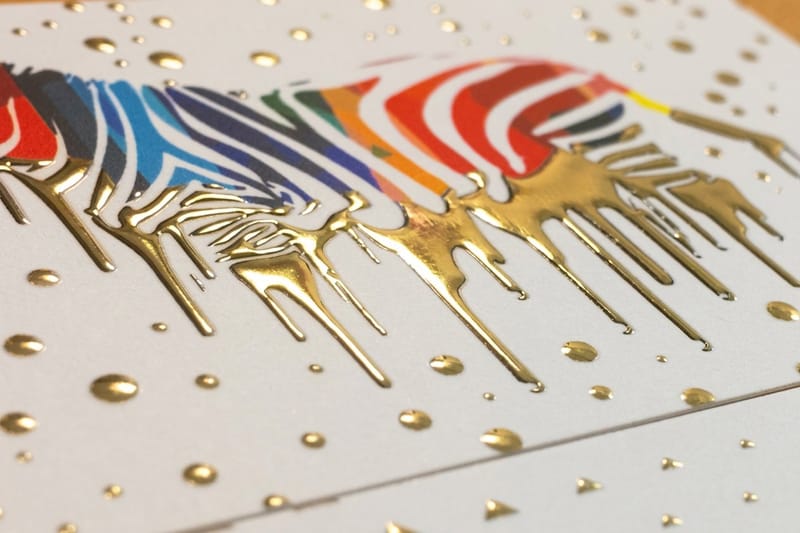 Product Raised Foil Business Cards The card you leave where one reader matters more than a hundred.
  Category Business Card Printing Every stock, shape and finish in one place.
  Article Business Cards in Mailboxes What the law allows, and what to do at the door instead.
 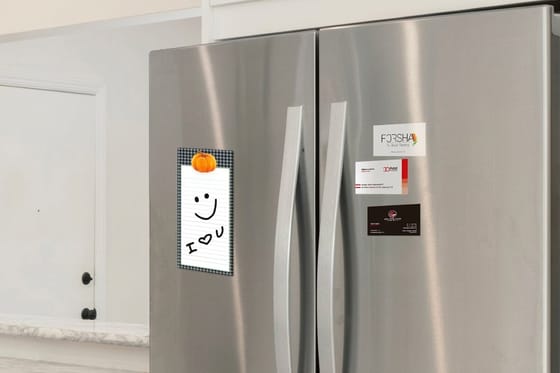 Article Card Ideas for Online Sellers What to print on the card that rides inside the parcel.
 Ready to print the stack?
Pick your stock, drop in your design or a free template, and 4OVER4.COM prints it, with a free online proof first if you choose one.
Common questions about leaving business cards
Is it legal to put a business card in someone’s mailbox?
No. Federal law reserves the inside of a residential mailbox for mail that has carried postage, so a card slipped in without postage is a violation whether or not anyone ever complains. The legal alternatives are the door itself, a porch or a door hanger, a card handed to a person, or the mail stream with real postage on it. If you want a mailbox to be part of the plan, send a postcard through the mail instead and it becomes both legal and trackable.
Can I leave business cards on car windshields?
Legally it depends on your city, because many municipalities have anti-handbill ordinances that cover unsolicited material on parked vehicles, and some private lots post their own rules. Practically it is one of the weakest placements on any list. The card is read while somebody is annoyed at finding something under their wiper, which is the opposite of the mood you want attached to your business name.
How many business cards should I leave in one spot?
Start small and let the location tell you. Leave a modest stack, count what is gone at the next visit, and size the next drop to that number. A spot you reach often needs fewer cards than one you reach rarely, and the table above gives starting numbers for each place.
Do people really take business cards off bulletin boards?
Yes, from the right board. A laundromat board reaches people with time to read and a phone in hand, while a corridor board people walk past at speed does very little regardless of what is on it. Pick boards where people wait, and skip the ones they only pass.
